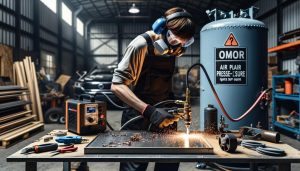
When it comes to plasma cutting, the right air compressor is crucial for optimal performance. A key factor that often gets overlooked is compressor sizing; one that’s too small can hinder your project, while an oversized model can lead to inefficiency and increased costs. Understanding the relationship between your plasma cutter and the air compressor not only enhances cutting precision but also boosts productivity and quality of work. Whether you’re a hobbyist or a professional welder, knowing how to select the appropriate compressor size directly impacts your results and equipment longevity. Join us as we explore essential guidelines that ensure you choose the right air compressor for your plasma cutting needs, helping you achieve exceptional results while saving time and resources.
How to Determine Your Plasma Cutter Air Needs
To ensure optimal performance from your plasma cutter, understanding your air needs is crucial. Plasma cutting relies on a steady supply of compressed air, not only to create the plasma arc but also to assist in removing molten metal from the cut. The primary specifications to focus on are the CFM (Cubic Feet per Minute) and PSI (Pounds per Square Inch) ratings of your air compressor, which dictate the amount of air flow and pressure required for effective cutting.
Understanding CFM and PSI Requirements
Plasma cutters typically require a specific range of CFM and PSI to operate effectively. Most small to mid-range plasma cutters need a minimum of 4-5 CFM at 90 PSI for continuous operation. It’s important to check the manufacturer’s specifications for your specific model, as some high-performance units may require up to 10 CFM or more. When choosing an air compressor, ensure it meets or exceeds these requirements to prevent interruptions during operation.
It’s also critical to consider that higher PSI does not necessarily equate to better performance in plasma cutting. Depending on your material thickness and type, maintaining proper pressure is essential. For instance, a lower PSI setting can sometimes yield cleaner cuts in thinner materials, while thicker materials may require higher PSI for effective cutting through.
Calculating Your Air Supply Needs
To make a well-informed decision, perform a quick calculation of your total air needs. Multiply the CFM requirement of your plasma cutter by the number of concurrent cutters you plan to operate if you’re working in a fab shop. For example, if each cutter requires 5 CFM, and you have three in use simultaneously, you’ll need an air compressor capable of providing at least 15 CFM at the required PSI.
In addition to static calculations, consider real-world factors such as humidity and temperature, as these can also affect air pressure and flow rates. Compressed air typically contains moisture, which can contaminate your plasma cutting process. Investing in a quality air dryer or moisture separator will help maintain clean air flow.
Practical Considerations
When sizing your air compressor, it’s beneficial to factor in a margin of safety by choosing a compressor with a higher CFM rating than you initially calculate. This not only helps to accommodate for fluctuations in air demand but also extends the lifespan of your equipment by reducing strain during operation. Finally, ensure that your air compressor includes features that support plasma cutting, such as an appropriate regulator, pressure gauge, and quick-connect fittings for easy setup.
In conclusion, thoroughly understanding your plasma cutter’s air needs and corresponding compressor requirements is a vital step to improving performance and achieving quality results in your cutting tasks. By considering the necessary CFM and PSI, as well as accounting for future needs and operational conditions, you can select the right equipment that meets all your plasma cutting demands.
Understanding CFM and PSI Requirements

Understanding the precise air requirements for plasma cutting is fundamental for achieving optimal performance and high-quality cuts. Two critical factors to consider are CFM (Cubic Feet per Minute) and PSI (Pounds per Square Inch). These measurements directly affect your plasma cutter’s efficiency and capability. Selecting the appropriate air compressor not only ensures a seamless workflow but significantly impacts the quality of your finished product.
Most plasma cutters, particularly in the small to mid-range category, typically require at least 4-5 CFM at around 90 PSI for continuous operation. However, it is essential to consult your cutter’s owner manual for specific requirements since some high-performance models may demand upwards of 10 CFM or more. Failing to supply an adequate flow of compressed air can lead to subpar cutting performance, such as inconsistent arc stability, poor cut quality, and decreased operational efficiency. Thus, investing in a compressor with sufficient CFM and PSI ratings is non-negotiable for anyone serious about plasma cutting.
Another important consideration is the relationship between PSI and material thickness. While higher PSI settings can sometimes enhance the cutting ability on thicker metals, they might not yield the best results on thinner materials. In areas where finesse is required, lower PSI can often yield cleaner and more precise cuts. Additionally, external factors such as ambient temperature and humidity can influence air density and flow rates, thus affecting overall cutting performance. To mitigate these issues, using a quality air dryer or moisture separator can help ensure a clean and consistent supply of compressed air, ultimately preserving the longevity and performance of both the compressor and plasma cutter.
In practical terms, it is advisable to size your air compressor with a safety margin-selecting a unit that exceeds your calculated CFM needs by 20-30%. This strategy accommodates fluctuations in air demand and reduces stress on components during peak usage, extending the equipment’s lifespan. Features such as an appropriate regulator, pressure gauge, and quick-connect fittings are also beneficial, as they simplify setup and operation, allowing for a more efficient cutting process. Understanding and addressing your plasma cutter’s air needs can significantly enhance your cutting capabilities and help you achieve superior results in your projects.
Choosing the Right Size Air Compressor

Selecting the appropriate size air compressor is crucial for anyone engaged in plasma cutting, where precision and efficiency are paramount. Many beginners overlook this step, often leading to frustration and suboptimal performance during their projects. An inadequately sized air compressor can impede your plasma cutter’s functionality, causing issues such as poor cut quality or even equipment damage. Conversely, choosing an oversized compressor can lead to unnecessary costs and cumbersome handling. Thus, understanding the variables that influence your compressor selection is essential for both novices and seasoned professionals alike.
When determining the right size, the first key factor to consider is the CFM (Cubic Feet per Minute) requirement of your plasma cutter. As noted earlier, many units in the small to mid-range category require at least 4-5 CFM at approximately 90 PSI for continuous operation. However, it’s wise to refer to the manufacturer’s specifications for your specific model, which may suggest higher needs, especially during peak usage. To ensure adequate performance, opt for a compressor that exceeds your needs by approximately 20-30%, accommodating factors like fluctuating air demands and potential peaks in usage.
Moreover, the decision between portability and power also weighs heavily on your choice. If you’re primarily working on-site or need mobility for various projects, a smaller, portable compressor may suit your needs. However, these tend to provide less air volume and pressure. On the other hand, stationary compressors typically offer the necessary power for larger tasks but will limit your mobility. Assessing your specific requirements will help guide this decision.
Additionally, consider the nature of your projects and material thickness, as different tasks may utilize varying PSI settings. For instance, cutting thicker materials may call for higher PSI, while delicate work on thin metals benefits from lower settings. By aligning your air compressor’s capabilities with your workload and ensuring that your equipment is optimized for the task at hand, you’ll enhance both the quality and efficiency of your plasma cutting operations.
Portability vs. Stationary Compressors

Choosing the right air compressor doesn’t just come down to technical specifications; it also involves understanding your specific work environment and project requirements. When it comes to plasma cutting, the debate between portability and a stationary setup is critical. A portable air compressor can be a game-changer for those who work on various job sites or need to move equipment frequently. These compressors generally have a lighter footprint, are easier to transport, and can still deliver sufficient CFM (Cubic Feet per Minute) for small to mid-range plasma cutters, making them suitable for on-the-go tasks. However, their capacity may be limited, often requiring users to make compromises in air volume or pressure, especially when tackling larger cuts or thicker materials.
On the other hand, stationary compressors are powerful workhorses designed to meet high air demand over extended periods. They are ideal for workshops or environments where mobility isn’t a concern. These compressors usually provide higher CFM and PSI, ensuring that your plasma cutter operates efficiently, especially when working on demanding projects. While stationary models can take up more space and require a more permanent setup, they can accommodate multiple tools and longer operations without the risk of running out of air. This makes them an excellent investment for serious welders or those focused on larger-scale production.
When deciding between portability and a stationary compressor, consider factors such as the types of projects you frequently undertake, your workspace layout, and the mobility needs you have. For instance, if you mainly tackle small, detailed jobs at various locations, a portable compressor likely suits you best. Conversely, if you operate a dedicated workspace and often engage in extensive cutting tasks, a stationary compressor would provide the necessary performance without interruption. Balancing these elements will ensure that you select a compressor that meets both your operational needs and project expectations, ultimately enhancing the performance of your plasma cutter.
Single-Stage vs. Two-Stage Compressors
When optimizing your setup for plasma cutting, understanding the difference between single-stage and two-stage compressors is crucial. A key aspect of air compressor performance directly influences the quality and efficiency of your plasma cutting tasks. Single-stage compressors draw in air and compress it in one go, making them simpler in design and often more affordable. They are typically adequate for casual or lighter welding jobs where high CFM (Cubic Feet per Minute) and PSI (Pounds per Square Inch) requirements are modest. This type is ideal for hobbyists or small workshops that focus on thin materials or lighter-duty applications.
In contrast, two-stage compressors take efficiency up a notch by compressing the air twice, which significantly increases the PSI output. This results in not only higher overall performance but also a sustained supply of air that can support heavy-duty plasma cutting tasks that involve thicker metals or continuous operation. For professionals or serious welders, investing in a two-stage compressor ensures that you won’t be interrupted by air shortages during critical jobs, providing better consistency and reliability.
When selecting between these two types, consider project demands and material thickness. If you’re frequently dealing with thicker materials or require sustained high-pressure outputs, a two-stage compressor is your best companion in ensuring both efficiency and effectiveness. However, if your work primarily involves lighter materials or you’re operating in a tight budget, a single-stage compressor may meet your needs without unnecessary expenditure. Thus, aligning your compressor choice with your operational requirements is essential for enhancing your plasma cutting experience.
Common Mistakes in Air Compressor Sizing
Choosing the right air compressor for your plasma cutter involves more than just knowing the necessary CFM (Cubic Feet per Minute) and PSI (Pounds per Square Inch). One of the most common mistakes is underestimating these requirements or overestimating the capabilities of budget compressors. Many beginners mistakenly purchase compressors that are too small to handle their specific cutting needs, which leads to poor performance and reduced efficiency. This can result in inconsistent cuts, increased wear on the machine, and frustration during operation.
Another frequent error occurs when users neglect to factor in the duty cycle of the compressor. Duty cycle refers to the amount of time a compressor can run continuously before it needs to cool down. Many think they can run a smaller compressor at its maximum CFM for extended periods without consequences, but this can lead to overheating and premature failure of the unit. Understanding the duty cycle helps ensure that you select a compressor that not only provides sufficient air supply but can also handle the demands of longer or heavier cutting sessions.
Moreover, failing to account for all the accessories and tools connected to the air supply is another common oversight. When sizing an air compressor, it’s essential to consider not just the plasma cutter’s requirements but also any other pneumatic tools being used simultaneously. Adding up the total air consumption requirements of all tools can drastically change the necessary compressor size, as each tool contributes to the overall demand.
To avoid these pitfalls, carefully review the specifications of both the plasma cutter and the compressor. Check the CFM and PSI requirements, consider the duty cycle of the compressor, and ensure you account for all potential air demands. By taking these factors into consideration, you can choose an air compressor that not only meets your plasma cutting needs but also provides reliable performance, longevity, and satisfaction in your welding projects. Always opt for a slightly larger compressor capacity if you’re uncertain; the investment will pay off with enhanced performance and reduced stress during operation.
Essential Features for Plasma Cutting
The success of plasma cutting hinges not only on the cutter itself but also on the air compressor used to power it. Selecting an air compressor with essential features tailored for plasma cutting can significantly enhance performance and efficiency. Among the chief characteristics to consider are the compressor’s CFM (Cubic Feet per Minute) and PSI (Pounds per Square Inch) ratings. These metrics must align with the needs of your plasma cutter to ensure proper operation and avoid issues like inconsistent cutting or machine damage.
Another important feature is the duty cycle of the air compressor. For plasma cutting applications, a higher duty cycle allows for prolonged use without overheating. This is especially vital during extended cutting sessions, as inadequate cooling can lead to compressor failure. Additionally, look for compressors equipped with moisture traps or filters. Moisture in the air supply can adversely affect the plasma cutter’s performance, causing poor cuts or damage to the nozzle. Investing in a compressor with built-in drying features or adding an external moisture separator can protect your equipment and enhance the quality of your work.
Portability is also a critical consideration, especially for those working in varied locations. A portable compressor allows for greater flexibility, enabling you to move your setup easily between job sites. However, balance this with the need for adequate power and tank size; a portable unit should still meet the CFM and PSI demands of your plasma cutter. Furthermore, look for features such as tank capacity, which influences how long the air supply can last before the compressor needs to refill. Larger tanks can provide more air reserve, reducing the frequency of compressor cycling.
Lastly, always account for your individual project needs-be it adapting to different thicknesses of metal or accommodating additional tools. Selecting features that enhance versatility will make your plasma cutting tasks more efficient and enjoyable. By understanding and prioritizing these essential features, you will equip yourself for success in the demanding world of plasma cutting.
How to Optimize Your Air Supply System
Optimizing the air supply system for plasma cutting is crucial for maintaining workflow efficiency and achieving consistent cut quality. A well-designed air supply system minimizes issues such as moisture contamination, pressure drops, and flow restrictions. Start by ensuring that the air lines used to connect the compressor and the plasma cutter are appropriately sized. Employing larger diameter hoses reduces friction, which minimizes pressure loss and ensures that the plasma cutter receives a steady and adequate airflow.
Another key factor is the use of high-quality filters and moisture separators in your setup. Plasma cutting requires dry air to function optimally; moisture can lead to decreased performance and damage the cutting nozzle. Therefore, integrate inline filters and traps right after the compressor, as they can effectively catch moisture and contaminants before they reach the plasma cutter. Regularly check and replace these filters to keep the air supply clean and dry.
Maintaining an efficient compressor system also involves strategically managing the tank size. A larger air tank allows for extended cutting sessions without frequent stops for refilling the compressor. However, it’s essential to strike a balance-an oversized tank in a small operation may waste electrical power, as the compressor might cycle on and off frequently. Ideally, choose a tank size that aligns with your cutting frequency and the extent of your projects.
Finally, monitor and adjust the air pressure settings to match the specific requirements of your plasma cutter. Each machine has a designated operating pressure for optimal performance. Too high or too low pressure can cause issues such as poor arc stability or increased wear on components. Thus, regularly verify your gauge settings and make sure they align with manufacturer recommendations, ensuring a seamless integration of your plasma cutter and air supply system.
By thoughtfully addressing these components, you’ll not only enhance the effectiveness of your plasma cutting operations but also prolong the life of your compressor and cutting equipment.
Maintenance Tips for Air Compressors
Keeping your air compressor in optimal condition is vital for ensuring consistent performance in plasma cutting applications. Regular maintenance not only extends the life of your equipment but also guarantees that you generate clean, dry air essential for high-quality cuts. Here are some essential tips to maintain your air compressor effectively.
One of the first steps in maintenance is to check and replace the air filter regularly. A clogged filter can significantly reduce airflow, causing the compressor to run inefficiently and potentially overheating. Depending on your usage, clean or replace the filter every few months to maintain optimal airflow and prevent contaminants from entering the system.
Another vital maintenance practice is to drain the moisture trap daily. Compressors naturally generate moisture, which can lead to rust and corrosion in both the compressor and the plasma cutter. Always empty the moisture trap at the start or end of your workday to ensure minimal moisture reaches your cutting equipment. This can be particularly crucial if you’re working in a humid environment where moisture is more prevalent.
It’s also important to inspect the hoses and connections for wear and tear. Cracked or worn hoses can affect air pressure and lead to leaks, which diminish the efficiency of your system. Conduct routine checks for any signs of damage and replace hoses as necessary. Furthermore, securing all connections can help reduce the chance of air leaks, ensuring that your plasma cutter receives a steady and reliable air supply.
Finally, ensure that you monitor the oil levels in oil-lubricated compressors. Low oil levels can lead to increased friction and wear, significantly shortening the lifespan of your compressor. Check oil levels frequently and adhere to the manufacturer’s recommendations regarding oil type and change intervals. Keeping your lubricant clean can prevent residue buildup that could impair compressor operation.
By integrating these practices into your maintenance routine, you can enhance the reliability of your air compressor, ensuring it supports your plasma cutting needs effectively for years to come.
Upgrading Your Compressor: When and Why
Upgrading your air compressor can have a significant impact on the efficiency and quality of your plasma cutting projects. Many welders and metalworkers begin with a basic compressor that meets their initial needs. However, as projects progress in complexity and scale, the limitations of the smaller units often become evident. Inadequate air supply can lead to frustrating interruptions, inefficient cutting, and even damage to your tools. Recognizing when it’s time to upgrade is crucial for maintaining productivity.
Key signs that you should consider an upgrade include persistent airflow issues, insufficient pressure that causes cutting delays, or high operational noise levels that indicate wear and tear. If you find yourself frequently waiting for your compressor to catch up, or if it’s struggling to maintain the necessary CFM (cubic feet per minute) and PSI (pounds per square inch), it may be time to make a change. Look for compressors that can handle a greater workload; a two-stage compressor, for example, can provide higher PSI and CFM levels, making it suitable for heavy-duty applications and adding versatility to your workshop.
When contemplating an upgrade, it’s also essential to evaluate your long-term project goals. If you plan on taking on larger jobs or working with thicker materials, investing in a more robust compressor will provide the consistent power needed for professional-grade performance. In addition, modern compressors come equipped with features that enhance operational efficiency, such as built-in moisture separators, automatic shut-off valves, and digital pressure gauges. These enhancements can streamline your workflow and improve the overall quality of your cuts.
Finally, consider the practicality of mobility versus stationarity based on your workspace. If you often relocate your setup, a portable compressor may be beneficial. However, if your operations are predominantly stationary, investing in a larger, stationary unit with higher output might yield long-term advantages. Ultimately, a well-chosen compressor can not only optimize the plasma cutting process but also increase overall productivity and project quality.
Safety Protocols for Using Air Compressors
Using an air compressor safely during plasma cutting is imperative, not just for optimal performance but also for personal safety. With high-pressure systems, the potential for mishaps increases, so adhering to strict safety protocols can prevent accidents and injuries. A simple yet effective approach is to always keep the work area clean and organized, reducing the risk of tripping over hoses or other equipment while handling pressurized air. Furthermore, ensure that your workspace is well-ventilated. Fumes and gases can build up during cutting, and proper airflow is essential to ensure a safe environment.
Before initiating any plasma cutting operation, inspect your air compressor thoroughly. Ensure all connections are secure, inspect the hoses for wear, and check that the pressure relief valve is functioning correctly. If you notice any leaks or mechanical issues, address them immediately. Adjust the compressor settings according to recommended PSI and CFM levels for your plasma cutter to avoid using excess pressure, which can lead to equipment damage or even personal injury due to sudden bursts of air.
It’s also important to wear appropriate personal protective equipment (PPE). A good quality face shield or goggles will protect your eyes from flying debris and sparks generated during plasma cutting. Hearing protection should not be overlooked as compressors can create substantial noise, which can lead to hearing damage over time. Additionally, gloves that are both insulated and protective can prevent injuries to your hands while handling materials or equipment.
Lastly, creating a safety checklist can ensure all necessary precautions are taken before starting. This checklist may include confirming all equipment is in working order, verifying the safe distance from flammable materials, and ensuring that emergency shut-off valves or switches are clearly marked and easily accessible. By taking these measures, you can maintain a safe environment that enhances both your performance and well-being while utilizing air compressors in your plasma cutting projects.
Integrating a Plasma Cutter and Compressor Setup
Integrating a plasma cutter with an air compressor is crucial for achieving optimal performance and efficiency in various cutting tasks. The right combination not only improves the quality of cuts but also ensures the longevity of your equipment. A fundamental aspect to consider is the compatibility of the compressor’s specifications with the plasma cutter’s air requirements, primarily focusing on CFM (Cubic Feet per Minute) and PSI (Pounds per Square Inch). Having a compressor that matches or exceeds these needs will prevent performance issues, such as inconsistent cutting or inadequate airflow, thus enhancing your overall work experience.
When setting up your system, connect the plasma cutter directly to the compressor using high-quality hoses that can withstand the necessary pressures. It is advisable to use filters and regulators to ensure that the air supplied is clean and at a consistent pressure. Contaminated air can lead to poor cutting quality and can damage the plasma cutter over time due to abrasive particles obstructing internal components. A moisture separator is also beneficial for removing any water that may be present in the air lines, which is critical as moisture can affect both the cutting quality and equipment function.
Another essential consideration is the layout of your workspace. Adequate space and organization not only facilitate easier movement but also reduce risks associated with trip hazards. When integrating these two pieces of equipment, ensure that air lines are neatly routed and securely fastened away from cutting zones to prevent accidental disconnections or damage. Additionally, maintaining an organized workspace with clearly marked emergency shut-off switches contributes significantly to a safer cutting environment.
Lastly, make sure to perform regular maintenance on both the plasma cutter and the air compressor. This includes checking air filters, hoses, and electrical connections to ensure everything is in proper working order. Incorporating a maintenance schedule will not only enhance performance but also prevent costly repairs in the future. By taking these steps, welders can create an efficient and safe cutting setup that maximizes their productivity and safety on the job.
Faq
Q: What size air compressor do I need for a plasma cutter?
A: The size of the air compressor required for a plasma cutter typically ranges from 10 to 30 gallons. The essential factors include the compressor’s CFM (Cubic Feet per Minute) rating, which should match or exceed the plasma cutter’s air requirements for optimal performance.
Q: How do I calculate the CFM needed for my plasma cutter?
A: To calculate CFM needed for your plasma cutter, refer to the specifications in your user manual. Most plasma cutters will provide a CFM rating at a specific PSI. Ensure your air compressor’s CFM rating meets or exceeds this requirement for effective cutting.
Q: Can a smaller air compressor be used with a plasma cutter?
A: While a smaller air compressor can be used, it may lead to inadequate airflow and extended cutting times. It’s essential to match the compressor’s CFM and PSI ratings with the plasma cutter’s requirements to avoid performance issues.
Q: Why is PSI important when choosing an air compressor for plasma cutting?
A: PSI (Pounds per Square Inch) is crucial as it determines the pressure the compressor can deliver, affecting cutting speed and quality. Always ensure your compressor’s PSI rating aligns with your plasma cutter’s operating specifications.
Q: What are the risks of using an undersized air compressor with a plasma cutter?
A: Using an undersized air compressor can result in inconsistent cutting performance, overheating, and potential equipment damage. Insufficient airflow may lead to premature wear and tear on both the plasma cutter and compressor.
Q: Should I choose a single-stage or two-stage air compressor for plasma cutting?
A: A two-stage air compressor is generally preferred for plasma cutting due to its ability to maintain higher pressure and deliver more consistent airflow. However, a single-stage compressor may suffice for lighter, less demanding applications.
Q: How does the duty cycle of an air compressor affect plasma cutting?
A: The duty cycle represents the percentage of time the compressor can operate without overheating. A higher duty cycle is advantageous for plasma cutting, allowing for longer, uninterrupted use, crucial for detailed projects.
Q: What maintenance is required for an air compressor used with a plasma cutter?
A: Regular maintenance includes checking and replacing air filters, draining moisture from the tank, and ensuring all connections are secure. This prevents moisture buildup, essential for maintaining optimal performance in plasma cutting operations.
For more detailed insights on air compressor requirements for plasma cutting, refer to sections on “Understanding CFM and PSI Requirements” and “Choosing the Right Size Air Compressor” in our main article.
In Retrospect
Now that you understand how to properly size an air compressor for your plasma cutter, you’re one step closer to achieving optimal performance in your welding projects. Remember, choosing the right compressor not only enhances efficiency but also ensures high-quality cuts whether you’re working with steel or aluminum. Don’t wait any longer-invest in the right tools for your needs and discover the difference a properly sized air compressor can make.
For more insights, dive into our related guides on MIG welding techniques and essential safety protocols, which will further enhance your welding skills. If you have any questions or want to share your experiences, feel free to leave a comment below! Sign up for our newsletter to stay informed about the latest in welding equipment reviews and expert tips, or explore our product pages for the best deals on compressors and cutters. Your journey to professional-quality welding starts now!