Plasma cutters are an essential tool in the fabrication and welding industries, transforming complex cutting tasks into efficient processes. By harnessing the power of ionized gas, these devices can cut through various materials-ranging from thin aluminum sheets to thicker steel plates-with remarkable precision. For both novice and seasoned welders, understanding how plasma cutters work unveils a world of advantages, including speed, versatility, and reduced material wastage. Whether you’re tackling a DIY project or working on professional assignments, mastering the basics of plasma cutting is crucial to enhancing your skills and boosting productivity. Dive deeper into the mechanics of plasma cutting, and discover how this technology can revolutionize your crafting experience.
Understanding Plasma Cutting Technology
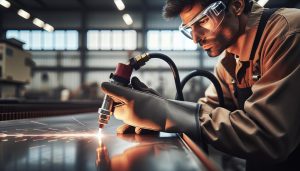
Plasma cutting technology revolutionized metal fabrication by allowing for precise cutting of thick and thin materials alike. At its core, this process employs a jet of ionized gas, or plasma, which reaches temperatures high enough to melt metal and blow away the molten material, resulting in clean, accurate cuts. The ability to cut through various electrically conductive materials like steel, stainless steel, and aluminum makes plasma cutting a versatile choice for professionals across different industries.
The scientific principle behind plasma cutting involves creating a conductive pathway for electricity in the gas. Air or another plasma-forming gas is forced through a small orifice and subjected to a high-voltage electric arc. This arc ionizes the gas, turning it into plasma. As this plasma jet accelerates through the nozzle, it can effectively cut through metal surfaces. The rapid movement of the plasma not only melts the metal but also blows away the molten material, ensuring a neat cut. Understanding this process is crucial for effectively utilizing plasma cutters, as it involves balancing gas flow, amperage, and cutting speed to achieve optimal results.
Moreover, the choice of gas plays a significant role in the quality and characteristics of the cut. Commonly used gases include air, nitrogen, and argon, each offering different benefits depending on the material type and required cut quality. For instance, nitrogen can provide a cleaner cut with less oxidation on stainless steel, whereas air can be more cost-effective for cutting mild steel. Ultimately, grasping the nuances of plasma cutting technology equips users-whether beginners or seasoned professionals-with the knowledge needed to make informed decisions during metal cutting tasks.
The Science Behind Plasma Cutting
The technology enabling plasma cutting is rooted in the basic principles of physics and electricity, presenting a fascinating interplay of heat and speed. Plasma, often referred to as the fourth state of matter, is formed when a gas is heated to the point that it ionizes, allowing it to conduct electricity. In plasma cutting, a high-voltage electric arc is created between an electrode and the workpiece, generating a highly energized gas that can reach temperatures upwards of 20,000 degrees Fahrenheit-hot enough to melt metal. This capability not only facilitates the cutting of thick and thin materials alike but also ensures that the cuts made are both clean and precise.
Operation begins when air or another plasma-forming gas is compressed and forced through a small orifice in the plasma cutter. When the electric arc is ignited, the gas is ionized, transforming it into plasma. This plasma jet, when directed at the metal surface, melts the material and simultaneously blows away the molten metal, resulting in an efficient cutting action. Understanding how to efficiently control the variables involved-such as the gas pressure, cutting speed, and amperage-is crucial for achieving optimal results. For example, a lower cutting speed may increase the thickness of the kerf (the width of the cut) but may also result in a cleaner edge finish.
The type of gas used also significantly affects the quality of the cut. Common choices include air, nitrogen, and argon, each serving different purposes. Air is often the go-to for general mild steel cutting due to its cost-effectiveness, while nitrogen can yield a finer cut on stainless steel by reducing oxidation and improving overall finish. For even better edge characteristics when cutting aluminum, argon can be employed, harnessing its low reactivity to maintain the integrity of the workpiece.
In summary, plasma cutting embodies a blend of scientific principles and practical application, allowing users-ranging from hobbyists to professionals-to exploit its capabilities for various metalworking tasks. Proper understanding of the underlying processes not only enhances cutting efficiency but also empowers operators to adapt their techniques based on material and project requirements.
Essential Components of a Plasma Cutter
To achieve effective and precise cutting with a plasma cutter, understanding its essential components is crucial. Each part plays a unique role in generating the plasma arc and ensuring optimal cutting conditions. At the heart of the plasma cutting system is the plasma torch, which houses the electrode and the nozzle. The electrode generates the arc necessary to ionize the gas and transform it into plasma. Typically made from a copper alloy, this component must be maintained regularly to avoid breakage and ensure old performance.
The nozzle directs the flow of plasma and is designed to withstand high temperatures while shaping the plasma stream to achieve proper cut quality. Consideration of nozzle size and type is essential since it impacts both the cut speed and the kerf width. Finding the correct nozzle for the job can significantly influence the effectiveness of the cut.
Alongside the torch, the power supply is a key component that converts electricity to the appropriate voltage and amperage for cutting. It ensures that the electric arc remains stable and consistent throughout the cutting process. A high-frequency starting unit may also be integrated to initially ignite the arc. In some models, a built-in air compressor is utilized, which supplies the necessary gas flow to create the plasma.
The choice of plasma gas-commonly air, nitrogen, or argon-also influences the cutting process’s effectiveness and the quality of the final cut. Each gas serves different purposes based on the material being cut. For example, using argon can improve the cut quality on aluminum, while air is typically sufficient for mild steel.
In summary, a thorough understanding of these components-from the plasma torch and its nozzle and electrode to the power supply and gas selection-enables users to make informed decisions and adjustments, enhancing both the quality and efficiency of their plasma cutting endeavors. Effective maintenance and proper selection of these components ensure longevity and reliability in their operation.
How to Select the Right Plasma Cutter
Selecting the ideal plasma cutter is pivotal for any professional or DIY enthusiast aiming to achieve optimal cutting quality and efficiency. With various models boasting different features and capabilities, understanding the specific needs of your projects is essential. The first step is to evaluate the materials you will be cutting, as different plasma cutters are designed to handle varying thicknesses and types of materials, from thin stainless steel to thick aluminum. This consideration will often determine the required cutting capacity of your machine, typically measured in amperage. For instance, a 40-amp plasma cutter may effectively slice through ½ inch of mild steel, whereas a 60-amp model is better suited for thicker materials.
Another crucial aspect is the duty cycle, which denotes the amount of time the plasma cutter can operate continuously before requiring a cooling period. This is especially important for high-volume or industrial applications where prolonged use is common. A plasma cutter with a higher duty cycle (e.g., 60% at a certain amp rating) can provide better performance in demanding situations compared to models with lower ratings. It’s advisable to match the duty cycle with your anticipated workload to avoid overheating and ensure uninterrupted cutting.
Portability also plays a significant role, particularly for users who need to move their equipment frequently across job sites. Lightweight models are available for those who prioritize mobility, while heavier, more robust units may offer increased stability and power for stationary setups. Additionally, consider whether a built-in compressor is necessary based on your access to compressed air, as some plasma cutters can function without external compressors, enhancing convenience.
Lastly, assess your budget while balancing it against the features necessary for your tasks. Investing in a reputable brand can yield benefits such as better customer service, warranty options, and durable parts that enhance operational longevity. Researching reviews and comparing specifications among different models can provide insights into their real-world performance, ensuring that your choice aligns with both your immediate and future needs. By carefully considering these factors, you can confidently select a plasma cutter that delivers excellent results and serves as a reliable tool in your cutting arsenal.
Setting Up Your Plasma Cutter for Success
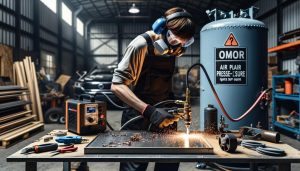
To achieve optimal performance with a plasma cutter, a meticulous setup process is essential. Properly preparing your equipment not only enhances cutting efficiency but also significantly influences the quality of your results. Begin by selecting an appropriate workspace: it should be well-ventilated, free of flammable materials, and equipped with a stable, level surface to secure your materials. Ensuring space is vital as plasma cutting generates heat and sparks that could lead to hazards if not correctly managed.
Next, connect your plasma cutter to the power source according to the manufacturer’s guidelines. Most machines require a 220V outlet, while some smaller models can work with standard 110V outlets. Be diligent in inspecting the power cord for damages and ensure a grounded connection to prevent electrical hazards. Once powered, check the consumables-specifically the nozzle and electrode-for any signs of wear or damage. Replacing these components regularly not only ensures clean cuts but also prevents unnecessary stress on the machine which could lead to malfunctions.
Air Supply and Pressure Settings
Air supply plays a crucial role in plasma cutting, as it must be pure and free from moisture or contaminants. If your plasma cutter is equipped with a built-in air compressor, ensure it’s functioning properly. If you are using an external air source, confirm that your air dryer and filtration system are operational. The pressure settings should be adjusted based on the thickness of the material being cut; generally, a pressure between 60 to 100 psi is effective for most applications. Always consult your machine’s manual for specific recommendations.
Before beginning your project, perform test cuts on scrap material to fine-tune settings. This practice allows you to adjust the cutting speed and torch height, ensuring the optimal combination for your material type and thickness. A consistent torch height is crucial; too high may cause the arc to wander, while too low can result in excessive wear on the consumables and poor cut quality. These preliminary steps culminate in a well-configured plasma cutter, preparing you for a range of applications-from intricate designs on thin sheet metals to heavy-duty cutting tasks.
Step-by-Step Guide: Using a Plasma Cutter
Using a plasma cutter may seem daunting at first, but the process is straightforward once you understand the basic steps involved. This versatile tool allows for cutting through various materials like steel and aluminum with precision while producing cleaner edges than traditional cutting methods. Here’s a step-by-step guide to effectively wielding a plasma cutter for your projects.
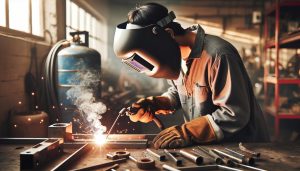
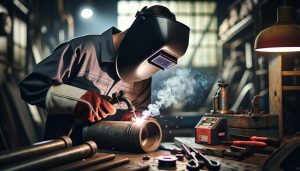
Begin by positioning your material securely on a stable work surface. Ensure that your cutting layout is marked clearly, which will facilitate accuracy as you make your cuts. Before you start cutting, wear the appropriate personal protective equipment (PPE), including safety goggles, a welding helmet with a proper shade, gloves, and protective clothing to guard against sparks and heat.
Once you’re geared up and ready to cut, switch on the plasma cutter. Set the air pressure to the recommended level according to your machine’s manual; this is crucial to achieving optimal cutting performance. Next, ignite the plasma arc by bringing the torch nozzle close to the workpiece surface while simultaneously pressing the trigger. Begin by maintaining a consistent distance (torch height) from the material, generally about one-sixteenth to one-eighth of an inch for the best results.
As you move the torch along your marked line, maintain a steady speed. Too slow may lead to excessive molten metal accumulation, while cutting too fast can result in poor cuts with excessive dross. A gentle, consistent motion helps to produce a clean edge. To finish, another important protocol is to turn off the plasma cutter and allow it to cool down properly. After troubleshooting any signs of wear and tear on the consumables, be sure to clean your workspace and check for possible hazards before leaving the area.
By following these steps, you can effectively utilize a plasma cutter to produce clean, precise cuts in various materials, making it an invaluable tool in metalworking and fabrication projects.
Safety Protocols for Plasma Cutting
Engaging in plasma cutting can be a rewarding venture, yet it comes with inherent risks that demand strict adherence to safety protocols. The intense heat generated by the plasma arc, typically exceeding temperatures of 25,000°F, can lead to severe injuries if precautions are not taken. Furthermore, the process produces bright, intense light and harmful fumes, which can pose significant risks to your health. Understanding the necessary safety measures before utilizing a plasma cutter is essential to ensure a secure working environment.
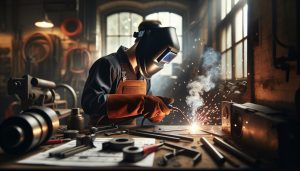
To begin with, the appropriate personal protective equipment (PPE) is crucial. Users should don a welding helmet with an appropriate shade to protect their eyes from harmful UV rays and the dazzling brightness emitted during cutting. Additionally, wearing flame-resistant clothing, gloves, and stout boots can shield against sparks and potential burns. It’s also advisable to use leather gloves to prevent thermal injuries while handling hot materials post-cutting.
Another vital safety measure involves maintaining a clutter-free workspace. Flammable materials should be kept at a safe distance from the cutting zone, as sparks generated during the process can ignite them. Adequate ventilation is equally important to disperse toxic fumes emitted by the materials being cut, further protecting your lungs. Consider employing a fume extraction system to enhance air quality and safety.
In terms of operational safety, keeping bystanders at a safe distance is paramount. The workspace should be clearly marked, and non-essential personnel should be restricted from the area while operating equipment. Additionally, before ignition, it’s essential to check the equipment for any defects and ensure all connections are secure. Always utilize a proper grounding technique to prevent electrical hazards, as plasma cutters operate using high voltage.
By placing a strong emphasis on these safety protocols, you can significantly minimize risks associated with plasma cutting. Remaining vigilant and informed will not only safeguard your well-being but also enhance your overall cutting experience and outcomes.
Common Applications of Plasma Cutting
Utilized across various industries, plasma cutting is an indispensable tool known for its versatility and efficiency when it comes to slicing through metal. From fabrication shops to automotive repair and even art installations, the uses for plasma cutting technology are both practical and creative. One of the primary applications includes metal fabrication, where precise cuts ensure that components fit together seamlessly. This precision is what distinguishes plasma cutting from other techniques, enabling intricate designs, such as brackets or framed structures, to be crafted with minimal waste.
In the automotive sector, plasma cutters are employed not only in manufacturing but also for restoration projects. Skilled technicians utilize plasma cutting to trim, shape, and repair body panels, frames, and exhaust systems. The ability to handle materials of varying thicknesses-including stainless steel and aluminum-makes plasma cutting a go-to option for customization and modification. For instance, when restoring vintage vehicles, a plasma cutter can efficiently detach rusted sections and prepare new metal in record time.
Another fascinating application lies in the world of sculpture and artistic creations. Artists are tapping into the capabilities of plasma cutting to produce stunning metal sculptures and decorative pieces. The precision and flexibility of the plasma arc allow for creating elaborate designs that would be challenging through traditional cutting methods. By using CAD software to design their work, artists can translate complex graphics into tangible metal forms, showcasing their creativity and technical skills.
Additionally, plasma cutting finds essential applications in the construction industry. Steel beams, conduits, and HVAC ducting are often pre-cut using plasma cutters to streamline the installation process. The reduced time on-site coupled with high accuracy directly translates to cost savings for contractors and timely project completions.
Emphasizing efficient workflows, the speed and clean finish of plasma cutting make it an essential practice for anyone working with metal. Whether for practical tasks or artistic endeavors, this technology has cemented its position as a top choice for metal cutting needs in various fields.
Troubleshooting Common Plasma Cutting Issues
Common challenges can arise when using plasma cutting technology, but many issues can be resolved with some basic troubleshooting techniques. One frequent problem is inconsistent cutting, which can lead to jagged edges or incomplete cuts. This often stems from improper settings or issues with the torch itself. Start by checking the amperage setting on your plasma cutter to match the thickness of the material you are working with; higher thickness requires higher amperage. Additionally, ensure that the nozzle is clean and undamaged, as a worn or clogged nozzle can significantly impair performance.
Another common issue is the arc not starting or flickering during the cutting process. This can be due to a range of factors such as insufficient air supply or a malfunctioning pilot arc. Ensure that your air compressor is functioning correctly and providing adequate pressure. The typical requirement is around 90 PSI, so make sure to check your system’s gauge. If the pilot arc continues to fail, inspect the consumables, including the electrode and nozzle, and replace them if they show signs of wear.
Lastly, dross formation, the residue left on the underside of the cut, is a frequent concern that can affect both aesthetics and functionality. Dross can result from too slow a cutting speed or inadequate gas flow. To mitigate this, adjust your cutting speed to ensure a clean cut, and check the gas flow settings to ensure optimal performance. If you continually experience excessive dross, consider upgrading your torch or consumables to higher-quality options designed to reduce dross.
By understanding and addressing these common issues, you can enhance the efficiency and quality of your plasma cutting projects. Always remember to follow safety protocols during troubleshooting to protect both yourself and your equipment. Prioritize regular maintenance and inspection of your plasma cutter to prevent issues from arising before they disrupt your workflow.
Maintaining Your Plasma Cutter for Longevity
Maintaining your plasma cutter is essential for ensuring both its longevity and optimal performance. A well-cared-for plasma cutter not only cuts more efficiently but also provides consistent results and reduces the risk of unexpected downtime during critical projects. Regular maintenance practices help prevent wear and tear from becoming an operational failure, thereby saving both time and money.
One of the most crucial aspects of maintenance involves the consumables, particularly the nozzle and electrode. These components endure significant wear during operation and need regular inspection. If the nozzle is worn or damaged, it can lead to poor cut quality and increased dross formation. Make it a habit to check these components before major jobs, and keep a supply of replacements on hand. When doing so, ensure you’re using the right type of consumables for your specific plasma cutter model-this affects performance and efficiency.
Ensuring that the air supply is clean and dry is another key factor in your plasma cutter’s maintenance routine. Moisture and contaminants in the air can lead to inconsistent cutting and even damage to the cutting torch. Consider using a high-quality air filter and regularly draining moisture from your compressor. Regularly check the lines for leaks and clear them if blockages develop. This proactive approach can prevent disruptions during the cutting process and extend the life of your equipment.
Furthermore, keeping the plasma cutter clean is vital. Dust, debris, and metal shavings can accumulate inside and outside the machine, leading to overheating and operational issues. Make it a point to wipe down the machine’s exterior and inspect electronic components for dust buildup. A clean machine not only functions better, but it also reflects professionalism and care in your welding practices, which is paramount for both personal satisfaction and potential customer perceptions in commercial settings.
By incorporating these routine maintenance practices into your workflow, you will ensure that your plasma cutter operates smoothly, enhancing both its lifespan and cutting capabilities. Ultimately, a little preventive care goes a long way in avoiding larger issues that could impede your projects, allowing you to focus on producing high-quality results every time.
Advanced Techniques for Experienced Users
Utilizing advanced techniques in plasma cutting can significantly enhance both the quality and efficiency of your work. One such technique is the use of multiple passes when cutting thicker materials. Instead of attempting to cut through a thick section in a single pass, consider making several lighter cuts. This approach not only reduces the risk of overheating and warping the metal but also allows for greater control and precision, especially when dealing with materials like stainless steel or aluminum.
Another advanced method is adjusting the cutting speed and amperage based on the specific material and thickness you are working with. For example, when cutting aluminum, increasing the cutting speed while reducing the amperage can help achieve a cleaner edge and reduce dross formation. Understanding the right settings for different materials is crucial, and experimenting with scrap pieces can aid in finding the optimal parameters before starting on your actual project.
Moreover, leveraging plasma cutting patterns and techniques can take your results to the next level. For instance, using templates or CAD software to plan your cuts can minimize waste and maximize precision. Advanced users often employ techniques like bevel cutting to create joints without the need for extensive post-cut processing, thus saving time and improving the structural integrity of the welded joint.
Additionally, be aware of the plasma cutter’s ability to cut intricate designs. Using finer tips allows for greater detail, which is beneficial in artistic applications or fabricating components that require precise dimensions. Incorporating control techniques such as manipulating torch height and angle can also help achieve the desired effects, particularly on intricate or variable thickness cuts.
Finally, keeping up with the latest advancements in plasma technology-such as high-definition plasma cutting systems-can enhance your capabilities significantly. These systems offer improved precision and cutting quality, making them a valuable investment for serious professionals. The integration of smart technologies, like automated height control and digital interfaces, can further streamline your workflow and enhance the overall cutting experience.
Comparing Plasma Cutting to Other Cutting Methods
Plasma cutting has revolutionized the way metal is shaped and processed, but how does it stack up against other prevalent cutting methods such as MIG, TIG, stick welding, and even oxy-fuel cutting? An essential aspect of selecting a cutting technique is understanding the unique strengths and applications of each method. Plasma cutting is particularly noted for its speed and precision, especially when working with thin materials or complex shapes. Its ability to cut through conductive materials like aluminum, copper, and stainless steel makes it a preferred solution in industrial applications.
Comparing plasma cutting to MIG welding illustrates differing use cases. While MIG welding is predominantly a joining process, capable of providing strong welds in metals like steel and aluminum, plasma cutting excels in an entirely different realm of material separation. MIG welding requires a continuous feed of filler material and is often slower due to the need for multiple passes for thicker sections. In contrast, plasma cutting operates with a focused arc that can slice through metal swiftly, achieving high-quality cuts in a single pass. This capability significantly reduces the set-up and cut time, making plasma cutting more efficient when speed is a priority.
Furthermore, when assessing plasma cutting against TIG welding, one discovers that while TIG provides superior control and is suited for thinner materials and intricate welds, it generally lacks the versatility of plasma cutting regarding thickness and type of materials. TIG welding is ideal for projects requiring aesthetic or structural integrity but is slower and can be more challenging for beginners. Plasma cutting’s ease of use, especially with automated systems, allows it to cater to both novices and seasoned professionals effectively.
Overall, each cutting method has its distinctive advantages. Selecting the right one often depends on the specific requirements of a project, considering factors such as material type, thickness, and the desired finish. Emphasizing training and safety protocols remains crucial, regardless of the cutting technology employed, to safeguard against the inherent risks associated with each method. Understanding these differences not only aids in choosing the right technique but also enhances overall work efficiency and output quality in various cutting applications.
Q&A
Q: What is the basic principle behind plasma cutting?
A: The basic principle of plasma cutting involves generating an electrically conductive plasma arc that melts metal. Compressed air or gas is directed through a narrow nozzle, turning it into plasma, which cuts through conductive materials like steel and aluminum with high precision.
Q: How does a plasma cutter differ from an oxy-fuel cutter?
A: Unlike oxy-fuel cutters that rely on a flame fueled by oxygen and gas, plasma cutters use a high-velocity stream of ionized gas (plasma) to cut. This method allows for faster cutting speeds and can effectively cut thicker materials.
Q: What types of materials can be cut using a plasma cutter?
A: Plasma cutters can cut various materials, including carbon steel, stainless steel, aluminum, brass, and copper. They are ideal for metals of different thicknesses, making them versatile tools for various applications.
Q: What safety precautions should be taken while using a plasma cutter?
A: Always wear appropriate personal protective equipment (PPE), such as gloves, a face shield, and flame-resistant clothing. Ensure proper ventilation in the workspace to avoid inhaling harmful fumes and maintain a safe distance from flammable materials.
Q: Can a plasma cutter be used for welding as well?
A: While plasma cutters are primarily designed for cutting, some users employ them for specific welding applications, particularly in projects requiring precise joint preparation. However, dedicated welding processes like TIG or MIG are recommended for actual welding tasks.
Q: How can I maintain my plasma cutter for optimal performance?
A: Regular maintenance of your plasma cutter includes cleaning the nozzle and electrode, checking gas pressures, and replacing worn parts. Keep the work area clear of debris to ensure safe operation and performance.
Q: What are common troubleshooting tips for plasma cutting issues?
A: Common troubleshooting tips include checking for proper gas flow, ensuring the materials are grounded correctly, and inspecting for worn consumables. Adjusting the cutting speed and height can also address issues like poor quality cuts or excessive spatter.
Q: How do I select the right size plasma cutter for my needs?
A: To select the right plasma cutter, consider the thickness and type of materials you’ll be cutting. Evaluate the cutter’s amperage rating; higher amperage cutters handle thicker materials more efficiently. Additionally, consider portability if you’ll be moving the unit frequently.
In Conclusion
Now that you understand how a plasma cutter works, you’re equipped to take on your next metalworking project with confidence and precision. Whether you’re cutting through steel or aluminum, remember that mastering this tool opens up new possibilities in welding and fabrication. If you’re looking to enhance your skills further, check out our articles on MIG and TIG welding techniques or explore safety protocols essential for every welder.
Don’t miss out-subscribe to our newsletter for the latest tips, tricks, and equipment reviews that will elevate your welding game. If you have questions or experiences to share, leave a comment below; we’d love to hear from you! Explore more and unlock your potential in the world of metalworking today.