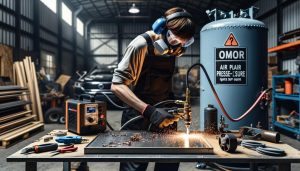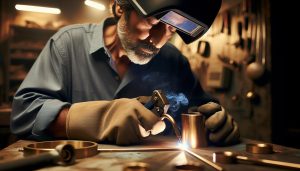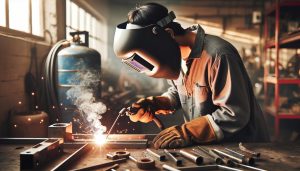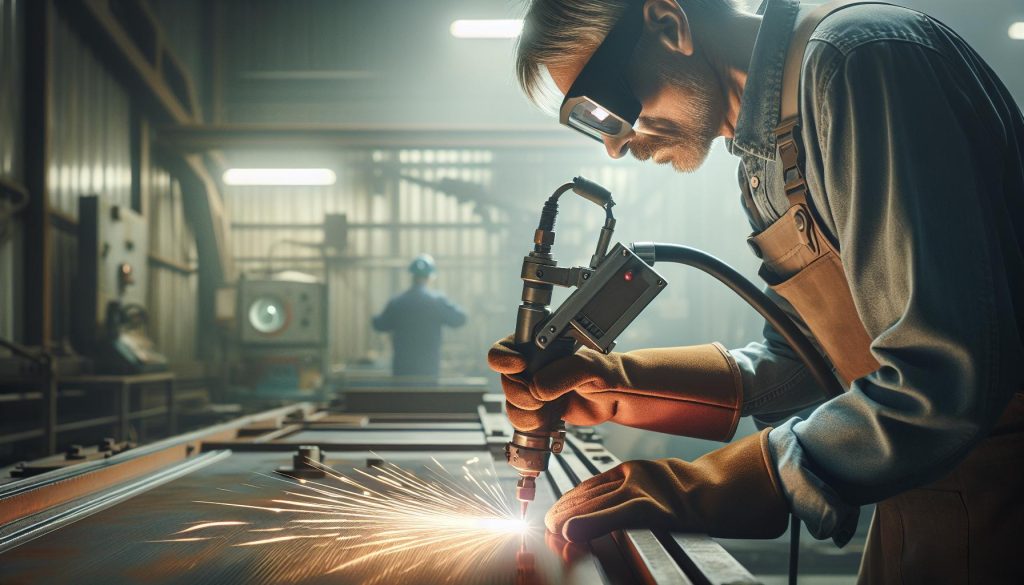
Did you know that plasma cutting can create clean, precise cuts through metal in seconds? This powerful technique is essential for both hobbyists and professionals alike, enabling you to tackle intricate projects with ease. Whether you’re cutting aluminum, steel, or other metals, mastering the plasma cutter can elevate your skills and efficiency. As you delve into this guide, you’ll learn the essential techniques to achieve perfect cuts every time, from setup to safety protocols. Discover how to harness the full potential of your plasma cutter, ensuring that your creations come out flawlessly, while also adhering to best practices that keep you safe and productive in your workspace. Let’s dive in and unlock the secrets to making perfect cuts with confidence!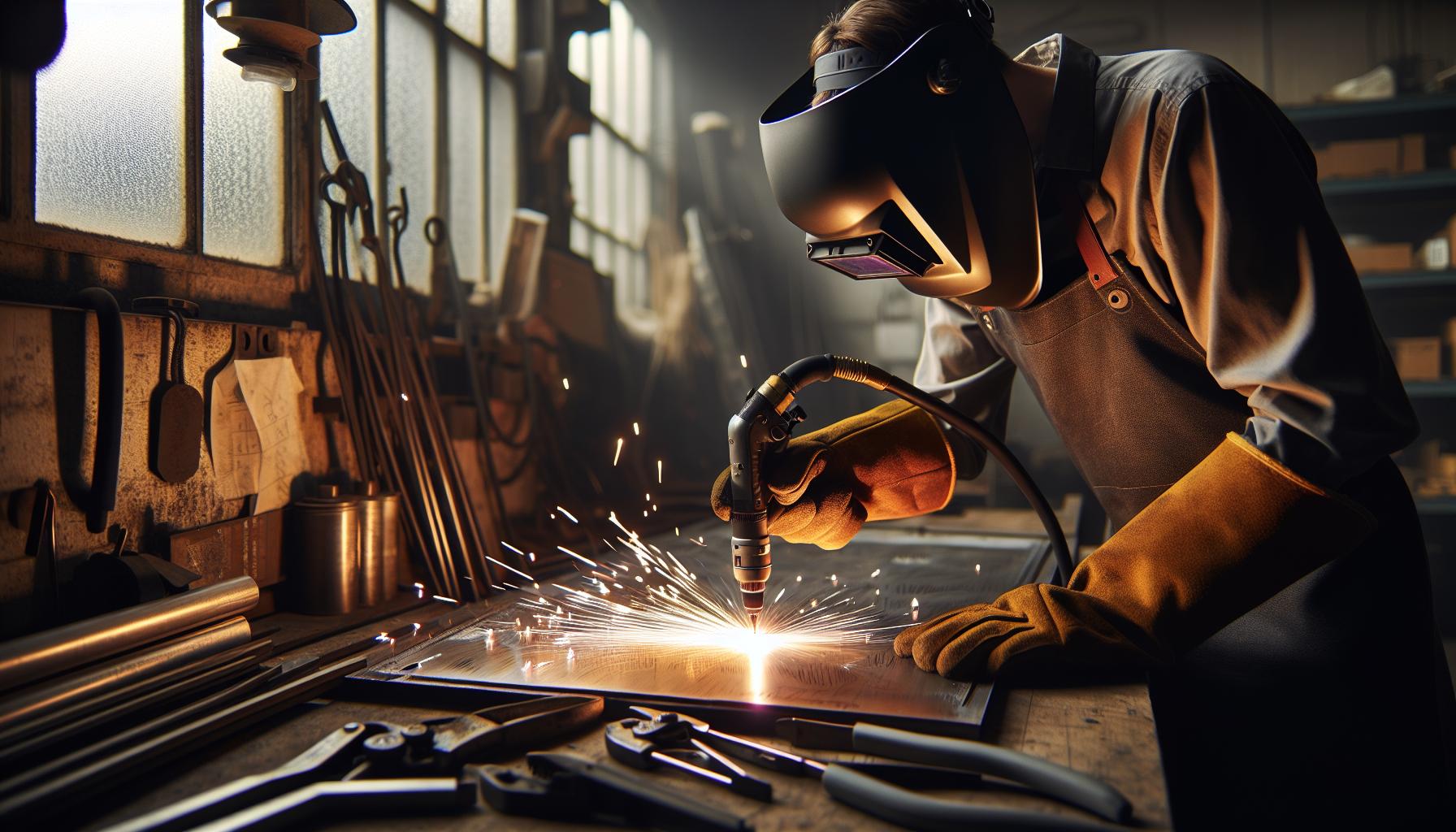
How Plasma Cutters Work: A Beginner’s Guide
Plasma cutting technology is fascinating for its blend of physics and practical application, allowing artisans and industries to make precise cuts in a variety of materials. At its core, a plasma cutter uses an electrified gas, or plasma, to slice through metals efficiently. The plasma is created by passing an electric current through a gas – often air, argon, or nitrogen – which ionizes the gas, transforming it into plasma. This high-temperature plasma reaches up to 30,000 degrees Fahrenheit, effectively melting the metal as it moves through. The combination of speed and heat generated in this process results in highly accurate cuts while minimizing material distortion.
Understanding how a plasma cutter operates involves knowing the key components: the power supply, plasma torch, and the compressor that provides the gas. With an intuitive control mechanism, users can adjust settings such as the amperage, which determines the thickness of the material that can be cut. For instance, a higher amperage setting is suitable for thicker materials like steel, while a lower amperage works well for thinner metals or intricate designs. Additionally, the type of nozzle used can influence the width and quality of the cut, making it essential for beginners to familiarize themselves with different torches and their applications.
To maximize effectiveness and safety, it’s crucial to maintain a steady hand and correct speed while cutting. This means practicing on scrap pieces before tackling more valuable materials. Factors such as the distance of the torch from the workpiece and the angle of attack will significantly impact the quality of the final cut. Plus, a consistent movement will help create a cleaner edge with less slag buildup, leading to less finishing work afterward.
In summary, plasma cutting stands out for its versatility and efficiency, making it a popular choice among metalworkers. With practice and a solid understanding of the underlying technology, beginners can quickly progress to making precise and intricate cuts in their projects.
Essential Safety Tips for Plasma Cutting
When it comes to operating a plasma cutter, prioritizing safety is paramount. Plasma cutting utilizes extreme temperatures and high voltages, which can pose significant hazards if proper precautions are not taken. Ensuring a safe working environment not only protects the operator but also those nearby, making it essential for anyone involved in metalworking to adopt safety measures rigorously.
Start by wearing appropriate personal protective equipment (PPE). This should include:
- Steel-toed boots: Protects feet from heavy falling objects.
- Flame-resistant clothing: Resists burns from sparks and molten metal.
- Gloves: Heavy-duty leather gloves that withstand heat and provide grip.
- Welding helmet: Equipped with a proper shade lens to protect your eyes from the intense light generated by the plasma arc.
- Respirator: Essential in environments with potentially harmful fumes or dust.
It’s also crucial to maintain a clean and organized workspace. Clutter can lead to accidents, particularly when working with heavy machinery. Ensure that the area has no flammable materials nearby, as plasma cutting generates sparks that can ignite combustibles. Proper ventilation is equally important, as plasma cutting can produce harmful fumes and gases. A well-ventilated space allows for the dispersal of these byproducts, reducing health risks.
Understanding the power supply and its risks is vital. Ensure that your plasma cutter is connected correctly to avoid electrical hazards, and always be cautious around the high-voltage parts. Familiarize yourself with the emergency shutoff switch and know how to access it quickly in case of an emergency. Moreover, keep a fire extinguisher rated for electrical fires on hand to deal with potential flare-ups swiftly.
Even seasoned operators can slip into complacency, but maintaining focus is crucial. Avoid distractions while cutting, and never rush the process. Taking regular breaks can help reduce mental fatigue, increasing overall safety. Lastly, it’s prudent to conduct routine equipment inspections. Check hoses for leaks, ensure connections are secure, and replace any worn or damaged components.
By following these safety tips, you can create a safer workplace, minimize risk, and allow for a more enjoyable and productive plasma cutting experience. Prioritizing safety not only ensures your well-being but also enhances your fabrication skills by removing unnecessary stress and distractions during your work.
Choosing the Right Plasma Cutter for Your Needs
When selecting a plasma cutter, understanding your specific needs and the materials you will be working with is crucial. Plasma cutters come in a variety of types and sizes, each suited for different applications, materials, and thicknesses. Opting for the right machine not only enhances efficiency but also ensures quality cuts. For instance, if you primarily work with thin materials like sheet metal, a smaller, lighter plasma cutter may suffice. However, for thicker materials, investing in a more powerful cutter with higher amperage capabilities is essential for achieving clean, penetrating cuts.
Key Considerations
Before making a purchase, consider the following essential factors to ensure you choose the right plasma cutter for your projects:
- Power Source: Plasma cutters generally operate on either 110V or 220V power sources. A 110V cutter is portable and suitable for light tasks, while 220V machines offer more power for heavy-duty applications.
- Amperage Rating: The amperage affects the thickness of the material you can cut. For example, a 40-amp cutter can effectively cut materials up to ½ inch thick.
- Cutter Type: Look for options like inverter-based machines for portability and less weight or transformer-based cutters for durability and robustness.
- Cut Quality: Analyze reviews and performance tests of machines, as different models can yield varying cut qualities even at similar settings.
Additional Features
When narrowing down your options, consider additional features that can enhance your cutting experience:
- Auto-ignition: This feature allows for easier starts and reduces the risks of pilot arc issues.
- Built-in Air Filter/Regulator: Ensures clean air supply for optimal cutting performance and prolongs the life of consumable parts.
- Weight and Portability: If mobility is required for your projects, consider lightweight models or those equipped with wheels.
By understanding your requirements and knowing what features to look for, you can make an informed decision. Take time to compare different models and consult user reviews to identify a plasma cutter that fits not only your operational needs but also enhances your cutting projects. Investing in the right tools empowers you to produce perfect cuts every time, advancing both your skills and efficiency in the workshop.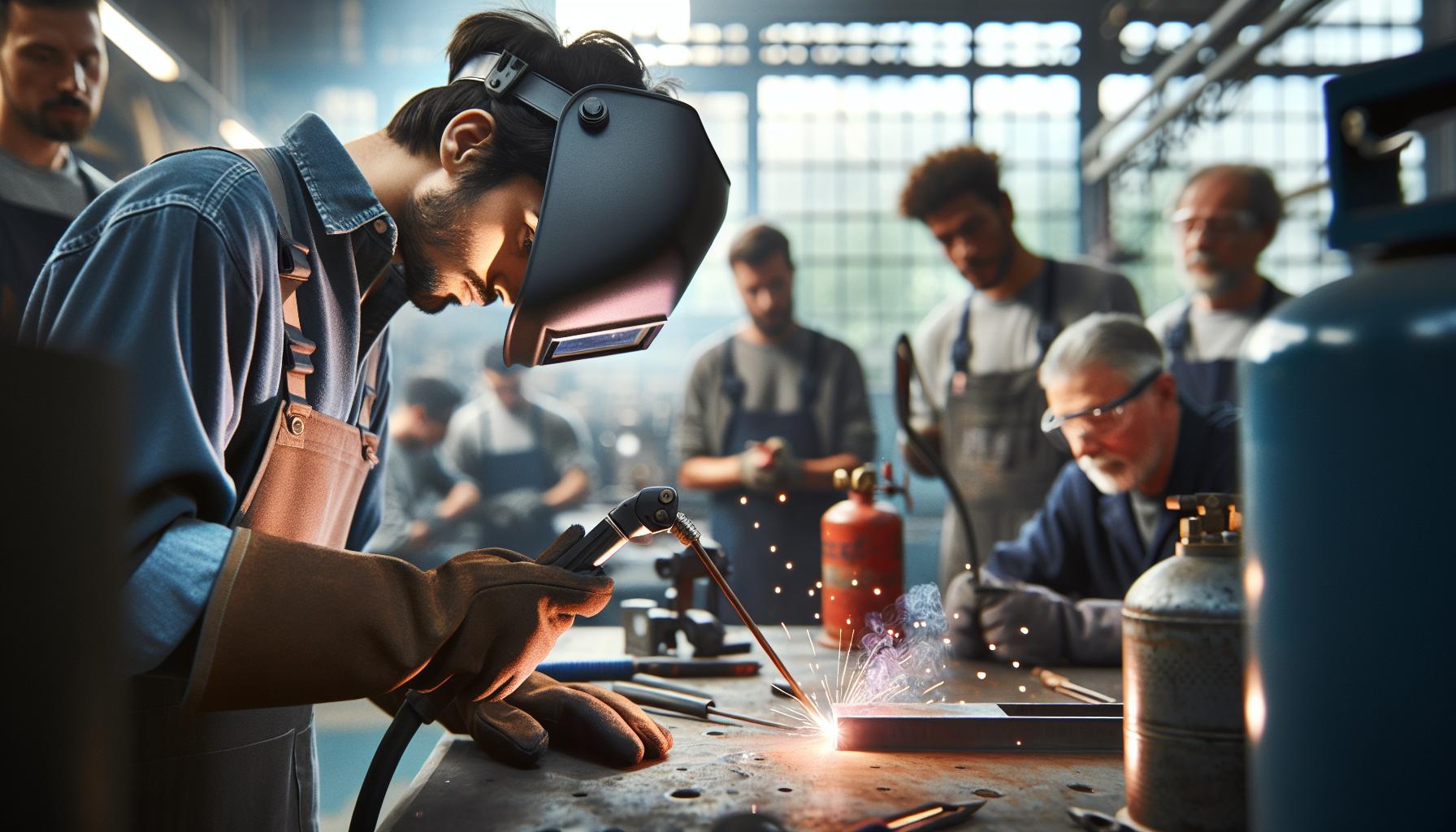
Understanding Plasma Cutter Settings and Controls
Getting familiar with the settings and controls of a plasma cutter is essential for achieving precision in your cuts and ensuring safe operation. Understanding how to properly adjust these parameters can significantly impact the quality, speed, and effectiveness of your plasma cutting process. Each plasma cutter is equipped with a variety of controls that optimize its performance, making it crucial to grasp their function and usage.
Key Settings to Consider
One of the most important settings is the amperage. This controls the output power and directly influences the thickness of the material you can cut. Higher amperage is necessary for cutting thicker materials, while lower amperage is suitable for thinner materials. For example, a 40-amp unit can typically cut through steel up to ½ inch thick effectively, while a 60-amp cutter can manage thicker materials with ease.
Another vital setting is the air pressure. The plasma cutter requires a constant supply of compressed air or gas, which ionizes to create the plasma arc. The air pressure should typically be set between 60 to 75 psi, but always check your equipment’s manual for specific recommendations. Proper air pressure ensures a focused arc, resulting in cleaner cuts and helping to prolong the life of consumables such as tips and electrodes.
Additional Controls and Features
Cut speed is also adjustable and crucial for different materials; a slower speed may provide a more penetrative cut, while cutting too quickly can lead to dross or an incomplete cut. Maintaining a steady hand and consistent speed is essential, particularly on materials with varying thicknesses.
Modern plasma cutters often include digital displays and preset modes for various materials, reducing the complexity for users who are still learning the ropes. These modes automatically adjust amperage and air flow based on the thickness and type of material, allowing for ideal cutting conditions without extensive manual adjustments.
Policies and guidelines for safety must also be part of every plasma cutting setup. Ensure that settings are appropriate for safe operation, and always wear protective gear, including a welding helmet and gloves. By mastering these settings and controls, you can confidently produce high-quality cuts while minimizing safety risks.
Preparing Your Materials for Perfect Cuts
Before initiating any plasma cutting project, proper material preparation is crucial for achieving optimal results. Each material responds differently to plasma cutting, and specific pre-cutting actions can significantly enhance the quality of your cuts. Whether you’re working with steel, aluminum, or other metals, there are fundamental practices to ensure that your materials are ready for the plasma cutting process.
First and foremost, cleaning your material is essential. Remove any surface contaminants such as grease, oil, rust, or dirt, as these can interfere with the cutting process and lead to uneven cuts or excessive slag formation. A clean surface allows for better grounding and helps maintain a stable arc. For steel, a quick wipe with a degreaser followed by steel wool can yield excellent results. When dealing with aluminum, ensure that the surface is free of oxidation, which can often appear as a dull gray film.
Next, evaluating the thickness and type of material is vital. Different metals require varying amperage and air pressure settings. For instance, thicker sheets of steel necessitate higher amperage to penetrate effectively, while thinner materials might require a gentler approach. This understanding not only affects the equipment settings you choose but also influences the cutting strategy. Analyzing the grain or direction of the metal can help in planning cuts more efficiently, especially if you’re aiming for a specific aesthetic or grain pattern in your finished work.
It is also beneficial to secure your materials properly before cutting. Using clamps or a vice will stabilize the workpiece and prevent movement during the cutting process. This stability leads to straighter cuts and enhances safety, as you won’t need to hold the material in place with your hands, reducing the risk of injury.
Lastly, consider marking your cuts accurately. Using a chalk line, marker, or scribing tool helps to visualize your cuts, making it easier to maintain precision. This is especially important for complex shapes or detailed work, where a clear guide can be the difference between a perfect cut and a flawed piece. Remember, taking the time to prepare your materials will not only lead to cleaner cuts but will also prolong the life of your plasma cutter and its consumables.
Techniques for Achieving Smooth, Clean Cuts
Achieving smooth, clean cuts with a plasma cutter hinges on a combination of technique, settings, and equipment maintenance. A critical first step is maintaining the correct distance between the plasma torch and the workpiece. Generally, keeping the torch about 1/8 inch from the surface during cutting allows for optimal performance, ensuring the arc remains stable while providing enough force to penetrate the material effectively. This distance can vary slightly depending on the cutter you are using and the thickness of the material, so it’s important to experiment and adjust as necessary for your specific setup.
Utilizing a steady hand and consistent speed during cutting is also paramount. Moving too quickly can lead to incomplete cuts and increased slag formation, while moving too slowly may result in excessive heat input, causing warping or burn-through. Practicing on scrap material can help develop a rhythm and pace that works for you. Furthermore, employing a straight edge or guide can aid in maintaining a consistent line, particularly for longer cuts. If you’re tackling curved shapes, consider using a smaller nozzle or adjusting your cutting technique to facilitate smoother turns and transitions.
The choice of cutting nozzle also plays an integral role in the quality of the cut. For intricate or detailed work, selecting a nozzle that suits the thickness of your material can make a significant difference. Smaller nozzles may be ideal for thinner materials, allowing for increased precision, while larger nozzles are better suited for thick metals, providing the necessary power. Additionally, ensuring that the consumables, such as the electrode and nozzle, are in good condition and free from contamination is crucial. Regular replacement of these parts can prevent inconsistencies experienced during cutting, leading to cleaner edges and fewer reworks.
Incorporating these techniques effectively transforms the plasma cutting process, enabling users-ranging from beginners to seasoned professionals-to produce high-quality results consistently. With a commitment to practice and the application of these best practices, smooth, clean cuts become not just a goal, but a standard.
Common Mistakes to Avoid While Cutting
When diving into the world of plasma cutting, even seasoned welders can stumble upon common pitfalls that may hinder performance and cut quality. One major mistake is failing to maintain the proper distance between the plasma torch and the workpiece. If the torch is too far, the arc may become unstable, resulting in poor cuts and excessive dross formation. On the flip side, holding the torch too close can lead to overheating and burn-through, especially on thinner materials. A range of 1/8 inch is generally ideal, but this should be adjusted according to specific material types and thicknesses.
Another frequent issue arises from inconsistent cutting speeds. Beginners may rush through cuts, thinking that speed equals efficiency; however, this often leads to incomplete cuts and a rough finish. A steady, controlled motion not only improves the quality of the cut but also helps to minimize slag buildup. It’s advisable to practice on scrap pieces to hone one’s pace and develop a consistent rhythm that suits the material being cut. Using a guide or straight edge can also enhance accuracy; keeping the torch path steady is crucial for achieving clean lines.
One cannot overlook the importance of equipment maintenance in avoiding cutting errors. Worn or contaminated consumables can significantly degrade cut quality. Regular inspection and timely replacement of parts, such as nozzles and electrodes, are vital. Different materials may require specific nozzle types for optimal results; using the wrong nozzle can further complicate the cutting process. Additionally, neglecting to adjust the gas flow rate accordingly can affect the arc stability and cut efficiency, so ensure these settings are properly tuned for each specific job.
Another overlooked factor is the type and condition of the metal being cut. Contaminants like rust, paint, or oil can lead to unexpected cutting challenges. Always clean the material thoroughly before cutting to allow for a better arc and cleaner cuts. Moreover, taking the time to set up the workspace efficiently by organizing tools and materials can prevent unnecessary distractions and enhance focus during the cutting process. Addressing these common mistakes will not only boost cut quality but also elevate the overall experience of using a plasma cutter, ensuring more successful and satisfying results.
Cleaning Up Your Cuts: Techniques and Tools
Cleaning up after plasma cutting is crucial for achieving high-quality results and prolonging the life of both your materials and equipment. A meticulous approach not only improves the visual appearance of your cuts but also prepares the workpiece for further processing or finishing. When it comes to plasma cutting, addressing post-cutting cleanup effectively involves removing slag, ensuring edge smoothness, and eliminating contaminants.
To start, post-cutting cleanup involves a few essential techniques and tools. First, carefully inspect the edges of your cuts for any residual dross, which is the molten metal that can cling to the edges after cutting. This material can be removed using a combination of methods. Hand tools such as a wire brush or chipping hammer are excellent for lighter slag accumulation, while more stubborn dross may require an angle grinder equipped with a flap disc. Always wear appropriate personal protective equipment (PPE) such as gloves and safety goggles when performing these tasks to prevent injury.
Another important aspect of cleanup is ensuring the edges are smooth and free from sharp burrs. A deburring tool can be particularly useful for this, allowing you to create safer edges, ideal if further fabrication is planned. Additionally, a sanding block or abrasive pad can help refine the blade’s quality. Using these tools not only enhances safety but sets the stage for successful welding, painting, or other finishing operations.
Cleaning Solutions
Utilizing suitable cleaning agents can further enhance the cleanup process. Here are a few recommended options:
- Solvents: Acetone or mineral spirits work well to remove grease, oil, and paint residues. Apply them with a clean cloth before cutting or after to ensure a cleaner surface.
- Water: For freshly cut steel, washing with water can help eliminate tiny particles and dust without introducing additional contaminants.
- Degreasers: These solutions are particularly effective in preparing surfaces prior to any welding or painting, ensuring better adhesion of any subsequent treatments.
Incorporating these steps into your workflow will yield cleaner finishes and enhance the overall quality of your projects. Lastly, developing a systematic approach to cleaning will not only improve the final presentation of your work but also contribute to the longevity and performance of your plasma cutter, making maintenance easier in the long run.
Post-Cutting Care: Maintaining Your Equipment
Post-cutting care of plasma cutting equipment is essential not only for maintaining the quality of your cuts but also for extending the lifespan of your tools. Plasma cutters operate by generating a high-temperature arc that melts metal, creating a seamless and efficient cutting process. However, this intensive use can lead to wear and tear, making regular maintenance vital for consistent performance.
To start, after each use, it’s crucial to perform a thorough inspection of the plasma cutter and its components. Check the nozzle, which is the part that directs the plasma arc; it can become clogged or worn out over time. A damaged nozzle can lead to irregular cuts and increased dross formation. Swapping out nozzles and electrodes as necessary not only ensures optimal function but can drastically improve cut quality. Additionally, keeping the torch clean by removing any buildup from the cutting process will help maintain consistent performance.
Routine Maintenance Practices
Incorporating routine maintenance practices will make a significant difference in the effectiveness and longevity of your plasma cutter. Consider the following tips:
- Air Supply Check: Ensure that the air compressor and supply lines are clean and free of moisture. Moisture can contaminate the plasma arc, leading to poor cutting performance. Regularly draining your air compressor can mitigate this issue.
- Inspect Cables: Cables should be checked for any signs of fraying or damage. These can impede the operation of the plasma cutter and may pose electrical hazards.
- Filter Maintenance: If your system includes a filter, cleaning or replacing it regularly is crucial. Dirty filters can restrict airflow, leading to reduced cutting quality.
Final Tips for Care
Don’t overlook the importance of keeping your workspace organized. Storing your plasma cutter correctly and protecting it from dust and debris can help maintain its condition. Additionally, each plasma cutter manufacturer provides specific recommendations for care and maintenance-always refer to these guidelines for the best practices tailored to your model. Using high-quality consumables will also contribute to better performance and fewer maintenance issues over time. By integrating these practices into your routine, you can achieve not only perfect cuts every single time but also ensure that your plasma cutter remains reliable for years to come.
Innovative Applications of Plasma Cutting
Plasma cutting technology has evolved rapidly, opening up an array of innovative applications across diverse industries. Beyond traditional metal fabrication and automotive repair, plasma cutters are now finding their way into artistic realms and advanced manufacturing processes. For instance, artists and sculptors utilize plasma cutting to carve intricate designs into metal sculptures, allowing for high precision and creativity that traditional methods may not afford. This capability to cut through materials with complex patterns elevates metalwork into a form of artistic expression, making plasma cutters a favorite tool among creators.
In industrial settings, the versatility of plasma cutting proves invaluable. It’s widely employed in shipbuilding, aerospace, and construction, where its ability to cut thick materials quickly and efficiently significantly reduces production times. For example, large sections of steel plates needed for ship hulls can be prepared swiftly with minimal material waste. Furthermore, the integration of computer numerical control (CNC) technology with plasma cutters allows for automated processes, enhancing both speed and accuracy in cutting operations. This synergy between plasma cutting and CNC provides manufacturers with the precision needed to meet high-quality standards while optimizing workflow efficiency.
Plasma cutting is also gaining traction in the realm of repair and maintenance. Many technicians rely on plasma cutters to perform quick and effective repairs on heavy machinery and vehicles, especially in situations where precision cutting is essential for replacing worn or damaged parts. The ability to make fine adjustments in the cutting process enables technicians to adapt repairs on the fly, which is crucial in minimizing downtime in both construction and industrial applications.
Lastly, the adoption of portable plasma cutting systems has expanded the usability of this technology into rural areas and onsite repairs. These compact units allow users to execute professional-grade cuts far from a traditional workshop, making them indispensable for contractors and service technicians who need to tackle unexpected repairs in various environments. With advancements in safety features and ease of use, even entry-level users can manage complex tasks effectively, showcasing plasma cutting as an essential tool for modern fabrication and repair.
Mastering Advanced Plasma Cutting Techniques
Mastering plasma cutting goes beyond merely operating a machine; it requires an understanding of technique, material interaction, and the subtleties of equipment settings. By honing advanced plasma cutting techniques, you can achieve precision cuts that not only meet but exceed expectations, whether for intricate designs or large-scale industrial projects.
One of the most significant factors in advanced plasma cutting is the choice of cutting speeds and amperage settings, which can vary depending on the type and thickness of the material. For example, when working with metals like aluminum, a lighter cutting speed with a higher amperage may be necessary to prevent warping, whereas thicker steel often requires slower speeds to ensure a clean cut. It’s pivotal to refer to the manufacturer’s specifications but also to conduct test cuts to determine the optimal settings for the specific conditions you face in your work.
Utilizing proper torch motion plays a critical role in the cut quality. Maintaining a steady hand is essential, yet advanced techniques can enhance the precision of your cuts:
- Weaving Technique: For thicker materials, a slight weaving motion can help control the heat input, resulting in smoother edges and reducing the risk of warping.
- Lead-in and Lead-out Techniques: Utilizing lead-in cuts can ensure that you start the cut on the edge of the workpiece, minimizing dross buildup at the beginning and end of the cut.
- Angle Control: Tilting the torch at a slight angle can help direct the plasma flow and completely remove dross from the kerf.
Another aspect to explore is the use of different gases for plasma cutting. While air is commonly used, pure argon or nitrogen can produce cleaner cuts in specific materials, particularly with stainless steel. Adjusting the gas flow rate can enhance the quality of the cut and dramatically improve the surface finish, so don’t hesitate to experiment with different gas mixtures based on the materials you’re working with.
Finally, keep safety and maintenance in mind as you refine your plasma cutting skills. Regularly inspect your equipment, ensuring no wear on consumables like electrodes and nozzles, as these can significantly impact performance and safety. Clean the torch and adjacent areas to avoid impurities that could interfere with cutting quality. Proficiency in plasma cutting combines both technical skills and a commitment to maintaining equipment, ensuring that every cut is perfect and efficiently executed.
Troubleshooting Common Plasma Cutting Issues
The beauty of plasma cutting lies not only in its precision but also in its potential challenges. Understanding how to identify and solve common issues can significantly enhance your cutting proficiency. One of the most frequent problems encountered is the appearance of excessive dross, which manifests as slag or debris along the cut edge. This issue typically arises from incorrect settings, such as low cutting speeds or insufficient amperage. To mitigate this, ensure your settings align with the material’s thickness and composition. A slight increase in cutting speed while adjusting the amperage can yield a cleaner edge.
Another common hurdle is inconsistent arc length. If you notice fluctuations in the cut quality, it may indicate that the torch is either too far from or too close to the workpiece. Maintaining a steady hand and a consistent distance-generally around 1/8 inch from the surface-can help maintain a stable arc. For those dealing with thicker materials, varying the torch angle can additionally assist in controlling the arc while ensuring optimal penetration without compromising the cut’s integrity.
Moreover, issues such as poor gas flow can result in a compromised cut quality. Ensure that the gas pressure is set according to the requirements specified in your machine’s manual. Low gas flow can lead to an unstable arc, resulting in rough cuts or arc starting issues. Conversely, an excessively high gas flow can cause turbulence, affecting the plasma’s stability. Regularly checking and replacing consumable parts like electrodes and nozzles is also crucial; worn components can severely degrade performance and undermine the quality of your cuts.
Lastly, before commencing work, always perform a test cut on scrap material. This practice not only allows you to gauge your settings but also provides an opportunity to familiarize yourself with the machine’s response to specific materials and thicknesses. Building a systematic approach to troubleshooting can transform potential disruptions into learning experiences, ultimately refining your plasma cutting skills and ensuring successful results with every cut.
FAQ
Q: What is the best technique for starting a cut with a plasma cutter?
A: To start a cut with a plasma cutter, ensure the torch is at the right angle and distance from the material. Initiate the arc away from the cut line, then slowly bring the torch down until it contacts the material for a clean start. This prevents excessive dross and uneven edges.
Q: How do I adjust the plasma cutter for different metal thicknesses?
A: Adjust the amperage settings on your plasma cutter according to the metal thickness: higher settings for thicker metals and lower for thinner ones. Refer to the manufacturer’s guidelines for optimal settings, and always perform a test cut to refine your adjustments.
Q: Can I use a plasma cutter on painted or rusted surfaces?
A: Yes, but it’s crucial to prepare the surface first. Remove loose paint or rust to ensure a clean cut and avoid contamination. Use a wire brush or grinder to prep the area for better results and smoother finishes.
Q: What kind of air compressor do I need for a plasma cutter?
A: Choose an air compressor that meets or exceeds the plasma cutter’s required CFM (cubic feet per minute) at the working pressure. Most plasma cutters require at least 4-5 CFM at around 90 PSI to operate effectively. Always check the specifications in your cutter’s manual.
Q: Are there specific safety gear requirements when using a plasma cutter?
A: Yes, wear appropriate safety gear including a welding helmet with the right shade, gloves, protective clothing, and steel-toed boots. It’s essential to protect against sparks and heat, as well as to shield your eyes from the bright arc.
Q: What can cause poor quality cuts with a plasma cutter?
A: Common issues leading to poor cuts include incorrect settings, dull electrodes, improper torch angle, and contaminated air supply. Check your equipment regularly, maintain proper distance and angle, and ensure your materials are clean for best results.
Q: How can I minimize dross when using a plasma cutter?
A: To minimize dross, maintain a proper cutting speed and angle, select the right settings for your material thickness, and ensure the torch is at the correct height. Additionally, use clean, dry air to enhance the cut quality and reduce dross formation.
Q: Can I use a plasma cutter indoors?
A: Yes, but ensure proper ventilation due to fumes and heat generated. Follow safety protocols, including using a respirator if necessary, and keep a fire extinguisher nearby. Always work in a safe and clear area to avoid hazards while cutting.
To Conclude
Mastering the art of cutting with a plasma cutter opens up endless possibilities for both DIY projects and professional applications. By applying the techniques and tips outlined in “How to Cut with a Plasma Cutter: Perfect Cuts Every Single Time,” you’re positioned to achieve precise, clean cuts every time. Don’t let hesitation hold you back-grab your plasma cutter and start practicing today for results that impress.
If you’re eager to expand your welding skills further, dive into our articles on MIG welding techniques and safety protocols to ensure you’re fully equipped for every task. For those considering equipment choices, check out our detailed equipment reviews to make an informed decision. We invite you to join our community-subscribe to our newsletter for exclusive tips, share your cutting experiences in the comments, and explore our extensive resources on aluminum and steel projects. Your journey to becoming a welding expert starts now-let’s cut through the learning curve together!