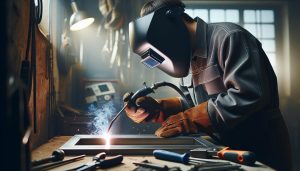
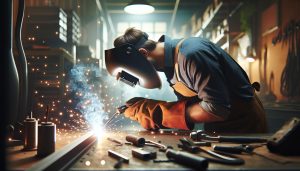
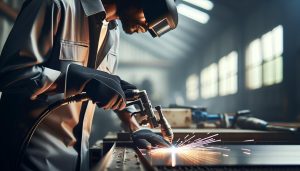
Did you know that using a plasma cutter can drastically reduce your cutting time compared to traditional methods? Whether you’re a hobbyist or a seasoned professional, mastering the art of plasma cutting is essential for achieving precision and efficiency in your projects. This powerful tool simplifies cutting through metals like steel and aluminum, allowing you to create intricate designs or prepare materials for welding with minimal effort. As you delve into this guide, you’ll discover key techniques, safety protocols, and helpful tips that will elevate your skills and enhance your workflow. Get ready to transform your cutting capabilities and tackle your next project with confidence!
Understanding Plasma Cutters: A Beginner’s Guide
Plasma cutting is a game-changer for metalworkers and fabricators seeking precision in their cuts. This method utilizes an accelerated jet of hot plasma to melt and blow away material from the workpiece, making it ideal for cutting through thick metal quickly and cleanly. Unlike traditional cutting methods that may require substantial force or pressure, plasma cutters produce smooth, clean edges with minimal distortion, often requiring little to no post-cut cleanup. This capability opens up a world of possibilities for artisans, hobbyists, and professionals alike.
One of the fundamental aspects of plasma cutters is their versatility across various materials. Whether you’re dealing with steel, aluminum, or stainless steel, plasma cutting technology adapts efficiently, making it suitable for a range of projects from small repairs to large-scale industrial applications. The cooling ability of the plasma and its speed also reduces the heat-affected zone, preserving the integrity of the surrounding material. For beginners, understanding these basics prepares them for more complex aspects of plasma cutting, such as operating techniques and equipment maintenance.
To get started, familiarize yourself with the key components of a plasma cutting system, which typically includes a power supply, a plasma torch, and an air compressor. The power supply converts the electrical energy into a high-frequency current that ionizes the air, creating the plasma. The torch then directs this plasma onto the workpiece. Establishing a comfortable workspace, ensuring proper ventilation, and understanding your specific cutter’s capabilities are essential steps for successful operation. Regular practice and attention to detail will elevate your cutting skills, helping you master advanced techniques over time.
Ultimately, plasma cutters are not just tools; they are essential assets that can enhance your metalworking projects. Understanding their function and features allows you to utilize them effectively, improving both your efficiency and the quality of your work. As you dive deeper, remember that mastering the nuances of plasma cutting will pave the way for creative and precise craftsmanship.
Essential Safety Tips for Using a Plasma Cutter

Using a plasma cutter can be an exhilarating yet challenging endeavor, and ensuring your safety while operating such powerful equipment is paramount. Exposure to high temperatures, intense light, and flying debris can pose significant risks, not just to the operator but to bystanders as well. Prioritizing safety will not only protect you but also enhance your overall cutting experience.
Before powering up your plasma cutter, it is essential to don appropriate personal protective equipment (PPE). This includes a well-fitting helmet with the correct shade to protect your eyes from the bright arc, fire-resistant clothing to guard against sparks and heat, and heavy-duty gloves that provide dexterity and coverage. Additionally, consider wearing a respirator if you’re working in a confined or poorly ventilated space to minimize exposure to harmful fumes and particulates.
While setting up, ensure your workspace is organized and free of flammable materials. Maintain a safe distance from fire hazards by keeping combustibles at least 35 feet away from the cutting area. Before cutting, inspect your equipment thoroughly for damaged cables, loose connections, or leaks that could result in fires or electrical hazards. Always be aware of your surroundings, ensuring that anyone present is at a safe distance from your work.
During operation, use caution by maintaining an appropriate cutting distance from the material and moving the torch steadily to avoid excessive sparks and overheating. If you require handheld cutting, make sure to have a stable stance and hold the torch securely. Furthermore, never look directly at the arc without proper eye protection, and make sure to turn off the equipment after use, allowing any heated components to cool down before handling.
To sum up, safety while using a plasma cutter hinges on preparation, appropriate protective gear, and a safe working environment. By being mindful of these factors, you not only protect yourself but also elevate your cutting proficiency, leading to clean and precise results in your metalworking endeavors.
Choosing the Right Plasma Cutter for Your Projects

Selecting the appropriate plasma cutter for your specific projects can significantly enhance your efficiency and output quality. Not all plasma cutters are created equal; they vary in specifications, intended uses, and capabilities, influencing both the quality of cuts and the materials you can work with. Understanding these differences is crucial for achieving clean cuts and optimal performance in your metalworking tasks.
When evaluating plasma cutters, start by considering the material thickness you intend to work with. For light-duty projects involving thin materials such as sheet metal, a machine with a lower amp output may suffice. However, if you frequently tackle thicker materials like steel or stainless steel, opting for a more powerful plasma cutter, typically rated between 40 to 60 amps, will allow you to achieve better penetration and faster cutting speeds. Additionally, consider the duty cycle of the cutter-this refers to how long the machine can operate before it needs a cooling period. A higher duty cycle is ideal for extended cutting sessions, ensuring the machine doesn’t overheat during intense workloads.
Another vital aspect to take into account is portability versus desktop models. If you plan on cutting in various locations or moving the equipment between job sites, a lightweight and portable plasma cutter with built-in air compressors can offer significant advantages. Conversely, if you have a fixed workshop, a more robust and heavy-duty model, even if stationary, could be more beneficial for consistent performance and durability.
Lastly, don’t underestimate the importance of additional features and accessories. Some plasma cutters come equipped with advanced technologies like pilot arc capability, which allows for smoother starts and cutting on rough surfaces, significantly improving the overall cutting experience. Moreover, investing in high-quality consumables-such as nozzles and electrodes-will also enhance the performance and longevity of your cutter. By thoughtfully considering these factors, you can choose a plasma cutter that aligns with your specific needs and projects, ensuring that you master clean cuts efficiently and effectively.
Key Components of a Plasma Cutting System

The effectiveness of plasma cutting hinges on a well-designed system comprised of several essential components, each playing a vital role in achieving optimal performance and precision. Understanding these elements will not only help users select the right equipment but also empower them to master the technique of cutting metals cleanly and efficiently.
At the heart of a plasma cutting system lies the power supply. This component converts electrical energy from a standard outlet into the high voltage needed to create a plasma arc. Generally, plasma cutters can operate with either DC or AC power sources. A consistent power supply ensures stable cutting conditions, which is crucial for achieving clean edges. Users should consider the voltage and amperage ratings that match their cutting thickness requirements and material types.
The torch assembly is the next critical element. This part houses the nozzle through which plasma is expelled, and it is responsible for directing the arc onto the workpiece. Most torches are equipped with replaceable electrodes and nozzles designed to withstand high temperatures and wear. Regular monitoring and timely replacement of these consumables are imperative to maintain cutting quality and prolong the life of the torch. Advanced machines may feature technologies such as automatic height control, which adjusts the torch’s height relative to the material’s surface for consistent cutting and reduced tip damage.
Another vital component is the gas supply system, typically consisting of an air compressor or an external gas source. Compressed air is the most common medium used in plasma cutting; it enables the transfer of energy from the plasma arc to the metal, effectively melting and blowing away the molten material. Ensuring a steady airflow and optimal pressure is key to achieving high-quality cuts, especially on thicker materials.
Lastly, safety features cannot be overlooked. Many modern plasma cutting systems incorporate built-in safety mechanisms, such as torch cooling systems to prevent overheating and thermal overload protection. Operators should always wear appropriate personal protective equipment (PPE), such as safety goggles and gloves, to safeguard against sparks and UV radiation during operation.
In summary, understanding the integral components of a plasma cutting system-the power supply, torch assembly, gas supply, and safety measures-can significantly enhance both the functionality and safety of the cutting process. By familiarizing oneself with these parts and their respective roles, welders can maximize the efficiency of their operations and achieve masterful results in their projects.
Setting Up Your Plasma Cutter for Optimal Performance
Setting up a plasma cutter for optimal performance is crucial to achieving clean, precise cuts and maximizing the efficiency of your projects. Before turning on the machine, ensure that your workspace is clean, well-lit, and free from flammable materials. Proper setup begins with verifying that your plasma cutter is compatible with the material you plan to work with. Ensure that the power supply is plugged in and check the voltage to match the specifications required for your specific cutting task.
Once the power supply is ready, inspect the torch assembly. Confirm that the nozzle and electrode are clean and properly seated, as a clogged or damaged nozzle can severely impact cutting efficiency and quality. It’s advisable to replace worn consumables regularly to prevent issues during cutting. Additionally, adjust the torch height if your machine features automatic height control; this adjustment allows for a consistent distance between the nozzle and workpiece, resulting in smoother cuts.
Gas Flow and Pressure Settings
Another critical setup step involves the gas flow. The gas supply system, typically utilizing compressed air, must be set properly to ensure optimal performance. Begin by adjusting the pressure according to the recommendations in your plasma cutter’s manual. A steady, consistent gas flow contributes significantly to the quality of the cut and the longevity of the consumables. Too much pressure can lead to excessive noise and reduced cut quality, while too little can result in poor cutting performance.
Test Cuts and Adjustments
Before diving into your main project, it’s wise to conduct test cuts on scrap material. This practice helps in fine-tuning the settings such as amperage, speed, and gas flow for the specific thickness and type of metal you’re working with. Use your test cuts to evaluate the edge quality-look for a smooth cut without excessive dross or melting. Adjust your settings as needed based on the results of these test cuts. Learning to interpret how different settings affect the cut can significantly improve your results over time.
By following these guidelines, you can ensure that your plasma cutter operates at peak efficiency, allowing you to master clean cuts whether working with materials like steel, aluminum, or other metals. With practice and attention to detail, you’ll develop a setup routine that leads to exceptional results in all your plasma cutting endeavors.
Mastering Different Cutting Techniques with a Plasma Cutter
Mastering the nuances of plasma cutting techniques can elevate your fabrication skills, enabling clean and precise cuts across various materials. Whether you’re a novice looking to make your first cuts or an experienced welder honing your craft, understanding different cutting styles can significantly impact the quality of your work. Plasma cutting is not just about the tool but equally about the technique employed during the process.
One of the most vital techniques is the travel speed. Optimal travel speed ensures that the plasma arc maintains adequate energy for effective cutting. If the speed is too slow, excessive heat can accumulate, causing warping or rough edges. Conversely, if the speed is too fast, it might lead to incomplete cuts or jagged edges. A general rule of thumb is to start at a moderate speed and adjust according to the thickness of the material. It can be helpful to perform test cuts on scrap material to determine the best speed for various thicknesses.
Another key technique is the angle of the torch during cutting. Maintaining a consistent angle, ideally around 90 degrees to the work surface, will produce clean cuts. However, when navigating curves or intricate designs, adjusting this angle slightly can yield better results. For example, when cutting circles or detailed shapes, decreasing the angle might help guide the torch more fluidly. Additionally, employing a steady hand while maneuvering the torch will significantly reduce the chances of dross accumulation-a common issue where molten metal re-solidifies on the cut edges.
Lastly, understanding the importance of lead-in and lead-out cuts can improve the finish of your work. A lead-in cut allows the arc to stabilize before hitting the material, which can create a cleaner entry point. Similarly, implementing a lead-out section prevents sharp edges from forming when completing a cut. These techniques not only enhance the visual quality of the cut but also contribute to the overall integrity of the material being worked on.
With practice and attention to detail, mastering these techniques can transform the plasma cutting experience from a basic task into a precise art form, allowing you to tackle a wide range of projects with confidence.
Troubleshooting Common Plasma Cutting Issues
When working with a plasma cutter, encountering issues can be a common obstacle that may affect the quality of your cuts and overall project efficiency. Fortunately, most problems can be identified and resolved with a little troubleshooting knowledge. One prominent issue is an inconsistent or erratic arc, which can lead to rough cuts. Typically, this can be attributed to either insufficient air supply or a worn-out consumable. Ensure that your air compressor is functioning correctly and that your consumables are in good condition; replacing them if they’re worn can restore consistent cutting performance.
Another frequent issue is dross formation, the unwanted slag buildup on the edges of your cuts. This often occurs due to incorrect travel speed or improper cutting height. A slow travel speed can cause excessive melting of material, leading to more dross, while maintaining the correct cutting height ensures the plasma arc can effectively penetrate the material. Adjusting your speed and maintaining an optimal distance from the workpiece can help minimize dross. Additionally, establishing a proper lead-in and lead-out will significantly improve cut quality and reduce excess material at the cut’s beginning and end.
Furthermore, if you’re facing issues with arc stability, check the connection of your torch to ensure it’s secure and that the workpiece is grounded properly. A poor electrical connection can lead not only to unstable arcs but also to inconsistent cutting depths. Always ensure that your workpiece has a clean surface free of contaminants that can hinder electric flow. In situations where the torch is cutting unevenly, the problem may lie within the cutting technique used. A steady hand, controlled speed, and adequate torch angle are critical for achieving smooth, even cuts.
Plasma cutting is an art that can take time to master, but understanding common issues-such as erratic arcs, dross formation, and cutting inconsistencies-provides a pathway to enhance your skills. With the right troubleshooting strategies in place, you can ensure high-quality results and tackle more complex projects with greater confidence.
Integrating Plasma Cutting with Other Welding Techniques
can significantly expand your capabilities, allowing you to tackle more complex projects with precision and efficiency. A common pairing is plasma cutting with MIG (Metal Inert Gas) welding, particularly when working with thinner metals such as aluminum and mild steel. Plasma cutting provides clean and precise cuts, which can then be welded seamlessly with MIG for stronger joints.
When using both techniques together, consider the sequence of operations. Start by outlining the design with a plasma cutter, ensuring that your cuts are straight and free from dross for clean edges. Following this, switch to MIG welding to join the pieces. The clear edges produced by plasma cutting mean that less preparation is needed before welding, reducing the risk of contamination and ensuring better fusion of materials.
Combining Techniques for Efficiency
Using plasma cutting can also streamline the fabrication process. For instance, when working on projects that require repetitive cuts, such as custom railings or automotive parts, employing a plasma cutter allows for rapid production without compromising quality. Once the parts are cut, transitioning to TIG (Tungsten Inert Gas) welding can enhance the aesthetic finish. TIG welding is ideal for creating strong, visually appealing welds, and the precision cuts made by the plasma cutter help in achieving consistent results.
Moreover, integrating plasma cutting with flux-cored welding can be particularly advantageous in outdoor environments where wind may affect gas shielding. The clean cuts made with a plasma cutter mean that you will have less material to prep for flux-cored welding, allowing you to work more efficiently and focus on achieving optimal penetration and bead appearance.
Practical Tips for Integration
- Plan Your Workflow: Determine which aspects of your project will benefit most from plasma cutting versus welding. Map out your workflow for efficiency and ease of switching between processes.
- Maintain Equipment Compatibility: Ensure that your plasma cutter and welder are compatible in terms of the materials and thicknesses you will be working with. Adjust settings on both machines as necessary.
- Practice Safety Protocols: Always wear appropriate personal protective equipment (PPE) when switching between plasma cutting and welding to protect yourself from different hazards.
- Refine Your Skills: Regularly practice each technique independently, and experiment with integrating them to become proficient in combining methods seamlessly.
By understanding how to effectively integrate plasma cutting with welding techniques like MIG, TIG, and flux-cored welding, you will not only enhance the quality of your projects but also expand the range of work you can confidently undertake. This multi-disciplinary approach fosters creativity and innovation, enabling you to produce professional-grade welds in various applications.
Maintenance Tips for Long-lasting Plasma Cutting Tools
To achieve optimal performance and longevity from plasma cutting tools, maintaining them properly is essential. Regular maintenance can significantly impact both the quality of your cuts and the lifespan of your equipment. By incorporating effective maintenance practices into your routine, you can minimize downtime and ensure that your plasma cutter operates at peak efficiency.
One of the most important aspects of maintenance is cleaning your equipment regularly. After each use, inspect and clean the torch head to remove any slag buildup or debris that could affect cutting quality. Use a soft brush or compressed air to clear out any particles. Additionally, check the electrode and nozzle for wear. Replacing these components as needed will prevent poor cuts and extend the life of your torch.
Routine Checks and Replacements
Performing regular checks can also help you identify potential issues before they escalate. Always ensure that the air filters are clean and functioning properly, as dirt and debris can reduce efficiency and damage the internal components of your cutter. It’s advisable to replace air filters according to the manufacturer’s guidelines or whenever they appear soiled.
Check the connections and hoses for any signs of wear or leaks. A damaged hose can lead to significant performance issues and safety hazards. Taking the time to inspect these components can save you from costly repairs and enhance the overall safety of your workspace.
Storage and Environment
Lastly, consider the environment where the plasma cutter is stored. A clean, dry area free of corrosive materials will significantly extend the lifespan of your equipment. If possible, keep the cutter covered or in a dedicated storage box to protect against dust and moisture.
By following these maintenance tips-including cleaning, routine checks, and proper storage-you can enhance the performance of your plasma cutter and ensure consistent quality in all your projects. This proactive approach not only saves money on repairs but also supports a safer and more efficient working environment.
Advanced Plasma Cutting Applications You Should Know
Advanced plasma cutting applications open up a world of possibilities, allowing craftsmen and industrial users alike to realize intricate designs and perform complex tasks with precision and speed. One notable application is in the automotive industry, where plasma cutters are utilized to fabricate custom parts and repair bodywork. The ability to cut various thicknesses of steel and aluminum makes this tool invaluable, especially when working on high-performance vehicles where precision is critical. For instance, car restorers often rely on plasma cutting to create donor panels or exhaust components, ensuring a seamless fit without compromising structural integrity.
Another exciting application is in the arts and sculpture. Artists employing metal as their medium have found creative ways to incorporate plasma cutting into their work, enabling the production of detailed patterns and forms that would be arduous with traditional methods. This technique allows for high levels of customization, meaning artists can realize their visions with minimal limitations imposed by material characteristics. As an example, intricate designs can be cut from sheet metal, providing a canvas for creative expression that is both aesthetically pleasing and structurally sound.
In the realm of manufacturing, plasma cutting plays a crucial role in achieving efficiency in production. Fabricators frequently use plasma systems to prepare materials for assembly, such as cutting heavy plates for structural frames or creating components for machinery. The speed at which plasma cutters operate minimizes downtime, making them a preferred choice over other cutting techniques. The ability to cut multiple layers of material in a single pass not only enhances productivity but also reduces expenditure on consumables and labor.
Lastly, plasma cutting is increasingly being integrated into robotic systems for automated manufacturing processes. This integration allows for precision cuts at high speeds, ideal for high-volume production lines, such as those used in the aerospace or shipbuilding industries. By marrying plasma cutting with robotics, manufacturers can achieve consistent quality and repeatability, ensuring that each component meets strict specifications. This symbiotic relationship between technology and craftsmanship signals a bright future for plasma cutting applications across various sectors, showcasing its importance in both traditional and modern manufacturing landscapes.
Cost-effective Practices for Plasma Cutting Projects
In the world of metalworking, maximizing cost-efficiency while maintaining quality is paramount. Implementing cost-effective practices in your plasma cutting projects not only bolsters your bottom line but also enhances your productivity and craftsmanship. An interesting aspect of plasma cutting is its remarkable speed, which means that by optimizing your processes, you can achieve significant savings in both time and resources.
One practical strategy involves material selection. Always choose the right type of metal for your project. For instance, many plasma cutters perform optimally on mild steel, which is generally more affordable and easier to cut than other metals like stainless steel or aluminum. Additionally, when purchasing materials, consider buying in bulk; many suppliers offer discounts on larger quantities, which can drastically reduce your overall costs.
Another key aspect is tool maintenance. Regularly inspecting and maintaining your plasma cutter ensures it operates efficiently, reducing the likelihood of expensive repairs or material wastage due to poor cuts. This includes cleaning the nozzle, replacing wear parts promptly, and ensuring proper gas flow. Implementing a routine maintenance schedule at your facility can save on consumable costs and prolong the life of your equipment.
To further enhance cost efficiency, leverage cutting techniques that minimize waste. Utilize nesting software to optimize material layouts before cutting. This software arranges parts in a way that maximizes the use of material and reduces scrap. Furthermore, practice efficient cutting motions; learning to control speed and cutting placement can significantly decrease the length of your cut paths, thus conserving consumables.
Lastly, consider the power source for your plasma cutter. Investing in a machine with a higher duty cycle may have a higher upfront cost but can lead to long-term savings by increasing production rates and reducing downtime. Additionally, be mindful of energy consumption; using a plasma cutter with energy-efficient features can help lower electricity costs, furthering your savings across the board.
By embracing these cost-effective practices, you can ensure that your plasma cutting projects remain not only precise and high-quality but also economically viable, allowing you to enhance your craftsmanship without compromising on budget constraints.
Plasma Cutter Accessories and Add-ons for Enhanced Performance
In the realm of plasma cutting, having the right accessories and add-ons can significantly enhance the overall performance and efficiency of your cutting projects. One pivotal category of these accessories is the consumables kit, which often includes nozzles, electrodes, and retaining caps. By utilizing higher quality or specialty consumables specifically designed for your plasma cutter, you can achieve cleaner cuts, increase the lifespan of your equipment, and reduce the frequency of replacement. Selecting consumables that match the type and thickness of the material being cut is crucial; for example, finer nozzles can provide better precision for detailed work, while larger nozzles are better suited for thicker materials.
Essential Add-ons for Enhanced Capability
Another beneficial addition to your plasma cutter setup is a plasma cutting guide or torch guide. This handy tool helps maintain a consistent distance from the material while cutting, ensuring uniformity and accuracy in your cuts. For those engaging in repetitive tasks or intricate designs, a torch guide can save a substantial amount of time and enhance the quality of your work. Similarly, integrating a water table into your workspace can greatly improve the quality of cutting by minimizing dross and promoting a cleaner work environment. Furthermore, these tables can assist in collecting and cooling molten metal, which is beneficial for safety and cleanup.
Moreover, investing in a high-quality air filtration system is critical for maintaining a safe and healthy workspace. Plasma cutting emits harmful fumes and particulates, so having an effective filtration system can improve air quality and protect your health, as well as prolong the life of your cutting equipment by preventing contaminants from entering the system.
Finally, consider using plasma cutting software that aids in designing and optimizing cuts. Such software can help in creating efficient layouts that reduce waste and improve productivity. By taking advantage of these accessories and add-ons, not only can you enhance the performance of your plasma cutter, but you also increase your overall metalworking capabilities, leading to better quality work and increased efficiency in every project.
Frequently Asked Questions
Q: How do I choose the right plasma cutter for my project?
A: To choose the right plasma cutter, consider the material type and thickness you’ll be cutting. Verify the cutter’s output power and duty cycle to ensure it meets your project needs. Additionally, assess portability and ease of use for your environment. For details, refer to our section on selecting the right plasma cutter.
Q: What are the common safety precautions when using a plasma cutter?
A: Essential safety precautions include wearing appropriate protective gear such as gloves, goggles, and flame-resistant clothing. Ensure proper ventilation to avoid the inhalation of fumes, and keep a fire extinguisher nearby. Refer to the “Essential Safety Tips for Using a Plasma Cutter” section for comprehensive guidance.
Q: Can I use a plasma cutter on stainless steel?
A: Yes, a plasma cutter can effectively cut stainless steel. Ensure you select the appropriate amperage settings and nozzle type to achieve clean cuts without excessive heat. For advanced techniques, check our section on mastering different cutting techniques.
Q: What should I do if my plasma cutter is not cutting correctly?
A: If your plasma cutter isn’t cutting properly, first check the air pressure settings and inspect the consumables for wear. Clean the torch and ensure proper electrical connections. For more troubleshooting tips, refer to the “Troubleshooting Common Plasma Cutting Issues” section.
Q: How do I maintain my plasma cutting equipment?
A: Regular maintenance includes cleaning the torch after each use, inspecting the consumables for damage, and regularly checking air filters. This ensures optimal performance and longevity of your equipment. Refer to our maintenance tips for detailed procedures.
Q: What materials can I cut with a plasma cutter?
A: Plasma cutters can effectively cut various materials, including mild steel, stainless steel, aluminum, and even certain non-ferrous metals. For specific techniques per material, consult our advanced applications section.
Q: What are the advantages of using a plasma cutter over other cutting methods?
A: Plasma cutters offer high precision and speed, allowing for cleaner cuts with less heat-affected zone compared to methods like oxy-fuel cutting. They also provide versatility across different metal types. Explore our comparison of cutting methods for more insights.
Q: How do I set up my plasma cutter for the first time?
A: To set up your plasma cutter, begin by connecting the air supply and ensuring proper electrical connections. Follow the manufacturer’s installation guide closely. Once assembled, test the unit with scrap metal before starting your project. Check our setup section for detailed steps.
To Conclude
Now that you’ve learned how to master clean cuts with a plasma cutter, it’s time to put your skills into action! Remember, practice makes perfect-so don’t hesitate to experiment with different materials like aluminum and steel to see how your new technique holds up. Ready to dive deeper? Check out our articles on MIG and TIG welding for more comprehensive guidance, or explore our equipment reviews to find the best tools for your projects.
Don’t forget to subscribe to our newsletter for the latest tips and resources that will elevate your welding expertise. If you have any questions or want to share your plasma cutting experiences, drop a comment below! Your insights could help others in our community. Embrace the challenge, share your journey, and take your welding skills to the next level today!