Lift TIG welding simplifies the art of arc starting, making it an invaluable technique for both beginners and seasoned welders. Unlike traditional methods that may lead to electrode damage or sticking, Lift TIG offers a controlled way to ignite the arc simply by touching and lifting the electrode from the workpiece. This reduces the risk of errors and encourages precision, promoting better weld quality and efficiency.
For those looking to enhance their welding skills or tackle complex projects with ease, understanding Lift TIG is essential. This method not only improves consistency in welds but also enhances safety by minimizing the chances of missteps during arc initiation. Whether you’re working with aluminum, steel, or other alloys, mastering this technique can significantly elevate your welding capabilities and ensure impressive results. Dive into the world of Lift TIG welding and discover how it can transform your approach to welding, ensuring more successful and enjoyable experiences.
What Is Lift TIG Welding and How Does It Work?
Lift TIG welding stands out as a versatile technique that facilitates the initiation of the welding arc through a user-friendly process, making it particularly accessible for both beginners and seasoned welders. This method involves physically lifting the tungsten electrode away from the workpiece to establish the arc, which is akin to striking a match. Unlike high-frequency start methods, lift TIG minimizes the risk of introducing contamination or damaging the workpiece surface, resulting in a cleaner and more controlled weld.
The mechanics of lift TIG welding operate on the principle of transferring a small current from the electrode to the workpiece once the electrode is lifted. As the tungsten is raised slightly, the electrical gap begins to ionize, creating an arc that can sustain itself once initiated. This method is exceptionally effective when working with materials sensitive to high-frequency interruptions, such as aluminum, which often requires a precise and gentle approach to avoid distortion. Additionally, lift TIG welding can be performed on a variety of surfaces, allowing for flexibility across different welding scenarios.
Lift TIG welding is well-suited for environments where portability of equipment is essential, such as fieldwork or remote job sites. Welders equipped with lift-start capabilities typically find their machines easier to use, as this technique negates the need for advanced apparatus to initiate the arc. This method not only enhances safety by reducing the chance of accidental high-frequency discharges, but it also allows welders to concentrate on technique and bead quality without the distraction of complex starting procedures. Ultimately, lift TIG welding proves to be a valuable addition to a welder’s skill set, offering a straightforward approach that yields clean, precise welds across a range of materials and applications.
The Key Advantages of Lift TIG Welding
Lift TIG welding offers a range of significant advantages that make it an appealing choice for both novice and seasoned welders. This method simplifies the arc initiation process, providing a safer and cleaner welding experience. One of the standout benefits is its ability to minimize contamination risks associated with high-frequency starting methods. By using a touching and lifting approach, lift TIG reduces the chance of introducing impurities to the weld area, which is especially critical when working with materials like aluminum that can easily be marred by contamination.
Another key advantage is its user-friendliness, particularly for beginners. The straightforward mechanism-lifting the tungsten electrode to create an arc-eliminates the need for complex setups or advanced equipment. This accessibility encourages new welders to feel more confident as they learn the craft, allowing them to focus on developing their technique rather than becoming bogged down by intricate procedures. Additionally, lift TIG welding’s portability makes it suitable for fieldwork, allowing welders to perform tasks in various locations without the need for extensive equipment.
Moreover, lift TIG welding fosters better control over the welding process. The gentle initiation method lets welders commit to a more deliberate and precise welding strategy, resulting in aesthetically pleasing and strong welds. This advantage is particularly noticeable when working with delicate materials or in tight spaces, where traditional high-frequency starts might introduce arc instability and lead to defects. In essence, lift TIG welding not only enhances the quality of the weld but also builds the welder’s confidence, leading to improved craftsmanship and satisfaction with the final results.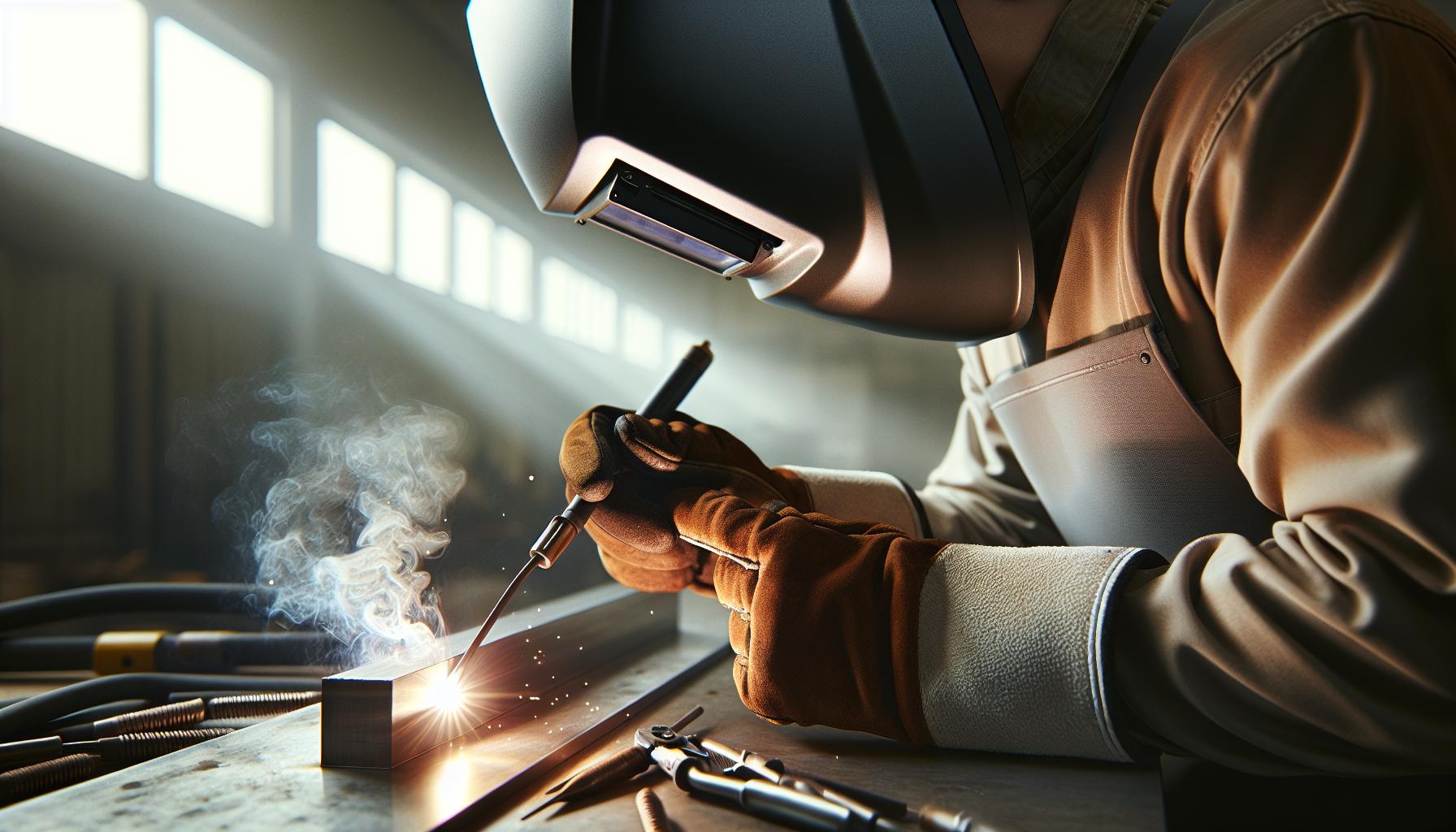
Essential Equipment for Lift TIG Welding
To achieve successful lift TIG welding, having the right equipment is essential. This method not only demands precision but also requires tools that facilitate a beginner-friendly experience while maintaining the standards necessary for professional-quality welds. The first and foremost piece of equipment is a lift TIG welder, which is specifically designed to use the lift start technique. Unlike traditional TIG welders, a lift TIG welder prevents the tungsten electrode from sticking to the workpiece by initiating the arc with a gentle lift, ensuring a cleaner start with minimal contamination risks.
In addition to the welder, several other components are crucial for optimal lift TIG welding performance:
Essential Lift TIG Welding Equipment
- Tungsten Electrodes: Select the appropriate tungsten diameter and type based on the material being welded. For instance, 2% thoriated tungsten is popular for steel, while pure tungsten is often preferred for aluminum due to better arc stability.
- Gas Flow Regulator: A reliable gas flow regulator ensures that the shielding gas (usually argon) is delivered consistently, which is vital for protecting the weld pool from oxidation. Proper gas flow rates can vary, generally around 15-20 CFH (cubic feet per hour) for lift TIG welding.
- Welding Torch: A WP-style torch with a comfortable grip and the right length is important. Ensure that the torch is compatible with your welder and has the correct size collet for your tungsten electrode.
- Protective Gear: Proper safety equipment is non-negotiable. This includes a high-quality welding helmet with a suitable shade, gloves, and protective clothing to guard against UV rays and sparks.
- Workpiece Preparation Tools: Having a clean work area is crucial for producing quality welds. Invest in brushes, grinders, or chemical cleaners to remove contaminants from your materials before starting.
- Clamps and Fixtures: Secure your workpieces using clamps to maintain stability during welding. Proper alignment is key in achieving strong and aesthetically pleasing welds.
By ensuring that you have all the necessary equipment and understanding its function, you can maximize the effectiveness of lift TIG welding. With practice and the right tools, both beginners and experienced welders can produce high-quality welds with confidence.
Step-by-Step Guide to Lift TIG Welding
To effectively harness the benefits of lift TIG welding, mastering the step-by-step process is essential for both novices and seasoned welders. This technique stands out for its ability to provide a controlled arc start, minimizing the risk of tungsten contamination and ensuring a clean weld. Here’s how you can get started:
Begin by preparing your workspace and gathering the necessary equipment. Ensure your work area is clean and well-lit, with all the essential tools at hand. This includes your lift TIG welder, tungsten electrodes, gas flow regulator, welding torch, and protective gear such as gloves and a welding helmet. It’s also critical to keep your workpiece clean, free from oils and rust, to promote optimal adhesion during welding.
Once you’re set up, adjust your welder settings according to the material you’re about to weld. For most metals, you’ll want to dial in the correct amperage and gas flow rate to ensure a stable arc and quality weld. Typically, a flow rate between 15-20 CFH is ideal. With your welder configured, position your tungsten electrode close to the workpiece. The lift start technique involves gently touching the electrode to the surface before lifting it to establish the arc. This action should be controlled and smooth to prevent sticking.
After the arc starts, maintain a steady hand and an appropriate travel speed while guiding the torch along the joint. Pay attention to the puddle, ensuring it remains hot enough to fuse the materials without becoming too large or out of control. Adjust your torch angle to maintain a consistent arc length, ideally around 1/8 to 1/4 inch. As you practice, you’ll develop a rhythm and be able to adapt your technique to different materials and joint configurations.
By following these steps, you’ll build a solid foundation in lift TIG welding. Consistent practice will enhance your skill while allowing you to tackle more complex welding tasks with confidence. Remember, safety should always be a top priority, so regularly check your gear and ensure that your work environment is conducive to safe welding practices.
Common Challenges and Solutions in Lift TIG Welding
Lift TIG welding, while praised for its precision and control, comes with its own set of challenges that can be daunting for both beginners and experienced welders alike. One common issue is establishing the arc consistently. Novices may struggle with the technique of lifting the tungsten off the workpiece, leading to unsuccessful arcs or tungsten sticking to the metal. To overcome this, practice is essential. Setting aside time for dedicated exercises can aid in mastering a controlled lifting motion, ensuring a reliable arc every time.
Another prevalent challenge encountered is contamination of the tungsten electrode. This often occurs when the electrode is touched to the workpiece too forcefully or if the welding environment contains contaminants like oil or rust. The immediate solution is to ensure the work surface is clean before initiating the process. Furthermore, inspect the tungsten regularly for signs of wear or contamination. If contamination occurs, re-sharpening the tungsten may restore its effectiveness, but in severe cases, replacing it will be necessary for optimal results.
Heat Management and Puddle Control
Maintaining an appropriate heat level and controlling the weld puddle can also prove challenging. New welders might inadvertently create a puddle that is too large or uneven, leading to weak joint formations. To tackle this, observing the heat input based on material thickness and adjusting travel speed can help. Employ a steady hand right from the beginning to keep the puddle size manageable. Regular practice on scrap materials allows for adjustments in technique without the pressure of damaging a final project.
Maintaining Equipment
Lastly, equipment maintenance is fundamental to successful outcomes. Problems might arise from setup errors, such as incorrect gas flow rate or improper voltage settings, which can affect the weld quality. Regularly verify welder settings start from user manuals specific to the equipment and understand the optimal gas flow rates for the materials being welded. Keeping a checklist for equipment setup and maintenance can help ensure that the gear is always functioning at its best, thus reducing unexpected complications during the welding process.
By anticipating these challenges and preparing to confront them with practical strategies, welders can significantly enhance their lift TIG welding experience, leading to more successful and satisfying outcomes.
Safety Protocols for Lift TIG Welding
Safety in lifting TIG welding is paramount, as exposure to high temperatures, intense light, and hazardous materials can lead to serious injuries. A well-structured approach to safety ensures not only personal well-being but also fosters a more productive work environment. Start with a thorough understanding of the necessary protective gear and equipment, as this can significantly mitigate risks associated with the welding process.
Personal Protective Equipment (PPE) is essential. Ensure that you always wear a properly rated welding helmet with dark lenses to protect your eyes and face from harmful ultraviolet and infrared radiation, which can cause severe burns and long-term vision issues. Long-sleeved, flame-resistant clothing, gloves, and appropriate footwear should be used to shield your skin from sparks, spatter, and heat. Establish a clear understanding of your workspace; ensure it is free from flammable materials and well-ventilated to avoid the accumulation of harmful gases.
Environment and Setup
Before you start welding, assess your work area for safety. Make sure the floor is clean and free of debris that could cause slips or falls. Position your workpiece securely to prevent movement during welding, which can lead to arc instability and personal injury. Additionally, ensure your gas cylinders are stored upright and secured to prevent tipping, and keep a fire extinguisher easily accessible in case of emergencies.
Electrical Safety
Welding operations involve a large amount of electrical current, posing significant shock hazards. Use a quality extension cord rated for the equipment amperage, and ensure your welding machine is grounded properly. Always check connections and cables for damage before use; frayed wires or poorly connected outlets can lead to electrical faults.
Awareness and Training
Fostering a culture of safety also means remaining vigilant while welding. Keep distractions to a minimum and stay focused on the task at hand. If new to lift TIG welding, consider receiving hands-on training from experienced welders to better understand potential hazards and safe practices specific to the technique. Regular safety meetings and assessments will help reinforce the importance of adhering to safety protocols and can provide a platform for discussing any issues that arise on the job.
By embedding these safety protocols into your routine, you create a safer environment that allows you to focus on achieving high-quality welds while minimizing risks. Always prioritize your health and safety when engaging in lift TIG welding, as consistent adherence to safety measures leads to a more effective and enjoyable welding experience.
Comparing Lift TIG with Other TIG Starting Methods
When considering the various arc starting methods in TIG welding, it’s important to appreciate how Lift TIG stands out amongst its alternatives. Lift TIG welding employs a straightforward technique where the tungsten electrode is physically touched to the workpiece and then lifted slightly to create the arc. This method contrasts sharply with scratch start and high-frequency methods, which can sometimes be more complex and challenging for beginners.
In contrast to the scratch start method, where the electrode is dragged across the surface similar to striking a match, Lift TIG reduces the risk of tungsten contamination by minimizing contact and avoiding any scraping of the metal. This results in a cleaner, more efficient start and helps maintain the integrity of the tungsten electrode, contributing to a higher-quality weld. Additionally, the lower risk of damage to the workpiece surface makes Lift TIG particularly appealing for fine and precise welding tasks.
Another method worth mentioning is high-frequency arc starting, commonly used in more advanced TIG welding setups. This technique allows for arc initiation without direct contact with the workpiece, providing the ability to start the arc at a distance. While this can lead to cleaner starts as well, it can also complicate the setup and equipment required. For beginners, Lift TIG offers a more user-friendly approach while still delivering significant control and precision in the welding process.
Ultimately, the choice between these methods hinges on the application, material thickness, and the user’s skill level. Lift TIG welding is particularly suited for those who are just becoming acquainted with TIG techniques, offering an approachable method without sacrificing weld quality. By focusing on the fundamental skills of arc initiation and control, beginners can build a solid foundation before exploring more advanced techniques.
Applications of Lift TIG Welding in Various Industries
The versatility of Lift TIG welding makes it a preferred choice across various industries, particularly in sectors that demand precision and high-quality welds. This welding technique excels in applications where the aesthetic appearance of the weld is just as crucial as its structural integrity. Industries such as aerospace, automotive, and manufacturing greatly benefit from Lift TIG’s ability to create clean and controllable welds with minimal contamination.
In the aerospace sector, for instance, Lift TIG welding is frequently used for thin-walled components made of aluminum and exotic metals like titanium. The high precision required in these components, such as aircraft frames and structural supports, necessitates a welding process that minimizes the risk of defects. The approach also enables welders to manipulate the arc better, making it suitable for intricate designs and tight tolerances typical in aerospace fabrication.
Similarly, the automotive industry adopts Lift TIG welding for applications including exhaust systems and custom fabrication projects, where the quality of the weld can affect performance and safety. The method provides a smooth finish that is essential for both functionality and aesthetics, allowing welders to work on visible areas without compromising on quality.
Key Industries Utilizing Lift TIG Welding
- Aerospace: Used for structural components and fuel tanks requiring high precision.
- Automotive: Ideal for exhaust systems and custom builds where aesthetics matter.
- Fabrication: Widely used in manufacturing processes needing versatility and precision.
- Marine: Effective for welding aluminum boat hulls and other marine components.
Moreover, the marine industry values Lift TIG welding for its application in constructing aluminum vessels and boats. The technique’s ability to produce strong, clean welds is vital in ensuring the durability and performance of aquatic vehicles that endure harsh conditions.
As various sectors continue to evolve with new materials and techniques, the practical benefits of Lift TIG welding remain relevant. Its ease of use and effective arc management make it an accessible choice not only for experienced fabricators but also for newcomers aiming to build a solid foundation in welding. With its growing range of applications, Lift TIG welding stands out as a key technique in the modern welding landscape, addressing both complex engineering needs and aesthetic considerations.
Maintenance Tips for Lift TIG Welding Equipment
To ensure the longevity and performance of Lift TIG welding equipment, regular maintenance is crucial. Proper upkeep not only enhances the quality of welding but also extends the service life of your machines and accessories. One of the primary maintenance tasks involves routinely checking the torch and its components, such as the gas nozzle and tungsten electrode. Any signs of wear or damage should prompt immediate replacement, as this can greatly impact arc stability and the quality of your welds.
Additionally, maintaining a clean work environment plays a significant role in the effective performance of Lift TIG equipment. Debris, dust, and welding spatter can interfere with the equipment’s function and lead to grounding issues or contamination of welds. Regularly clean the workspace as well as the equipment itself, including the cable connectors and ground clamp contacts. It’s also advisable to inspect and periodically replace your gas lens and cup, as these directly influence the shielding gas coverage.
Strong connections are vital in any welding process. Therefore, checking the power supply cables, connections, and gas lines for leaks and damage is essential. Make sure that all fittings are tight and that hoses are not crimped or cracked. If you detect gas leaks, they should be addressed promptly to ensure safety and optimal performance. Consistent care of these elements contributes significantly to achieving clean and precise welds.
Lastly, it’s beneficial to refer to the manufacturer’s guidelines for specific maintenance schedules and recommendations tailored to your Lift TIG equipment. Following these guidelines, alongside implementing general care practices, will help you maintain your welding equipment in peak condition, allowing you to focus on delivering high-quality results in your welding projects.
Real-World Tips from Experienced Welders
The ability to master Lift TIG welding can significantly enhance both the quality of your work and your overall efficiency as a welder. Experienced welders often emphasize that the technique’s ease of use makes it particularly beneficial for beginners and those working with sensitive materials. A key insight is to always practice the lift technique on scrap pieces first. This simple preparatory step allows you to get comfortable with the motion of touching the tungsten to the workpiece and then lifting it to initiate the arc, helping to prevent unwanted contamination and poor starts.
Another insight from seasoned welders is the importance of maintaining a steady hand when lifting the tungsten. Even slight movements can lead to arc instability, so taking the time to develop a controlled lift technique is crucial. Employing a slow, deliberate motion rather than a quick flick can produce a more stable arc, making the welding process smoother and more predictable. Utilizing a work table or fixture to stabilize your materials can also help minimize movement and enhance precision.
Welder safety is paramount, even in the more forgiving environment of Lift TIG welding. Ensure your work area is clear of flammable materials, and always wear appropriate personal protective equipment (PPE), including gloves, a welding helmet with the correct shade, and long-sleeve clothing. Furthermore, experienced welders often recommend investing in high-quality consumables. A superior tungsten electrode, for instance, can lead to better arc ignition and longer lifespan, ultimately improving weld quality.
By consistently applying these tips and adapting techniques based on your unique welding environment, you can significantly enhance your Lift TIG welding skills. Over time, the practice will lead to increased confidence and proficiency, allowing you to tackle a wider range of projects with finesse.
How to Get Started with Lift TIG Welding
Starting with Lift TIG welding can feel daunting, but it’s a highly accessible method that combines simplicity with precision, making it an excellent choice for both novice and experienced welders. One captivating fact to consider is that the lift technique allows welders to strike an arc using a smooth lifting motion, which not only minimizes the risk of tungsten contamination but also provides a stable start. For beginners, this added control can be invaluable as you develop your welding skills.
To successfully embark on your Lift TIG welding journey, begin by gathering the essential equipment. This includes a TIG welding machine with Lift TIG capabilities, a tungsten electrode suited for your material (commonly pure tungsten or thoriated tungsten for steel and aluminum), and the right shielding gas, usually argon. Setting your machine to the appropriate amperage is crucial-too high can cause material burn-through, while too low can lead to inadequate penetration. Begin with a lower amperage and adjust as necessary, especially on thinner materials.
Prior to hitting the pedal, practice the lift technique on scrap pieces. This not only helps reinforce the motion but also gives you a feel for how the tungsten reacts when it touches and lifts from the workpiece. It’s recommended to maintain a steady lift-slow and deliberate motions yield a more stable arc. As you feel confident, gradually transition to the actual welding task, carefully observing the arc and ensuring the material temperatures remain within desired limits.
Lastly, never underestimate the importance of safety. Always wear appropriate personal protective equipment, including gloves, a welding helmet with the correct shade, and long-sleeve clothing to protect against UV radiation and sparks. Ensure your workspace is free from flammable materials, and frequently assess the condition of your tungsten and consumables to maintain optimal performance. With the correct setup and preparation, you can effectively master Lift TIG welding and take your skills to the next level.
Resources for Further Learning on Lift TIG Welding
To truly excel in Lift TIG welding, it’s crucial to utilize a variety of resources that expand your knowledge and improve your skills. Engaging with both theoretical and practical materials can deepen your understanding of this arc starting method, allowing you to enhance your technique and achieve better results in your projects.
Online Tutorials and Videos
Many skilled welders share their expertise through online platforms. Look for YouTube channels that focus on welding techniques. These tutorials often demonstrate Lift TIG welding in action, allowing you to visualize the correct motions and settings. For instance, channels like “Welding Tips and Tricks” or ” weld.com” offer practical demonstrations and tips that can be invaluable for beginners and experienced welders alike.
Welding Forums and Communities
Participating in online welding communities, such as those found on Reddit or specialized welding forums, can provide valuable insights. Members often share their experiences with Lift TIG welding, tackle common challenges, and provide solutions that you may not find in more formal resources. Furthermore, these platforms allow you to ask questions and receive feedback from seasoned professionals.
Books and Publications
Consider investing in books or eBooks dedicated to TIG welding. Titles such as “TIG Welding: A Comprehensive Guide to the Basics” can provide structured knowledge regarding Lift TIG and other welding techniques. Additionally, trade magazines like “Welding Journal” often publish articles and case studies on current welding practices, new technologies, and best practices that can enhance your knowledge base.
Workshops and Hands-On Training
For those who prefer a hands-on approach, attending welding workshops or classes can be incredibly beneficial. Many trade schools and community colleges offer courses focusing on TIG welding techniques, including Lift TIG. This environment not only allows for direct instruction from experts but also facilitates networking with fellow welders, providing an excellent opportunity for sharing tips and advice.
By utilizing these resources, you can enhance your skills and understanding of Lift TIG welding while also staying current with industry trends and practices. Continuous learning is key in mastering this precise technique, leading to improved craftsmanship and greater confidence in your welding projects.
Q&A
Q: What is the basic principle behind Lift TIG welding?
A: The basic principle of Lift TIG welding involves initiating an electric arc manually by lifting the tungsten electrode away from the workpiece. This method provides a smoother start compared to other techniques, reducing tungsten contamination and ensuring stable arc characteristics.
Q: How does Lift TIG welding compare to traditional TIG welding methods?
A: Lift TIG welding offers a simplified arc starting technique, making it beginner-friendly. Unlike traditional high-frequency start methods, it avoids high-frequency interference with electronic devices, allowing for better control and improved results for new welders.
Q: What types of materials are best suited for Lift TIG welding?
A: Lift TIG welding is ideal for thin materials and metals like aluminum, stainless steel, and low-carbon steel. Its precise control and clean welds make it suitable for applications requiring delicate work and minimal distortion.
Q: Can Lift TIG welding be used outdoors or in windy conditions?
A: While Lift TIG welding can be used outdoors, it is generally less effective in windy conditions. Wind can disrupt the protective gas shielding, so it’s advisable to create a windbreak or use appropriate equipment designed for outdoor conditions.
Q: What are common mistakes to avoid in Lift TIG welding?
A: Common mistakes include incorrect electrode height during lift-off, insufficient gas flow, and improper arc length. Maintain consistent distance between the electrode and workpiece and ensure optimal gas coverage for the best results.
Q: How can I improve my Lift TIG welding technique?
A: To improve your Lift TIG welding technique, practice maintaining a steady hand and consistent arc length. Additionally, familiarize yourself with different tungsten electrode types and their applications to enhance your control over the weld pool.
Q: What safety gear is essential for Lift TIG welding?
A: Essential safety gear for Lift TIG welding includes a welding helmet with appropriate shade, gloves, and protective clothing to shield against UV radiation and hot sparks. Ensure you have proper ventilation to avoid inhaling harmful fumes.
Q: Where can I find additional resources for learning Lift TIG welding?
A: For more learning resources on Lift TIG welding, consider checking online tutorials, welding forums, or community college courses. Books and articles specifically focused on TIG techniques also provide valuable insights for beginners.
In Retrospect
Ready to elevate your welding skills with Lift TIG welding? This beginner-friendly arc starting method not only enhances precision and control but also reduces the likelihood of electrode damage. Whether you’re working with aluminum or steel, understanding the benefits of Lift TIG can significantly impact your welding results. Don’t miss out-dive deeper into the world of welding by exploring our comprehensive guides on MIG welding techniques and essential safety protocols.
If you have any questions or need further clarification, feel free to leave your thoughts in the comments below. Join our newsletter for expert tips and stay updated on the latest welding techniques and equipment reviews. Start your welding journey today and unlock your potential! Exploring related topics like “Scratch Start vs. Lift Arc” will also enhance your understanding as you progress. Embrace the art of welding and become the expert you’ve always wanted to be!