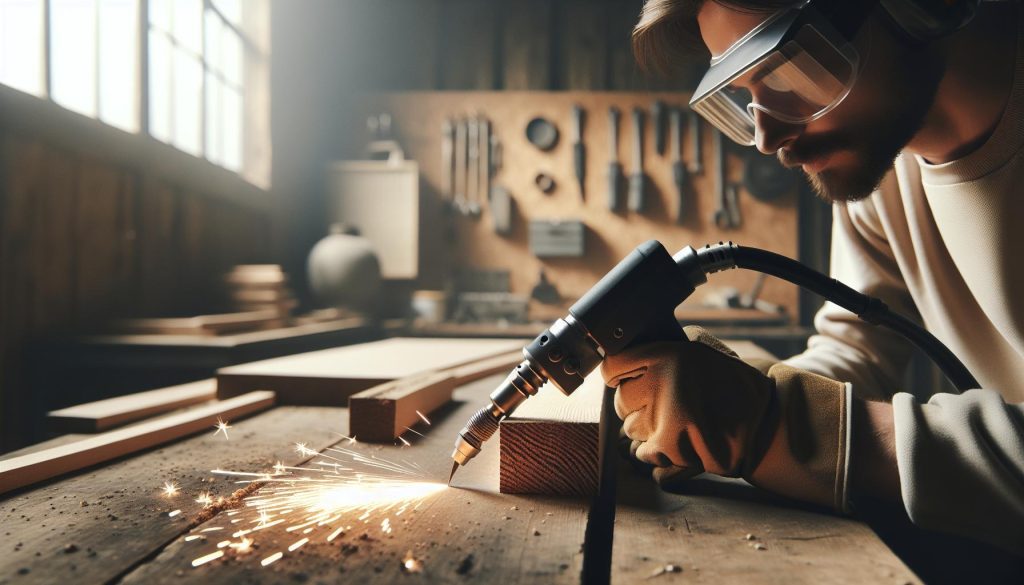
Can you really cut wood with a plasma cutter? This question often sparks curiosity among welding enthusiasts and DIYers alike, highlighting the versatility of plasma technology. While plasma cutters are primarily designed for metals, understanding their application on wood opens up intriguing possibilities for innovative cutting techniques. However, this approach raises both safety and effectiveness concerns. By the end of this article, you’ll discover not only whether this method holds water but also the implications of using a plasma cutter on organic materials. Join us as we delve into the mechanics of plasma cutting and its potential surprises when applied to wood.
Can Plasma Cutters Really Handle Wood?

While plasma cutters are often celebrated for their ability to slice through metal with precision, many might wonder whether they can be effectively used on wood. In fact, plasma cutters can cut wood, but the process requires a nuanced understanding of the material and some important safety considerations.
When plasma cutting wood, the intense heat generated can easily char or ignite the material. Unlike metals, which can absorb and dissipate the heat more effectively, wood is combustible and requires careful handling. The method primarily uses a high-velocity stream of ionized gas to achieve the cut, which can lead to a significant amount of scorching or burning at the edges of the cut, affecting the finish and structural integrity of the wood. This results in not only a rough edge but potential fire hazards if proper measures are not taken.
Key considerations for cutting wood with a plasma cutter include:
- Using appropriate feed rates and amperage settings to minimize burning.
- Implementing fire safety protocols, such as having a fire extinguisher on hand and working in a controlled environment.
- Experimenting with different types of wood to find which can withstand plasma cutting better, as denser woods may yield more favorable results compared to softer ones.
For those looking to leverage the capabilities of a plasma cutter on wood, a careful approach is essential to ensure safety and prevent damage to both the material and the equipment.
Understanding Plasma Cutting Technology
Plasma cutting technology operates on the principle of using a high-temperature plasma jet to sever materials. This process is particularly well-known for its efficiency in working with metals, but the versatility of plasma cutting can extend to various applications, including wood. The ionized gas created during the cutting process reaches temperatures hot enough to melt and vaporize the material, allowing for intricate shapes and smooth cuts. However, wood presents unique challenges due to its combustible nature, which requires a different approach compared to metal cutting.
The plasma cutter utilizes a high-velocity stream of ionized gas, which is emitted through a small nozzle and is electrically conductive. This means the plasma can effectively conduct electricity, enhancing its cutting capability. While this results in powerful cutting performance, the interaction with wood requires understanding material properties, such as density and moisture content. Softer woods may ignite more readily, while denser, drier woods can endure the cutting action but risk charring.
Key operational parameters like amperage, travel speed, and gas composition are crucial in achieving optimal results when cutting wood. Adjusting these settings can help minimize the negative effects, such as burning or excessive heat on the edges of the cut. Careful experimentation is vital-utilizing a lower power setting or increasing the feed rate can help in mitigating overheating. The goal is to strike a balance where the plasma cutter effectively cuts the material without causing irreversible damage or compromising structural integrity.
Moreover, understanding the safety protocols for plasma cutting is essential. Since the equipment generates extremely high temperatures, the potential for igniting wood or other flammable materials is significant. Thus, implementing fire safety measures and working in a controlled environment are non-negotiable practices for anyone attempting to cut wood with a plasma cutter. Recognizing the technology’s nuances and mastering the techniques will lead to successful outcomes and broaden the scope of projects that can be accomplished with this impressive tool.
Differences Between Plasma Cutting and Other Methods

Cutting wood with a plasma cutter introduces some fascinating contrasts to traditional cutting methods. While most people associate plasma cutting with metals, understanding its unique properties compared to other methods is crucial for anyone interested in expanding their skill set. Plasma cutting utilizes high-temperature ionized gas to create a superheated plasma jet that effectively melts or vaporizes the material it touches. This process differs significantly from other cutting techniques like laser cutting or traditional saws.
One of the primary differences lies in the mechanism of action. Plasma cutting is essentially a thermal process, where the heat intensity can reach temperatures exceeding 20,000°F. In contrast, methods like saw cutting mechanically shear the material and rely on blades to perform their function. As a result, plasma cutters can achieve intricate cuts at a high speed, particularly useful for complex designs, while traditional cutting methods often require multiple passes or tools. However, this high energy can pose distinctive challenges when applied to wood, specifically due to its combustible nature compared to metals.
Another distinguishing factor is the effect of heat. Plasma cutting can lead to significant heat-affected zones (HAZ), which may char or ignite wood fibers if not carefully managed. Traditional methods such as band saws or jig saws produce less heat during operation, which helps to maintain the integrity of the cut edges and reduces the risk of burning. This is particularly relevant for softer woods or materials with higher moisture content, where ignition can be a concern. Hence, operators need to adjust settings such as amperage and travel speed, which is less of a concern with mechanical cutting options.
Moreover, the adaptability of plasma cutting presents a different set of advantages. While other cutting techniques may require specific settings or adjustments per material type, plasma cutting possesses the versatility to handle a wider range of materials, including various metals and composites, in addition to wood. This multi-material capability can make plasma cutting a valuable tool in workshops where different substrates are frequently processed. However, utilizing plasma cutting for wood demands a higher level of awareness and technique, particularly in terms of safety protocols and operational adjustments to mitigate fire hazards.
In summary, while plasma cutting can serve as an innovative alternative for wood processing, understanding its differences from other methods is key to achieving successful results. Balancing the high-performance capacity of plasma with the unique properties of wood will not only enhance cutting precision but also ensure safety and material integrity.
Pros and Cons of Using Plasma Cutters on Wood
Using a plasma cutter on wood might initially seem counterintuitive, as much of the cutting community typically associates this tool with metalwork. However, the potential benefits of leveraging plasma cutting technology for woodworking can be intriguing, yet it also comes with a set of challenges that must be carefully considered.
On the advantage side, plasma cutters excel in speed and precision. When properly adjusted, they can achieve clean and intricate cuts much faster than traditional methods. This is particularly beneficial for projects requiring detailed designs or complex shapes, as plasma cutting allows for minimal interruptions and fewer tool changes. Additionally, plasma cutters are capable of handling a variety of materials, meaning that if you’re already set up to cut metal, you can also take a crack at wood without needing to invest in different tools.
However, there are notable disadvantages that cannot be overlooked. The high temperatures involved in plasma cutting, reaching over 20,000°F, create significant heat-affected zones. This intense heat poses a distinct risk when cutting wood, as it can easily ignite the material, especially in drier woods or where moisture levels are very low. Furthermore, the cuts often induce charring, which may compromise the aesthetic finish and structural integrity of the wood, leaving you with a product that may require additional cleanup or finishing work. Plasma cutting also demands rigorous attention to safety protocols to mitigate fire hazards, making it less straightforward than traditional carving or sawing techniques.
When weighing the pros and cons, a practical approach is necessary. Skilled operators can manage the inherent risks effectively, and the adaptability of plasma cutting can be an asset in multi-material projects. However, those less experienced in handling this equipment may find traditional woodworking methods more reliable and safer, especially for high-volume or high-precision tasks. Understanding the balance between speed, precision, and safety is crucial for anyone considering the use of plasma cutters in woodworking applications.
Effects of Plasma Cutting on Wood Material
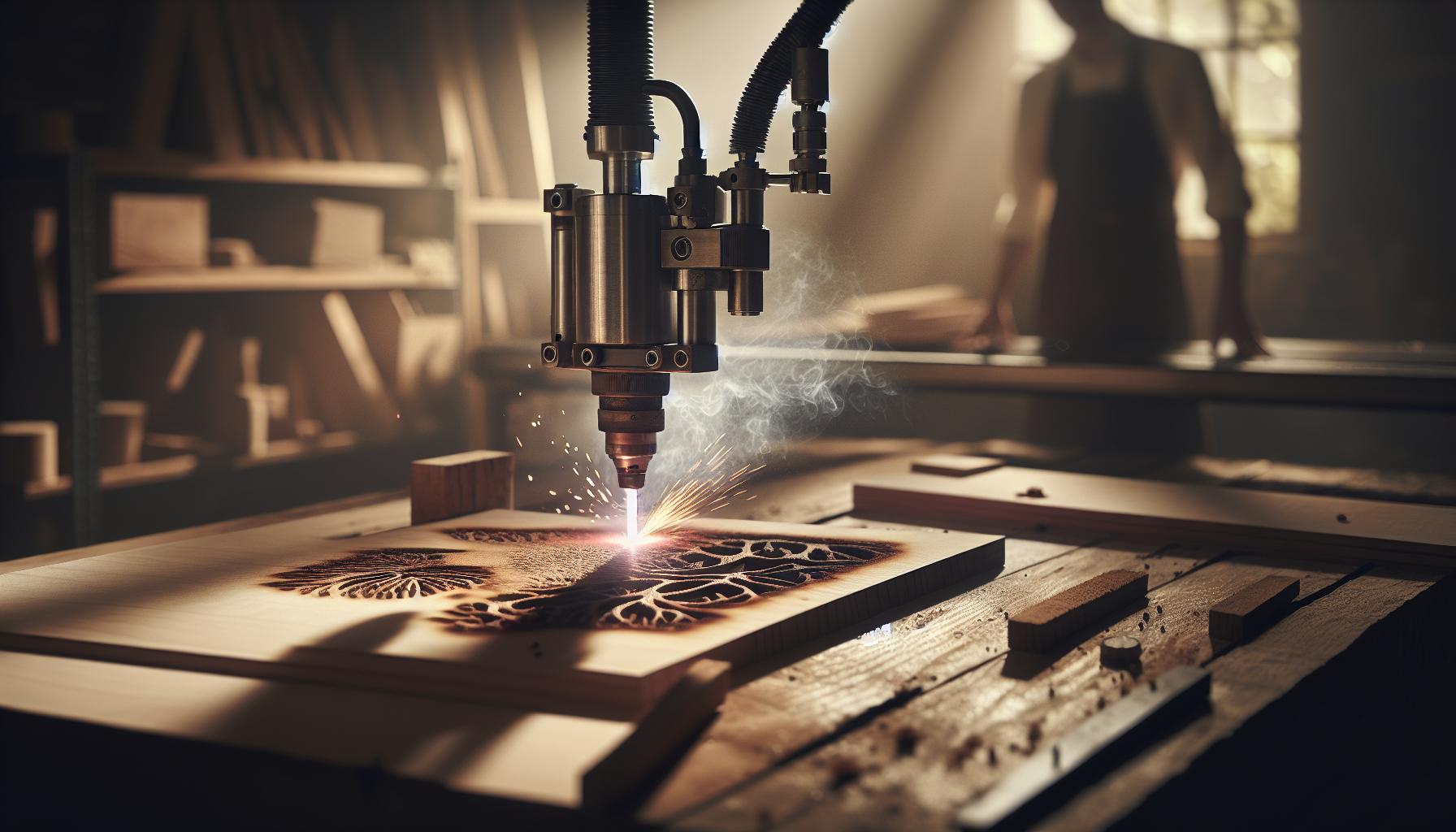
The use of plasma cutting technology on wood presents a unique opportunity, yet it comes with its own set of distinctive effects that must be understood for successful application. One of the most significant impacts of plasma cutting on wood is the intense heat generated during the process. Temperatures can exceed 20,000°F, leading to thermal damage that can alter wood’s structural integrity. Unlike metals, wood is a combustible material, and the high energy can ignite it, particularly with drier species. Therefore, understanding the specific wood type you are working with becomes essential; hardwoods, due to their density, may withstand initial cutting better but can also char more severely than softer woods.
Another critical effect of plasma cutting on wood is the creation of heat-affected zones (HAZ). These zones are areas where the heat from the plasma cutter changes the properties of the wood, often resulting in discoloration, charring, and warping. Cuts made with plasma can leave the edges rough and burned unless managed with precision. This is particularly important for projects requiring a fine finish. Proper setup and calibration of the plasma cutter can mitigate some of these issues, but they are inherently part of the process that users must deal with. Operators are advised to perform test cuts to gauge how various types of wood react to plasma cutting.
Additionally, while plasma cutting can produce intricate patterns and shapes, the aftermath often necessitates additional finishing work. This might include sanding, sealing, or painting to address any rough or charred edges. To enhance the final product’s quality, techniques such as water misting can be employed during the cut to reduce heat and minimize fire risk. Understanding these effects and proactively addressing them can facilitate a more successful application of plasma cutting in woodworking projects, allowing craftsmen to leverage the technology’s speed and precision while minimizing undesirable outcomes.
In conclusion, while plasma cutting wood is indeed possible and can yield intricate results, it requires a careful approach and deep understanding of the material’s behavior under intense heat. By anticipating these effects and applying the right techniques, operators can harness the benefits of plasma cutting while effectively managing its challenges.
Safety Considerations When Cutting Wood
Intense heat generated by plasma cutting can present significant safety risks, particularly when cutting flammable materials like wood. When using a plasma cutter, temperatures can soar to over 20,000°F, making it crucial for operators to be equipped with proper safety gear and procedures. The risk of igniting the wood, especially with drier species, requires careful preparation and vigilant attention to the cutting environment.
A comprehensive safety checklist is paramount to ensure that both the operator and surrounding areas remain safe during the cutting process. Key safety measures include the following:
- Personal Protective Equipment (PPE): Always wear appropriate PPE, including a welding helmet with a suitable shade, fire-resistant clothing, gloves, and safety glasses to protect against sparks and heat.
- Fire Safety Equipment: Keep fire extinguishers accessible and ensure that a fire blanket or a water supply is nearby for emergencies. Consider using a spray bottle to mist the area being cut to reduce combustion risks.
- Controlled Environment: Ensure the cutting area is free from flammable materials like sawdust, paper, and chemicals. Work outdoors or in a well-ventilated area to disperse fumes and heat.
- Clear Access: Maintain a clear workspace to prevent trips and falls, and ensure that all necessary tools and materials are within reach.
Preparation extends beyond the immediate cutting task; operators should always perform a risk assessment and check equipment functionality prior to cutting. This includes inspecting the plasma cutter for any faults and confirming that all safety features are operational. Additionally, it’s advisable to have a buddy system in place, especially for those who are inexperienced. A second person can monitor the situation and provide immediate assistance if an emergency arises.
Furthermore, understanding how to handle emergencies is an essential component of safety. Operators should familiarize themselves with stop procedures and the location of emergency exits in the workspace. This increased awareness can significantly mitigate risks associated with using plasma cutting technology on such volatile materials as wood, enabling craftsmen to harness the advantages of this cutting method while prioritizing safety.
Recommended Techniques for Cutting Wood with Plasma
Using a plasma cutter on wood requires more than just turning on the equipment and making a cut; it demands a clear understanding of techniques that can mitigate combustion risks while effectively achieving desired cuts. The intense heat of a plasma cutter, reaching temperatures up to 20,000°F, can ignite wood quickly, so knowing how to control this process is vital.
When preparing to cut wood, first select the right type of wood for the job. Softer woods tend to handle plasma cutting better than hardwoods, which have denser fibers and may ignite more easily. Consider using moisture-rich wood as a buffer; containing more moisture can minimize the risk of fire. A common practice is to mist the wood surface with water before cutting to keep temperatures down, further reducing combustion chances.
Another technique is to focus on a steady hand movement and speed. Rapidly moving the nozzle reduces the time spent heating a specific area, lowering the risk of fire. Keeping a consistent distance between the nozzle and the wood is crucial; getting too close can increase heat concentration and the chances of igniting the material. It’s best to maintain a distance that allows for a clean cut without excessive heat buildup.
Finally, using a sacrificial layer-such as a piece of scrap wood or a non-flammable surface underneath-can protect your workspace and assist in managing heat dispersion. This layer absorbs some of the heat generated, lowering the chances of a fire spreading to the surrounding area. In sum, combining these techniques with an emphasis on safety can enable successful wood cutting with a plasma cutter without compromising fire safety.
Alternative Methods for Wood Cutting: A Comparison
While plasma cutting has gained traction in various industries for its versatility and precision, it’s important to explore alternative wood cutting methods to understand their respective advantages and limitations. Each method presents unique characteristics that can affect the quality of the cut, the efficiency of the process, and safety concerns.
Traditional Sawing Techniques
Among the most common methods, traditional sawing techniques such as using a circular saw, jigsaw, or band saw remain favored for cutting wood. These tools operate with mechanical motion and are often preferred for their control and precision. Circular saws, for example, are ideal for straight cuts in plywood and thicker timber, allowing for efficient project completion. Jigsaws are exceptional for intricate cuts and curves, making them perfect for detailed work. One of their main advantages is that they create minimal heat, reducing the risk of material ignition compared to plasma cutting.
Laser Cutting
Laser cutting has emerged as a highly precise alternative for cutting wood, utilizing focused light energy. This method is exceptionally effective for detailed engravings and intricate designs. One significant advantage is the cleanliness of the cut, as laser cutting can produce edges that require little to no finishing work. However, it often involves higher operational costs and requires specialized equipment, which may not be accessible for all users. Additionally, safety measures must be stringent when using lasers, particularly with combustible materials like wood.
Water Jet Cutting
Another innovative technique is water jet cutting, which uses high-pressure water streams to slice through materials. This method is advantageous because it eliminates heat-affected zones, preventing any burning or charring of the wood. Furthermore, water jet cutting can handle a variety of materials, including composites and metals, alongside wood, making it a versatile choice for those working on multi-material projects. However, the equipment can be expensive, and the process is slower than plasma or traditional woodworking methods.
Comparison Table
| Method | Cut Quality | Speed | Heat Generation | Cost |
|---|---|---|---|---|
| Plasma Cutting | Good but prone to charred edges | Fast | High | Moderate |
| Circular/Jigsaw/Band Saw | Excellent, little to no burning | Varies | Low | Low to moderate |
| Laser Cutting | Exceptional, clean cuts | Moderate | Low | High |
| Water Jet Cutting | Very clean, no burn marks | Slow | None | High |
In summary, while plasma cutters offer a unique option for certain cutting tasks, exploring these alternative methods can provide you with a more comprehensive toolkit for woodworking. Each technique has its strengths and drawbacks, so the choice ultimately depends on your specific project requirements, budget, and desired cut quality. Balancing efficiency, safety, and precision is key to mastering wood cutting, regardless of the method chosen.
Common Questions About Plasma Cutting Wood
While many enthusiasts and professionals experience success with plasma cutters in metalworking, questions often arise about their application in cutting wood. One of the most pressing concerns is whether plasma cutting is truly suitable for wood, considering the unique properties of this material. The reality is that plasma cutting achieves rapid cutting of wood, but it typically produces charred edges and can create excessive heat, which raises safety concerns. Understanding these factors can help users make informed decisions about their cutting processes.
Common inquiries often include the effectiveness of plasma cutters versus traditional methods. While plasma cutting provides speed and flexibility, the risk of burning and warping wood makes it less ideal for applications requiring clean edges. Traditional methods like saws or router tools offer better control, resulting in cleaner cuts without the adverse effects associated with high heat. Moreover, the choice of cutting speed and amperage settings on a plasma cutter can further influence the outcome, potentially leading to a charred appearance if not properly adjusted.
Another consideration is the safety aspects surrounding plasma cutting on wood. Because wood is a combustible material, it’s essential to maintain an appropriate distance from flammable items and ensure that your workspace is clear of debris. Utilizing appropriate personal protective equipment (PPE), such as gloves and face shields, is crucial to mitigate risks associated with the intense spark and heat generated during plasma cutting operations.
Ultimately, while plasma cutters can handle wood, particularly for rough cuts, they may not be the best choice for detailed woodworking tasks. Instead, for intricate designs or projects requiring precision, exploring traditional or alternative methods such as laser or water jet cutting may yield superior results. By weighing the pros and cons of plasma cutting in wood applications, users can effectively choose the right tools for their specific needs.
Real-Life Applications of Plasma Cutting on Wood
Using a plasma cutter on wood offers unique possibilities, particularly in artistic and experimental settings. While traditional tools are more reliable for precise woodworking, plasma cutting can create stunning designs and effects for those willing to innovate. It’s increasingly popular among artists and craftsmen looking to explore new dimensions in woodworking.
One notable application is in the creation of decorative art pieces. Plasma cutting can effectively carve intricate patterns or shapes into wood, allowing for complex designs that would be challenging with conventional methods. For example, artists have successfully utilized plasma cutters to produce stunning wall art or customized signs, where the charred edges add an element of ruggedness and uniqueness.
In construction and DIY projects, plasma cutting offers versatility in creating functional items. Homeowners and builders might use it for making furniture pieces with artistic flair, such as creatively designed tabletops or backlit panels where the patterns can diffuse light beautifully. While the process may yield charred edges, the final piece can be treated or finished to enhance aesthetics while achieving the desired functionality.
Practical Considerations for Application
When integrating plasma cutting into woodworking, practitioners should keep a few practical aspects in mind:
- Material Thickness: Plasma cutters work best with thin to medium thickness wood. Excessively thick materials may not yield desirable results.
- Post-Processing: Due to the nature of the cut, projects may require additional finishing techniques, such as sanding or sealing, to enhance the final appearance.
- Experimentation: Because results can vary based on speed, amperage, and type of wood, experimentation with settings and techniques is crucial for achieving the best outcomes.
Overall, while plasma cutting may not replace traditional woodworking methods for high-precision tasks, its creative potential is worth exploring. Those venturing into this technique should take precautions, including safety protocols and adequate workspace preparation, to maximize both safety and effectiveness in their projects.
Cost Considerations: Plasma Cutter vs. Traditional Tools
The choice between using a plasma cutter and traditional tools for woodworking often hinges on cost considerations, which play a significant role in determining the right approach for your projects. Plasma cutters, while versatile, come with their own set of costs that can quickly add up, making careful financial planning essential.
Firstly, the initial investment in a quality plasma cutter can be significantly higher than that required for standard woodworking tools. A good plasma cutter may range from several hundred to over a thousand dollars, depending on its power capacity and features. In contrast, traditional woodworking tools like saws and chisels can be obtained for a much lower price, especially if you opt for manual ones over electric or pneumatic options. These traditional tools also have the advantage of lower operating costs, as they do not require consumables like plasma cutter electrodes and gases.
While plasma cutting can yield stunning creative outcomes, post-processing expenses should also be considered. The cuts made by plasma cutters typically require additional finishing work to remove the charred edges and achieve a polished look. This may involve sanding, sealing, or applying protective coatings, which can add time and cost to your overall project. Traditional tools, especially those designed for precise cuts, often result in cleaner edges that require less extensive finishing, thereby reducing labor and material costs.
To help you further understand the financial landscape, here is a breakdown of potential costs:
| Cost Factors | Plasma Cutter | Traditional Tools |
|---|---|---|
| Initial Equipment Cost | High ($500 – $2000) | Low ($50 – $500) |
| Operating Costs (gas, consumables) | Moderate | Low |
| Post-Processing Costs | Moderate to High | Low |
| Skill Level Required | Intermediate to Advanced | Beginner to Intermediate |
Ultimately, the choice between plasma cutting and traditional woodworking tools should be informed by your budget, project specifications, and desired outcomes. While plasma cutters can open up a new world of creative possibilities, it’s crucial to weigh these against their costs and the additional work they entail. For many craftsmen, particularly those focused on artistry, investing in a plasma cutter may be worthwhile; however, for more conventional or precision-based woodworking tasks, traditional tools may remain the most practical and economical choice.
Getting Started: Best Practices for Beginners
While plasma cutters are predominantly designed for metal fabrication, many woodworking enthusiasts explore their capabilities on wood. Before diving into this innovative cutting method, it’s crucial to understand best practices to ensure safety and achieve desired results.
Begin by familiarizing yourself with the plasma cutter’s settings and capabilities. While plasma cutters can technically handle wood, it requires careful control of the cutting speed and power settings to avoid excessive burning and charring. Adjust the amperage to a lower setting-ideally between 30 to 40 amps for cutting wood-to minimize damage and achieve cleaner cuts. Additionally, using scrap wood for practice allows you to refine your technique without risking valuable materials.
Safety must be your priority. Always wear appropriate Personal Protective Equipment (PPE), including safety goggles, gloves, and flame-resistant clothing. Given the nature of plasma cutting, working in a well-ventilated area is crucial to reduce exposure to harmful fumes and gases produced when cutting organic materials. Keep a fire extinguisher nearby as an added safety measure against any fires that may arise from sparks or molten material.
When setting up for a cut, ensure the wood is stable and secure. Use clamps to hold the workpiece firmly in place, preventing movement during cutting. This not only improves precision but also enhances safety. Lastly, take your time; plasma cutting can create intricate designs and shapes that require patience and a steady hand. Each successful cut will boost your confidence and skills in this unconventional method of wood cutting.
By mastering these practices, beginners and even seasoned welders can tap into the unique advantages of plasma cutting in woodworking projects, blending creativity with technical capability to achieve stunning results.
Faq
Q: Can a plasma cutter effectively cut through thick wood?
A: Plasma cutters are not designed for cutting wood, especially thick pieces. While they can slice through metal, they often cause burning and charring damage to wood. For thicker wood, consider using saws or routers, which provide cleaner cuts and preserve material integrity.
Q: What happens to the wood when using a plasma cutter?
A: Using a plasma cutter on wood creates intense heat, leading to combustion, burning edges, and potential fire hazards. The process also generates smoke and fumes that can be harmful if inhaled, making it unsuitable for this material.
Q: Is it safe to use a plasma cutter to cut wood indoors?
A: No, it is not safe to use a plasma cutter to cut wood indoors due to fire risks and the production of harmful smoke. Always ensure adequate ventilation when using welding equipment and follow safety protocols to mitigate hazards.
Q: What are the best alternative cutting methods for wood?
A: The best alternatives for cutting wood include table saws, jigsaws, and bandsaws. These tools provide precise cuts and are tailored for wood materials, making them safer and more efficient than plasma cutters.
Q: Can you manipulate plasma cutting settings for wood cutting?
A: Manipulating settings on a plasma cutter for wood cutting is generally ineffective. Plasma cutters operate optimally with conductive materials like metals. Adjusting settings might reduce burning slightly, but it won’t solve the fundamental issues associated with cutting wood.
Q: What type of wood is the easiest to cut with a plasma cutter?
A: No type of wood is ideal for cutting with a plasma cutter. All types, whether soft or hard woods, will suffer from burning, charring, and distress. Electric saws are far preferred for achieving good results with wood.
Q: Are there any specific techniques for cutting wood with a plasma cutter?
A: While it’s not recommended, if one must use a plasma cutter on wood, employing fast movements and very low power settings may help minimize damage. However, results are unpredictable and often unsatisfactory compared to traditional tools.
Q: How does the cost of cutting wood with a plasma cutter compare to other methods?
A: Using a plasma cutter for wood is generally more costly in the long run, as it often requires additional tools to clean up the cuts and repair damage. Traditional cutting methods are more straightforward and economical, yielding better results for woodwork.
In Summary
In summary, while plasma cutters are primarily designed for metals, they can produce interesting results on wood, albeit with some limitations and considerations for safety. Understanding these nuances not only enhances your cutting skills but also empowers you to make informed decisions in your crafting projects. If you’re contemplating venturing further into welding techniques, explore our guides on MIG welding and TIG welding to broaden your expertise.
Don’t miss out; subscribe to our newsletter for the latest tips on welding safety and techniques. Whether you’re a novice or an experienced metalworker, there’s always more to learn. Have questions about using plasma cutters or want to share your experiences? Engage with us in the comments below; we’d love to hear from you! Check out our resource section for recommended tools and safety gear that can elevate your projects further. Continue your journey with us and unlock the potential of your welding capabilities!