Welding aluminum presents unique challenges, especially for those considering the use of flux core welding. Unlike traditional MIG and TIG methods, flux core isn’t typically recommended for aluminum due to the metal’s specific properties and susceptibility to defects. For hobbyists and professionals alike, understanding the limitations and possibilities of flux core aluminum welding is crucial. Missteps can lead to weak joints and project failures, which can be frustrating and costly. This article explores whether flux core welding can be a viable option for aluminum, clarifying misconceptions while providing insights into alternatives that may yield better results. Dive in to discover the truth and make informed decisions for your welding projects.
Can You Weld Aluminum with Flux Core? Understanding the Basics
To dive into the world of aluminum welding, understanding that traditional flux core welding may not be the best approach is essential. Unlike steel, aluminum presents unique challenges due to its thermal properties and oxides. This means that while flux core welding is a popular choice for materials like mild steel, it often falls short when it comes to aluminum due to issues such as poor penetration, oxide inclusions, and a lack of sufficient heat control.
When considering the practical aspects, it’s crucial to recognize that the generally accepted method for welding aluminum involves using MIG (Metal Inert Gas) or TIG (Tungsten Inert Gas) processes. MIG welding uses a solid wire and inert gas shield, making it ideal for achieving cleaner welds on aluminum. In contrast, flux core typically uses a tubular wire filled with flux, which is effective for ferrous metals but doesn’t provide the same level of purity and arc stability required for aluminum. Moreover, aluminum’s lower melting point compared to steel means that it can distort or burn through easily without careful heat management-a nuanced control that flux core processes struggle to provide.
With this in mind, many fabricators facing aluminum projects are advised to explore MIG or TIG welding. These methods allow for better control of the welding arc and heat input, crucial factors for successful aluminum joints. Even though there are flux core wires marketed for aluminum, they can lead to inconsistent results, emphasizing that an understanding of the welding environment and appropriate techniques is paramount for achieving strong and reliable welds in aluminum projects.
The Science Behind Aluminum Welding Methods

Welding aluminum is fundamentally different from welding ferrous metals, primarily due to aluminum’s unique properties such as its low melting point and susceptibility to oxidation. Understanding the science behind the various welding methods is crucial for achieving clean and strong welds. Aluminum has a high thermal conductivity, which means it dissipates heat quickly. This characteristic necessitates a welding technique that can provide sufficient heat input without burning through the material.
When it comes to welding aluminum, two primary processes are favored: MIG (Metal Inert Gas) and TIG (Tungsten Inert Gas). MIG welding utilizes a continuous solid wire fed into the weld pool, protected by an inert gas shield that prevents oxidation and contamination. This method is highly effective for aluminum as it allows for smooth feeding of the filler material, ensuring a steady arc and consistent bead appearance. TIG welding, on the other hand, employs a non-consumable tungsten electrode and provides greater control over the weld puddle, making it ideal for intricate work where precision is paramount.
Despite the development of flux core wires for aluminum, these methods generally fall short when compared to MIG and TIG. Flux core welding, while excellent for structural work on steel, lacks the cleanliness necessary for aluminum. The potential for oxide inclusions and inconsistent penetration can compromise the integrity of aluminum welds, leading to weak joints. The presence of oxides on aluminum surfaces requires dedicated cleaning and preparation methods, which can complicate the flux core process further.
In summary, the methodology you choose for welding aluminum must align with its physical characteristics. While MIG and TIG remain the industry standards due to their ability to accommodate aluminum’s specific needs, flux core methods should be approached with caution, given their limitations in achieving reliable results. Proper training and understanding of these processes are essential for any welder aiming to succeed in aluminum fabrication.
Flux Core vs. MIG Welding: Key Differences Explained
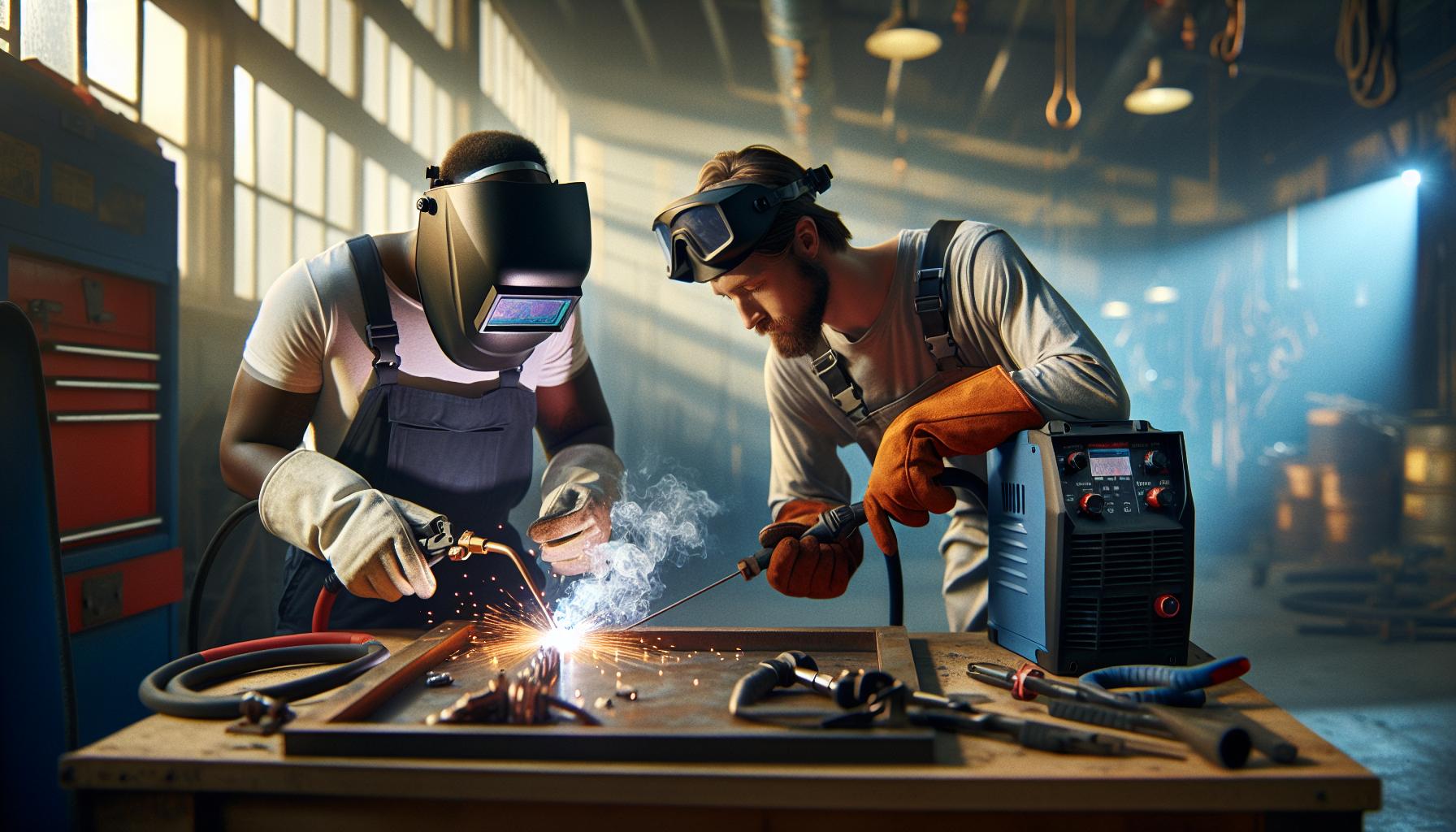
When considering aluminum welding, understanding the distinctions between flux core and MIG welding is crucial for achieving optimal results. While MIG welding is often the preferred method for aluminum due to its clean and efficient process, flux core welding presents an alternative that can be tempting for some applications. However, it’s important to discern how each method operates and their unique advantages and disadvantages, particularly in relation to aluminum’s specific characteristics.
MIG welding, or Metal Inert Gas welding, utilizes a continuous wire fed through a welding gun, with an inert gas shield protecting the weld pool from contamination. This method allows for precise control over the weld, producing strong, reliable beads with minimal defects. The inert gas not only prevents oxidation but also helps maintain the temperature in the weld pool, which is pivotal for the delicate nature of aluminum. The seamless wire feeding system is adept at providing a steady arc, ensuring consistent penetration and alignment – a necessity for structural integrity in aluminum work.
On the other hand, flux core welding, which uses a tubular wire filled with flux and does not require an external gas shield, is often associated with welding thicker materials or in outdoor environments. For steel, it’s an excellent choice as it can handle tighter spaces with more forgiving parameters. However, when it comes to aluminum, the challenges amplify due to the metal’s tendency to oxidize and its high thermal conductivity. The lack of protective gas can lead to issues like larger weld spatter and more significant defects, which compromises the overall strength of the weld. Furthermore, the flux used in these wires may not effectively eliminate the oxides that form on aluminum surfaces, resulting in a weld that is weaker and more prone to failure.
In practice, both welding processes have their place, and the choice largely depends on the specific requirements of the welding project. For precision work and applications where aesthetics and structural integrity are paramount, MIG welding stands out as the superior method for aluminum. Conversely, flux core welding may be considered for less critical applications where equipment constraints exist and thorough preparation may mitigate some of the challenges associated with its use. Understanding these key differences is essential for welders aiming to select the right method for their aluminum welding projects.
Essential Equipment for Flux Core Aluminum Welding
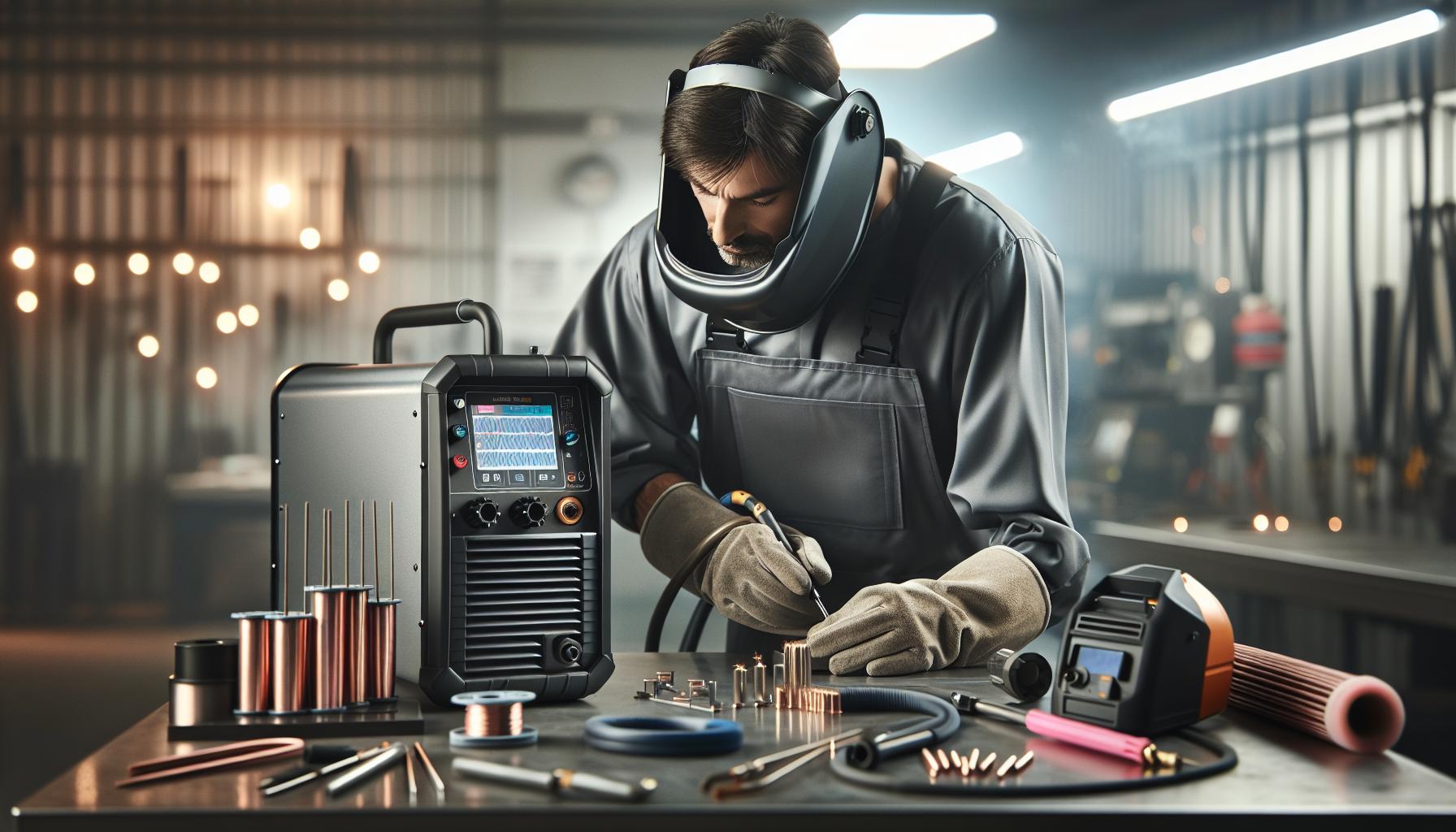
Welding aluminum with flux core welding requires careful consideration of the equipment used, as the intricacies of this metal can significantly affect the quality of welds. To achieve a successful result, a welder must utilize appropriate tools specifically designed to accommodate the unique properties of aluminum. The right equipment not only enhances performance but also ensures safety and efficiency in operations.
Firstly, a suitable flux core welding machine capable of delivering the necessary amperage and voltage is essential. This machine should ideally be equipped with a wire feeder designed for flux core wires, which typically have a larger diameter compared to solid MIG wires. It’s advisable to select one that offers varying settings to adapt to different aluminum thicknesses and types. Additionally, while traditional flux core wires may not be ideal for aluminum due to the oxide layer that forms on its surface, specialized flux-cored wires specifically developed for aluminum can help mitigate some of these challenges. Sources often recommend wires such as ER-4047 (for a blend of strength and ductility) or ER-5356, which are more compatible with aluminum welding applications.
Another critical component is the welding helmet equipped with an auto-darkening lens. This is vital for protecting against the intense arc light produced during welding. Given the high reflectivity of aluminum, proper shielding from light is paramount. Furthermore, ensuring that the helmet is lightweight and comfortable encourages longer use with less fatigue.
In terms of safety gear, welders should always wear gloves made of suitable materials that provide a balance between dexterity and protection from heat and spatter. Protective clothing should also be flame-resistant, covering exposed skin to prevent burns. It may also be beneficial to use fume extraction systems or welding curtains to manage smoke and fumes that are released during the welding process, ensuring a safer working environment.
Lastly, proper pre-welding preparation equipment, including a wire brush and cleaning solvents, is necessary to prepare the aluminum surface before welding. This process helps in removing any oxide layers or contaminants and significantly improves the quality of the weld. It is crucial to remember that thorough preparation cannot be overstated-effective cleaning promotes optimal fusion and integrity in the final product.
By carefully selecting and utilizing the right equipment, welders can mitigate the challenges associated with flux core welding of aluminum, ultimately enhancing both safety and effectiveness in their projects.
Common Challenges When Welding Aluminum with Flux Core
Welding aluminum with flux core presents a unique set of challenges that can deter even seasoned welders. Unlike more traditional methods such as MIG or TIG welding, flux core welding requires special considerations when working with aluminum due to its distinct properties. One of the most prevalent obstacles is the formation of an oxide layer on the aluminum surface, which can inhibit proper welding. This oxide layer not only reduces the effectiveness of the weld but can also lead to defects such as poor penetration and weak joins. Therefore, thorough surface preparation is crucial.
Another significant hurdle is achieving the right heat balance during the welding process. Aluminum has high thermal conductivity, meaning it dissipates heat quickly. This characteristic can create difficulties in maintaining the appropriate temperature, risking burn-through if the heat is excessive or incomplete fusion if the heat is too low. Thus, welders must be adept at fine-tuning their settings and monitoring their technique closely to prevent issues.
Moreover, selecting the correct flux-cored wire is vital to overcoming these challenges. Standard flux-cored wires often lack compatibility with aluminum due to differing melting points and the nature of their flux. Utilizing specialized aluminum flux-cored wires-such as ER-4047 or ER-5356-can significantly improve welding results, providing better fusion and enhancing overall strength. However, this requires welders to be familiar with product specifications and may involve additional costs.
Lastly, the potential for weld discoloration and contamination is higher with flux core processes. Contaminants in the welding environment, combined with the flux composition, can lead to defects that compromise the integrity of the weld. Employing proper shielding gases and maintaining a clean workspace are essential steps to mitigate these risks. Understanding and addressing these common challenges can help both novice and experienced welders achieve high-quality results when welding aluminum with flux core techniques.
Techniques for Successful Aluminum Flux Core Welding

To achieve successful aluminum flux core welding, mastering specific techniques is essential for ensuring strong, reliable welds. The unique properties of aluminum, particularly its tendency to form an oxide layer and high thermal conductivity, necessitate a tailored approach. Start by ensuring thorough surface preparation; clean the aluminum with a suitable solvent to remove dirt, grease, and any existing oxide. Using a wire brush or a dedicated aluminum cleaning pad can help expose fresh aluminum, enhancing the weld’s adhesion.
The selection of the correct flux-cored wire is crucial. Opt for wires specifically designed for aluminum, such as ER-4047 or ER-5356, which have melting temperatures suited for aluminum welding. It’s also important to set your welder according to the manufacturer’s specifications for the selected wire. Adjust voltage and wire feed speed incrementally while monitoring the weld puddle closely. A proper balance leads to better penetration and minimizes the risk of burn-through. When welding, maintain a steady hand and a consistent travel speed to ensure uniformity. A slight push technique can help produce cleaner welds by encouraging the molten metal to flow smoothly.
Another effective technique involves using a backing bar-this can help manage heat dissipation and provide additional support during the welding process. For lap joints or T-joints, ensure both pieces are aligned accurately, as misalignment can lead to weak points in the weld. To combat discoloration and contamination, provide proper shielding or use a controlled environment like a welding booth, which reduces exposure to elements that might interfere with the weld quality. Regularly cleaning and inspecting your equipment will further promote successful outcomes.
Finally, practice consistently. Welding aluminum with flux core techniques can be challenging due to rapid cooling times and the need for precision, so honing your skills through various joint configurations and techniques will build confidence and capability. By integrating these methods and continuously refining your approach, you’ll significantly improve the quality and strength of your aluminum welds.
Safety Protocols for Aluminum Welding with Flux Core
Welding aluminum using flux core wire presents unique challenges that can lead to potential hazards if not properly addressed. Prioritizing safety is crucial for anyone engaging in this process, whether a novice or an experienced welder. Aluminum’s lightweight nature and propensity to transfer heat rapidly means precautions must be taken to handle the equipment and environment safely.
First and foremost, proper personal protective equipment (PPE) is essential. Welders should don a fire-resistant welding jacket, heavy-duty gloves, and a welding helmet with an appropriate shade lens to protect against ultraviolet and infrared radiation. Additionally, respiratory protection can be beneficial, particularly in a poorly ventilated space, as welding fumes can be hazardous. Having a first aid kit readily available is also a good practice.
It is critical to ensure that the work area is clean and free from flammable materials. A designated welding area should be marked, with appropriate fire extinguishing equipment on hand. When setting up, ensure that all electrical connections are secure and that the welding machine is used according to manufacturer specifications. Overheating due to faulty equipment can create sparks or fires, calling for regular inspections and maintenance of welding tools to prevent such incidents.
In terms of techniques, maintaining a steady travel speed is vital not just for the quality of the weld but for safety as well. An inconsistent speed can lead to excessive heat buildup, potentially resulting in warping or burn-through. Furthermore, utilizing a backing bar can help manage heat distribution and reduce the risk of injury from sudden releases of molten material. Keeping a safe distance from the welding arc and using appropriate clamps to secure workpieces can further minimize hazards.
Finally, it’s advisable to create a systematic approach to welding tasks by developing a checklist that includes pre-welding inspections, equipment setup verification, and post-welding evaluations. By fostering a culture of safety and attention to detail, welders can significantly mitigate the risks associated with aluminum flux core welding and ensure both personal safety and quality work.
Pro Tips from Experienced Welders on Flux Core Techniques
Experienced welders understand that aluminum presents unique challenges when using flux core techniques-challenges that can be managed with the right approach and mindset. One critical point to note is the importance of material preparation. Ensure that the aluminum surfaces to be welded are clean and free from contaminants like oil, grease, and oxidation. This initial step is essential because even small impurities can lead to defects in the weld, such as porosity or weak joints. A simple wipe with a suitable cleaner or the use of a wire brush specifically designed for aluminum can significantly enhance weld quality.
Another vital technique is adjusting your welder settings appropriately. Unlike welding steel, aluminum requires a greater level of control over heat input due to its high thermal conductivity. It’s advisable to conduct test welds to fine-tune voltage and wire feed speed settings before tackling your main project. Many experienced welders recommend starting with lower settings and gradually increasing them until you find the sweet spot that ensures adequate penetration without burning through the material.
Utilizing the appropriate travel speed is also a major factor in producing a successful aluminum flux core weld. A slower travel speed can allow for better penetration but can also lead to overheating and burn-through if not managed carefully. Maintaining a consistent and controlled motion, with a slight push technique, can help retain the integrity of the welds. Additionally, keeping a steady angle between the torch and the workpiece is crucial for achieving uniform bead shape and improving the overall aesthetic and structural quality of the weld.
Finally, don’t underestimate the value of communication and sharing experiences. Engaging with fellow welders, whether in person or in online forums, can provide valuable insights into troubleshooting common issues faced during aluminum flux core welding. Many seasoned pros emphasize this collaborative approach, noting that sharing techniques, challenges, and solutions enhances everyone’s skills and safety practices. By incorporating these tips and fostering a consistent learning environment, you can navigate the complexities of aluminum welding with confidence and competence.
Maintaining and Adjusting Your Welder for Aluminum
Maintaining a welder for aluminum applications is crucial for achieving high-quality welds and ensuring the longevity of your equipment. One of the first steps to take is to regularly check and clean the contact tip and the nozzle. Aluminum can be prone to spatter and oxidation, which can cause the nozzle to clog and affect arc stability. Using a dedicated cleaning tool, and occasionally soaking the tips in a cleaning solution, can help maintain optimal performance. Ensure that the cooling fan is unobstructed and that air vents are clean, as overheating is a common issue when welding aluminum.
The settings of your welder are another critical component to adjust based on the specific project requirements. Since aluminum requires a different approach compared to steel, test welds at various voltage and wire feed speed settings allow you to identify the best configuration for your materials. A general rule of thumb is to begin with lower voltage settings to avoid burn-through due to aluminum’s high thermal conductivity. Gradually increase the voltage and feed speed while monitoring the puddle and penetration until you achieve the desired weld quality.
It’s also vital to monitor the wire feed mechanism for any signs of wear. A consistent feed rate is necessary for maintaining a stable arc, and a faulty wire feed can lead to erratic performance and defects in your weld. Regularly checking the drive rolls for wear and adjusting the tension can alleviate these issues, ensuring that the wire feeds smoothly and consistently.
Lastly, always keep the welder’s interface and control systems updated. Many modern welders come with software that can be updated to improve performance or add new features. By following these maintenance tips, you can ensure that your welder remains in top condition, effectively handles the unique challenges of aluminum welding, and delivers optimal results on every project.
Repairing Aluminum with Flux Core: Step-by-Step Guide
Repairing aluminum using flux core welding can be challenging, but with the right approach, it is entirely feasible. Proper techniques in aluminum flux core welding can restore integrity to parts and prolong their lifespan. The first step in the process is assessing the damage. Identify the extent of the repair needed; minor cracks can often be mended with a simpler technique, while larger breaks may require a more complex approach.
Start by preparing the aluminum surface. Clean the area around the repair thoroughly to remove any contaminants, including dirt, grease, and oxidation. A wire brush or a dedicated aluminum cleaning solution can be effective for this purpose. Once the surface is cleaned, ensure that you have a suitable welding flux core wire; the right choice is crucial since not all wires are designed to handle aluminum effectively. The wire should be compatible with both the material being repaired and the specific flux core welding process you are using.
When setting up your welder, be mindful of the unique properties of aluminum, as it requires specific settings to achieve a successful weld. Configure the voltage and wire feed speed according to the thickness of the aluminum. Beginning with lower settings can help prevent burn-through, which is common with aluminum due to its high thermal conductivity. As you start welding, maintain a steady hand and move consistently to create a quality bead, allowing the molten metal to fill the joint adequately.
After welding, proper post-weld treatment is essential. Allow the repair to cool gradually to avoid warping and ensure the integrity of the weld. Inspect the weld for any gaps or inconsistencies that may require re-welding or reinforcement. It’s advisable to clean the weld bead with a wire brush afterward to remove any slag or contamination, ensuring a clean finish and better corrosion resistance.
By following these steps, you can effectively repair aluminum structures using flux core welding techniques, achieving robust results while also enhancing your skills and confidence in the process.
Alternative Methods for Welding Aluminum
When considering the best approach for welding aluminum, especially when flux core methods are not yielding the desired results, it’s essential to explore alternative welding techniques. Each welding process has its unique benefits and limitations depending on the application, material thickness, and intended use. Understanding these alternatives can help you make informed decisions that enhance the quality of your welds.
MIG Welding
MIG (Metal Inert Gas) welding is one of the most versatile methods for aluminum welding. It uses a continuously fed wire electrode and an inert gas shield, typically argon, to protect the weld pool from atmospheric contamination. This technique is favored for its speed and ease of use, making it suitable for both beginners and seasoned welders. MIG welding aluminum requires proper spool gun setup to ensure the wire feed is smooth, reducing the chances of feeding problems associated with softer aluminum wires. Additionally, the heat management is critical, as aluminum’s thermal conductivity requires precise control to avoid burn-through.
TIG Welding
TIG (Tungsten Inert Gas) welding offers the greatest control and is often preferred for applications requiring high-quality, precise welds. This method uses a non-consumable tungsten electrode and a shielding gas, such as argon, to protect the weld area. While slower than MIG, TIG welding is ideal for thinner aluminum sections and allows for impeccable aesthetics in the weld bead. As a more skill-intensive process, mastering TIG welding can substantially broaden a welder’s ability to handle various aluminum geometries and thicknesses.
Stick Welding
Stick welding, or Shielded Metal Arc Welding (SMAW), is generally less common for aluminum due to the specific challenges the material presents. However, it is sometimes utilized for heavy-duty applications where other methods may not be feasible. Using electrode rods designed for aluminum, this method can produce strong welds but requires more preparation and care to achieve clean results free of contamination. It’s particularly advantageous in outdoor settings where wind might interfere with shielding gases used in MIG and TIG welding.
Comparison Table
| Welding Method | Best For | Advantages | Disadvantages |
|---|---|---|---|
| MIG Welding | General fabrication | Speed, ease of use | Weld quality can vary |
| TIG Welding | Precision applications | High quality, control | Slower, requires skill |
| Stick Welding | Heavy-duty work | Versatile, portable | Less effective for thin aluminum |
Exploring these alternative welding methods empowers welders to select the best technique based on their specific requirements, whether it be precision, speed, or strength. Mastering these various processes provides valuable flexibility in tackling diverse projects involving aluminum and contributes to improved overall welding proficiency and results.
Future Trends in Aluminum Welding Technology
As industries evolve and demand for lightweight, durable materials increases, advancements in aluminum welding technologies are becoming increasingly vital. The future of welding aluminum, particularly with flux core methods, is likely to focus on enhanced efficiency, improved quality, and greater ease of use. Technologies such as automation, artificial intelligence, and machine learning are beginning to transform traditional welding processes, paving the way for smarter and more precise operational techniques.
Automation and Robotics
The integration of automation and robotics in welding processes is a significant trend that promises to revolutionize how aluminum is welded. Automated systems can provide consistent weld quality, reduce human error, and increase production rates. With robotic arms specifically designed for aluminum welding, tasks such as flux core welding can become more efficient, allowing welders to focus on more complex tasks requiring skilled human intervention. These systems can automatically adjust parameters in real-time to accommodate the unique properties of aluminum, thus ensuring optimal results.
Advanced Materials and Filler Metals
Research into new advanced materials and filler metals specifically for aluminum welding is also on the rise. Innovations in alloy compositions and coatings can enhance the performance of flux core welding, providing greater resistance to corrosion and improving the mechanical properties of the weld. Future developments may lead to less reliance on shielding gases, which can simplify the welding process and reduce costs. Additionally, metal additives like nanoparticles could enhance thermal and mechanical properties, promoting higher weld strength and durability.
Augmented Reality and Training Tools
New training methods utilizing augmented reality (AR) tools are emerging, aimed at improving the skill levels of welders-both novices and seasoned professionals. By simulating welding environments and providing real-time feedback, AR can help welders refine their techniques and understand complex welding concepts more thoroughly. This technology is expected to bridge the gap between beginners and expert welders, allowing for a smoother learning curve and ultimately raising the quality of finished welds across the industry.
Environmental Considerations
As the industry becomes more conscious of its environmental footprint, welding technologies are adapting accordingly. Future trends will likely see an increased focus on sustainable practices within aluminum welding. This includes the development of eco-friendly welding processes and materials that minimize waste and energy consumption. For example, research into energy-efficient equipment that uses lower electrical output without compromising weld quality could revolutionize how welders approach aluminum work, making it more sustainable.
Incorporating these advancements will not only enhance the efficiency and effectiveness of aluminum welding but also align with the broader goals of sustainability and quality improvement in manufacturing and repair processes. By staying informed about these trends, welders can adapt to the evolving landscape and maintain a competitive edge in the industry.
FAQ
Q: Can you weld aluminum using flux core wire?
A: Yes, aluminum can be welded using flux core wire, but it’s important to use the correct type of flux core wire designed for aluminum. Regular flux core wire used for steel will not produce satisfactory results on aluminum due to differences in material properties. For better results, consider MIG welding with specialized aluminum wires.
Q: What are the limitations of flux core welding for aluminum?
A: The main limitations of flux core welding for aluminum include the potential for insufficient penetration and the difficulty in achieving a clean, strong weld. This method may also produce more spatter and require more meticulous surface preparation compared to other methods like MIG or TIG welding.
Q: How do you prepare aluminum for flux core welding?
A: Preparing aluminum for flux core welding involves thorough cleaning to remove any oxide layer, grease, or contaminants. Use a wire brush or chemical cleaner suited for aluminum. Proper surface preparation ensures better weld quality and adhesion.
Q: What are the advantages of using flux core for aluminum welding?
A: Flux core welding can be advantageous for aluminum due to its portability and ability to weld outdoors in windy conditions. This method requires less setup compared to MIG or TIG welding, making it easier for small projects and quick repairs.
Q: Is it safe to weld aluminum with flux core?
A: Yes, it is safe to weld aluminum with flux core as long as proper safety protocols are followed. Ensure adequate ventilation, wear appropriate personal protective equipment (PPE), and be aware of the fire hazards associated with aluminum welding.
Q: How does aluminum flux core welding compare to MIG welding?
A: Aluminum flux core welding generally offers less control and precision compared to MIG welding. MIG welding uses a shielding gas which protects the weld pool, allowing for cleaner welds. Flux core can be easier for beginners but may necessitate more cleanup and surface preparation.
Q: What technique is best for welding aluminum with flux core?
A: The best technique for welding aluminum with flux core involves maintaining a steady travel speed and using a weaving motion to distribute heat evenly. Adjusting settings on the welder and practicing on scrap material can help achieve optimal results.
Q: Can flux core be used to repair aluminum?
A: Yes, flux core can be used for aluminum repairs, especially in situations where equipment for MIG or TIG welding may not be available. Ensure you use the right filler material and prepare the surface adequately for effective bonding.
Future Outlook
Welding aluminum with flux core wire presents unique challenges but also opens new possibilities for your projects. While we’ve uncovered the intricacies of this technique, we encourage you to explore further into advanced welding techniques such as MIG and TIG, which are often more suitable for aluminum. Delve into our detailed guides on equipment reviews and safety protocols to elevate your skills and ensure you’re well-equipped for any welding job.
Ready to take the next step? Sign up for our newsletter for exclusive tips and resources that can enhance your welding expertise. Don’t let uncertainty hold you back-join our community of welders today, leave a comment below, or share your experiences! For further insights into aluminum and steel welding applications, be sure to check out our related articles. Your journey in welding excellence starts here!