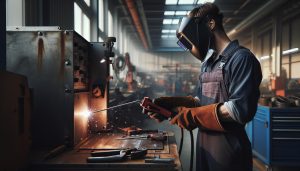
Welding cast alloy can be both a challenge and an opportunity for welders of all skill levels. Often found in industries like aerospace and automotive, cast alloys require specific techniques and considerations to achieve strong, lasting welds. Understanding how to effectively work with these materials can enhance your capabilities and open doors to new projects. Many welders struggle with issues such as cracking, porosity, and ensuring the integrity of the finished product. By mastering expert techniques, including the right welding methods-be it MIG, TIG, or stick-you’ll elevate your skills and maintain safety standards in your work. Whether you’re a seasoned pro or just starting, this guide will provide you with essential insights and practical tips, ensuring you approach cast alloy welding with confidence and success. Continue reading to unlock the secrets that will help you tackle these projects efficiently and effectively.
Understanding Cast Alloys: What You Need to Know
Understanding the properties and characteristics of cast alloys is crucial for any welder looking to succeed in repairing or fabricating parts from these materials. Cast alloys, commonly composed of metals such as aluminum, iron, and zinc, exhibit unique traits, including porosity, brittleness, and variable compositions, which can significantly influence the welding process. Their primary advantage lies in their high strength-to-weight ratio and resistance to corrosion, making them popular in automotive, aerospace, and construction applications. However, these benefits come with challenges, particularly when it comes to welding techniques.
One of the key factors to consider when working with cast alloys is their susceptibility to cracking. The microstructure of cast alloys can vary drastically, leading to difficulties in achieving a uniform weld. Specific attention must be paid to the choice of filler materials and pre-welding treatments, as improper combinations can exacerbate weaknesses in the alloy. It’s essential to match the filler material to the base alloy to ensure compatibility and minimize the risk of defects.
Moreover, understanding the appropriate welding techniques is vital for achieving strong and durable welds. Techniques such as TIG (Tungsten Inert Gas) welding are often preferred for aluminum castings due to the need for precise heat control, which helps in avoiding overheating and subsequently losing the structural integrity of the alloy. On the other hand, MIG (Metal Inert Gas) welding, though faster, may not always provide the necessary finesse for critical applications. Adapting your approach based on the specific alloy type and application will directly impact the quality of the final product.
Lastly, it’s recommended to conduct thorough pre-weld preparations, such as cleaning the casting surface to remove any contaminants and assessing the casting for defects or weaknesses. Utilizing proper joint designs and employing suitable post-weld treatments can also enhance the performance of welded cast alloys, ensuring that the final results meet the required specifications and standards. By understanding these foundational aspects, welders can better navigate the complexities of working with cast alloys and achieve successful outcomes in their projects.
Welding Techniques for Cast Alloys: A Comprehensive Guide
Working with cast alloys requires a deft understanding of welding techniques tailored to the unique properties of these materials. Unlike more homogeneous metals, cast alloys vary in their microstructures, which can introduce complications during welding, such as increased susceptibility to cracking and porosity. Therefore, selecting the right welding method is essential for achieving strong and durable joints that meet the required specifications.
TIG (Tungsten Inert Gas) Welding is often the preferred method for welding non-ferrous cast alloys like aluminum. This technique offers precise heat control, allowing for a focused weld pool that minimizes the risk of overheating and subsequent distortion. When employing TIG, it’s crucial to utilize a matching filler material to ensure compatibility with the base alloy. Moreover, working with a dedicated tungsten electrode can help in maintaining the integrity of the weld and improving aesthetic quality.
MIG (Metal Inert Gas) Welding is another widely used technique, especially for applications requiring speed and efficiency. While MIG welding can produce good results with aluminum castings, it may fall short in delivering the finesse needed for critical components. The ability to set the right voltage and amperage is vital, as improper settings can lead to burn-through or undercutting. In applications specific to cast iron, MIG welding can also be employed with the right filler wire, although it requires careful attention to pre-heating and heat input to avoid cracking.
Shielded Metal Arc Welding (SMAW) or Stick Welding offers versatility when dealing with thicker sections of cast iron and some types of steel cast alloys. This technique allows for deep penetration and can facilitate field repairs. However, it requires a good understanding of the electrode type, as using the wrong electrode may lead to weld defects.
Flux-Cored Arc Welding (FCAW) can also be a viable option for cast alloys, particularly in outdoor environments where wind may affect shielding gases. This process involves a tubular wire filled with flux, allowing for better penetration and reduced risk of defects. It’s especially useful for welding higher alloy steels and some types of aluminum castings when using a metal-cored wire combined with appropriate shielding.
No matter which technique is chosen, thorough preparation is pivotal for success. Ensuring that the surfaces are clean and free of contaminants, along with preheating the alloy if necessary, will drastically improve the outcome. Additionally, implementing suitable joint designs and post-weld treatments will enhance the integrity and durability of the final product, mitigating common issues like stress concentrations and thermal fatigue.
In summary, the choice of welding technique for cast alloys is guided by the type of alloy being welded, the specific application, and the required mechanical properties. By mastering these techniques and following the appropriate preparation and post-weld practices, welders can achieve high-quality results even when working with notoriously challenging materials.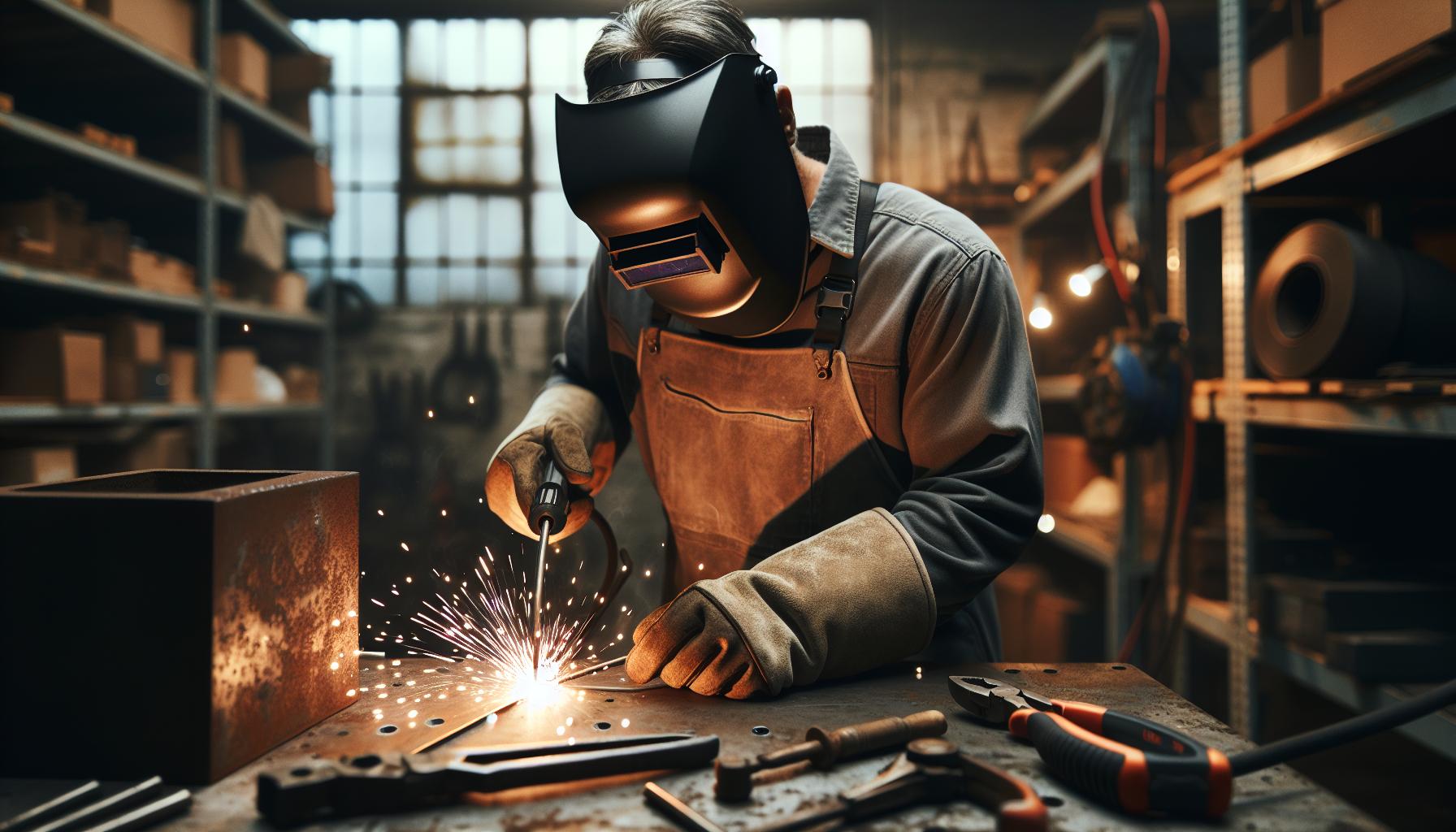
Common Challenges in Welding Cast Alloys
Welding cast alloys presents a unique set of challenges that require a blend of technical skill, knowledge of material properties, and experience with various welding techniques. One of the primary issues faced is the inherent susceptibility of cast alloys to cracking during the welding process. Cracking can occur for various reasons, including rapid cooling, high restraint conditions, and the presence of casting defects. To mitigate this risk, preheating the alloy before welding is often necessary; this allows for more uniform heat distribution and reduces residual stresses that can lead to cracks.
In addition to cracking, porosity is another common challenge. This occurs when gas becomes trapped in the weld pool and solidifies within the weld bead, leading to weak points that can compromise the integrity of the joint. Using the appropriate shielding gases and ensuring clean surfaces free of contaminants are crucial for minimizing porosity. For instance, when working with aluminum cast alloys, employing a high-purity argon shielding gas and maintaining a clean, oil-free working environment can significantly enhance the quality of the weld.
Furthermore, achieving proper fusion between the base alloy and the filler material can be problematic, especially when dealing with dissimilar metals. The temperature differentials and differing melting points can prevent proper fusion, leading to weak joints or even potential failure. To address this, it is essential to choose filler materials that have compositions closely matching the base alloys. This ensures compatibility and enhances the likelihood of strong, reliable welds.
Finally, thermal distortion during welding can lead to dimensional changes that affect the final fit and function of the welded component. This is particularly concerning in applications where precision is vital, such as in aerospace or automotive components. To counteract this, welders often need to carefully plan their welding sequences and may implement techniques such as stitch welding or intermittent welding to control heat input and minimize distortion.
In summary, while welding cast alloys presents challenges such as cracking, porosity, fusion issues, and thermal distortion, these can be effectively managed through careful planning, the right techniques, and knowledge of material properties. A proactive approach that includes thorough preparation and understanding of the alloy’s characteristics is essential for successful welding outcomes.
Preparation Steps for Successful Cast Alloy Welding
Preparing to weld cast alloys is a crucial phase that forms the backbone of successful welding processes. The inherent properties of cast alloys demand meticulous preparation to achieve durable and reliable joints. Start by thoroughly evaluating the components to be welded. Understanding the specific material composition-such as whether it’s aluminum, magnesium, or a nickel-based alloy-will influence not only the welding method but also the necessary precautions to avoid issues like oxidation or embrittlement.
Next, cleaning surfaces is paramount. Contaminants such as oil, rust, or paint can severely affect weld quality. Utilize a combination of mechanical brushing and solvent cleaning to ensure the surfaces are free from impurities. When working with aluminum castings, consider using a dedicated aluminum cleaner to prepare the welding area. Additionally, examine for any pre-existing defects like cracks or voids that could be exacerbated during welding.
Preheating Techniques
Preheating cast alloys before welding can significantly minimize the risk of cracking and stress concentration. This step allows for a more uniform temperature distribution, thereby reducing the thermal gradient that can lead to sudden cooling and brittle fractures. The recommended temperature for preheating typically ranges between 150°F to 300°F (65°C to 149°C), yet always consult the material specifications for precise guidelines. Employ infrared thermometers or thermal imaging cameras to ensure accurate temperature readings across the entire weld area.
Choosing the Right Filler Material
Selecting an appropriate filler material is another critical consideration in preparation. The filler should match the base alloy in composition and melting point to guarantee compatibility and proper fusion. For example, when welding aluminum alloys, use a filler rod specifically formulated for the particular grade of aluminum being used. This not only enhances the weld’s strength but also minimizes potential for post-weld cracking.
Be prepared for the welding environment as well; it should be free from excessive drafts, moisture, and contaminants that could interfere with the welding process. Proper ventilation is necessary, especially when working with flux or fumes that can arise during welding. Utilizing fume extraction systems will help maintain a safe workspace, reflecting best industry practices.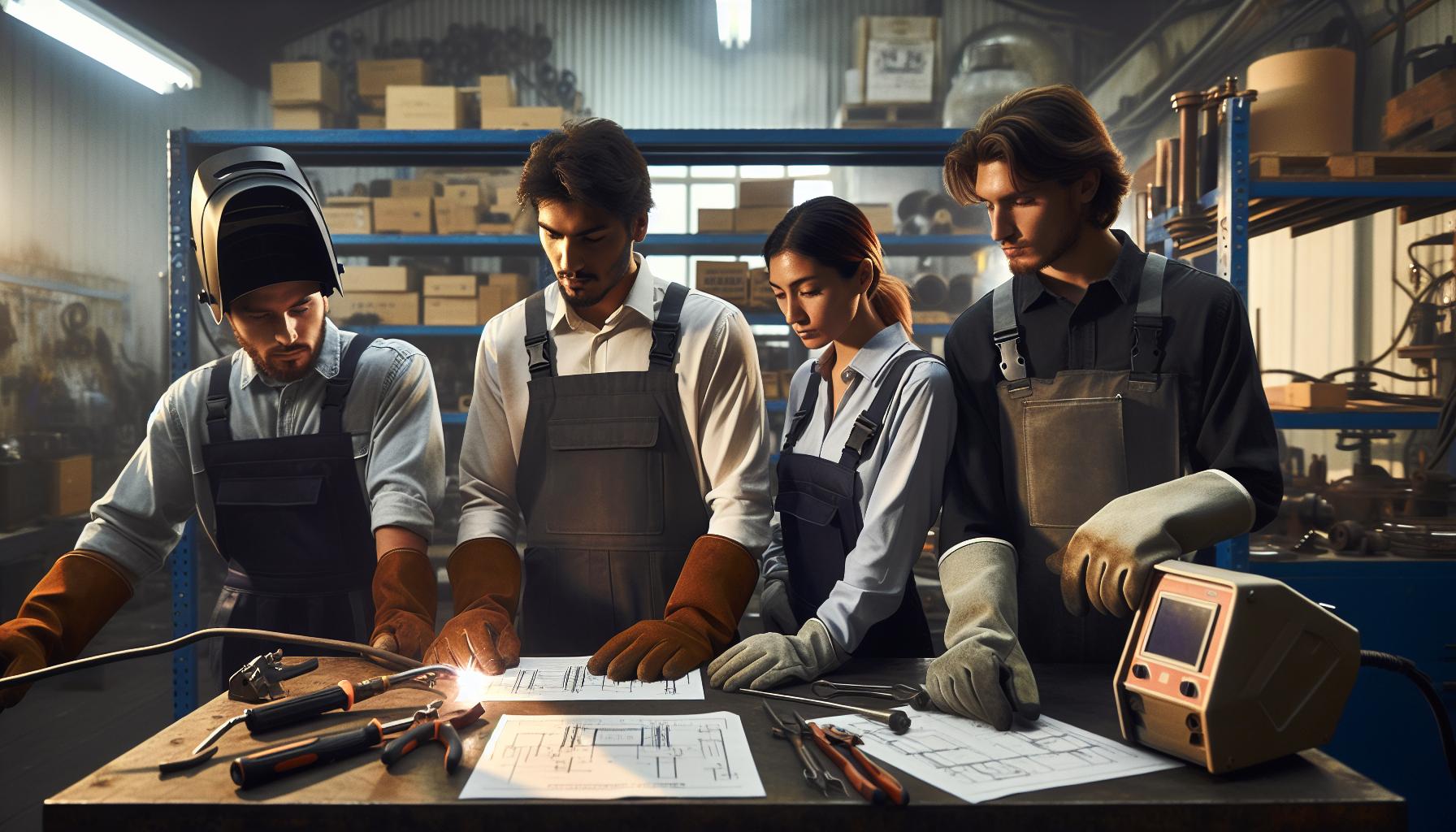
Choosing the Right Equipment for Cast Alloy Welding
When it comes to welding cast alloys, choosing the right equipment is pivotal not only for achieving high-quality welds but also for ensuring the safety of the operator and the integrity of the materials. Each type of cast alloy requires specific tools and settings. For instance, materials like aluminum and magnesium demand equipment designed to handle their unique properties, particularly regarding heat sensitivity and potential for cracking. Utilizing the wrong equipment can lead to weld defects, added stress on the materials, or even complete failure of the joint.
One of the primary decisions involves selecting the appropriate welding process. Gas Metal Arc Welding (GMAW), commonly known as MIG welding, is favored for its efficiency and versatility when working with thinner sections of cast alloys such as aluminum. MIG’s continuous feed of filler wire allows for speed and control, crucial for preventing overheating, which is a common concern with aluminum alloys. For thicker sections or instances requiring more control over the heat input, Tungsten Inert Gas (TIG) welding is often the preferred method. This technique provides a more precise heat application and is particularly effective for intricate welds or repairs where aesthetics are also a consideration.
Moreover, the choice of welding machine cannot be overstated. A reliable inverter-based welder is usually preferred due to its lightweight nature and energy efficiency. Ensure the welder you select has the capability to adjust parameters effectively, including voltage and amperage, to cater to different materials and thicknesses. Additionally, incorporating the right accessories such as suitable torch heads, grounding clamps, and protective gear is essential. These tools not only enhance performance but also contribute to a safer working environment, minimizing risks associated with fumes and overheating.
It’s also imperative to consider the availability of compatible filler materials for your chosen method. For example, if you’ve decided to go with MIG welding for aluminum, ensure that your welding machine is compatible with the specific type of filler alloy you’ll be using, such as 4047 for welding aluminum castings. Using the right filler material is crucial to achieving weld joints with optimal strength and durability. Lastly, always maintain a clean workspace with proper ventilation, and employ safety measures such as protective eye gear and gloves to shield yourself from potential hazards during the welding process.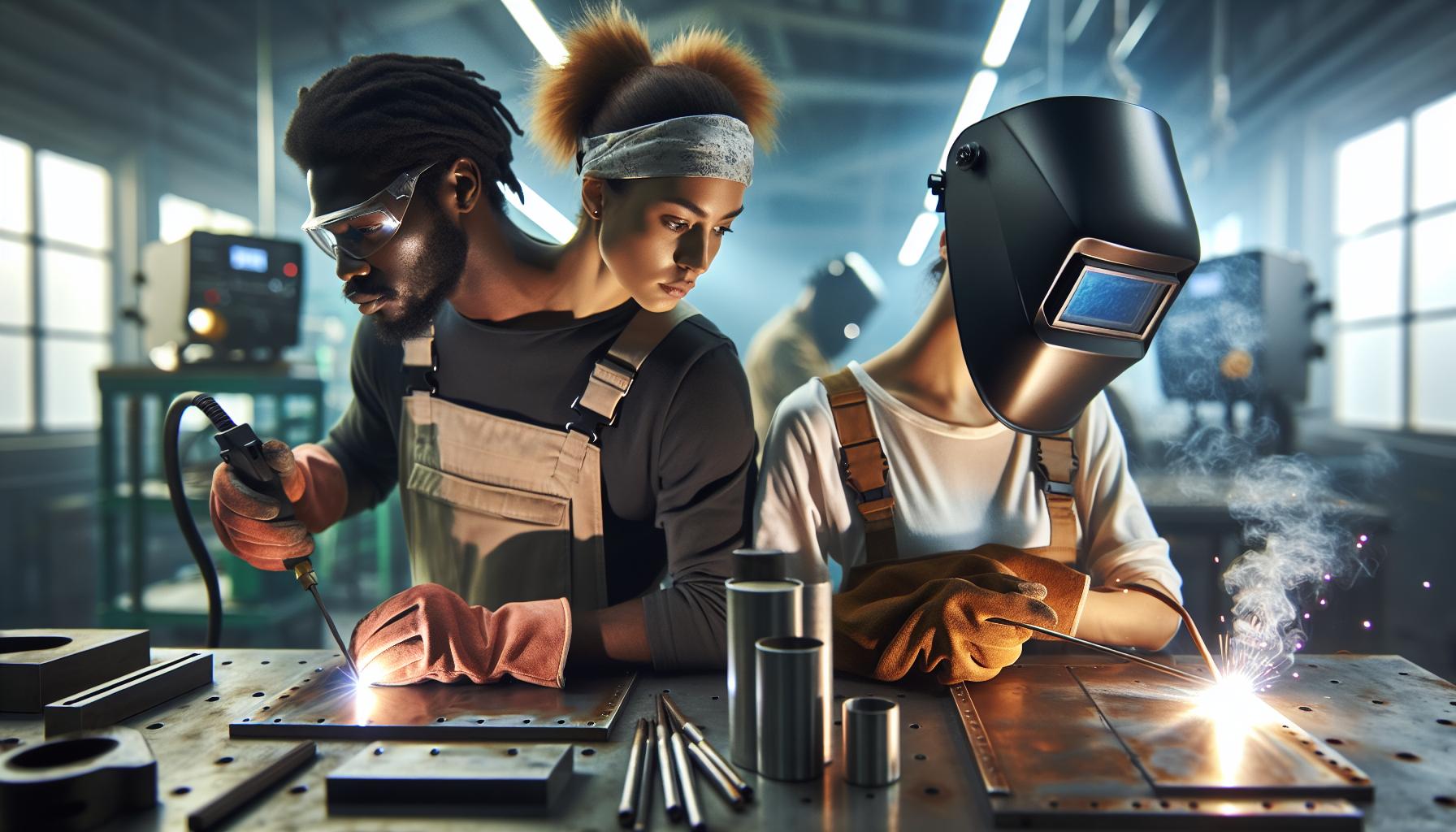
MIG vs. TIG: Which is Best for Cast Alloys?
When deciding between MIG and TIG welding for cast alloys, understanding the inherent strengths and applications of each technique can significantly impact the quality of your welds. MIG (Metal Inert Gas) welding is often lauded for its speed and efficiency, making it a popular choice for welding aluminum castings. This method uses a continuously fed wire electrode, which allows for quick, consistent welds on thinner sections. Its usability makes it particularly appealing for high-production environments; however, it does come with some challenges, particularly regarding heat control. Overheating is a common risk, especially with heat-sensitive materials like aluminum. Here, a welder with experience in controlling the wire feed speed can help mitigate potential defects.
In contrast, TIG (Tungsten Inert Gas) welding offers a high degree of precision, making it suitable for intricate work and thicker sections where cooler, controlled heat application is crucial. TIG’s ability to apply heat directly to the workpiece allows for exceptional control over the weld pool, which is vital when working with cast alloys that might be more prone to cracking and warpage. Moreover, this technique does not introduce filler material automatically, giving the welder complete control over filler addition, a significant advantage when aesthetics or joint strength is paramount. While TIG welding is generally slower than MIG, the ability to produce high-quality welds often outweighs the time factor, particularly in critical applications.
Key Considerations for MIG vs. TIG Welding of Cast Alloys
- Heat Control: TIG allows for better control over heat input, reducing the risk of warping and cracking in cast alloys.
- Speed: MIG is faster, ideal for production environments, while TIG requires more time but offers superior weld quality.
- Filler Material Management: MIG automatically feeds filler, which can lead to consistency in the weld bead, whereas TIG allows for manual feed of filler, granting greater control during the weld.
- Skill Level: MIG is generally easier to master for beginners; however, TIG welding’s mastery can lead to superior results in skilled hands.
In conclusion, the choice between MIG and TIG welding for cast alloys is not necessarily about which method is inherently better; it is more about the specific application and desired outcome. If speed and ease of use are primary concerns, MIG may be the preferred option. Conversely, for projects demanding precision, control, and aesthetic quality, TIG is often the superior choice. Both methods require careful consideration of the materials being welded and the specific demands of the project to achieve optimal results.
Safety Protocols when Welding Cast Alloys
Welding cast alloys presents unique challenges that necessitate stringent safety protocols to ensure the health and safety of welders. The inherent properties of these materials, such as brittleness and susceptibility to cracking, require not only skill but also a careful approach to safety. Proper preparation and protective measures are essential for minimizing risks associated with welding processes, including exposure to harmful fumes, high temperatures, and the possibility of fire or explosions.
Before initiating any welding project, a thorough risk assessment should be conducted. This includes identifying potential hazards related to the specific cast alloy being welded, the welding technique used (MIG, TIG, or stick), and the environment in which the welding takes place. Ensuring adequate ventilation is critical, especially when working with materials that can release toxic fumes, such as aluminum alloys. Utilizing local exhaust ventilation systems or fume extraction equipment can significantly reduce the exposure to harmful airborne particles.
Personal protective equipment (PPE) is a cornerstone of welding safety. Welders should always wear protective gear, including fire-resistant clothing, gloves, and safety goggles or a full-face shield. Additionally, respiratory protection may be necessary when welding in environments with insufficient ventilation or when working with particularly hazardous alloys. Keeping a fire extinguisher readily available and ensuring the work area is clear of flammable materials further contributes to a safer welding environment.
It’s also vital to educate all personnel involved in the welding process about the specific hazards associated with the cast alloys and the welding techniques they will be using. Regular safety drills can prepare the team to respond effectively to any incidents. By fostering a culture of safety and adhering to established protocols, welders can optimize their safety practices while achieving high-quality results in their cast alloy welding projects.
Post-Weld Treatment for Cast Alloys
Welding cast alloys not only requires skill in the initial fusion process but also necessitates careful attention to post-weld treatment to ensure durability and performance. Cast alloys, particularly those made from aluminum or certain steels, tend to exhibit residual stresses due to their different thermal expansion properties compared to their base materials. Employing appropriate post-weld treatments can enhance the mechanical properties, reduce brittleness, and minimize the risk of cracking.
One essential method for post-weld treatment is stress relieving, which can be achieved through controlled heating and cooling processes. This approach helps to reduce residual stresses built up in the welded material. Typically, heating to a temperature around 300°F to 500°F for a few hours, followed by slow cooling, can significantly improve the material properties without compromising the overall structure. Maintaining a proper heating schedule is crucial; too high a temperature or rapid cooling can lead to further complications, such as warping or additional cracking.
Another important consideration is cleaning and preparation of the weld area post-weld. Any contaminants, such as oils, welding slag, or scales, can detrimentally affect subsequent treatments, including coatings or paint applications. Employing various cleaning methods such as abrasive blasting or using chemical solvents ensures that the surface is suitable for further processes. This step is vital, especially for applications requiring corrosion resistance.
Applying a protective coating can also enhance the longevity of cast alloy welds. Whether through galvanizing, painting, or anodizing for aluminum parts, protecting the weld area from moisture and environmental damage can prevent corrosion and further degradation. Before application, ensure the weld area is adequately prepped and free from contaminants to achieve the best adhesion and effectiveness of the coating.
By thoroughly addressing post-weld treatment, welders can not only improve the aesthetic and functional aspects of the welded cast alloy components but also extend their service life, ensuring they perform efficiently under operational stresses.
Repairing Cast Alloy Components: Techniques and Tips
Repairing cast alloy components can seem daunting, but with the right techniques and strategies, even complex repairs can be performed effectively. Understanding the material properties of the specific cast alloy you’re working with is crucial-different alloys respond differently to welding processes, heat, and subsequent stress. Before diving into repair methods, assess the damage and gather information on the alloy’s composition, as this will guide you in selecting the right welding approach.
A common technique for repairing cast alloys is the use of TIG (Tungsten Inert Gas) welding. This method is particularly effective for aluminum cast alloys, which are known for their tendency to crack under stress. The precision and control offered by TIG welding allow for clean, thorough penetration and an aesthetically pleasing finish. It’s essential to use a filler material that matches the base alloy as closely as possible to ensure a strong bond. This minimizes the occurrence of brittleness and enhances the overall strength of the repair.
Preparation and Execution
Proper preparation is key to a successful repair. Ensure the area surrounding the damage is clean from contaminants such as oil, grease, or dirt. This can be achieved through abrasive cleaning methods or chemical solvents. Once cleaned, preheat the metal if the alloy sensitivity requires it-especially with high-strength alloys which can exhibit cracking if cooled too quickly during the welding process. When executing the weld, maintain a steady hand and appropriate travel speed to avoid overheating the base metal, which can further compromise the integrity of the repair.
Post-repair treatments can significantly enhance the longevity and performance of the repaired component. Stress relieving through controlled heating can help to mitigate any residual stresses induced during the welding process. Moreover, applying a protective coating after the weld has cooled minimizes the risk of corrosion and further degradation, ensuring the repair withstands operational stresses.
In summary, successfully repairing cast alloy components hinges on understanding alloy properties, employing appropriate welding techniques like TIG, and following thorough preparation and post-treatment protocols. With these strategies, welders can restore cast alloy components to their intended functionality, enhancing both performance and durability.
Expert Insights: Tips from Experienced Welders
Experienced welders often emphasize that understanding the specific characteristics of cast alloys is fundamental to successful welding. For instance, aluminum cast alloys, while lightweight and flexible, can exhibit unpredictable behavior under stress, necessitating careful selection of both the welding technique and filler material. One essential tip is to always verify the alloy’s composition before starting a welding project, as different alloys may require distinct procedures or filler materials to avoid issues such as cracking or excessive warping.
When it comes to welding techniques, many professionals vouch for the advantages of TIG welding due to its precision and control, especially when working with more brittle alloys like aluminum. A common practice among seasoned welders is to use pulsed TIG settings, which allow for better control over the heat input and can significantly reduce the risk of overheating and subsequent thermal stresses. For those newer to welding, starting with simpler tasks, like joining scrap pieces, can build confidence and familiarity with the equipment and materials.
Preparation is also a major focus for these experts. They often recommend a meticulous cleaning process, stating that even a small amount of contaminants can compromise the integrity of a weld. Using an angle grinder or chemical solvent to clear grease, oil, and dirt should never be underestimated. Moreover, preheating the workpiece is advised, especially in colder environments, as it can help maintain appropriate heat levels and minimize the risk of cracking.
Safety is paramount in welding, particularly with cast alloys. Experienced welders stress the importance of using personal protective equipment (PPE) such as gloves, helmets, and fire-resistant clothing. They also advocate for comprehensive ventilation in the workspace to prevent the buildup of harmful gases. Adhering to these safety protocols not only protects the welder but also contributes to the overall quality of the work, as a focused and safe environment leads to better performance.
In summary, seasoned welders understand that a combination of knowledge, technique, preparation, and safety measures can significantly influence the outcome of any cast alloy welding project. Sharing these insights not only enhances the collective skill level among peers but also raises the standards of work in the welding community.
Case Studies: Successful Cast Alloy Welding Projects
Successful welding projects involving cast alloys are often the result of meticulous planning, skilled execution, and insightful troubleshooting. A notable example comes from a leading automotive manufacturer that faced repeated challenges in welding the aluminum cast components of engine blocks. These components required a strong, durable weld, but common problems included porosity and cracking due to the inherent properties of the aluminum alloy. The solution was to adopt TIG (Tungsten Inert Gas) welding, which allowed for precision control of heat input, significantly reducing thermal stress on the material. By implementing thorough pre-weld inspections and utilizing high-quality filler materials, the company was able to improve weld integrity and extend the component lifespan.
In the aerospace sector, a prominent repair facility successfully revived a cracked casting used in an aircraft wing section. Given the critical nature of aeronautical components, engineers opted for a pulsed MIG (Metal Inert Gas) welding approach, which helped maintain low heat levels while providing a strong bond. They meticulously monitored the weld pool and adapted parameters in real-time, resulting in a seamless repair that passed rigorous inspection standards. The team highlighted the importance of preheating the workpiece to mitigate cracking risks, demonstrating that proper preparation could significantly affect the outcome of the repair.
Another compelling case emerged from a fabricator specializing in custom machinery parts. During a project involving a complicated aluminum frame, outdated welding techniques led to structural weaknesses. A shift to flux-cored arc welding (FCAW) allowed the team to tackle the challenges of thicker sections while minimizing distortion. They incorporated thorough post-weld treatments, including stress relief and surface finishing processes, to ensure durability. The successful completion of this project not only met client specifications but also set a new standard for subsequent jobs, underscoring the critical role of advanced techniques in achieving reliable welds.
These case studies illustrate that successful cast alloy welding ventures hinge not just on technical skill but also on a keen understanding of materials and thoughtful application of the right techniques. From automotive to aerospace and industrial fabrication, each sector showcases unique challenges and solutions that enhance overall welding practices. As the industry evolves, continuous learning and adaptation remain vital for welders seeking to refine their craft and achieve outstanding results in cast alloy projects.
Future Trends in Cast Alloy Welding Techniques
As the welding industry continues to evolve, several key trends are shaping the future of cast alloy welding techniques. One of the foremost trends is the increasing integration of automated and robotic welding systems. These advanced technologies offer precision and consistency, significantly reducing human error while enhancing the quality of welds. For example, systems equipped with real-time monitoring capabilities can automatically adjust parameters such as heat input and travel speed to compensate for variations in alloy composition or temperature, ensuring optimal results in cast alloy applications.
Another significant trend lies in the development of new welding materials and fillers specifically designed for cast alloys. With the ongoing exploration of lightweight and high-strength materials, manufacturers are focusing on creating filler rods and wires that enhance the mechanical properties of welded joints. These innovations help mitigate issues such as cracking and porosity, commonly seen in conventional welding techniques for cast alloys like aluminum and magnesium. For instance, new alloying elements in filler materials can promote better fusion and lower heat-affected zones, which is crucial for maintaining the integrity of delicate cast components.
The use of simulation software for weld planning and analysis is also gaining momentum. By incorporating advanced modeling techniques, welders can predict the behavior of materials under various welding conditions, leading to more informed decision-making during the planning stages. This predictive capability not only enhances safety by identifying potential issues before they arise, but also streamlines the workflow by minimizing trial-and-error approaches in live environments.
Training and Skill Development
As these technologies advance, the demand for skilled welders proficient in using new equipment and techniques continues to grow. Educational institutions and training programs are adapting by emphasizing not only traditional welding methods but also incorporating lessons on automation, new materials, and advanced welding techniques. Welders are encouraged to engage in continuous professional development, staying updated with industry standards and technological advancements.
Ultimately, the future of cast alloy welding will likely be characterized by increased collaboration between engineers and welders, fostering a culture of innovation that embraces both traditional craftsmanship and cutting-edge technology. By keeping abreast of these trends and actively seeking improvements in practices, welders can ensure their skills remain relevant, driving the industry forward and achieving greater success in cast alloy projects.
Q&A
Q: What types of cast alloys can be welded?
A: Most cast alloys, including aluminum, magnesium, and certain iron alloys, can be welded. However, the specific technique and filler material depend on the alloy’s properties. Understanding each alloy’s melting point and composition is crucial for achieving strong welds.
Q: Why is welding cast alloy challenging?
A: Welding cast alloys presents challenges due to their varying compositions, susceptibility to cracking, and different thermal expansion rates. Acquiring knowledge about these factors and employing pre-heat and post-weld heat treatment can significantly enhance the chances of success.
Q: What is the best welding method for cast aluminum?
A: TIG welding is often preferred for cast aluminum due to its precision and control, producing clean and strong welds with less distortion. Using the appropriate filler material is also crucial for compatibility and strength.
Q: Can you repair cast alloy without welding?
A: Yes, cast alloys can be repaired through methods like brazing or using epoxy adhesives, especially for non-structural fixes. These methods can be less invasive and preserve the original material integrity, making them suitable for specific applications.
Q: How do I prepare cast alloy for welding?
A: Preparation involves cleaning the surface thoroughly to remove contaminants, examining the alloy for defects, and preheating to reduce the risk of cracking. Refer to the article’s section on preparation steps for detailed guidelines.
Q: What safety precautions should I take when welding cast alloys?
A: Always wear proper protective gear, including gloves and a helmet. Ensure adequate ventilation to avoid fumes and maintain safe working conditions. Following the safety protocols outlined in the article is vital for injury prevention.
Q: Can I weld a cast iron alloy?
A: Yes, cast iron can be welded, but specialized techniques such as preheating and using a nickel-based filler are recommended to prevent cracking. Understanding the unique properties of cast iron is essential for successful welding.
Q: What happens if you weld cast alloy incorrectly?
A: Incorrect welding of cast alloy can result in weak joints, cracks, or structural failures. This could compromise the part’s functionality and safety, making thorough knowledge and adherence to best practices critical for successful outcomes.
Final Thoughts
Welding cast alloy can be challenging, but with the right techniques and knowledge, you can achieve strong, durable joints. Remember, proper preparation, like cleaning the weld area and selecting compatible filler materials, is key to success. Don’t let uncertainty hold you back-now is the time to put your skills to the test! For more insights into welding methods, explore our articles on MIG vs. TIG welding techniques and safety protocols for welders.
If you found this guide helpful, consider signing up for our newsletter for regular tips and expert advice tailored to both novice and experienced welders. Interested in deepening your knowledge? Check out our equipment reviews to select tools that will enhance your welding experience or join our community discussion in the comments below. Don’t miss this opportunity to elevate your welding game-dive into our resources today and take the next step towards mastery!