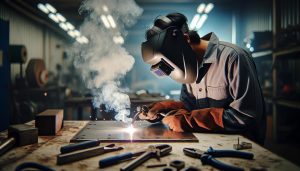
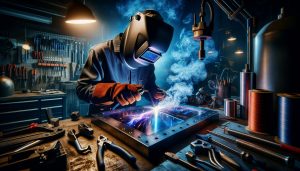
Welding is a critical trade in Texas, supporting various industries from construction to manufacturing. As demand for skilled welders continues to grow, understanding how much a welder can earn is essential for both aspiring professionals and employers. On average, welders in Texas can expect competitive wages that reflect their skill level, type of welding, and experience. By exploring this state-specific breakdown, you’ll gain valuable insights into salary expectations, job opportunities, and the factors that can affect a welder’s earnings. Whether you’re considering a welding career or looking to hire talent, this information will guide your decisions and help you navigate the welding landscape in Texas.
Average Annual Salary of Welders in Texas

With a thriving construction industry and energy sector, Texas remains a crucial hub for welding professionals. The average annual salary for welders in Texas typically ranges from $40,000 to $55,000, depending on experience and specialization. The upper echelon of skilled welders, particularly those with advanced certifications or in specialized fields such as underwater welding or aerospace, can earn considerably more, often approaching or exceeding $70,000.
Various factors contribute to these figures, including geographic location within the state, the specific welding techniques employed (such as MIG, TIG, or stick welding), and the demand for skilled labor. Urban areas like Houston, Dallas, and Austin tend to offer higher salaries due to a greater concentration of industry and opportunities. For instance, welders working in the oil and gas sectors are among the highest-paid, reflecting the industry’s lucrative nature in Texas.
In addition to location and specialization, certifications play a significant role in determining salary ranges. The American Welding Society (AWS) offers credentials that can set welders apart in the job market. Unquestionably, the more advanced the skill set and certification, the greater the potential for higher wages. As Texas continues to invest in infrastructure and industrial projects, welders well-versed in the latest technologies and safety protocols can expect not only competitive salaries but also robust job security and growth opportunities.
Welding Job Opportunities and Demand in Texas
With a strong economic landscape and a burgeoning demand for skilled professionals, Texas stands out as a prime location for welding job opportunities. The state’s diverse industries, particularly in construction, energy, and manufacturing, are continually on the lookout for qualified welders. In fact, the workforce in Texas sees an ongoing influx of projects that require welding expertise, indicating a robust job market for both novice and experienced welders alike.
Welders in Texas can find work in various sectors, such as oil and gas, automotive manufacturing, shipbuilding, and construction. Each of these industries presents unique opportunities and challenges, thus catering to different skill sets and welding techniques. For instance, those specializing in MIG (Metal Inert Gas) welding might be more sought after in automotive sectors, while TIG (Tungsten Inert Gas) welders are often preferred for high-precision applications in aerospace and stainless steel fabrication.
Moreover, geographical factors significantly influence job availability. Urban centers like Houston and Dallas not only offer higher salaries but also grow rapidly, creating more positions for welders. In contrast, more rural areas may present fewer immediate opportunities but can still be lucrative for contractors and smaller businesses. The continued investment in infrastructure, particularly as Texas embarks on large-scale construction projects, means that employment prospects are likely to remain strong for the foreseeable future.
Looking ahead, it’s also crucial for aspiring welders to stay abreast of industry trends, safety standards, and new welding technologies. Continuous learning and adaptation will enhance employability and open doors to higher-paying roles within the trade. Therefore, pursuing certifications from recognized bodies like the American Welding Society (AWS) not only boosts job prospects but significantly raises earning potential, positioning welders to capitalize on the evolving workforce landscape in Texas.
Regional Salary Variations Across Texas

The disparity in welding salaries across Texas can be quite striking, influenced by a myriad of factors including geographical location, industry demand, and specific skill sets. For instance, urban centers like Houston and Dallas tend to offer lucrative compensation packages due to the concentration of industries that require skilled welders. According to data, welders in Houston can command average annual salaries around $45,000 to $55,000, reflecting the city’s diverse economic base that encompasses oil and gas, manufacturing, and construction. This robust industrial presence not only fuels high demand for welding professionals but also results in competitive salary offerings.
In contrast, more rural areas may present a different scenario. Welders in locations such as West Texas or the Panhandle might find average salaries in the range of $38,000 to $45,000. While the lower cost of living can offset these figures, job availability varies significantly, with fewer large companies compared to urban areas. However, those who are willing to travel or take on contract roles may still find lucrative opportunities, especially during busy seasons in pipeline construction or agricultural equipment manufacturing.
Regional Salary Breakdown
| Region | Average Salary Range | Key Industries |
|---|---|---|
| Houston | $45,000 – $55,000 | Oil & Gas, Manufacturing, Construction |
| Dallas | $43,000 – $52,000 | Aerospace, Automotive, Construction |
| San Antonio | $40,000 – $48,000 | Manufacturing, Defense |
| West Texas | $38,000 – $45,000 | Agriculture, Oil & Gas |
Different welding techniques and certifications also play a pivotal role in salary variations. Specialized welders-such as those adept in TIG welding for aerospace projects or combination welders who handle both MIG and stick welding-often receive higher pay due to the precision and expertise required. Moreover, obtaining certifications from recognized bodies like the American Welding Society (AWS) can substantially increase earning potential across all regions.
In summary, while welders in Texas can generally expect competitive wages, regional differences are significant and should be considered when seeking job opportunities. Welder professionals should remain informed about the local job market and continuously enhance their skills to navigate these variations effectively.
Factors Influencing Welder Salaries in Texas
Determining the salary of a welder in Texas involves a complex interplay of various factors that shape the compensation landscape. Geographic location stands out as a primary determinant; welders in larger metropolitan areas, such as Houston or Dallas, often benefit from higher pay scales driven by a larger concentration of industries requiring skilled labor. For instance, the demand for welders in the oil and gas sectors significantly inflates salaries in regions like Houston, where the industry thrives, compared to more isolated locations where industrial activity may be limited.
Beyond location, the specific industry sectors that employ welders also play a critical role. Various fields, such as aerospace, manufacturing, and construction, exhibit differing wage standards due to the specialization required. Welders engaged in high-stakes projects, like aerospace manufacturing, may command higher salaries due to the precision and expertise involved. Additionally, the welding technique employed influences earning potential; for example, TIG welders working with materials like aluminum often earn more due to the skill and finesse required for such tasks.
Furthermore, education and professional certifications markedly enhance earning prospects. The American Welding Society (AWS) provides recognized certifications that can assure employers of a welder’s proficiency and expertise. Certified welders generally enjoy an edge in the job market, often reflected in their compensation packages. Other factors can include experience level – seasoned welders typically earn more than entry-level counterparts – and the type of employment, such as permanent positions versus contract work, where the latter might offer higher hourly wages but less job security.
In summary, understanding the varied influences on welder salaries in Texas is essential for professionals navigating their career paths. By honing specific skills, acquiring certifications, and seeking opportunities in high-demand areas, welders can significantly enhance their earning potential.
Welding Certifications and Their Impact on Earnings
In the competitive landscape of welding, possessing the right certifications can significantly influence a welder’s earning potential. With various techniques and materials requiring specific skills, certifications from recognized institutions can set welders apart in the job market. For instance, the American Welding Society (AWS) offers certifications like the Certified Welder (CW) program, which is widely respected across industries. Research shows that certified welders may earn up to 20% more than their non-certified counterparts, particularly in specialized sectors such as aerospace and shipbuilding, where precision and compliance with stringent safety standards are vital.
Welding certifications not only enhance a welder’s credibility but also open doors to higher-paying job opportunities. For example, those certified in MIG (Metal Inert Gas) and TIG (Tungsten Inert Gas) welding techniques often find themselves in greater demand, as they are essential for working with materials like aluminum and stainless steel. Companies are willing to pay premium wages for welders who can demonstrate competence in these advanced techniques, especially when working on high-stakes projects that require meticulous attention to detail and adherence to rigorous quality benchmarks.
Additionally, staying current with evolving technologies and practices through continuing education can further boost a welder’s market value. Many employers prioritize candidates who demonstrate a commitment to professional development, as it reflects their dedication to safety and quality workmanship. Moreover, those who seek additional certifications in specialized fields such as underwater welding or pipeline welding may see even greater salary increases and opportunities for career advancement.
Ultimately, investing in welding certifications serves not only as a pathway to higher earnings but also as a foundation for a fulfilling and sustainable career. As industry demands evolve, welders equipped with both practical skills and formal credentials will find themselves better positioned to leverage job opportunities and negotiate favorable compensation.
Different Welding Techniques and Their Pay Rates
Welding encompasses a variety of techniques, each suited for specific materials and applications, influencing both job opportunities and pay rates throughout Texas. Depending on their specialization and the complexity of the work involved, welders can earn significantly different salaries. Understanding these techniques is crucial for aspiring welders looking to maximize their earnings.
MIG (Metal Inert Gas) welding is one of the most popular methods in the welding industry due to its versatility and ease of use. It is particularly effective for working with thin metals such as aluminum and steel. Welders proficient in MIG can expect to earn an average salary ranging from $40,000 to $65,000 annually, depending on their level of expertise and the sector they work in. This technique is favored in automotive and manufacturing industries, where production speed is critical.
TIG (Tungsten Inert Gas) welding is renowned for producing high-quality joints with a clean finish, often used in the aerospace and automotive sectors, especially with non-ferrous metals. Welders skilled in TIG can command higher wages, often averaging $50,000 to $80,000 per year. The precision required in TIG welding-such as welding thin walls and intricate components-demands a higher skill level, which is reflected in the pay scale.
Stick welding, or Shielded Metal Arc Welding (SMAW), is a time-tested method especially valuable in construction and repair work. It is versatile and can be applied in various positions, such as horizontal, vertical, or overhead. Salaries for stick welders typically range from $35,000 to $60,000, depending on experience and job location. This technique can be particularly useful in pipeline welding and other outdoor applications, where environmental factors may limit the usability of other methods.
Flux-cored arc welding (FCAW) is akin to MIG welding but is primarily designed for thicker materials and can be employed outdoors. Its efficiency makes it popular in heavy fabrication and construction sectors. Welders who specialize in flux-cored techniques can expect to earn between $40,000 and $70,000 annually, with the potential for higher wages in specialized roles or in companies that focus on large-scale projects.
To give a clearer picture, here’s a breakdown of average salaries based on welding techniques:
| Welding Technique | Average Salary Range (Annual) |
|---|---|
| MIG Welding | $40,000 – $65,000 |
| TIG Welding | $50,000 – $80,000 |
| Stick Welding | $35,000 – $60,000 |
| Flux-Cored Welding | $40,000 – $70,000 |
Ultimately, specializing in techniques like TIG or MIG welding can lead to better pay and more job opportunities in Texas, particularly in industries that value high-quality workmanship and precision. The investment in learning and mastering these methods not only enhances employability but also supports career advancement in a competitive job market.
Skills That Boost a Welder’s Salary
To excel in the welding industry and boost earning potential, welders need to cultivate a range of specialized skills and qualification credentials that are highly valued by employers. Mastery of different welding techniques not only enhances job prospects but also directly correlates with salary increases. For example, welders who are proficient in both MIG and TIG welding can access a broader array of job opportunities and are often compensated at the higher end of the pay scale.
Technical expertise in using advanced welding equipment significantly impacts a welder’s salary. Familiarity with various materials, including aluminum, stainless steel, and carbon steel, can also distinguish one welder from another. When a welder is adept at handling different alloys and understands the specific requirements for each material, such as preheating or post-weld treatment, they position themselves as a valuable asset to any employer. Such versatility may lead to salary ranges upwards of $80,000 annually, particularly for those working in sectors requiring high precision like aerospace or specialized manufacturing.
Certifications play a pivotal role in enhancing a welder’s credentials and subsequently their salary. Obtaining recognized certifications from organizations such as the American Welding Society (AWS) not only validates a welder’s skills but also opens doors to more lucrative job opportunities. Different certifications focus on specific welding techniques and abilities, allowing welders to showcase their expertise in niche areas, which often leads to increased pay. Furthermore, continuous education and training in the latest welding technologies and methods can help welders stay competitive, ensuring that their skill set aligns with industry demands.
Moreover, soft skills such as problem-solving, attention to detail, and safety awareness are equally important. Employers value welders who can notice potential issues before they escalate or who possess strong communication skills for collaborative projects. These traits can significantly enhance job performance and lead to promotional opportunities, yielding further salary growth. By combining technical prowess with soft skills and certifications, welders can greatly improve their earning potential in Texas’s diverse job market.
Cost of Living Adjustments for Welders in Texas
The cost of living in different regions of Texas plays a significant role in shaping the effective salary and purchasing power of welders throughout the state. Depending on whether a welder is working in urban centers like Dallas or Houston, or in more rural areas, the difference in living expenses can influence both job opportunities and salary negotiations. For example, in larger metropolitan areas, welders might face higher housing costs and living expenses, but they may also find more job opportunities and potentially higher wages to compensate for these expenses.
Many welders are often unaware of the substantial variations in the cost-of-living index across Texas when considering job offers. The following factors need to be taken into account when evaluating salary offers in relation to living costs:
- Housing Costs: Urban areas generally have higher rent and home prices. Welders in cities like Austin might find themselves spending a larger percentage of their income on housing compared to those in small towns.
- Transportation Expenses: The need to commute can vary significantly. Welders in cities may rely on public transportation, while those in less populated areas might require reliable vehicles, impacting overall living expenses.
- Food and Healthcare: Local grocery prices and healthcare availability can also greatly affect a welder’s budget. Urban areas typically offer a wider range of healthcare services but can have higher costs associated with them.
- Utilities and Taxes: Utility costs can differ; for instance, larger homes in suburban areas may have higher utility bills. Moreover, property taxes can hit harder in some regions, affecting net take-home pay.
To navigate these challenges, welders should consider not only their base salary but also benefits such as housing stipends, relocation assistance, and health benefits that can mitigate living costs. Furthermore, it’s important to conduct thorough market research and compare local wages against the cost of living index to ensure that the job aligns with their financial goals. Keeping these factors in mind helps welders make informed decisions, ensuring that their skills are fairly compensated in relation to the economic realities of their chosen location.
The Future of Welding Jobs in Texas

As technological advancements continue to reshape industries, looks promising. With a growing emphasis on automation, sustainable practices, and advanced fabrication techniques, the demand for skilled welders is on the rise. Industries such as construction, manufacturing, energy, and automotive are increasingly seeking certified professionals who not only possess traditional welding skills but are also proficient in using modern welding equipment and techniques like MIG (Metal Inert Gas), TIG (Tungsten Inert Gas), and flux core welding.
The influx of infrastructure projects across Texas plays a significant role in this positive outlook. With government investments in roads, bridges, and public transportation systems, the need for qualified welders to construct and maintain these structures is expanding. According to industry analysts, regions undergoing significant growth, like Austin and Dallas-Fort Worth, are experiencing heightened demand for welders, leading to better job security and potentially higher wages. These markets are not just limited to new constructions; ongoing maintenance of existing structures will also require skilled welders.
Another critical factor is the green energy movement. Texas is leading the nation in renewable energy production, particularly in wind and solar power. This shift towards sustainable energy sources necessitates the expertise of welders who are skilled in joining materials used in these technologies, from aluminum in solar panels to robust steel for wind turbine towers. As this sector continues to grow, so too will the opportunities for welders specializing in eco-friendly projects.
To stay competitive in the evolving job market, upskilling is essential. Welders should consider pursuing certifications in emerging technologies and specialized welding techniques. Employers are increasingly valuing those who bring advanced skills to the table, thus enhancing their employability and potential salary. Networking with industry professionals and joining welding organizations can also provide valuable insights into job opportunities and trends, ensuring that welders are well-prepared for the challenges and opportunities that lie ahead.
In summary, the future for welders in Texas appears bright, driven by infrastructure projects, renewable energy initiatives, and the need for advanced skills. Those who adapt to these changes and seek continuous education will likely reap the benefits in this dynamic and crucial field.
Top Industries Hiring Welders in Texas
The demand for skilled welders in Texas spans several high-growth industries, each requiring specialized skills and techniques. As the state’s economy continues to flourish, welders can find robust opportunities across various sectors, from traditional manufacturing to cutting-edge renewable energy projects. For instance, the construction industry remains a primary employer of welders, driven by significant infrastructure investments throughout Texas, including highways, bridges, and public buildings. The varied nature of welding tasks-ranging from joining steel beams to creating intricate pipe systems-offers welders the chance to apply techniques like MIG (Metal Inert Gas) and TIG (Tungsten Inert Gas) welding.
In addition to construction, the automotive industry is a significant player in the welding job market. As Texas hosts numerous automotive manufacturing plants, there’s a continuous need for welders who can effectively work with both steel and aluminum components. This sector especially values welders proficient in MIG and spot welding, with skills tailored to high-speed production lines. Moreover, with the rise of electric vehicles, there is an increasing need for welders trained in new materials and technologies, further expanding career possibilities.
The energy sector, particularly in Texas, is also a significant source of employment for welders. Texas leads the nation in energy production, including traditional oil and gas and a growing emphasis on renewable sources like wind and solar power. Welders are essential for constructing and maintaining the infrastructure of wind farms and solar energy systems. Here, expertise in working with specialized materials and techniques, such as flux core welding for challenging environments, can set welders apart in this dynamic field.
Lastly, manufacturing remains a cornerstone of Texas’s economy, offering welding jobs in diverse fields such as aerospace, heavy machinery, and consumer products. As companies strive to improve efficiency and innovate, the demand for skilled welders who can navigate sophisticated machinery and uphold rigorous safety standards will remain high. This broad scope across industries underscores the wealth of opportunities available, enhancing the earning potential and job security for welders in Texas, particularly those who continually update their skills and certifications.
Ultimately, understanding the landscape of industries hiring welders can guide aspiring professionals in their training and career paths, ensuring they focus on acquiring the skills and certifications that are most relevant to their chosen field.
Essential Tools and Equipment for Welders
The right tools and equipment are paramount for any welder looking to excel in their craft, particularly in Texas, where a diverse array of welding jobs requires a tailored toolkit. Different welding techniques necessitate varying equipment, each designed to handle specific materials and applications, from construction projects to automotive manufacturing. Understanding what to invest in can not only enhance the quality of work but also boost productivity and safety on the job.
For MIG welding, a process commonly used in fabricating parts for the automotive sector, a reliable MIG welder is essential. These machines use a continuous wire feed and produce high-quality welds with less cleanup. Beginner welders might start with a compact, portable model, while professionals may need industrial-grade units capable of handling thicker materials. Coupling the welder with the right gas-typically a mix of argon and carbon dioxide-ensures cleaner, stronger welds.
TIG welding is favored in industries that work with aluminum and thin-walled materials, requiring a different set of tools. TIG welders provide precision and control, making them ideal for intricate fabrications. Competent welders might use high-frequency start controls and foot pedals to manage the flow of electricity, which allows for exceptional control over the weld pool. Moreover, investing in quality tungsten electrodes and appropriate filler rods tailored to the specific metals being welded is crucial for achieving optimal results.
In addition to welding machines, welders need personal protective equipment (PPE) to ensure safety. This includes a quality welding helmet with an auto-darkening lens to protect the eyes from intense light and sparks, gloves made of heat-resistant materials, and durable flame-retardant clothing. Additionally, proper ventilation or fume extraction systems are critical in protecting welders from harmful fumes, particularly in confined spaces often seen in the oil and gas sector.
Alongside the basics, many welders find it beneficial to include tools such as grinders, clamps, and measuring devices in their kits. A quality angle grinder, for instance, is invaluable for preparing metal surfaces and finishing welds. A good set of clamps is essential for holding materials in place to ensure a precise setup, while tape measures and squares help maintain accuracy in measurements before welding starts.
The combination of advanced equipment and safety gear not only helps welders perform their tasks efficiently but also boosts their marketability in Texas’s competitive job landscape. As industries continue to evolve, welders equipped with the right tools will be better positioned to take on challenging projects and command higher wages, reinforcing the importance of investing wisely in essential welding equipment.
Career Advancement Paths for Welders in Texas
In Texas, welders have a dynamic landscape of career advancement opportunities, making it a promising field for both newcomers and seasoned professionals. With a booming industrial sector that includes construction, oil and gas, and manufacturing, welders can explore various pathways to elevate their careers and increase their earning potential. One of the most effective ways to accelerate career growth is by obtaining additional certifications. Certifications such as AWS (American Welding Society) Certified Welder or certifications in specialized techniques like TIG (Tungsten Inert Gas) or MIG (Metal Inert Gas) welding can significantly enhance a welder’s credentials and employability, often leading to supervisory roles or specialized technician positions.
Networking also plays a crucial role in career advancement. Joining local welding organizations or attending industry trade shows provides opportunities to meet key players in the field and learn about job openings and advancements. Many welders in Texas also benefit from mentorship programs, which allow less experienced welders to learn directly from seasoned professionals. Such relationships can lead to valuable insights on skill enhancement and industry trends.
Strong practical skills combined with an understanding of advanced welding technologies can pave the way for role advancements such as welding inspector or quality control technician. Both roles require a keen eye for detail and a comprehensive knowledge of welding codes and standards. Lifelong learning through workshops or advanced training courses not only improves welding techniques and safety practices but also prepares welders for leadership roles, allowing them to oversee production processes and mentor junior welders.
Moreover, welders can explore opportunities to branch out into related fields. For instance, gaining expertise in welding repair, fabrication, or even moving into positions that involve project management can provide even greater job security and financial rewards. As the demand for skilled welders in Texas continues to rise, paired with the state’s robust economic environment, welders who are proactive about their career development will find a wealth of opportunities awaiting them. By actively seeking additional skills, certifications, and networking, they can confidently navigate their career paths and capitalize on the growing opportunities in the welding field.
Frequently asked questions
Q: What is the average entry-level salary for welders in Texas?
A: The average entry-level salary for welders in Texas typically ranges from $30,000 to $40,000 annually. New welders can enhance their skills through training and certification, which may lead to better-paying positions over time.
Q: How do experience levels affect welder salaries in Texas?
A: Experience significantly influences welder salaries in Texas. Entry-level welders may earn around $30,000, while those with several years of experience can make upwards of $60,000, especially in high-demand areas or specialized positions.
Q: Are there specific cities in Texas that pay welders more?
A: Yes, cities like Houston, Dallas, and Midland offer higher salaries for welders, often due to the concentration of industries requiring welding services. For instance, welders in Houston can earn an average salary exceeding $50,000 annually.
Q: How does the type of welding technique impact earnings in Texas?
A: Different welding techniques influence pay rates. For example, specialized skills in TIG or underwater welding generally command higher salaries than MIG or stick welding, reflecting their complexity and demand in specific industries.
Q: What are the most significant factors impacting welder salaries in Texas?
A: Major factors affecting welder salaries include location, level of experience, certifications, and the industry of employment. Factors like the current state of the economy and demand for construction and manufacturing can also play significant roles.
Q: How do certifications affect a welder’s salary in Texas?
A: Obtaining certifications, such as those from the American Welding Society (AWS), can lead to higher salaries. Certified welders often qualify for specialized jobs that pay more due to their proven expertise.
Q: What industries in Texas pay the highest for welders?
A: The oil and gas, construction, and aerospace industries typically offer the highest salaries for welders in Texas. These sectors often require specialized welding skills, driving up demand and salary potential.
Q: What is the job outlook for welders in Texas over the next few years?
A: The job outlook for welders in Texas remains positive, driven by ongoing industrial growth and infrastructure projects. According to labor projections, demand for skilled welders is expected to continue increasing, enhancing job opportunities and salary growth.
Insights and Conclusions
As we’ve explored, welding salaries in Texas reveal a lucrative career path for skilled professionals equipped with the right technical expertise, including MIG, TIG, stick, and flux core techniques. With various industries needing expert welders proficient in working with aluminum and steel, the demand continues to grow. If you’re passionate about becoming a welder or enhancing your skills, consider diving into related topics such as safety protocols and equipment reviews to boost your knowledge even further.
Don’t miss out on future insights-sign up for our newsletter for the latest updates on career guidance and industry trends. Explore our articles on advanced welding techniques and certification paths that can elevate your career. Your journey in welding doesn’t have to end here; the opportunities are vast and waiting for you. Engage with us by sharing your thoughts in the comments below, and let’s keep the conversation going on this rewarding profession!