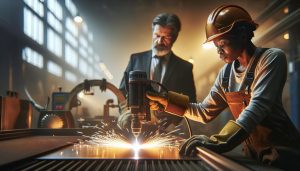
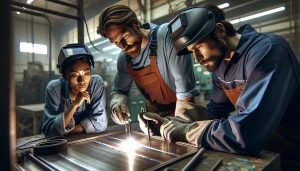
Did you know that plasma cutters are not just for fabricating aluminum or mild steel? They can effectively cut stainless steel as well, which is invaluable for many metalworking projects. Whether you’re a seasoned welder or a DIY enthusiast, understanding the capabilities of plasma cutting technology can significantly enhance your skills and project outcomes. Cutting stainless steel with a plasma cutter involves specific techniques and settings to achieve clean, precise cuts while preventing damage to the material. With the right approach, you can tackle everything from intricate designs to larger components seamlessly. In this article, we’ll delve into the essential tips and tricks for mastering plasma cutting on stainless steel, ensuring you maximize efficiency while maintaining the integrity of your work. Continue reading to discover how to elevate your cutting process and achieve professional-quality results.
Understanding Plasma Cutters: Basics and Functionality

Plasma cutters are powerful tools that leverage ionized gas (plasma) to cut through conductive materials with remarkable precision and efficiency. Understanding how they function unveils a range of possibilities for metalworking. Plasma cutting operates by generating an electric arc between a tungsten electrode and the metal being cut. This high-temperature arc melts the metal, while a high-velocity jet of ionized gas blows away the molten material, resulting in a clean cut. The effectiveness of this method is evident in its versatility, as it can cut metals ranging from mild steel to aluminum and, notably, stainless steel.
One of the primary advantages of plasma cutting is its speed and capability to handle thick materials, making it suitable for industrial applications. For example, where traditional methods like oxy-fuel can struggle with thicker metals, plasma cutting can maintain a consistent cutting speed and quality. However, users must consider the quality of the plasma cutter, as variations in power and technology directly influence the cutting performance and the finish of the cut edges.
When it comes to cutting stainless steel, specific considerations must be taken into account, including the plasma cutter’s amperage and the type of nozzle used. A higher amperage is typically necessary for thicker stainless steel sections to achieve optimal cutting speeds and quality. Moreover, the gas used-such as compressed air or nitrogen-can significantly impact the quality of the cut; nitrogen, for instance, creates a more oxidization-free edge.
To sum up, users need to familiarize themselves with the operational aspects and best practices of plasma cutters, especially when tackling materials like stainless steel. Proper settings, combined with an understanding of the metal’s properties and the cutter’s capabilities, lead to effective and precise cuts, enhancing overall productivity and reducing material waste.
Can Plasma Cutters Effectively Cut Stainless Steel?

Plasma cutters have proven to be highly effective tools for slicing through stainless steel, a material known for its toughness and durability. Their ability to deliver clean, precise cuts stems from the high-temperature arc created between the cutter’s electrode and the metal surface. This process efficiently melts stainless steel and blows away the molten material, resulting in a smooth finish. When equipped with the right settings and techniques, plasma cutters can tackle both thin and thick stainless steel sections, making them essential in various metalworking applications.
To maximize effectiveness, users should consider specific factors such as the cutter’s amperage and the nozzle type used. A higher amperage is generally more effective for cutting thicker stainless steel, while a precision nozzle can enhance focus and reduce the heat-affected zone, thereby improving cut quality. Additionally, the choice of gas plays a significant role; for instance, using nitrogen instead of air can minimize oxidation, leading to cleaner edges and reducing post-cutting cleanup.
When embarking on a project involving stainless steel, it’s crucial to adjust the plasma cutter’s settings to match the material’s thickness and type. Understanding the interplay of power settings, travel speed, and gas composition will enable operators to achieve optimal cutting results. By leveraging these insights, plasma cutters can deliver fast, efficient performance, making them preferred tools in both professional workshops and DIY applications where stainless steel cuts are needed.
Key Factors Influencing Cutting Performance
When it comes to achieving optimal cutting performance with plasma cutters, several key factors play a vital role. Understanding these elements ensures that fabricators can maximize efficiency while maintaining the integrity of the stainless steel being cut.
One of the primary considerations is the amperage setting on the plasma cutter. Higher amperage allows for deeper penetrations and more efficient cutting, especially when working with thicker stainless steel materials. However, it’s essential to balance the amperage with the thickness of the material to prevent excessive heat buildup, which can lead to warping or distorting the metal. Additionally, using the correct nozzle type can significantly impact the quality of the cut. Precision nozzles, for instance, focus the arc better and can produce narrower kerfs, thereby reducing the heat-affected area and yielding cleaner cuts.
Furthermore, the choice of plasma gas greatly influences cutting performance. Using gases like nitrogen or argon instead of plain air can help prevent oxidation, resulting in smoother edges and minimizing the need for extensive post-cutting cleanup. The cutting speed also must be tailored to suit both the amperage and material thickness; too fast could lead to poor quality cuts while too slow could burn through the material.
To enhance productivity, fabricators should also consider the torch angle and height during the cutting process. Maintaining an appropriate distance between the torch and the material ensures a steady arc and consistent cut quality. Altogether, these factors coalesce to determine how effectively a plasma cutter can slice through stainless steel, making it essential for users to be well-versed in their interdependencies for successful cuts.
Pro Tips for Cutting Stainless Steel with a Plasma Cutter
When it comes to cutting stainless steel with a plasma cutter, precision is key. This versatile tool can handle a range of materials, but mastering the art of plasma cutting on stainless steel requires specific techniques and considerations. One fundamental tip is to ensure that the plasma cutter is correctly set up before beginning. This includes calibrating the amp settings based on the thickness of the steel, as the wrong amperage can affect cut quality and lead to issues like warping. For thicker materials, higher amperage may be necessary, while thinner sections can often be cut effectively with lower settings.
Another valuable tip is to maintain the right torch angle and height. Ideally, the torch should be held at a 90-degree angle to the workpiece, with a distance that allows for an optimal arc stability. If the torch is too close, it can lead to excess splatter, while being too far can cause poor cut quality and excessive heat affected zones. Additionally, experimenting with cutting speeds is crucial; finding the sweet spot for speed depending on the material’s thickness ensures clean, precise cuts without burning through the material.
Utilizing the proper plasma gas also cannot be overstated, as it plays a significant role in achieving a smooth finish. Employing gases like nitrogen or argon for stainless steel can reduce oxidation, thus improving edge quality. Post-cutting cleanup is minimized, leading to more efficient workflow and better results. Lastly, practicing on scrap pieces before moving on to final projects can help in refining techniques and building confidence with the equipment.
By implementing these pro tips, users can enhance their understanding of plasma cutting, ensuring both high-quality results and increased safety throughout the process.
Common Challenges When Plasma Cutting Stainless Steel

When working with plasma cutters on stainless steel, several common challenges can hinder the efficiency and quality of your cuts. One of the most prevalent issues arises from the inherent properties of stainless steel, which has a high thermal conductivity. This characteristic can lead to excessive heat build-up during the cutting process, resulting in warping or discoloration of the material. Adjusting the travel speed and ensuring your plasma cutter is set to the appropriate amperage can help mitigate these effects, promoting a cleaner cut.
Another significant challenge is managing the oxidation that occurs when cutting stainless steel. Unlike other metals, stainless steel can develop an oxide layer that adversely affects the aesthetics of the cut edge. To combat this, utilizing pure nitrogen or argon as a cutting gas can greatly reduce oxidation, resulting in smoother and cleaner edges. Additionally, maintaining the proper torch height and minimizing travel speed are crucial steps to reducing oxidation and achieving precise cuts.
Moreover, the thickness of the stainless steel plays a vital role in the complexity of cutting. As thickness increases, the tendency to experience issues such as dross formation-excess molten material that solidifies along the cut edge-also rises. To counter this, it is advisable to perform test cuts on scrap pieces to refine settings and establish the optimal cutting parameters based on the material’s thickness.
Finally, operator skill and experience can greatly influence the outcome. Beginners may struggle with maintaining a steady hand, leading to inconsistent cuts. Utilizing practice pieces to hone skills can build both confidence and precision, allowing the operator to tackle more complex cuts with finesse. By addressing these challenges through careful consideration of techniques and settings, users can enhance both the efficiency and quality of their stainless steel plasma cutting projects.
Essential Safety Protocols for Plasma Cutting
Plasma cutting is an efficient method for slicing through stainless steel, yet it comes with its own set of risks that require attention to safety. From electrical hazards to fumes generated during cutting, adhering to safety protocols is paramount to ensuring a secure working environment. Initiating proper safety measures not only protects the operator but also those working in proximity.
Before commencing any cutting tasks, it is essential to don appropriate personal protective equipment (PPE). This includes a quality welding helmet with the right shade to protect your eyes from harmful UV and IR radiation, as well as gloves that can resist heat and cuts. Additionally, wearing flame-resistant clothing will safeguard your skin from sparks and molten metal, while steel-toed boots will protect your feet from falling equipment and materials.
Preparation and Area Setup
Proper preparation of the work area can significantly reduce risks. Here are key considerations to keep in mind:
- Ventilation: Ensure the workspace is well-ventilated to disperse harmful fumes and gases produced during the cutting process.
- Clear Surroundings: Remove any flammable materials and clutter from the workspace to prevent accidental fires and improve maneuverability.
- Grounding the Equipment: Verify that the plasma cutter is properly grounded to prevent electrical shocks.
Operational Safety
Even with proper gear and environment preparation, operational safety must also be prioritized. Here are practical tips to ensure safety during the cutting process:
- Inspect Equipment: Regularly check your plasma cutter for any wear and tear or malfunctioning parts before use.
- Keep Hands Clear: Maintain a safe distance from the cutting area with both hands and avoid positioning your body parts in the path of the plasma arc.
- Stay Focused: Concentrate on the cutting process and avoid distractions, as they can lead to mistakes that may cause injury.
Implementing these essential safety protocols will not only enhance your cutting efficiency but also create a safer environment for everyone involved. Proper awareness and responsibility can turn plasma cutting into a manageable and satisfying task, minimizing the potential for accidents and injuries.
Choosing the Right Plasma Cutter for Stainless Steel
Choosing the right plasma cutter is critical for achieving optimal results when working with stainless steel. Given the unique properties of stainless steel, it’s essential to select a machine that can handle its specific challenges. A plasma cutter’s amperage, duty cycle, and type of gas used all influence its cutting capabilities and efficiency, especially when dealing with thicker or more reflective materials like stainless steel.
The amperage is one of the most significant factors in determining a plasma cutter’s effectiveness. For cutting stainless steel, a machine with a higher amperage rating (typically 40A or above) is recommended to ensure clean and precise cuts, particularly for material over 1/4 inch thick. Additionally, consider the duty cycle of the machine, which indicates how long it can operate continuously at a given amperage before needing to cool down. For high-volume work or extensive projects, a plasma cutter with a higher duty cycle will improve efficiency and reduce downtime.
Gas selection is also vital; while many plasma cutters utilize air, adding an oxygen or nitrogen blend can yield better results on stainless steel. This combination can enhance the cut quality and speed, particularly on thick materials. Moreover, consider the cutter’s portability based on your workspace. Some projects may require moving the cutter frequently, and selecting a lightweight or compact model can facilitate this without compromising cutting performance.
Lastly, it’s advisable to read reviews and seek recommendations from experienced welders or fabricators. Their insights can guide you toward reliable brands and models that excel in cutting stainless steel. Look for features such as advanced controls, consumable access, and warranties which can provide additional assurance of quality. Investing the time to choose the right plasma cutter tailored to your specific needs will ultimately yield better cutting performance and more satisfactory results.
Comparing Plasma Cutters with Other Cutting Methods

While plasma cutters are revered for their ability to slice through stainless steel with precision, the comparison with other cutting methods reveals a spectrum of options that may suit different applications. Understanding the strengths and limitations of these alternatives can better inform your choice of equipment based on specific project requirements.
MIG (Metal Inert Gas) welding is often favored for its versatility in both welding and cutting metal. This method utilizes a continuous wire feed and a shielding gas, making it ideal for thicker stainless steel materials. While MIG welding can produce strong welds, it is typically less efficient in cutting thick sheets compared to plasma cutting. Plasma cutters can transition between cutting and welding tasks more quickly, reducing project timelines when speed is essential.
TIG (Tungsten Inert Gas) welding is another common technique primarily used for welding rather than cutting. It offers superior control and precision, making it a preferred choice for intricate work on thinner stainless steel. However, when it comes to cutting capabilities, TIG is often slower and less efficient than plasma cutting, especially on thicker materials. For projects where exact cuts and fine detail are needed, TIG welding can be combined with plasma cutting to maximize both cutting and finishing quality.
For those considering oxy-fuel cutting, it’s important to recognize its suitability for thicker materials, but also its limitations regarding stainless steel. While oxy-fuel can efficiently cut carbon steel, it may lead to oxidation and discoloration on stainless steel surfaces, requiring additional finishing work. In contrast, plasma cutting does not introduce heat-affected zones to the same extent, preserving the quality of the cut and reducing the need for post-processing.
Incorporating a comparison table can illustrate key differences further:
| Cutting Method | Efficiency | Precision | Material Suitability | Post-Cutting Treatment |
|---|---|---|---|---|
| Plasma Cutting | High | Very High | Stainless Steel, Aluminum, etc. | Minimal |
| MIG Welding | Moderate | Moderate | Steel, Stainless Steel | Potential cleanup required |
| TIG Welding | Low | Exceptional | Thin Stainless Steel | Minimal, but slower |
| Oxy-Fuel Cutting | High for Thick Steel | Moderate | Carbon Steel | Extensive |
Ultimately, the choice between plasma cutters and other methods hinges on factors such as material thickness, desired precision, and project timeline. Whether for detailed artistic work or high-volume industrial cutting, understanding these methods can optimize your approach to fabricating stainless steel components effectively.
Best Practices for Preparing Stainless Steel for Cutting
To achieve optimal results when plasma cutting stainless steel, thorough preparation of the material is essential. A clean, well-prepared workpiece not only enhances the quality of the cut but also helps reduce wear on the equipment and improves safety during the cutting process. Therefore, here are several best practices for preparing stainless steel before engaging in plasma cutting.
Begin by ensuring that the stainless steel surface is free from contaminants such as oil, grease, rust, and paint. Any residue on the metal can interfere with the cutting process and might result in a poor-quality cut. Use solvents or degreasers for cleaning and follow up with a lint-free cloth to remove any leftover cleaning agents. It’s critical that you give priority to removing any thin oxide layers that can form on stainless steel, as these may prevent efficient cutting and lead to rough edges.
Next, accurately marking the cutting lines is another vital step in preparation. Utilize a fine-tip permanent marker or a scribe to delineate your cutting path directly on the stainless steel. This will provide a clear guide as you operate the plasma cutter. For complex cuts or intricate designs, consider using templates or jigs to ensure precision throughout the cutting process.
Properly securing the stainless steel piece is equally important; it minimizes vibration and movement, leading to cleaner cuts. Employ clamps or fixture systems designed for holding metal securely in place. Additionally, consider the cutting environment. Ensure good ventilation and minimize exposure to flammable materials.
Finally, if you’re cutting thicker sheets of stainless steel, setting the plasma cutter to the right amperage based on the thickness of the material is essential. Consult the manufacturer’s guidelines for optimal performance, as being under or over the recommended settings can affect the cleanliness of the cut.
By following these preparations, welders from novices to experts can ensure they make precise, clean cuts with minimal post-processing required, enhancing both safety and productivity in stainless steel projects.
Post-Cutting Techniques for Polishing and Finishing
After plasma cutting stainless steel, the quality of your final product significantly depends on the post-cutting techniques applied. Even the cleanest cuts can leave rough edges or discoloration that require attention for achieving a polished, professional finish. One effective method to enhance the appearance and integrity of your cuts involves deburring and grinding the edges. This process involves removing jagged edges or burrs created during cutting, which can be accomplished with a variety of tools, including angle grinders with flap discs, deburring tools, or even hand files, depending on the size and precision needed.
Another critical aspect of post-cutting work is the surface finishing technique you choose. For a sleek, reflective finish commonly desired in stainless steel applications, employing a satin finish or mirror polishing can elevate the aesthetics of the piece. This can be achieved through successive stages of abrasive polishing, starting with coarser grits and moving to finer grits to eliminate scratches and imperfections. In circumstances where time is of the essence, power polishing tools can expedite this process, making it easier to achieve a uniform finish.
Cleaning and Passivation
After grinding and polishing, it’s essential to clean the stainless steel thoroughly to remove any residual debris or contaminants from the cutting and finishing processes. Using a mild detergent followed by a rinse with clean water helps ensure that all residues are removed from the surface. To further enhance the corrosion resistance of the stainless steel, consider applying a passivation solution. This chemical treatment re-establishes the protective oxide layer that may have been compromised during cutting and finishing.
Final Inspection
Conducting a thorough inspection of your workpiece post-cutting is a vital step before moving on to assembly or installation. Check for dimensional accuracy against your specifications, ensuring that each cut fits perfectly within the intended design parameters. Look for any signs of warping or heat discoloration caused by the plasma cutting process. Each of these factors plays into the overall integrity and performance of your final product, ensuring that it meets the desired aesthetic and functional requirements.
By integrating these essential post-cutting techniques, you not only refine the look of your stainless steel workpieces but also increase their longevity and performance in their intended applications, resulting in quality output that upholds your welding standards.
Maintaining Your Plasma Cutter for Optimal Performance
To ensure that your plasma cutter operates at its best, regular maintenance is essential. A well-maintained plasma cutter not only extends the life of the equipment but also enhances cutting performance, especially when working with stainless steel, where precision is paramount. One of the first steps in maintenance involves routinely inspecting and cleaning the cutting torch and nozzle. Residue build-up can lead to inconsistent cuts, so keeping these components clean ensures optimal gas flow and arc stability.
Another crucial aspect is monitoring the consumables. Nozzles, electrodes, and other consumables wear out over time and can directly influence the quality of your cuts. Regularly check these parts for signs of wear and replace them as necessary. A good rule of thumb is to replace the nozzle once it shows a significant amount of wear-this can prevent uneven cuts and unnecessary adjustments during your work.
Proper Storage and Environmental Considerations
When not in use, store your plasma cutter in a cool, dry place. Exposure to moisture can lead to corrosion and electrical issues, particularly impacting the internal components. Additionally, verify that all connections are tight and free from corrosion, as loose or corroded connections can disrupt the electrical flow and reduce cutting efficiency.
Finally, always refer to the manufacturer’s manual for specific maintenance protocols and guidelines tailored for your model. Adhering to these recommendations can prevent potential hazards and contribute to peak performance during operations, particularly when cutting demanding materials like stainless steel. Taking these steps seriously enhances not just the effectiveness of the cutting process but also ensures longevity and reliability of your plasma cutter.
Faq
Q: Can I use a plasma cutter for all types of stainless steel?
A: While plasma cutters can cut various types of stainless steel, their effectiveness varies. Thicker materials or high-alloy stainless steels may require specialized settings or more powerful models. Refer to your plasma cutter’s specifications and adjust the amperage and speed accordingly for optimal results.
Q: What thickness of stainless steel can a plasma cutter handle?
A: A plasma cutter can typically handle stainless steel thicknesses ranging from 1/16 inch to several inches, depending on the cutter’s power output and capabilities. Check your manufacturer’s guidelines for specific limitations and performance expectations.
Q: What are the best practices for maintaining a plasma cutter?
A: Regular maintenance of your plasma cutter includes checking and replacing consumables, cleaning the torch and nozzle, and ensuring proper air filtration. Following these steps will help maintain optimal cutting performance and prolong the life of the equipment.
Q: How does cutting speed affect the quality of plasma-cut stainless steel?
A: Cutting speed critically impacts cut quality; too fast may cause rough edges and excessive slag, while too slow can lead to overheating and warping. Adjust speed based on thickness and material type for the best finish, and monitor results during practice cuts.
Q: Why is proper gas pressure important for cutting stainless steel?
A: Proper gas pressure is essential for creating the right arc stability and precision in a plasma cutter. Insufficient pressure can lead to incomplete cuts and poor quality, whereas too high pressure can cause excessive splatter and rough edges. Always set gas according to the manufacturer’s specifications.
Q: What safety gear is recommended when using a plasma cutter?
A: When using a plasma cutter, it’s crucial to wear proper safety gear, including gloves, safety glasses with side shields, flame-resistant clothing, and a welding helmet with an appropriate shade. This protects against sparks, UV radiation, and fumes.
Q: Can I plasma cut stainless steel indoors?
A: Plasma cutting stainless steel indoors is possible, provided proper ventilation is maintained to dissipate fumes and harmful gases. Ensure adequate airflow and consider using fume extractors to promote a safe working environment.
Q: How can I improve my plasma cutting technique on stainless steel?
A: To improve plasma cutting technique on stainless steel, practice adjusting the torch angle, maintain a steady hand, and experiment with different speed and amperage settings. Additionally, reviewing your cuts using a microscope can help identify areas for improvement.
The Way Forward
In conclusion, plasma cutters are indeed capable of slicing through stainless steel with precision, provided you understand the key techniques and settings. As you refine your skills, consider exploring our detailed guides on MIG and TIG welding for further growth in various techniques. Don’t forget to check out our reviews on the best plasma cutting equipment to ensure you’re using the right tools for your projects.
Ready to take the next step? Join our newsletter for exclusive tips and resources tailored to both beginners and seasoned welders. If you have any lingering questions or insights, drop a comment below-your experience could benefit others in the community! Remember, mastering welding techniques expands your capabilities, so keep exploring our site for more valuable content. Stay safe and keep cutting!