When it comes to plasma cutting, understanding the role of an air compressor is crucial for optimal performance. Did you know that the right compressor can significantly enhance cutting speed and quality? For hobbyists and professionals alike, selecting the appropriate equipment not only improves efficiency but also ensures safety and precision. Plasma cutters rely on compressed air to generate the plasma arc, making a compatible air compressor essential for effective operation. If you’re a welder or DIY enthusiast, knowing whether you need an air compressor for your plasma cutter can save you time, money, and frustration. Join us as we explore the intricacies of plasma cutters and the vital role air compressors play in achieving optimal cutting results.
Do You Really Need an Air Compressor for a Plasma Cutter?
To effectively harness the power of a plasma cutter, understanding the necessity of an air compressor becomes crucial. Plasma cutting relies on a high-temperature plasma arc to melt and sever metal, and an essential aspect of this process is the introduction of compressed air. This air serves dual purposes: it not only carries the plasma arc but also acts as a cooling agent, ensuring clean cuts and preventing slag buildup. While some plasma cutters are designed to operate without an external air supply-often referred to as ‘compressor-less’ models-most require a consistent airflow to achieve optimal performance and results.
Choosing the right air compressor when using a plasma cutter is fundamental to ensuring smooth operation. Typically, these machines demand a relatively high volume of air, measured in cubic feet per minute (CFM), especially at a specific pressure (usually around 90 PSI). As a guideline, a compressor that can deliver at least 4 to 6 CFM will adequately support most plasma cutting applications. However, opting for a compressor with more capacity often provides additional benefits like reduced strain on the equipment and extended operational periods.
It’s vital to address common misconceptions as well. Many beginners might assume that any air compressor will suffice, but compressor specifications determine your plasma cutter’s effectiveness. Insufficient air supply can lead to erratic cutting, increased wear on the torch, and ultimately, unsatisfactory results. Therefore, for serious metalworking and fabrication tasks, integrating an air compressor into your setup is not just recommended-it’s essential for achieving professional-quality cuts and efficient operation.
Understanding Plasma Cutter Operation and Power Requirements

Plasma cutters are remarkable tools that harness the power of electricity to create ultra-hot plasma, capable of slicing through various types of metal with precision. At the core of their operation lies the combination of electrical energy and great volumes of compressed air, fundamentally shaping the performance and outcomes of your cutting activities. Understanding how plasma cutters work and the power requirements involved is essential, especially for those looking to integrate air compressors into their setup.
To initiate the plasma cutting process, electricity is fed through an electrode, ionizing the air and creating a plasma arc. This arc reaches temperatures that can exceed 20,000°F, allowing it to efficiently melt metal. However, the introduction of compressed air is not just a supplementary feature; it is a critical component that supports this high-temperature arc. The air serves a dual role-acting as both a carrier for the plasma and a means of cooling. Proper air pressure ensures that the plasma flow is stable and concentrated enough to produce clean, precise cuts. Typically, a plasma cutter will require air at around 90 PSI, depending on the specific model and power output.
Selecting the right air compressor is vital to achieving optimal performance. Most plasma cutting applications require a compressor that provides a minimum airflow rate of between 4 to 6 cubic feet per minute (CFM). For professionals who rely on continuous operation and quality cuts, choosing a compressor with a higher CFM rating is advisable. This not only ensures a steady supply of air during operation but also minimizes the cycle of the compressor, prolonging its service life. Inadequate airflow can lead to inconsistent cuts, increased wear on the consumables, and can even result in damage to the cutter itself, making it essential to match your compressor’s capacity to your plasma cutter’s requirements.
In summary, while plasma cutters can operate in a variety of conditions, their efficacy is heavily reliant on the interplay of power and air supply. By understanding these operational dynamics, operators can not only enhance their cutting capabilities but also mitigate wear and improve the overall efficiency of their projects. Whether you’re a hobbyist or a seasoned professional in metalworking, paying close attention to the power and airflow requirements of your equipment will lead to superior cutting outcomes.
Exploring Different Types of Air Compressors for Plasma Cutting
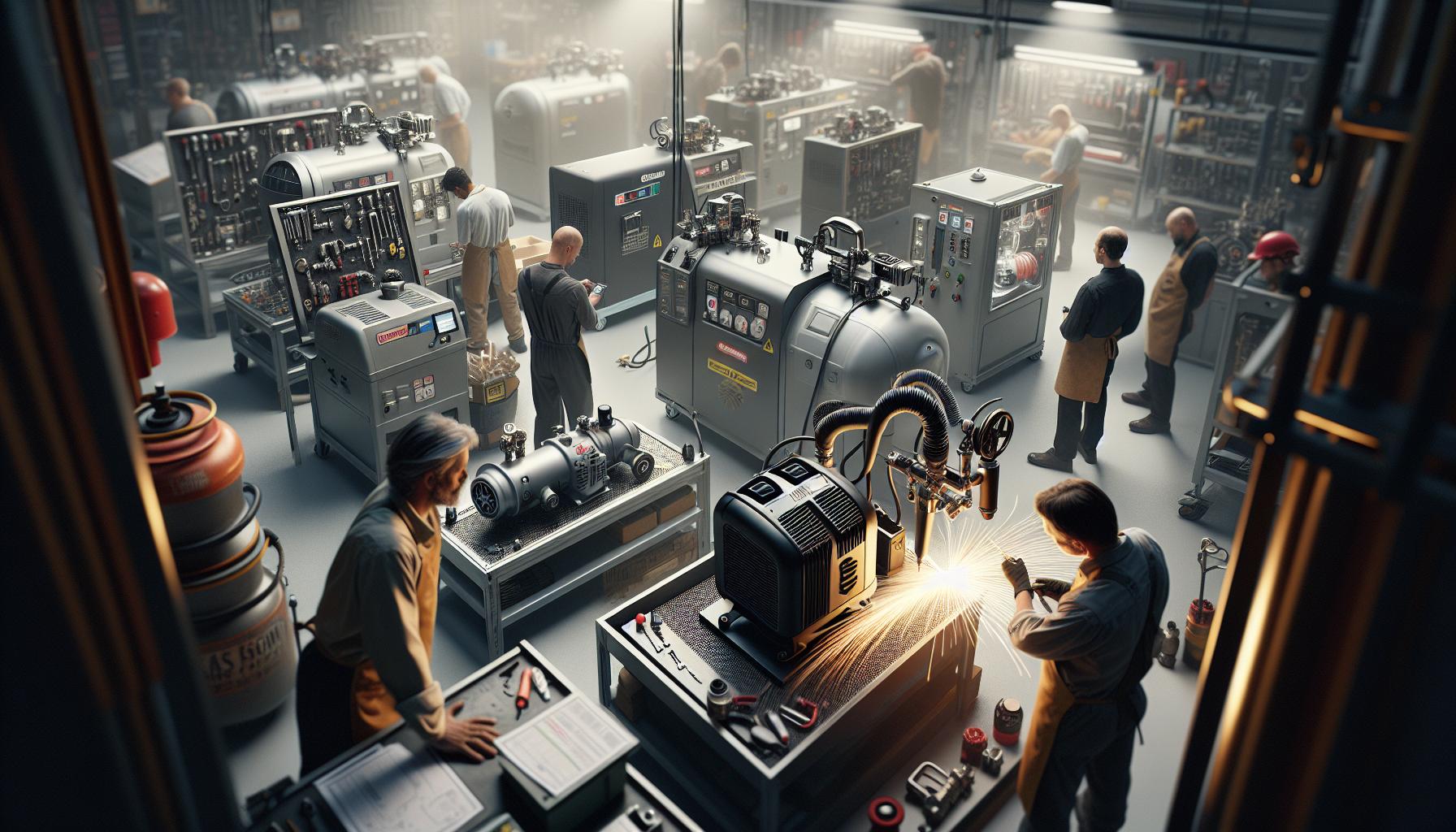
Air compressors are essential companions for plasma cutters, enhancing their functionality and ensuring the quality of cuts. Understanding the various types of air compressors available allows operators to select the best fit for their plasma cutting needs, leading to improved performance and efficiency. Whether you’re tackling metals in a busy workshop or engaging in DIY projects, choosing the right compressor can make all the difference.
There are several types of air compressors suitable for plasma cutting, each offering unique advantages. The most commonly used are reciprocating (piston) compressors, which are particularly popular due to their availability and affordability. These compressors use pistons driven by a crankshaft to compress air and are generally capable of producing higher pressures, which is beneficial for plasma cutting applications requiring a minimum of 90 PSI. However, they can be noisy and less suitable for continuous operation due to the heat generated during use.
Another option is rotary screw compressors, which utilize a pair of helical screws to compress the air continuously. These compressors are ideal for heavy-duty applications where extended operation is required. They provide a stable airflow at consistent pressure, making them a favorite for professional settings where reliability is key. Their higher initial cost can be justified by their long lifespan, quieter operation, and efficiency in handling large volumes of air.
For those in smaller shops or hobbyists, portable air compressors can be an excellent choice. These compact units are lightweight and easy to move but may not produce the high CFM required for extensive plasma cutting tasks. Ensure to check the specifications for CFM and PSI ratings to confirm they meet your plasma cutter’s needs. Combining portability with adequate performance, they serve well for light to moderate cutting jobs.
When selecting an air compressor, it’s crucial to consider the specific needs of your plasma cutting projects. Look for models that provide sufficient airflow and PSI while also considering factors such as noise level, portability, and power consumption. This thoughtful selection process helps ensure that your plasma cutting experience is not only productive but also enjoyable.
Key Factors in Choosing an Air Compressor for Your Plasma Cutter
Understanding the crucial relationship between your plasma cutter and its air supply can significantly impact the quality and efficiency of your projects. Selecting the appropriate air compressor is essential for optimal performance, and several key factors should guide your decision. These factors ensure that you are equipped with the right tools to tackle various materials and cutting demands effectively.
When evaluating air compressors for plasma cutting, the first aspect to consider is airflow requirements. Plasma cutters require a specific cubic feet per minute (CFM) rating to function properly. Make sure your compressor can deliver enough CFM at the necessary pressure, typically around 90 PSI for most plasma cutting applications. This requirement means that a compressor with an insufficient airflow can lead to erratic arc stability and subpar cutting quality, resulting in wasted time and materials.
Another important factor is tank size. Compressors come with different tank capacities, which can influence both the duration and the consistency of your cutting work. A larger tank holds more compressed air, allowing for longer uninterrupted cutting sessions before the compressor needs to refill. On the other hand, smaller tanks may suit hobbyists or light-duty tasks, where portability and ease of transport are more critical than extensive cutting sessions.
Noise levels are also a consideration, especially for those working in confined spaces or residential areas. Many industrial-grade compressors can be quite loud, which could lead to discomfort or even hearing damage over time. Look for models designed with quieter operations if noise is a concern. Additionally, portability can play a significant role, especially for mobile welding setups. Evaluate your workspace and consider whether a stationary or portable air compressor would be the better fit based on your specific needs.
Finally, choosing a reputable brand with strong warranty support can provide peace of mind. Quality compressors often come with extended warranties, ensuring that you are covered in case of failure or defects. When you decide to invest in an air compressor for your plasma cutting needs, it is worthwhile to assess these considerations thoroughly to make an informed and beneficial choice that enhances your cutting operations.
The Benefits of Using an Air Compressor with a Plasma Cutter
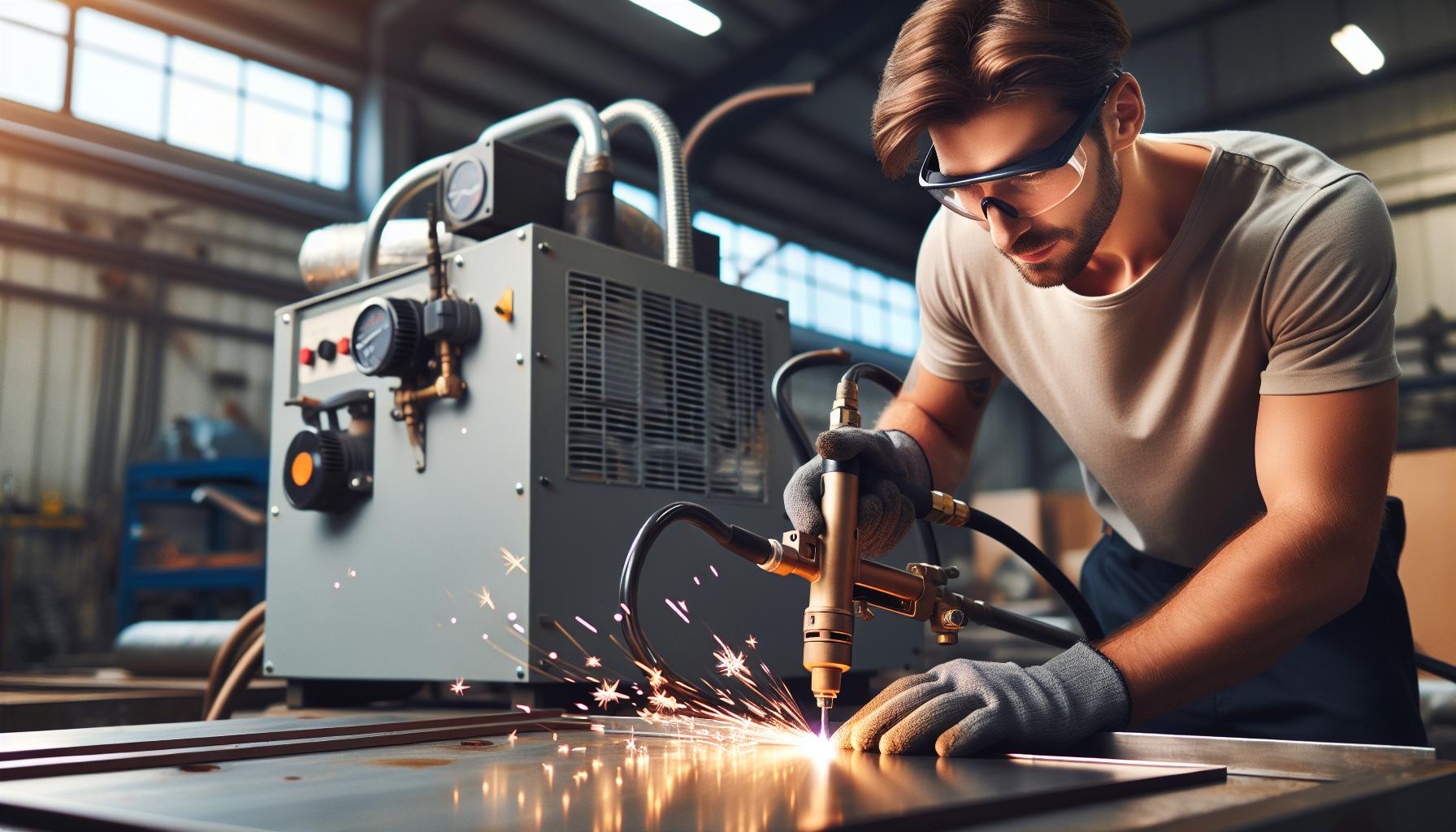
Utilizing an air compressor with a plasma cutter can significantly enhance the overall cutting experience, leading to higher quality results and greater efficiency. Plasma cutting relies on a high-velocity jet of ionized gas to melt and expel materials, and the presence of a consistent, high-quality air supply is absolutely crucial for optimal performance. One of the primary benefits of using an air compressor is its ability to provide the necessary airflow, measured in cubic feet per minute (CFM), at a stable pressure. This stability ensures that the arc remains steady, resulting in smoother cuts and improved precision, especially when working with tougher materials like stainless steel or aluminum.
Improved Cutting Quality
Air compressors play a vital role in producing a clean cut free from dross, which is a common issue when insufficient air pressure or inconsistent airflow disrupts the plasma cutting process. A good air compressor can help maintain a uniform cutting speed and enhance the quality of the cut, reducing the need for post-processing work such as grinding or cleaning. This improvement in cutting quality not only saves time but also enhances the aesthetically pleasing finish of the project, which is particularly important in applications such as metal art or detailed fabrication work.
Increased Productivity
Another benefit of incorporating an air compressor into your plasma cutting setup is the increase in productivity it facilitates. With a compressor that provides a constant air supply, operators can cut for longer durations without interruption. This advantage is especially notable for high-volume cutting operations or projects requiring multiple cuts in a short timeframe. Furthermore, the ability to work continuously reduces downtime for refilling or addressing air supply issues, which is critical for meeting deadlines and maximizing the output in both professional and hobbyist environments.
Versatility and Extended Lifespan
Air compressors also contribute to the versatility of plasma cutters. By having a dedicated air source, plasma cutters can be utilized in various applications, from automotive repair to art metalwork, without the need for modification or reliance on alternative air sources. Moreover, using a high-quality air compressor can prolong the lifespan of the plasma cutting equipment. Consistent, filtered air supply reduces wear and tear on the internal components of the plasma cutter, preventing costly repairs and extending the overall life of your tools.
In summary, integrating an air compressor with a plasma cutter is not merely beneficial but essential for achieving superior cutting performance. The combination enhances the quality, productivity, and longevity of your plasma cutting system, making it a wise investment for anyone serious about metalworking.
Common Misconceptions About Plasma Cutters and Air Supply
A common misunderstanding surrounding plasma cutters is the belief that they can operate optimally without an air compressor. While some entry-level models might feature built-in air systems, relying solely on those capabilities can lead to significant quality issues, particularly when tackling tougher metals. In reality, a dedicated air compressor enhances performance, providing the stable airflow necessary for a consistent and effective cutting arc. Understanding these nuances can make a substantial difference in both the quality of work and the longevity of the equipment.
Another prevalent misconception is that any air compressor will suffice for plasma cutting applications. This is far from the truth, as different plasma systems require specific airflow rates, measured in cubic feet per minute (CFM), as well as pressure levels. Using an undersized compressor can lead to inconsistent cuts and premature wear on the plasma cutter. When selecting an air compressor, it is crucial to match its capabilities with the specifications of the plasma cutter to ensure optimal operations.
Some operators also presume that maintenance of the air compressor is less critical than for the plasma cutter itself. This notion can lead to serious performance issues, including decreased airflow and increased moisture in the air supply, which can damage the plasma cutter’s components over time. A well-maintained air compressor with appropriate filtration is essential to protect against harmful contaminants and ensure a steady airflow, thereby safeguarding the cutting tool’s efficiency and lifespan.
Lastly, beginners often think that expanding their cutting capabilities means needing more advanced plasma equipment rather than investing in quality air supply solutions. The truth is that a well-chosen air compressor with a stable output can expand the operational versatility of both beginner and advanced plasma cutters. This addition not only enhances overall cutting efficiency but also allows for a broader range of applications, from intricate art projects to industrial-scale operations, thereby making it a strategic investment for any metalworking endeavor.
Essential Maintenance Tips for Plasma Cutters and Compressors
Regular maintenance of your plasma cutter and air compressor is critical to ensure optimal performance, enhance longevity, and maintain safety during operations. A little proactive care can go a long way in preventing costly repairs and downtime, particularly when working on professional projects. Here are some essential maintenance tips to keep your equipment running smoothly.
First, check and clean the air filters on your air compressor regularly. Dust and debris can accumulate in the filters, restricting airflow and increasing pressure on the system. Keeping these filters clean ensures that your compressor operates efficiently, which is vital for the consistent performance of your plasma cutter. Additionally, ensure that the compressor’s drain valve is opened periodically to remove any moisture buildup. Excess moisture can damage the plasma cutter’s internal components and affect the quality of your cuts.
Next, inspect the torch and consumables of the plasma cutter frequently. Look for signs of wear or carbon build-up on the nozzle and electrode. Replacing these components as needed will help maintain the cutting precision and reduce the chances of arc failure. Make it a habit to clean the torch after every use, using a soft cloth to wipe down the nozzle and checking for any debris that could obstruct airflow.
Regular Lubrication and Inspection
Maintaining proper lubrication in mechanical components cannot be overlooked. Check your plasma cutter for any moving parts that require lubrication. Use the manufacturer-recommended oils and lubricants to avoid any compatibility issues, ensuring smooth operation and reducing wear.
Moreover, schedule regular inspections of both the plasma cutter and the air compressor for any signs of physical damage or leaks. Look for cracks, loose wires, and other issues that might indicate wear or malfunction. A quick visual inspection before each use can save you from major repairs later on.
Safety Tip
Always prioritize safety by ensuring that you are properly trained in handling these machines. Keep your workspace clean and free of flammable materials, and ensure that safety gear is worn during operation. Understanding how to manage and maintain your tools correctly will not only extend their lifespan but will also enhance your safety and productivity on the job.
By following these maintenance tips diligently, you can ensure that your plasma cutting operations are efficient, safe, and effective, allowing you to focus on your craft without interruption.
Safety Protocols When Using Plasma Cutters with Air Compressors
Using a plasma cutter combined with an air compressor can be an efficient way to achieve precise cuts in various materials, but safety should always be the top priority during operations. One critical aspect of safety is the proper handling of compressed air systems, as improper use can lead to hazardous situations. Operators should ensure they are adequately trained and familiar with the equipment being used. This includes reading the manufacturer’s manual and attending relevant training if new to plasma cutting or air compressor systems.
Prior to starting any cutting operation, it is crucial to perform a safety check on both the plasma cutter and the air compressor. Verify that all connections are secure to prevent air leaks, which can affect performance and safety. Additionally, inspect hoses and fittings for any signs of wear or damage. Disconnecting the compressor when not in use prevents accidental activation, reducing the risk of air blasts that could lead to injuries.
When operating a plasma cutter, proper personal protective equipment (PPE) is essential. Always wear safety goggles or a face shield to protect against flying metal particles and arc flash. Flame-resistant clothing should be worn to shield against sparks, and gloves designed for electrical work can help protect hands. Ensure that the workspace is clear of flammable materials, flammable gases, or vapors that could ignite from the heat produced by the plasma arc.
An essential safety protocol involves maintaining good ventilation in the work area. Plasma cutting generates harmful fumes and gases, so using the equipment in a well-ventilated space or under an exhaust hood is advisable. Ensure that the air compressor is positioned adequately to avoid overheating; compressors can generate heat and should never be placed on flammable surfaces. Additionally, keep a fire extinguisher nearby that is rated for metal fires, as molten metal can ignite materials unexpectedly.
In summary, being aware of safety protocols, conducting regular equipment checks, wearing appropriate PPE, ensuring proper ventilation, and maintaining a clean work area are vital practices when using a plasma cutter with an air compressor. By following these safety measures, operators can significantly reduce the risk of accidents and injuries, ensuring a safer working environment.
Comparing Performance: Plasma Cutter With vs. Without Air Compressor
The performance of a plasma cutter can vary significantly depending on whether it is used in conjunction with an air compressor. Understanding these differences can directly affect the quality and efficiency of your cutting projects. When a plasma cutter operates with an air compressor, the compressed air serves as the plasma gas, enabling the arc to cut through metal materials more effectively. The pressurized air creates a more concentrated arc, leading to cleaner cut edges and faster cutting speeds. This is especially crucial when working with thicker materials, where a stable and powerful air supply can ensure consistent performance and deeper penetration.
In contrast, using a plasma cutter without an air compressor can lead to several limitations. While some plasma cutting machines are designed to operate without an external air source, relying solely on internal compressed air often means sacrificing cutting speed and quality. If the air supply is insufficient or inconsistent, the arc may fluctuate, causing poor cut quality characterized by excessive slag and rough edges. Additionally, the inability to achieve the necessary plasma gas flow can hinder performance when cutting thicker metals, resulting in increased operational time and potential workpiece damage.
Furthermore, there are safety and operational implications to consider. A plasma cutter that utilizes an air compressor offers better ventilation control as airflow helps dissipate fumes generated during cutting. Without this airflow, hazardous gases can accumulate, creating unsafe working conditions. Thus, integrating an air compressor not only enhances cutting performance but also contributes to a safer working environment.
In summary, for optimal performance and safety during plasma cutting, the combination of a plasma cutter and an appropriate air compressor is highly recommended. The investment in a quality air compressor can lead to cleaner cuts, improved efficiency, and a reduction in hazardous conditions, making it a vital component of the plasma cutting process.
Cost Considerations: Investing in a Quality Air Compressor
Investing in a quality air compressor for plasma cutting can significantly impact performance, efficiency, and safety, making it a crucial decision for both beginners and seasoned welders. A high-quality air compressor not only supplies the necessary compressed air to maintain stable cutting operations but also enhances the performance of your plasma cutter, which can lead to cleaner cuts and reduced rework. Given the pivotal role that an air compressor plays in achieving optimal results, understanding the financial implications and potential long-term savings of your investment is essential.
When considering the cost of an air compressor, it’s important to evaluate several factors. The choice between a portable unit or a stationary model can influence both the initial cost and the operational versatility. While entry-level models may be attractive due to their lower price points, they often come with limitations in terms of air pressure and volume. Investing in a mid-range to high-end compressor may require a larger upfront expenditure but will likely offer increased durability and higher air flow rates, facilitating cutting through thicker materials more efficiently. Additionally, look for compressors with a high duty cycle, as these are designed for extended use, which can be particularly beneficial during larger or more complex projects.
Beyond the initial purchase price, maintenance costs should also be factored into your investment equation. Quality compressors often come with lower maintenance needs and longer service intervals, ultimately reducing ongoing costs. Implementing regular upkeep-such as daily oil checks, filter changes, and periodic inspections-can prevent costly repairs and extend the lifespan of your equipment.
Moreover, a reliable air compressor can enhance productivity, indirectly influencing your overall profitability. Faster and cleaner cuts mean reduced labor time and material waste, translating into financial savings over time. The investment in a reliable air compressor not only pays off in performance and safety but can also contribute to smoother operations, reduced downtime, and improved safety conditions in your workspace.
By understanding these cost considerations, you can make an informed decision that not only meets your immediate needs but also serves your long-term goals in plasma cutting applications. Investing wisely in quality equipment ultimately yields benefits that far outweigh the initial costs.
Troubleshooting Plasma Cutting Issues Related to Air Supply
Immediate issues with plasma cutting often stem from inadequate air supply, which is essential for effective operation. When a plasma cutter lacks a proper air compressor or has an insufficient air supply, it may lead to poor cutting quality or even damage the equipment. Common symptoms of air supply issues include excessive slag buildup, inconsistent arc stability, and a reduced cutting speed. Identifying and addressing these air-related problems can greatly enhance performance and prolong the lifespan of your plasma cutter.
Key Troubleshooting Steps
To diagnose air supply issues effectively, start by checking the air compressor’s output. Ensure that it meets the specifications outlined by your plasma cutter’s manufacturer regarding pressure and flow rate. The most common standard is a minimum of 4 CFM (cubic feet per minute) at around 90 PSI (pounds per square inch). If performance falls below this threshold, consider the following:
- Inspect the Air Filter: A clogged air filter can significantly reduce airflow, compromising performance. Regular cleaning or replacement of filters is essential for maintaining airflow.
- Check Hoses and Fittings: Look for any kinks, leaks, or damage in the air hoses or fittings that could hinder air supply. Replacing damaged hoses can restore proper function.
- Verify Moisture Trap Functionality: Ensure that the moisture trap is functioning correctly, as moisture can cause erratic cutting performance and affect the quality of the cut.
Real-World Examples
An experienced welder may notice that their cuts become jagged and less precise. In many cases, this is due to an air compressor not delivering sufficient air pressure. In contrast, users who maintain their equipment, regularly check for leaks, and ensure that they use a compatible air compressor often report smoother cuts and a more efficient plasma cutting process. A welder encountering erratic performance should first verify that their air supply setup is functioning optimally-sometimes, the solution lies within basic maintenance practices rather than equipment replacement.
In sum, addressing air supply issues is an essential part of maintaining and optimizing a plasma cutting setup. By systematically checking each component of the air supply system, users can identify and resolve problems that hinder performance, ensuring that their plasma cutting remains efficient and effective.
FAQ
Q: Can you use a plasma cutter without an air compressor?
A: Yes, you can use a plasma cutter without an air compressor, but it may not perform optimally. An air compressor provides a steady airflow that enhances cutting efficiency and quality by stabilizing the arc and reducing dross. For best results, consider using one alongside your plasma cutter.
Q: What size air compressor do I need for a plasma cutter?
A: The size of the air compressor required for a plasma cutter typically depends on the cutter’s specifications. Generally, aim for a compressor that can deliver at least 4-6 CFM (cubic feet per minute) at 90 PSI. Always refer to your cutter’s manual for exact requirements.
Q: How does an air compressor improve plasma cutting?
A: An air compressor improves plasma cutting by ensuring a consistent air supply, which stabilizes the plasma arc and enhances cutting precision. This reduces the chances of tungsten contamination and improves the quality of the cut, leading to cleaner edges and less slag.
Q: What are the disadvantages of using a plasma cutter without compressed air?
A: Using a plasma cutter without compressed air can lead to poor cutting performance, increased dross formation, and an unstable arc. It may also cause overheating and damage to the machine over time. For optimal performance, it’s recommended to use an appropriate air compressor.
Q: How can I troubleshoot air supply issues while using a plasma cutter?
A: To troubleshoot air supply issues, first check that your air compressor is functioning properly and delivering the required pressure. Inspect hoses for leaks, ensure proper connections, and check filters and regulators for blockages. Regular maintenance can also prevent air supply issues.
Q: What type of air compressor is best for a plasma cutter?
A: The best type of air compressor for a plasma cutter is a portable, oil-free compressor designed for high CFM output. Direct drive compressors are popular due to their efficiency and minimal maintenance needs. Look for models with pressure ratings suitable for your plasma cutter’s requirements.
Q: When is it necessary to upgrade your air compressor for plasma cutting?
A: Upgrade your air compressor for plasma cutting if you consistently experience reduced cutting quality or if your current compressor fails to meet the required CFM at the appropriate PSI. Additionally, if you plan to increase your cutting capacity or frequency, a more powerful compressor may be needed.
Q: Why do plasma cutters need dry air supply?
A:Plasma cutters need a dry air supply to ensure optimal performance and longevity. Moist air can cause issues such as arc instability and increased wear on components. Using a dryer or moisture filter in your air line helps maintain a clean, dry air supply for consistent cutting results.
In Summary
In summary, understanding whether you need an air compressor for your plasma cutter is essential for enhancing your welding efficiency. Not only does an appropriate air supply optimize performance, but it also ensures cleaner cuts and extends the life of your equipment. If you’re still unsure, consider exploring our detailed guides on welding techniques such as MIG, TIG, and stick welding, which provide further insights into the equipment you’ll need.
Don’t wait-take the next step in elevating your welding projects today! Check out our latest product reviews to find the best air compressors available, or subscribe to our newsletter for expert tips and exclusive updates. Engaging with our community in the comments below can also offer additional perspectives and solutions. Your next welding success is just around the corner!