Welding cast iron can seem daunting, but mastering this tricky material is essential for many repair and fabrication projects. Known for its brittleness and unique composition, cast iron requires specialized techniques and precautions to avoid cracking and ensure a strong bond. Many welders face challenges with incompatible fillers and the need for precise temperature control, but the rewards of successfully welding cast iron are significant-extending the life of machinery, creating durable joints, and even crafting beautiful artistic pieces. With the right approach and knowledge, you can confidently tackle cast iron welding and unlock new possibilities in your skillset. Discover the essential techniques and tips that will empower you to succeed with this versatile metal, and elevate your welding expertise to the next level.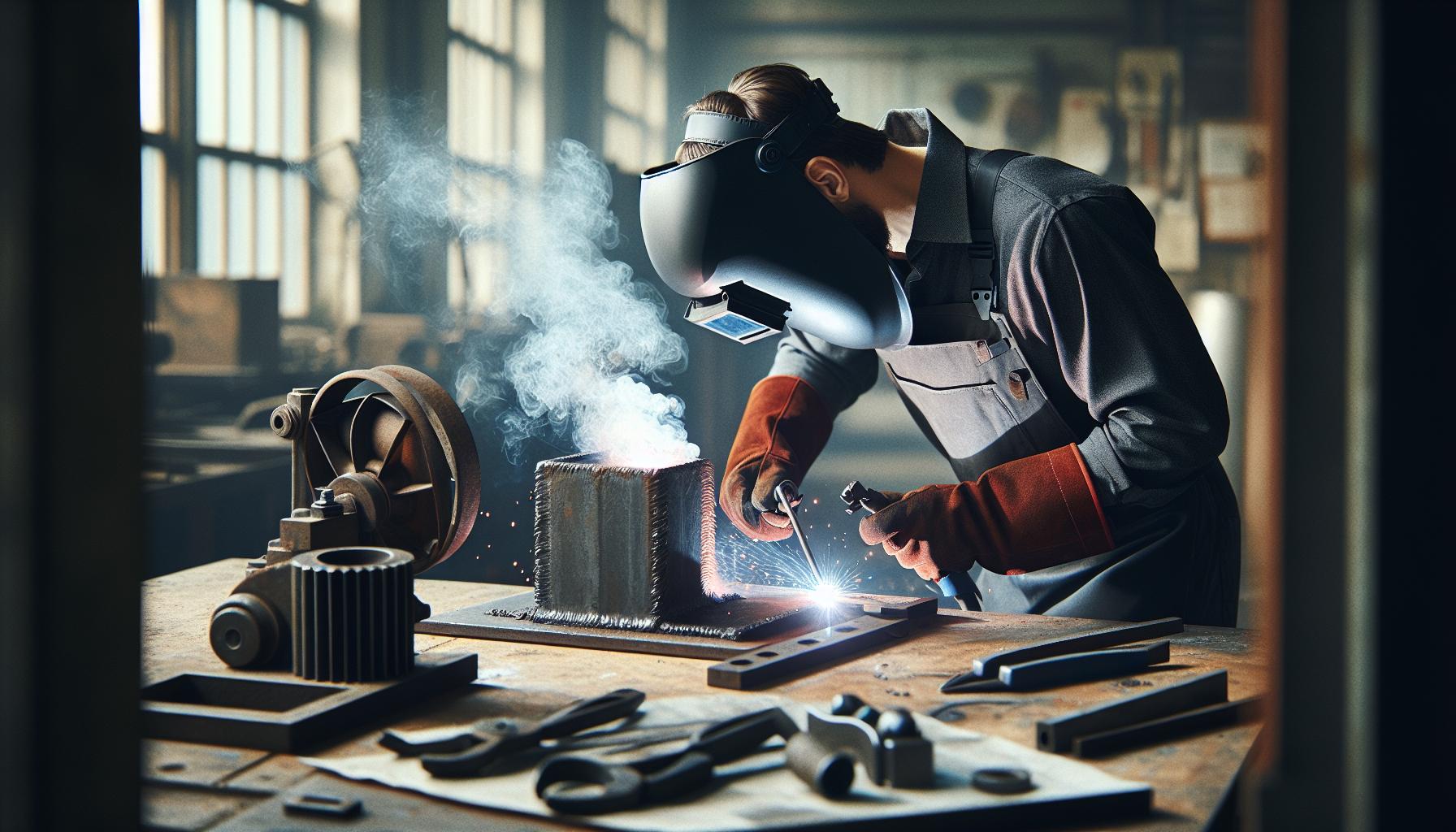
Understanding Cast Iron Welding Techniques
Welding cast iron requires a nuanced approach due to its unique properties and behaviors during the welding process. Unlike other metals, cast iron contains a high percentage of carbon, which can make it brittle and more susceptible to cracking when exposed to the intense heat of welding. Understanding the various welding techniques is crucial for achieving strong, reliable welds while minimizing the risk of damage.
When it comes to welding cast iron, several techniques are commonly used, with the most prominent being Gas Tungsten Arc Welding (TIG), Metal Inert Gas (MIG) welding, and Stick welding. Each method has its own advantages and applications depending on the specific requirements of the project:
Common Welding Techniques
- TIG Welding: This technique is favored for its precision and control, allowing welders to produce high-quality welds on thin sections of cast iron. It utilizes a non-consumable tungsten electrode and an inert gas to shield the weld pool from contamination, making it ideal for intricate repairs.
- MIG Welding: Known for its speed and ease of use, MIG welding can also be applied to cast iron with appropriate filler material. This method is generally more suited for thicker sections, and it involves feeding a continuously supplied electrode wire into the weld pool.
- Stick Welding: Often the most accessible for beginners, Stick welding is versatile and can be used for welding cast iron with the right rods. It is especially advantageous for outdoor applications due to its resistance to wind and other environmental factors.
Choosing the right technique relies heavily on the type of repair, the thickness of the material, and the specific environment in which the welding is taking place.
Preparation is Key
Prior to welding, it’s essential to prepare the cast iron piece adequately. This includes removing any rust, paint, or contaminants from the surface and ensuring that the edges are beveled for better penetration. Additionally, preheating the workpiece to about 500°F (260°C) can help reduce the thermal shock that contributes to cracking. This particular step is critical because cast iron can experience stress during the cooling process after welding.
Mastering these welding techniques and understanding the properties of cast iron will allow welders-whether beginners or seasoned professionals-to tackle repairs and projects effectively, ensuring stronger and more durable results.
Essential Equipment for Welding Cast Iron
Successfully welding cast iron hinges on having the right equipment. The unique properties of cast iron, including its high carbon content, call for specialized tools and accessories to handle the material effectively. Using well-suited equipment not only enhances the quality of the welds but also ensures safer working conditions.
Start with the welding machine. For cast iron, a MIG or TIG welder is often preferred due to the precision they offer. MIG welding is effective for thicker sections thanks to the continuous wire feed, while TIG welding excels in providing control over the heat input, crucial for minimizing brittleness in cast iron. Stick welding can also be used, particularly in outdoor conditions, but each method requires compatibility with the right settings and filler materials.
In addition to the welder, you’ll need quality filler rods or wire specifically formulated for cast iron. These materials must accommodate the properties of the base metal to ensure a strong bond and reduce cracking risks. It’s advisable to have a selection of preheating tools, such as an industrial heat gun or torch, to mitigate thermal shock during the process.
Furthermore, personal protective equipment (PPE) plays a critical role in ensuring safety while welding. High-quality welding helmets, gloves, and long-sleeved clothing can protect against sparks and ultraviolet (UV) radiation. Investing in proper ventilation equipment, such as a fume extractor, is also crucial given the potentially harmful fumes released during the welding of cast iron.
Being equipped with the right tools and safety gear not only enhances your efficiency but also sets the stage for successful welds, ultimately ensuring that your cast iron projects withstand the test of time.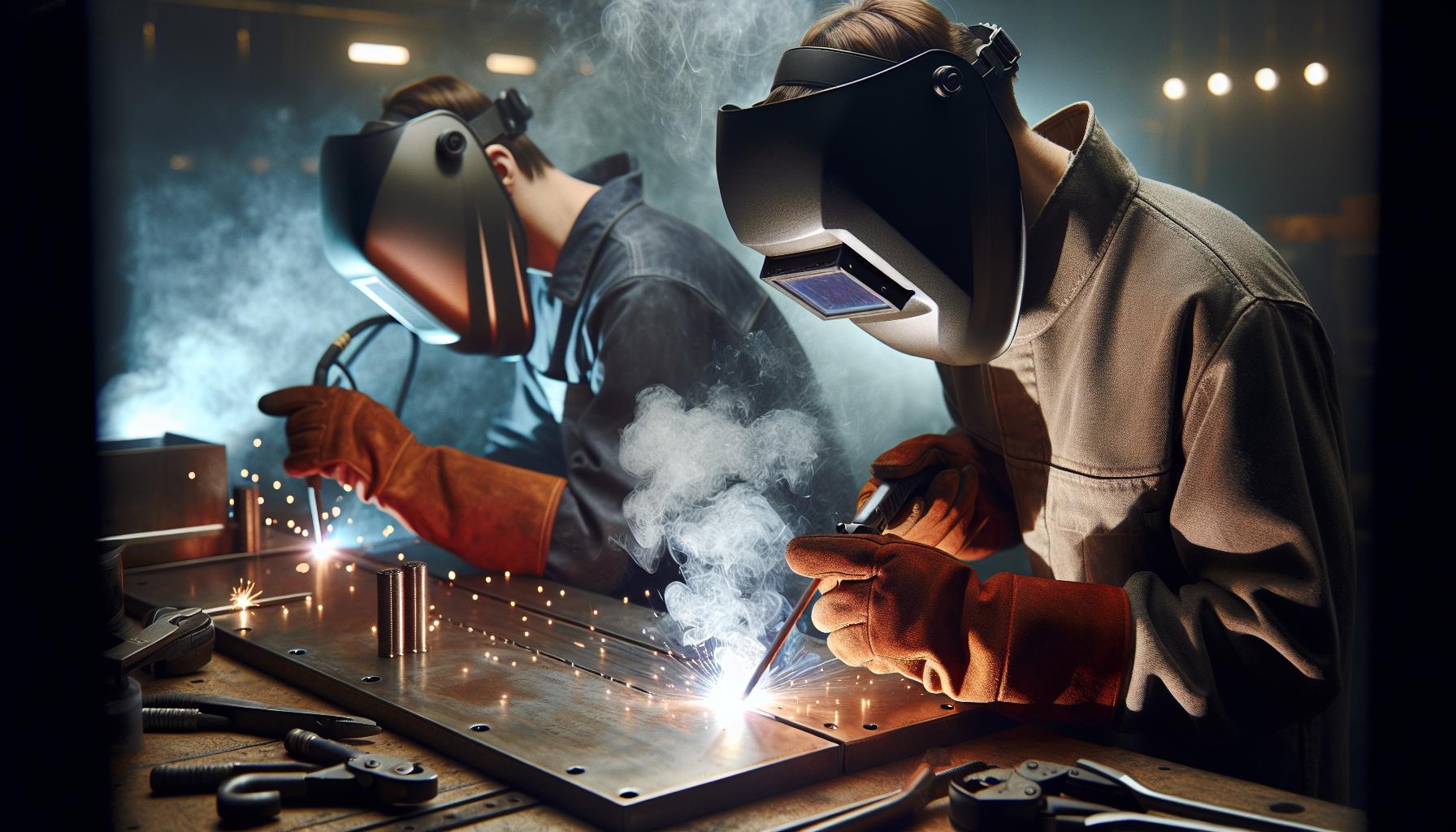
MIG vs. TIG: Which Method is Best?
When it comes to welding cast iron, selecting the right technique is crucial due to the material’s unique properties. The two most commonly debated methods are MIG (Metal Inert Gas) and TIG (Tungsten Inert Gas) welding, each offering distinct advantages and challenges for welders. Understanding these differences not only helps in achieving a strong bond but also minimizes the risk of defects such as cracking or warping.
MIG welding is often favored for its speed and efficiency, particularly when working with thicker sections of cast iron. The process involves a continuous feed of wire that melts as it is fused with the workpiece, allowing for quick welds over larger areas. With proper settings, MIG can penetrate deeper into the base metal, making it an excellent choice for structural repairs or larger projects. However, the heat input required can sometimes lead to increased brittleness in cast iron. To counteract this, preheating the cast iron component is recommended, ensuring that the metal absorbs the heat evenly.
On the other hand, TIG welding is renowned for its precision and control, making it ideal for intricate work or thinner cast iron sections. This method utilizes a non-consumable tungsten electrode and requires the welder to add filler material manually. The versatility of TIG welding allows for excellent bead control, which is essential to avoid excessive heat buildup that could compromise the integrity of the cast iron. While it is generally a slower process, the results are often cleaner and require less finishing work, making it suitable for high-quality applications where appearance is vital.
In summary, the choice between MIG and TIG welding largely depends on the specific requirements of the project. For those prioritizing speed and efficiency, MIG may be the go-to method. Conversely, when precision and detail take precedence, TIG welding becomes the superior option. Assessing the project needs, the thickness of the material, and your personal skill level will guide you in making the best decision for successful cast iron welding.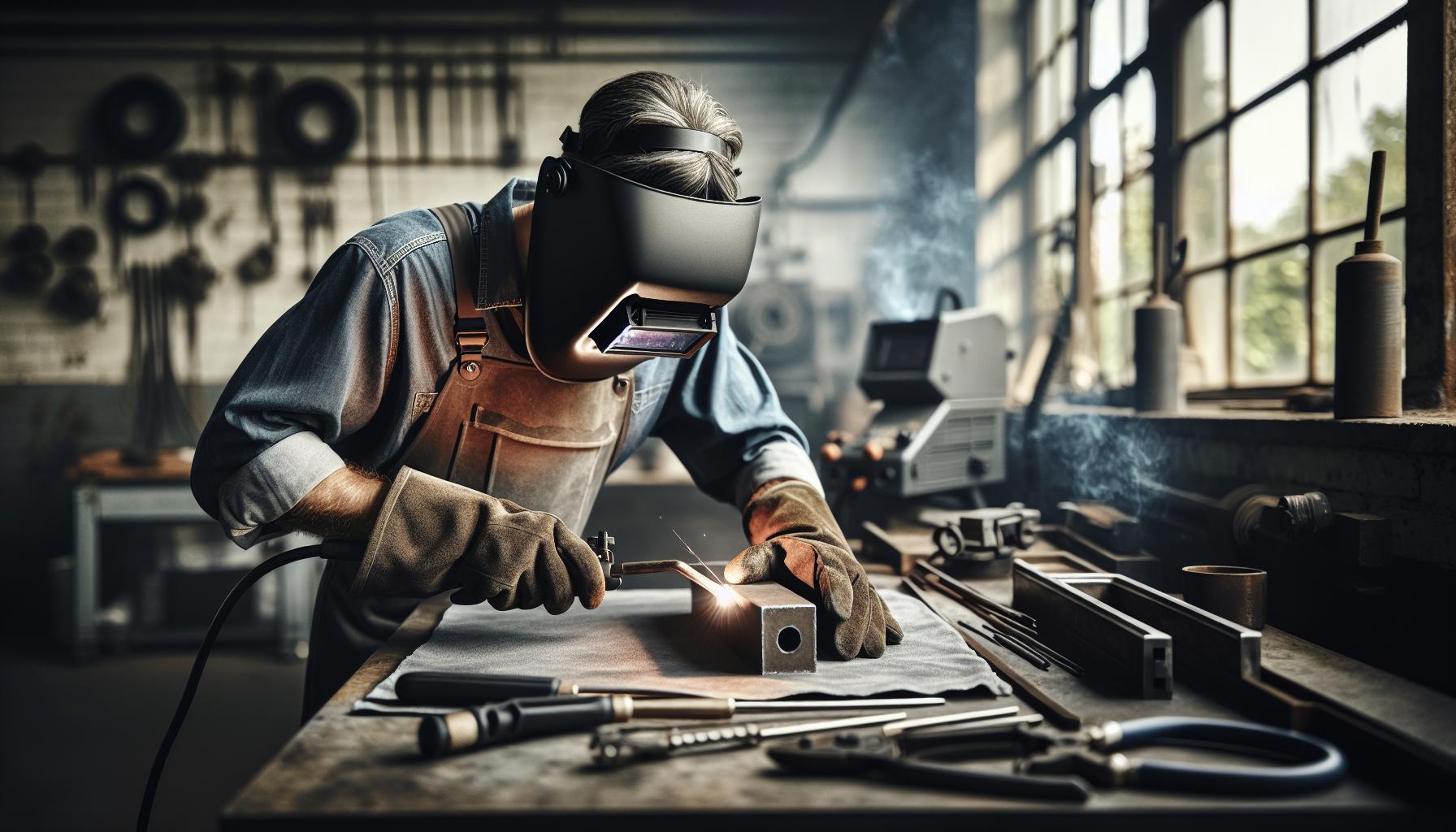
Preparing Cast Iron for Welding Success
To achieve a successful weld on cast iron, preparation is a critical step that cannot be overlooked. Cast iron is notorious for its brittleness and tendency to crack, making the right preparatory measures essential for ensuring strong joint integrity. Start by thoroughly cleaning the weld area to remove any grease, rust, or paint; contaminants can significantly affect the quality of the weld. Use a wire brush, grinder, or chemical cleaner to achieve a clean, bright surface. This initial cleaning helps improve the fusion between the base metal and the filler material.
Once clean, the next step involves assessing and managing the material’s temperature. Cast iron, due to its composition, benefits from preheating. This is especially true for thicker sections, where a controlled heat can prevent thermal shock and reduce the risk of cracking during the weld. Aim to preheat the area to a minimum of 300°F (149°C), but take care to not elevate the temperature too high as this may lead to problems like warping or structural weakness.
Additionally, it’s crucial to consider the joint design and fit-up. Ensure that the pieces to be welded fit closely together, minimizing gaps that can lead to weak welds or require excessive filler material. If you anticipate issues with alignment during welding, using jigs or clamps can help secure the components in place. The joint geometry should facilitate smooth heat distribution and allow for proper access to the weld area.
Finally, understanding the type of cast iron being welded can guide your preparation efforts. White cast iron, for instance, is more challenging and may require different techniques compared to ductile or gray cast iron. Familiarize yourself with the specific characteristics of your material to tailor your preparation approach. Implementing these preparatory measures effectively sets the stage for successful welding and enhances the durability of the final product.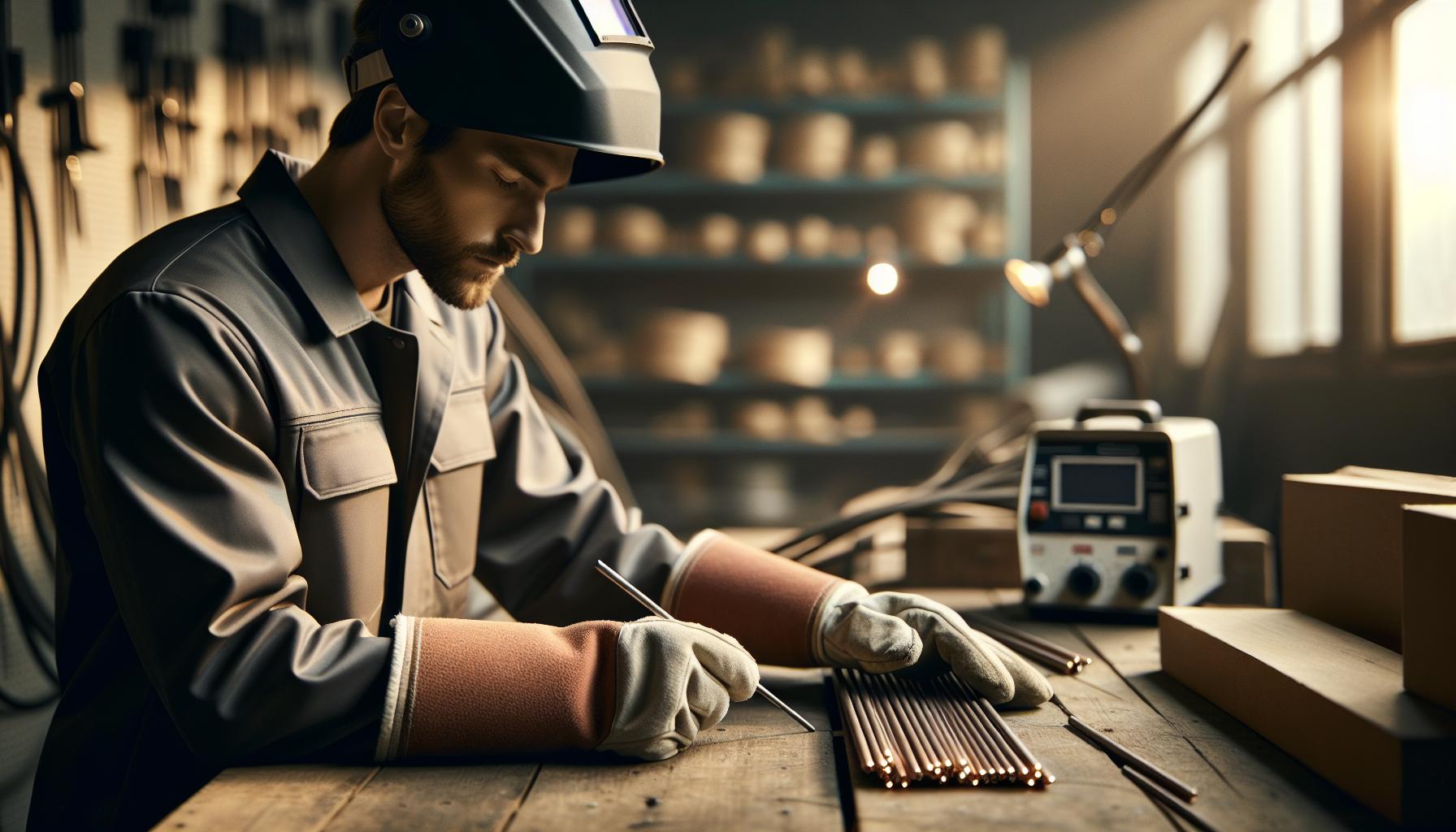
Welding Filler Materials: The Best Choices
When it comes to welding cast iron, selecting the right filler materials is crucial for achieving strong, durable joints. Cast iron presents unique challenges due to its high carbon content and brittleness, which can lead to cracking if the wrong filler is used. Understanding the properties of various fillers can significantly enhance the quality of your welds and the longevity of the repaired or fabricated part.
One of the most common choices for welding cast iron is the use of nickel-based rods. These rods are known for their excellent ductility and ability to withstand stress, making them ideal for repairing cracks and joining cast iron pieces. The nickel content helps to prevent the formation of hard, brittle phases in the weld, thus minimizing the risk of post-weld cracking. These rods are particularly effective when used in conjunction with preheating techniques, which further reduce thermal stress during the welding process.
Additionally, there are specialized cast iron welding rods available that are specifically designed for various types of cast iron, such as gray, ductile, or white iron. Each type responds differently during the welding process, so it is vital to choose a filler that matches the original material’s properties. For example, gray cast iron can often be welded successfully with mild steel rods, although using a filler that closely matches the base metal is advisable for optimal results.
Another option is the use of flux-cored wires for those working with MIG welding. These wires come with a tubular design and are filled with flux material that helps in shielding the weld pool, which can be particularly advantageous when working outdoors or in less-than-perfect conditions. The proper selection of flux-cored wire, combined with the right shielding gas, can facilitate higher quality welds in cast iron applications.
In summary, focusing on the right filler material is a key aspect of successfully welding cast iron. Whether using nickel-based rods, specialized gray or ductile iron fillers, or flux-cored wires, understanding their properties and compatibility with your base metal will lead to better results. Always consider preheating and proper welding techniques to complement your choice of filler to achieve strong, lasting welds that withstand the test of time.
Key Safety Protocols when Welding Cast Iron
Welding cast iron can be a rewarding yet challenging task, especially due to the risks involved. Understanding and implementing proper safety protocols is essential to protect yourself and others in the workshop environment. One of the most critical safety measures when welding cast iron is ensuring you have the correct personal protective equipment (PPE). This includes the use of a welding helmet equipped with the appropriate shade, gloves made of heat-resistant materials, flame-retardant clothing, and steel-toed safety shoes to protect against sparks and molten metal.
Another vital aspect of safety involves controlling the workspace. Ensure the area is well-ventilated to reduce the risk of inhaling toxic fumes that may be released during the welding process. Utilize appropriate ventilation systems or wear respirators where needed. Furthermore, keep the work area clear of flammable materials, as welding can produce sparks that create fires if proper precautions aren’t taken. Prior to beginning any welding tasks, perform a thorough check of your equipment and supplies to avoid any unexpected hazards.
Additionally, it is advisable to conduct a pre-welding inspection of the cast iron pieces. This involves checking for structural integrity and any pre-existing cracks, which, if ignored, could lead to greater complications while welding. By preheating the metal, you can also reduce the risk of cracking during the process, making it a safer practice when dealing with cast iron. Ensure that your welding equipment is in good working order, including routine maintenance and checks for leaks in gas lines if you are using gas-based welding methods.
Finally, never work alone when welding cast iron. Having a partner allows for monitoring each other’s safety and quick intervention should an accident occur. This partnership can be crucial in emergencies, where immediate assistance can make a significant difference. By adhering to these key safety protocols, welders can significantly reduce risks and ensure a more secure working environment while mastering the craft of welding cast iron.
Troubleshooting Common Cast Iron Welding Issues
Welding cast iron presents unique challenges, often arising from its distinct metallurgical properties. Common issues include cracking, porosity, and insufficient fusion, often attributed to its high carbon content and brittleness. These problems can be exacerbated by inadequate preheating, unsuitable filler materials, or improper technique. To effectively troubleshoot and resolve these issues, understanding the underlying causes and implementing strategic remedies is essential.
One of the most prevalent challenges is cracking, especially in the heat-affected zone. This can occur if the cast iron is not properly preheated prior to welding, leading to rapid cooling and thermal stress. To mitigate this, always ensure that the cast iron is preheated to a temperature between 400°F and 800°F (204°C to 427°C). Additionally, using a filler material with a lower carbon content can reduce the risk of crack propagation. If cracks do occur, a thorough inspection post-welding is crucial to determine the severity and appropriate repair methods, which may include further welding or the application of epoxy solutions.
Porosity, characterized by small holes in the weld, can be caused by trapped gases during the welding process. This issue often stems from contamination on the work surface, such as rust, oil, or paint. To minimize porosity, it’s essential to thoroughly clean the cast iron before welding, using methods like wire brushing or grinding. Ensure your welding environment is free from drafts that may introduce contamination, and consider using a gas-shielded welding process, such as MIG or TIG, especially for thinner sections of cast iron.
Insufficient fusion is another problem that can arise due to incorrect heat settings or improper technique. To achieve optimal fusion, it’s crucial to adjust the welder settings based on the material thickness and the type of weld being performed. For instance, when using MIG welding, ensure the voltage and wire feed speed are compatible, and maintain a steady travel speed to allow adequate penetration. If using stick welding, select the right electrode type and diameter for the base material to enhance bonding.
By understanding these common issues and employing targeted strategies, welders can achieve good results when working with cast iron. Proper preparation, suitable material selection, and attentive monitoring throughout the welding process are fundamental for overcoming challenges and ensuring strong, durable welds.
Post-Weld Treatments for Cast Iron
To ensure the longevity and structural integrity of welded cast iron components, effective post-weld treatments are essential. This often overlooked phase plays a vital role in mitigating the adverse effects of the welding process. A proper post-weld treatment can help alleviate residual stresses, enhance mechanical properties, and ensure the weld is ready for the rigors of its intended application.
One important aspect of post-weld treatment is stress relief, which involves subjecting the welded cast iron to a controlled heating process. This usually entails heating the weld and surrounding areas to a temperature below the critical range-commonly between 400°F and 1100°F (204°C to 593°C)-and holding it there for a specified duration. This method allows for the redistribution of stresses that may have developed during the welding process. Cooling should be gradual to prevent new stresses from forming in the weld joint.
Another crucial treatment step is cleaning and inspecting the weld area. Post-weld mechanical cleaning can remove any flux residues, scale, or contaminants that might lead to corrosion or weaken the weld over time. Techniques such as wire brushing, sandblasting, or grinding are effective. After the cleaning process, a thorough visual inspection and non-destructive testing (such as dye penetrant testing) should be conducted to identify any possible flaws such as cracks or porosity that could have gone unnoticed during welding.
Lastly, applying a protective coating can significantly extend the life of the welded joint. Depending on the end use of the cast iron piece, a suitable coating-such as paint, epoxy, or a more specialized corrosion-resistant product-can be employed. Proper preparation of the surface is key; the surface should be free of moisture and contaminants prior to application. This not only provides a barrier against environmental factors that may lead to corrosion but also enhances the overall aesthetic quality of the finished product.
In summary, adopting comprehensive post-weld treatment protocols not only bolsters the durability and functionality of welded cast iron but also empowers welders, whether rookies or seasoned professionals, to achieve quality results that stand the test of time.
Caring for Your Welding Tools and Equipment
Effective maintenance of welding tools and equipment is crucial for achieving quality results, especially when working with cast iron. A well-cared-for welding setup not only enhances performance but also prolongs the life of your tools and promotes safety. Regular maintenance routines should include checking equipment for wear and tear, cleaning components to prevent contamination, and ensuring proper storage to protect against the elements.
One of the most important aspects of tool care is cleaning welding equipment regularly. Residual slag, spatter, and corrosion can significantly affect the performance of welding machines and hand tools. Use a wire brush, grinder, or solvent cleaners to remove debris from the welding torch, nozzles, and electrodes. Additionally, replacing consumables such as tips and liners on a regular basis based on usage will help maintain weld quality.
Safety Protocols for Equipment Maintenance
Proper safety protocols should be observed during maintenance. Always disconnect power sources from welding machines before performing any cleaning or repairs. Wear protective gear-such as gloves and goggles-to safeguard against sharp edges or flying debris when handling tools. Ensure that the workspace is well-lit and ventilated to minimize the risk of inhaling harmful substances during this process.
Finally, storing tools correctly is essential. After use, clean all tools and pack them in protective cases or designated storage areas. Avoid exposing them to moisture or extreme temperatures, which can result in rust or diminished effectiveness. Keeping tools organized not only aids in quick access but also prevents damage during handling. By instituting these strategies, you can ensure that your welding tools remain in peak condition, ready to take on the challenges of working with cast iron and other materials effectively.
Real-Life Applications of Cast Iron Welding
Welding cast iron not only repairs broken machinery but also plays a vital role in various applications across multiple industries. This versatile metal is renowned for its durability, making it an ideal choice for projects that require strength and resilience. The unique properties of cast iron mean that it can be found in a variety of components ranging from automotive parts to architectural features.
In the automotive industry, cast iron welding is frequently used for repairing engine blocks, exhaust manifolds, and other critical components. The ability to restore these items effectively not only saves costs associated with replacement but also contributes to sustainability by extending the lifespan of existing machinery. For instance, a welder faced with a cracked engine block must understand the thermal expansion characteristics of cast iron to execute a successful repair that will endure high-stress conditions.
Moreover, cast iron is frequently employed in the restoration of historical structures and equipment. From fountain sculptures to vintage machinery, welding cast iron can bring life back to unique artifacts that carry significant historical value. The meticulous attention to detail required in these projects not only enhances the aesthetic appeal but often involves preserving the original design and craftsmanship of the piece.
In industrial settings, cast iron welding is essential for building and maintaining heavy machinery parts, such as frames or supports. The inherent strength of cast iron makes it suitable for high-use applications, such as in manufacturing facilities or construction sites where equipment withstands rigorous operational demands. Understanding the best techniques-like preheating and using appropriate filler materials-ensures quality welds that can handle the mechanical stress.
In essence, the are diverse and impactful. They encompass vital sectors such as automotive repair, historical restoration, and industrial manufacturing, highlighting the importance of proper technique and adherence to safety protocols to achieve reliable results. Emphasizing these applications not only reinforces the significant role cast iron welding plays in our daily lives but also showcases its potential for future innovations and repairs.
Advanced Tips for Expert Welders
Welding cast iron requires a blend of technical knowledge and practical skill, especially when it comes to mastering the intricacies of this often-challenging material. One advanced technique that can significantly improve outcomes is using a combination of preheating and post-weld heat treatment. Preheating the cast iron helps minimize thermal shock, reducing the risk of cracks during the welding process. A typical preheat temperature can range from 300°F to 500°F, depending on the thickness of the material. Furthermore, employing a controlled cooling process post-weld can also help to prevent cracking and ensure a stronger bond.
Utilizing the right filler material is equally critical for success. While many welders opt for nickel-based fillers due to their flexibility and strong bonding capabilities, choosing the correct composition tailored to the specific cast iron type is crucial. For example, if working with gray cast iron, consider using a nickel-iron alloy. It is also vital to match the properties of the filler to those of the base material to maintain integrity throughout the weld. Always conduct a pre-weld test on a scrap piece to verify compatibility between the base metal and the filler.
In addition to these techniques, developing proficiency in the correct welding method can greatly impact the quality of your welds. For instance, TIG welding allows for more precise control and is often favored for its clean finish; however, due to the slower pace, a more experienced welder may be needed. Conversely, MIG welding can be faster but might require more post-weld clean-up and finishing work to achieve the desired aesthetic and strength.
Lastly, maintaining a well-organized and clean workspace cannot be overstated. A clutter-free area not only enhances safety but also improves efficiency and focus. Ensuring that all tools are easily accessible, and materials properly stored, can minimize disruption during the welding process. Regularly checking equipment for wear and tear also ensures consistent performance and prevents potential hazards. By integrating these advanced strategies, welders can elevate their proficiency with cast iron, achieving durable repairs that meet both structural and aesthetic standards.
Getting Started: A Beginner’s Guide to Welding Cast Iron
Welding cast iron can seem daunting for beginners, but understanding the fundamentals can significantly ease this process. Cast iron is known for its brittleness, which can lead to cracking if not welded correctly. However, with the right techniques and preparation, anyone can achieve a strong and aesthetically pleasing weld.
Start by understanding the different types of cast iron-gray, ductile, and malleable-and their specific properties. Each type may require different approaches, especially when it comes to selecting filler materials. For beginners, using a nickel-based alloy filler is often recommended due to its ductility and strength. Before welding, it’s crucial to clean the surfaces thoroughly to remove any rust, oil, or dirt. A clean surface allows for better adhesion and a stronger bond.
Preheating the cast iron is an essential step for reducing thermal shock. Aim for a preheat temperature between 300°F to 500°F. This process helps minimize stress on the joints and the likelihood of cracks forming. After welding, implementing a controlled cooling process is just as important. Slow cooling prevents sudden contraction that can cause further cracking.
When it comes to welding techniques, both MIG and TIG welding have their advantages. MIG welding is generally easier for beginners, providing a faster process with less heat applied to the workpiece, making it more forgiving for less experienced welders. Alternatively, TIG welding requires more skill and precision but results in cleaner welds. Whichever method you choose, be sure to practice on scrap pieces to hone your skills and increase your confidence before working on actual projects.
Lastly, always prioritize safety. Proper ventilation, protective clothing, and eye protection are imperative to avoid the hazards associated with welding. By following these initial guidelines, new welders can lay a solid foundation for effective and safe cast iron welding.
Frequently asked questions
Q: How do I choose the right welding filler material for cast iron?
A: To choose the right welding filler for cast iron, consider using nickel-based or cast iron-specific rods. These materials provide compatibility and strength, reducing the risk of cracking. Always check the molten pool’s characteristics during welding, ensuring proper fusion with the base metal for optimal results.
Q: Why does cast iron crack when welded?
A: Cast iron can crack during welding due to its high carbon content, which creates brittleness. Thermal stress from rapid heating and cooling can exacerbate this issue. Utilizing preheating techniques and selecting appropriate filler materials can significantly minimize the risk of cracking.
Q: What safety gear do I need when welding cast iron?
A: Essential safety gear for welding cast iron includes a welding helmet, gloves, flame-resistant clothing, and respiratory protection if fumes arise. Ensuring proper ventilation and using appropriate eye protection will safeguard against harmful exposure and injuries during the welding process.
Q: Is MIG welding suitable for cast iron?
A: Yes, MIG welding can be used for cast iron with appropriate filler materials and settings. It’s beneficial for its speed and ease of use. However, ensure proper preheating and post-weld treatments to manage thermal stresses effectively.
Q: What are common post-weld treatments for cast iron?
A: Common post-weld treatments for cast iron include stress relieving, which involves heating the weld area and allowing it to cool slowly, and applying graphite-based coatings to prevent oxidation. These processes enhance the integrity and longevity of the weld joint.
Q: Can I weld cast iron without preheating?
A: Although possible, welding cast iron without preheating increases the likelihood of cracking due to thermal shock. Preheating helps stabilize temperatures and reduces stress, making it crucial for a successful weld.
Q: How can I troubleshoot welding defects in cast iron?
A: Troubleshooting welding defects in cast iron involves checking for signs of cracking, inadequate fusion, or porosity. Adjusting heat settings, ensuring proper preheat, and verifying filler material compatibility can help resolve these common issues.
Q: What is the best way to prepare cast iron for welding?
A: The best preparation for welding cast iron includes cleaning the weld area to remove rust, oil, and paint, and assessing for any defects, such as cracks. Proper surface preparation ensures better fusion and a stronger weld.
The Conclusion
Mastering the intricacies of welding cast iron not only enhances your skills but also opens doors to countless repair and fabrication opportunities. With the right techniques-whether using MIG, TIG, stick, or flux core welding-you can achieve strong, lasting joints that restore functionality and strength to cast iron pieces. Remember, preparation and technique are key; don’t rush through the process.
Ready to further elevate your welding skills? Explore our in-depth guides on aluminum welding and essential safety protocols to ensure you’re well-equipped for any project. If you have questions or experiences to share, drop a comment below-your insights could help fellow welders! Don’t forget to sign up for our newsletter to stay updated on the latest welding tips, equipment reviews, and career guidance. Dive into your next welding adventure today; the possibilities are endless!