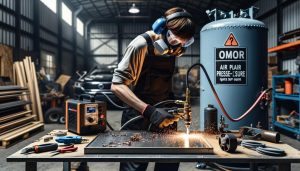
When it comes to metalworking, the question of whether aluminum can be cut with a plasma cutter often arises among both novices and seasoned welders. Aluminum, known for its lightweight and corrosion-resistant properties, is widely used in various applications-yet, cutting it effectively requires the right techniques. Plasma cutting not only offers precision and speed but also opens doors to creative possibilities in fabrication. However, understanding the intricacies of using a plasma cutter on aluminum is crucial to avoid common pitfalls that could affect your project’s outcome. In this complete guide, we will explore essential considerations, techniques, and best practices to help you master aluminum cutting with a plasma cutter, enhancing your skills and ensuring high-quality results every time.
Can Plasma Cut Aluminum? Understanding Compatibility
Plasma cutting is an efficient method for cutting various metals, and aluminum is no exception. The compatibility of plasma cutters with aluminum can be attributed to several key characteristics of both the metal and the cutting process itself. Aluminum’s relatively low melting point, combined with the high temperatures generated by plasma cutting, allows for clean cuts and minimal thermal distortion. Furthermore, the versatility of plasma cutters makes them suitable for different thicknesses of aluminum, from thin sheets to thicker plates, enabling a broad range of applications in industries such as automotive, aerospace, and manufacturing.
When considering plasma cutting aluminum, it’s essential to note that the type of plasma cutter used plays a significant role in the quality of the cut. Ideally, a CNC plasma cutter offers precision and repeatability, particularly for complex shapes and designs. However, handheld plasma cutters also work effectively for simpler tasks. It’s important to use a torch and consumables specifically designed for aluminum to minimize issues such as dross, which can occur when cutting through this non-ferrous metal.
In terms of compatibility, factors such as the aluminum’s alloy composition and thickness can affect performance. For instance, alloys that contain magnesium or silicon might present challenges due to their tendency to create a rough cut surface. Therefore, selecting the right settings on the plasma cutter, including height and cutting speed, is crucial for achieving consistent, high-quality results. Properly understanding these compatibility issues allows welders and fabricators to leverage plasma cutting effectively, ensuring efficiency and precision in their projects.
Benefits of Using Plasma Cutters on Aluminum
While many may think of plasma cutting as merely a method for cutting steel, its advantages when it comes to aluminum are significant and worth exploring. Plasma cutters are renowned for their ability to deliver fast, precise cuts across a range of metals, with aluminum’s unique properties enhancing these benefits. One remarkable aspect is that plasma cutting produces minimal heat-affected zones, which are particularly crucial when dealing with aluminum, as excessive heat can warp and distort the material. The high temperatures generated by plasma cutting efficiently melt aluminum, enabling a clean finish and reducing the need for further processing.
There are several benefits that plasma cutting brings to the table for aluminum applications. First, the versatility of this cutting method allows for the processing of various thicknesses of aluminum, whether it be thin sheets for automotive bodywork or thicker plates used in structural applications. This adaptability makes plasma cutting an indispensable tool in industries such as aerospace, automotive, and fabrication. Furthermore, modern plasma cutters, especially CNC models, offer absolute precision, allowing operators to cut intricate designs and geometries that would be challenging with other cutting methods.
Key advantages of using plasma cutters for aluminum include:
- Speed: Plasma cutting is faster than traditional methods like sawing or waterjet cutting, which can significantly boost productivity.
- Clean Cuts: The process produces finer edges with less dross, meaning less finishing is required afterwards.
- Reduced Heat Input: This aspect minimizes the risk of warping and thermal damage to the aluminum.
- Flexibility: Plasma cutting can handle various designs and thicknesses, making it suitable for diverse projects.
Moreover, plasma cutting allows for the welding of aluminum scrap and offcuts, which is increasingly vital in sustainable manufacturing processes. By minimizing waste and maximizing material usage, fabricators can improve their overall efficiency and reduce costs. In the context of automotive or aerospace manufacturing, where weight and material efficiency are paramount, plasma cutting’s precision and speed translate directly into performance benefits. Overall, the ability of plasma cutters to effectively and efficiently process aluminum presents a multitude of advantages that enhance productivity while ensuring high-quality outputs.
Key Factors Affecting Plasma Cutting Efficiency
To achieve optimal performance with plasma cutting, several critical factors must be considered, as they significantly influence efficiency and the quality of the cut. The quality of the plasma cutter itself is paramount; advanced models with features like adjustable cutting speeds and integrated height control yield better results, especially on various aluminum thicknesses. The amperage settings, which determine the temperature and energy supplied during cutting, must be carefully calibrated based on the material thickness. Higher amperage is generally required for thicker aluminum, while thinner materials can be effectively cut at lower settings to avoid excessive heat and warping.
Additionally, the plasma gas type and pressure play a crucial role in cutting efficiency. Compressed air is a common choice due to its wide availability and low cost; however, using gases like nitrogen or argon can result in cleaner cuts by minimizing oxidation on the aluminum surface. Maintaining the correct gas pressure ensures a stable and robust plasma arc, which is vital to achieving smooth edges and reducing dross accumulation. Regular checks and proper maintenance of consumables such as nozzles and electrodes also contribute to sustained cutting precision, as worn components can lead to inconsistent arc stability and cutting quality.
The technique employed during cutting influences the outcome as well. Keeping a steady hand and maintaining an appropriate cutting angle not only enhances the cut’s quality but also increases operational efficiency. For improved control and consistency, many professionals advocate for using guides or CNC systems, which allow for precise paths and designs, particularly in complex applications. Moreover, pre-cut preparation, which includes cleaning the aluminum surface to remove oxides or contaminants, ensures a better electrical connection, further optimizing the plasma cutting process.
In summary, effectively managing these factors-cutter quality, amperage settings, gas type and pressure, consumable maintenance, and cutting technique-can dramatically enhance the efficiency of plasma cutting aluminum. By addressing these elements, welders and fabricators can not only achieve superior results but also extend the lifespan of their equipment and improve overall productivity in their projects.
Essential Equipment for Plasma Cutting Aluminum
To successfully cut aluminum using a plasma cutter, there are several essential pieces of equipment that you must have on hand to ensure both efficiency and safety in your cutting processes. Understanding the requirements not only enhances the quality of your cuts but also extends the lifespan of your tools.
A robust plasma cutting system is fundamental, and it should include a few key features tailored for cutting aluminum. Choose a plasma cutter with adjustable amp settings, as this allows for precise control over the energy output necessary for different thicknesses of aluminum. Additionally, consider models with built-in features for automatic height control, which adjusts the torch distance from the workpiece for optimal arc stability. For cutting aluminum, look for a unit that can handle at least 20 to 30 amps to efficiently manage both thin and thick materials.
The selection of consumables-such as electrodes and nozzles-also plays a crucial role. For aluminum cutting, it is advisable to use dedicated aluminum nozzles, which are designed specifically to minimize dross and enhance cut quality. These nozzles often have a larger orifice to accommodate the higher plasma flow rates required for aluminum, reducing the likelihood of clogging during operation. Regularly checking and replacing these consumables as they wear can dramatically maintain the performance of your plasma cutter.
In addition to the plasma cutter itself, the use of appropriate safety gear is not to be overlooked. Equip yourself with proper personal protective equipment (PPE), which includes the following essentials:
- Welding helmet: A lens with an appropriate shade helps to protect your eyes from the intense light generated during cutting.
- Protective clothing: Flame-resistant clothing is essential to shield against sparks and heat.
- Gloves: Use insulated gloves that allow for dexterity while protecting your hands from burns and cuts.
- Respirator: In situations with poor ventilation, a respirator guards against harmful fumes that can be released when cutting certain materials.
Lastly, investing in additional tools such as a dedicated air compressor is vital; maintaining adequate air pressure is crucial for ensuring optimal plasma performance. Compressed air provides a stable arc and influences cut quality, making it a valuable asset in your plasma cutting setup. With the right equipment and safety measures in place, you can optimize your aluminum cutting projects, achieving professional results effectively and safely.
Preparing Aluminum for Plasma Cutting Successfully
To achieve exceptional results when cutting aluminum with a plasma cutter, proper preparation of the material cannot be overlooked. The effectiveness of the plasma cutting process greatly depends on how well the aluminum is prepared before initiating the cut. A clean, well-maintained surface ensures a more consistent and efficient cut, reducing the likelihood of defects such as dross or uneven edges.
Begin by thoroughly cleaning the aluminum piece. Remove all contaminants, including dirt, grease, and oxidation, as these can impede the plasma’s ability to create a clean cut. A solvent like acetone can effectively remove oils and grease, while a wire brush or grinder may be needed to eliminate any oxidation. After cleaning, ensure that the surface is dry to promote optimal cutting conditions.
Another critical aspect of preparation is ensuring that the aluminum is securely clamped to your work surface. Use appropriate fixtures or clamps to prevent any movement during the cutting process, as even slight shifts can lead to inaccuracies. If working with larger pieces, consider using support stands to provide stability along the entire length of the workpiece.
Additionally, inspecting the material for any defects such as warping or bends is essential. Flat and stable aluminum will allow for better arc stability during cutting, leading to improved quality. If necessary, adjust the workpiece to ensure that you are cutting along a straight line and at the correct angle, as precision with positioning sets the stage for excellent results.
Ultimately, taking the time to prepare your aluminum properly will yield smooth cuts and extend the life of your plasma cutting equipment, as well as deliver the professional-grade outcomes you strive for in your projects.
Common Challenges When Cutting Aluminum
When it comes to plasma cutting aluminum, enthusiasts and professionals alike may encounter several unique challenges that can affect the quality of their work. One significant issue is aluminum’s high thermal conductivity, which can lead to rapid heat dissipation. This means that when you’re cutting, the heat may not concentrate as effectively as it does with materials like steel. As a result, achieving a clean cut can prove troublesome, often leading to dross formation or incomplete cuts.
Another critical challenge stems from the tendency of aluminum to warp or distort when exposed to heat. Since plasma cutting generates intense localized heat, it can cause the aluminum to expand and contract unevenly. This not only affects the integrity of the cut but can also make it difficult to align subsequent pieces of fabricated aluminum. It’s essential to monitor heat levels closely and possibly employ techniques such as cutting at lower speeds or adjusting torch settings to mitigate distortion.
Furthermore, contamination on the surface of the aluminum can lead to poor cutting performance. Even the slightest layer of grease, oxide, or other substances can interfere with the plasma arc. A failure to thoroughly prepare the aluminum surface increases the risk of not only a poor-quality cut but also damage to the cutting equipment. Thus, ensuring a clean workpiece before starting the cutting process cannot be overstated.
Lastly, proper equipment settings present an ongoing challenge. Since aluminum requires specific cutting parameters, from nozzle size to gas flow rates, gaining familiarity with these settings for various thicknesses is crucial. Mistakes in settings can result in inconsistent cuts, excessive fumes, or premature wear on consumables. Regular testing and adjustments based on the thickness and type of aluminum being worked on will enhance both the efficiency of the process and the final quality of the products being fabricated.
Techniques for Optimal Plasma Cutting Results
When aiming for optimal plasma cutting results on aluminum, mastering specific techniques is essential to overcome its unique challenges. One critical factor is understanding the ideal cutting speed and plasma arc height. Achieving the correct speed is vital; too slow can lead to excessive heat buildup and dross formation, while cutting too fast might result in incomplete penetration. Start by using trial cuts to find the sweet spot, adjusting your speed in small increments until you observe a clean cut with minimal dross.
Effective torch configuration can further enhance cutting quality. It’s advisable to maintain a proper distance between the torch and the workpiece, known as the standoff distance. For aluminum cutting, this is typically around 0.5 to 1 inch. Adjusting this distance directly impacts arc stability and cut quality. By keeping the torch at the appropriate height, you reduce the chance of the arc extinguishing unexpectedly and ensure a consistent cut profile.
Moreover, considering the composition of the plasma gas can improve results. Nitrogen is often recommended as it helps reduce oxidation and dross, particularly when cutting thicker aluminum plates. The purity of the gas used can significantly affect the cut’s integrity. Always ensure that the gas quality meets industry standards to maximize efficiency.
Lastly, the temperature of the workpiece also plays an important role. Preheating thicker aluminum components can help reduce cutting resistance, leading to cleaner cuts. However, care must be taken not to overheat the material, as this could lead to warping or distortions. Using a heat gun in controlled sections can facilitate effective preheating just before cutting.
Employing these techniques can drastically enhance the quality and efficiency of aluminum plasma cutting. By fine-tuning operational parameters and staying adaptable to the material’s behavior, welders can achieve superior results that meet project specifications.
Safety Precautions for Plasma Cutting Aluminum
Plasma cutting aluminum can be an effective method for achieving high-quality cuts, but it comes with specific safety challenges that cannot be overlooked. The intense heat generated during the cutting process can pose risks not just to the operator but to the surrounding work environment. One of the most significant hazards is the production of harmful fumes and sparks, which can ignite flammable materials nearby. Ensuring a clear and organized workspace is crucial; remove any combustible items and ensure adequate ventilation in enclosed or confined areas to minimize inhalation of toxic gases.
Another critical aspect of safety involves personal protective equipment (PPE). Operators should wear appropriate gear, including flame-resistant clothing, gloves, and safety glasses or face shields specifically designed to protect against UV radiation, sparks, and molten metal. Utilizing a welding helmet with the appropriate shade can prevent damage to the eyes from the bright arc created during plasma cutting. Additionally, respiratory protection such as a mask with particulate and gas filters should be worn, especially in environments where fumes may accumulate.
Preventing Gas Build-up
When cutting aluminum on a water table, a safety concern arises due to potential hydrogen gas production, which can be explosive. This is particularly important when cutting through thicker, coated, or painted aluminum sheets. Operators should monitor the water levels regularly and ensure that the water table is properly maintained to minimize risks. Moreover, employing a well-ventilated area or utilizing fume extraction systems will help mitigate the dangers associated with harmful vapors created during the cutting process.
Another key precaution is ensuring that the plasma cutter and associated equipment are in optimal working condition. Regular inspections for damaged cables, leaks, or defective components can prevent electrical hazards or equipment malfunctions. Operators should also be trained to recognize the signs of an overheating machine or potential electrical faults, emphasizing the importance of immediate shut-off procedures in emergencies. By prioritizing these protective measures, operators can significantly reduce the risks associated with plasma cutting aluminum, ensuring a safer and more efficient working environment.
Post-Cutting Finishing Techniques for Aluminum
After plasma cutting aluminum, achieving a polished and professional finish is crucial, especially if the parts will be used in visible applications or require further assembly. The intense heat produced during plasma cutting often leaves rough edges or slag behind, which can negatively affect the material’s appearance and function. To remedy this, several finishing techniques can be employed to enhance the quality of the cut and ensure superior performance in subsequent applications.
One effective technique is to use a deburring tool to smooth out any sharp or jagged edges left from cutting. This can be particularly important in applications where safety and fit are paramount, such as in automotive or aerospace components. A handheld deburring tool or power tool with a specialized attachment can save time and labor costs while providing a uniform finish.
Following the deburring process, grinding can be employed to further refine the surface. Using an angle grinder fitted with a flap disc or a grinding wheel designed for aluminum can remove excess material and prepare the surface for painting or anodizing. This step is essential when aluminum parts will be exposed to harsh environments, as a smooth surface reduces the risk of corrosion and ensures better adhesion for protective coatings.
For those looking to achieve a mirror-like finish, polishing is the next step. Specialized polishing compounds applied with a buffing wheel can elevate the appearance of aluminum parts significantly. This process not only enhances the visual appeal but also provides a layer of protection against oxidation and tarnishing, extending the longevity of the aluminum.
Lastly, applying a protective coating can greatly benefit aluminum components subjected to the elements. Options like clear anodized finishes or powder coatings can safeguard against wear and corrosion while also adding aesthetic value. These techniques, when applied correctly, allow for the transformation of cut aluminum into high-quality parts ready for any project.
In summary, the post-cutting phase is critical to ensure that plasma-cut aluminum meets the necessary quality standards for its intended application. Utilizing a combination of deburring, grinding, polishing, and protective coating techniques will yield excellent results, enhancing both the functionality and appearance of the finished product.
Alternative Methods for Cutting Aluminum
When considering options for cutting aluminum, aside from plasma cutting, several alternative methods can achieve high-quality results depending on the project’s requirements. Each method carries its unique advantages and limitations, making it essential to choose the right approach based on the specific needs of your application.
MIG and TIG Welding Techniques
MIG (Metal Inert Gas) welding and TIG (Tungsten Inert Gas) welding are two prevalent methods that can be adapted for cutting aluminum. While primarily used for joining aluminum pieces, both methods can be employed for cutting when the right settings and tools are used. MIG welding systems can be modified to use a wire feed that allows for faster cutting along thicker materials, while TIG offers precision cutting, especially for delicate or intricate designs.
Mechanical Cutting
Mechanical cutting techniques such as sawing and shearing are also effective and commonly used for aluminum fabrication. Using a band saw, circular saw, or even a jigsaw equipped with blades designed specifically for non-ferrous metals can yield clean, burr-free edges. These methods are particularly beneficial for larger sheet aluminum, where a more controlled cut is desired. It’s essential to utilize proper lubrication and cutting speeds to prevent overheating and ensure a smooth finish.
Waterjet Cutting
Waterjet cutting is another competitive alternative that excels in maintaining the integrity of the aluminum without introducing heat, thus avoiding warping or melting. The process uses high-pressure water mixed with abrasives to cut through aluminum, making it ideal for intricate cuts and detailed designs. This method is particularly advantageous for achieving tight tolerances without post-processing work, although the setup costs can be higher compared to other methods.
Laser Cutting
Laser cutting further expands the options available for working with aluminum. High-powered lasers can produce precise and intricate cuts, with minimal distortion to the workpiece. Though typically more expensive, laser cutting allows for a high degree of automation and repeatability, which can be particularly beneficial in industrial settings. It’s vital to ensure that the laser cutting setup is suitable for the thickness and type of aluminum being processed to achieve optimum results.
By critically evaluating these alternative methods, users can select the most appropriate cutting technique based on factors like material thickness, desired quality, production volume, and equipment availability. Each method provides unique strengths that can cater to various project requirements, ensuring efficient and effective cutting of aluminum.
Comparative Analysis: Plasma Cutting vs. Other Methods
Plasma cutting is renowned for its ability to cut through aluminum swiftly and efficiently, making it a preferred choice for many fabricators. However, when comparing plasma cutting with other cutting methods, it’s essential to understand how each method impacts the material properties, cutting precision, and overall efficiency. The choice of cutting technique often comes down to the specific requirements of the project, including factors like thickness, intricacy, and budget.
One of the standout advantages of plasma cutting is its speed. Unlike mechanical cutting methods, such as saws or shears, which can be slower and more labor-intensive, plasma cutting can rapidly process large sheets of aluminum, significantly reducing production time. This efficiency is particularly beneficial in high-volume environments where time is critical. On the other hand, methods like waterjet cutting excel in applications requiring delicate or intricate details, as they do not introduce heat to the workpiece, thereby minimizing any risk of warping or distortion that can occur with plasma or laser cutting.
When considering precision, laser cutting often outshines plasma in terms of delivering fine details and tight tolerances. The concentrated light beam of a laser can cut through aluminum with exceptional accuracy, making it suitable for complex designs and thinner materials. However, the cost of laser cutting setups can be considerably higher than installing a plasma cutter, making it less accessible for smaller operations or hobbyists. Plasma cutting does offer a balance, providing good precision for many applications while remaining more budget-friendly, especially for thicker aluminum sections.
Safety is also a key factor in this comparative analysis. While all cutting methods require proper safety gear and precautions, plasma cutting produces a considerable amount of heat and sparks, necessitating additional protective measures. In contrast, waterjet cutting operates without such hazards, making it a safer option in environments where flammable materials might be present.
Ultimately, the decision on which method to use should consider not only the material characteristics but also the operational context, workforce skill levels, and financial constraints. Each technique-be it plasma, mechanical, waterjet, or laser cutting-brings its own set of strengths and limitations, requiring careful evaluation to achieve the best possible results in aluminum fabrication.
Expert Tips for Mastering Plasma Cutting Aluminum
To achieve exceptional results when plasma cutting aluminum, understanding the nuances of both the material and the equipment is crucial. Plasma cutting offers significant versatility and efficiency, particularly when dealing with the unique properties of aluminum. One of the fundamental aspects to consider is the need for a clean surface. Ensure that the aluminum is free from contaminants such as oil, dirt, and oxidation. A clean surface not only improves cut quality but also extends the life of your plasma cutter’s consumables.
Another key to mastering plasma cutting is to set the right parameters on your equipment. Adjusting the amperage according to the thickness of the aluminum sheet is vital. As a general rule, thicker materials require higher amperage to maintain a steady cut. Additionally, using the correct type of plasma gas, such as compressed air or nitrogen for aluminum, can significantly impact the quality of the cut. Keep in mind that variations in gas pressure and flow rates can lead to inconsistent cuts, so meticulous attention to these details is essential.
Practicing the technique of maintaining the right torch height can elevate your cutting efficiency and effectiveness. When cutting aluminum, the optimal distance between the torch and the workpiece should be maintained to ensure proper arc stability and prevent damage to the material. Too close may cause a blown hole, whereas too far can lead to a poor cut quality. Consistency here can often be achieved through the use of a height control system, which is beneficial for beginners seeking to improve their cutting precision.
Lastly, leveraging the experience of seasoned welders can provide invaluable insights. Joining forums or local welding groups often yields practical tips, techniques, and troubleshooting advice that can accelerate learning curves. Real-world scenarios shared by others can help anticipate challenges and develop effective solutions while honing skills in a workshop setting. Engaging with the welding community also opens doors to visibility on the latest trends and technologies in plasma cutting equipment, keeping you informed and prepared in this dynamic field.
In summary, excelling at plasma cutting aluminum combines meticulous preparation, precise parameter adjustments, and active community engagement, ensuring both novice and experienced welders can achieve clean, quality cuts efficiently.
Faq
Q: Can aluminum be effectively cut with a plasma cutter?
A: Yes, aluminum can be effectively cut with a plasma cutter. Plasma cutting is considered one of the best methods for cutting aluminum due to its speed and precision. It can handle various thicknesses and offers clean-cut edges when set up correctly.
Q: What thickness of aluminum can a plasma cutter handle?
A: Plasma cutters can typically handle aluminum up to 1 inch thick, depending on the cutter’s power and the type of consumables used. For thicker materials, a high-amperage plasma cutter is recommended to maintain efficiency and cut quality.
Q: How do you prepare aluminum for plasma cutting?
A: To prepare aluminum for plasma cutting, ensure it is clean and free of contaminants like oil, paint, or foreign materials. Use a degreaser and a wire brush or grinder if necessary to achieve a clean surface. This ensures optimal cutting performance and minimizes slag buildup.
Q: What safety precautions should I take when plasma cutting aluminum?
A: When plasma cutting aluminum, always wear appropriate safety gear, including protective goggles, gloves, and fire-resistant clothing. Ensure proper ventilation to avoid inhaling fumes, and keep a fire extinguisher nearby. Familiarize yourself with the equipment’s operation to minimize risks.
Q: Why is plasma cutting preferred over other methods for aluminum?
A: Plasma cutting is preferred for aluminum due to its speed, ability to cut intricate designs, and clean edges. Unlike mechanical cutting methods, plasma cutting does not produce much heat-affected zone, resulting in minimal warping of the material.
Q: What alternative methods can be used to cut aluminum?
A: Alternative methods for cutting aluminum include laser cutting, waterjet cutting, and traditional saw cutting. Each method has its pros and cons, but plasma cutting often provides a balance of speed and precision that is hard to match.
Q: How can you achieve the best results when plasma cutting aluminum?
A: To achieve the best results when plasma cutting aluminum, ensure correct settings based on material thickness, maintain a steady hand during cutting, and use high-quality consumables. Adjusting the air pressure and using appropriate speeds is also crucial for clean cuts.
Q: What common challenges might occur when cutting aluminum with a plasma cutter?
A: Common challenges include excess slag formation, poor cut quality, and material warping. These issues can often be mitigated by ensuring proper material preparation, adjusting the plasma cutter settings, and using the right cutting technique.
In Conclusion
In conclusion, understanding how to effectively cut aluminum with a plasma cutter not only empowers you in your welding projects but also enhances your craftsmanship. As we explored, plasma cutting is an efficient method, ideal for various thicknesses and types of aluminum, providing precision and clean edges. If you’re ready to take your skills to the next level, consider checking out our articles on essential plasma cutter safety protocols and best practices for MIG and TIG welding techniques.
Don’t let lingering questions hold you back-dive deeper into our resources and get started today! Whether you’re looking for the right equipment or expert tips, we’ve got you covered. Engage with our community: leave a comment below, share your thoughts, or ask questions. Your insights could inspire future tutorials and reviews. Remember, mastering your welding skills opens new doors-let’s explore them together!