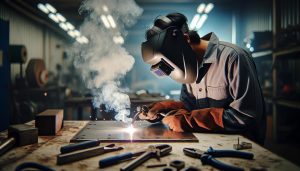
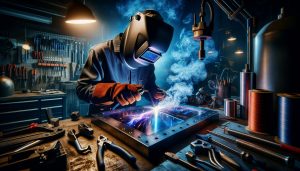
Cutting aluminum has become a pivotal skill for welders and DIY enthusiasts alike, largely due to the material’s lightweight and versatility in various applications. One of the most efficient methods to achieve clean and precise cuts in aluminum is by using a plasma cutter. Not only does this technique save time, but it also enhances safety and accuracy, making it essential for both beginners and seasoned professionals. As you delve into mastering this technique, you’ll discover how understanding the nuances of plasma cutting can elevate your projects from ordinary to extraordinary. Whether you’re looking to fabricate intricate designs or tackle repair jobs, knowing how to effectively cut aluminum with a plasma cutter opens up a world of possibilities. Join us as we explore the ins and outs of this powerful tool, equipping you with the knowledge to cut aluminum expertly and confidently.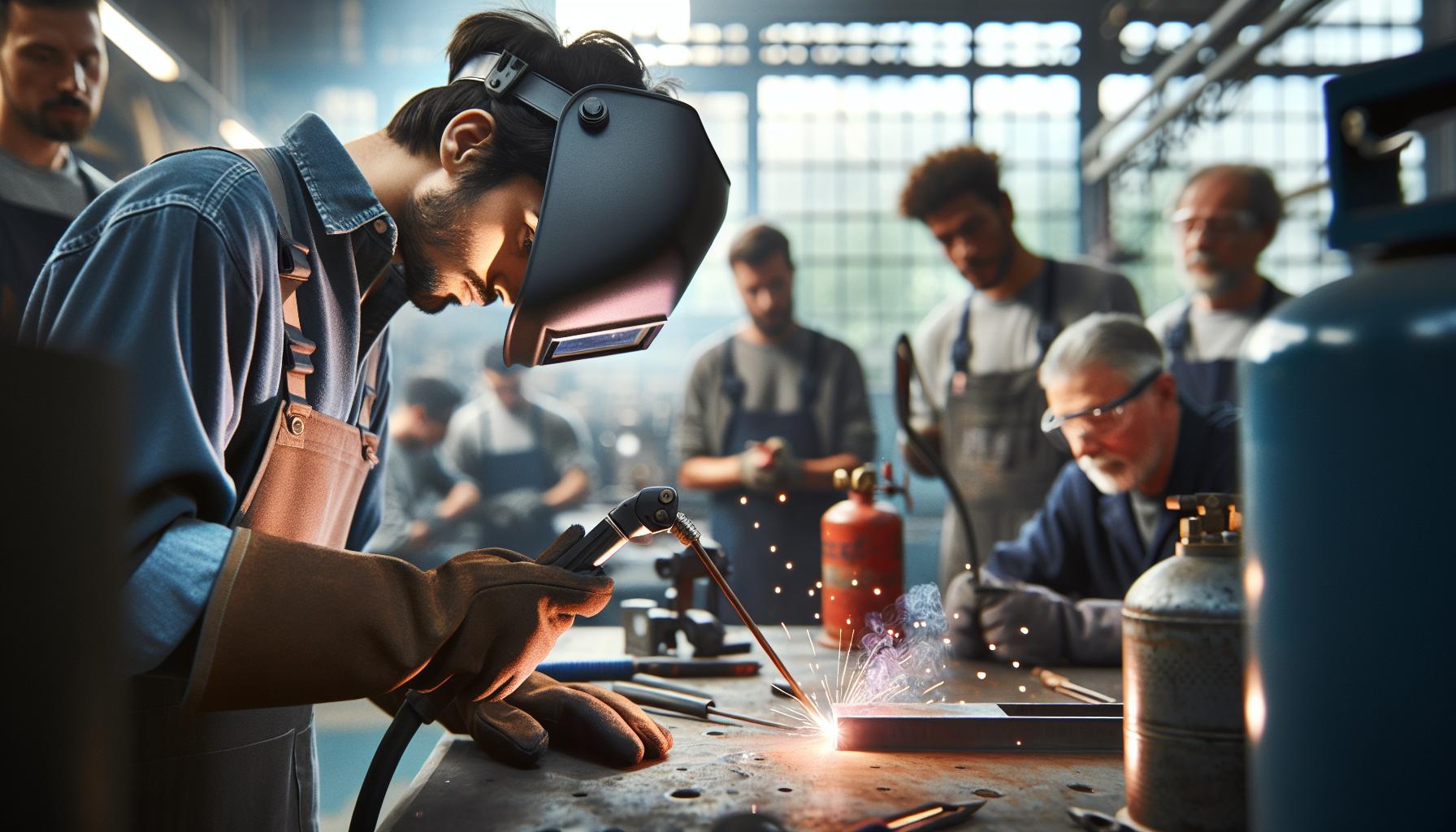
Can You Cut Aluminum with Plasma Cutter? Understanding the Basics of Plasma Cutting Aluminum
Cutting aluminum with a plasma cutter is not only feasible but also advantageous for various metalworking projects. This method utilizes a high-velocity jet of ionized gas-plasma-to effectively slice through the metal. One of the compelling aspects of plasma cutting lies in its precision; when done correctly, it can yield clean edges that often require minimal finishing. Unlike traditional cutting methods that might struggle with aluminum’s unique properties, plasma cutting excels due to its ability to handle the high thermal conductivity of aluminum, resulting in faster cuts and reduced distortion.
Understanding the fundamentals of plasma cutting aluminum is essential for both novice and seasoned welders. A plasma cutter operates by introducing an electrical arc between an electrode and the workpiece, ionizing the gas and creating plasma that can reach temperatures of up to 30,000°F. This intense heat allows the plasma to melt the metal, while the compressed air or inert gas simultaneously blows the molten material away from the cut, minimizing the chance of warping and imperfections.
However, it’s important to consider the challenges that come with plasma cutting aluminum. Its lower melting point compared to other metals means that the operator must be particularly cautious about travel speed and amp settings; if the cut is executed too slowly or with too high an amperage, it can lead to excessive melting and burn-through. Additionally, maintaining a consistent distance between the torch and the workpiece is crucial for achieving uniform results. By developing a solid grasp of these fundamentals, along with appropriate techniques and settings, anyone looking to master aluminum cutting can leverage the powerful capabilities of plasma cutters effectively.
The Advantages of Using Plasma Cutters for Aluminum
Plasma cutting aluminum is not only an efficient approach but also offers distinct advantages that make it a preferred choice for many fabricators. One of the foremost benefits is the precision that plasma cutting delivers. The technology allows for incredibly fine cuts, often reducing or eliminating the need for post-processing finishing work. This level of accuracy is particularly beneficial when dealing with intricate designs or components that require tight tolerances, such as in automotive or aerospace applications.
Another significant advantage lies in the speed of the cutting process. Plasma cutters can operate at a much faster rate compared to traditional cutting methods like oxy-fuel cutting. This efficiency is primarily because the high-temperature plasma jet can quickly melt through aluminum, which has a low melting point. As a result, the overall production time can be significantly reduced, enhancing workflow efficiency and productivity in industrial settings.
Furthermore, plasma cutting minimizes thermal distortion, a common challenge when working with aluminum due to its high thermal conductivity. The rapid melting and simultaneous blowing away of the molten material help maintain a cooler workpiece, thus reducing the risk of warping. This is particularly important when working with larger sheets or in applications where dimensional accuracy is critical.
Finally, plasma cutting equipment is relatively easy to set up and operate, even for those who may be new to metalworking. This accessibility allows more fabricators to incorporate advanced cutting techniques into their workflow without extensive training. Additionally, the versatility of plasma cutters means they can be used to cut not just aluminum but a range of materials, including stainless steel and mild steel, making them a valuable investment for any metalworking shop.
Essential Equipment and Safety Gear for Plasma Cutting
When diving into the world of plasma cutting, especially for materials like aluminum, investing in the right equipment and prioritizing safety is paramount. Plasma cutting is a powerful method for melting and severing aluminum, but it requires specific tools and proper gear to ensure the job is done effectively and safely.
To begin with, a reliable plasma cutter is essential. Choose a machine that matches your intended cutting thickness. For aluminum, look for models that can handle the thickness range you typically work with while ensuring they provide precise cuts. Additionally, you’ll need appropriate consumables such as electrodes and nozzles designed specifically for aluminum. This is crucial as they directly influence the quality and efficiency of your cuts.
Essential Equipment
- Plasma Cutter: Select a dual-gas plasma cutter that can handle argon or compressed air for better cutting results.
- Air Compressor: A high-capacity compressor ensures a steady supply of compressed air, which is vital for achieving clean and efficient cuts.
- Cutting Table: Invest in a sturdy cutting table with adequate ventilation to enhance safety and visibility during the cutting process.
- Clamps and Fixtures: Use clamps to hold your aluminum workpiece securely in place to prevent movement, ensuring accuracy.
Safety gear is equally important in ensuring a secure plasma cutting experience. Plasma cutting produces bright, intense light, which can cause serious eye damage; thus, a quality welding helmet with an appropriate shade lens is essential. Additionally, flame-resistant clothing protects your skin from sparks and heat. Here is a list of personal protective equipment (PPE) to wear while cutting:
Safety Gear
- Welding Helmet: Opt for an automatic darkening helmet for convenience and protection.
- Gloves: Use insulated gloves designed for welding to safeguard your hands against heat and sharp edges.
- Apron: A flame-resistant leather apron can prevent sparks and slag from contacting your skin.
- Closed-Toe Shoes: Wear sturdy, closed-toe footwear to protect your feet from falling equipment or hot materials.
Always remember that every plasma cutting project comes with risks. Assess your workspace for any flammable materials and ensure ample ventilation, as the process can produce harmful fumes. By carefully selecting the right equipment and employing solid safety practices, you can enjoy the benefits of plasma cutting aluminum while minimizing risks involved.
Techniques for Mastering Aluminum Plasma Cutting
To achieve excellence in plasma cutting aluminum, mastering specific techniques is essential. The nature of aluminum-characterized by its high thermal conductivity and low melting point-poses unique challenges that can be effectively navigated through skillful practices. Understanding these techniques can significantly enhance the quality of your cuts and improve overall project efficiency.
First and foremost, maintaining the correct cutting speed is crucial. Too fast can lead to poor-quality edges, while too slow can result in excessive melting and dross formation. Aim for a steady, moderate speed that allows the plasma arc to penetrate the metal without overheating it. This balance is vital for achieving clean cuts and minimizing the heat-affected zone, which is critical when working with aluminum.
Another important technique involves the angle of the cutting torch. For aluminum, holding the torch at a slight angle (about 15 degrees) allows for better arc control and a more effective cut. This positioning helps in directing the plasma flow more accurately, resulting in a smoother edge. Additionally, utilizing the right torch height can impact cut quality; generally, maintaining a consistent distance of about 1/8 inch from the workpiece yields optimal results.
Moreover, preparation of the aluminum surface cannot be overlooked. Cleaning the material to remove any oxide layer or contaminants will greatly improve cut quality. Using a Wire brush or degreaser before cutting can enhance adhesion and result in a more precise cut. If feasible, consider clamping your piece securely to a stable surface. Stability not only aids in achieving straight cuts but also reduces the likelihood of warping or displacement during the cutting process.
Lastly, practice makes perfect. Regularly experimenting with different settings, materials, and techniques will build your confidence and proficiency in plasma cutting aluminum. Consider starting with scrap aluminum before moving on to your actual project, taking note of how adjustments in speed, angle, and distance impact the quality of your cuts. By honing these techniques, you’ll find yourself mastering aluminum plasma cutting, leading to more professional-looking results in your projects.
Tips for Achieving Clean Cuts on Aluminum
Achieving clean cuts on aluminum with a plasma cutter is not only about the machine settings but also the techniques employed throughout the cutting process. Key factors such as the speed of the cut, the angle of the torch, and the surface preparation can significantly impact the outcome. For example, maintaining an optimal cutting speed is critical; too fast may result in inconsistent edges, while too slow can cause excessive melting and dross. A moderate, steady speed that allows for effective penetration without overheating typically provides the best results.
Optimize Torch Angle and Height
The angle at which you hold the torch plays a vital role in the cutting quality. It’s advisable to keep the torch at a slight angle, around 15 degrees, as this helps with arc control and the direction of the plasma flow, leading to a smoother edge. Additionally, maintaining a consistent torch height-ideally about 1/8 inch from the workpiece-ensures that the plasma effectively cuts through the aluminum without unnecessary thermal distortion.
Prepare the Material
Proper material preparation is paramount for achieving superior cut quality. Before cutting, make sure to clean the aluminum surface thoroughly to remove any oxide layers or contaminants that could hinder the cutting process. Utilizing tools such as a wire brush or a degreaser can help improve adhesion and lead to more precise cuts. Moreover, securing your aluminum piece on a stable surface using clamps can prevent shifting, which not only enhances your ability to make straight cuts but also minimizes warping or displacement during the cutting operation.
Remember, practice is essential in mastering plasma cutting techniques. Experimenting with different settings, materials, and approaches will refine your skills. Consider cutting scrap aluminum to fine-tune your technique, making adjustments in speed, angle, and height as you go. By consistently applying these strategies, you will enhance the precision and quality of your aluminum cuts, resulting in professional-looking outcomes for your projects.
Common Mistakes to Avoid When Cutting Aluminum
When cutting aluminum with a plasma cutter, even experienced welders can overlook crucial techniques that lead to poor results. A common pitfall is inconsistent cutting speed; too quick can leave jagged edges, while moving too slowly causes excess melting and slag. Striking the right balance is essential, and a steady, moderate pace is key. Moreover, many welders neglect the importance of ensuring the torch is at an optimal distance from the workpiece. Maintaining a height of about 1/8 inch not only allows for effective cutting but also helps manage heat dispersal, minimizing risks of distortion or warping.
Another frequent mistake is inadequate surface preparation. Aluminum surfaces often harbor oxide layers that can impede cutting efficiency. Skipping the cleaning process with a wire brush or degreaser can lead to compromised cut quality and higher chances of contamination during welding. Additionally, failing to secure the aluminum firmly with clamps may result in movement during the cutting, leading to inaccurate cuts and an increased risk of accidents. Therefore, taking the time to prepare both the material and work environment can drastically enhance the cutting process and outcome.
Safety also demands attention as many overlook the importance of protective equipment during plasma cutting operations. While plasma cutting generates high temperatures and sparks, consistently using protective clothing, gloves, and appropriate eyewear will significantly reduce the risk of burns and eye injuries. Not configuring the plasma cutter settings correctly for aluminum, such as current output and gas flow, can also compromise safety and effectiveness. Ensuring the correct settings for the specific aluminum thickness being cut is pivotal to achieving clean cuts without introducing hazards. Avoiding these common mistakes will not only improve the quality of your work but also enhance your safety and efficiency in the cutting process.
Maintenance Practices for Your Plasma Cutter
To maintain optimal performance and longevity of your plasma cutter, regular maintenance is essential. A well-maintained machine not only produces better-quality cuts but also ensures safety in the workshop. One of the first steps in maintenance involves routinely checking and replacing consumables, such as the electrode, nozzle, and swirl ring. These components wear out from use and can significantly affect cutting efficiency if not replaced in time. Regular cleaning of these parts and ensuring they are free of debris can enhance cutting accuracy and prolong the life of the machine.
Moreover, inspecting the gas supply lines for leaks or blockages is critical. Proper gas flow is vital in plasma cutting, as inadequate flow can lead to erratic cutting and poor quality. Ensure the gas regulator is functioning properly and that all connections are airtight. It’s also wise to periodically check the electrical connections and grounding of your plasma cutter. Loose wires or improper connections can lead to overheating and potential hazards.
Lastly, keep the cutter’s external surfaces clean and free of dust and grime. A clean machine is less likely to overheat, and you’ll notice performance improvements. For operators who frequently cut aluminum, consider using a dedicated separator or moisture filter to keep the compressed air system dry, which is crucial for obtaining clean and consistent cuts. Following these maintenance practices will not only enhance your cutting experience but also ensure your equipment remains safe and functional for years to come.
Exploring Alternative Methods for Aluminum Cutting
An interesting fact about aluminum is that, while it is a lightweight and versatile material, its cutting can sometimes challenge even seasoned professionals. Beyond using a plasma cutter, there are several alternative methods for cutting aluminum that can offer unique benefits depending on the project requirements, material thickness, and desired precision.
Mechanical Cutting Methods
Among the most common alternative methods is mechanical cutting, which involves using tools like saws and shears. Band saws are particularly effective for straight cuts in thicker aluminum, providing a smooth finish that minimizes the need for additional finishing work. Circular saws fitted with carbide-tipped blades can also be used; however, one must be cautious about blade speed to prevent overheating, which can warp the material.
Laser Cutting
Another advanced method is laser cutting, which excels in providing precision cuts with clean edges and minimal kerf. This technique is suitable for intricate designs or when the tight tolerances are vital. While laser cutting equipment can be more expensive and often requires additional setup time, it yields excellent results for complex shapes that plasma cutting might struggle with due to heat-induced distortion.
Waterjet Cutting
Waterjet cutting is a non-thermal method that uses a high-velocity stream of water, often mixed with abrasives, to cut through materials, including aluminum. This technique is advantageous for preserving the integrity of the material and avoiding the heat-affected zone that can distort aluminum with thermal cutting methods. It is ideal for thicker sheets and can handle a variety of materials without altering their intrinsic properties.
MIG and TIG Welding
For specific applications, particularly where joining rather than cutting is needed, MIG (Metal Inert Gas) and TIG (Tungsten Inert Gas) welding represent viable options. Both methods utilize filler materials to create strong bonds and can incorporate cutting practice by manipulating the heat input to separate sections of aluminum before welding.
Ultimately, the choice of cutting method should align with your project’s specific needs, materials, and budget. By combining these techniques with plasma cutting, fabricators can enhance their versatility and improve production outcomes, ensuring they maintain high quality while adapting to various challenges.
Understanding the Material Properties of Aluminum
Aluminum is known for its remarkable combination of lightweight qualities and exceptional strength, making it a popular choice in various industries, from automotive to aerospace. However, its unique material properties present both opportunities and challenges when it comes to cutting techniques, particularly with plasma cutters. Understanding these properties is essential for anyone looking to achieve optimal results when cutting aluminum.
One of the primary characteristics that sets aluminum apart is its high thermal conductivity. This quality allows for quick heat dissipation, which can complicate the plasma cutting process. Unlike materials that retain heat, aluminum can cool rapidly, which might lead to issues such as incomplete cuts or inconsistent edge quality. Therefore, maintaining the right cutting speed and adjusting your plasma cutter settings accordingly is crucial for achieving the desired finish. Additionally, its low melting point means that too much heat can quickly lead to excessive melting and deformation rather than a clean cut.
Aluminum’s ductility is another important factor. This property allows it to be formed into various shapes without breaking, but it can also pose problems during cutting, particularly when working with thin sheets. When cutting aluminum, operators must be cautious about warping or bending, which may result in inaccuracies. To combat these issues, using clamps or supports can help stabilize the material during the cutting process.
Aluminum also oxidizes quickly when exposed to air, forming a thin layer of aluminum oxide that can significantly affect cutting quality. This layer can lead to poor plasma arc transfer and results in a rough edge if not adequately addressed. Therefore, ensuring the surface is clean and removing any oxidation before cutting is beneficial for producing smoother and cleaner cuts.
In summary, mastering the plasma cutting of aluminum requires a keen understanding of its material properties. By recognizing the implications of its thermal conductivity, ductility, and tendency to oxidize, fabricators can better navigate the challenges associated with this versatile metal, ultimately resulting in cleaner, more precise cuts. Employing the right techniques and adjustments specific to aluminum will enhance both the process and the final product.
Advanced Plasma Cutting Settings for Experts
Achieving exceptional results in plasma cutting aluminum not only hinges on a solid understanding of the material properties but also requires mastery over advanced plasma cutting settings. Fine-tuning these settings can drastically improve precision, cut quality, and overall efficiency, especially when working with the unique challenges posed by aluminum.
When adjusting settings, consider the thickness of the aluminum being cut. For thin materials (up to 1/8″), a faster cutting speed may be necessary. High voltages (typically around 70-80 amps) are recommended for thicker sheets (over 1/4″), but keep in mind that a slower speed at these settings can lead to a cleaner edge. Additionally, adjusting the gas flow rate is crucial; too much flow can create turbulence, disrupting the plasma arc, while too little can lead to incomplete cuts. A flow rate between 60-70 psi is often a safe starting point.
Another critical setting is the arc voltage, which affects penetration and cut quality. Generally, a higher voltage will provide a deeper cut, but this may also increase the heat input and risk distorting the material. It is advisable to start with the manufacturer’s specifications and make incremental adjustments based on results. Employing higher quality plasma gases-like a mix of oxygen and nitrogen-can yield better arc stability and improved cut finishes.
Finally, here are some advanced tips to consider:
- Pre-cut Preparation: Clean the aluminum surface thoroughly before cutting to remove oxidation and contaminants, which can degrade the cutting quality.
- Start Voltage Settings: Use a dual voltage function if your plasma cutter supports it. This allows you to switch between modes depending on material thickness.
- Experiment with Patterns: Try different cutting patterns (e.g., straight, zigzag) that can optimize speed and reduce heat buildup for intricate designs.
By carefully calibrating these advanced settings and embracing a methodical approach, welders can unlock the full potential of plasma cutting aluminum, resulting in clean, precise cuts that stand up to the highest industrial standards.
Real-World Applications of Plasma Cutting Aluminum
The versatility of plasma cutting has made it a preferred method in various industries for cutting aluminum, a material known for its lightweight and corrosion-resistant properties. From automotive to aerospace, and even in the arts, plasma cutters are applied extensively to produce high-quality, precise cuts in aluminum components. This effectiveness stems from the plasma cutter’s ability to create a concentrated heat source that efficiently melts away metal without compromising its integrity.
In the automotive industry, for instance, plasma cutting is employed to fabricate intricate parts of vehicles, including body panels and customized brackets. The speed and precision of plasma cutting enable manufacturers to reduce production times while maintaining high standards of quality. Similarly, in the aerospace sector, the need for lightweight yet strong components encourages the use of aluminum, where plasma cutting is utilized in creating engine parts and structural components that meet stringent safety and performance standards.
The artistic applications of plasma cutting should not be overlooked either. Artists and fabricators use plasma cutters to create stunning sculptures and decorative elements that require detailed designs and custom shapes. The capability to cut thick aluminum sheets with clean edges allows for innovative creations that would be difficult to achieve with traditional cutting methods.
Moreover, in construction and manufacturing settings, plasma cutting facilitates the assembly of aluminum structures, such as frames and brackets, where rapid, precise cuts are essential for efficient workflow. Whether it’s customizing a part for a specific function or fabricating large aluminum sections for a building project, plasma cutting offers a reliable solution that meets industrial demands while unlocking creative possibilities. The increasing adoption of automated plasma cutting systems also enhances productivity, allowing for faster turnaround times and reduced labor costs in manufacturing environments.
By understanding and harnessing the capabilities of plasma cutting, welders and manufacturers can effectively expand their operations and explore new applications in aluminum fabrication, ultimately enhancing their competitiveness in the market.
Troubleshooting Common Issues in Plasma Cutting Aluminum
When engaging in aluminum plasma cutting, even seasoned professionals may encounter common challenges that can affect both the quality of cuts and the efficiency of their work. Understanding these issues and having the knowledge to troubleshoot them is crucial in achieving optimal results. One prevalent problem is inconsistent cutting speeds. This can lead to ragged edges or excessive heat affecting the aluminum’s structural integrity. To address this, ensure that your plasma cutter’s settings are appropriately adjusted for the thickness of the aluminum being cut. Maintaining a steady speed and consistent hand movement can also significantly improve cut quality.
Another frequent issue is excessive dross formation, where molten aluminum solidifies on the cut edge. This is often caused by incorrect gas flow rates or torch height. To minimize dross, check that you’re using the correct shielding gas and flow settings based on the thickness of the material. Additionally, maintaining an optimal torch height is critical; too high may hinder cutting performance, while too low can cause the formation of dross. It’s advisable to periodically test different parameters until the right configuration is found.
Electrical and Mechanical Problems
Electrical issues can be equally troublesome; for instance, an erratic arc can result from worn plasma consumables or improper grounding. Regular inspection of the torch for wear and tear is essential; replacing the electrode and nozzle as needed can lead to a more stable arc and cleaner cuts. On the mechanical side, issues such as misalignment of the cutting gantry can lead to inaccuracies. Ensuring that all parts are calibrated and functioning properly is vital for maintaining precision in your cuts.
To help ensure successful troubleshooting, consider these steps for addressing common issues:
- Adjust Settings: Recheck your amperage, voltage, and gas flow settings.
- Inspect Equipment: Regularly check wear on consumables and alignment of your cutting machine.
- Maintain Technique: Keep a consistent speed and proper torch height during cuts.
- Clean the Work Area: Remove any aluminum debris or contaminants that may affect your cuts.
By systematically identifying and resolving these common challenges, both beginners and experienced welders can enhance their proficiency in aluminum plasma cutting. Ongoing practice and attention to detail will not only improve the quality of your projects but also contribute to safer and more efficient operating conditions.
Frequently asked questions
Q: Can I use a plasma cutter for thin aluminum sheets?
A: Yes, plasma cutters are excellent for cutting thin aluminum sheets. They provide clean, precise cuts without significant distortion. Ensure to use the appropriate settings and a focused nozzle to achieve the best results. For more techniques, refer to the section on mastering aluminum plasma cutting.
Q: What plasma cutter settings are best for aluminum?
A: Optimal plasma cutter settings for aluminum typically involve using a higher cutting speed and a lower amperage compared to steel. Adjust your air pressure for smoother cuts. Consult the advanced settings section for detailed recommendations.
Q: How do I prevent burn-through when cutting aluminum?
A: To prevent burn-through on aluminum, maintain a fast cutting speed and use appropriate amperage settings. Keep the plasma torch at the right distance from the material. Proper technique and understanding the material properties can significantly reduce this risk.
Q: Is it necessary to use a ceramic ring when cutting aluminum?
A: While not mandatory, using a ceramic ring can enhance the stability of the plasma arc, resulting in cleaner cuts. Consult your plasma cutter manual for compatibility and benefits related to using ceramic rings during aluminum cutting.
Q: Can I cut aluminum with a cheap plasma cutter?
A: Yes, budget plasma cutters can cut aluminum, but the results may vary in quality. Higher-end models offer better control and precision. For superior performance, consider investing in a plasma cutter designed specifically for aluminum work, as explored in our advantages section.
Q: What safety gear should I wear while plasma cutting aluminum?
A: Essential safety gear includes a welding helmet with suitable shade, flame-resistant gloves, and protective clothing. Additionally, use a respirator to protect against fumes generated during aluminum cutting. Always prioritize safety as discussed in our equipment and safety gear section.
Q: Are there any specific cooling requirements when cutting aluminum?
A: While plasma cutting aluminum generally does not require additional cooling, it’s essential to avoid overheating by maintaining an appropriate cutting speed. If cutting thicker aluminum, consider using water or air-cooled torches as suggested in the maintenance practices section.
Q: What should I do if my plasma cutter struggles with aluminum?
A: If your plasma cutter struggles, check for worn consumables, improper gas flow, or incorrect settings. Clean the equipment regularly and refer to the troubleshooting common issues section for detailed solutions to enhance cutting performance.
The Way Forward
Mastering plasma cutting aluminum not only enhances your welding versatility but also opens doors to countless creative projects. With the right techniques and equipment, you can achieve clean, precise cuts that elevate your craftsmanship to the next level. Don’t let hesitation hold you back! Dive deeper into plasma cutting and explore our resources on MIG, TIG, and stick welding to broaden your skillset.
For expert tips, consider checking out our guides on safety protocols and equipment reviews, or join our community for insightful discussions and support. Remember, every project is a chance to refine your techniques-so start experimenting today! Share your progress in the comments, and don’t forget to subscribe to our newsletter for more expert advice on all things welding. Your journey to becoming a plasma cutting pro begins now!