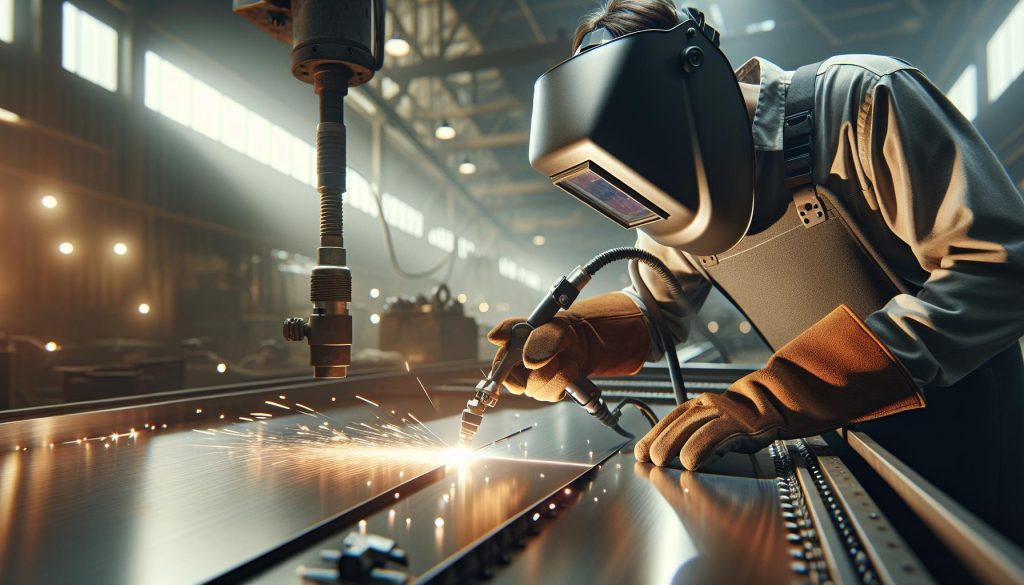
When it comes to metal fabrication, stainless steel stands out for its durability and corrosion resistance. Many welders and DIY enthusiasts often wonder, “Can I cut stainless steel with a plasma cutter?” The answer is a resounding yes! Plasma cutting is not only possible but also one of the most efficient methods for slicing through this tough material. Understanding how to effectively cut stainless steel allows you to take on a wider range of projects, from intricate custom designs to heavy structural repairs. In this article, we’ll explore the techniques and tips you need for successful cutting, ensuring you achieve precision results while maximizing safety. Whether you’re a seasoned pro or a novice eager to learn, this guide will enhance your skills and expand your toolkit. Keep reading to discover just how versatile plasma cutting can be in your welding journey.
Can Plasma Cut Stainless Steel Effectively?
To achieve effective cutting of stainless steel with a plasma cutter, it is important to understand not only the capabilities of this technology but also the characteristics of stainless steel itself. Plasma cutting is a popular choice for fabricators because of its speed and precision. The process utilizes a high-velocity jet of ionized gas-plasma-to melt and blow away material. While stainless steel presents unique challenges due to its alloy compositions, such as chromium and nickel, plasma cutting can be highly effective if done correctly.
One of the primary factors that enhance the effectiveness of plasma cutting on stainless steel is the type of plasma cutter employed. High-frequency systems are typically recommended for stainless steel, as they provide a cleaner cut and can handle thicker materials more efficiently. For instance, industrial-grade plasma cutters typically deliver cutting currents ranging from 30 to 100 amps, allowing the operator to adjust the settings based on the thickness and type of stainless steel. Another significant advantage is the minimal heat-affected zone (HAZ), which reduces warping and preserves the integrity of the metal.
Moreover, preparation plays a crucial role in successful plasma cutting. Ensuring that the stainless steel is clean and free from contaminants-like oil, rust, or paint-improves cut quality and reduces equipment wear. Proper grounding is also essential; establishing a strong ground connection can enhance the cutting arc. Operators should be aware of their technique as well; maintaining a consistent speed and angle during cutting can significantly impact the precision and finish of the cut.
In practice, by following best practices and utilizing the right equipment and techniques, plasma cutting can deliver exceptional results, making it a preferred method for various industrial applications involving stainless steel.
Understanding Plasma Cutting Technology
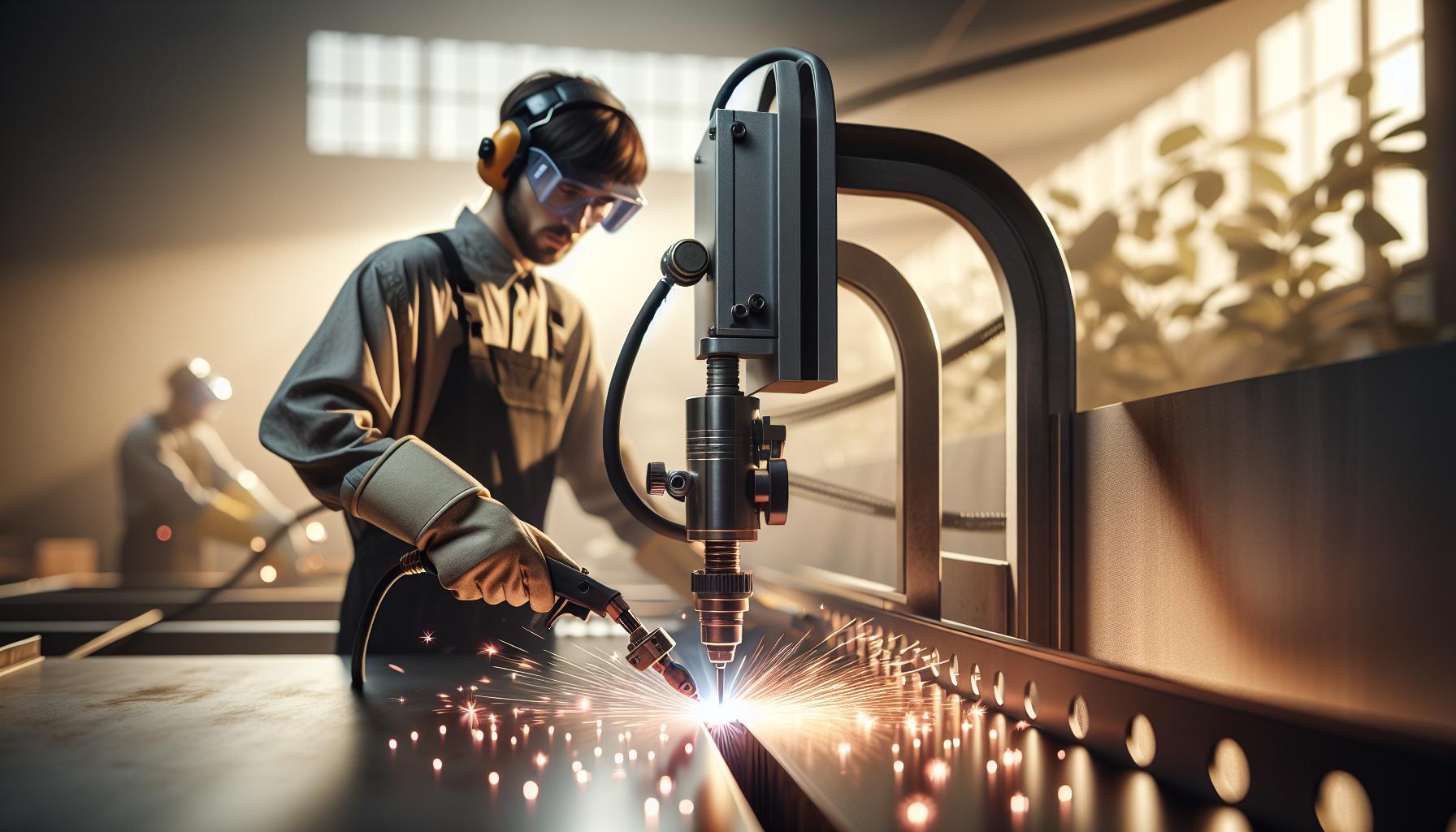
Plasma cutting is a revolutionary technology that has transformed the way metal fabricators work, particularly when it comes to cutting stainless steel. By utilizing a high-velocity jet of ionized gas-plasma-this technique efficiently melts metal and blows away the molten material, making it ideal for achieving clean and precise cuts. Unlike other methods, plasma cutting accommodates various thicknesses and types of metals, making it highly versatile for both professional and DIY applications.
One of the key aspects of plasma cutting is the ability to adjust set parameters based on the material being cut. This adaptability allows operators to tailor the cutting process to different grades of stainless steel, which can contain varying levels of chromium, nickel, and other alloying elements. High-frequency plasma systems are particularly effective for stainless steel applications. They provide a more stable arc and cleaner cuts, especially when tackling thicker sections that might pose challenges for less sophisticated systems.
Moreover, the inherent advantages of plasma cutting extend beyond just cutting capabilities. Given its high speed, this method significantly reduces production time compared to traditional cutting methods such as oxy-fuel cutting. In many cases, the minimal heat-affected zone (HAZ) also helps maintain the mechanical properties of the metal, which is crucial for components used in structural applications. Understanding the strengths of plasma technology equips users to make informed decisions about their cutting needs, further enhancing productivity and efficiency in metal fabrication processes.
To maximize the effectiveness of this technology, it is critical to consider factors such as proper equipment settings, consumable selection, and the quality of the grounding. A thorough understanding of these elements not only enhances cut quality but also improves the longevity of the equipment used. As professionals engage with plasma cutting, their knowledge of these fundamental concepts will pave the way for successful and high-quality results in their projects.
Advantages of Using Plasma Cutters on Stainless Steel
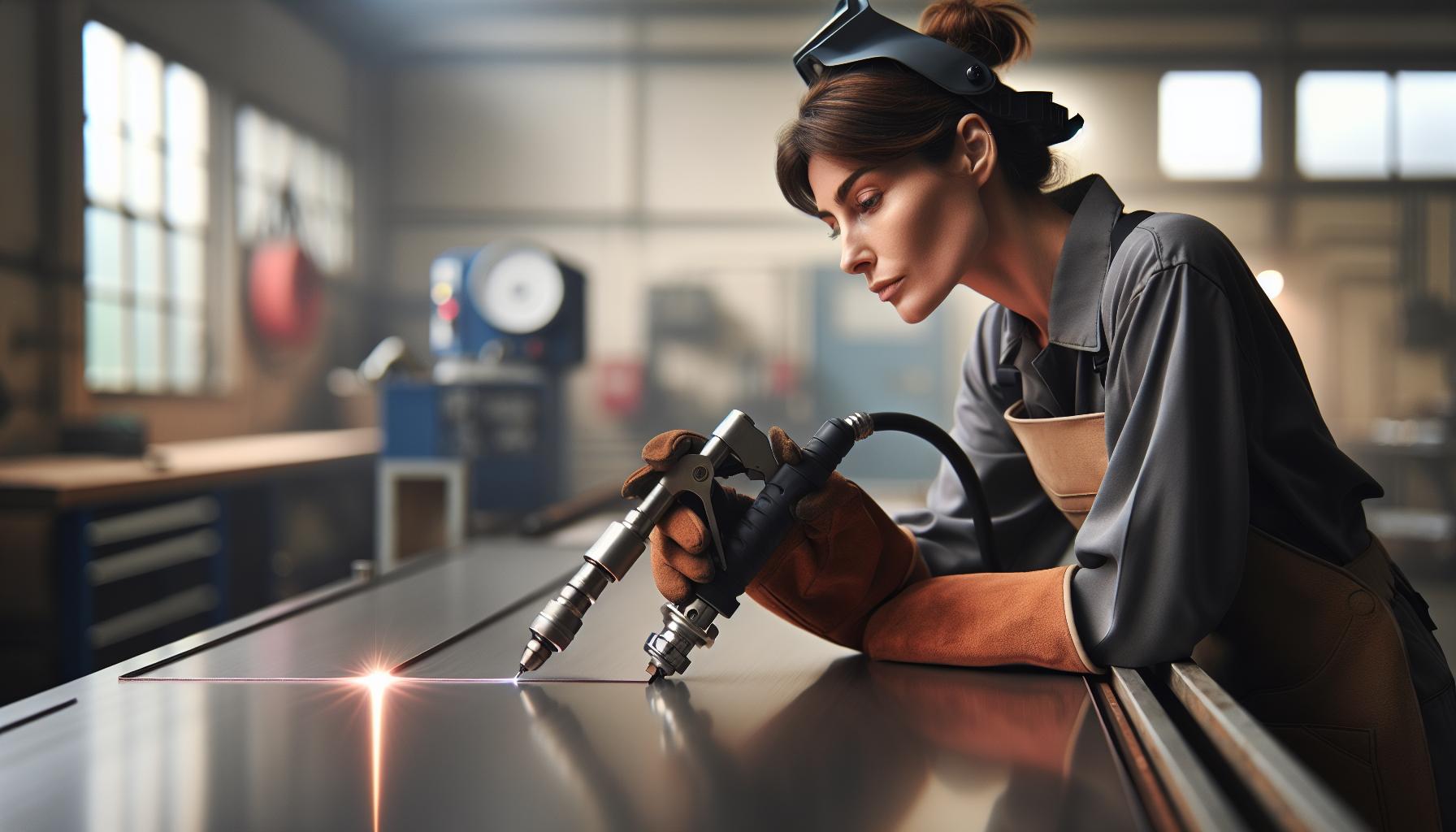
Utilizing plasma cutting technology to tackle stainless steel opens up a world of advantages that can significantly enhance the efficiency and quality of metal fabrication projects. One of the standout benefits is the ability of plasma cutters to create exceptionally clean and precise cuts. This is particularly crucial when working with stainless steel, as the reduced heat-affected zone (HAZ) minimizes the risk of structural weakening. The plasma process generates intense heat through a high-velocity jet of ionized gas, effectively melting away the material without distorting the surrounding metal. As a result, welders enjoy enhanced control over the cutting process, allowing for intricate designs and tight tolerances.
Another significant advantage of plasma cutting is its remarkable speed. Compared to traditional cutting methods like oxy-fuel cutting, plasma cutting dramatically reduces processing time, enabling higher productivity. When time is of the essence in a project, the rapid cutting speeds of plasma devices empower fabricators to meet deadlines while maintaining cut quality. Furthermore, plasma cutting is suitable for a variety of thicknesses; whether it’s thin sheets or thicker plates, this method adapts remarkably, providing versatility that is often unmatched by other techniques.
Additional Benefits Include:
- Ease of Automation: Plasma cutting can be easily integrated into CNC systems, enhancing efficiency and allowing for complex patterns to be cut with minimal manual intervention.
- Cost Efficiency: The speed of operation and minimal material wastage make plasma cutting a cost-effective option for both small workshops and large-scale operations.
- Portability: Many plasma cutters are relatively lightweight and portable, making them suitable for fieldwork and on-site repairs where stainless steel cutting is required.
Each of these advantages positions plasma cutting as a preferred choice among metalworkers and engineers alike. For those looking to maximize their capabilities in stainless steel fabrication, investing in a high-quality plasma cutter can lead to significant improvements in both output and quality. Mastering this technology not only enhances the craftsmanship involved but also ensures that projects are completed efficiently and to specification.
Common Myths About Plasma Cutting Stainless Steel

Many myths surround the effectiveness of plasma cutting on stainless steel, often leading to a lack of confidence in this invaluable technology among fabricators. One common misconception is that plasma cutting cannot produce clean enough edges on stainless steel, particularly for critical applications. In reality, modern plasma cutting techniques, especially those using high-quality machines and consumables, can achieve exceptional edge quality with minimal dross and a clean finish, making it suitable for various industrial applications.
Another prevalent myth is that plasma cutting is only viable for thick materials, when in fact, plasma cutters excel in processing a wide range of stainless steel thicknesses, from thin sheets to heavy plates. Using appropriate settings and technology, a skilled operator can cut stainless steel as thin as 20 gauge efficiently while maintaining high accuracy. This versatility allows fabricators to utilize plasma cutting in diverse projects, from delicate artistic work to robust industrial components.
Furthermore, some believe that plasma cutting generates excessive heat, compromising the integrity of stainless steel. However, when cutting at the right speed and using the correct amperage, plasma cutting minimizes the heat-affected zone (HAZ), preserving the mechanical properties of the material. This aspect is crucial in maintaining the stainless steel’s corrosion resistance and overall strength, especially in applications that require high structural integrity.
Finally, it is crucial to dispel the idea that plasma cutting is a more dangerous method than traditional cutting techniques. While any cutting operation carries inherent risks, with proper training and adherence to safety guidelines-including personal protective equipment (PPE) and equipment handling protocols-plasma cutting can be executed safely. By addressing these myths, fabricators can feel more empowered to leverage plasma cutting for stainless steel projects, unlocking its full potential in achieving both precision and efficiency.
Preparation Steps for Successful Cutting
To achieve optimal results when plasma cutting stainless steel, proper preparation is essential. This proactive approach not only enhances the quality of the cuts but also ensures the longevity of your equipment and the safety of the operator. Before starting any cutting project, take the time to prepare adequately, following a checklist tailored to your specific needs.
Begin by assessing the workspace. Clear any clutter that could obstruct your movements or pose a safety hazard. Ensure that you have sufficient ventilation, as plasma cutting generates fumes and gases that require good airflow to maintain a safe working environment. Set up your plasma cutter on a stable surface where it won’t tip over, and have all your accessories within easy reach.
Material Preparation is another critical consideration. Ensure that the stainless steel sheets or sections to be cut are clean and free from contaminants such as oils, rust, or paint. Use a degreaser or solvent to clean the surface, as contaminants can affect the quality of the cut and lead to increased dross buildup. Mark your cutting line clearly with a non-reflective marker or chalk, which makes it easier to follow the line and achieve precise cuts.
Additionally, ensure that your plasma cutter is configured correctly for the specific type and thickness of stainless steel you are working with. Check the manufacturer’s manual for recommended settings, including the correct amperage and cutting speed. These settings are crucial to prevent excessive heat build-up, which can warp the material or lead to poor edge quality. Performing a test cut on a scrap piece can also help you confirm that you have the right parameters set.
Lastly, equip yourself with the necessary personal protective equipment (PPE). This includes a suitable welding helmet with appropriate shade, gloves, and protective clothing. Proper PPE protects against sparks, intense light, and other potential hazards associated with plasma cutting. By taking these preparation steps seriously, you lay the groundwork for successful and efficient cutting of stainless steel with your plasma cutter.
Best Practices for Cutting Stainless Steel
To achieve exceptional results when cutting stainless steel with a plasma cutter, it’s vital to adhere to best practices that enhance precision, safety, and overall effectiveness. A key consideration is maintaining the correct cutting angle. Angling the torch at about 10 to 15 degrees can help promote a clean cut and reduce the risk of dross accumulation on the cut edge. Additionally, ensuring a consistent cutting speed is crucial; moving too quickly may result in incomplete cuts, whereas cutting too slowly can lead to excessive heat and warping.
Another important practice involves managing the distance between the nozzle and the workpiece. Ideally, the distance should be just right to ensure optimal arc stability and cut quality. Generally, maintaining a nozzle-to-material distance of about 1/8 inch helps achieve the best results. Regularly checking the wear on the nozzle can also contribute significantly to cut quality; worn nozzles can produce wider cuts and more dross. Replacing the nozzle as part of a routine maintenance schedule will help maintain a cleaner and more precise cutting operation.
Additionally, choosing the correct consumables for the thickness and type of stainless steel is paramount. Using the right gas mixture-often a balance of air and inert gases-can minimize oxidation and improve edge quality. For thinner materials, a plasma cutter with a lower amperage setting is adequate, while thicker materials might require a more powerful setup. Always consult the manufacturer’s specifications to select the appropriate settings for the job.
Finally, integrating effective post-cutting techniques can prevent corrosion and improve the longevity of the cut material. After cutting, cleaning oxidized surfaces with a suitable stainless steel cleaner will not only enhance appearance but also prevent rusting and ensure the integrity of the material during subsequent processing stages. By focusing on these best practices, welders can significantly enhance their proficiency in plasma cutting stainless steel, leading to superior results in their projects.
Choosing the Right Plasma Cutter for Stainless Steel
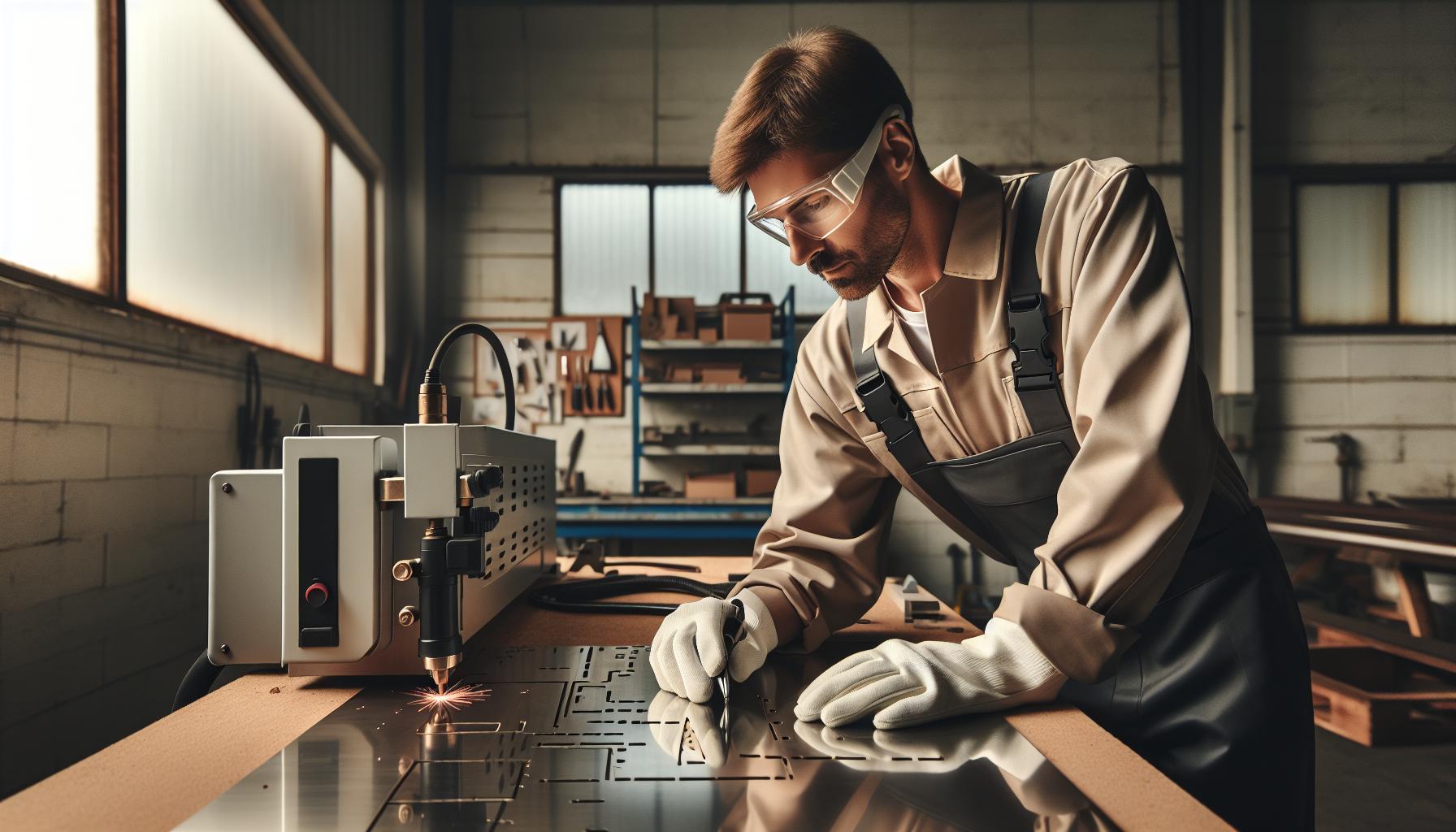
To achieve effective results when cutting stainless steel, the selection of the appropriate plasma cutter is crucial. Not all plasma cutters are created equal, and the specific requirements for cutting stainless steel, such as thickness and quality of cut, should guide your decision. High-quality plasma cutters designed for stainless steel typically offer a combination of sufficient amperage, advanced features, and the right consumables to ensure a smooth and clean cutting process.
When selecting a plasma cutter, consider the following key factors:
- Amperage: For cutting stainless steel, especially thicker materials, a cutter with an output of at least 40 amps is recommended. This amperage ensures that the tool can handle the heat required to cut through the material effectively.
- Cutting Capacity: Ensure that the plasma cutter’s specifications indicate it can handle the thickness of stainless steel you plan to work with. Generally, a cutter rated for at least 1/2 inch thickness is suitable for most moderate to heavy-duty tasks.
- Output Voltage: Look for units that provide both high-frequency start and the ability to adjust the output voltage. This feature is essential for achieving a stable arc and maintaining cutting speed without sacrificing quality.
- Portability: If your projects require mobility, consider a plasma cutter that is lightweight and easy to transport, yet powerful enough to meet your cutting needs.
- Durability and Build Quality: Stainless steel cutting produces high temperatures and requires reliable equipment. Choose a cutter known for its robust design and longevity, which can withstand heavy use.
- Additional Features: Features such as pilot arc technology can greatly enhance performance by allowing for cutting through painted or dirty surfaces without needing to clean them first, making the process more efficient.
Being equipped with the right plasma cutter not only improves the efficiency of your work but also increases safety and ensures cleaner cuts. Investing in quality equipment pays off in the long run, both in terms of performance and in reduced wear on consumables. Therefore, understanding your specific needs when cutting stainless steel will guide you to a plasma cutter that provides both effective results and satisfaction in your projects.
Safety Considerations When Plasma Cutting
When engaging in plasma cutting, particularly with materials like stainless steel, safety must be the foremost concern. Plasma cutting involves high temperatures, intense electrical arcs, and the potential for harmful fumes. A comprehensive understanding of safety protocols can prevent accidents and ensure a secure working environment. Wearing proper personal protective equipment (PPE) is a fundamental step that cannot be overlooked. Essential PPE includes flame-resistant gloves, safety goggles with appropriate shade protection to shield the eyes from bright arcs, and a welding mask that covers the face and neck to guard against sparks and UV radiation.
It’s also crucial to maintain a clean and organized workspace. Flammable materials such as wood, paper, or chemicals should be kept away from the cutting area. Ensure that the surface where you are cutting is stable to prevent slips and falls. Ventilation is another key consideration; adequate airflow can help disperse harmful fumes and gases produced during the cutting process. Utilizing local exhaust ventilation or a fume extraction system can greatly reduce exposure to hazardous byproducts.
Before initiating the cut, inspect all equipment for wear or damage. Ensure that hoses, cables, and connectors are in good condition and properly secured. This can prevent unexpected failures that could lead to accidents or injuries. Always follow the manufacturer’s guidelines for the plasma cutter settings and operational procedures. This includes setting proper amperage based on the thickness of the stainless steel being cut, as using too high a current can lead to excessive heat and operational hazards.
Finally, keep a fire extinguisher and first aid kit readily accessible. Familiarizing yourself with their locations and knowing how to use them can save lives in the event of an emergency. Training and drills on these safety measures provide additional preparedness for any incidents that might occur. Prioritizing safety not only protects the welder but also enhances the overall quality and precision of the cutting work being performed.
Troubleshooting Common Plasma Cutting Issues
Plasma cutting is a powerful and precise method for cutting stainless steel, but even experienced welders can encounter issues during the process. Understanding common problems can help ensure a smoother operation and better results. One frequent issue is poor cutting quality, often manifested as rough edges or excessive slag buildup. This can typically be addressed by checking the settings on the plasma cutter, ensuring that the amperage is appropriate for the material thickness, and maintaining a steady cutting speed. If the cut appears inconsistent, evaluate the torch height; being too close can cause arc instability, while being too far can lead to poor penetration.
Another concern is the presence of contaminants on the workpiece. Stainless steel can be affected by oils, rust, or other residues, which may interfere with the cutting process. Prepping the steel surface by cleaning it thoroughly can vastly improve cutting efficiency and quality. Additionally, inspecting the consumables-like the electrode and nozzle-is vital. Worn or damaged parts can lead to irregular cuts or increased dross. Regularly replacing these components can prevent many common cutting issues.
Lastly, issues such as arc ignition failure or unsteady arcs can arise from improper air pressure and quality. Plasma cutting requires clean, dry, and adequately pressurized air to operate effectively. Check the air filter and regulator to ensure they are functioning correctly. If problems persist despite optimal settings and preparation, consider the possibility of equipment malfunction. Regular maintenance of the plasma cutter should include checks on electrical connections and the integrity of hoses and cables.
By proactively addressing these common plasma cutting challenges, welders can enhance their efficiency and achieve cleaner cuts on stainless steel. Striving for ongoing education about equipment and techniques can also minimize the likelihood of encountering these problems in future projects.
Alternative Methods for Cutting Stainless Steel
When it comes to cutting stainless steel, plasma cutting is just one of several techniques available. Each method brings its own set of advantages and disadvantages depending on the application, material thickness, and desired finish. Understanding these alternatives can help you choose the most effective approach for your specific project.
Among the alternatives, laser cutting stands out as a highly precise method, suitable for intricate designs and thin materials. Laser cutting uses a focused beam of light to melt or vaporize metal, resulting in clean cuts with minimal kerf. This method is especially popular in industries that require high tolerances, such as aerospace and automotive manufacturing. However, the initial investment for laser cutters can be substantial, which may not suit every shop’s budget.
Another viable method is water jet cutting, which utilizes a high-pressure stream of water mixed with abrasive materials to cut through stainless steel. This technique is advantageous for its ability to cut thicker materials and its lack of heat-affected zones, which is critical for preserving material properties. Water jet cutting is also environmentally friendly since it does not produce harmful gases or waste. However, the setup and operating costs can be higher than plasma cutting.
Oxy-fuel cutting is a traditional technique often used for heavy materials, utilizing a flame generated by burning oxygen and a fuel gas, typically acetylene. While oxy-fuel offers good penetration and can be cost-effective for thicker sections of steel, it may not achieve the precision or clean edges that plasma or laser cutting provides on thinner gauges of stainless steel. Furthermore, this method is less effective on stainless steel due to its properties and potential for oxidation.
Here’s a concise comparison of different cutting methods for stainless steel:
| Method | Precision | Material Thickness | Cost | Heat-Affected Zone |
|---|---|---|---|---|
| Plasma Cutting | Medium | Thin to Medium | Moderate | Yes |
| Laser Cutting | High | Thin | High | Minimal |
| Water Jet Cutting | High | Thin to Thick | High | None |
| Oxy-Fuel Cutting | Low to Medium | Thick | Low | Yes |
Choosing the right method hinges on the specific requirements of your project, such as precision, budget, and the characteristics of the stainless steel being cut. Each cutting technique presents unique benefits that can significantly influence the outcome of your fabrication work. Whether you opt for plasma cutting or explore these alternative methods, being informed will ensure optimal results tailored to your needs.
Maintenance Tips for Plasma Cutters
To ensure the longevity and reliability of plasma cutters, proper maintenance is essential. Regular upkeep not only enhances cutting performance but also minimizes repair costs and downtime. One of the first steps in upkeep is keeping the cutter clean. Dust, metal shavings, and other debris can accumulate on the device, affecting its efficiency. Use compressed air to blow out any particles from the torch and the unit itself, paying particular attention to vents and filters.
Inspecting and replacing consumable parts regularly is another critical aspect of maintenance. Plasma cutting torches have components such as electrodes and nozzles that wear down over time. Keep a close eye on their condition and replace them when signs of wear become apparent, such as a change in cutting quality or excessive arc instability. Additionally, ensure that the cutting tip is properly aligned, as misalignment can cause uneven cuts and increased wear.
Routine Checks and Calibration
Performing routine checks on your plasma cutter enhances both safety and performance. Regularly inspect hoses and cables for any signs of wear, abrasion, or leaks, which could lead to malfunctions during operation. A well-maintained unit will also function more efficiently, using less energy and producing cleaner cuts. Before each use, calibrate the machine settings to match the thickness and type of stainless steel being cut. This will optimize cutting speed and quality while preventing damage to the materials.
Storing Your Equipment
Proper storage of your plasma cutter can extend its lifespan. When not in use, store the machine in a clean, dry area to protect it from moisture and dust. For portable models, consider storing them in protective cases or dedicated storage containers to prevent accidental damage. Keeping your workspace organized will help ensure your plasma cutter and its accessories remain in optimal condition.
In summary, routine maintenance, including cleaning, regular inspections of consumables, and proper storage, will help keep your plasma cutter performing at its best. By dedicating time to these tasks, you can improve the efficiency and reliability of your equipment, making your plasma cutting projects more successful and enjoyable.
Cost Considerations for Plasma Cutting Projects
When tackling plasma cutting projects, especially involving stainless steel, it’s essential to consider the financial implications to ensure your efforts are both efficient and cost-effective. The upfront investment in a quality plasma cutter can be significant, but the benefits often outweigh these initial costs. Depending on your needs, high-quality machines capable of effectively cutting stainless steel can range from $1,000 to over $5,000. It’s crucial to evaluate your cutting requirements and choose a machine that aligns with both your budget and the specific tasks you’ll undertake.
In addition to the intrinsic costs of the plasma cutter, you must account for consumables such as electrodes and nozzles, which will need periodic replacement due to wear. These components can add to the overall project expense, often requiring around $0.50 to $4.00 per cutting hour, depending on the complexity and thickness of the material being cut. Proper maintenance and timely replacement of these elements can significantly influence both the longevity of your equipment and the quality of your cuts.
Other associated costs can include electricity, gas (if using air plasma cutting), and safety gear. The energy consumption of plasma cutters can vary, but you can expect typical operational costs to fall somewhere between $0.20 to $1.00 per hour, depending on the cutter’s efficiency and local energy rates. Investing in high-quality protective equipment, like welding helmets and gloves, is another essential expense to ensure operator safety.
To give you a better understanding, here’s a brief summary of typical costs:
| Cost Element | Estimated Cost |
|---|---|
| Plasma Cutter (one-time) | $1,000 – $5,000+ |
| Consumables (per hour) | $0.50 – $4.00 |
| Electricity (per hour) | $0.20 – $1.00 |
| Safety Gear (one-time investment) | Varies |
Ultimately, understanding the cost considerations involved in plasma cutting stainless steel can lead to more informed decisions and successful outcomes. It’s advisable to create a detailed budget before undertaking any projects. By weighing the initial and ongoing costs against the quality of work produced, you can ensure your plasma cutting endeavors remain within budget while yielding excellent results.
Faq
Q: Can plasma cutters cut stainless steel of any thickness?
A: Yes, plasma cutters can effectively cut stainless steel of various thicknesses, typically up to 1 inch or more depending on the tool’s capability. It’s essential to choose the right plasma cutter designed for the specific thickness of stainless steel you intend to cut, ensuring optimal performance.
Q: What types of plasma cutters are best for stainless steel work?
A: The best plasma cutters for stainless steel are those with high amperage and a pilot arc feature, which allows for smoother cutting. Look for units specifically designed for metal fabrication or industrial use, which can provide precision and efficiency.
Q: How do you prepare stainless steel for plasma cutting?
A: Preparing stainless steel for plasma cutting involves cleaning the material to remove any contaminants like rust, paint, or oil. Additionally, ensure that the workpiece is securely clamped to minimize movement during cutting, which will improve the quality of the cut.
Q: What safety equipment is necessary when cutting stainless steel with a plasma cutter?
A: Essential safety equipment includes a welding helmet with appropriate shading, heavy-duty gloves, flame-resistant clothing, and ear protection. Always work in a well-ventilated area and use respiratory protection if fumes are present.
Q: How do you troubleshoot common plasma cutting issues?
A: Common plasma cutting issues, such as poor cut quality or excessive slag, can often be resolved by adjusting the cutting speed, amperage settings, and maintaining a proper distance between the torch and the workpiece. Regular maintenance of the plasma torch helps prevent performance problems.
Q: Is plasma cutting more efficient than other methods for stainless steel?
A: Yes, plasma cutting is generally faster and produces cleaner cuts compared to methods like oxy-fuel cutting. It is particularly effective for stainless steel due to its ability to handle the material’s differing thicknesses rapidly and with precision.
Q: Can you use a plasma cutter on anodized stainless steel?
A: Yes, plasma cutters can be used on anodized stainless steel, but the anodized surface may cause additional wear on the consumables. It’s advisable to adjust settings accordingly to achieve a clean cut without damaging the torch.
Q: What maintenance tips should be followed for plasma cutters?
A: Maintain your plasma cutter by regularly checking and replacing worn consumables, ensuring clean air supply lines, and periodically inspecting electrical connections. Proper maintenance enhances performance and prolongs the life of the equipment. For detailed maintenance strategies, refer to the section on maintenance tips in our main article.
In Retrospect
In summary, stainless steel can indeed be cut effectively using a plasma cutter, making it an invaluable tool for both professionals and enthusiasts alike. By mastering this technique, you can enhance your welding projects with precision and speed. Don’t miss out on exploring our detailed guides on MIG and TIG welding processes, which complement your cutting skills and expand your mastery of metalworking.
Ready to dive deeper? Join our newsletter for expert tips, or check out our equipment reviews to find the right plasma cutter for your needs. If you have any questions or want to share your experiences, leave a comment below! Your next project awaits-let’s get started on your journey to becoming a welding pro.