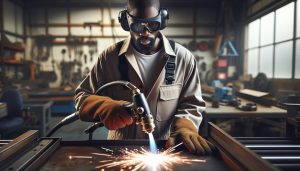
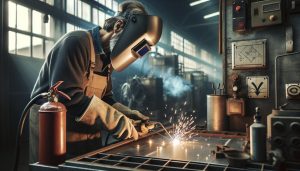
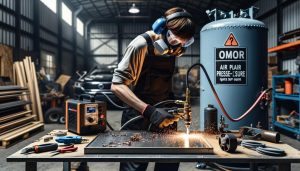
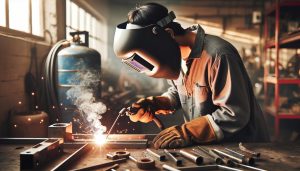
While many view plasma cutters primarily as tools for cutting metal with precision, their capabilities extend far beyond this common perception. In fact, you can also use a plasma cutter to effectively heat metal for various applications, making it an incredibly versatile tool in the hands of both beginners and seasoned welders. Whether you’re looking to shape, join, or repair metal components, understanding the surprising uses of a plasma cutter can enhance your welding projects and expand your skill set. This article delves into the innovative ways you can utilize a plasma cutter for heating metal, offering practical insights and safety considerations to help you optimize its use. Prepare to discover new techniques that could transform your approach to metalworking!
Can a Plasma Cutter Heat Metal Effectively?
Can you envision a tool that not only cuts through metal with precision but can also heat it effectively? Plasma cutters are primarily known for their cutting capabilities; however, they can indeed be utilized for heating metal as well. The plasma arc generated during the cutting process reaches temperatures of up to 20,000°C (36,000°F), which can be harnessed to raise the temperature of metals significantly. This characteristic makes plasma cutters versatile in fabrication and repair tasks, where pre-heating or specific temperature control is required before welding or forming operations.
When using a plasma cutter for heating, the key lies in adjusting the arc’s intensity and duration. By maintaining a consistent and controlled movement across the material, users can apply just the right amount of heat without causing damage or excessive distortion. This method is particularly beneficial when working with thin metals where other heating methods may introduce too much heat, leading to warping or melting. For instance, in preparing aluminum pieces for welding, a plasma cutter can be employed to achieve the desired pre-heat effect, ensuring better fusion during the welding process.
Moreover, using a plasma cutter for heating can save time and resources on the job site. Unlike traditional heating methods, which may require additional equipment or longer set-up times, a plasma cutter can seamlessly transition from cutting to heating within the same operation. This not only streamlines workflow but also reduces the need for multiple tools, enhancing efficiency in various applications from automotive repairs to custom metal sculptures.
In conclusion, while plasma cutters are traditionally recognized for their cutting capabilities, their ability to effectively heat metals opens up new applications in metalworking. By understanding how to control the heat output and applying the technique appropriately, welders and fabricators can leverage plasma cutting technology to achieve superior results in both cutting and heating processes.
Understanding the Plasma Cutting Process

The plasma cutting process operates on a principle that harnesses extreme heat to ionize gas, creating plasma that can slice through metals with remarkable precision. This technology, while primarily designed for cutting, can also be adapted to heat metal effectively due to the incredibly high temperatures generated-often exceeding 20,000°C (36,000°F). The primary components include a power supply, a torch, and an electrode, which work in concert to create an arc of ionized gas (plasma) that conducts electricity and generates heat.
To initiate cutting, the plasma cutter blows a gas-typically compressed air-through a small nozzle alongside an electrical current. This gas becomes ionized by the arc, enabling it to conduct electricity. The combination of high-speed gas and intense heat enables the plasma cutter to sever metallic materials cleanly and quickly. Moreover, when used for heating purposes, the user can adjust the arc’s intensity and maintain continuous motion over the metal surface. This approach minimizes the risk of localized overheating and warping, particularly crucial when working with thinner materials such as aluminum, which is prone to distortion under excessive heat.
In practical applications, plasma cutters are a game-changer on work sites. They eliminate the need for multiple tools or lengthy setup times associated with traditional heating methods like torches or ovens. For instance, when preparing sections of steel for a weld, applying direct heat with a plasma cutter can improve fusion during welding, allowing for stronger joints. The versatility of the plasma cutter effectively streamlines workflows in various fields, including automotive repairs and artistic metalwork.
By understanding the mechanics of the plasma cutting process and how it can be tailored for heating, welders and fabricators can employ this tool for more than just cutting. Leveraging its cutting-edge technology equips users with a powerful advantage, yielding high-quality results while saving time and resources in the metalworking domain.
Common Metals That Can Be Heated
Metalworkers often overlook the advantages of heating metals with a plasma cutter, but the versatility of this tool can significantly enhance various welding and fabrication processes. Plasma cutters can effectively heat a wide range of materials, ensuring that projects maintain structural integrity and quality while achieving the desired results. Understanding which metals can be heated with this technology can lead to more efficient work practices.
Among the most common metals that benefit from plasma heating are steel and stainless steel. The intense heat generated allows for rapid pre-heating of surfaces before welding, improving the fusion of the materials and reducing the risk of defects in the weld. Plasma cutters excel in applications like automotive repairs and structural work where steel components require precision heating.
Aluminum, another frequently used material, can also be effectively heated using a plasma cutter. Due to its lower melting point compared to steel, care should be taken to avoid warping or distortion. Plasma heating offers the advantage of controlled heat application, allowing welders to focus on specific areas without affecting surrounding sections. This is particularly beneficial when preparing aluminum for TIG welding, as achieving the right pre-heat can help eliminate contamination and enhance the strength of the final weld.
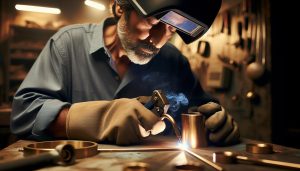
Additionally, copper and brass are metals that can be heated using plasma. While traditionally more challenging to weld, pre-heating these materials can facilitate smoother working and better penetration during welding processes. The precise temperature control achievable with plasma tools allows for careful management of heat, essential when working with metals that can easily warp or change properties under heat.
Employing plasma cutters not only streamlines the heating process but also combines cutting and heating capabilities in one tool, reducing the need for multiple devices and conserving time on the job site. As welders explore innovative ways to utilize plasma cutters, they can enhance their technique, improve joint quality, and expand the range of projects they can undertake.
Innovative Applications for Plasma Cutters

Plasma cutters are revolutionizing the way welding professionals approach fabrication, offering innovative solutions beyond mere cutting. One standout application is their capability for rapid spot heating, which is essential in various domains including automotive repair, HVAC ductwork, and artistic metalworking. Instead of relying on traditional methods like torches or ovens, welders can utilize plasma cutters to streamline processes, allowing for quick adjustments on-site and reducing project downtime.
One particularly intriguing use of plasma cutters is in the realm of creating aesthetic metal sculptures. Artists can leverage the heat of the plasma arc not only to cut intricate designs but also to manipulate metal surfaces, achieving textures and shapes that would be difficult to accomplish with conventional tools. This duality-cutting and heating-enables artists to impart unique visual characteristics that enhance their work, all while maintaining tight control over the heat application.
In industrial settings, plasma cutting technology plays a crucial role in preheating metals for welding, allowing for more uniform heat distribution across joints. For example, in pipe and structural steel fabrication, heating edges prior to welding minimizes the risk of warping and maximizes the integrity of the final weld. This precision leads to improved mechanical properties in heavy machinery and structural components, ensuring they meet stringent performance requirements.
Furthermore, plasma cutters are making waves in the maintenance and repair sector. In scenarios where removing components is impractical, such as in tight spaces or amongst sensitive equipment, a plasma cutter can provide on-the-spot heating for tasks like straightening bent plates or loosening rusted fasteners. These innovative applications not only enhance productivity but also significantly reduce the resources and time typically required for repairs, showcasing the versatility of plasma technology in modern metalworking environments.
Comparison: Plasma Cutting vs. Traditional Heating Methods

Heating metal effectively and efficiently often comes down to the methods employed. Plasma cutting is rapidly changing the landscape of how professionals heat metal compared to traditional methods such as gas torch heating or electric resistance heating. The plasma cutter not only excels at cutting but also offers an innovative approach to localized heating thanks to the intense heat generated by its plasma arc.
When comparing plasma cutting to traditional heating methods, one immediately noticeable advantage is the precision of the plasma cutter. The focused heat provided by a plasma arc allows welders and fabricators to target specific areas without affecting the surrounding material excessively. This is particularly advantageous when working with delicate parts or in confined spaces where overheating surrounding areas could cause damage or warping. In contrast, traditional methods like oxy-acetylene torches distribute heat more broadly, which can lead to broader temperature gradients and the risk of compromising material integrity.
Another aspect to consider is the setup and operational time. Plasma cutters often require less pre-heat time compared to ovens needed for induction or resistance heating, which can lead to speedier workflows in fast-paced environments. Modern plasma technologies allow for quick adjustments, enabling users to move seamlessly between cutting and heating tasks, which is invaluable in industries such as automotive or fabrication. Traditional methods typically involve a more cumbersome setup and can take longer to reach appropriate heating levels, which could slow production timelines.
In terms of safety and efficiency, plasma cutters also have a distinct edge. While utilizing gas-based methods involves flammable gases and the potential for explosions in case of leaks, plasma cutting relies on electricity and an inert gas, reducing the risks related to fire hazards. Moreover, the energy efficiency of plasma cutting can often surpass that of traditional gas methods, particularly when used in applications requiring high repeatability and precision, contributing to lower operational costs over time.
By understanding the specific advantages and applications of plasma cutting versus traditional heating methods, welders and metal workers can make informed decisions tailored to their specific project requirements, ultimately enhancing both the quality and efficiency of their work.
Safety Precautions When Using Plasma Cutters

Ensuring safety while using plasma cutters cannot be overstated. The intense heat and high-energy arc produced by plasma cutting pose significant risks, including burns, eye damage, and harmful fume inhalation. Proper precautions are essential not only to protect the operator but also to maintain a safe work environment for everyone involved.
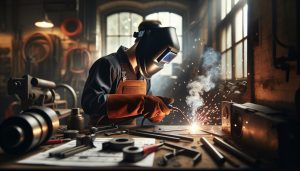
One of the most critical safety measures is wearing appropriate personal protective equipment (PPE). This includes flame-resistant clothing, gloves, and, crucially, a high-quality welding helmet equipped with a suitable filter lens to shield the eyes from the bright arc and UV radiation. Additionally, safety glasses should be worn underneath the helmet for extra protection. It’s also advisable to use a respirator or fume extraction system to mitigate exposure to harmful gases and particles that can be released during the cutting process.
Safe Work Environment
Maintaining a clean and organized workspace is paramount. Ensure that flammable materials are kept at a safe distance from the plasma cutter. A clutter-free area reduces the risk of accidents and allows for quick movement should an emergency arise. Using fire-retardant mats under the cutting area can provide an extra layer of safety. It’s also essential to have a fire extinguisher readily accessible, specifically rated for combustibles, flammable liquids, and electrical fires.
Regular maintenance of the plasma cutter is another crucial aspect of safety. Check cables, connections, and the torch for wear and signs of damage before starting work. Routine maintenance ensures equipment operates efficiently and reduces the risk of electrical issues that could lead to shocks or burns.
By fostering a culture of safety, employing proper PPE, maintaining equipment, and ensuring a conducive work environment, both novice and seasoned welders can significantly minimize risks associated with plasma cutting. Taking these precautions not only protects individual users but also sets a standard for safety that echoes throughout the workplace.
Advanced Techniques for Heating Metal with Plasma
Heating metal with a plasma cutter is not just about cutting; it can also be used innovatively for various tasks. Plasma cutters generate extremely high temperatures, which can reach up to 30,000°F (16,650°C). This intense heat allows for the effective heating of metals, making plasma cutters versatile tools for tasks that require heating, shaping, and even bending materials.
To optimize the utilization of plasma cutters for heating, consider the following advanced techniques:
- Preheating Metal Workpieces: For tasks such as braze welding or joining dissimilar metals, preheating can be beneficial. Adjust the plasma cutter to a lower setting and move the torch slowly over the metal surface to gradually elevate its temperature. This method reduces thermal shock and minimizes warping.
- Localized Heating: Use the focused arc of the plasma cutter to target specific areas needing heat. This technique is ideal for tasks like annealing or softening metals where precision is critical. Keep the torch in motion to distribute heat evenly and avoid overheating any one spot.
- Adjusting Electrical Current: Different metals require different heating approaches. Fine-tuning the electrical current based on the type and thickness of the metal ensures effective heating. For instance, thinner materials might benefit from a higher current, while thicker pieces require a lower, more controlled current.
- Utilizing Nozzles: The choice of nozzle also plays a significant role in the heating process. Thinner or specialized nozzles can help focus the heat onto a smaller area, enhancing precision. Experimenting with different nozzle sizes and shapes can lead to improved outcomes for various applications.
By understanding these advanced techniques and integrating them into your workflow, you can expand the functionality of your plasma cutter beyond just cutting. Whether you are working with steel, aluminum, or other metals, mastering these methods enhances both productivity and precision, providing an edge whether in a professional shop or a home workshop.
Material Considerations: What You Need to Know
Heating metal with a plasma cutter opens up a world of possibilities beyond traditional cutting methods. The intense heat generated by plasma cutting, which can reach upwards of 30,000°F (16,650°C), not only enables precise cuts but also allows for effective heating and shaping of various materials. Understanding the types of metals you can work with and their specific properties is crucial for maximizing the efficiency and effectiveness of your plasma cutting endeavors.
When selecting materials for heating with a plasma cutter, consider the thermal conductivity and melting points of different metals. For instance, copper and aluminum have high thermal conductivity, which means they heat up quickly but may also require careful control to prevent overheating or warping. Steel, particularly carbon steel, tends to respond well to plasma heating due to its lower thermal conductivity compared to softer metals, which allows for better control during the heating process.
It’s essential to remember that different metals have unique behaviors when exposed to plasma cutting. Heat-affected zones (HAZ) can vary significantly based on the type of metal and its thickness. For example, heating thicker steel sections may result in a larger HAZ, which can induce stress and potential warping. In contrast, thinner materials may overheat quickly if the plasma cutter settings are not appropriately adjusted. To mitigate these risks, it is advisable to perform test cuts and make incremental adjustments to the electrical current and feed speed based on the specific material properties.
Using appropriate tooling and settings is equally important. The choice of nozzle plays a crucial role in directing heat precisely where it is needed. Narrow nozzles can concentrate plasma on small areas, making them ideal for localized heating tasks such as spot welding or repairing delicate components. Additionally, utilizing a multi-process machine that supports varying techniques like MIG or TIG welding may provide more flexibility and enhanced results depending on your project requirements.
In summary, effectively heating metal with a plasma cutter requires a thorough understanding of the material characteristics and careful attention to operational parameters. By selecting the right materials, tools, and techniques, you can expand your plasma cutting capabilities and achieve high-quality heating applications that meet your specific needs.
Tips for Maximizing Efficiency with Plasma Cutters
Maximizing the efficiency of a plasma cutter not only enhances the quality of your work but also saves time and protects your investment. To achieve optimal results, it’s crucial to pay attention to factors such as equipment settings, material characteristics, and technique. The vast temperature range of plasma cutting, which can soar past 30,000°F (16,650°C), allows for the rapid heating and shaping of metals; however, improper handling can lead to adverse outcomes.
Understand Your Equipment
Selecting the right plasma cutter is fundamental to efficiency. Ensure your machine’s specifications match the thickness and type of metal you plan to work with. Different brands and models may have varying performance capabilities, so it’s wise to read user reviews and consult equipment guidelines. Always keep your equipment, including the torch and consumables, clean and well-maintained. Dulling or damage can significantly hinder performance and should be replaced as necessary.
Set Appropriate Parameters
Properly configuring your plasma cutter’s settings is vital for maximizing efficiency. This includes adjusting the amperage according to the material thickness-higher amperage for thicker materials and lower for thinner sheets. The speed of the cut also plays a crucial role; cutting too quickly can lead to weak cuts, while cutting too slowly can create excessive heat and warping. Conducting initial test cuts will help you dial in these parameters more accurately.
Prioritize Material Preparation
Before cutting, ensure that your metal surfaces are clean and free of contaminants. Rust, paint, or grease can compromise the quality of the heat application and cutting performance. Additionally, pre-setting your workpiece in a stable position reduces movement during the cutting process, which can lead to inaccuracies and wasted material.
Utilize Advanced Techniques
Employing advanced techniques like using a narrower nozzle can enable more focused heating, which is especially beneficial for localized applications or intricate designs. If your plasma cutter supports multi-process capabilities, consider switching to other welding techniques like MIG or TIG when necessary to achieve the ideal results for different applications.
By combining appropriate equipment, precise settings, meticulous material preparation, and advanced techniques, you can significantly boost the efficiency of your plasma cutter, ensuring quality results and effective metal heating for your projects.
Troubleshooting Common Plasma Cutting Issues
When it comes to troubleshooting common issues in plasma cutting, understanding the nuances of your equipment and the materials you work with is key to achieving optimal results. Many operators encounter problems such as inconsistent cuts, faulty arc initiation, and excessive slag buildup. These issues can stem from a variety of factors, including equipment settings, material conditions, and consumable wear.
One of the most frequent challenges faced is inconsistent arc performance, which can lead to uneven cuts. This can often be traced back to inadequate settings or worn consumables. To resolve this, ensure that your torch tip and electrode are in good condition, as any damage can disrupt the arc. Additionally, check your amperage settings; insufficient power can result in weak cuts, while excessive power may lead to overheating and increased wear on consumables. Always conduct test cuts on scrap material to fine-tune these settings before starting your primary work.
Another prevalent issue is poorly defined cuts, often caused by the speed of the cut or the distance between the torch and the workpiece. If the cutting speed is too fast, the arc may not have enough time to effectively sever the metal. Conversely, cutting too slowly can cause excessive heat to accumulate, leading to warping. A common recommendation is to maintain an optimal standoff distance, typically around 1/16 to 1/8 inch from the workpiece, to balance heat distribution and cut quality. Keeping an eye on the kerf width and adjusting the cut speed accordingly can also enhance the clarity and precision of the cuts.
In addition to technical adjustments, consider the material itself. Impurities like rust or oil can significantly impact cutting efficiency and arc stability. Always ensure the material is clean and free of contaminants before starting the plasma cutting process. If you are dealing with thicker metals, consider pre-heating or using the appropriate plasma cutter designed for those material thicknesses to ensure better heat absorption and cutting effectiveness.
By regularly inspecting your equipment, precisely adjusting settings, maintaining a clean workspace, and paying attention to the material conditions, you can effectively troubleshoot common plasma cutting issues. Not only will this lead to higher quality cuts, but it will also extend the lifespan of your equipment and improve overall safety in the welding environment.
Expert Insights: When to Use a Plasma Cutter for Heating
Using a plasma cutter for heating metal may seem unconventional, but its precision and control make it an excellent choice in various applications. For instance, when working with metals that require localized heating, such as those used in repair work or fabrication, plasma cutting can offer an efficient solution. Operators can adjust settings to maintain the necessary temperature without affecting the integrity of surrounding materials. This capability is especially useful in delicate projects where heat expansion could lead to misalignments or warping.
One significant advantage of employing a plasma cutter for heating is its versatility across different metal types, including aluminum, stainless steel, and mild steel. When heating thick metal sections or components to prepare for welding, plasma cutting can effectively raise the temperature to a desired level without compromising the metal’s surface. Preheating steel, for instance, can reduce the risk of cracking during subsequent welding processes, ensuring a stronger bond. This practice is particularly valuable in industrial settings where the robustness of joints is paramount.
- Key Considerations:
- Before using a plasma cutter for heating, consider the following:
- Material Thickness: Thicker materials may require more time and careful control to prevent overheating.
- Heat Control: Adjust the amperage and cutting speed to achieve the desired heating temperature effectively.
- Finish Quality: Monitor the working distance to avoid excessive dross accumulation, which can affect the quality of the final piece.
In addition to its primary cutting function, a plasma cutter can be invaluable in metalworking environments where quick and precise heating is essential. For example, in the automotive industry, it can be used to heat and manipulate components during customization or repair without the need for additional equipment. This reduces downtime and enhances workflow efficiency, making the plasma cutter an indispensable tool in modern workshops.
Q&A
Q: Can a plasma cutter be used to heat metal?
A: Yes, a plasma cutter can effectively heat metal through its high-temperature arc, allowing for quick melting and shaping. This capability is particularly useful in metal fabrication and repair, where precise heating is required to alter or weld metals without needing separate heating equipment.
Q: What types of metals can be heated with a plasma cutter?
A: Plasma cutters can heat a variety of metals, including steel, aluminum, and copper. Each of these metals responds differently to the heat, affecting the plasma cutting process and requiring specific settings for optimal results.
Q: How does plasma cutting compare to other heating methods?
A: Plasma cutting offers a faster and more precise method of heating metals compared to traditional methods like oxy-fuel cutting. It generates higher temperatures and can easily cut through thick materials, making it advantageous for tasks that require meticulous control.
Q: Are there specific applications for heating metals with plasma cutters?
A: Yes, plasma cutters are used innovatively for joining metal parts, repairing damaged components, and even in artistic metalwork. Their ability to deliver localized heat makes them ideal for intricate designs and repairs without distorting the surrounding areas.
Q: Can plasma cutters replace traditional welding techniques for metal heating?
A: While plasma cutters are effective for heating and cutting metal, they aren’t a complete replacement for traditional welding methods. Each technique has its strengths; plasma cutting is better for shaping and cutting, while welding is typically employed for joining materials permanently.
Q: What safety precautions should I take while using a plasma cutter?
A: Always wear appropriate safety gear, including goggles, gloves, and protective clothing. Ensure proper ventilation to avoid inhaling harmful fumes, and keep flammable materials away from your working area to minimize fire hazards when using a plasma cutter.
Q: What are advanced techniques for heating metal with a plasma cutter?
A: Advanced techniques include adjusting the cutting speed and amperage settings to control the heat input, utilizing multiple passes for thicker materials, and employing specific cutting tips that enhance the cutter’s precision. Refer to the “Advanced Techniques for Heating Metal with Plasma” section for more insights.
Q: How can I maximize efficiency when heating metal with a plasma cutter?
A: To maximize efficiency, ensure your plasma cutter is well-maintained and calibrated correctly. Select the right nozzle and electrode type for your material, and maintain a steady hand to achieve clean cuts, as detailed in the “Tips for Maximizing Efficiency with Plasma Cutters” section.
For further details and techniques, explore the specific sections of this article, enhancing your understanding of plasma cutting and its applications in metalwork.
In Summary
Now that you understand the surprising uses of plasma cutters beyond simple cutting, it’s time to put that knowledge into action! Whether you’re a seasoned pro or just starting with metalwork, exploring how to heat metal can significantly enhance your projects. Don’t miss out on maximizing your equipment-try it out and share your results!
For more tips on welding techniques, including MIG and TIG methods, check our articles on Essential Welding Techniques and Safety Protocols for Beginners. If you have questions or experiences to share, leave a comment below-we’d love to hear from you! And remember, staying informed is key: subscribe to our newsletter for the latest insights and techniques to keep your skills sharp. Keep experimenting, and happy welding!