When it comes to metalworking, plasma cutting stands out as a versatile technique, especially for non-ferrous metals like aluminum. Many hobbyists and professionals alike wonder, “Can you use a plasma cutter on aluminum?” The answer is a resounding yes, and understanding the nuances of this process can unlock new project possibilities. Plasma cutters offer precision and efficiency, making them a popular choice for fabricators looking to achieve clean cuts without the added complexity of other methods. However, it’s essential to consider the specific settings and best practices for aluminum to achieve optimal results and maintain safety standards. This guide will walk you through everything you need to know, from setup to execution, ensuring you’re well-equipped to tackle your aluminum projects confidently. Whether you’re a seasoned welder or just starting out, the insights provided will help streamline your cutting process and enhance your craftsmanship. Get ready to explore the exciting world of aluminum plasma cutting!
Can a Plasma Cutter Cut Aluminum? Understanding the Basics
Plasma cutting is an advanced technique that offers exceptional precision and efficiency, especially when working with conductive metals like aluminum. This method operates by using a high-velocity jet of ionized gas, or plasma, to slice through material, making it a favored choice among both hobbyists and professional welders. Not only does it deliver clean cuts, but it also minimizes the heat-affected zone-this is particularly advantageous when cutting aluminum, which can warp under excessive heat. For those new to welding or exploring different methods of fabrication, understanding the dynamics of plasma cutting for aluminum can significantly improve project outcomes.
One of the remarkable benefits of using a plasma cutter on aluminum is its versatility regarding thickness. Whether you are working with thin sheets or thicker plates, plasma cutting adjusts effectively to different material thicknesses, providing a level of control that some traditional methods lack. Moreover, the process leads to smooth finish edges, which often require less post-cutting work. This efficiency not only saves time but also enhances the overall quality of the work, making it suitable for both intricate designs and large-scale projects.
However, to achieve the best results, it’s crucial to comprehend the specific settings and adjustments necessary for cutting aluminum. Factors such as the amperage setting, gas flow rate, and cutting speed can significantly influence the quality of the cut and require careful calibration depending on the thickness of the metal. Engaging in proper preparation and understanding the characteristics of aluminum, such as its melting point and thermal conductivity, can further optimize performance and reduce potential challenges during the cutting process. With the right approach, a plasma cutter can transform the way you work with aluminum, making it an invaluable tool in your fabrication arsenal.
Why Choose Plasma Cutting for Aluminum Projects?
Plasma cutting has emerged as a powerful solution for aluminum projects, enabling artisans and professionals alike to achieve efficiency and precision in their work. One major advantage is the ability to cut materials with varying thicknesses-from delicate sheets to robust plates-without compromising quality. This adaptability makes plasma cutting an ideal choice for a wide range of applications, catering to the needs of both intricate design work and heavy-duty industrial tasks.
When it comes to aluminum, plasma cutting stands out due to its ability to minimize the heat-affected zone. Unlike traditional cutting methods, which may generate excessive heat leading to warping or structural damage, plasma cutting utilizes a concentrated stream of ionized gas that swiftly slices through the material with controlled thermal input. This efficiency is essential for tasks requiring clean edges and reduces the need for extensive post-cutting finishing work. For instance, projects like custom enclosures, frames, or decorative elements benefit significantly from the smooth edges and precise cuts obtained through plasma technology.
Moreover, modern plasma cutting systems come equipped with advanced features that enhance performance and user experience. These include automated height controls that maintain optimal distance between the torch and the material, preventing issues like dross formation or inconsistent cut quality. For beginners, the intuitive operation and fast learning curve of plasma cutters make them an accessible choice, while seasoned professionals can leverage the technology’s precision to enhance their fabrication processes. With the right settings and a clear understanding of the material properties, anyone can effectively use plasma cutting to achieve stunning results on their aluminum projects.
Incorporating a plasma cutter into your toolkit not only modernizes your approach to working with aluminum but also expands the range of possibilities for your projects. Whether you’re in a small workshop or a large industrial setting, the advantages of plasma cutting are undeniable, saving time, materials, and effort while delivering high-quality outputs.
Essential Tools and Equipment for Plasma Cutting
While plasma cutting is recognized for its effectiveness in various metalworking applications, the right tools and equipment are crucial for achieving optimal results, especially when working with aluminum. Essential gear not only enhances cutting precision but also significantly contributes to safety and efficiency on the job.
To begin with, a high-quality plasma cutter is the centerpiece of any plasma cutting operation. Look for a machine that offers adjustable amperage settings, as this will allow you to tailor the heat output based on the thickness and type of aluminum you are cutting. A unit equipped with a suitable torch and consumables designed specifically for aluminum is essential, as traditional cutting torches may not perform optimally.
In addition to the cutter itself, having proper support equipment can streamline the process. This includes:
- Air Compressor: Plasma cutting requires clean, dry air to maintain the plasma arc and prevent contamination.
- Protective Gear: Don’t forget the importance of safety equipment, including a welding helmet with a suitable shade, gloves, and fire-resistant clothing to protect against sparks and molten metal.
- Work Surface: A sturdy table or workbench that can handle the weight of aluminum sheets and plates is necessary, along with clamps to secure your workpiece during cutting.
- Fume Extraction System: Since cutting aluminum produces potentially harmful fumes, a suitable ventilation system or fume extractor is crucial to safeguard your health.
Proper maintenance tools should also be on hand, such as wrenches, pliers, and cleaning brushes to clear away dross and maintain your cutting equipment. Lastly, a guide or a cutting chart can help you understand and optimize settings for various aluminum thicknesses, assisting both beginners and experienced users in refining their techniques. By ensuring you have the right combination of tools and safety equipment, you can achieve superior cutting results while minimizing risks associated with the plasma cutting process.
Safety Precautions When Using a Plasma Cutter
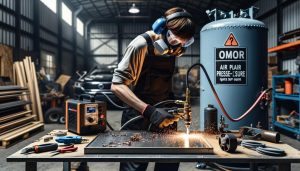
Plasma cutting aluminum is an incredibly useful technique, but it comes with inherent risks that necessitate a stringent approach to safety. The high temperatures involved and the potential for flying sparks and molten metal can pose serious hazards. It’s essential to equip yourself with knowledge and proper protective gear before starting any plasma cutting project.
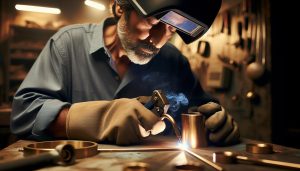
Always don the appropriate protective gear, which is paramount for safety. This includes a welding helmet with the correct shade-typically a shade #5 for plasma cutting-to shield your eyes from the intense light produced. Additionally, wear flame-resistant clothing, gloves, and steel-toed boots to protect against sparks and falling debris. Fume extraction should not be overlooked; cut aluminum generates harmful fumes, so ensure adequate ventilation or utilize a fume extraction system to safeguard your respiratory health.
Before you start cutting, inspect your equipment thoroughly. Ensure the plasma cutter is in good working condition, with all hoses and connections secure. Remove any flammable materials from the cutting area and have a fire extinguisher nearby, ready for emergencies. Furthermore, understand your workspace: It should be clean and organized to avoid accidents. Setting up the aluminum piece securely on a sturdy workbench prevents movement during cutting, allowing for better control and precision while minimizing risks.
By adhering to these safety measures, you are not only protecting yourself but also ensuring a smoother workflow in your plasma cutting tasks, making the experience both efficient and enjoyable. Remember, safety is not just an additional step in the process; it is a foundational practice that all welders must prioritize to prevent accidents and injuries on the job.
Step-by-Step Guide to Cutting Aluminum with a Plasma Cutter
To achieve clean and precise cuts in aluminum with a plasma cutter, several steps must be followed carefully. Plasma cutting excels in handling conductive materials like aluminum, but the process requires preparation, technique, and attention to detail.
Start by preparing your workspace and the aluminum piece. Ensure that the work area is clear of obstructions and hazards, and that the aluminum is securely clamped to a stable surface to prevent movement during cutting. This stability is key in achieving accuracy. Next, check the plasma cutter settings. Set the voltage and amperage according to the thickness of the aluminum you intend to cut; typically, lower amperage is suitable for thinner materials to reduce the risk of warping due to heat.
After preparing, follow these steps to execute the cut:
1. Mark Your Cut Line
Use a marker or scribe to draw the desired cutting line on the aluminum. This will serve as a reference point, ensuring that you stay on track during the cutting process.
2. Initiate the Plasma Cutter
Don all safety gear before starting the machine. Once you’re ready, connect the plasma cutter to a power source and turn it on. Allow it to reach operating temperature before beginning your cut.
3. Begin Cutting
Hold the plasma torch at an appropriate angle-typically around 75 degrees to the workpiece-and bring the torch very close to the aluminum without touching it. Initiate the arc and move it along your marked line at a consistent speed. It’s crucial to maintain a steady pace; moving too fast can lead to incomplete cuts, while moving too slowly may cause excessive melting and a rough edge.
4. Monitor and Adjust
As you cut, keep an eye on the arc and the aluminum’s condition. If you notice any excessive spatter or rough edges, adjust your speed and torch angle as needed. Plasma cutting through aluminum can produce a lot of heat, so maintaining a focused cut is essential.
5. Finish the Process
Once you reach the end of your cut, gradually lift the torch away from the workpiece to prevent unwanted melting. Allow the aluminum to cool down before handling, as freshly cut edges may be sharp and hot.
By adhering to these steps, you’ll be able to cut aluminum effectively with a plasma cutter. Remember that practice enhances precision, so take time to refine your technique. Whether working on art, metal fabrication, or repairs, mastering your plasma cutting skills can significantly improve the quality and efficiency of your projects.
Common Challenges and Solutions in Plasma Cutting Aluminum
When cutting aluminum with a plasma cutter, you may encounter various challenges that can affect the quality and accuracy of your work. Understanding these obstacles and how to address them is crucial for achieving a successful outcome.
One of the primary challenges is aluminum’s high thermal conductivity. This property can lead to rapid heat dissipation, potentially causing warping or distortion during the cutting process. To combat this, consider using a lower amperage setting than you would with other metals. Additionally, adjusting your cutting speed can help; moving too slowly can cause excessive melting, while cutting too quickly may not provide a clean cut. Keeping a steady, controlled pace is essential for preventing these issues.
Another common issue is dross formation, which is the buildup of molten material that solidifies and clings to the cut edge. To minimize dross, ensure your torch height is properly set, as maintaining an optimal distance from the workpiece can improve arc stability and reduce material buildup. Furthermore, effective gas flow adjustments can also lead to cleaner edges; ensure that your gas pressure is adequate and stable throughout the cutting process.
Lastly, flux contamination can lead to inconsistent cuts. It’s essential to maintain a clean work environment and to thoroughly clean the aluminum surface before starting the cut. This includes removing any oil, dirt, or oxidation that may disrupt the cutting arc. By taking these precautions, you can significantly improve the cutting experience and results when working with aluminum.
By anticipating these challenges and applying these solutions, you’ll be well-prepared to achieve high-quality cuts in your aluminum projects.
Post-Cutting Finish: Techniques for Aluminum Surfaces
Achieving a smooth and aesthetically pleasing finish on aluminum surfaces after plasma cutting is as important as the cutting process itself. Plasma cutting can leave edges rough or jagged, necessitating additional finishing techniques to enhance both the appearance and functionality of the aluminum workpiece. Implementing proper post-cutting techniques can significantly improve the quality of your final product, making it suitable for various applications, from automotive components to artistic endeavors.
One of the most effective ways to refine cut edges is through mechanical finishing methods. This can include sanding or grinding edges with an angle grinder or a sanding disc, which removes the oxidized layer and smooths out any imperfections. When using a grinder, it’s essential to select appropriate grit levels; starting with a coarser grit (80-120) can help in removing significant material, while transitioning to a finer grit (220-400) will yield a smoother surface. For intricate designs, using a belt sander equipped with aluminum oxide belts can enable access to difficult spots without damaging the surrounding material.
Another technique to consider is anodizing, a chemical process that not only enhances the surface finish but also provides increased corrosion resistance. Anodizing aluminum after cutting creates a hard, protective layer. For this process, ensure the aluminum surface is thoroughly cleaned and free of contaminants. The workpiece is then submerged in an acid electrolyte bath and subjected to an electric current, resulting in an oxide protective layer that can be dyed if desired.
Cleaning and Polishing
Post-cutting, thorough cleaning is crucial. Using a mild solvent or degreaser to remove any oils or debris from the surface can enhance the adhesion of any subsequent finishes. After cleaning, polishing techniques, such as using a buffing wheel with a suitable compound, can further elevate the finish of aluminum surfaces. This not only creates a high-gloss appearance but also helps to remove any remaining fine scratches introduced during cutting.
In summary, integrating these post-cutting techniques-mechanical finishing, anodizing, cleaning, and polishing-ensures an aesthetically pleasing, durable, and functional aluminum surface. By dedicating time to the finishing process, the longevity and quality of the aluminum workpiece are significantly enhanced, providing both visual appeal and improved performance in its intended application.
Comparing Plasma Cutting to Other Aluminum Cutting Methods
When it comes to cutting aluminum, plasma cutting stands out as one of the most effective methods, particularly for its speed and precision. However, it’s essential to understand how plasma cutting compares to other popular methods, such as laser cutting, waterjet cutting, MIG welding, and traditional sawing. Each technique has its advantages and limitations, making it vital for users to choose the right method based on the specific requirements of their project.
Plasma cutting excels in speed and can efficiently handle thicker materials, usually up to 1 inch or more, making it ideal for heavy-duty industrial applications. The process uses high-velocity jets of ionized gas to melt through electrical conductive materials, producing clean cuts with relatively low heat input, thus minimizing the heat-affected zone. In contrast, laser cutting, while offering high-precision cuts and the ability to handle intricate designs, struggles with thicker materials and can be significantly slower than plasma cutting. Waterjet cutting is another option that offers no heat input, thus preventing warping; however, it generally requires more maintenance and is better suited for softer materials.
Key Comparisons:
- Speed: Plasma cutting is faster than both laser and waterjet cutting, making it better for high-volume production.
- Material Thickness: Plasma can effectively cut thicker aluminum, while laser cutting is limited to thinner gauges.
- Precision: Laser cutting is superior in producing very detailed and precise cuts, whereas plasma cutting is often more suited for rough cuts followed by finishing.
- Post-Processing: Both plasma and waterjet require some finishing due to the potential roughness of the cut edges.
Users should also consider the environmental conditions and material type. For example, if working in a shop lacking ventilation or with flammable materials, plasma cutting might present risks that alternative methods do not. Additionally, techniques such as MIG welding can be advantageous for light-duty fabrication where joining components is required rather than cutting. The need for post-processing varies depending on the method too; while plasma cutting may require sanding or grinding for a cleaner edge, the edge quality from a laser may allow for a minimal touch-up.
Choosing the right cutting method ultimately depends on the project’s specific needs, including material type, thickness, desired precision, and environmental considerations. Understanding these factors enables you to better navigate the options available and select the most effective method for your aluminum cutting projects.
Maintenance Tips for Your Plasma Cutting Equipment
Maintaining plasma cutting equipment is crucial for achieving optimal performance and ensuring longevity, particularly when working with aluminum-a metal that can be sensitive to heat and requires precise handling. Regular maintenance not only helps in preventing downtime but also enhances the quality of the cuts and the overall safety of the operation. One of the most effective methods of avoiding common cutting issues is to establish a consistent maintenance routine.
Start by frequently inspecting the consumables, including the nozzle, electrode, and shield, as these components are vital for producing a stable arc. Over time, they can wear out, resulting in poor cut quality or inconsistent performance. Replace these parts as needed, typically after every few hours of use or whenever you notice defects. A good rule of thumb is to keep a set of replacement parts readily available to minimize interruptions in your workflow. Additionally, cleaning the nozzle regularly helps maintain an unobstructed path for the plasma flow, allowing for smoother and cleaner cuts.
Another critical aspect of maintenance involves the air supply system. Since plasma cutting relies on compressed air to ionize and create the plasma arc, it is essential to ensure that the air supply is free from moisture and contaminants. Installing moisture separators and filters in your air supply line can greatly enhance the performance of your cutter. Regularly check and replace filters as dictated by usage frequencies. Moreover, frequently flushing the air lines and checking for leaks can prevent issues that may arise from insufficient air quality or pressure.
Lastly, ensure that the plasma cutter is kept clean and free of debris. Both the machine itself and the workspace should be organized to prevent accidental damage or contamination of the equipment. Perform a thorough cleaning of the work area and the cutter after each use; this not only aids in keeping the equipment in good condition but also promotes a safer working environment. Establishing a daily, weekly, and monthly maintenance checklist can help keep your plasma cutter-and your cutting results-in top condition, making it an indispensable tool for your aluminum projects.
Real-Life Applications: When to Use a Plasma Cutter on Aluminum
When working with aluminum, a plasma cutter can be a game-changer, offering precision and efficiency for various applications. This method is particularly advantageous for projects that require intricate designs, especially in industries such as automotive, aviation, and metal fabrication. For instance, plasma cutting is often employed in manufacturing custom aluminum components for aircraft, where weight and aerodynamics are crucial, and the ability to achieve clean, smooth cuts is paramount.
In architectural applications, plasma cutting allows for the creation of decorative aluminum features like railings, cladding, and custom signage. The versatility of plasma cutting equips fabricators to handle various thicknesses and shapes with ease. It excels in achieving tight tolerances in architectural elements, ensuring that pieces fit seamlessly during installation. Additionally, artists and craftspeople widely use plasma cutters to create stunning sculptures and art installations from aluminum sheets, enabling them to push the boundaries of creativity with flexible design options.
Plasma cutting also finds its utility in repair and maintenance work, especially in situations where speed is critical. In automotive repair shops, for example, technicians often need to cut out damaged sections of aluminum components to replace or reinforce them efficiently. Plasma cutters enable quick repairs, minimizing downtime for vehicles while ensuring a professional finish that can be painted or polished afterward.
Furthermore, this cutting technique is beneficial in the manufacturing of lightweight products such as bicycles and recreational vehicles. By utilizing plasma cutting, manufacturers can streamline their production processes while maintaining high-quality standards, catering to the growing demand for lightweight yet durable aluminum products in modern markets. The capability to adjust settings on the plasma cutter allows operators to tackle varying project demands, making it an essential tool in any metalworking environment involving aluminum.
Troubleshooting: Common Plasma Cutting Issues with Aluminum
Plasma cutting aluminum can be incredibly rewarding, yet it is not without its challenges. Addressing common issues that arise during the process will ensure smoother operations and better results. One frequent problem is uneven cuts, which can result from improper torch height. Maintaining the ideal distance-generally around 1/8 inch for aluminum-ensures optimal cutting speed and quality. Always double-check your settings and adjust your technique, as even a slight variance can drastically affect the outcome.
Another common issue is excessive warping of the aluminum. This typically occurs when the cutting speed is too slow or if the material isn’t adequately clamped down, leading to heat buildup. To minimize warping, increase cutting speed and utilize proper clamping techniques to secure the workpiece firmly. Using a thicker backing material can also help absorb excess heat, reducing distortion.
Moreover, contamination of the aluminum surface can hinder cutting performance and lead to poor-quality edges. Ensure that the aluminum is clean and free of grease, paint, or oxidation before starting to cut. A simple wipe with acetone can often suffice to prepare the surface. If you encounter problems with the plasma arc extinguishing or not staying lit, it may be due to incorrect gas flow or a clogged nozzle. Regular maintenance and replacing consumables like nozzles and electrodes will not only enhance cutting efficiency but also preserve the integrity of the equipment.
Lastly, it’s crucial to be aware of the varying thicknesses of aluminum you’re dealing with, as different thicknesses require adjustments in amperage settings on your plasma cutter. Following these troubleshooting tips will help achieve cleaner, more precise cuts while ensuring the longevity of your equipment, ultimately leading to professional-quality results in your plasma cutting projects.
Frequently Asked Questions
Q: Can you use a plasma cutter to cut thin aluminum?
A: Yes, a plasma cutter is ideal for cutting thin aluminum. It provides a clean and precise cut, making it suitable for sheet metal applications. Ensure appropriate amperage settings are used to prevent excessive heat that can warp the material.
Q: What thickness of aluminum can a plasma cutter cut?
A: A plasma cutter can efficiently cut aluminum materials typically up to 1 inch thick, depending on the machine’s power and capabilities. Thicker materials may require multiple passes for a cleaner cut without overheating.
Q: What equipment is needed for plasma cutting aluminum?
A: Essential equipment includes a plasma cutter with a suitable torch and nozzle, protective gear, an air compressor, and a work table equipped with clamps or supports. For details, refer to the “Essential Tools and Equipment for Plasma Cutting” section in your article.
Q: How do you prepare aluminum for plasma cutting?
A: Prepare aluminum surfaces by cleaning them to remove any oxidation, oil, or debris. Proper preparation ensures a smooth and efficient cut while minimizing slag buildup during the cutting process.
Q: What are common issues when plasma cutting aluminum and how can they be resolved?
A: Common issues include dross formation and inconsistent cuts. To resolve these, maintain proper cutting height, adjust speed settings, and use clean, sharp consumables. Consult the “Common Challenges and Solutions in Plasma Cutting Aluminum” section for more insights.
Q: How does plasma cutting compare to other methods for cutting aluminum?
A: Plasma cutting offers cleaner cuts and less distortion than methods like sawing or oxy-fuel cutting, especially on thinner aluminum. It’s faster and can be more efficient for complex shapes, as discussed in “Comparing Plasma Cutting to Other Aluminum Cutting Methods.”
Q: Can you plasma cut painted or anodized aluminum?
A: Yes, but pre-cut preparation is essential. Paint and anodization must be removed from the cutting line to prevent excessive smoke and slag. Properly clean the surface to achieve optimal results.
Q: What safety precautions should be observed when plasma cutting aluminum?
A: Always wear protective gear, including gloves, goggles, and a welding helmet. Maintain good ventilation to avoid inhaling fumes and ensure your workspace is free of flammable materials. Refer to the “Safety Precautions When Using a Plasma Cutter” section for additional guidance.
Final Thoughts
Now that you understand how to effectively use a plasma cutter on aluminum, it’s time to put your newfound knowledge into practice! Remember, having the right safety gear, preparing your workspace, and choosing the appropriate settings can significantly impact your results. For further insights, check out our detailed guide on MIG welding techniques or explore tips for safely handling aluminum in your projects. Don’t let uncertainty hold you back-start creating with confidence today! If you have questions or want to share your experiences, leave a comment below or visit our community page for more discussions. Stay connected by signing up for our newsletter for exclusive tips and resources tailored to both novice and experienced welders alike. Let’s keep pushing the boundaries of your welding skills!