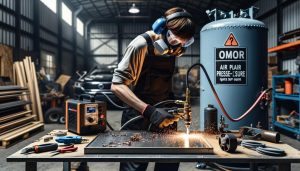
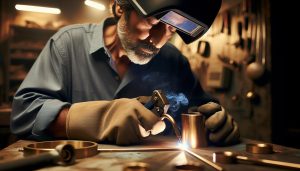
Did you know that plasma cutting is one of the most efficient methods for slicing through metals, including aluminum? This high-precision technique not only saves time but also ensures clean, smooth edges-a crucial factor when working on projects that demand structural integrity and aesthetic appeal. For both DIY enthusiasts and professional welders, understanding whether a plasma cutter is the right tool for aluminum can significantly impact your workflow and outcomes. In this article, we will delve into the specifics of using plasma cutters with aluminum, exploring the perfect methods and considerations to achieve optimal results. Whether you’re a beginner eager to master metalworking or an experienced fabricator looking to refine your skills, understanding the nuances of plasma cutting aluminum can enhance your craftsmanship and efficiency. Let’s uncover the details you need to make your next project a success.
Benefits of Using a Plasma Cutter on Aluminum

When it comes to cutting aluminum, plasma cutters present a significant advantage that stands out among various methods. One of the most compelling benefits is the speed and efficiency with which these tools can operate. Plasma cutting allows for greater cutting speeds compared to traditional methods like saws or shears, significantly reducing production time in both industrial and personal projects. This rapid throughput not only enhances productivity but also minimizes the overall cost of fabrication, making it an attractive option for manufacturers and hobbyists alike.
Another notable advantage of using a plasma cutter for aluminum is the precision it offers. Plasma cutting technology produces clean, intricate cuts that require less finishing work compared to alternative methods. The high-temperature plasma stream effectively melts the aluminum, allowing for smoother edges and reducing the need for extensive post-cut cleanup. This precision is particularly beneficial when working with thinner sheets or complex designs, where other cutting methods may lead to distortions or excessive kerf.
Additionally, plasma cutters are versatile and can handle a range of aluminum thicknesses. This adaptability means that users can work with various sheets without needing multiple tools for different material types. By leveraging plasma cutting, fabricators can achieve quality results while maintaining flexibility in their projects. However, achieving optimal results involves understanding the specific requirements of aluminum, such as its high thermal conductivity and lower melting point, which may necessitate adjustments in cutting speed and amperage settings.
Ultimately, the use of a plasma cutter for aluminum not only simplifies the cutting process but also elevates the quality of the final product. This method provides a robust solution that meets the demands of modern fabrication without sacrificing efficiency or precision.
Understanding Plasma Cutting Technology

Plasma cutting is an advanced method of cutting through conductive materials, including aluminum, using a high-temperature plasma arc. The process involves ionizing gas to create a plasma that can reach temperatures over 20,000 degrees Fahrenheit. This intense heat allows the plasma to melt the metal, while a stream of gas blows the molten material away, resulting in a clean cut. Given its efficiency and precision, plasma cutting has become a preferred choice in various industries, including manufacturing, automotive, and construction.
One of the key advantages of plasma cutting technology is its adaptability to different material types and thicknesses. The technology works well with aluminum, which is known for its high thermal conductivity and low melting point. Unlike other cutting methods that may struggle with these properties, plasma cutting can be finely tuned by adjusting the amperage and speed settings to achieve optimal results. This flexibility means that both hobbyists and professionals can use plasma cutters effectively, cutting intricate shapes or thicker materials with relative ease.
Another notable aspect of plasma technology is the minimal kerf and high-quality finish it produces. With traditional cutting methods, there is often significant material wastage and a need for extensive finishing work. Plasma cutting, on the other hand, creates a narrow cut width, allowing for more efficient use of materials. Additionally, the reduced amount of heat affected zone (HAZ) means less distortion and a more consistent quality, which is crucial when precision is essential.
As with any cutting process, safety remains a paramount concern. Plasma cutting involves not only high temperatures but also high voltages. Therefore, understanding proper operational techniques and safety measures is critical. For those venturing into plasma cutting, proper training and adherence to safety protocols can enhance both effectiveness and safety, creating a reliable environment for achieving precise cuts in aluminum and other metals.
Preparing Aluminum for Plasma Cutting
To achieve optimal results when cutting aluminum with a plasma cutter, proper preparation of the material is crucial. Whether you’re a professional or a hobbyist, taking the time to prepare your aluminum workpiece can significantly enhance the quality and accuracy of your cuts. One of the first steps in this process is to ensure that the aluminum surface is clean and free of contaminants. Any oil, grease, or dirt can negatively affect the plasma arc, leading to uneven cuts and potential damage to both the workpiece and the equipment.
Before you begin, carefully inspect the aluminum for any protective coatings or paint. If present, these should be removed as they can produce harmful fumes and interfere with the cutting process. Using a chemical paint remover or sandblasting can be effective methods to eliminate surface coatings. Once the aluminum is clean, consider the thickness of your material. The settings of your plasma cutter might need adjusting depending on whether you are cutting thin sheet metal or thicker plates.
Additionally, securing the workpiece is essential. Clamp the aluminum securely to your work surface to prevent movement during cutting, which can cause inaccuracies. If you’re working with larger pieces, it may be beneficial to use a support system to ensure that the aluminum is stable throughout the cutting process. A solid setup reduces vibrations and allows for a straighter cut.
Key Steps for Preparing Aluminum Prior to Plasma Cutting:
- Clean the Surface: Remove any grease, dirt, or contaminants.
- Remove Coatings: Strip any paint or protective layers that could hinder cutting.
- Adjust Plasma Cutter Settings: Set amperage and speed based on the thickness of the aluminum.
- Secure the Material: Use clamps or supports to stabilize the workpiece.
By following these preparation steps, you set the stage for an efficient and precise plasma cutting experience. Taking the time to meticulously prepare the aluminum not only enhances the quality of your cuts but also ensures the longevity of your plasma cutter, allowing for more projects completed successfully with greater ease.
Essential Safety Protocols for Plasma Cutting
When it comes to plasma cutting, ensuring safety is paramount. The high temperatures and intense electrical arcs involved in the process can pose serious risks if proper precautions are not taken. Protecting yourself and your workspace is crucial not only for your well-being but also for achieving optimal cutting results. For instance, plasma cutters can reach temperatures exceeding 20,000 degrees Fahrenheit, which is hot enough to ignite surrounding materials or cause severe burns.
A comprehensive approach to safety begins with the right personal protective equipment (PPE). Equip yourself with flame-resistant clothing, leather gloves, and safety boots to shield against sparks and molten metal. Importantly, a welding helmet with appropriate shading-generally a shade of 5 to 11 depending on the type of plasma cutting being performed-will protect your eyes from harmful ultraviolet (UV) and infrared (IR) radiation, as well as the bright plasma arc. Additionally, ensure you are working in a well-ventilated area to minimize the inhalation of potentially hazardous fumes and gases released during cutting.
Furthermore, it is essential to prepare your workspace adequately. Clear away any flammable materials, like paper, wood, or fabric, in the immediate cutting area to prevent accidental fires. Keep a fire extinguisher rated for metal fires within reach, and be familiar with its use. Regularly checking your equipment for wear and tear is vital; inspect cables for fraying, ensure connections are secure, and verify that the gas supply and power settings are correctly configured before initiating the cutting process.
In summary, prioritizing safety while using a plasma cutter involves a multi-faceted approach that combines personal protective equipment, a clutter-free workspace, and regular equipment checks. By adhering to these essential protocols, you not only protect yourself but also enhance your overall cutting efficiency.
Choosing the Right Plasma Cutter for Aluminum
Choosing a suitable plasma cutter for aluminum is crucial to achieve precise and clean cuts, making it imperative to understand the specific requirements of this lightweight and conductive metal. Aluminum has unique properties that affect its behavior during cutting, such as its thermal conductivity and tendency to produce dross when melted. Thus, you need a plasma cutter that can efficiently handle these characteristics without compromising the quality of the cut.
When selecting a plasma cutter for aluminum, consider the following factors:
- Cutting Power: Ensure the plasma cutter has adequate amperage output to cut through the thickness of aluminum you plan to work with. For thin sheets (up to 1/4 inch), a 40-50 amp cutter might suffice, while thicker materials may require 60 amps or more.
- Cut Quality: Look for a machine that offers a smooth arc and low dross production. Fine-cut capabilities are vital for intricate designs and finer cuts.
- Portability: Depending on your setup, a lightweight, portable plasma cutter can be greatly beneficial, especially for fieldwork or projects in different locations.
- Operating Cost: Take into account the cost of consumables such as electrodes and nozzles, along with the availability of replacement parts, to maintain long-term efficiency.
- Quality Brand: Opt for reputable brands known for their reliability and customer support. Established manufacturers often provide better warranties and service options.
It’s also beneficial to study the cutter’s duty cycle, which indicates how long the machine can operate before needing to cool down. A higher duty cycle is preferable for longer projects, as it allows for extended use without interruptions. Additionally, consider models with adjustable settings, enabling you to fine-tune the cutting process based on varying aluminum thicknesses and types. This flexibility is essential for achieving optimal results in diverse applications, from fabrication to artistic designs.
Finally, familiarity with the features of your chosen plasma cutter is paramount. Prioritize models that cater to both beginners and experienced welders, as these often include user-friendly control panels and clear instructions, ensuring a smoother learning curve and more efficient operation. With the right plasma cutter, you can unlock the full potential of aluminum cutting, transforming your projects into finely crafted outcomes.
Techniques for Achieving Clean Cuts
Achieving clean cuts when using a plasma cutter on aluminum is critical for both aesthetic and functional outcomes. The plasma cutting process involves superheating and ionizing gas to create a high-velocity plasma arc that melts the aluminum and ejects the molten material away from the cut. To ensure precision, it is necessary to focus on several techniques that optimize this cutting method.
First, proper settings on the plasma cutter are essential. Ensure that the amperage is adjusted according to the thickness of aluminum being cut. For thinner materials, a lower amperage will suffice; however, as thickness increases, so should the amperage. Utilizing a fast travel speed can also help minimize heat input into the material, thus reducing the chance of warping and distortion. Additionally, maintaining a consistent standoff distance-the gap between the nozzle and the workpiece-is crucial. Too close, and you risk damaging the nozzle; too far, and the cut quality may deteriorate, leading to excessive dross.
Optimizing Cutting Techniques
Utilizing proper cutting techniques can significantly enhance the quality of the cut. Starting with a clean work area is vital; any contaminants on the aluminum surface can interfere with the plasma arc and lead to uneven cuts. It’s also beneficial to employ a steady and controlled motion throughout the cutting process. Jerky movements can introduce inconsistency in the cut, creating rough or jagged edges.
Another effective technique for clean cuts involves using a drag cut method. This entails lightly dragging the nozzle along the surface of the aluminum, which can help produce finer edges. Moreover, employing a cutting guide or template can greatly assist in maintaining accuracy, especially for intricate designs. Ensuring that the aluminum is properly clamped down will reduce vibrations that may affect the cut’s precision.
Lastly, taking the time to practice on scrap pieces before engaging in a project can make a significant difference in familiarizing yourself with the machine and cutting settings. Experimenting with different speeds, angles, and settings during practice sessions will allow you to discover the optimal conditions for your specific plasma cutter and material. By incorporating these techniques, welders of all experience levels can achieve impressive results when cutting aluminum with a plasma cutter.
Common Mistakes to Avoid When Cutting Aluminum
Mistakes during plasma cutting can significantly affect the quality of your aluminum cuts, leading to wasted materials and time. To achieve clean, precise cuts, it’s essential to recognize and avoid common pitfalls that many beginners and even experienced welders encounter.
One prevalent mistake is not adjusting the plasma cutter’s settings based on the aluminum thickness. Using inappropriate amperage can lead to meltdowns or, conversely, incomplete cuts. For thicker aluminum, increasing the amperage is necessary to maintain a stable arc and achieve an effective cut. Additionally, neglecting to fine-tune the travel speed often results in overheating the metal, which can warp it or create excessive dross. Practicing the correct settings according to the specific material thickness is critical for optimal results.
Another common error is failing to maintain adequate standoff distance, which is the gap between the nozzle and the aluminum surface. Maintaining this distance is crucial; being too close can damage the nozzle or create an uneven arc, while being too far can lead to poor cut quality. Therefore, establishing a consistent standoff during cutting is vital for achieving precision and avoiding additional costs from damaged equipment.
Furthermore, many welders overlook the significance of cleanliness in their work area and on the aluminum surface. Contaminants like dust, grease, or oxidation can adversely affect the plasma arc, leading to inconsistent cuts and potential hazards. Ensuring that both the workspace and materials are clean can drastically improve cutting quality.
Finally, rushing through the cutting process without proper planning can result in mistakes. It’s advisable to take the time to mark your cuts accurately and, if necessary, use templates for guidance. Practicing cuts on scrap pieces allows you to refine your technique and settings before commencing on your actual project. Taking these precautions will not only enhance precision but also ensure a smoother and more efficient plasma cutting experience.
Post-Cutting Treatment for Aluminum Edges
After cutting aluminum with a plasma cutter, the edges of the material can often exhibit roughness, dross accumulation, and oxidation. Addressing these issues during the post-cutting phase is crucial for ensuring a clean finish and preparing the aluminum for its intended use. A proper treatment of the edges not only enhances the appearance but also improves the quality and integrity of the final project.
To begin the post-cutting process, it’s essential to remove any dross formed on the cut edges. Dross is the residue that can accumulate during plasma cutting due to the rapid cooling and solidification of molten metal. To effectively remove this, use a wire brush or a flap disc on an angle grinder. When using a flap disc, select a finer grit to minimize further abrasion of the metal surface. It’s advisable to wear appropriate personal protective equipment (PPE) like gloves and safety glasses to ensure safety during this process.
In addition to dross removal, the edges may require deburring to eliminate sharp points that could pose safety risks or hinder subsequent assembly processes. Utilizing a hand file or deburring tool can provide a smooth edge finish. For aluminum, a slight bevel on the edge may also facilitate better bonding during welding or adhesive applications if the project requires joining multiple parts.
Another critical aspect to consider is oxidation, which can occur quickly on aluminum surfaces post-cutting. To combat this, cleaning the edges with a solvent or a mild detergent and water solution is recommended. This step not only helps to remove oxidation but also prepares the surface for any coating, painting, or finishing processes desired later on. If the aluminum will be exposed to the elements or used in high-visibility areas, consider applying a protective finish such as anodizing or powder coating after preparing the edges.
Overall, the attention given to post-cutting treatments directly influences the durability and performance of aluminum components. By adopting these practices, welders and fabricators can ensure that the quality of their work meets both aesthetic standards and functional requirements.
Comparing Plasma Cutting to Other Aluminum Cutting Methods
When considering various methods for cutting aluminum, the advantages of plasma cutting become increasingly apparent, especially in comparison to traditional techniques such as MIG and TIG welding, mechanical saws, and laser cutting. Plasma cutting stands out due to its speed and precision, as it can achieve intricate cuts in various thicknesses of aluminum without the extensive preparation required by other methods.
One of the most significant benefits of using a plasma cutter is its ability to handle thick aluminum with ease. This method expedites the cutting process, making it significantly faster than saws or manual cutting techniques. Additionally, plasma cutting generally produces a cleaner edge compared to mechanical saws that often leave rough, jagged edges due to friction. The heat generated during the plasma cutting process melts the aluminum, resulting in smoother finishes that require less post-cutting treatment.
Comparative Efficiency
When comparing plasma cutting to MIG and TIG welding, it’s important to note that while both techniques are excellent for welding aluminum, they are not primarily designed for cutting. MIG and TIG processes can cut metal but are more suited for joining pieces. Plasma cutters, in contrast, are specifically tailored for cutting and can navigate more complex contours and designs, offering greater versatility for fabricators who need to make bespoke parts.
- Speed: Plasma cutting can cut through aluminum much more quickly than mechanical methods, generally reducing total project time.
- Versatility: Plasma cutters can create detailed shapes and intricate designs that would be difficult with saws or other cutting techniques.
- Precision: Plasma cutting minimizes the heat-affected zone, leading to less distortion of the aluminum, which is crucial for maintaining tight tolerances in complex projects.
Energy and Cost Considerations
Another factor to consider is the energy consumption and cost. While lasers offer high precision, they tend to be more expensive to operate and maintain compared to plasma cutters, which are relatively affordable. Plasma cutters also require less investment in setup and tooling, making them a practical choice for metalworkers and businesses with budget constraints.
In conclusion, plasma cutting not only offers superior speed and precision but also provides a more cost-effective and versatile solution for cutting aluminum. Whether for hobby projects or industrial applications, understanding the advantages of plasma cutting relative to other methods can significantly influence the choice of technique and improve overall project efficiency.
Troubleshooting Common Issues with Plasma Cutters
Using a plasma cutter for aluminum work can yield impressive results, but like all tools, they come with their own set of challenges. One common issue is inconsistent arc stability, which can lead to jagged edges or incomplete cuts. This may arise from factors such as improper setup or insufficient gas flow. Ensuring that the plasma torch is properly aligned, the consumables are in good condition, and the gas supply is at the recommended pressure can significantly improve cut quality.
Another frequent problem is dross formation-the unattractive residue left on the cut edge. This is particularly problematic with aluminum because dross can interfere with subsequent welding or finishing processes. To minimize dross, it’s essential to optimize the cutting speed and adjust the amperage according to the thickness of the aluminum being cut. Experimenting with different settings can help find the sweet spot for clean cuts with minimal dross.
If you encounter issues with torch overheating, be aware that this can lead to premature wear of consumables or even damage to the plasma cutter itself. To combat this, maintain a proper cutting speed and avoid dwell time on the same spot. Adequate cooling through the water column-or ensuring the air supply is moisture-free-can also contribute to longer consumable lifespans.
Finally, for those new to plasma cutting, it may be easy to overlook the importance of a clean work surface. Contaminants on the aluminum can lead to poor cuts and inconsistent quality. Always clean the surface before starting your project, using a degreaser or wire brush to ensure it’s free of oils, dirt, or oxidation. Addressing these common issues not only enhances the quality of your cuts but also prolongs the life of your plasma cutting setup.
Advanced Tips for Precision Cutting in Aluminum
Achieving precision in plasma cutting aluminum is not just about having the right equipment; it involves understanding various techniques and settings that can enhance the quality of your cuts. One essential factor is the selection of the right nozzle size. Using a smaller diameter nozzle can help focus the plasma arc, leading to cleaner cuts with less dross, especially for thinner materials. For thicker aluminum, a larger nozzle may be necessary to ensure sufficient cutting power while still maintaining a level of control over the arc.
Another critical tip is to adjust your cutting speed based on the thickness of the aluminum. Slower speeds can result in overly hot cuts that generate excessive dross, while speeds that are too fast may lead to incomplete penetration. As a general rule, beginning with a speed that allows for a steady, even cut can be effective, followed by minor adjustments based on the observed quality of the cut. Consistent practice will help you determine the optimal speed for different thicknesses without sacrificing precision.
Proper Torch Angle
The angle at which you hold the plasma cutter torch can significantly affect the cut quality. Keeping the torch perpendicular to the surface of the aluminum helps maintain a controlled arc and reduces the risk of tilting, which can cause uneven edges. For intricate cuts or when maneuvering around corners, a slight tilt towards the direction of the cut can enhance control and reduce resistance, but it’s crucial to avoid extreme angles that could compromise the cutting arc.
Use of a Template
For complex shapes, using a template can be incredibly beneficial. Templates allow for precise movements and can guide the torch along predefined paths, ensuring that your cuts are not only accurate but also replicate specific designs consistently. Additionally, employing clamps or weights to secure the aluminum piece during cutting can prevent shifting, which is vital for maintaining alignment and precision throughout the process.
Ultimately, mastering plasma cutting aluminum requires a combination of technique, equipment calibration, and practice. By focusing on these advanced strategies, you can elevate your cutting precision, minimize waste, and achieve professional-grade results in your projects.
Real-World Applications of Plasma Cutting Aluminum
The widespread versatility of plasma cutting technology establishes it as an essential tool across various industries when working with aluminum. This method is not just about cutting metal; it’s about enhancing the efficiency and creativity of projects that rely heavily on aluminum components. From the aerospace sector to automotive design and artistic installations, plasma cutting has revolutionized how fabricators and artists approach their work.
In the aerospace industry, for instance, precision is paramount. Plasma cutting allows engineers to manufacture lightweight aircraft parts that require precise dimensions and a high degree of customization. The ability to make intricate cuts swiftly without damaging the aluminum’s structural integrity means that parts can be created with less waste and better performance characteristics. Additionally, automakers utilize plasma cutting to fabricate body panels, brackets, and other components where aluminum’s strength-to-weight ratio is crucial for fuel efficiency and performance.
Manufacturers in the construction sector leverage plasma cutting technology when fabricating aluminum frames for windows, doors, and curtain walls. The capability to make clean, complex cuts quickly supports the need for high productivity while ensuring that the finished products meet both aesthetic and structural standards. Furthermore, artists and sculptors increasingly use plasma cutters to create stunning aluminum sculptures and installations that demand creativity paired with precision. The plasma cutter allows for delicate yet bold designs that can transform spaces and communicate artistic visions effectively.
Key Applications of Plasma Cutting Aluminum
- Aerospace Components: Creating lightweight, precisely cut parts.
- Automotive Manufacturing: Fabricating body panels and structural components.
- Architectural Fabrication: Producing custom window and door frames.
- Art and Sculpture: Crafting intricate designs in aluminum for artistic expression.
- Marine Applications: Building efficient hulls and structural components for boats and ships.
In summary, plasma cutting aluminum is indispensable across industries that value precision, efficiency, and creativity. Whether fabricating parts for high-speed aircraft or crafting a modern art piece, the applications of this cutting-edge technology facilitate innovation while meeting rigorous industry standards. By integrating plasma cutting into their workflows, fabricators and artists alike can achieve unparalleled outcomes in both quality and creativity.
Faq
Q: Can a plasma cutter achieve smooth edges when cutting aluminum?
A: Yes, using a plasma cutter can produce smooth edges on aluminum. To optimize edge quality, ensure proper settings (such as amperage and speed) and maintain a steady hand during cutting. Techniques from the section on “Techniques for Achieving Clean Cuts” can further enhance results.
Q: What thickness of aluminum can a plasma cutter handle?
A: Plasma cutters can typically handle aluminum up to 1 inch thick, depending on the machine’s specifications. For thicker materials, it’s crucial to select a high-quality plasma cutter with appropriate power and settings. Check the “Choosing the Right Plasma Cutter for Aluminum” section for guidance.
Q: Is preheating aluminum necessary before plasma cutting?
A: Preheating aluminum is usually not necessary when using a plasma cutter, as the cutting process generates sufficient heat. However, for very thick pieces, a slight preheat can help. Refer to “Preparing Aluminum for Plasma Cutting” for detailed information.
Q: What are the best practices for maintaining a plasma cutter used for aluminum?
A: Regular maintenance includes cleaning the torch, checking consumables, and ensuring proper ventilation. Following best practices can prolong the life of the cutter and improve cutting quality. Visit the “Troubleshooting Common Issues with Plasma Cutters” section for more maintenance tips.
Q: How does plasma cutting aluminum compare to laser cutting?
A: Plasma cutting is generally more versatile for thicker materials, while laser cutting offers higher precision for thin sheets. Each method has its advantages depending on the application. For a detailed comparison, refer to the “Comparing Plasma Cutting to Other Aluminum Cutting Methods” section.
Q: What should I do if I encounter issues with my plasma cutter while cutting aluminum?
A: If issues arise, first check the power supply, torch assembly, and consumables. Adjust settings according to the aluminum thickness and type. For common problems and solutions, the “Troubleshooting Common Issues with Plasma Cutters” section provides comprehensive guidance.
Q: Can you use a plasma cutter for aluminum alloys?
A: Yes, plasma cutters can effectively cut various aluminum alloys. However, the settings may need to be adjusted depending on the alloy’s specific characteristics. For best results, consult the “Choosing the Right Plasma Cutter for Aluminum” section.
Q: Are there any specific safety measures for plasma cutting aluminum?
A: Absolutely! Key safety measures include wearing protective gear, ensuring proper ventilation, and using appropriate fire safety equipment. Review the “Essential Safety Protocols for Plasma Cutting” section for a complete list of precautions.
In Retrospect
Ready to elevate your aluminum cutting game with a plasma cutter? Now that you understand the perfect method, it’s time to put your knowledge into action. Don’t miss out on mastering the art of cutting with precision and speed-start your project today! If you still have questions, our guides on MIG and TIG welding techniques or a comparison of welding equipment can offer additional insights.
For the latest tips on metalworking safety protocols and a wealth of resources, explore our welding blog. Share your experiences in the comments-what challenges have you faced, and how can we assist you further? Engaging with our community not only helps you but also enriches the knowledge shared among fellow welding enthusiasts. Subscribe to our newsletter for exclusive content and updates to stay ahead in your welding journey. Let’s keep the sparks flying!