When it comes to metal fabrication, choosing the right cutting method significantly impacts the quality and efficiency of the work. One question many welders face is whether a plasma cutter can effectively cut aluminum. The answer is yes, but it’s essential to understand how plasma cutting works and what modifications might be necessary for optimal results. By gaining insights into the capabilities of plasma cutting for aluminum, you can enhance your projects and expand your skill set. Whether you’re a novice eager to learn or an experienced welder looking to refine your techniques, this guide will provide valuable information on achieving cleaner cuts, proper settings, and safety protocols tailored for aluminum applications. Read on to discover the secrets to successfully utilizing a plasma cutter on aluminum and elevate your welding expertise.
Does a Plasma Cutter Cut Aluminum? Understanding the Basics

Plasma cutting has revolutionized metal fabrication, allowing for swift and precise cuts even on challenging materials. One common inquiry among fabricators is whether plasma cutters can effectively cut aluminum. The answer is a resounding yes; plasma cutters are highly efficient for this task, making them a preferred choice for welding professionals and metalworkers alike.
Aluminum is a versatile metal, and its properties like low density and corrosion resistance make it popular in various applications. When using a plasma cutter, the heat generated is intense enough to melt aluminum, which is then blown away by a high-velocity gas stream. This process not only provides clean cuts but also minimizes warping, a common issue when cutting metals with lower melting points. However, to achieve the best results, one must understand a few key factors, such as the appropriate amperage settings and gas types.
For optimal cutting quality, it’s crucial to select the right kind of plasma cutter tailored for aluminum work. Many modern plasma cutting systems are equipped with features designed to enhance performance on non-ferrous metals. Understanding the specifications of your machine, including its ability to handle thickness and the necessary adjustments during operation, is essential. Furthermore, ensuring that your aluminum workpiece is clean and free from oxidation will significantly improve cutting efficiency and the quality of the finished edge.
By mastering these principles, fabricators can leverage plasma cutting technology to achieve remarkable results, allowing for seamless integration of aluminum components in a wide range of projects, from automotive to artistic applications.
How Plasma Cutters Work: Key Principles Explained
Plasma cutting leverages the principles of electricity and gas to create intricate cuts in various metals, including aluminum. At its core, a plasma cutter generates an electric arc that ionizes the gas, transforming it into plasma-this is a state of matter where electrons and ions exist together. The plasma is then expelled through a focused nozzle, reaching temperatures hot enough to melt aluminum and other conductive metals. This high-velocity gas stream effectively blows the molten material away, resulting in a clean edge and minimal warping, which is critical when working with aluminum due to its relatively low melting point.
Understanding the mechanics behind plasma cutting is essential for achieving precision. The process involves a few key elements: the power source, the torch, and the gases used. The power source provides the necessary energy to create the arc; the torch houses the electrode and directs the flow of gas; and the choice of gas-typically air, nitrogen, or argon mixed with hydrogen-can significantly impact the cut quality. Each gas has different thermal properties, making it suitable for varying thicknesses and types of aluminum. Significant factors such as the amperage settings can also influence the performance of the cutter, as higher settings allow for thicker cuts but require careful handling to prevent overheating or excessive material loss.
Another crucial aspect is the preparation of the aluminum surface. To achieve optimal cutting quality, aluminum workpieces must be clean and free from contaminants such as oils, dirt, and oxidation. This preparation not only enhances the cutting efficiency but also improves the finished appearance of the cut edges, reducing the need for additional finishing work. For fabricators, this means that incorporating a reliable cleaning method into the workflow can directly affect both time and material costs.
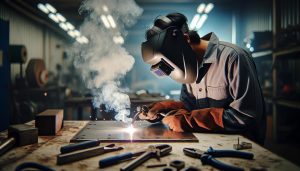
Safety cannot be overstated in the context of plasma cutting. Operators should always wear appropriate personal protective equipment (PPE), including gloves, helmets with appropriate shading, and goggles. Additionally, ensuring proper ventilation and compliance with safety protocols can prevent incidents related to fumes or sparks that may arise during the cutting process. Integrating safety best practices into the workflow is essential not only for personal protection but also for ensuring a well-maintained working environment that promotes longevity in equipment and quality in output.
Is Aluminum Suitable for Plasma Cutting? Pros and Cons

Aluminum is one of the most popular materials for plasma cutting due to its lightweight nature and excellent conductivity. However, it’s crucial to understand both its advantages and disadvantages when using this method to ensure successful results and maximize efficiency on the job. Plasma cutting offers distinct benefits for handling aluminum, such as achieving clean cuts with minimal distortion. The high temperatures generated during the process can effectively melt aluminum and expel the molten material, producing edges that often require little to no finishing. This capability is particularly advantageous in fabrication settings where precision and speed are of utmost importance.
Despite these benefits, there are notable challenges when plasma cutting aluminum that welders must navigate. One of the primary concerns is the metal’s high thermal conductivity, which can lead to warping if proper techniques are not employed. In addition, aluminum is more susceptible to oxidation compared to other metals, which can affect the quality of the cut and demand thorough cleaning of the material prior to cutting. Another factor to consider is that the choice of plasma cutter is paramount; the wrong settings can result in poor cuts, excessive heat buildup, and even damage to the workpiece. Thus, selecting a cutter that provides the appropriate amperage and features tailored settings for aluminum is essential.
When contemplating whether plasma cutting is suitable for a project involving aluminum, it is helpful to weigh these pros and cons carefully. A successful operation will depend not only on having the right equipment but also on understanding the necessary preparatory steps and techniques. This includes ensuring that the aluminum surface is clean and free from contaminants, as well as adjusting cutting speeds and amperage to account for the metal’s unique properties. By acknowledging these factors, welders can harness the advantages of plasma cutting aluminum effectively, leading to high-quality results that meet the demands of various applications.
Best Practices for Cutting Aluminum with Plasma
When cutting aluminum with a plasma cutter, understanding the nuances of the material and the equipment is essential for achieving clean, precise cuts with minimal waste. The unique properties of aluminum, such as its thermal conductivity and propensity to oxidize, necessitate specific best practices to ensure optimal cutting performance and results.
One critical step before commencing any cuts is to ensure that the aluminum surface is thoroughly cleaned. Contaminants, such as oils, dirt, or oxidation, can interfere with the cutting process, leading to poor cut quality and increased slag formation. Using a degreaser and a scouring pad to clean the material will help in achieving a higher quality cut. A clean surface not only improves the efficiency of the plasma cutting but also reduces the risk of weld contamination in subsequent processes.
Next, maintaining the correct settings on your plasma cutter is vital for effectively cutting aluminum. Generally, a higher cutting speed will be required than when working with materials like steel, given aluminum’s lower melting point. Setting the amperage appropriate to the thickness of the aluminum is crucial; too low will yield inadequate cuts, while too high can cause excessive heat and warping. As a rule of thumb, for aluminum thicknesses under 1/4 inch, an amperage setting of 20 to 30 amps is often suitable, but always consult your equipment’s specifications for the best results.
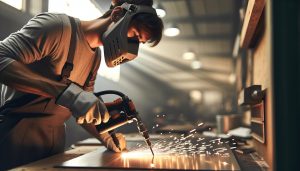
During cutting, holding the plasma torch at the correct angle can make a significant difference in the quality of the cut. Ideally, the torch should be positioned at a slight angle away from the cutting direction (around 5 degrees) to create a beveled edge and reduce dross accumulation. Additionally, moving the torch smoothly and consistently across the material will help maintain an even speed, resulting in better-cut edges.
To summarize, the primary include:
- Thoroughly clean the aluminum surface to eliminate contaminants.
- Adjust the plasma cutter settings, including amperage, according to the thickness of the aluminum.
- Maintain a slight angle with the plasma torch during cutting.
- Move the torch smoothly to ensure even cutting speeds.
By adhering to these best practices, welders can significantly enhance the quality and efficiency of their plasma cutting processes. Understanding and mastering these techniques not only helps produce superior cuts but also reduces rework and material wastage, ultimately leading to successful project outcomes.
Choosing the Right Plasma Cutter for Aluminum Projects
When embarking on aluminum cutting projects, selecting the right plasma cutter can significantly impact both the quality of your cuts and the efficiency of your workflow. Not all plasma cutters are created equal; the ideal machine should match your specific project requirements, including the thickness of the aluminum you intend to cut and the type of work you’re performing, whether it’s CNC operations or manual cutting.
Key factors to consider include the cutter’s amperage range and duty cycle. For aluminum, which has a more delicate melting point compared to ferrous metals, opting for a plasma cutter that provides an amperage range suited for thinner materials-typically between 20 to 40 amps-is essential. This ensures that you can achieve clean cuts without excessive heat generation, which can warp the metal. Additionally, a higher duty cycle is crucial for prolonged use without overheating; look for machines with at least a 60% duty cycle if you plan on working with larger sheets or in a production-setting.
Another important consideration is the torch design. A machine equipped with a high-frequency start feature can make initial arcs easier to establish, especially beneficial when working with aluminum coated in oxidation or contaminants. The type of nozzle and electrode also influences cut quality; for aluminum, a nozzle specifically designed to enhance airflow can help create a more stable arc and minimize dross buildup. Some manufacturers offer consumables explicitly tailored for aluminum that can elevate cutting performance, so it’s wise to explore these options.
Lastly, consider the ergonomic aspects of the cutter. A lightweight, well-balanced torch allows for easier maneuverability, especially during prolonged use. Comfort in handling can improve your precision and control, leading to better outcomes in your projects. Investing in a reliable plasma cutter tailored for aluminum cuts not only maximizes the effectiveness of your work but also enhances your overall cutting experience, ensuring every project is both productive and pleasant.
Common Mistakes When Using Plasma Cutters on Aluminum
When using plasma cutters on aluminum, several common pitfalls can derail your cutting process, resulting in poor quality cuts or even damage to your materials. One of the most significant mistakes is using inappropriate settings for amperage and speed. Aluminum has a lower melting point than many metals, meaning that if your settings are too high, you risk excessive melting and warping. To achieve optimal results, always adjust your settings according to the thickness and type of aluminum you’re working with, generally staying within 20 to 40 amps for cleaner cuts.
Another frequent error is neglecting to properly clean the aluminum surface before cutting. Contaminants such as oils, dirt, or oxidation can interfere with the plasma arc, leading to unstable cuts and increased dross buildup. It’s crucial to thoroughly clean the surface using a suitable solvent or abrasive, ensuring that you remove any impurities that may disrupt the cutting process. Additionally, utilizing a nozzle designed specifically for aluminum can enhance airflow and help maintain a stable arc, which further minimizes these issues.
Ignorance of Appropriate Torch Angle
A common technical mistake relates to the torch angle during cutting. Many beginners don’t realize that maintaining an optimal angle (usually around 60 degrees) can greatly affect the quality of the cut. A steeper angle can result in jagged edges and excessive heat concentration, while too shallow an angle may lead to poor penetration. Practicing with the correct angle can produce smoother, more precise edges, which is particularly important in projects where aesthetics and functionality are crucial.
Finally, overlooking safety precautions can have serious consequences. Ensure that you are equipped with appropriate personal protective equipment (PPE) such as gloves, helmets, and protective clothing to shield yourself from sparks and UV radiation generated during cutting. Also, ensuring proper ventilation is vital, as cutting aluminum can produce harmful fumes. Always prioritize safety procedures to protect yourself and maintain a productive working environment. By avoiding these common mistakes, you can significantly improve your plasma cutting experience and achieve high-quality results in your aluminum projects.
Safety Protocols When Cutting Aluminum with Plasma
Plasma cutting aluminum presents unique challenges and risks that make it imperative to prioritize safety protocols. Given the high temperatures and powerful arc generated during the process, proper precautions are essential to ensure not only the quality of the cut but also the well-being of the operator and bystanders. Ignoring safety measures can lead to serious injuries or accidents, so understanding and implementing effective safety protocols is crucial.
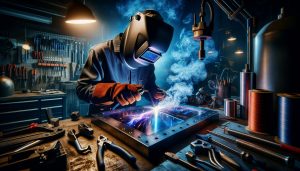
First and foremost, wearing appropriate personal protective equipment (PPE) is non-negotiable. This includes heavy-duty, flame-resistant gloves to protect hands from sparks, a full-face helmet with an appropriate shade lens to shield the eyes from harmful UV radiation and bright light, and protective clothing that covers all exposed skin. It is also advisable to wear leather shoes to protect the feet from falling sparks and hot materials. Adept ventilation is equally important, as cutting aluminum can produce harmful fumes that can be detrimental to health. Work in a well-ventilated area or use exhaust fans to mitigate inhalation risks.
In addition to personal safety gear, maintaining a safe work environment is critical. Keep the workspace clean and free of flammable materials or debris that could ignite from sparks. Properly securing the aluminum workpiece can prevent unexpected movement and ensure stable cutting. Implementing fire safety measures such as having a fire extinguisher readily available and informing everyone in the vicinity of the cutting activities can further enhance safety.
Before starting the cutting process, it’s prudent to conduct a thorough inspection of the plasma cutter for any damages or leaks in air and gas lines. Familiarize yourself with the equipment’s operation manual and ensure that you understand the machine’s settings and controls. Following these established protocols not only fosters a safer cutting environment but also significantly improves the overall efficacy and quality of the plasma cutting operation. Prioritizing safety ensures that you can concentrate on the craft without unnecessary risks or distractions.
Comparing Plasma Cutting to Other Aluminum Cutting Methods
When it comes to cutting aluminum, plasma cutting stands out as a powerful method, yet it’s essential to compare its efficacy against other techniques such as MIG welding, TIG welding, and traditional mechanical cutting methods. Each method has its own advantages and considerations depending on the project requirements, materials, and desired finishes.
Plasma cutting utilizes a high-temperature arc to melt through the material, allowing for quick cuts with precision. This makes it particularly effective for thicker aluminum sections, where speed and accuracy are paramount. In contrast, TIG welding, while not primarily a cutting technique, can create precise welds with a cleaner finish for thinner materials. It’s especially beneficial when seamless joins are needed, and the heat input is controlled, minimizing distortion. MIG welding also provides robust joins and can be adapted for cutting by using specific techniques and equipment, offering a versatile option for both cutting and joining materials, though it may not achieve the same fine detail as plasma cutting.
Mechanical cutting methods, such as saws or routers, are traditionally used for aluminum sheet metal. While they offer good control and finish, they may struggle with thicker materials and can produce burrs that need further cleanup. Plasma cutting, on the other hand, produces minimal thermal distortion and is often faster, although it may require post-processing to achieve the desired surface finish, especially for artistic or aesthetic applications.
To summarize the comparison:
| Method | Advantages | Considerations |
|---|---|---|
| Plasma Cutting | Speed, precision, minimal distortion | Potential for rough edges, requires finishing |
| MIG Welding | Good for thicker sections, versatile | Less precision than plasma, can be slower |
| TIG Welding | Excellent for thin materials, clean joints | Slower process, requires advanced skill |
| Mechanical Cutting | Control, good for sheet metal | Can leave burrs, slower on thick materials |
In making a decision on the cutting method for aluminum, it’s vital to weigh the specific requirements of the project, including materials’ thickness, the complexity of cuts, finish quality, and the operator’s skill level with each technique. This informed approach ensures not only the efficiency of the task at hand but also enhances the overall quality of the finished product.
Enhancing Precision in Plasma Cutting Aluminum
Achieving precision in plasma cutting aluminum is paramount, especially when working on detailed projects or components where accuracy significantly impacts functionality and appearance. One of the most effective techniques is to maintain appropriate settings for the plasma cutter. Optimizing the amperage for the thickness of the aluminum is essential; too high can lead to excessive heat and warping, while too low may result in incomplete cuts. For instance, using a cutter set at 40-60 amps is generally ideal for 1/8″ aluminum, while thicker materials might require adjustments.
Additionally, the quality of the plasma cutter’s consumables, including nozzles and electrodes, plays a crucial role in achieving clean and precise cuts. Regularly replacing these components ensures that the arc remains stable and the cut quality stays high. Moreover, using a fine-cut nozzle can drastically improve edge quality and reduce the need for post-processing.
Maintaining Speed and Angle
The cutting speed and angle at which the torch is held significantly impact the cleanliness of the cuts. Maintaining a consistent movement speed helps to prevent overheating any section of the aluminum, which can result in rough edges or burn-through. A typical recommendation is to move at a rate of approximately 10 inches per minute for most aluminum cuts, but this can vary based on the material thickness and settings. Holding the torch at a slight angle-just under 90 degrees-can further enhance the precision, ensuring that the molten aluminum is efficiently blown away from the cut line.
Cooling Methods
Incorporating cooling methods, such as using a water table, can also enhance precision and mitigate slag accumulation. A water table not only captures the molten metal but also reduces the risk of warping due to heat. Furthermore, this setup minimizes cleanup, allowing for a smoother workflow.
Ultimately, continuous practice and refinement of techniques contribute to enhanced precision in plasma cutting aluminum. Being mindful of equipment settings, maintaining consumables, and practicing proper technique are essential to elevating cutting quality, ensuring both function and aesthetic appeal in the finished work.
Troubleshooting: Challenges When Cutting Aluminum
When tackling the challenges associated with cutting aluminum using a plasma cutter, understanding the intricacies of the material and the equipment involved is essential. Aluminum, while a lightweight and versatile metal, poses unique difficulties due to its thermal properties and susceptibility to warping. One common issue is the formation of a rough or uneven cut edge, which can result from excessive heat input-a frequent problem when the cutting parameters are not optimized.
Utilizing the correct settings is vital; improper amperage selection can lead to burns or incomplete cuts. It’s often beneficial to use a slower cutting speed, which allows for better energy control and enhances the cut quality. The nuanced nature of aluminum means slight adjustments in speed or angle can yield significantly different results. For instance, keeping the plasma torch at an appropriate angle and distance from the workpiece can help manage the flow of molten metal and minimize excess slag accumulation.
Another prevalent challenge is threading or warping, particularly with thinner aluminum sheets. This can be mitigated by employing fixtures or clamps that secure the material during cutting, preventing movement and ensuring accuracy. Implementing a water table can also assist by cooling the base material and reducing warping effects. Additionally, utilizing high-quality consumables-like nozzles and electrodes-ensures a stable arc and cleaner cuts, directly impacting the final finish.
Lastly, being aware of external factors such as the cleanliness of the aluminum surface can’t be overlooked. Oil, dirt, or oxidation will hinder the performance of the plasma cutter, often leading to erratic cuts or the need for excessive post-processing. Maintaining a clean work environment and prepping the material thoroughly will help to smooth the cutting process, making your work more efficient and consistently high quality. Through a combination of proper technique, equipment maintenance, and attention to detail, many of these challenges can be effectively managed, leading to successful outcomes in aluminum plasma cutting.
Expert Tips for Smooth and Clean Aluminum Cuts
Achieving smooth and clean cuts in aluminum with a plasma cutter requires a blend of technique, equipment precision, and environmental considerations. One significant factor to bear in mind is the importance of selecting the right amperage and cutting speed. For aluminum, a lower amperage setting paired with a slower cutting speed often yields the best results. This approach helps prevent excessive heat buildup, which can lead to deformities, such as warping or uneven edges. By closely monitoring these variables, you can adapt to the aluminum’s thickness and desired cut quality.
Maintaining a clean cutting surface is equally critical. Any contaminants-including oils, dirt, or oxide layers-can interfere with the plasma arc, resulting in poor cuts and increased slag on the workpiece. Preparing the aluminum surface through thorough cleaning or using a stainless steel brush can facilitate better conductivity and lead to a smoother finish. Additionally, consider using a water table setup, which not only cools the material during cutting but also helps trap airborne particles and reduce the risk of warping.
Utilizing the right consumables will also significantly enhance cut quality. Investing in high-quality nozzles and electrodes helps ensure a stable arc, which is essential for achieving clean cuts. Regularly inspect and replace these components to maintain optimal performance. Experimenting with different nozzle sizes may also help, as larger nozzles can accommodate thicker materials while providing a wider kerf, reducing the risk of blockage during operation.
Proper fixturing can reduce movement and improve precision during the cutting process. Securely clamping the aluminum piece minimizes vibrations and the risk of distortion. Additionally, consider adjusting the angle of the torch slightly; small changes can have pronounced effects on the cut quality. Mastering these techniques not only enhances the efficiency of your cutting operations but also ultimately leads to a professional finish that minimizes the need for extensive post-processing.
Real-World Applications of Plasma-Cut Aluminum
Cutting aluminum with a plasma cutter opens up a world of possibilities, showcasing its versatility across various industries. From manufacturing to construction, plasma-cut aluminum is valued for its lightweight, durability, and resistance to corrosion. This makes it an ideal material for applications ranging from aerospace components to custom automotive parts. The clean cuts produced by plasma cutting allow for intricate designs, making it a preferred choice for fabricators looking to achieve both precision and efficiency in their projects.
In the automotive industry, for instance, plasma cutters are instrumental in creating precise parts that improve vehicle performance and aesthetics. Aluminum components, being lightweight yet strong, contribute significantly to fuel efficiency without sacrificing structural integrity. Custom exhaust systems, chassis components, and body panels are just a few examples where plasma cutting shines. Metal artists and hobbyists also benefit from plasma-cut aluminum, using it to craft sculptures, decorative pieces, or functional items that demand a contemporary look and feel.
The versatility of plasma cutting extends into other realms such as HVAC, where ductwork often requires custom shapes and sizes. Efficiently cutting aluminum sheets for ventilation systems not only saves time but also significantly reduces production costs. Additionally, the electronics industry utilizes plasma-cut aluminum for enclosures and heat sinks, taking advantage of its thermal conductivity and lightweight properties to enhance device performance and portability.
Overall, the applications of plasma-cut aluminum are vast, and the processes involved can be tailored to meet specific requirements. Whether it’s for commercial purposes or artistic expressions, understanding the nuances of plasma cutting aluminum can lead to innovative solutions and impressive results across different fields. Proper technique, preparation, and equipment choice ensure that users can harness the full potential of aluminum’s benefits while maximizing their cutting efficiency.
Q&A
Q: Can you use a plasma cutter on thin aluminum?
A: Yes, a plasma cutter is effective for cutting thin aluminum sheets. When cutting thin materials, adjust the amperage settings to prevent burn-through and ensure clean cuts. Refer to the “Best Practices for Cutting Aluminum” section for detailed tips on setup and technique.
Q: What thickness of aluminum can a plasma cutter handle?
A: Plasma cutters can typically handle aluminum thicknesses ranging from 1/8 inch to several inches, depending on the cutter’s capacity. Check your model’s specifications for optimal thickness capabilities. For more guidance, see “Choosing the Right Plasma Cutter for Aluminum Projects.”
Q: Is plasma cutting aluminum more efficient than other methods?
A: Plasma cutting aluminum is often faster and produces finer cuts compared to methods like sawing or shearing. It generates less heat, reducing distortion. For a detailed comparison, refer to the section on “Comparing Plasma Cutting to Other Aluminum Cutting Methods.”
Q: What are the advantages of plasma cutting aluminum over traditional methods?
A: Advantages include faster cutting speeds, cleaner edges, and the ability to work with intricate designs. Plasma cutting also minimizes material wastage. Learn more about these benefits in “Is Aluminum Suitable for Plasma Cutting? Pros and Cons.”
Q: How do you prepare aluminum for plasma cutting?
A: Proper preparation involves cleaning the aluminum surface to remove oxidation and contaminants, checking for tight clamps, and ensuring the cutting area is free from debris. For detailed steps, see the “Common Mistakes When Using Plasma Cutters on Aluminum” section for troubleshooting tips.
Q: What safety gear is essential for plasma cutting aluminum?
A: Essential safety gear includes a welding helmet with appropriate shading, gloves, protective clothing, and ear protection. Refer to “Safety Protocols When Cutting Aluminum” for a comprehensive list of safety equipment required.
Q: Why is aluminum challenging to cut with a plasma cutter?
A: Aluminum’s high thermal conductivity can lead to warping or burn-through if not properly managed. Adjusting settings and using the right technique can mitigate these issues. For more troubleshooting advice, look at the “Troubleshooting: Challenges When Cutting Aluminum” section.
Q: Can plasma cutting distort aluminum pieces?
A: Yes, plasma cutting can cause distortion if adequate cooling methods aren’t utilized. Techniques such as using a water table can help minimize heat impact. More insights can be found in the “Enhancing Precision in Plasma Cutting Aluminum” section.
Closing Remarks
Now that you understand the intricacies of using a plasma cutter on aluminum, it’s time to take your skills to the next level. Remember, selecting the right technique and equipment is crucial for achieving optimal results. If you’re eager to dive deeper into welding techniques, explore our guides on MIG and TIG welding, or check out our safety protocols to ensure you’re working safely and effectively.
Don’t let uncertainty hold you back-arm yourself with the knowledge and tools to succeed in your projects. Whether you’re a novice or a seasoned welder, we invite you to sign up for our newsletter for ongoing insights and expert tips. Have questions or want to share your experiences? Feel free to comment below! Your engagement not only enriches our community but also reinforces the shared journey of mastering welding skills. Keep pushing the boundaries of your craftsmanship, and explore more today!