Plasma cutting is an essential technique for metalworking, yet many beginners and even seasoned welders are often unsure about the role of air in this process. Did you know that the efficiency and quality of your cuts can be dramatically affected by your setup? Understanding whether a plasma cutter requires air is crucial for achieving optimal performance and ensuring safety during operation. In this guide, we’ll delve into the specifics of plasma cutter setups, exploring the types of gases used, their benefits, and how they impact your work. By the end, you’ll be equipped with the knowledge to enhance your cutting projects and troubleshoot potential issues, paving the way for successful and precise metal fabrication.
Does a Plasma Cutter Require Air for Operation?
Plasma cutting is a highly efficient method used to slice through various metals, and it’s essential to understand how air plays a key role in this process. Contrary to some misconceptions, a plasma cutter does require air for proper operation, as it is vital to create the plasma arc that melts through the metal. The air serves not only as a protective shield against contamination but also as a medium to blow away the molten material, ensuring a clean and precise cut.
In a typical setup, atmospheric air is ionized within the plasma cutter’s torch where it encounters the high heat generated by the electric arc. This ionization transforms the air into plasma, allowing the cutter to reach temperatures that can exceed 20,000 degrees Fahrenheit. Without sufficient airflow, the cutter may underperform, resulting in less effective cutting, potential damage to the equipment, and unsafe working conditions due to inadequate shielding.
For optimal results, it’s critical to ensure that the air supply is free of moisture and contaminants, as these can degrade performance and affect the quality of the cut. Proper filtration systems and regular maintenance of the air compressor will significantly enhance the life of the plasma cutter and improve cutting quality. When setting up your system, maintaining the right pressure and flow rate of air is key; typically, a flow rate of 4-6 cubic feet per minute (CFM) at 60-70 PSI is recommended for most plasma cutting applications.
Understanding Air Requirements for Plasma Cutters
Understanding the air requirements for plasma cutters is crucial for both novice and experienced welders. A vital aspect of this cutting technique lies in the air supply, which plays an essential role in the creation and maintenance of the plasma arc. When atmospheric air enters the cutter’s torch, it is subjected to extreme temperatures generated by the electric arc; this process ionizes the air, effectively transforming it into plasma. It is this ionized air that allows plasma cutters to achieve the incredibly high temperatures necessary to slice through metals like steel or aluminum, often exceeding 20,000 degrees Fahrenheit.
To ensure optimal operation, plasma cutters require a consistent and clean air supply. The quality of the air used directly affects the performance and longevity of the equipment. Contaminants such as moisture, oil, and particulates can compromise cutting quality and potentially damage internal components. Utilizing well-maintained filtration systems is equally important. For instance, a water trap and particulate filter should be integrated into the air supply line to prevent moisture and dirt from reaching the plasma cutter.
The recommended pressure and flow rate for standard plasma cutting applications typically fall between 60-70 PSI, with an air flow rate of 4-6 cubic feet per minute (CFM). This ensures that the cutter has enough airflow to maintain the ionization process while expelling molten material from the cutting zone, resulting in cleaner cuts. Monitoring the air quality and maintaining the proper setup not only enhances the cutting performance but also prolongs the lifespan of the plasma cutter, making these factors essential for effective metalworking.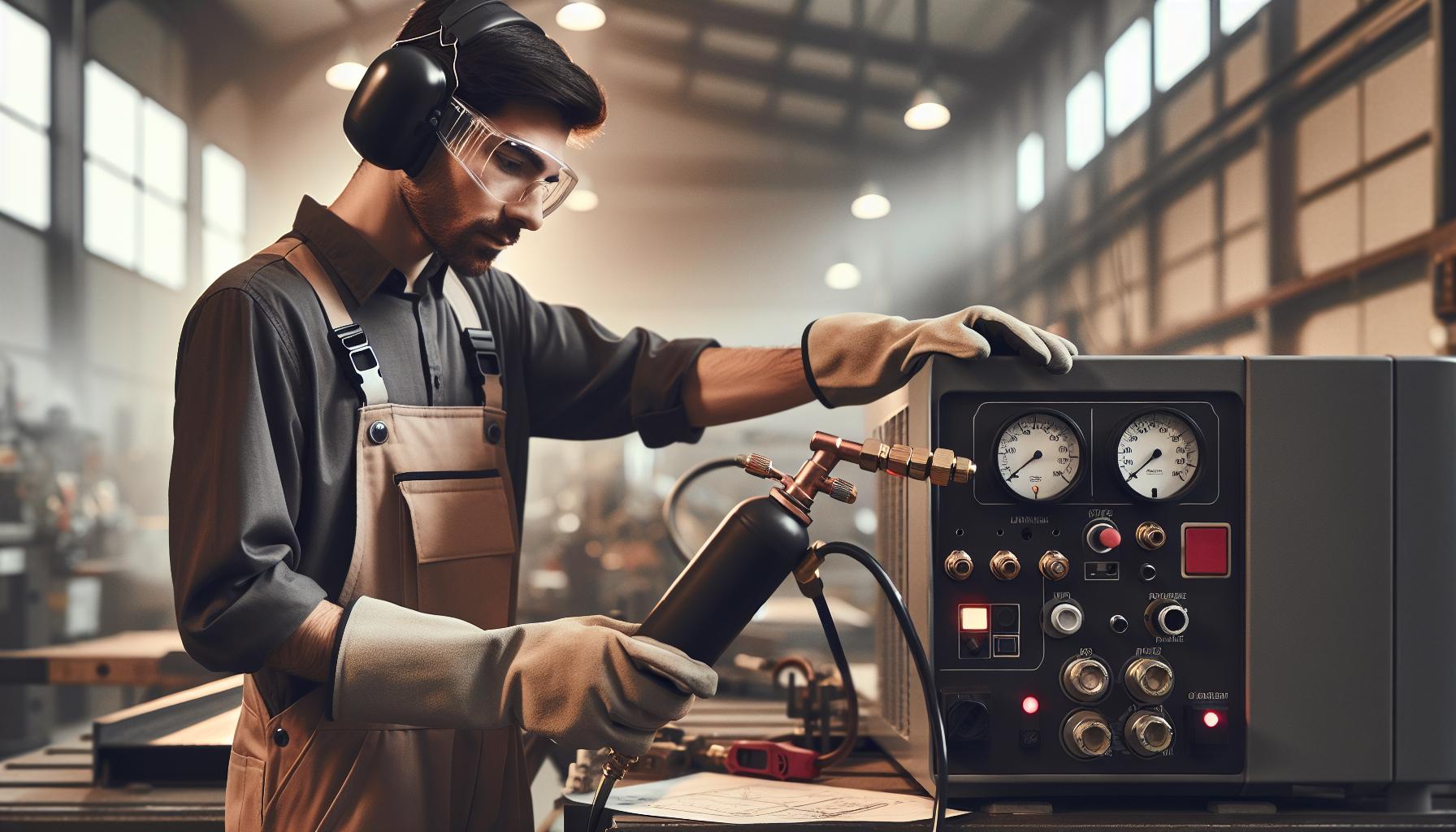
The Role of Air Compressors in Plasma Cutting
The effectiveness of a plasma cutter hinges significantly on its air compressor, serving as the heart that drives the necessary air supply for optimal operation. A plasma cutter requires a steady stream of compressed air to generate and maintain the plasma arc essential for cutting through metals effectively. The compressor must be capable of delivering clean, dry, and adequately pressurized air, typically within a range of 60-70 PSI and 4-6 CFM, to ensure sufficient ionization of the air within the cutting torch.
Choosing the right air compressor involves several considerations. Compressor size plays a crucial role; a unit with an adequate tank capacity can help maintain pressure and reduce the frequency of cycling on and off, which enhances the longevity of both the compressor and the plasma cutter. Additionally, the type of compressor matters. For most plasma cutting applications, an oil-free air compressor is recommended to avoid any oil contamination that could adversely affect cutting quality.
To further ensure effective plasma cutting, integrating filtration systems is essential. These systems should include water traps and particulate filters, which work to remove moisture and debris from the compressed air before it reaches the plasma cutter. This combination significantly improves the overall performance of the tool, providing cleaner cuts and fewer interruptions during work. Therefore, understanding the role of air compressors and maintaining the air supply system properly not only enhances the cutting experience but also prolongs the lifespan of your equipment, making for a more efficient and effective workflow in any metalworking project.
Common Myths: Do Plasma Cutters Need Air?
Many newcomers to plasma cutting often harbor misconceptions about the need for compressed air in their projects. Some may believe that plasma cutters can operate effectively without any air supply, thinking that electricity alone suffices to create the necessary arc for cutting through metal. However, this belief significantly undermines the operation of plasma cutters, which indeed require a continuous and precise delivery of air to function optimally.
The role of compressed air in plasma cutting cannot be overstated. The air not only assists in forming the plasma arc but also cools the cutting tip and helps expel molten metal from the cut. Without a proper air supply, the cutting process suffers-not just in terms of efficiency and quality, but also safety. A lack of sufficient air pressure can lead to erratic cutting, increased slag buildup, or even overheating of the torch, ultimately risking damage to both the cutter and the material being worked on.
Another common myth is that any type of air would suffice for a plasma cutter’s operation. It’s crucial to emphasize that the quality of the compressed air is as important as its availability. Using contaminated or moist air can severely affect the integrity of the plasma arc, leading to inconsistent cuts and even premature wear of the equipment. Alongside the right air pressure and flow rate, additional filtration systems can protect both the plasma cutter and the workpiece, ensuring clean, efficient operation.
Understanding these myths helps underscore the importance of setting up a reliable air supply system. Proper preparation enables not just a better cutting experience but also plays a critical role in maintaining safety and achieving high-quality results across various welding and metal fabricating tasks.
Alternatives to Compressed Air in Plasma Cutting
In certain scenarios where compressed air is not available, the quest for alternatives in plasma cutting becomes essential. While compressed air is the standard and widely preferred medium for sustaining the plasma arc, there are viable alternatives that can ensure efficient cutting results. For example, nitrogen gas has gained popularity as a substitute in specific applications. It provides a clean cutting process, significantly reducing oxidation on the cut edges of materials such as stainless steel. Utilizing nitrogen often requires adjustments to the plasma cutting equipment but can lead to superior finishes and reduced post-cut cleanup.
Another alternative is the use of shop air, which can be sufficient in non-critical applications. Shop air doesn’t require extensive filtration systems; however, it is imperative to ensure moisture and contaminants are minimal to avoid compromising the cutting quality. It’s crucial to use an appropriate regulator and desiccant filter to maintain a suitable air quality that prevents moisture from affecting the plasma arc.
Switching to other gas types such as argon or helium is also possible, although they are less common and often tied to specific considerations. These gases can result in slower cutting speeds and may require higher operating costs; thus, they are typically reserved for specialized cutting tasks. For effective deployment, any adjustments to the cutting parameters must be carefully calibrated to accommodate the unique properties of these gases and maximize performance.
In addition to gas alternatives, innovative plasma cutting systems, such as those employing water plasma technology, offer a different approach entirely. This method uses water as a cutting medium, which provides significant cooling advantages and can be useful in reducing smoke and fumes during the cutting process. However, such systems might entail higher initial investments and specific equipment adaptations.
When considering alternatives, it’s essential to assess the material being cut, the required quality of the cut, and the overall operational costs. Understanding these factors helps in making informed decisions that align with project requirements while maintaining safety and cutting efficiency.
Factors Affecting Air Quality for Plasma Cutters
The quality of air used in plasma cutting is paramount, as it directly influences both the performance of the cutter and the quality of the cutting results. Contaminants and moisture in the air can lead to a range of issues, including inconsistent cuts, jagged edges, and increased wear on the equipment. Understanding the factors affecting air quality helps in achieving optimal outcomes for different cutting applications.
First and foremost, the presence of moisture is a critical concern. Moist air can cause instability in the plasma arc, leading to erratic cutting performance and potential damage to the nozzle and electrode. It’s crucial to utilize air dryers and desiccant filters to significantly reduce moisture content before the air reaches the plasma cutter. Regularly inspecting and maintaining these systems ensures a consistent and high-quality airflow, minimizing the risk of moisture-related problems.
Another vital factor is particulate contamination. Dust, oil, and other particulates can enter the air supply, compromising the purity necessary for a stable plasma arc. Implementing an effective filtration system that includes particulate filters can prevent these contaminants from causing issues. This proactive approach not only safeguards the integrity of the cut but also extends the lifespan of consumables such as nozzles and tips.
Additionally, the source of the air supply plays a significant role. Compressed air must generally meet certain specifications, as industrial compressors may introduce contaminants that are not present in clean, dry air sourced from dedicated air supply systems. Using oil-free compressors and ensuring regular maintenance can mitigate these risks. Monitoring the quality of the supplied air and maintaining proper filters and regulators are essential steps in the setup process.
In summary, maintaining high air quality for plasma cutting is a multifaceted endeavor that involves controlling moisture content, preventing particulate contamination, and ensuring the air supply source is clean and suitable for the job at hand. By prioritizing these elements, operators can significantly enhance cutting performance and achieve cleaner, more precise cuts in various materials.
How to Properly Set Up Air Supply for Plasma Cutters
Setting up an efficient and reliable air supply for plasma cutters is essential for achieving high-quality cuts and maintaining equipment longevity. A properly configured air system helps ensure consistent plasma arcs, better cutting performance, and superior outcomes. Start by ensuring you have the right equipment and components for your air supply setup.
First, invest in a high-quality air compressor that meets the requirements of your plasma cutter. Look for a model that delivers adequate pressure and volume; typically, plasma cutters operate best with compressed air at 90-120 PSI. An oil-free compressor is preferable, as oil can contaminate the air and adversely affect cut quality. It’s wise to consult the plasma cutter’s manual to ascertain specific air supply requirements.
Next, incorporate moisture and particulate filtration into your air supply system. Employ air dryers and desiccant filters to eliminate moisture that could destabilize the plasma arc, leading to inconsistent cutting performance. In addition, consider using a series of particulate filters to capture dust and other contaminants, ensuring that only clean, dry air reaches the cutter. A filtration system should be regularly checked and maintained, with filters replaced according to the manufacturer’s recommendations.
Lastly, address the physical setup of the air supply lines. Use high-quality hoses rated for the necessary pressure to prevent leaks or hose failure during operation. Ensure that the hoses are free of kinks and visible obstructions. Keeping air supply lines clear and well-maintained not only improves efficiency but also safety on the job site. Incorporate regulators and gauges to monitor air pressure accurately, making adjustments as necessary to maintain optimal performance.
By prioritizing these essential components during setup, operators can create a stable environment for plasma cutting, which translates to cleaner cuts and extended equipment life. With diligence in maintaining air quality and equipment, the benefits will be evident both in the quality of work and in reduced operational issues.
Troubleshooting Air Supply Issues in Plasma Cutting
is essential for maintaining optimal performance and achieving high-quality results. When the air supply system falters, it can lead to inconsistent arcs and poor cutting quality, which can frustrate operators and increase project turnaround times. Recognizing common air supply problems and systematically addressing them can significantly improve the efficiency and effectiveness of plasma cutting operations.
One frequent issue is insufficient air pressure, which can stem from a malfunctioning or underpowered air compressor. Ensure that your compressor is capable of delivering the required pressure, typically between 90-120 PSI for most plasma cutters. Regularly check pressure gauges to confirm that there are no sudden drops, which could indicate a leak in the system or a failure in the compressor. If air flow is inadequate, inspect hoses and connections for kinks or blockages that might impede performance. If leaks are discovered, employing thread sealant on fittings can help maintain a tight seal and prevent air escape.
Moisture contamination is another common culprit leading to unstable plasma arcs. As moisture forms in the air supply, it can create erratic cuts and cause the plasma arc to misfire. To mitigate this problem, ensure that your filtration system is capable of removing water vapor from the air before it reaches the torch. Consider installing additional moisture traps or air dryers if humidity is a persistent issue in your workspace. Regular maintenance of filters and separators is crucial; they should be emptied and replaced according to the manufacturer’s guidelines to maintain air quality.
Lastly, fluctuations in air quality can be symptomatic of impurities within the air supply system. Contaminants such as dust and debris can find their way into the hoses and affect performance. Investing in high-quality particulate filters helps to keep the compressed air clean. Be vigilant about the cleanliness of your workspace and routinely check and clean filters to ensure optimal performance. By proactively addressing these air supply issues, operators can achieve stable performance, reduce downtime, and enhance the overall quality of their plasma cutting projects.
Best Practices for Maintaining Air Systems with Plasma Cutters
To ensure reliable performance and exceptional results from a plasma cutter, maintaining the air system is crucial, as it directly impacts cutting quality. One of the most common causes of inconsistent cuts is inadequate air supply or poor air quality. Proper maintenance practices can help mitigate these issues and extend the lifespan of your equipment.
Start by establishing a routine inspection of the entire air supply system, including hoses, fittings, and connectors. Look for signs of wear, damage, or leaks, as these can significantly affect air pressure and flow. Keep air lines clear of kinks or obstructions, which can restrict airflow. Periodically tightening fittings and connections can prevent air loss – a simple step that often goes overlooked.
Another essential practice is to regularly check and maintain air quality. Moisture is a notorious enemy of plasma cutters, as it can lead to unstable arcs and poor cuts. Investing in high-quality air dryers and moisture traps will help remove water vapor before it reaches the torch. Set a schedule for draining condensate from your compressor and inspecting filters, replacing them as necessary. Use particulate filters to prevent dust and debris from contaminating the air supply, ensuring that clean air is reaching your plasma cutting system.
Lastly, keep your workspace clean and organized. A tidy environment not only enhances safety but also minimizes the risk of contaminants entering the air supply. Regular maintenance of both the cutting equipment and the air supply system will help ensure the longevity and reliability of your plasma cutter, allowing it to perform at its best for every project. Emphasizing these best practices will foster a successful and safe plasma cutting experience, ultimately leading to higher quality work.
Selecting the Right Air Compressor for Your Plasma Cutter
is crucial for achieving optimal performance and ensuring longevity of the equipment. A high-quality air compressor not only supplies the necessary airflow but also maintains air quality, which is essential for stable arc generation and clean cutting edges. Understanding the specifications of your plasma cutter and the demands of your projects is the first step in this selection process.
When choosing an air compressor, consider the following key factors:
- CFM Rating: The cubic feet per minute (CFM) rating indicates the volume of air the compressor can deliver. Ensure that the compressor’s CFM output meets or exceeds the requirements of your plasma cutter. Most plasma cutters require around 4 to 7 CFM, but checking the specific requirements of your model is advisable.
- Tank Size: A larger tank size means more stored air, which can lead to longer run times and a consistent air supply. For plasma cutting applications, a tank size of 6 to 10 gallons is generally sufficient, but larger tanks may provide added stability for extended cutting tasks.
- Pressure Output: Plasma cutters typically operate at 60 to 100 PSI. Ensure that the air compressor you select can maintain the required pressure throughout its operation. This capability is vital for cutting efficiency, especially when working with thicker materials.
- Moisture Control: To protect your plasma cutter and ensure high-quality cuts, select a compressor that features moisture traps and dryers. Moisture can disrupt arc stability, leading to poor cutting performance and potential damage to the torch.
- Portability: If you plan to use the plasma cutter in various locations, consider a lightweight and portable compressor. Many high-quality compressors are now available in compact sizes that do not sacrifice power.
Before making a purchase, it’s beneficial to compare different models and read reviews from other users in the welding community. A compressor that is reliable and user-friendly can significantly enhance your overall cutting experience. Investing in a compatible air compressor will ensure that you achieve clean, precise cuts with minimal downtime, allowing you to focus on delivering quality work.
Safety Considerations When Using Air with Plasma Cutters
When using a plasma cutter, ensuring safety during air operation is paramount to minimize risks associated with high-pressure air and electrical arcs. Plasma cutting relies on high-velocity air to sustain a stable arc; however, improper handling or inadequate setup can lead to dangerous situations. Therefore, awareness and adherence to safety protocols is essential for both novice and experienced operators.
One of the key considerations involves the proper maintenance and inspection of air supply equipment, including hoses and fittings. Regularly inspecting hoses for any leaks, wear, or damage can prevent accidents and ensure that air pressure remains consistent, thereby achieving optimal cutting performance. Additionally, using air supplies equipped with moisture traps is critical. Moisture can not only impair the plasma cutting process but also pose a risk of electrical shock or equipment failure. Hence, ensuring dry, contaminant-free air is vital.
Safety also extends to personal protective equipment (PPE). Operators should always wear appropriate gear, including face shields, gloves, and flame-resistant clothing, to protect against potential hazards like sparks and heat generated during cutting. It’s important to maintain a clean and organized workspace-clearing away any flammable materials and clutter can significantly reduce the risk of fire or injury. Moreover, an adequate understanding of the equipment’s operational manual and safety data sheets, especially concerning gas and air use, will equip users with necessary knowledge for mitigating risks.
In emergency situations, quick access to shutoff valves and an understanding of the machine’s emergency protocols can prevent accidents from escalating. Training on air system setups and emergency response procedures should be conducted regularly to reinforce safety measures. By prioritizing safety and maintaining best practices, operators can enjoy the benefits of plasma cutting while minimizing associated risks.
Advanced Techniques for Optimizing Air Use in Plasma Cutting
Using a plasma cutter efficiently hinges on optimizing air usage, a factor that can dramatically affect both performance and outcome. One of the first steps to enhancing air use is to maintain an appropriate air pressure. Most plasma cutters operate optimally between 60 to 70 psi. Too much or too little pressure can lead to inconsistent cuts or excessive wear on the torch. Utilizing a pressure regulator in conjunction with your air compressor ensures that you’re maintaining a consistent, ideal pressure level, which is crucial for achieving high-quality cuts.
Another advanced technique involves selecting the right air quality. Dry compressed air is essential. Using air that is free of moisture and contaminants prevents issues such as freezing or corrosion within the plasma torch and can drastically increase service life. It is advisable to incorporate moisture separators and filters in your air supply lines. Regularly change the elements of these filtration systems to ensure consistent performance; routine maintenance minimizes downtime and keeps your operations running smoothly.
In addition to the initial setup, consider the length and diameter of air hoses. Longer hoses can reduce air pressure and increase resistance, leading to inefficient cutting. Opt for shorter hoses with a wider diameter to deliver optimal airflow faster. Additionally, properly coiling hoses can prevent tangles and kinks, further converting air flow into a steady stream needed for effective cutting.
Lastly, for those looking to reduce their operational costs, optimizing the energy used by your air compressor can make a significant difference. Consider a compressor with variable speed drives, which can adapt their power output based on air demand. This ensures that your compressor operates only at the power necessary, saving energy while maintaining air quality.
By implementing these advanced techniques, plasma cutting can become not only more efficient in its use of air but also produce cleaner, more precise cuts. Ensuring that air supply is optimized is a key element for both novice and experienced welders alike, leading to enhanced productivity and cutting quality.
FAQ
Q: What happens if you use a plasma cutter without compressed air?
A: Using a plasma cutter without compressed air can lead to poor cutting performance, as air is essential to create the plasma arc. Without it, you may experience incomplete cuts, excessive slag, or even damage to the cutting torch. Always ensure proper air supply for optimal results.
Q: Can you use a plasma cutter with oxygen instead of air?
A: No, using oxygen instead of compressed air in a plasma cutter is not recommended. While oxygen can enhance cutting speed, it may lead to uncontrolled combustion and excessive heat, damaging the torch and material. Stick to dry compressed air for safe operations.
Q: How does air quality affect the performance of a plasma cutter?
A: Air quality significantly impacts plasma cutter performance. Contaminants such as moisture or oil in the air supply can disrupt the plasma arc, leading to inconsistent cuts and increased wear on the torch. Use a high-quality air compressor and filtration system to maintain optimal air quality.
Q: What are the risks of inadequate air supply for plasma cutting?
A: Inadequate air supply can cause erratic cutting, increased slag buildup, and overheating of the torch. This not only affects the quality of the cut but also poses safety hazards, including potential torch damage or fire risks. Ensure your setup meets the recommended air specifications.
Q: How often should you check air supply for plasma cutters?
A: It’s advisable to check the air supply for your plasma cutter before each use. Regularly inspect filters and connections to ensure there are no leaks or blockages. Maintaining proper air flow is key to achieving consistent cuts and prolonging equipment lifespan.
Q: Is it possible to use a plasma cutter outdoors without air?
A: Using a plasma cutter outdoors without air is not safe or effective. Variability in environmental conditions can affect the cutting process, and air is essential for stabilizing the arc. Always use compressed air to ensure quality and safety when cutting outdoors.
Q: What should you do if your plasma cutter isn’t getting enough air?
A: If your plasma cutter isn’t receiving enough air, first check the air compressor settings and ensure it’s functioning properly. Inspect all hoses and connections for leaks or blockages. If issues persist, consider consulting the user manual or a technician for further troubleshooting.
Q: Can a plasma cutter operate on different types of air?
A: Plasma cutters are designed to work with dry, clean compressed air. While some may use nitrogen or argon for specific applications, using alternate gas types depends on the plasma cutter’s design. Always refer to manufacturer specifications for gas type recommendations.
The Way Forward
Understanding whether a plasma cutter needs air is crucial to achieving optimal performance and safety during your projects. Remember, achieving clean cuts isn’t just about choosing the right equipment; it’s about ensuring you have the correct setup for your specific materials and techniques. If you’re ready to deepen your skills, explore our guides on MIG welding and TIG welding, which can complement your plasma cutting operations and enhance your craftsmanship.
Don’t hesitate to share your thoughts in the comments below, or let us know your specific concerns-your feedback helps us create more valuable content tailored to your needs. For those looking to upgrade their tools or seek expert advice, check out our reviews on the latest welding equipment. Stay informed and elevate your welding techniques; subscribe to our newsletter for expert tips straight to your inbox. Take action now to sharpen your skills and maximize your effectiveness with your plasma cutter!