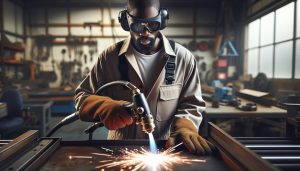
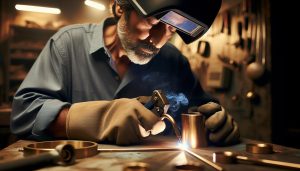
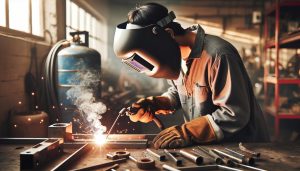
When it comes to plasma cutting, one common question arises: does a plasma cutter need gas? Understanding the answer is crucial for both novice and experienced welders, as the right setup can significantly impact cutting efficiency and quality. Plasma cutting utilizes ionized gas to create a high-temperature arc that melts through various materials. While some systems operate using compressed air, others require additional gases for optimal performance. This guide will demystify the gas requirements for plasma cutters, highlighting the various setups, their benefits, and potential challenges. By knowing what your plasma cutter needs, you can ensure precise cuts and maintain a safe working environment. Dive in to discover how to enhance your cutting experience and avoid common pitfalls that could affect your work.
The Benefits of Using Gas with Plasma Cutters
Using gas in plasma cutting offers several distinct advantages that can enhance both the quality and efficiency of the cutting process. One of the primary benefits is the capability to produce a more focused and stable plasma arc. This stability results in improved cut quality, allowing for cleaner edges with reduced dross. Such precision is particularly beneficial when working with thinner materials, where the risk of warping or burning through is higher. Moreover, gas-assisted plasma cutting can minimize the heat-affected zone, which is crucial for maintaining the structural integrity of delicate or heat-sensitive components.
Additionally, employing gas enhances versatility. Different gases, such as nitrogen, oxygen, or air, can be used to achieve varied results depending on the material and desired cut characteristics. For instance, using oxygen can accelerate cutting speed and improve penetration depth for ferrous metals, while nitrogen can produce oxide-free edges on stainless steel. This adaptability allows welders to tailor their approach to specific projects, optimizing their processes for both efficiency and effectiveness.
Another significant advantage of gas in plasma cutting is the reduction in overall operational costs. Utilizing gas can lead to faster cutting speeds, meaning more work can be completed in less time, boosting productivity. Furthermore, the improved cutting quality associated with gas use can decrease the need for secondary finishing processes, such as grinding or polishing, ultimately saving time and resources. Understanding and effectively employing the right gas can transform plasma cutting into a faster, cleaner, and more cost-effective solution, making it an invaluable tool for both professional fabricators and hobbyists alike.
Understanding Different Gas Types for Plasma Cutting
Different gases significantly impact the performance and efficiency of plasma cutting systems. Understanding these gases is crucial for selecting the right one based on the specific material and project requirements. The most commonly used gases in plasma cutting include oxygen, nitrogen, and compressed air, each offering unique advantages.
Oxygen
Using oxygen as the cutting gas allows for increased heat input, which enhances the cutting speed and penetrative capability, especially with ferrous metals such as carbon steel. The higher temperature generated when oxygen is combusted in the plasma arc not only allows for faster cuts but also helps in achieving a cleaner edge. However, oxygen can cause oxidation on the cut edges, which may require additional cleanup processes like grinding or sanding for applications where finish quality is critical.
Nitrogen
Nitrogen is often the preferred choice for cutting stainless steel and non-ferrous metals due to its ability to create an oxide-free edge. This gas reduces the heat-affected zone and minimizes dross formation, resulting in a high-quality finish without the need for extensive post-cutting treatment. When using nitrogen, it’s essential to maintain the correct flow rate to ensure optimal cutting performance and prevent inconsistencies.
Compressed Air
Compressed air serves as a versatile and cost-effective option for plasma cutting, particularly when working with materials that do not require a high-quality cut. While air may not achieve the same cutting speeds or edge quality as oxygen or nitrogen, it is ideal for thicker materials where the edge quality is less critical. It’s also widely available and does not pose the same hazards as storing and handling gas cylinders.
Choosing the Right Gas
Selecting the appropriate gas type depends on various factors, including the material being cut, desired cut quality, and production efficiency. For instance, if speed and penetration depth are paramount, oxygen is the ideal choice. However, for achieving a pristine finish on stainless steel, nitrogen would be more effective. Consider the following criteria when making your gas selection:
- Material Type: Identify the metal type and evaluate how each gas interacts with it.
- Cut Quality: Determine the acceptable dross level and finish for your project.
- Efficiency Needs: Balance speed of operation against your need for precision cutting.
Understanding these gas types enables operators to optimize their plasma cutting technologies, ensuring suitable choices for each task while maintaining quality, safety, and cost-effectiveness.
How Gas Affects Cutting Quality and Efficiency
The selection of gas in plasma cutting is not just a technical detail; it fundamentally influences processing speed, cut quality, and overall efficiency. Using the appropriate gas can significantly enhance the performance of a plasma cutter, providing sharp, clean cuts that meet the specific requirements of various projects. Different gases behave uniquely within the plasma cutting arc and will affect not only how quickly you can cut but also how much post-processing is needed afterward.
For instance, when oxygen is introduced as the cutting gas, it creates a higher thermal output that improves the cutting speed and enhances penetration, making it particularly effective on ferrous metals. However, this increased heat can lead to oxidation, necessitating further finishing to clean the edges of the material. In contrast, using nitrogen helps produce an oxide-free edge, which is essential for stainless steel and non-ferrous applications where a high-quality finish is paramount. Nitrogen gas minimizes dross formation and reduces the heat-affected zone, a critical factor in maintaining the integrity of sensitive materials.
Compressed air, while a versatile and economical option, does come with limitations. It typically results in slower cutting speeds and may produce lower-quality cuts compared to oxygen or nitrogen. Nevertheless, compressed air is an excellent choice for thicker materials where precise edge quality is less critical. Choosing the right gas requires a careful assessment of the material and the desired cut quality-balancing speed against finish is key to optimizing performance.
To make an informed decision, consider the following:
- Material Compatibility: Different metals react uniquely to applied gases, affecting burn-through and edge quality.
- Desired Finish: If a clean finish is required, prioritize gases that minimize oxidation and dross.
- Cutting Speed: Evaluate your project timeline against the efficiencies provided by different gases.
Ultimately, understanding how various gases affect cutting quality and efficiency is pivotal for maximizing productivity and results in plasma cutting operations.
Essential Equipment for a Gas-Enabled Plasma Cutter
To achieve optimal results with a gas-enabled plasma cutter, it is essential to equip yourself with the right tools and accessories tailored to your cutting needs. Proper equipment not only enhances the gas cutting process but also ensures safety, efficiency, and accuracy during operations. Investing in both foundational and advanced components can make a significant difference in the quality of your cuts and overall workflow.
One of the primary pieces of equipment required is the plasma cutting torch itself. A torch that supports various gases-such as oxygen, nitrogen, or compressed air-is crucial, as each gas type will yield different results in terms of speed and finish. It is also important to ensure that the torch has the right consumables (electrodes and nozzles) suited for the specific gas being used, as this will directly affect the cutting quality. For example, using an appropriate electrode for oxygen can lead to better penetration and faster cutting of ferrous materials, while a specialized nozzle can help in achieving fine cuts and reduced dross with nitrogen.
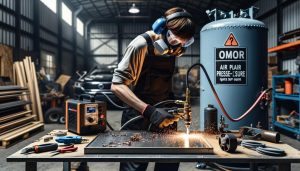
Additionally, a quality gas supply system is vital. This includes pressure regulators, high-pressure hoses, and gas connectors designed to handle the specific gas type safely. Proper gas regulation ensures that your plasma cutter operates within the specified pressure range, resulting in a stable arc and consistent cuts. As a safety measure, all gas systems should have appropriate pressure relief valves and leak detection mechanisms to prevent accidents.
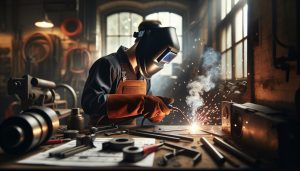
Finally, establishing a suitable workspace equipped with protective gear-such as welding helmets, gloves, and flame-resistant clothing-is indispensable. A well-organized workstation not only promotes safety but also enhances productivity. Ensure that your workspace is free from flammable materials and equipped with proper ventilation to mitigate any harmful fumes generated during plasma cutting.
In summary, by using a well-suited plasma cutting torch, an effective gas supply system, and maintaining stringent safety practices, operators can optimize their plasma cutting operations, enabling high-quality results while ensuring safety and efficiency.
Setting Up Your Plasma Cutter: A Step-by-Step Guide
Setting up a gas-enabled plasma cutter involves multiple steps that ensure both optimal performance and safety. An essential part of this process is understanding that proper preparation and setup can directly influence the quality of the plasma cutting work. First and foremost, assess your workspace for safety and efficiency. It’s important to have a well-ventilated area devoid of any flammable materials, as plasma cutting generates heat and sparks that could ignite nearby objects.
Begin by gathering all necessary equipment, including your plasma cutting machine, gas supply system, and personal protective gear. Verify that the gas cylinders are appropriate for the type of cutting you intend to perform-common options include oxygen, nitrogen, or compressed air. Next, connect the gas supply to the plasma cutter, ensuring that pressure regulators are set according to the specifications provided by the manufacturer. This setting is critical, as incorrect pressure can lead to unstable arcs or improper cutting.
With the gas line properly connected and secured, install the cutting torch and its consumables. Make sure to select the right nozzle and electrode designed for the specific gas; this step significantly impacts the cutting efficiency and quality. Once everything is in place, perform a thorough leak check on your gas connections. Use a gas leak detection solution, or soapy water, to look for bubbles indicating leaks.
Lastly, before starting any cutting operations, don your PPE, such as a welding helmet, gloves, and flame-resistant clothing. Using a setup checklist can help streamline this process and prevent any oversights. When you’re ready, power on the unit and perform test cuts on scrap material to ensure that everything is functioning correctly and safely. Following these steps will help achieve accurate, high-quality cuts while maintaining necessary safety protocols. By prioritizing preparation and adhering to proper setup practices, you minimize risks and maximize the effectiveness of your plasma cutting operations.
Safety Protocols for Using Gas with Plasma Cutters
Using gas with plasma cutters comes with its own set of strict safety protocols that cannot be overlooked. The nature of plasma cutting-which involves high temperatures and potentially hazardous materials-makes it imperative for operators to establish a safe working environment. According to industry standards, the risk of fires and explosions escalates when handling flammable gases, such as acetylene or propane, alongside high-energy equipment. Therefore, understanding safety protocols is essential for both novice and seasoned welders.
A vital aspect of maintaining safety involves proper ventilation. Plasma cutting produces fumes and gases that can be harmful if inhaled. Ensure your workspace is well-ventilated, ideally with local exhaust ventilation or fume extraction systems in place to minimize exposure to harmful gases. Additionally, establish a perimeter around your work area to keep unauthorized personnel at a safe distance. Always have fire extinguishing equipment readily available and ensure it’s appropriate for the types of gases in use.
Another critical safety measure is the proper handling and storage of gas cylinders. Always store gas cylinders in an upright position and secured to a wall or a suitable stand to prevent falling. Before moving cylinders, check for leaks and ensure that the valves are fully closed. When connecting gas lines, use the appropriate fittings and double-check all connections for leaks with a soap solution-bubbles indicate a leak and require immediate attention. Regular inspections of your equipment and gas supply, including pressure regulators and hoses, will further mitigate risks.
Lastly, personal protective equipment (PPE) must be worn at all times. This includes flame-resistant clothing, gloves, face shields, and safety glasses to protect against both the intense light emitted during cutting and any potential debris or sparks. Always conduct a pre-operation safety check, reminding yourself and your team to confirm equipment functionality and safety. This systematic approach not only protects individuals but also contributes to a safer, more efficient workspace. Maintaining vigilance and adhering to these protocols will ensure that gas-enabled plasma cutting is both productive and safe.
Common Mistakes When Using Plasma Cutters with Gas
Using a plasma cutter equipped with gas can significantly enhance cutting performance, but common mistakes can undermine efficiency and safety. One prevalent error is improper gas flow settings. Inadequate gas flow can lead to incomplete cuts and poor edge quality; too much gas, on the other hand, can produce excessive spatter and undesirable kerf widths. Always refer to the manufacturer’s specifications for optimal gas flow rates tailored to the material and thickness being cut.
Another frequent oversight is neglecting regular inspection of the gas lines and connections. Failing to check for leaks or damage can lead to dangerous situations. It’s crucial to inspect hoses for wear and tear and ensure all connections are secure before beginning operations. Using a soap solution to test for leaks is a simple and effective practice that should not be overlooked. This proactive approach not only enhances safety but also ensures a smoother workflow.
Additionally, many operators underestimate the importance of selecting the right type of gas for specific tasks. While air may suffice for many applications, using oxygen in combination with acetylene or propane can yield better results for thicker materials due to increased temperature and cutting speed. Understanding the properties of various gases-such as argon for stainless steel or nitrogen for mild steel-can make a significant difference in the final cut quality.
Lastly, safety equipment is often disregarded during the setup process. While it may seem like an extra step, wearing appropriate personal protective equipment (PPE) such as gloves, goggles, and flame-resistant clothing is essential in protecting against sparks, heat, and UV exposure. Investing in proper safety gear reflects a commitment to both personal safety and maintaining a productive workspace. By recognizing and addressing these common mistakes, operators can maximize the efficiency and safety of their gas-enabled plasma cutting setup.
Comparing Gas Options: Which is Right for You?
Selecting the right gas for plasma cutting is pivotal, as it directly impacts efficiency, quality, and the overall suitability of the plasma cutter for specific tasks. The main gases typically used in plasma cutting include air, oxygen, nitrogen, argon, and combinations thereof. Each gas brings its own advantages and limitations, shaping the outcomes based on material type, thickness, and the desired finishing quality.
When choosing between gases, consider the material being cut. For instance, using oxygen allows for higher cutting speeds and cleaner edges on mild steel, making it a popular choice for thicker materials where precision is critical. Nitrogen, while not as hot as oxygen, is ideal for stainless steel as it minimizes oxidation during cutting, preserving the integrity of the material without additional cleanup. On the other hand, air serves as a cost-effective option for thinner sheets of ferrous and non-ferrous metals, delivering decent performance without added complexities involved in handling combustible gases.
It’s also essential to understand the trade-offs involved in using these gases. Operators should be aware that while argon, a noble gas, is often used for TIG welding, its use in plasma cutting is typically limited. Its effect in creating cleaner cuts on soft materials can justify its use, but the added expense for gas compared to oxygen or nitrogen might not be economically feasible for all applications.
In practical terms, consider your workspace and the level of contamination protection needed. If a clean-cut finish is paramount, investing in the right gas is crucial. Always test different setups for your specific needs. Trial and error may reveal firsthand which gas yields the best results for your most common projects. Additionally, integrating a dual-flow option can provide flexibility, allowing for quick adjustments based on variable conditions or cutting tasks.
Ultimately, aligning gas choice with application requirements will maximize cutting efficiency and quality, providing precision and adaptability in any plasma cutting scenario.
When to Use a Gasless Plasma Cutter
When it comes to plasma cutting, the choice between using a gas or going gasless can significantly impact your cutting projects. Gasless plasma cutters are designed specifically for operations that do not require additional gases to create an effective cutting arc. This specific option can be advantageous in certain scenarios, making it essential to know when to opt for it, especially in an environment where simplicity and efficiency are key.
Gasless plasma cutters shine in applications requiring portability and ease of use. These devices are equipped with a unique electrode that allows for cutting without the need for external gases. This feature is particularly beneficial for smaller, mobile jobs where logistics may prevent the use of gas tanks. For example, in a remote location or tight spaces where moving heavy gas tanks is inefficient, a gasless cutter serves as an excellent tool. Furthermore, since they do not utilize combustible gases, operators can approach tasks with reduced complexity regarding safety and setup.
In terms of material application, gasless plasma cutting is best suited for thin materials, typically under 1/4 inch thick. This is due to the fast, focused arc that gasless systems provide, making them perfect for cleanly cutting steel sheets, aluminum, and other non-ferrous metals without excessive heat. If your projects predominantly involve such materials, a gasless plasma cutter can enhance productivity and ensure high-quality cuts without compromising edge integrity.
However, it’s crucial to consider the limitations as well. While gasless plasma cutters deliver efficiency and mobility, they may not perform optimally on thicker materials, where a gas-assisted approach often yields smoother and cleaner results. In situations that demand precision on thicker metals or where specific cutting characteristics are vital, integrating a gas system might be more advantageous. Ultimately, understanding involves recognizing your project’s requirements, the materials involved, and the operational context, ensuring that you have the right tool for the job at hand.
Troubleshooting Plasma Cutter Gas Issues
Troubleshooting common issues with gas supply during plasma cutting is essential for maintaining efficiency and achieving the desired quality of cuts. Many factors can disrupt the gas flow, affecting the performance of the plasma cutter and potentially leading to poor cutting results. Observing the behavior of your equipment and understanding the implications of gas-related problems are crucial for addressing these challenges effectively.
A frequent complication arises from insufficient gas pressure. Check your pressure gauge regularly to ensure it is at the recommended level for your specific plasma cutter model. Low gas pressure can result in an unstable arc, leading to inconsistent cuts and increased dross on the workpiece. If the pressure is inadequate, inspect all connections and hoses for leaks or blockages. Ensure that the gas cylinder is properly secured and check that the regulator is functioning correctly. If the gas flow seems low, replacing the regulator may be necessary to restore appropriate pressure levels.
Another common issue is contamination of the gas supply. Impurities in the gas or moisture can severely affect cutting performance, causing the plasma arc to behave erratically. This can result in a sputtering arc, excess spatter, or even cutting failure. To mitigate this risk, ensure that the gas source is clean and that your hoses are free from debris. Installing a quality gas filter can help eliminate moisture and particulates that might disrupt the gas flow. Regular maintenance of the gas system not only prolongs the lifespan of your plasma cutter but also enhances the overall cutting quality.
When troubleshooting gas issues, it’s also important to consider how different gases interact with your cutter and materials. For instance, the type of gas used-such as oxygen, nitrogen, or compressed air-can significantly influence cut quality and speed. If you’re not achieving the desired results, experiment with different gas combinations to find the most effective option for your specific cutting conditions. Adapting your gas choice can often resolve cutting inconsistencies and improve the edge finish.
Lastly, proactive monitoring during operations is key. If you notice changes in sound or visual output from the plasma cutter, these can be red flags indicating gas-related issues. Developing a routine for checking and testing connections, pressures, and gas types will preemptively address many common problems, keeping your plasma cutting projects on track and ensuring optimal results.
Advanced Tips for Enhanced Plasma Cutting Performance
When aiming for optimal plasma cutting performance, an understanding of the nuanced relationship between gas types, cutting speed, and material thickness is crucial. The choice of gas can significantly affect not only the quality of the cut but also the overall efficiency of the process. For instance, using a dedicated gas such as nitrogen can produce cleaner cuts on stainless steel compared to compressed air, which may leave behind slag and require additional finishing work.
Another key factor that enhances plasma cutting performance is maintaining an appropriate torch height. The arc length must be consistent to prevent issues like overheating or insufficient penetration. Use an adjustable torch height system, if available, or practice the correct manual positioning to adapt the height according to the material thickness. Regular practice will develop your skill in maintaining the optimal distance, which directly impacts cut quality and can minimize wasted material due to burn-throughs or excessive dross formation.
Understanding the importance of cooling is another advanced consideration. As you cut, the torch and the cut material can become excessively hot. Employing a cooling system, such as an air blast or liquid cooling, can help regulate temperatures and prolong the life of consumables while ensuring a cleaner cut. Additionally, let materials cool adequately before moving or working with them to prevent warping, which might compromise the integrity of your project.
Lastly, consider incorporating advanced cutting techniques like oscillation or swirling motions while maintaining the plasma arc. This method can facilitate smoother edges and more complex cuts while minimizing the chance of burning through the material. Stay adaptive in your techniques, continually assess the performance of your gas and equipment, and experiment with different workflows to find what best suits your specific cutting requirements.
Frequently Asked Questions
Q: What types of gas can be used with plasma cutters?
A: Plasma cutters typically use gases like compressed air, nitrogen, or argon for optimal cutting. Each gas affects the cutting quality differently, so choose based on the material and thickness you are working with. For detailed gas comparisons, refer to the section on “Comparing Gas Options: Which is Right for You?”
Q: When should I choose a gasless plasma cutter?
A: Opt for a gasless plasma cutter when working in confined spaces or when portability is a priority. These models are designed for efficiency without the need for external gas supplies. For more insights, check the “When to Use a Gasless Plasma Cutter” section.
Q: How does gas type influence plasma cutting performance?
A: The type of gas used directly impacts the cutting speed and quality. For instance, nitrogen cuts faster but may not provide the same finish as argon. This is covered in “How Gas Affects Cutting Quality and Efficiency.”
Q: What safety precautions should I take when using gas with a plasma cutter?
A: Always follow safety protocols such as wearing protective gear, ensuring proper ventilation, and regularly checking gas connections to prevent leaks. For detailed safety measures, refer to the “Safety Protocols for Using Gas with Plasma Cutters” section.
Q: What are common troubleshooting tips for gas-related issues in plasma cutting?
A: If you experience inconsistent cuts, check for gas flow issues, leaks, or improper pressure settings. Regular maintenance can prevent most gas-related problems. More troubleshooting tips can be found in “Troubleshooting Plasma Cutter Gas Issues.”
Q: Can I use my plasma cutter without gas?
A: Yes, you can use a plasma cutter without gas, known as a gasless plasma cutter, but it may limit cutting capabilities. Understanding when to use such equipment can maximize your work efficiency.
Q: How do I set up my gas supply for a plasma cutter?
A: Setting up a gas supply involves connecting the gas line to the plasma cutter, adjusting pressure settings per the manufacturer’s specifications, and checking for leaks. Follow the “Setting Up Your Plasma Cutter: A Step-by-Step Guide” for detailed instructions.
Q: What should I do if my plasma cutter is not cutting correctly?
A: If your plasma cutter is underperforming, first check the gas pressure and the condition of the electrode and nozzle. Cleaning or replacing these components might resolve the issue. For more specific fixes, refer to the “Common Mistakes When Using Plasma Cutters with Gas” section.
These FAQs provide clear, actionable insights that address common concerns about gas use in plasma cutting, enhancing your understanding and practical application in the field.
Closing Remarks
Now that you know whether a plasma cutter needs gas and the essential setup for optimal performance, it’s time to apply this knowledge to your projects. Remember, understanding your equipment can save you time and enhance the quality of your work. If you’re still unsure about aspects of plasma cutting or wish to refine your skills, check out our guides on MIG welding basics and safety protocols in TIG welding.
For more hands-on advice and industry insights, consider subscribing to our newsletter or exploring our product recommendations tailored for both beginners and seasoned welders. Don’t hesitate to reach out with questions or share your experiences in the comments below. Your feedback strengthens our community and helps us provide content that matters to welders like you. Keep your passion for welding alive, and let’s create incredible projects together!