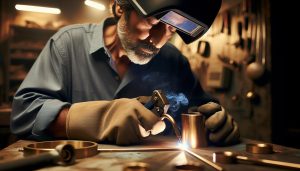
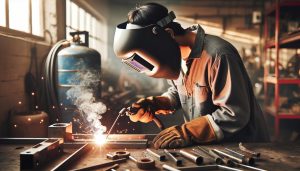
Understanding whether a plasma cutter uses gas is fundamental for anyone looking to enhance their metalworking skills or streamline their projects. Plasma cutting, renowned for its precision and efficiency, commonly raises questions about gas requirements. Not only does this knowledge impact the effectiveness of the cutting process, but it also ensures safety and optimal performance in a workshop setting.
As you embark on this exploration, you’ll discover the nuances of gas usage in plasma cutting, including how it influences cutting quality and the types of gases often employed. Whether you’re a seasoned professional or an eager beginner, grasping these concepts will empower you to achieve cleaner cuts and make informed decisions for your welding projects. Let’s delve into the essential details that every metalworker should know.
Does a Plasma Cutter Require Gas?
While many may assume that plasma cutting inherently requires gas, the reality is more nuanced. At its core, plasma cutting utilizes electricity to form an ionized arc that can slice through conductive materials. The role of gas in this process can vary significantly depending on the type of plasma cutter in use and the specific application.
For standard air plasma cutters, compressed air serves as the primary medium for cooling and sustaining the plasma arc. This method enables the cutter to perform effectively without needing additional gases. However, for professionals seeking to achieve superior cut quality and speed, using specialized gases such as nitrogen or oxygen can enhance performance, particularly on thicker materials. These gases facilitate smoother cuts and reduce the likelihood of dross, which is the leftover slag on the cut edge.
Moreover, whether gas is required depends on the specific setup being used. Fully automated plasma cutting systems, used in industrial settings, often include gas delivery systems that provide optimal conditions for the cutting process. In contrast, portable plasma cutters frequently operate solely on compressed air. Understanding these variances is essential for selecting the right equipment for your needs and ensuring optimal performance. By carefully considering the gas requirements of your plasma cutting system, you can significantly improve both cut quality and efficiency in your projects.
Understanding Plasma Cutting Basics
Plasma cutting is a revolutionary process that allows users to cut through metals using high-temperature ionized gas, known as plasma. This method is favored for its speed and precision, making it an essential tool in various industries, from manufacturing to metal fabrication. Understanding the intricate workings of plasma cutting is critical for optimizing projects and achieving high-quality results.
At its core, plasma cutting works by generating an electrical arc between an electrode and the workpiece. The intense heat of this arc ionizes the gas-most commonly compressed air-turning it into plasma, which is then expelled at high speed to melt and blow away the metal, creating a clean cut. Whether or not gas is required in the plasma cutting process largely depends on the type of plasma cutter being utilized. Most budget-friendly, portable plasma cutters successfully operate with just compressed air, making them accessible for hobbyists and DIY enthusiasts. However, industrial-grade systems typically incorporate a specific gas mixture to improve cutting efficiency and quality when dealing with thicker materials.
The choice of gas can significantly impact penetration depth, cutting speed, and edge quality. For example, while standard air can suffice for thinner metals, switching to gases like nitrogen or oxygen can yield enhanced performance on thicker sections. This optimization can lead to reductions in operational costs and project timelines. Understanding the purpose and implications of different gases is pivotal for any welder or fabricator aiming to maximize their plasma cutter’s capabilities. By tailoring gas choices to the material and desired outcome, users ensure optimal results in their fabrications and repairs.
Types of Plasma Cutters and Their Features
Plasma cutters have revolutionized metal fabrication, offering precision and efficiency that traditional cutting methods simply can’t match. Broadly categorized, the main types of plasma cutters can greatly differ in features, functionality, and ideal applications, ensuring that a wide range of users-from hobbyists to industrial professionals-can find a suitable option for their needs.
One of the primary distinctions between plasma cutters is their power source. Plasma cutters can be classified into two main categories: air plasma cutting systems and high-definition or gas plasma systems. Air plasma cutters are often more economical and are excellent for cutting thin materials. They usually operate effectively using just compressed air, making them accessible for DIY enthusiasts and small shops. In contrast, high-definition plasma systems utilize a combination of gases (like nitrogen or oxygen) to enhance cutting quality, speed, and depth of penetration, making them ideal for thicker metals and more demanding industrial applications.
Another important feature to consider is the cutting capacity of each type of plasma cutter. While portable units can effectively cut through metals that range up to ½ inch thick, industrial-grade systems can tackle materials exceeding 1 inch. Additionally, the cut quality can vary, with high-definition systems providing cleaner edges with less dross. This factor alone can significantly reduce the need for secondary finishing processes, thus saving time and resources in professional environments.
Furthermore, an additional consideration is the ease of use and portability. Many hobbyist models are designed to be lightweight and easy to transport, equipped with simple controls that allow novices to get started quickly. Industrial machines, while often more complex with advanced controls, are engineered for robust performance, stability, and often include features such as automated height control, which adapts to the workpiece’s surface, enhancing accuracy throughout the cutting process.
In summary, when selecting a plasma cutter, understanding the specific types available and their features is essential for maximizing productivity and achieving optimal results. From portable air plasma cutters perfect for lighter tasks to heavy-duty high-definition units suited for industrial applications, the ideal choice hinges on the user’s requirements, making informed decision-making crucial.
How Gas Affects Plasma Cutting Performance
In the world of plasma cutting, the choice and use of gas play a pivotal role in determining cutting performance, efficiency, and the quality of the finished product. While plasma cutting can be effectively performed using just compressed air, the introduction of specific gases can significantly enhance the process. For instance, high-definition plasma systems commonly utilize gases such as oxygen or nitrogen, which not only increase the plasma temperature but also improve the cutting speed and penetration. This results in cleaner cuts with less dross formation, thereby reducing the need for time-consuming secondary processing.
The type of gas chosen can directly influence the properties of the plasma arc. Using a higher purity gas generally results in a more stable and concentrated arc, translating to better control over the cut and superior edge quality. For example, when cutting thick steel plates, pure nitrogen is often preferred as it helps achieve deeper penetration and finer finish compared to compressed air alone. However, while gas introduction vastly improves results, it also requires careful handling and adherence to safety protocols to mitigate any hazards associated with gas use.
Moreover, each gas comes with its own set of advantages and drawbacks that can affect operational costs. Selecting the right gas not only depends on the materials being cut but also on factors such as availability and expense. While using compressed air might be more economical, opting for a specialized gas can lead to longer tool life and less frequent maintenance-ultimately impacting productivity in professional settings. Therefore, understanding these gas dynamics is crucial for operators looking to optimize their plasma cutting operations.
By tailoring gas choices to specific applications, welders and fabricators can achieve optimal results, enhancing both performance and safety. Familiarizing oneself with various gases and their effects is an essential step for those dedicated to mastering plasma cutting techniques, ensuring that every cut is not only precise but also meets the demanding standards of the metal fabrication industry.
Gas Choices for Plasma Cutting: Pros and Cons
Choosing the right gas for plasma cutting is more than just a technical decision; it can dramatically affect the overall quality and efficiency of your work. Different gases interact with the plasma arc in unique ways, impacting factors such as cut quality, speed, and operational costs. Understanding the pros and cons of various gas options can help fabricators optimize their cutting processes.
Compressed Air
One of the most common gases used in plasma cutting is compressed air. It is cost-effective and widely available, making it an excellent choice for general-purpose cutting. However, the downsides include a less stable plasma arc compared to specialized gases and potentially lower cutting speeds, particularly on thicker materials. Air may also produce more dross, which requires additional cleanup.
Oxygen
Utilizing oxygen in plasma cutting can significantly enhance the cutting process, particularly for ferrous metals. When combined with a proper gas flow, oxygen allows for a higher arc temperature, resulting in faster cutting speeds and cleaner edges. However, oxygen’s reactive properties mean it should be handled with care to avoid combustion risks, and it is generally not recommended for non-ferrous metals.
Nitrogen
Nitrogen is often preferred for cutting stainless steel and aluminum due to its ability to produce a cleaner cut with a finer finish. It minimizes oxidation, which is a critical consideration when dealing with reactive metals. On the downside, nitrogen can be more expensive than compressed air, and its efficiency might be lower on thicker materials compared to other gas combinations.
Other Gas Options
In specialized applications, gases such as hydrogen or argon can be utilized to achieve specific results. Hydrogen, for instance, can enhance cut speed and reduce cleaning time, while argon can provide a more stable arc when cutting certain alloys. However, these gases may require more complex equipment setups and offer less versatility than the more commonly used gases.
Ultimately, the choice of gas can significantly influence not only the plasma cutting performance but also the safety and operational costs involved. By analyzing the specific requirements of your projects, you can select the optimal gas, balancing quality and efficiency to meet your fabrication needs.
Safety Considerations When Using Plasma Cutters
Using plasma cutters can present unique safety challenges, particularly due to the intense heat and the nature of the gases involved. The very act of creating plasma involves generating high temperatures that can reach thousands of degrees, making it critical for users to adhere to stringent safety protocols. Inadequate safety measures can lead to severe injuries, equipment damage, and even fire hazards in the workspace.
One of the foremost safety considerations is proper personal protective equipment (PPE). Operators should wear protective eyewear that meets safety standards to prevent eye injuries from high-intensity light and glare produced during cutting. Flame-resistant clothing (FRC) is essential to shield against sparks and molten metal that may fly off during the cutting process. Additionally, gloves designed for welding and cutting should always be used to protect hands from sharp metal edges and high temperatures.
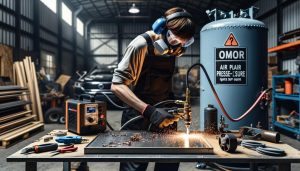
Moreover, ensuring adequate ventilation in the workspace is vital. Plasma cutting generates fumes, which can be hazardous if inhaled. To mitigate health risks, operators should work in well-ventilated areas and consider utilizing fume extraction systems. Maintaining a clean and organized workspace further reduces the risk of accidents. Keep flammable materials away from the cutting area, and ensure that the gas supply lines are free from damage and leaks. Regular checks of gas connections and equipment can help detect potential issues before they lead to dangerous situations.
Finally, understanding the specific properties of the gases used in plasma cutting is crucial. For example, if using oxygen to enhance cutting speed, awareness of its combustible nature is important, as it poses a fire risk when mismanaged. Training on gas handling and familiarity with manufacturer instructions can significantly enhance safety during operation. By prioritizing safety considerations, plasma cutter users can protect themselves and ensure a more efficient and successful cutting experience.
Plasma Cutter vs. Traditional Gas Cutting
Innovative and powerful, plasma cutting stands out as a modern alternative to traditional gas cutting processes. While gas cutting utilizes a combustible gas and oxygen to create a flame capable of melting steel, plasma cutting generates intense heat through electrified gas, allowing for quicker and more precise cuts even on thicker materials. This fundamental difference in methodology not only enhances productivity but also expands the range of materials that can be effectively cut.
In plasma cutting, the ionized gas, often air or nitrogen, forms a plasma arc that reaches temperatures upwards of 30,000°F (16,650°C), far more intense than gas flames. This capability allows plasma cutters to slice through materials such as stainless steel, aluminum, and even copper with remarkable efficiency. The precision offered by plasma cutting minimizes heat-affected zones (HAZ), reducing the risk of warping and distortion, which is a common concern in gas cutting.
However, the gas used in plasma cutting serves a different purpose compared to traditional methods. While it can enhance the cutting process, particularly with inert gases, it is not the primary energy source as in gas cutting. Operators can often achieve exceptional results with ambient air as a plasma gas, positioning plasma cutting as a more accessible option. Understanding the nuances between these two methods allows users to select the right technique for their specific needs, maximizing efficiency and quality in their cutting projects.
Ultimately, while both plasma and traditional gas cutting have their merits, the choice often comes down to the specific requirements of the task, including material type, thickness, and desired precision. With continued advancements in technology, plasma cutting is increasingly favored for its speed, versatility, and cost-effectiveness in industrial applications.
Common Myths About Plasma Cutter Gas Use
The effectiveness and versatility of plasma cutting have led to a number of misconceptions regarding the role of gas in this process. One prevalent myth is that plasma cutting is entirely gas-dependent. While it’s true that plasma cutters utilize gas to create the plasma arc, it is often a misperception that the process cannot function without specific types of gas. In reality, many plasma systems can effectively use ambient air as the plasma gas. This not only simplifies operation but also makes plasma cutting a cost-effective solution for many applications.
Another common misunderstanding is that all gases used in plasma cutting are the same. Each gas can influence the cutting quality and efficiency in distinct ways. For instance, while compressed air is sufficient for many tasks, using inert gases like nitrogen or argon can result in cleaner cuts with less oxidation, particularly for materials like stainless steel and aluminum. Ultimately, the selection of gas should align with the specific material and cutting requirements, but it doesn’t mean higher costs are essential for effective cutting.
Additionally, some users believe that gas pressure plays a critical role in the performance of a plasma cutter. While gas pressure does have its importance, it is not as crucial as the correct power settings and proper torch maintenance. Ensuring that the plasma cutter is properly calibrated and maintaining the equipment in good condition often produces superior results without excessive focus on gas pressure alone.
Understanding these myths allows users to approach plasma cutting with a more informed perspective and better equips welders-whether beginners or seasoned professionals-to optimize their use of plasma technology. By dispelling these misconceptions, operators can make more strategic decisions, enhancing both the performance and cost-efficiency of their cutting operations.
Troubleshooting Gas-Related Plasma Cutting Issues
In the dynamic arena of plasma cutting, troubleshooting gas-related issues can enhance performance and quality, making it essential for operators to understand the intricacies of gas usage. When gas flow becomes inconsistent, one of the first indicators is a fluctuation or irregularity in the plasma arc. A steady flow of gas is crucial for maintaining a stable arc; interruptions can lead to undesirable outcomes such as incomplete cuts or excessive dross formation on the workpiece. Regularly inspecting the gas lines and connections for leaks or obstructions is a good practice to ensure smooth operation. Using soap solution to check for leaks can quickly identify problematic areas that need attention.
Another common issue arises from the type of gas used. Selecting the wrong gas for specific materials can significantly impact cut quality. For instance, when cutting aluminum, using an inert gas like argon may yield cleaner results than compressed air, which can lead to oxidation and rough edges. Operators should familiarize themselves with the properties of different gases and their effects on various materials to optimize cutting performance. Maintaining the correct gas pressure is also critical; inadequate pressure can result in poor arc stability and an inconsistent cut, while excessive pressure can cause excessive spatter and heat input. Always refer to the manufacturer’s recommendations for optimal gas pressure settings.
Practical Steps for Troubleshooting
- Inspect Connections: Ensure all hoses and fittings are securely connected and leak-free.
- Check Gas Type: Verify that the gas used matches the materials being cut to prevent contamination.
- Monitor Pressure Levels: Regularly check and adjust gas pressure according to manufacturer specifications.
- Clean Components: Regularly clean the torch components and replace consumables as needed to maintain optimal performance.
Recognizing these common challenges empowers both novice and experienced welders to take control of their plasma cutting processes. This proactive approach not only addresses immediate performance issues but can also extend the lifespan of the equipment, ensuring that operations remain efficient and cost-effective. By fostering a deeper understanding of how gas interacts with the cutting arc, operators can improve their cutting techniques and achieve superior results in their projects.
Optimal Techniques for Using Gas with Plasma Cutters
In the world of plasma cutting, gas is not merely an accessory – it is a crucial component that can significantly influence cutting performance, quality, and efficiency. Understanding the can drastically improve your results, whether you are a seasoned professional or a novice in the field. The effectiveness of your plasma cutter is tightly interwoven with how well you manage your gas settings, the type of gas you choose, and the techniques you use during the cutting process.
Choosing the right gas is paramount. For general cutting tasks, compressed air is often sufficient, but for specific materials like stainless steel or aluminum, using inert gases like argon or nitrogen can yield cleaner cuts and reduce oxidation. Proper gas selection based on material type not only enhances cut quality but also minimizes post-processing work. Additionally, ensuring that your gas delivery system is optimized, with tight connections and unblocked lines, can prevent gas flow problems that lead to arc instability or excessive dross formation.
Maintaining the proper gas flow and pressure is equally critical. Every plasma cutter has specific gas flow rate and pressure requirements, which are outlined in the manufacturer’s manual. Ensuring that your settings align with these specifications can make a world of difference in arc stability and cut precision. For example, inadequate gas pressure can lead to a weak arc, resulting in poor cuts, while excess pressure may cause too much spatter and heat input, damaging the workpiece. Regular calibration of your equipment and attention to details like the condition of your consumables are essential practices that can optimize your cutting experience.
Lastly, enhancing your cutting techniques can dramatically influence gas performance. Employing the right cutting speed and angle can help maintain a stable arc and ensure that gas coverage is optimal during the cut. For intricate shapes or thicker materials, executing slow and steady motions rather than fast passes can allow the gas to adequately shield the molten metal, promoting superior cut quality. By integrating these practices-selecting the right gas, maintaining proper flow and pressure, and refining cutting techniques-you can maximize the effectiveness of your plasma cutting operations, achieving cleaner, more precise results every time.
Choosing the Right Plasma Cutter for Your Needs
Choosing the right plasma cutter for your specific needs can significantly impact the quality and efficiency of your cutting tasks. With so many models available, beginners and seasoned professionals alike should consider various factors before making a purchase. Understanding material compatibility, power requirements, and cutting thickness range is essential for pinpointing a machine that suits your projects.
When evaluating plasma cutters, first assess the types of materials you’ll be working with. For cutting thin metals like sheet steel or aluminum, a lower amperage plasma cutter may suffice, whereas, for thicker materials exceeding half an inch, a machine with higher amperage-generally between 40 to 100 amps-will be necessary. Assessing the machine’s duty cycle is also crucial; a higher duty cycle indicates that the cutter can operate longer before needing to cool down, which is particularly beneficial for larger projects or continuous use.
Additionally, consider the operational environment. For instance, if you frequently work outside, a portable plasma cutter with a built-in compressor might be ideal, as it eliminates the need for additional gas tanks. Conversely, a more powerful stationary unit may benefit a shop environment where a dedicated power supply and gas line are available.
Features to Consider:
- Gas Type: Ensure the cutter is compatible with the gas you intend to use, whether it’s compressed air or inert gases like nitrogen or argon.
- Cutting Speed: Look for models that offer adjustable cutting speeds to match the material and desired cut quality.
- Consumable Costs: Consider the ongoing costs associated with replacing consumables such as nozzles and electrodes, as these can affect overall operational expenses.
- Warranty and Support: Check for warranties and customer support history, as reliable manufacturers will often provide the best assistance if issues arise.
Ultimately, selecting the right plasma cutter is about aligning your specific cutting needs, material types, and operational conditions with the capabilities of the machine. Taking the time to research and evaluate these factors can lead to improved performance, safer operation, and cost efficiency, making your cutting tasks smoother and more successful.
Future Trends in Plasma Cutting Technology
As technology continues to advance, the plasma cutting industry is witnessing innovations that promise to enhance efficiency, accuracy, and user experience. One notable trend is the increasing integration of automation in plasma cutting systems. Automated plasma cutters equipped with CNC (Computer Numerical Control) capabilities are becoming more accessible, allowing businesses of all sizes to streamline their operations and reduce labor costs. This automation not only improves precision in cutting intricate shapes but also enhances repeatability for high-volume production, leading to higher overall quality in finished products.
Additionally, the development of more compact and lightweight plasma cutting machines is transforming the portability factor of these tools. Manufacturers are now producing models that combine power and portability, making it easier for professionals to transport equipment to various job sites without sacrificing performance. Such portable units often integrate advanced features, including auto-adjustment systems that optimize gas flow and cutting speed based on the material thickness, thus improving cutting efficiency and reducing gas consumption.
Environmentally Friendly Innovations
Another significant shift in the plasma cutting sector is the focus on environmentally friendly practices. As awareness of energy consumption and emissions grows, new plasma cutters are being designed to operate with lower power requirements and reduced waste. By utilizing advanced technologies, manufacturers are developing systems that significantly decrease the amount of gas needed for operation without compromising cutting quality. Additionally, the emergence of plasma cutters that are compatible with renewable energy sources, such as solar or wind, signifies a move towards more sustainable practices in the industry.
In terms of safety, there is a growing trend toward incorporating smart technology into plasma cutting equipment. Features such as real-time monitoring systems can alert users to potential hazards or equipment malfunctions, thereby enhancing safety during operation. With the integration of IoT (Internet of Things) capabilities, operators can remotely monitor their machines and receive maintenance alerts, ultimately leading to reduced downtime and increased productivity.
Overall, the future of plasma cutting technology looks promising, with ongoing advancements that cater to both profitability and environmental sustainability while prioritizing user safety and operational efficiency. These innovations not only provide solutions to current challenges but also pave the way for a more effective and responsible approach to plasma cutting in various industries.
Frequently Asked Questions
Q: Do plasma cutters require gas for operation?
A: Plasma cutters typically require gas to create the plasma arc, but some models can operate using compressed air alone. The choice of gas impacts cutting quality and speed, so it’s essential to understand your cutter’s requirements for optimal performance.
Q: What types of gas can be used in plasma cutting?
A: Common gases used in plasma cutting include compressed air, oxygen, nitrogen, and argon. Each gas type offers different advantages in terms of cutting speed and quality, so selecting the correct gas based on your material is crucial for effective cutting.
Q: How does gas type affect plasma cutting performance?
A: The type of gas used in plasma cutting directly influences the heat and stability of the arc. For instance, using nitrogen can enhance cutting speed and edge quality for stainless steel, while using air may be more cost-effective for mild steel cuts.
Q: Can you use a plasma cutter without gas?
A: While it’s uncommon, some advanced plasma cutters can operate without gas by using a different mechanism, but typically a gas supply is essential for maintaining the plasma arc, especially in hobbyist and industrial models.
Q: What are the safety precautions for using gas with plasma cutters?
A: Always ensure proper ventilation to avoid gas buildup. Wear appropriate protective equipment, such as gloves and goggles, and check gas connections for leaks before use. Familiarize yourself with safety protocols in the section on Safety Considerations When Using Plasma Cutters.
Q: How do I troubleshoot gas-related issues with my plasma cutter?
A: Common gas-related issues include inconsistent cutting performance or arc instability. Ensure that gas pressure levels are correct, check for clogs in the nozzle, and inspect the gas lines for leaks. Refer to the Troubleshooting Gas-Related Plasma Cutting Issues section for detailed solutions.
Q: Is plasma cutting more efficient than traditional gas cutting?
A: Yes, plasma cutting is generally more efficient than traditional gas cutting, offering faster cutting speeds and cleaner edges. This can reduce overall production time, especially for thinner materials. Compare techniques in the Plasma Cutter vs. Traditional Gas Cutting section.
Q: What advancements are being made in plasma cutting technology regarding gas use?
A: Recent trends in plasma cutting technology focus on improving gas efficiency and versatility. Innovations include dual-gas systems that automatically switch based on material type and integrated technology that optimizes gas flow for enhanced cutting precision. Check Future Trends in Plasma Cutting Technology for more insights.
Closing Remarks
As you dive into the world of plasma cutting, remember that understanding whether a plasma cutter uses gas is just the beginning. A quality plasma cutter can make all the difference in achieving precise, clean cuts-especially when working with materials like aluminum and steel. Don’t hesitate to explore our in-depth guides on MIG welding and TIG welding to expand your skills further.
If you’re ready to take the next step or have lingering questions about equipment choices or safety protocols, check out our resources on welding certifications or equipment reviews. Join our newsletter for expert tips and stay updated with the latest in welding technology. Your journey to mastering plasma cutting and welding techniques is just a click away-so don’t wait! Engage with us in the comments below or share your experiences. Your insights could be the key to helping others in the welding community!