CNC plasma cutters are revolutionizing the fabrication industry by providing precise, efficient cutting of metals with speed and accuracy. By harnessing the power of electrical plasma, these machines can swiftly slice through materials like steel and aluminum, making them invaluable for both amateur projects and large-scale manufacturing. As technology evolves, understanding the workings of CNC plasma cutters becomes crucial for welders and fabricators aiming to enhance their skills and optimize their work processes. This guide delves into the mechanism behind CNC plasma cutting, illuminating its operational principles and highlighting its applications. Discover how mastering this technology can improve your efficiency, reduce material waste, and elevate your fabrication capabilities, making it an essential resource for anyone looking to stay ahead in the competitive landscape of metalworking.
How a CNC Plasma Cutter Operates: A Technical Overview
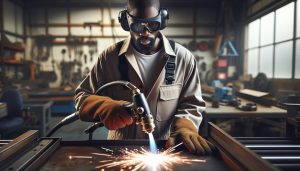
A CNC plasma cutter operates by utilizing a high-velocity jet of ionized gas, or plasma, to cut through electrically conductive materials. This process is remarkably efficient and precise, making it a preferred choice in various metal fabrication applications. At the core of the operation is the plasma torch, which generates plasma through the ionization of gas. Once the gas is ionized, it becomes conductive and allows an electric arc to pass from the torch to the workpiece, creating intense heat that melts the metal and a high-speed airflow that blows the molten material away, resulting in a clean cut.
The system operates under a computer numerical control (CNC) platform, enabling the precise movement of the torch along predetermined paths. This automation drastically reduces the chances of human error and increases production rates. A typical CNC plasma cutter is equipped with several key components including the power supply, plasma torch, CNC table, and motion control mechanisms. These components work in unison to ensure an accurate and efficient cutting process. Modern CNC plasma cutting systems also often include advanced features such as height sensing, which automatically adjusts the torch height based on the material’s surface to maintain optimal cutting conditions.
Commonly used gases in the plasma cutting process include air, nitrogen, and argon, each producing different characteristics in the cut. For instance, using oxygen-rich gas can enhance the cut’s speed and quality when working with steel, while using nitrogen may be better suited for stainless steel to prevent oxidation. The choice of material thickness and type can also affect the cutting speed and quality, making understanding the process critical for achieving the best results.
In addition to its technological advantages, CNC plasma cutting is favored for its cost-effectiveness and versatility. It is widely used in industries ranging from automotive to construction, often on materials like mild steel, stainless steel, aluminum, and copper. As the technology continues to evolve, incorporating innovations such as improved power supplies and advanced software for nesting and optimizing material usage, CNC plasma cutting remains at the forefront of modern metal fabrication techniques.
Core Components of CNC Plasma Cutting Systems
The efficiency and precision of CNC plasma cutting systems hinge on several integral components, each playing a vital role in the cutting process. At the heart of these systems lies the plasma torch, which serves as the primary tool for generating plasma through the ionization of a gas, typically air, nitrogen, or argon. The torch’s design includes an electrode and a nozzle, where the gas is heated and accelerated to create a high-velocity jet capable of melting through conductive materials. This powerful assembly not only ensures a clean cut but also facilitates intricate designs with remarkable accuracy.
Another critical element is the power supply, which provides the necessary electrical energy to maintain the plasma arc. These power supplies vary in terms of output characteristics, such as amperage and voltage, allowing operators to tailor the cutting parameters based on the material type and thickness. In advanced plasma cutting systems, the power supply can incorporate features like automatic current compensation, which adjusts the output based on variations in the material distance from the torch, ensuring consistent cutting qualities.
The CNC table is instrumental in positioning the workpiece accurately beneath the plasma torch. This table usually includes a grid or fixture to secure the material, enabling precise movement along the X, Y, and sometimes Z axes. Coupled with motion control mechanisms, typically utilizing servo or stepper motors, the CNC system can execute complex cutting paths programmed via specialized software. The integration of height sensing technology further enhances the operation by continuously monitoring the distance between the torch and the material, allowing dynamic adjustments to maintain optimal cutting conditions.
Safety and efficiency are paramount in CNC plasma cutting systems. They often incorporate features such as water tables to minimize the risk of fire and reduce harmful fumes generated during cutting. Understanding how these components interact not only boosts operational performance but also enhances safety protocols, ensuring the equipment’s longevity while optimizing the overall cutting experience. By familiarizing oneself with these core components, users can better appreciate the intricacies of CNC plasma cutting technology and its applications.
Understanding the Plasma Cutting Process: Step-by-Step
To fully grasp the intricacies of plasma cutting, it’s essential to break down the process into distinct, digestible steps. The plasma cutting process is fundamentally about using a high-velocity jet of ionized gas to cut through conductive materials. This technique, revered for its speed and precision, is employed in a variety of manufacturing and fabrication settings, transforming how metal is processed.
Initially, the process begins with the preparation of the CNC plasma cutter. The operator selects the desired parameters depending on the material type and thickness. This entails adjusting settings such as the cutting speed, amperage, and gas flow rate. As the machine prepares, the material is securely placed on the CNC table, which facilitates precise positioning beneath the plasma torch. This setup is crucial, as any misalignment can lead to poor cut quality.
Once the machine is calibrated and the material is in place, the cutting sequence starts. The CNC system activates the plasma torch, igniting an electric arc between the torch’s electrode and the workpiece. This arc superheats the gas flowing through the nozzle, transforming it into plasma. The resulting plasma jet reaches temperatures exceeding 20,000 degrees Celsius, allowing it to melt through the material with ease. As the CNC controller moves the torch along the programmed path, molten material is expelled, creating a clean, precise cut.
After the cut is complete, the plasma system usually winds down by shutting off the arc and allowing the residual molten metal to solidify. It’s also common practice to inspect the edges of the cut for quality assurance, ensuring there are no dross formations or irregularities. By following these structured steps and adhering to best practices, operators can maximize the effectiveness of CNC plasma cutting, achieving high-quality results while maintaining safety and efficiency throughout the workflow.
Advantages of CNC Plasma Cutting in Metal Fabrication
When it comes to metal fabrication, CNC plasma cutting stands out for its remarkable speed and accuracy. This process enables the efficient cutting of various metal types, from mild steel to stainless steel, making it an invaluable tool in industries that demand precision and versatility. The primary advantage of CNC plasma cutting is the ability to achieve intricate designs and clean cuts with minimal material wastage. Unlike traditional cutting methods, which can be cumbersome and produce significant scrap, plasma cutting optimizes material usage, translating to significant cost savings for manufacturers.
Another key benefit is the speed of operation. CNC plasma cutters can handle complex patterns and detailed designs at rates significantly faster than mechanical cutters. This efficiency is instrumental in high-volume production environments where time is of the essence. For instance, companies can scale up their operations or meet tight deadlines without compromising quality, thanks to the rapid cutting speeds that plasma technology delivers.
Moreover, CNC plasma cutting systems are user-friendly and integrate seamlessly with computer-aided design (CAD) software, allowing for quick adjustments to designs or production plans. Operators can easily modify cuts based on design iterations or customer needs without extensive downtime. This adaptability not only facilitates faster turnaround times but also enhances the competitiveness of businesses in the fast-paced market.
In addition to speed and efficiency, CNC plasma cutting also allows for the processing of thicker materials compared to other cutting methods. This capability opens up new opportunities for fabricators to work with materials that require robust solutions, catering to a broader range of projects, from artistic metalworks to industrial applications. Given these advantages, CNC plasma cutting is not just a cutting-edge technology; it is a transformative approach that enhances operational productivity and efficiency in metal fabrication.
Materials Compatible with CNC Plasma Cutting
CNC plasma cutting is renowned for its versatility, and its capability to efficiently cut various metals makes it an asset in many industrial applications. From delicate artistic creations to robust industrial components, the are diverse and include a wide range of metals that boast different properties and thicknesses.
Mild Steel
Mild steel is perhaps the most common material used in CNC plasma cutting. Its relatively low cost and excellent machinability make it a favorite for numerous applications, including automotive fabrication, construction, and general metalworking. Plasma cutting effectively handles thicker sections of mild steel, allowing for intricate designs and shapes with precision, while minimizing heat-affected zones, which can lead to warping.
Stainless Steel
Stainless steel, noted for its corrosion resistance and aesthetic appeal, is another popular choice for plasma cutting. It is often used in kitchen equipment, handrails, and architectural applications. While stainless steel can be challenging to cut due to its hardness, advanced CNC plasma systems equipped with high-definition plasma technologies can achieve clean edges, making it suitable for projects requiring high levels of hygiene or visual appeal.
Aluminum
Aluminum is lightweight yet durable, making it a preferred material in aerospace, automotive, and marine applications. CNC plasma cutting is effective for aluminum, although operators should be mindful of its thermal conductivity and potential for dross buildup. Adjusting cutting parameters such as speed and torch height is crucial to achieving optimal results without sacrificing edge quality.
Other Materials
In addition to these primary metals, CNC plasma cutters can effectively process a variety of other materials, including:
- Brass – Known for its machinability and corrosion resistance, brass is often used in decorative applications.
- Copper – While more challenging due to its high thermal conductivity, certain setups can successfully cut copper.
- Metal Composites – Plasmas can also slice through various metal composites, depending on their thickness and material properties.
Understanding the compatibility of different materials with CNC plasma cutting helps fabricators choose the right materials for specific projects and boosts overall efficiency. As CNC plasma cutting technology advances, the range of materials that can be effectively cut continues to expand, providing even more opportunities for innovative designs and applications in the metal fabrication industry.
Common Applications of CNC Plasma Cutters
From construction sites to manufacturing plants, CNC plasma cutters have transformed the way metal is fabricated. Their precision and speed make them invaluable tools across multiple industries, showcasing their adaptability and efficiency. Whether cutting intricate designs or heavy-duty structural components, the applications of CNC plasma cutters are vast and varied.
In the automotive industry, CNC plasma cutters are pivotal for creating complex components that require tight tolerances. Their ability to cut through mild steel, stainless steel, and aluminum efficiently supports processes ranging from chassis manufacturing to the fabrication of custom parts. Furthermore, the artistic realm utilizes CNC plasma cutting for creating visually compelling designs in sculptures and signage, demonstrating its capability to blend functionality with creativity.
CNC plasma cutting also plays a critical role in the construction industry. It is employed to fabricate steel beams, frame components, and architectural elements quickly and accurately. The technology ensures that parts are produced to specified dimensions, significantly reducing construction lead times and minimizing waste. Additionally, industries such as aerospace and shipbuilding leverage plasma cutters for their ability to handle large plates of metal with precise edge definitions, aiding in the manufacture of critical components while maintaining structural integrity.
Moreover, the versatility of CNC plasma cutters extends to custom metalworking workshops, where they enable hobbyists and professionals alike to bring their unique projects to life. Whether crafting detailed artwork or functional metal parts, these machines empower fabricators to realize their designs with unparalleled accuracy. As technology continues to advance, the range of applications for CNC plasma cutters will only expand, further solidifying their role as essential tools in modern metal fabrication.
Maintenance Tips for Optimal Plasma Cutter Performance
To ensure CNC plasma cutters perform at peak efficiency, regular maintenance is essential. Just like any high-precision equipment, neglect can lead to decreased performance, costly repairs, and even dangerous situations. With proper care, these tools deliver accuracy and speed-attributes that make them essential in metal fabrication operations.
One of the most crucial steps in maintenance is regularly checking electrodes and nozzles. These components wear out over time and can significantly affect the quality of cuts. Frequent inspections and timely replacement can prevent inconsistent performances, such as poor cutting edges or uneven penetration. It’s wise to keep a stock of spare parts on hand, aligned with your operational frequency, to minimize downtime.
Additionally, maintaining a clean work environment is vital. Dust, metal shavings, and other debris can obstruct airflow and affect the equipment’s cooling system. Keep surfaces around the plasma cutter clear and regularly clean the cutting table to avoid contamination. Regularly blowing out any accumulated dust from the control board and wiring can also extend the lifespan of the machine.
Hydraulic systems, if present, should be routinely checked for leaks and proper lubrication. Ensuring that the hydraulic fluid levels are adequate and that the fluid is clean can prevent system failures and prolong the operational life of the equipment. Moreover, checking electrical connections and ensuring tightness and absence of corrosion can prevent unexpected failures or performance drops.
Lastly, always consult the manufacturer’s guidelines for specific maintenance schedules and recommendations. Implementing a systematic maintenance plan not only enhances performance but also reinforces safety protocols. Well-maintained CNC plasma cutting systems lead to optimized productivity and reduced operational costs, ultimately translating into a successful metal fabrication process.
Safety Protocols When Using CNC Plasma Cutters
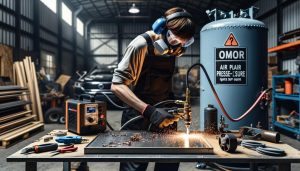
Using CNC plasma cutters involves inherent risks due to the high temperatures and electrical components involved. Therefore, establishing robust safety protocols is not just advisable; it is essential to protect operators and ensure safe working conditions. Among the most critical safety measures is the use of appropriate personal protective equipment (PPE). Operators should wear safety goggles or a face shield to guard against harmful ultraviolet (UV) light and sparks produced during cutting. Additionally, flame-resistant clothing, gloves, and steel-toed boots add layers of protection against potential hazards.
Another fundamental aspect of safety is maintaining a clutter-free workspace. A clean environment not only boosts productivity but also significantly reduces the risk of accidents. Ensuring that flammable materials are stored away from cutting areas can prevent fire hazards, while organizing tools and equipment makes them easier to access, reducing the chance of mishandling. Regularly inspecting all equipment, including hoses and electrical connections, helps identify wear or damage that could lead to dangerous situations.
Proper ventilation is vital when using CNC plasma cutters. Cutting metals produces fumes and particulate matter that can compromise air quality. Utilizing exhaust systems to vent smoke and gases accordingly minimizes inhalation risks. It’s also essential to have a fire extinguisher readily available in case of an unexpected fire, and operators should be trained on how to use it effectively. Furthermore, maintaining an awareness of emergency protocols can be a lifesaving measure during an incident.
Lastly, operators should undergo comprehensive training on equipment use and safety guidelines. It is crucial that they understand not only the technical aspects of operating CNC plasma cutters but also the precautions necessary to prevent accidents. Regular safety drills can reinforce knowledge and ensure that all personnel are prepared to respond to emergencies effectively. Fostering a culture of safety awareness and continuous improvement will enhance not just individual safety but the overall efficiency and reliability of the metal fabrication process.
Innovations in CNC Plasma Cutting Technology
are transforming metal fabrication, increasing efficiency, precision, and ease of use in complex cutting tasks. One standout advancement is the integration of advanced software solutions, which allow for more sophisticated programming and design capabilities. Modern CNC plasma cutters now support CAD/CAM integrations, enabling operators to design intricate parts and optimize cutting paths for maximum material utilization. This software advancement not only enhances design flexibility but also reduces material waste and production time.
Another significant innovation is the development of hybrid plasma cutting systems that combine plasma with laser technologies. These systems leverage the strengths of both cutting methods, offering higher precision on thinner materials and the ability to transition seamlessly between cutting capabilities. This versatility is a game-changer for industries requiring diverse applications, such as automotive and aerospace sectors, where precision and adaptability are paramount.
Moreover, advancements in nozzle and electrode technology have led to improved arc stability and longer consumable life. New materials and designs enhance the overall efficiency of the cutting process, allowing operators to maintain consistent quality over longer production runs. These enhancements contribute to lower operational costs and increase the uptime of CNC plasma cutting machines, ensuring that businesses can meet production demands without compromising on quality.
User-friendly interfaces and automation trends are also on the rise. Many new CNC plasma cutting systems come equipped with touchscreen controls and intuitive software that simplify setup and operation, reducing training time for new operators. Implementing automation features, such as automatic torch height control and advanced motion controls, further streamlines the process, ensuring optimal cutting performance while minimizing operator intervention.
In summary, the landscape of CNC plasma cutting technology is rapidly evolving. These innovations not only improve operational efficiencies but also enhance the overall safety and effectiveness of metal fabrication processes. As technology continues to advance, operators can expect even greater improvements in the precision, versatility, and ease of use of CNC plasma cutters, making them indispensable tools in modern workshops.
Cost Considerations for CNC Plasma Cutting Machines
Investing in a CNC plasma cutter involves various cost considerations that can significantly impact a business’s bottom line. Understanding these aspects can help operators make informed decisions that enhance productivity while maximizing returns. The initial purchase price of a plasma cutting machine can vary widely based on technology, size, and capabilities. Entry-level models may start around $5,000, while high-end industrial machines can reach upwards of $100,000 or more, depending on features like cutting speed, precision, and automation levels.
Operational costs also play a crucial role in the overall financial picture. Consumables such as electrodes and nozzles need regular replacement, which can accumulate over time. Additionally, the cost of gas and electricity for the plasma cutting process should be factored in. For businesses focused on high-volume cutting operations, even small differences in operating costs can lead to significant expenses. Operators should conduct a thorough cost analysis, including materials used, to understand the total expenditure for specific jobs.
Another crucial factor is maintenance. Regular upkeep is essential to ensure longevity and optimal performance of CNC plasma cutters. A maintenance plan may include scheduled inspections, cleaning, and the replacement of worn parts. Companies should account for these scheduled maintenance costs in their budgets to avoid surprises that could disrupt production timelines.
Furthermore, companies should consider the expenses related to training personnel to operate CNC plasma systems effectively. While many modern machines come with user-friendly interfaces, investing in training ensures that operators can maximize the machine’s capabilities and minimize errors, leading to improved efficiency.
In summary, when evaluating the total cost of ownership for CNC plasma cutting machines, businesses must look beyond the initial purchase price. Factors such as operational costs, maintenance, and training will all contribute to the long-term value of the investment, ultimately influencing productivity and profitability. Understanding these financial components enables businesses to make strategic decisions that align with their production goals and financial health.
Troubleshooting Common CNC Plasma Cutter Issues
CNC plasma cutting offers an efficient and precise method for cutting metal, but even the best machines may encounter issues that disrupt workflow. Understanding common problems and their solutions can help operators maintain productivity and ensure high-quality cuts. For instance, one prevalent issue is inconsistent cutting quality, often resulting from the wrong plasma gas type or incorrect gas flow settings. Operators should always verify that the gas used is appropriate for the material being cut and check that the flow rate aligns with manufacturer specifications.
Inadequate cutting speed is another concern. If the settings are too slow, the plasma cutter may not perform optimally, leading to excessive heat and potential warping. Conversely, setting the speed too high can result in a lack of penetration and poor edge quality. Adjusting the travel speed appropriately based on material thickness and type is essential. Utilizing a parameter guide can assist in determining the ideal settings for various applications.
Another common challenge is the accumulation of dross, which can result in an uneven cut and necessitate additional cleanup. Dross formation typically occurs when the cutting speed is too slow or the torch height is incorrect. Ensuring the torch is at the proper height during operation and adjusting the speed can significantly reduce dross and improve the overall finish. Regular maintenance checks, including cleaning the cutting table and inspecting consumables like nozzles and electrodes, can also minimize issues relating to dross buildup.
Lastly, electrical issues such as faulty connections or power supply problems can lead to abrupt shutdowns or inconsistent arc stability. Operators should routinely inspect all electrical connections, ensuring they’re secure and free from damage. Additionally, monitoring the power supply for fluctuations can help in diagnosing and fixing faults before they escalate into larger problems.
By being proactive about these common troubleshooting issues, operators can ensure their CNC plasma cutters remain in optimal condition, thereby improving overall efficiency, reducing downtime, and enhancing the quality of their work.
Choosing the Right CNC Plasma Cutter for Your Needs
Choosing the right CNC plasma cutter can be a pivotal decision that significantly influences your metal fabrication projects. Understanding the unique capabilities and limitations of different models is essential for maximizing efficiency and achieving desired results. When selecting a plasma cutter, consider factors such as power output, cutting thickness, and material compatibility. For example, a machine capable of higher amperages can cut through thicker materials more effectively, making it a better choice for heavy-duty fabrication.
Another key aspect is the size of the cutting table. If your work often involves large sheets of metal, opt for a plasma cutter with an adequately sized table to accommodate your needs. Portability is also worth evaluating; if your projects require moving the machine between job sites, a lighter and more compact model can be beneficial. Moreover, examine whether the cutter comes with advanced features such as automatic height controls or intuitive user interfaces, which can streamline your workflow and enhance precision.
The type of plasma cutter also plays a crucial role in your selection. For instance, gas plasma cutters are typically more cost-effective but may not provide the same cutting speed and quality as inverter plasma systems, which use advanced technology for improved performance and energy efficiency. In addition to these technical specifications, consider the reliability of the manufacturer and the availability of customer support and replacement parts. This is vital for maintaining uptime and ensuring your cutter is operational when you need it most.
Lastly, assess your budget by balancing initial investment against long-term costs such as consumables and maintenance. While it may be tempting to opt for a less expensive model, investing in a higher-quality machine can pay off in durability and lower operational costs over time. Collect feedback from fellow fabricators, read reviews, and if possible, perform hands-on testing of different machines to find the right fit for your requirements. By meticulously evaluating these factors, you will be well-equipped to select a CNC plasma cutter that enhances your production capabilities and meets your metal fabrication needs effectively.
Frequently asked questions
Q: How does a CNC plasma cutter create a cut?
A: A CNC plasma cutter uses an electrically conductive gas, which is heated to form plasma. This superheated gas is forced through a narrow nozzle, creating an intense arc that effectively melts through metal, allowing for precise cutting along programmed paths.
Q: What materials can be cut with a CNC plasma cutter?
A: CNC plasma cutters are versatile and can cut various materials, including carbon steel, stainless steel, aluminum, and copper. The thickness of the material that can be cut depends on the power of the plasma cutter and the type of gas used.
Q: What safety precautions should be taken when using a CNC plasma cutter?
A: Safety precautions include wearing protective gear such as gloves, goggles, and a welding helmet. Ensure proper ventilation to avoid fumes and maintain a clean work area to prevent fire hazards. Familiarizing yourself with the machine’s operational instructions is also essential for safe usage.
Q: How does CNC programming influence plasma cutting accuracy?
A: CNC programming significantly impacts accuracy by controlling the movement of the plasma cutter based on detailed digital plans. Precise programming ensures consistent speeds and paths, which minimize errors and enhance the quality of the cuts made.
Q: What are the advantages of using CNC plasma cutting over traditional cutting methods?
A: CNC plasma cutting offers enhanced precision, speed, and versatility compared to traditional methods. It allows for complex shapes to be cut quickly and reduces material wastage, making it highly efficient for metal fabrication.
Q: How can I maintain my CNC plasma cutter for optimal performance?
A: Regular maintenance includes cleaning the torch and consumables, checking gas supplies, inspecting electrical connections, and calibrating the machine settings. Refer to the manufacturer’s guidelines for specific maintenance checks to enhance the cutter’s operational lifespan.
Q: Can a CNC plasma cutter be used for thick materials?
A: Yes, CNC plasma cutters can cut thick materials, but the thickness depends on the machine’s maximum cutting capacity and the type of plasma technology used. High-definition plasma systems can cut materials over 1-inch thick efficiently.
Q: What innovations are improving CNC plasma cutting technology?
A: Innovations such as high-definition plasma technology, adaptive control systems, and advanced CAD/CAM software are enhancing cutting precision and speed. These advancements lead to better edge quality and reduced operational costs in metal fabrication processes.
Future Outlook
Understanding how a CNC plasma cutter works opens up a world of possibilities for precision cutting in various materials, especially for projects involving steel and aluminum. By mastering this technology, you can streamline your fabrication processes and enhance your workshop’s efficiency. Don’t let the complexities deter you; jump into related topics like MIG and TIG welding for a comprehensive grasp of modern fabrication techniques.
Ready to elevate your skills? Explore our detailed guides on MIG welding techniques and safety protocols, which are essential for any aspiring welder. If you’re considering investing in equipment, check out our equipment reviews to find the best tools tailored to your projects. Remember, knowledge is power – dive deeper into our resources to stay inspired and informed.
Join our community by signing up for our newsletter to receive updates on the latest welding techniques and innovations. Your journey into advanced fabrication starts now – embrace the tools at your disposal and share your thoughts in the comments below; we love engaging with fellow enthusiasts!