If you’ve ever watched sparks fly while a metal piece is seamlessly cut or shaped, you may have marveled at the precision of a plasma cutter. This versatile tool harnesses the power of ionized gas to slice through conductive materials like steel and aluminum with ease and accuracy. Understanding how a plasma cutter works step by step not only demystifies the process but empowers you to harness this technology safely and effectively, whether you are a seasoned professional or a curious beginner. With its growing popularity in welding and metal fabrication, mastering the operation of a plasma cutter can elevate your skills, expand your project possibilities, and enhance your overall craftsmanship. Dive into the mechanics behind this powerful tool and discover the practical tips that will bring your metalworking projects to life.
Understanding Plasma Cutting Technology
Plasma cutting technology has revolutionized the way metal is shaped and joined, providing an efficient, precise, and versatile method for cutting various materials. At the heart of this technology is the principle of ionization, where gas is transformed into plasma-a state of matter in which electrons are stripped from atoms, creating a conductive medium capable of carrying electric current. This process allows plasma cutters to slice through metals at high speeds, making them an indispensable tool in industries ranging from automotive to aerospace.
The core of a plasma cutter consists of several essential components, including the power supply, plasma torch, and gas supply. The power supply provides the necessary electrical energy, while the plasma torch directs the flow of ionized gas at high velocity. This gas-typically a mixture of compressed air, oxygen, or inert gases such as argon-serves as both the cooling mechanism for the torch and the medium through which the plasma arc is created. When the torch is activated, the gas flows through a narrow nozzle and is heated to an extremely high temperature, ensuring a clean and precise cut.
Using a plasma cutter involves understanding how to operate the equipment safely and effectively. Familiarizing yourself with the specific controls-such as adjusting the amperage for different materials and thicknesses-is crucial. The setup process involves securing the workpiece, adjusting the height of the torch, and ensuring a smooth flow of gas before initiating the cutting process. By maintaining a consistent speed and distance from the material, operators can achieve optimal results without excessive heat distortion or material wastage.
In conclusion, mastering plasma cutting technology opens up a wide array of possibilities for welders and fabricators alike. By understanding the fundamental principles and operational mechanics of plasma cutting, individuals can enhance their metalworking skills and improve efficiency in various applications, from creative design projects to industrial manufacturing processes.
Essential Components of a Plasma Cutter
The efficiency and versatility of plasma cutting technology hinge on its essential components, each playing a crucial role in delivering precise cuts through various conductive materials. Central to this setup is the power supply, which transforms standard electrical input into a controlled high-frequency output necessary for the process. This supply not only powers the system but also regulates the voltage and current needed to maintain a stable arc, allowing for consistent performance and the ability to handle different material types and thicknesses.
Another vital component is the plasma torch, which serves as the conduit through which ionized gas flows. The torch houses a nozzle that narrows the gas stream, enhancing the velocity at which it exits and subsequently gets ionized. This process occurs when the gas-often a mixture of air, oxygen, or inert gases like argon-is heated to an extreme temperature, transitioning it into plasma. The torch also features an electrode that initiates the arc, igniting the gas and converting it into plasma, which is capable of melting metal upon contact.
Equally significant is the gas supply system, providing the necessary gas for both cutting and cooling. The choice of gas greatly influences the quality of the cut; for instance, using oxygen enhances cutting speed but may lead to oxidation, while inert gases provide cleaner cuts on aluminum and other non-ferrous metals. Proper management of the gas supply ensures a steady flow, which is crucial for achieving optimal results.
Lastly, many plasma cutters incorporate advanced features such as built-in cooling systems and control interfaces, allowing operators to fine-tune settings for specific tasks. Familiarizing oneself with these components not only enhances user experience but also bolsters safety by ensuring that the equipment operates as intended. Understanding each part of the plasma cutter better equips users, whether beginners or seasoned professionals, to tackle a wide range of projects efficiently and effectively.
How Plasma Cutters Generate Electric Arc
Generating an electric arc is the cornerstone of plasma cutting technology, allowing for the effective and precise melting of conductive materials. When the plasma cutter is activated, an electrical current flows through the system, energizing the electrode within the plasma torch. This electrode serves a critical role by facilitating the creation of a high-voltage arc, which ultimately transforms the gas into a plasma state. The arc initiates the ionization process, enabling the gas to conduct electricity and create a concentrated beam of thermal energy.
As the electrode emits an electric arc, a flow of gas-often a mix of compressed air or inert gases-passes through the nozzle of the plasma torch. This jet of gas is rapidly heated and accelerated, increasing its velocity as it exits the nozzle. In the presence of the arc, the gas becomes ionized, undergoing a dramatic change that raises its temperature to levels capable of melting through metal surfaces. The result is a narrow and powerful stream of plasma that can cut through material with remarkable speed and precision.
In distinguishing how different gases affect the cutting power, using oxygen enhances the cutting speed due to the exothermic chemical reaction during high-heat cutting, making it ideal for ferrous metals. In contrast, inert gases, such as argon or nitrogen, provide cleaner cuts without oxidation, making them preferred for non-ferrous materials like aluminum and copper. Understanding these dynamics not only improves outcomes but also informs choices based on the task’s demands and material types.
To ensure the plasma cutter operates efficiently and safely, operators must be aware of the settings and the environment in which the cutting occurs. Adjusting the voltage and gas flow according to the thickness and type of material can significantly affect the quality of the cut. Proper maintenance of the electrical components and regular inspections of the torch nozzle and electrode are also vital to prevent issues and prolong the life of the equipment. By mastering these nuances, users can harness the full capabilities of plasma cutting technology.
Step-by-Step Guide to Using a Plasma Cutter
To successfully navigate the operation of a plasma cutter, a few structured steps will ensure precision and safety throughout the process. Mastering these steps not only enhances efficiency but also minimizes the risk of accidents, crucial in both commercial and DIY applications.
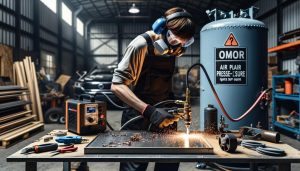
Begin by preparing your workspace. Ensure it’s clean, well-ventilated, and free from any flammable materials. Safety should be your top priority; don appropriate personal protective equipment (PPE) including gloves, goggles, and a welding helmet with the correct shade for plasma cutting. Next, check that your plasma cutter is in good working order. Inspect the torch, ensure the electrode and nozzle are correctly installed, and that the gas supply is adequate.
Once your equipment is ready, follow this sequence:
- Set your machine: Adjust the amperage and gas flow settings according to the thickness of the material you plan to cut. Refer to the manufacturer’s guidelines for recommended settings specific to the materials you’re using.
- Secure the material: Make sure the metal piece is firmly clamped down. This prevents any movement during the cutting process, ensuring a straight and clean cut.
- Establish the cut line: Use a marker or chalk to clearly indicate where you want to cut. This reference will help you maintain precision as you work.
- Initiate the cut: Turn on the plasma cutter and press the trigger to ignite the arc. Bring the cutter to the edge of the material, allowing the plasma to pierce through it. Maintain a steady motion along the cut line, allowing the machine to do the work.
- Finish the cut: After cutting through the material, release the trigger and allow the torch to cool before setting it down. Carefully inspect the cut edges; if necessary, you can quickly clean up with an angle grinder for a smooth finish.
Following these specific steps will help achieve optimal results in plasma cutting, regardless of experience level. Always prioritize safety and ensure equipment is properly maintained for the best performance. With practice, you will gain confidence and skill, unlocking the full potential of this versatile tool in various applications from crafting to industrial uses.
Safety Precautions for Plasma Cutting
Plasma cutting is a sophisticated and powerful method of cutting through metals, but it comes with inherent risks that must be meticulously managed. Adequate safety precautions are essential to protect the operator and bystanders from potential hazards. This cutting technique involves intense heat, high-voltage electricity, and the potential for flying debris, emphasizing the importance of a cautious approach.
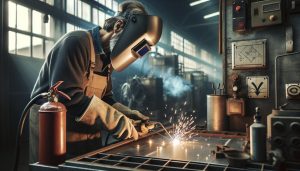
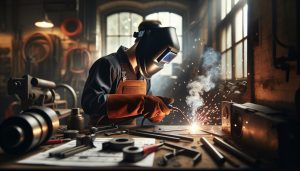
To begin with, personal protective equipment (PPE) is non-negotiable. Operators should always don a suitable welding helmet that shields against glare from the arc, as well as protective goggles to guard against fine metal particles and ultraviolet light. Heavy-duty gloves and flame-resistant clothing are also crucial in preventing burns and electric shock. Using hearing protection may be necessary as the operation can produce loud noises.
Workspace safety cannot be overlooked. The area should be clear of clutter, flammable materials, and anything that could pose a hazard during cutting. Ensuring proper ventilation is vital, as harmful fumes can be generated during plasma cutting. Adequate ventilation helps disperse these fumes and reduces the risks associated with inhalation. Additionally, the operator should maintain a safe distance from others, communicating clearly if anyone is in proximity to prevent accidental injuries.
Lastly, a well-maintained machine is essential for safe operation. Regular inspections of the plasma cutter, checking the condition of the torch, nozzle, and cables, help prevent unexpected malfunctions. Operators should familiarize themselves with emergency shutoff procedures and keep a fire extinguisher nearby in case of accidental ignitions. By prioritizing these safety measures and remaining vigilant throughout the plasma cutting process, operators can significantly reduce the risks associated with this powerful tool, ensuring a safe and efficient working environment.
Common Applications of Plasma Cutters
Plasma cutters have revolutionized metalworking by offering precise and efficient cutting capabilities across a wide range of applications. One of the most compelling aspects of plasma cutting technology is its versatility, making it suitable for various industrial, commercial, and artistic endeavors. From metal fabrication to art installations, plasma cutters facilitate cutting processes that are not only faster but also yield cleaner edges compared to traditional cutting methods.
In manufacturing and construction, plasma cutters are extensively used for fabricating steel structures, such as beams and frames. This technology allows workers to cut through thick steel sheets with ease, making it indispensable in scenarios where precision and speed are critical. Additionally, the automotive industry heavily relies on plasma cutting to shape components and parts, enabling manufacturers to achieve intricate designs necessary for modern vehicles.
Plasma cutting is also an essential tool in repair and maintenance operations. Mechanic workshops employ this technology to cut replacement parts that fit existing structures, ensuring that repairs are done swiftly without compromising quality. Moreover, artists and designers leverage plasma cutters to create stunning sculptures and decorative pieces from metal, showcasing the aesthetic potential of this cutting technique. The fine detail and smooth finishes achieved by plasma cutting allow artists to realize complex designs that would be difficult to reproduce with other methods.
The educational sector has not been left out, as vocational schools teach students the fundamentals of plasma cutting, preparing them for careers in welding and metalwork. Learning how to operate plasma cutters safely and effectively is crucial for budding professionals, making hands-on experience with this equipment a vital component of their training. By understanding the various applications of plasma cutting, students and seasoned welders alike can appreciate its significance in modern metalworking environments.
Through its diverse applications, plasma cutting proves to be an invaluable tool in both industry and artistry, continuously transforming how metal fabrication is approached in an ever-evolving landscape.
Troubleshooting Plasma Cutter Issues
Issues with plasma cutters can arise at any stage of operation, but recognizing and resolving these problems can greatly enhance workflow efficiency. One common issue is inconsistent cutting. This can stem from various factors such as improper gas flow, incorrect amperage settings, or a worn-out consumable tip. To ensure a smooth cut, always check that the gas supply is set to the manufacturer’s recommended levels. Additionally, adjusting the amperage according to the thickness and type of material is crucial for achieving optimal performance.
Another frequent problem users encounter is excessive slag build-up, which can compromise cut quality. This often occurs when the cutting speed is too slow or if the torch is held at an improper angle. To mitigate this, maintain a consistent cutting speed and keep the torch perpendicular to the workpiece. When working on thicker materials, experimenting with different cutting speeds and angles will help find the sweet spot that minimizes slag while maximizing cut quality.
It’s also vital to address electrical issues, such as sporadic arc cuts, which may indicate problems with the power supply or connections. Check the power source for any fluctuations and ensure that all connections are secure and free from corrosion. Additionally, inspect the grounding clamp and verify that it’s making proper contact with the workpiece, as poor grounding can lead to unstable arcs. If electrical issues persist, examining the internal components of the cutter for damage may be necessary.
Finally, regular maintenance and inspection of consumables, including the nozzle, electrode, and shield, can prevent many problems before they arise. Replace any worn parts promptly to ensure peak performance and reduce the risk of issues during operation. Keeping a log of routine maintenance can also help track wear and tear, allowing for timely replacements and minimizing downtime. By adopting these troubleshooting strategies and practices, plasma cutter operators can enhance their productivity and achieve superior cutting results.
Choosing the Right Plasma Cutter for Your Needs
Selecting a plasma cutter that suits your specific needs can greatly enhance your work efficiency and output quality. With a myriad of options available, it’s crucial to consider various factors that relate to your intended applications and skill level. One of the first decisions involves understanding the materials you plan to cut. For instance, thin metals like sheet steel or aluminum can often be tackled with lower-amperage units, while thicker materials might require more powerful models capable of handling higher amperage outputs to ensure clean cuts.
Another important aspect is portability. If your work requires frequent transportation of the plasma cutter, consider lighter, more compact models designed for ease of movement. Conversely, stationary operations that require more substantial cutting capabilities can employ larger, industrial-grade machines. In addition to physical attributes, look at the duty cycle rating, which tells you how long you can operate the cutter before needing to let it cool down. A higher duty cycle is ideal for intensive jobs, whereas hobbyists might manage well with lower ratings.
The choice of torch type also has significant implications. There are two main types: drag torches and hand-held torches. Drag torches can maintain the correct distance from the material, providing consistency, while hand-held units offer more control for intricate details or custom cuts. Additionally, the compatibility with consumables, such as electrodes and nozzles, is essential. Opt for models that allow for easy access to replacement parts to minimize downtime during your projects.
Lastly, consider the power source-whether you require a unit powered by electricity or compressed air. Each option has its benefits based on availability and worksite conditions. Always prioritize brands with a solid reputation for customer service and support, as this can be invaluable if you encounter any issues or require maintenance instructions. By weighing these factors carefully, you can ensure that your investment in a plasma cutter aligns with both your immediate cutting needs and future project aspirations.
Maintenance Tips for Long-lasting Plasma Cutters
Maintaining a plasma cutter is crucial for ensuring its longevity, performance, and output quality. These sophisticated devices, often used for cutting metals in various applications, require proper care to prevent breakdowns and maintain precision. Regular maintenance not only helps you avoid costly repairs but also ensures safety during operations. Here are some critical tips to keep your plasma cutter in top condition.
First, regularly inspect and replace consumables, such as electrodes and nozzles. These components wear out over time due to the extreme heat and pressure during cutting. Using worn-out parts can lead to poor cutting performance and increased slag, which can affect the quality of your work. Keep track of the conditions under which your cutter operates; for example, if you frequently work with thicker materials, you may need to replace consumables more often.
Clean the Equipment
Proper cleaning of the plasma cutter is essential. After each use, remove any debris or slag buildup from the torch and cutting bed. Dust and metal shavings can interfere with the machine’s performance and could pose a safety hazard. Use compressed air or a soft brush to clean the torch and other parts. Additionally, keep the cooling vents clear to prevent overheating, as overheating can cause significant damage to internal components.
Check Electrical Connections
Periodically, examine the electrical connections for signs of wear or damage. Loose or corroded connections can lead to power loss or inconsistent arcs, which can impact cutting quality. Ensure that all cables are secure and free from fraying, particularly in high-use environments where movement may wear down insulation. If damage is detected, replace the worn cables promptly to maintain a reliable electrical supply.
Perform Routine Inspections
Adopting a routine inspection schedule can prevent issues before they become severe. Look for signs of leaks, unusual noises, or changes in performance. If you notice any irregularities, consult the manual for troubleshooting guidance or seek professional assistance. Keeping a log of your maintenance activities can also help track performance trends and anticipate potential problems before they arise.
Investing time and resources into proper maintenance practices will ensure that your plasma cutter operates efficiently and safely, thereby enhancing your work quality and lifespan of the equipment. This systematic approach to care will also facilitate a more seamless learning experience for newcomers, allowing them to focus on their craft without worrying about equipment failure.
Comparing Plasma Cutters to Other Cutting Methods
When assessing cutting technologies, plasma cutting stands out for its ability to deliver high precision and speed, essential in metal fabrication. Understanding how plasma cutters compare to methods like MIG, TIG, stick welding, and laser cutting can help you select the best tool for your needs, whether you’re a hobbyist or a seasoned professional in the metalworking industry.
Plasma cutting utilizes an electric arc to create a high-velocity jet of ionized gas, which cuts through conductive materials like steel, aluminum, and brass with remarkable efficiency. In contrast, MIG (Metal Inert Gas) welding and TIG (Tungsten Inert Gas) welding processes are primarily used for joining metals rather than cutting. MIG involves feeding a continuous solid wire that melts and forms a bond between pieces, while TIG employs a non-consumable tungsten electrode to produce the weld. Both methods excel in providing strong joints but may not be as efficient for cutting sheet metal or thick plates as plasma cutting is.
On the other hand, stick welding offers versatility and cost-effectiveness, particularly for outdoor applications. However, it is less precise than plasma cutting and mostly used in creating welds on thicker materials rather than cutting them. For applications requiring very fine cuts or intricate designs, laser cutting is preferred due to its unmatched precision and cleanliness. However, laser cutters tend to be more expensive and less portable than plasma cutters, making plasma cutting a favored option for many shops looking for both precision and cost-effectiveness.
In summary, the choice between plasma cutting and other cutting methods depends significantly on your project requirements. For tasks demanding speed and versatility, especially when working with thicker plates, plasma cutting often prevails. For those focused on joining metals with quality welds, MIG and TIG remain the go-to methods, while laser cutting is unmatched for precision tasks but carries a higher investment. Understanding these nuances ensures that you select the appropriate cutting technology for your specific metalworking projects.
Advanced Techniques for Professional Plasma Cutting
In the world of plasma cutting, advancing your skill set can significantly enhance not only the quality of your work but also your efficiency. Professionals often employ advanced techniques to push their projects to new heights, optimizing their plasma cutters for specific tasks. One essential technique is the use of different cutting speeds and amperages, which allows for tailored results based on the material thickness and type. For instance, understanding the optimal travel speed for various metals, such as steel versus aluminum, can lead to cleaner cuts and reduced dross formation, ensuring that post-processing is minimal.
Another key advancement in plasma cutting is the mastery of intricate cutting patterns. Utilizing computer-aided design (CAD) software integrated with CNC plasma cutters enables users to create precise shapes and designs with exceptional accuracy. This method not only speeds up production times but also opens the door to artistic applications in metal fabrication, allowing for bespoke designs in signage, art, and architectural features. Mastering this technique involves becoming adept at programming the CAD software and ensuring the plasma cutter’s settings align with the design’s requirements, including speed and optimal consumable usage.
Finally, incorporating multi-fuel capabilities can enhance the versatility of a plasma cutter. Many modern plasma cutters can operate with various gases, such as nitrogen or argon, in addition to air, leading to improved cut quality and efficiency depending on the material and application. For instance, nitrogen can provide cleaner cuts in stainless steel without oxidation, while argon can enhance results in high-heat applications. Familiarizing yourself with these gas options and their implications on different materials can elevate your plasma cutting results, making you a more flexible and skilled technician in a competitive marketplace.
By embracing these advanced techniques, professionals can achieve superior results in their plasma cutting projects, easily tackling more complex tasks and enhancing their overall craftsmanship in metalworking.
Exploring Future Trends in Plasma Cutting Technology
As technology continues to evolve, the landscape of plasma cutting is undergoing significant transformation, paving the way for enhanced precision, efficiency, and versatility in metal fabrication. One of the most exciting trends is the integration of artificial intelligence (AI) and machine learning into plasma cutting systems. By utilizing AI, operators can optimize cutting parameters in real-time, resulting in improved cut quality and reduced material waste. For example, AI algorithms can analyze variables such as material type, thickness, and ambient conditions to automatically adjust settings, leading to consistent, high-quality outcomes across diverse operations.
Another notable advancement is the increased adoption of hybrid systems that combine plasma cutting with other cutting methods such as laser and waterjet. These hybrid systems capitalize on the strengths of each technology, allowing for greater flexibility and precision in handling complex designs. This trend is particularly beneficial in industries where intricate cuts and high tolerances are paramount, such as aerospace and automotive manufacturing. By employing multiple cutting technologies within one setup, manufacturers can produce parts with intricate geometries and fine details while maintaining cost-effectiveness and efficiency.
Additionally, improvements in plasma cutter portability and user interface design are making these tools more accessible for a wider range of users, from hobbyists to professionals. Compact, lightweight plasma cutters are gaining popularity, allowing for use in various settings-from workshops to construction sites. Coupled with user-friendly interfaces that simplify setup and operation, these innovations are empowering a broader audience to engage in plasma cutting, ultimately expanding its applications across different sectors.
A growing emphasis on sustainability is also influencing the future of plasma cutting technology. Manufacturers are increasingly focused on developing equipment that minimizes energy consumption and reduces the ecological footprint of production processes. Newer plasma cutting systems are designed to be more energy-efficient and utilize less consumable materials, contributing to greener manufacturing practices. The integration of renewable energy sources to power these machines is another forward-thinking trend aimed at making plasma cutting not only an effective but also an environmentally responsible choice.
As these technologies develop, staying informed about the latest trends will not only enhance practical skills but also open up new avenues for innovation and excellence in plasma cutting applications.
Q&A
Q: What is a plasma cutter and how does it work?
A: A plasma cutter is a tool that uses a high-velocity jet of ionized gas to cut through electrically conductive materials. It works by creating an electric arc that heats and melts the metal, while the compressed gas blows away the molten material.
Q: What types of materials can be cut with a plasma cutter?
A: Plasma cutters can effectively cut various conductive materials, including steel, aluminum, brass, and copper. Their versatility makes them suitable for applications in metal fabrication, automotive repair, and artistic metalwork.
Q: How thick of material can a plasma cutter cut?
A: The thickness of material a plasma cutter can handle depends on the power of the machine. Generally, a standard plasma cutter can cut materials up to about 1 inch thick, while industrial models can cut through thicker metals.
Q: What safety gear is necessary when using a plasma cutter?
A: When using a plasma cutter, essential safety gear includes a welding helmet with proper shading lenses, gloves, flame-resistant clothing, and safety boots. Ensure proper ventilation to avoid inhaling fumes.
Q: How do you set up a plasma cutter for the first time?
A: To set up a plasma cutter, first ensure you have a dry and grounded power supply. Connect the gas lines, adjust the pressure settings as per the manufacturer’s guidelines, and ensure your cutting table is stable. Refer to the user manual for specific setup instructions.
Q: What common issues can occur with plasma cutters?
A: Common issues with plasma cutters may include inconsistent cutting, excessive slag buildup, or the arc extinguishing unexpectedly. Troubleshooting often involves checking electrical connections, ensuring the right nozzle is used, and confirming gas flow rates.
Q: Can plasma cutters be used for precision cutting?
A: Yes, plasma cutters can achieve high precision with the right settings and techniques. Proper setup, including the right torch angle and speed, can enhance accuracy, making plasma cutting suitable for detailed work in fabrication projects.
Q: What is the difference between air plasma cutting and water plasma cutting?
A: Air plasma cutting uses compressed air as the plasma gas, while water plasma cutting involves injecting water into the cutting process. Water plasma cutting can reduce heat-affected zones and is often used for thicker materials, providing a cleaner cut and reducing distortion.
Feel free to explore our comprehensive article sections for deeper insights on related topics like troubleshooting, comparing cutting methods, and advanced techniques in plasma cutting to enhance your welding expertise!
Key Takeaways
In summary, understanding how a plasma cutter works is essential for those looking to enhance their metalworking skills and streamline their projects. As you’ve learned, this versatile tool can significantly improve precision and efficiency when cutting materials like steel and aluminum. Don’t let curiosity hold you back-dive into our in-depth guides on MIG and TIG welding to further expand your welding expertise.
Consider subscribing to our newsletter for the latest tips and techniques or explore our product reviews to find the right equipment for your next project. If you have questions or would like to share your plasma cutting experiences, please comment below. Keep sharpening your skills, and remember, mastering welding techniques opens up countless possibilities in your creative and professional endeavors!