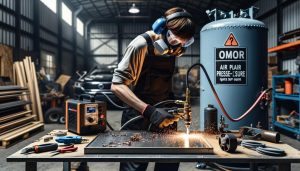
Did you know that the temperatures generated by a plasma cutter can reach upwards of 30,000 degrees Fahrenheit? This incredible heat is what makes plasma cutting one of the most efficient methods for slicing through metals like steel and aluminum. Understanding the extreme temperatures involved is crucial for any welder, whether you’re a beginner looking to expand your skills or a seasoned professional aiming to improve your technique. Knowing how hot a plasma cutter can get is not just about curiosity; it directly impacts safety protocols and the quality of your work. As we delve deeper, you’ll discover the specifics of these temperatures, their significance in different materials, and the expert techniques to harness this powerful tool effectively. Get ready to uncover the shocking details that can elevate your welding knowledge and expertise!
Understanding Plasma Cutter Temperatures
Understanding the temperatures that plasma cutters can achieve is essential for anyone working with metal fabrication and welding. Plasma cutters operate much like an intense lightning bolt, producing incredibly high temperatures that can exceed 20,000 degrees Celsius (36,032 degrees Fahrenheit) in the arc. This intense heat is what allows plasma cutters to slice through metals with precision, making them invaluable tools for both professional welders and DIY enthusiasts. However, understanding how these extreme temperatures are generated and the factors that influence them is crucial for safe usage and optimal performance.
The core principle behind plasma cutting lies in its ability to ionize gas, creating a plasma that conducts electricity. The energy supplied to the gas, whether through electrical arcs or other means, strips electrons from the gas molecules, creating positively charged ions and a sea of free electrons. This process not only generates a concentrated heat source but also propels the ionized gas at high speeds, directing it to the workpiece. Factors such as air pressure, gas composition, and the settings of the plasma cutter itself significantly influence the cutting temperature. For instance, using compressed air versus a nitrogen mixture can alter the temperature achieved during cutting, which can affect metal characteristics and cut quality.
Many myths surround plasma cutter temperatures that can lead to misunderstandings about their safe and effective use. For example, some believe that higher temperatures always equate to better cutting performance; however, excessive heat can lead to warping or damaging the material being cut. Therefore, understanding the balance between power settings and material thickness is crucial in achieving optimal results. Additionally, measuring and monitoring temperatures during operation can prevent equipment from overheating, ensuring both the longevity of the plasma cutter and safety for the user.
For your safety and to maximize the performance of a plasma cutter, it is essential to adhere to proper protocols. This includes consistent checking of the machine’s operational limits, regular maintenance, and wearing the appropriate protective gear. By having a solid grasp of the temperatures a plasma cutter can reach and the factors that influence these temperatures, both novice and experienced welders can improve their efficiency while minimizing risk.
The Science Behind Plasma Cutting Heat
The intense heat generated during plasma cutting is a fascinating interplay of physics and technology, rooted in the principles of ionization and conductivity. When a plasma cutter is activated, it creates an electric arc that strips electrons from gas molecules, producing a mixture of positively charged ions and free electrons. This ionized gas, known as plasma, exhibits properties that allow it to conduct electricity and generate immense temperatures-often exceeding 20,000 degrees Celsius (36,032 degrees Fahrenheit). This is comparable to the surface temperature of the sun and is what enables plasma cutters to slice through materials like steel and aluminum with remarkable precision.
In practical terms, the heat produced in plasma cutting serves two vital functions: it melts the metal at the cutting edge, and the high-velocity plasma stream blows away the molten metal, ensuring a clean cut. The effectiveness of this cutting process heavily relies on several factors, including the type of gas used, the electric current supplied, and the nozzle design. For instance, using a combination of compressed air instead of pure nitrogen can lead to variations in temperature and cutting performance. Moreover, the power settings on the machine must be carefully adjusted to match the thickness and type of material being cut, highlighting the importance of understanding both the science and practical application involved in this welding technique.
Another crucial aspect of plasma cutting is that it is not solely about achieving the highest temperature possible. Excessive heat can be detrimental, causing warping or damage to the workpiece, and can lead to inefficiencies during cutting. Therefore, successful plasma cutting requires operators to strike a balance among power settings, nozzle distance, and cutting speed. A deep understanding of these variables ensures that the plasma cutter operates within optimal parameters, delivering high-quality cuts while minimizing the risk of thermal damage. This equilibrium not only enhances productivity but also extends the life of the equipment, reinforcing the significance of safeguarding both the materials and tools involved in metal fabrication.
As you explore the world of plasma cutting, remember that knowledge of the underlying physics not only enhances your technical abilities but also contributes to safer and more efficient practices in metalworking. Keeping abreast of how heat is generated and managed will empower you in your projects, making you a more adept and informed welder.
Factors Influencing Plasma Cutter Temperature
The temperature achieved by a plasma cutter is a complex interplay of several critical factors that not only define the quality of the cut but also the efficiency of the process itself. Understanding these factors can greatly enhance the performance of plasma cutting tasks and ensure that operators achieve optimal results with minimal risk of damage to the workpiece.
One primary influence on the temperature generated during plasma cutting is the type of gas used. Compressed air, nitrogen, and argon each exhibit different thermal conductivity and ionization properties, which can significantly affect the plasma arc’s characteristics. For instance, using pure nitrogen can produce hotter and more focused plasma, ideal for cutting thicker materials, while compressed air may yield a less intense but broader arc suitable for lighter cutting tasks.
Another crucial factor is the amperage setting of the plasma cutter. Higher amperage settings result in increased heat generation, allowing for the cutting of thicker materials, but when set too high, the risk of excessive heat leading to warping or burn-through of the workpiece rises. Conversely, settings that are too low may lead to incomplete cuts and inefficient operations. It is essential to adjust the current according to the material’s thickness and composition to strike a balance between cutting speed and temperature control.
Nozzle design and distance also play significant roles. Different nozzle designs can influence the shape and velocity of the plasma arc, thereby affecting the cutting temperature. Additionally, maintaining the proper distance between the nozzle and the workpiece is vital; too far can cause cooling of the plasma stream, while too close can lead to increased friction and heat buildup, potentially damaging both the tool and the material.
Lastly, the movement speed of the plasma cutter contributes directly to temperature management. A slower cutting speed increases exposure time, generating more heat. In contrast, moving too quickly may not provide enough time for the material to melt adequately, leading to a poor-quality cut. Thus, mastering the right combination of these factors not only enhances the effectiveness of plasma cutting but also ensures safety and longevity for both the equipment and the materials.
Common Myths About Plasma Cutting Temperatures
Many misconceptions surround the operation and temperature capabilities of plasma cutters, often leading to confusion for both novice and experienced welders alike. One prevalent myth is that all plasma cutters produce the same level of heat, irrespective of their settings or materials. In reality, the temperature generated during plasma cutting can vary significantly based on several factors, including the amperage, gas type, and distance from the nozzle to the workpiece. Understanding this variability is crucial for achieving optimal cutting results.
Another misleading belief is that higher temperatures always equate to better cutting performance. While it’s true that increased heat can facilitate the cutting of thicker materials, excessively high temperatures can lead to detrimental effects, such as warping, burn-through, or excessive dross formation. This underlines the importance of not only achieving the right temperature but also controlling heat input through proper technique, such as adjusting cutting speed and nozzle distance to suit the material thickness.
It is also commonly thought that plasma cutting is inherently dangerous due to the high temperatures involved. While there is indeed a risk of burns or heat-induced injuries, using proper safety protocols, personal protective equipment (PPE), and maintaining a clean work environment significantly mitigates these hazards. Additionally, the high temperatures can be managed through careful operation, contributing to a safer worksite overall.
Lastly, some believe that the art of plasma cutting doesn’t require as much skill or technique as other welding processes. Contrary to this notion, mastering plasma cutting requires understanding the interplay of heat, speed, and gas properties, as well as the ability to adjust for different materials. As with any welding technique, practice and familiarity with equipment are key to producing clean, precise cuts while minimizing heat-related issues.
How to Measure Plasma Cutter Temperature
Accurately measuring the temperature of a plasma cutter is essential for achieving optimal cutting results and ensuring the safety of both the operator and the equipment. Plasma cutting can reach temperatures that range from 5,000°F to 30,000°F (about 2,760°C to 16,600°C) depending on the variables at play, such as the plasma gas used and the amperage setting. Understanding how to manage and measure these high temperatures is crucial for effective operation.
To measure plasma cutter temperatures effectively, utilize thermocouples or infrared thermometers designed for high temperatures. Thermocouples provide direct contact and can be attached to the workpiece for accurate readings, while infrared thermometers can measure surface temperatures from a distance, allowing for quick assessments without disrupting the operation. Regular calibration of these tools is crucial, as even small deviations can lead to significant performance issues.
When measuring the temperature, consider the following factors:
- Distance from the nozzle: The temperature can drop significantly as you move further from the cutting area. It’s best to conduct measurements as close as possible to the cut.
- Material type: Different materials conduct and dissipate heat differently, affecting temperature readings.
- Gas type: The type of gas used will influence the temperature profile, as some gases require different settings for optimal performance.
Monitoring the temperature during operation helps in fine-tuning the settings to avoid excessive heat that could lead to difficulties such as warping or excessive dross. Make it a practice to take periodic readings, especially when switching between different types of materials or thicknesses. This not only ensures quality cuts but also extends the lifespan of your equipment by preventing overheating.
Comparing Plasma Cutter Temperatures to Other Tools
While plasma cutters reach astonishing temperatures that can range from 5,000°F to 30,000°F, it is essential to understand how their thermal capabilities compare to other common cutting tools in metal fabrication. For instance, when pitted against MIG (Metal Inert Gas) and TIG (Tungsten Inert Gas) welding processes, plasma cutting boasts a significantly higher temperature range. MIG welding typically operates at temperatures around 1,600°F to 2,300°F, while TIG welding can reach up to 6,500°F, but it often requires longer contact time to achieve effective cuts.
One of the key differences lies not just in peak temperatures but also in the heating mechanism. Plasma cutters use ionized gas, which fuels both speed and cutting efficiency due to the highly concentrated heat directing onto the material. In contrast, gas cutting, which relies on a flame, will tend to have broader, less intense heat dispersion, making it less effective on thicker materials without multiple passes. The high temperatures and focused arc of the plasma beam enable cleaner, neater cuts with minimal thermal distortion, which is often beneficial when working on thin metals such as aluminum or stainless steel.
When comparing plasma cutting to oxy-fuel cutting, the latter typically reaches temperatures up to around 3,500°F. Although essential for slicing through thick steel, it does not match the precision and speed of plasma cutting and is limited in terms of material compatibility. Plasma welding and cutting can adapt an array of materials with much less risk of warping or adverse reactions, showcasing its versatility over traditional methods.
In summary, understanding the differences in temperature capabilities among plasma cutters, MIG, TIG, and oxy-fuel techniques enlightens welders on choosing the right tool for specific jobs, enhancing both performance and safety. Always consider the type of material being processed and the desired cut precision when selecting a cutting tool, as these factors influence both efficiency and outcome.
Safety Protocols for High-Temperature Plasma Cutting
Effective safety protocols are essential when working with plasma cutters due to the potential for extreme temperatures and hazardous conditions. Plasma cutting can reach temperatures exceeding 30,000°F, which can easily cause severe burns or ignite flammable materials in the work area. Therefore, it’s crucial to equip yourself with the right knowledge and safety measures to minimize risks and protect both yourself and your workspace.
To ensure a safe working environment, always wear appropriate personal protective equipment (PPE). This includes:
- Flame-resistant clothing: Avoid synthetic fibers that can melt. Instead, opt for cotton or specially designed flame-resistant garments.
- Protective gloves: Durable welding gloves will shield your hands from heat and potential sparks.
- Safety goggles: Use goggles with side shields to protect your eyes from both heat and the bright arc produced during cutting.
- Respiratory protection: If you are cutting materials that produce harmful fumes or dust, use a respirator that meets the required safety standards.
- Face shield: A full face shield provides additional protection for your face against flying debris and intense light.
It’s also important to prepare your working area by removing any flammable materials and ensuring adequate ventilation. This helps to mitigate the risk of fire and allows for the dispersal of harmful fumes generated during cutting. Before starting, inspect your plasma cutter setup to ensure all electrical connections are secure and all equipment is functioning correctly. Additionally, keep a fire extinguisher readily accessible in case of an emergency.
Understanding plasma cutter operation is vital for safe usage. Always follow the manufacturer’s instructions and recommended practices for safely starting and stopping the machine. Furthermore, be conscious of your surroundings; ensure that no one is within a safe distance when cutting, as flying sparks and molten metal can pose risks to bystanders. Conduct regular equipment maintenance to avoid unexpected malfunctions that could lead to safety hazards.
By adhering to these protocols, welders can confidently utilize the advanced capabilities of plasma cutters while maintaining a safe and efficient work environment. Prioritizing safety not only protects the welder but also enhances productivity by allowing for uninterrupted work.
Maximizing Performance Without Overheating
Maximizing the efficiency of a plasma cutter while avoiding overheating is crucial for both safety and performance. With plasma cutting temperatures reaching upwards of 30,000°F, managing heat can prevent equipment failure and extend the lifespan of your tool. To achieve optimal performance without compromising safety, a few strategies can be employed.
Firstly, selecting the appropriate amperage setting based on the thickness of the material being cut is essential. Generally, the thicker the material, the higher the amperage required. However, exceeding the necessary amperage can lead to excessive heat build-up. Consult your plasma cutter’s manual for guidance on optimal settings, and consider the material’s characteristics-different metals, such as aluminum or steel, require different heat approaches. For instance, aluminum may need faster cutting speeds to prevent overheating compared to steel.
Regular maintenance is another critical factor in preventing overheating. Ensure that the consumables, such as nozzles and electrodes, are in good condition. Worn or damaged components can lead to inefficient cutting and increased temperature generation. Additionally, keeping the airflow clear and unobstructed will facilitate proper cooling and help maintain consistent temperature levels during operation. If the machine has a built-in cooling system, check it regularly for functionality.
Finally, taking breaks between cuts can significantly reduce the risk of thermal overload. This allows not only the plasma cutter but also the workpiece to cool down, preventing warping and ensuring cleaner cuts. Implementing these strategies will enhance both the performance of your plasma cutting tasks and the longevity of your equipment, creating a safer and more productive working environment.
Selecting the Right Plasma Cutter for Your Needs
Selecting the right plasma cutter can significantly enhance your cutting efficiency and safety while navigating the high temperatures involved in the process. With plasma cutters capable of reaching temperatures exceeding 30,000°F, it’s crucial to choose a machine that aligns with your specific material handling needs and operational settings. Whether you’re a hobbyist or a seasoned professional, understanding these factors will help you make an informed decision.
When considering a plasma cutter, one of the first aspects to evaluate is the maximum cutting thickness. Different models are engineered to handle varying material thicknesses-from thin sheet metal to thicker plates. Assessing the materials you’ll be working with regularly is paramount. For instance, if you frequently cut through materials like mild steel or aluminum, a machine with a higher amperage setting may be necessary to maintain optimal cutting speeds without overheating. Look for specifications indicating the cutter’s capabilities with different metals, as this will help you avoid performance issues related to thermal overload.
Another critical factor to consider is duty cycle, which reflects how long a cutter can operate before needing a break. A higher duty cycle means the machine can work longer and more continuously, making it ideal for commercial or industrial environments where large projects are the norm. Conversely, if your projects are less intensive or occasional, a model with a lower duty cycle could be sufficient, providing cost savings without sacrificing performance.
Furthermore, examining the brand reputation and warranty can provide insights into the reliability and longevity of your selected plasma cutter. Renowned brands often offer extensive support and better quality control, which can translate into a more dependable tool that withstands intense use. Always consider reading user reviews and machine tests to gauge real-world performance.
Lastly, investing in additional features such as built-in cooling systems, smart technology for amperage adjustments, or ergonomically designed torches can enhance your experience and safety while cutting. These features not only improve usability but can also minimize the risks associated with high-temperature operations. By carefully evaluating these elements-cutting capacity, duty cycle, brand reliability, and extra functionalities-you can ensure that you select a plasma cutter that meets your needs, enhances performance, and maintains safety standards in your workshop.
Troubleshooting Overheating Issues in Plasma Cutters
When plasma cutters overheat, it can lead to a host of issues from compromised cutting quality to potential equipment damage. Recognizing and addressing overheating promptly is essential for maintaining performance and ensuring safety. One of the most common causes of overheating is inadequate airflow. Plasma cutting generates significant heat, and most units require proper ventilation to cool down effectively. It’s vital to ensure that the cutter’s cooling system is unobstructed; check for any dust or debris in the vents and make sure the unit is positioned in a well-ventilated area.
Another factor to monitor is the duty cycle of the plasma cutter. This defines how long the unit can operate at maximum output before needing a cooldown period. Exceeding this duty cycle can lead to overheating, triggering thermal protection mechanisms that could shut down the machine until it cools. To mitigate this, it’s advisable to plan your cutting tasks strategically, allowing for adequate breaks if using a machine with a lower duty cycle.
If you notice that your plasma cutter is routinely overheating despite adhering to these guidelines, consider checking the consumables. Worn or damaged tips and electrodes can impair efficiency, leading to excessive heat generation. Replacing these components according to the manufacturer’s specifications not only helps prevent overheating but also maintains the cutting quality.
Lastly, reviewing the setup parameters is crucial. Factors like cutting speed, amperage settings, and type of material being cut can all affect the thermal load on the equipment. For instance, attempting to cut thick materials at high speeds without sufficient amperage can lead to increased heat production. Always refer to the manufacturer’s recommendations for optimal settings tailored to the specific material for best results while minimizing overheating risks.
Real-World Applications and Temperature Requirements
Fabricating metal components often requires precise techniques that can withstand high temperatures, which is where plasma cutting technology shines. In real-world applications, the temperature generated by a plasma cutter can be astonishingly high, exceeding 20,000°F (11,000°C) at the cutting arc. This extreme heat allows for clean, rapid cuts through various materials, including steel, aluminum, and other metals, making it an invaluable tool in industries such as automotive, construction, and manufacturing.
For metal fabricators, understanding the required temperatures for specific materials is crucial. Different metals respond uniquely to plasma cutting; for example, stainless steel may require a different amperage and cutting speed than mild steel. When cutting thicker materials, operators often increase the amperage to maintain effective cutting speeds without sacrificing quality. This consideration is essential; cutting too fast at insufficient power settings can lead to poor cut quality and excessive heat buildup, which may warp the material.
Plasma cutting’s versatility extends beyond traditional fabrication. In applications such as aerospace and shipbuilding, where precision is paramount, the ability to fine-tune the temperature settings is vital. Operators can adjust their equipment based on the complexity of the cut, which often involves intricate designs or geometries. For instance, when piercing plates or cutting complex shapes, fully understanding the thermal load can prevent issues such as metal warping or distortion.
Invasive industries, such as salvage and repair, leverage plasma cutting for its efficiency. Here, operators frequently encounter various metal types and thicknesses, often in less-than-ideal conditions. Employing the right temperature settings enables successful cutting and minimizes the risk of damaging components. Furthermore, as technology advances, newer models of plasma cutters are being developed with better cooling systems and more refined temperature control capabilities, enhancing both safety and performance in demanding environments.
Future Innovations in Plasma Cutter Technology
The future of plasma cutter technology is set to revolutionize not only industrial applications but also the ease and safety with which metal fabricators operate. As manufacturers continue to push the boundaries of performance, innovations are emerging that promise to enhance cutting speed, precision, and efficiency while addressing thermal management challenges. One of the most significant advancements is the integration of advanced digital controls and artificial intelligence. This technology allows plasma cutters to automatically adjust amperage and cutting speed based on real-time feedback from the material being cut, leading to cleaner edges and reduced heat distortion.
Smart Cooling Systems
Emerging designs feature smart cooling systems that actively manage the temperature of both the cutter and the material being processed. These systems help prevent overheating-one of the leading causes of equipment failure and unsafe cutting operations. By using sensors to monitor various parameters, including ambient temperature and material thickness, these innovative systems can adapt cooling outputs to optimize overall performance. This adaptability not only extends the lifespan of the cutter but can also yield significant savings in energy use and maintenance costs.
Material Compatibility Advancements
Moreover, the future of plasma cutting technology includes enhanced compatibility with a broader range of materials. As industries diversify their processes, the demand for plasma cutters capable of handling advanced alloys and composites grows. Manufacturers are developing plasma systems with specialized torches that can efficiently cut through these modern materials without compromising the quality of the cut. This ability to handle diverse material types will become increasingly important in sectors like aerospace and automotive, where specifications change rapidly and manufacturers require flexibility in their fabrication processes.
Incorporating Augmented Reality (AR)
Additionally, the implementation of augmented reality (AR) in plasma cutting setups is on the horizon. By overlaying digital information onto the physical environment, AR can assist operators in setting up cuts with unparalleled accuracy. This technology can guide users through complex configurations, improving initial setup times and reducing the risk of user error. With AR, even novice operators can quickly gain the skills needed for precision cutting, thereby improving both productivity and safety in the workplace.
These innovative trends signify a transformative era for plasma cutting, where enhanced technology not only increases efficiency but also prioritizes safety and operator skill development. As these advancements roll out, fabricators will find themselves even better equipped to meet the demands of modern manufacturing.
FAQ
Q: How high can a plasma cutter reach in temperature?
A: A plasma cutter can reach temperatures of up to 30,000 degrees Fahrenheit (16,600 degrees Celsius) at the plasma arc. This extreme heat is essential for cutting through various metals such as aluminum and steel effectively. For detailed guidance on managing this heat, refer to the “Safety Protocols for High-Temperature Plasma Cutting” section in the main article.
Q: What factors affect the temperature of a plasma cutter?
A: The temperature of a plasma cutter is influenced by factors such as the type of plasma gas used, the amperage setting of the cutter, and the material being cut. Adjusting these variables can optimize performance and efficiency. Learn more about these factors in the “Factors Influencing Plasma Cutter Temperature” section.
Q: Can a plasma cutter cause burns?
A: Yes, the high temperatures generated by a plasma cutter can cause severe burns. Always wear appropriate safety gear and follow the “Safety Protocols for High-Temperature Plasma Cutting” to protect yourself when operating the tool.
Q: How does plasma cutting compare to other cutting methods in terms of heat?
A: Plasma cutting produces significantly higher temperatures than methods like laser cutting or oxy-fuel cutting. The ability to achieve such high temperatures allows for faster cutting speeds and cleaner cuts on thicker materials. Check the “Comparing Plasma Cutter Temperatures to Other Tools” section for further insights.
Q: What should I do if my plasma cutter overheats?
A: If your plasma cutter overheats, immediately power it down and allow it to cool. Check for clogged parts or inadequate airflow, which are common causes of overheating. For troubleshooting advice, see the “Troubleshooting Overheating Issues in Plasma Cutters” section.
Q: Is there a safe operating temperature for plasma cutters?
A: While plasma cutters can reach extreme temperatures, safe operation typically falls within the manufacturer’s recommended settings. Adhering to these guidelines helps prevent overheating and equipment damage. For specifics, refer to the “Maximizing Performance Without Overheating” section.
Q: How can I measure the temperature of a plasma cutter?
A: The temperature of a plasma cutter can be measured using an infrared thermometer aimed at the cutting arc. This provides a quick estimate without direct contact. For more detailed methods, check the “How to Measure Plasma Cutter Temperature” section.
Q: Are there any innovations in plasma cutter technology related to temperature?
A: Yes, technological advancements are focusing on reducing temperature fluctuations and improving cooling systems in plasma cutters. These innovations enhance efficiency and prolong equipment lifespan. Keep an eye on “Future Innovations in Plasma Cutter Technology” for the latest updates.
Key Takeaways
Understanding how hot a plasma cutter can get is essential for anyone working with metal fabrication or welding. The extreme temperatures can drastically influence your results, safety, and the materials you choose to work with. Now that you’re aware of this critical information, take the next step toward enhancing your skills and safety protocols. Consider exploring our in-depth articles on MIG and TIG welding techniques, or dive into safety measures every welder should know.
Don’t stop here-subscribe to our newsletter for updates on the latest welding tips and equipment reviews, and visit our resource page for tools that can elevate your welding projects. Your journey in mastering plasma cutting and welding begins now, and we’re here to support you every step of the way. Share your thoughts or questions in the comments below, and check out our other posts for more insights. Your engagement helps us grow and continue providing valuable content for metalworking enthusiasts like you!