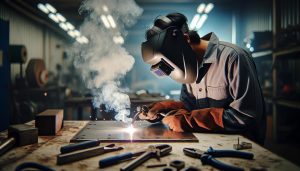
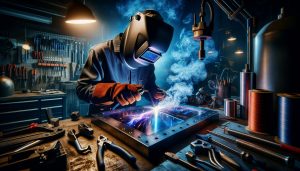
When it comes to welding and metal fabrication, understanding the capabilities of your tools is essential. Plasma cutters are renowned for their ability to slice through metal with precision, but how hot does a plasma cutter really burn? This crucial knowledge not only ensures effective cuts but also emphasizes safety measures you need to consider. With cutting temperatures reaching up to 30,000°F, the intensity varies based on the material and equipment used. For professionals and hobbyists alike, knowing these details helps you choose the right settings and maintain optimal safety standards in your workspace. As we break down the temperature ranges and their implications, you’ll gain insights that enhance both your skill and confidence in using this powerful tool.
How Plasma Cutters Work: A Brief Overview
Plasma cutters represent one of the most advanced methods for slicing through metal, delivering exceptional precision and speed. At their core, these devices use plasma, which is a state of matter comprising highly excited ionized gas. When air is passed through an electric arc, the gas becomes ionized, allowing it to conduct electricity, and this leads to a remarkable phenomenon: the generation of a concentrated, extremely hot jet of plasma. This jet reaches temperatures as high as 25,000°F (approximately 13,800°C), making it capable of cutting through various types of metals with ease.
When utilizing a plasma cutter, understanding how it works is essential for effective operation. The process begins with the creation of an electric arc between the electrode in the torch and the workpiece. Compressed air flows through the system and is ionized by the arc. As the plasma reaches the surface of the material, it melts the metal while simultaneously blowing the molten material away, resulting in a clean and efficient cut. Plasma cutters are versatile tools, suitable for a variety of metals, including aluminum, stainless steel, and mild steel, which can be cut with thicknesses of up to several inches depending on the machine’s capabilities.
In practical applications, a plasma cutter’s performance can be optimized through several means. Adjusting the cutting speed, maintaining the correct arc length, and ensuring a consistent air flow are fundamental factors influencing the quality of the cut. Additionally, materials like stainless steel may require a higher amperage setting to achieve clean results, particularly if they are thicker. Thus, familiarity with the specific materials and their properties can greatly enhance cutting performance and accuracy.
Understanding Plasma Cutter Temperature Ranges
The temperature generated by a plasma cutter is one of its most critical aspects, influencing not only the quality of the cut but also the types of materials that can be effectively processed. Plasma cutters can reach astonishing temperatures, often exceeding 25,000°F (approximately 13,800°C), making them exceptionally capable of slicing through a variety of metals, including mild steel, aluminum, and stainless steel. Understanding the temperature ranges involved can greatly enhance a welder’s ability to achieve precise and clean cuts.
Within the plasma cutting process, temperature varies based on several key factors, such as the amperage settings, the type of gas being used, and the thickness of the material being cut. For example, thicker materials generally require higher temperatures and amperage to ensure the plasma jet can penetrate effectively. Different gases, like nitrogen or oxygen, can also alter the temperature of the plasma arc and the characteristics of the cut. When using air as the ionizing gas, the temperature may drop significantly compared to using pure oxygen, which helps achieve a hotter plasma for thicker cuts.
Another important consideration is the duration of exposure to the plasma arc. Continuous cutting at high temperatures can lead to warping or excessive oxidation of the material’s edges if not managed properly. Thus, understanding how temperatures impact cutting performance and material integrity is crucial for achieving optimal results. For instance, preliminary tests on scrap pieces of the same material can help gauge the ideal settings without compromising the quality or structural integrity of the final product.
Maintaining the right temperature is equally vital for ensuring safety during operation. Overheating can damage the equipment and pose significant risks to the operator. A welder’s knowledge of various materials and their respective temperature tolerance levels will aid in making informed adjustments to the plasma cutter, enhancing both safety and effectiveness in cutting tasks. By mastering the intricacies of temperature control within plasma cutting, both novice and experienced welders can achieve superior results while minimizing potential hazards.
Factors Influencing Plasma Cutter Temperature
The efficiency and effectiveness of a plasma cutter depend heavily on several critical factors that influence the temperature of the plasma arc. Understanding these factors can empower welders to make informed decisions, enhancing both their welding quality and safety.
Amperage settings are pivotal in determining the heat produced by the plasma cutter. A higher amperage translates to a hotter plasma arc, which is essential for cutting through thicker materials. On the flip side, lower amperage settings are more suitable for thinner sheets, preventing damage or excessive warping. This relationship emphasizes the need for careful adjustment of settings based on project requirements.
The type of gas used in the cutting process is another significant influencer. Different gases introduce varying molecular properties that impact the plasma arc’s temperature. For instance, using pure oxygen can yield a hotter flame than compressed air, while nitrogen can provide a cooler and slower cut suitable for specific applications. The choice of gas not only affects cut quality but also the overall efficiency of the plasma cutting operation.
Material thickness and composition are also crucial considerations. Thicker materials demand a greater amount of heat for effective penetration, while certain metals, like aluminum, may require specific adjustments to settings to achieve optimal results. Conductivity variations in different metals can also alter how easily the plasma penetrates, affecting temperature control.
Finally, the duration of exposure to the plasma arc plays a critical role. Prolonged cutting times at high temperatures can lead to issues such as excessive oxidation and warping, particularly in high-carbon steels. Thus, controlling the cutting speed and rhythm is essential for maintaining material integrity and achieving high-quality finishes.
By understanding these factors and their interplay, welders can achieve superior performance from their plasma cutters, ensuring both safety and precision in their work.
Comparing Plasma Cutter Temperatures to Other Cutting Tools
The performance of a plasma cutter, characterized by its ability to generate intense heat through an electrically conductive plasma arc, can often be put into perspective when compared to other cutting methodologies. For instance, traditional oxy-fuel torches burn at temperatures around 3,200°C (5,792°F) which makes them extraordinarily efficient for cutting thick steel and delivers excellent results. However, plasma cutters can reach much higher temperatures, exceeding 20,000°C (36,032°F) at the arc. This key difference allows plasma cutters to slice through metal with precision and speed, particularly in applications involving thinner materials that might warp or burn under the sustained heat of an oxy-fuel torch.
When juxtaposed with other electric cutting methods, such as MIG and TIG welding, plasma arc temperatures showcase distinct operational advantages. MIG welders operate at lower arc temperatures, typically around 1,400°C to 3,000°C (2,552°F to 5,432°F). While suitable for welding, these lower temperatures may not facilitate cutting operations as efficiently as a plasma cutter would. TIG welding, often known for its controlled heat input, operates at similar temperatures to MIG but is primarily aimed at creating strong welds rather than cutting materials.
In summary, the high operational temperatures of a plasma cutter not only enhance its cutting ability, especially in metals such as aluminum which can be challenging due to their thermal conductivity, but also position it favorably against other cutting tools. As such, understanding these temperature dynamics is crucial for welders aiming to select the most appropriate tool for their projects, ensuring optimal performance and material integrity.
Key Temperature Comparisons
| Cutting Method | Typical Temperature Range | Material Suitability |
|---|---|---|
| Plasma Cutter | Up to 20,000°C (36,032°F) | Thin metals, aluminum, stainless steel |
| Oxy-Fuel Torch | Approx. 3,200°C (5,792°F) | Thick steel, metals that can withstand high heat |
| MIG Welder | 1,400°C to 3,000°C (2,552°F to 5,432°F) | Welding thin to medium materials |
| TIG Welder | Similar to MIG | Precise welding and metal fusion |
By comparing the burning temperatures, it becomes apparent that plasma cutters excel in scenarios requiring high precision and speed, particularly when cutting through various metal types with minimal deformation. Understanding these nuances helps welders in selecting the best cutting tool tailored to specific needs, ensuring effective performance while maintaining safety standards.
The Importance of Temperature in Material Cutting
When working with metal, the temperature at which a material is cut can greatly influence the quality of the finish and the overall success of the project. Plasma cutting stands out as a method that produces exceptionally high temperatures, often exceeding 20,000°C (36,032°F). This extreme heat is pivotal for several reasons. Firstly, it allows for the swift and efficient slicing of a variety of metals, including those that may be structurally weak or difficult to cut using traditional methods. The high temperature minimizes the chance of warping and burns, which can often be a challenge when dealing with more conductive materials like aluminum.
In addition to the speed and precision offered by high temperatures, the ability to control the temperature allows operators to manage heat-affected zones (HAZ) effectively. A broader understanding of how temperature impacts cutting operations is essential. By maintaining the ideal temperature during operation, welders can ensure clean cuts with minimal post-processing necessary. If the cutting temperature is too low, the cutter may struggle to penetrate the material, potentially leading to jagged edges and compromised structural integrity. Conversely, excessive heat can introduce significant deformation, cause excessive cleanup, or even damage the material being cut.
Key Factors Influencing Cutting Quality:
- Material Thickness: Thicker materials typically require higher and more sustained heat to achieve clean cuts.
- Conductivity: Materials with high thermal conductivity, such as aluminum, may need careful temperature management to prevent overheating.
- Cutting Speed: Faster cuts may necessitate higher temperatures, while slower speeds allow for more controlled thermal management.
For effective plasma cutting, understanding the dynamics of temperature not only enhances the cutting process but also reduces the risk of common issues like dross formation-where molten material adheres to the cut edges, requiring additional waste material removal. Additionally, maintaining appropriate temperatures can minimize the wear and tear on cutting equipment, leading to longer service life and lower operational costs. By embracing , welders can consistently produce high-quality results while maintaining safety and efficiency on the job.
Tips for Optimizing Plasma Cutter Performance
To achieve optimal performance with a plasma cutter, understanding the interplay between temperature, material, and technique is essential. Here are several practical strategies to enhance cutting efficiency and ensure high-quality results:
Maintaining an appropriate cutting speed is crucial for a clean cut. If the cutting speed is too slow, excessive heat may build up, leading to warped edges and potential material damage. Conversely, cutting too quickly can result in insufficient penetration, causing rough cuts or even failure to cut through the material entirely. Ultimately, finding the right balance often requires some trial and error, particularly when working with different materials and thicknesses.
Adjusting the amperage setting is another important factor in optimizing performance. Increasing the amperage allows for deeper cuts on thicker materials and can help achieve the desired temperature during operation. However, be cautious: excess amperage can lead to too much heat, causing harmful warping or dross formation on the edges. Always refer to the cutter’s specifications and adjust settings according to the material type and thickness to get the best results.
Additionally, ensure that the consumables, such as nozzles and electrodes, are in good condition. Worn out or damaged components can lead to inconsistent cutting quality and adherence to temperatures, resulting in increased operational costs and poor results. Regular inspection and replacement of consumables as needed will contribute significantly to maintaining cutting precision and efficiency.
Utilizing the correct gas mixture is also a notable aspect of optimizing plasma cutter performance. For instance, using an air plasma torch with a suitable gas flow maintains the necessary pressure and protects against oxidation, ensuring a cleaner cut. Higher-quality gases may also help achieve the desired temperature range more effectively. Always rely on manufacturer recommendations for specific gas mixtures tailored to the materials being cut.
In summary, by fine-tuning factors such as cutting speed, amperage, consumable condition, and gas mixture, operators can significantly enhance plasma cutter performance and extend the lifespan of their equipment while producing clean and accurate cuts. Proper attention to these details not only improves cutting outcomes but also contributes to overall operational efficiency and safety.
Safety Considerations When Using Plasma Cutters
Using plasma cutters presents unique safety challenges due to the extreme temperatures they generate, which can reach over 20,000 degrees Fahrenheit at the arc. The risk of serious injuries, including burns, exposure to harmful fumes, and eye damage from the intense brightness of the plasma arc, underscores the need for stringent safety protocols. As with any metalworking tool, informed precautions are essential to ensure a safe working environment.
To start, wearing appropriate personal protective equipment (PPE) is crucial. Essential items include flame-resistant clothing, heavy-duty gloves, and safety goggles with the proper shade to protect against harmful ultraviolet and infrared radiation. Additionally, consider using a welding helmet equipped with an auto-darkening filter that responds to the brightness of the arc, providing hands-free protection and comfort without constant manual adjustments.
Another significant concern when using plasma cutters is the generation of hazardous fumes. Materials like metals coated with paint, zinc, or lead can produce toxic gasses when cut. To mitigate this risk, always operate in a well-ventilated area or use local exhaust ventilation systems to remove harmful vapors effectively. Additionally, ensure that you are aware of the material composition being cut beforehand, as it can impact your safety procedures significantly.
Finally, understanding the operational environment further enhances safety. Keep flammable materials away from the cutting area to prevent fire hazards. Establish a safe distance from bystanders and ensure all personnel are trained in emergency procedures for dealing with burns or accidents. By adhering to these safety considerations and maintaining vigilance, users can harness the plasma cutter’s power effectively while safeguarding against its inherent dangers.
Common Mistakes That Affect Cutting Temperature
Using a plasma cutter effectively requires a thorough understanding of how temperature can influence the quality of your cuts. The precision of your work is significantly impacted by common mistakes that can lead to inadequate heat application or excessive temperatures, both of which can compromise your results and increase the risk of material damage. Recognizing these pitfalls is essential for optimizing performance and achieving clean cuts.
One of the most frequent errors is incorrect amperage settings for the material thickness being cut. Plasma cutters rely on a specific current to produce the necessary arc temperature. If the amperage is too low, the arc may not generate sufficient heat to penetrate the material adequately, leading to poor cuts. Conversely, setting the amperage too high can result in excessive heat, causing warping or burning through the material. It’s crucial to consult the manufacturer’s recommendations and adjust settings accordingly for the best results.
Another mistake is improper travel speed during cutting. Moving too slowly may concentrate heat in one area, leading to excessive burning and a rough edge. On the other hand, cutting too quickly can prevent proper material penetration, resulting in incomplete cuts and a jagged finish. A consistent rate aligned with the specific material and thickness is key. Beginners especially benefit from practice runs on scrap material to fine-tune their speed and develop a feel for the cutter.
Lastly, neglecting to maintain the equipment can also lead to temperature issues. Worn or damaged consumables-such as nozzles and electrodes-can alter the arc characteristics, affecting how heat is applied during the cutting process. Regularly inspecting and replacing these parts is vital for ensuring consistent performance. A well-maintained plasma cutter will more effectively produce the high temperatures required for clean, precise cutting, ultimately enhancing both safety and output quality.
By addressing these common mistakes, operators can significantly improve their plasma cutting outcomes and ensure a safer, more efficient working environment.
Future Innovations in Plasma Cutting Technologies
As industries evolve and the demand for more efficient cutting technologies increases, the realm of plasma cutting is on the brink of substantial innovation. Today, advancements in plasma cutter technology are not only enhancing capabilities but also focusing on improving safety and energy efficiency. For instance, manufacturers are integrating advanced digital controls that allow for real-time adjustments to amperage and gas flow, leading to more precise cuts and reduced material waste.
New materials and technologies in electrode and nozzle design are also contributing to higher temperatures and improved cutting speed. Enhanced cooling systems are expected to emerge, which will extend the life of consumables by maintaining optimal operating temperatures during prolonged use. This not only helps reduce downtime for maintenance but also improves overall productivity on the job site. Additionally, the trend towards automation in welding and cutting, including the use of robotics, is positioning plasma cutting as a versatile solution for manufacturing environments where consistency and speed are critical.
Furthermore, environmental considerations are driving innovations in plasma cutting technologies. Companies are exploring eco-friendly gas mixtures that can reduce harmful emissions without compromising cutting performance. This shift not only addresses regulatory concerns but also aligns with the industry’s growing commitment to sustainable practices. The development of hybrid systems, which combine plasma cutting with other cutting technologies, also shows promise for expanding the application of plasma cuttings in different alloys and thicknesses, catering to a broader spectrum of industrial needs.
In conclusion, the future of plasma cutting is geared towards achieving greater efficiency, precision, and environmental responsibility. By embracing these emerging technologies, professionals can enhance their cutting processes and prepare for the evolving challenges of modern fabrication and manufacturing industries.
Best Practices for Maintaining Plasma Cutters
Maintaining plasma cutters is essential not only for ensuring optimal cutting performance but also for extending the lifespan of your equipment. Regular upkeep can prevent costly downtime and repairs while enhancing safety during operation. One effective strategy for maintenance is to establish a routine cleaning schedule. Residue build-up from cutting processes can impair functionality, so regularly cleaning the torch, nozzles, and electrode is vital. Utilize a soft brush or compressed air to remove debris, and consider a more thorough cleaning with appropriate solvents when necessary.
Another critical aspect of maintenance involves monitoring consumable parts. The nozzle and electrode are particularly prone to wear, directly affecting cutting precision and temperature management. It is good practice to replace these parts as recommended by the manufacturer or whenever you notice a decline in cutting performance. Keeping a stock of common replacement parts handy can minimize interruptions and ensure that you are always prepared for quick repairs.
Aside from regular cleaning and replacing consumables, make sure to inspect cooling systems and gas lines. Proper cooling is indispensable for maintaining the appropriate operational temperature and preventing overheating. Check for blockages in the cooling lines and ensure that coolant levels are adequate and in good condition. For gas supply, ensure connections are sealed and that there are no leaks, as this can severely impact cutting efficiency and safety.
Lastly, consider documenting maintenance actions in a logbook. This practice helps track wear rates and performance issues over time, enabling you to anticipate maintenance needs accurately and avoid unexpected failures. By committing to these best practices, users can harness the full potential of their plasma cutting processes while ensuring a safer and more efficient working environment.
Troubleshooting Temperature Issues in Plasma Cutting
Temperature inconsistencies in plasma cutting can dramatically affect the quality and efficiency of your cuts. When the cutting temperature is not optimized, it can lead to various issues like dross formation, inaccurate cuts, or even damage to the materials being worked on. Understanding how to troubleshoot temperature problems is essential for both novice and skilled welders who rely on plasma cutters for precision work.
To identify and resolve temperature issues, start by checking the plasma cutter’s settings. Ensure that the amperage is set appropriately for the thickness and type of material being cut. Too low amperage can result in ineffective cuts, while too high can lead to excessive heat and burn-through. Consult the manufacturer’s guidelines for recommended settings based on the specific materials used.
Another critical aspect to consider is the condition of the consumables-especially the nozzle and electrode. A worn or damaged nozzle can cause erratic cutting temperatures, resulting in poor performance. Regularly inspect these components and replace them as needed. If the cutting arc appears erratic or inconsistent, it may indicate that the nozzle is blocked or has a detrimental build-up affecting airflow.
Operating parameters, such as air pressure and the quality of the gas supplied, should also be monitored. Improper gas flow can diminish cutting effectiveness, while too low air pressure may not create a sufficient plasma arc. Utilize gauges to verify that the gas and air are supplied at the correct levels, and perform routine maintenance on your gas delivery system to prevent leaks or blockages that could interfere with cutting temperature stability.
To enhance the troubleshooting process, consider keeping a detailed log of your plasma cutter’s performance during different jobs. Note settings used, materials cut, and any issues encountered, as well as resolutions found. This documentation can provide valuable insights over time, helping to anticipate problems before they arise and contributing to a more efficient work schedule.
By maintaining a proactive approach to troubleshooting temperature issues, plasma cutter users can not only improve the quality of their work but also extend the lifespan of their equipment and ensure greater safety during operation.
Frequently asked questions
Q: How hot does a plasma cutter burn?
A: A plasma cutter can reach temperatures exceeding 30,000°F (16,649°C) at the arc, making it effective for cutting through various materials. The high heat causes the material to melt away, allowing for precise cuts. For more on temperature ranges, see the section on understanding plasma cutter temperature ranges.
Q: What materials can plasma cutters effectively cut?
A: Plasma cutters can effectively cut metals like steel, stainless steel, aluminum, brass, and copper. Their high temperatures allow for quick and clean cuts across different thicknesses, especially in industrial applications. Refer to the importance of temperature in material cutting for more insights.
Q: What factors affect the temperature of a plasma cutter?
A: Several factors influence plasma cutter temperature, including the amp setting, the type of gas used, and the thickness of the material being cut. Higher amperage generally results in higher temperatures, making it important to adjust settings based on specific cutting needs.
Q: How does a plasma cutter compare to an oxy-fuel cutter?
A: Plasma cutters operate at much higher temperatures than oxy-fuel cutters, allowing for quicker and cleaner cuts. While oxy-fuel systems are best for thicker metals and limited to ferrous materials, plasma cutters provide versatility across various metals and thicknesses due to their heat capabilities.
Q: What safety precautions should be taken when using a plasma cutter?
A: Safety precautions include wearing appropriate protective gear like gloves, goggles, and fire-resistant clothing. Ensure the workspace is well-ventilated and free from flammable materials. Check equipment regularly to avoid overheating issues, as highlighted in safety considerations.
Q: Can plasma cutters be used for precision cutting?
A: Yes, plasma cutters are highly capable of precision cutting due to their ability to create narrow kerfs and maintain a steady arc. Adjusting the torch speed and amperage can enhance accuracy, making them ideal for intricate designs and detailed work.
Q: What maintenance is required for plasma cutters to ensure optimal temperature control?
A: Regular maintenance includes cleaning the nozzle and electrode, checking for gas leaks, and ensuring proper gas flow rates. Following best practices for maintaining plasma cutters will help ensure efficient temperature control and prolong the lifespan of the equipment.
Q: How can I troubleshoot temperature issues with my plasma cutter?
A: To troubleshoot temperature issues, check the gas pressure, ensure clean and sharp consumables, and verify that the correct settings are in use for the material thickness. For more detailed troubleshooting methods, see the section on troubleshooting temperature issues in plasma cutting.
Wrapping Up
Understanding the intense temperatures that plasma cutters can reach is essential for safe and effective use in welding and metalworking. Now that you grasp how hot a plasma cutter can burn, it’s time to dive deeper into techniques that will optimize your projects. Explore our insights on MIG, TIG, and stick welding to expand your skill set.
Don’t forget to check out our equipment reviews to find the best plasma cutter for your needs or our safety protocols to ensure a secure working environment. If you have any questions or insights based on your experiences, we invite you to share them in the comments below.
For even more valuable content, sign up for our newsletter and stay updated on the latest in welding techniques, materials, and innovations. Your journey in mastering welding begins with informed choices-let’s continue this path together!