When it comes to plasma cutting, understanding the extreme temperatures generated by the arc is crucial for both efficiency and safety. Plasma cutter arcs can reach staggering temperatures, often exceeding 20,000 degrees Fahrenheit, creating an intense environment that can easily melt various metals. For professionals and hobbyists alike, grasping these heat measurements not only enhances the effectiveness of their work but also fosters safe practices in handling equipment. As you read further, you’ll discover the specifics of plasma cutter temperatures, how they impact different materials, and tips for optimizing your cutting techniques while prioritizing safety. By knowing exactly how hot the arc gets, you can make informed decisions that elevate your welding skills and help you achieve precise results.
How Plasma Cutters Generate Extreme Heat
Plasma cutters generate extreme heat through a process that transforms gas into plasma, a highly ionized state of matter capable of melting or cutting through various materials with precision. The key to this remarkable heat generation lies in the electrical arc created between an electrode and the workpiece. This arc ionizes the gas that is fed through the cutting torch, heating the gas to temperatures exceeding 20,000 degrees Fahrenheit (approximately 11,000 degrees Celsius) at the tip of the arc. Such temperatures allow plasma to slice through materials like steel and aluminum with ease, producing clean and precise cuts.
The arc temperature is influenced by several factors including the gas type used, cutting amperage, and travel speed. For instance, using a high-flow rate of compressed air instead of inert gases can increase the cutting speed and quality due to better cooling dynamics, while higher amperage can lead to deeper penetration into the material. Additionally, maintaining the correct distance between the torch and the workpiece is crucial; too far can result in insufficient heat, while too close can cause excessive wear on the nozzle and inaccurate cuts.
When comparing the heat generated by plasma cutters to other methods, such as oxy-fuel cutting or laser cutting, plasma cutting stands out due to its versatility and rapid cutting speeds, especially on thicker materials. Oxy-fuel cutting, while effective for thermally reactive metals, operates at lower temperatures and is not viable for all materials. Plasma cutting provides a broader range of applications and a cleaner finish with minimal thermal distortion, making it a preferred choice in many industrial settings.
Overall, understanding how plasma cutters generate and manage extreme heat is essential for maximizing their effectiveness while ensuring safety. The extreme temperatures achieved by plasma cutting not only make it a powerful tool but also necessitate strict adherence to safety protocols to protect the operator and maintain optimal equipment performance.
Understanding the Plasma Cutter Arc Temperature
The temperature generated by a plasma cutter’s arc is nothing short of extraordinary, capable of exceeding 20,000 degrees Fahrenheit (approximately 11,000 degrees Celsius). This level of heat is essential for the efficient cutting of metals, allowing the plasma to melt through materials like steel and aluminum with ease. Unlike traditional cutting methods, which rely on slower chemical reactions, plasma cutting harnesses the power of electricity to ionize gas, transforming it into plasma, a highly energized state that can precisely carve through solid substances.
Numerous factors contribute to the arc temperature of a plasma cutter, including the type of gas used, the amperage setting of the machine, and the speed at which the torch moves across the workpiece. For example, using a gas like compressed air as opposed to inert gases can create a hotter, faster cutting process, as air has better cooling properties that facilitate efficient heat transfer. Furthermore, increasing the amperage not only raises the temperature but also enhances the depth of cut-however, this must be balanced with the travel speed. Too quick of a movement can result in inadequate melting, while excessive amperage without proper control can lead to over-penetration and material distortion.
Understanding the arc temperature also aids in mitigating some common inaccuracies during cutting. For optimal results, maintain a consistent distance between the plasma torch and the metal surface. If the torch is too far, it may not generate enough heat to cut effectively; conversely, if it is too close, it risks damaging the nozzle and creating jagged edges on the cut. For welders looking to maximize efficiency, regular inspections and adjustments based on the intended metal thickness and type play a crucial role in both performance and safety.
With superior heat levels, plasma cutters stand out against other cutting technologies. They achieve cleaner cuts with less thermal distortion compared to oxy-fuel cutting methods. This advantage is particularly beneficial in applications requiring precise dimensions or finishes. As you navigate different cutting scenarios, keep in mind that understanding and managing the arc temperature will directly impact the quality of your work and the longevity of your equipment. Embracing these factors not only boosts cutting efficiency but also enhances overall operator safety-a pivotal concern in any high-heat welding environment.
Factors Affecting Plasma Cutter Arc Heat
The performance of a plasma cutter is profoundly influenced by a variety of factors, each of which plays a critical role in determining the arc’s heat output. The arc temperature, essential for efficient cutting, can fluctuate dramatically based on the operational settings and environmental conditions. Understanding these dynamics is crucial for achieving optimal cutting results and maintaining equipment longevity.
One of the primary determinants of arc heat is the type of gas used. Different gases interact with the electric arc in unique ways, impacting how effectively the heat is applied to the workpiece. For example, using compressed air will generally yield a higher temperature compared to inert gases like argon or nitrogen due to air’s capacity to enhance thermal conductivity. This results in more efficient heat transfer, allowing the plasma cutter to achieve faster and cleaner cuts.
Moreover, the amperage setting on the plasma cutter significantly affects heat production. Increasing the amperage not only raises the overall arc temperature but also allows for deeper cuts. However, it’s imperative to balance this with the speed of the torch movement. Speeding through the cut can prevent adequate heat from melting the material, leading to poor quality cuts and increased wear on the nozzle. Conversely, cutting too slowly at a high amperage can lead to excessive penetration or distortion of the material.
Regularly monitoring and adjusting these parameters is essential for optimizing cutting performance. A consistent distance between the torch and the workpiece also contributes to maintaining proper arc temperature. Being too distant can result in insufficient heat application, while getting too close can damage the torch and result in uneven cuts.
In conclusion, by closely managing the type of gas, amperage, torch speed, and distance from the workpiece, operators can effectively control the arc’s heat output. This not only improves cutting quality but also enhances the overall efficiency and durability of the plasma cutting equipment.
Comparing Plasma Cutter Heat to Other Cutting Methods
The ability to generate extreme heat makes plasma cutters a powerful tool in metalworking, but understanding how this heat compares to other cutting methods is crucial for selecting the right technique for specific applications. Plasma cutters can reach temperatures of approximately 20,000 degrees Fahrenheit (11,000 degrees Celsius), allowing them to melt through metal with remarkable efficiency. This intense heat, coupled with a high-speed jet of ionized gas, results in a clean cut with minimal thermal distortion, making plasma cutting particularly effective for thicker materials.
In contrast, traditional methods such as oxy-fuel cutting operate at significantly lower temperatures, typically around 3,500 degrees Fahrenheit (1,926 degrees Celsius). While oxy-fuel processes can effectively cut steel and other ferrous materials, they require preheating and often lead to more heat-affected zones, which can compromise the integrity of the material. The slower cutting speed associated with oxy-fuel cutting can also lead to more significant distortion and warping, especially in thinner materials.
The choice between plasma cutting and other methods like MIG or TIG welding also exemplifies the differences in heat application. MIG welding uses a continuous wire feed and an electrical arc to join metals, generating enough heat to fuse materials at temperatures ranging from 700 to 1,400 degrees Fahrenheit (371 to 760 degrees Celsius). Although effective for welding, MIG lacks the focused, intense heat that plasma cutters offer for cutting applications. TIG welding, on the other hand, provides precision for thin materials but may not achieve the same level of efficiency as plasma cutting when dealing with thicker steel or aluminum sections.
When deciding on a cutting technique, consider factors such as the material type, thickness, and desired finish. For instance, when cutting stainless steel, plasma cutting may yield smoother edges and reduced slag compared to oxy-fuel cutting methods. However, for thinner materials or delicate applications, a precision method like TIG welding can provide better control without excess heat. Overall, understanding the comparative heat levels of different cutting techniques enables welders and metalworkers to make informed decisions that enhance their workflow and outcomes.
| Cutting Method | Max Temperature | Material Thickness Range | Speed | Heat-Affected Zone |
|---|---|---|---|---|
| Plasma Cutting | ~ 20,000°F (11,000°C) | Thin to thick metals | Fast | Minimal |
| Oxy-Fuel Cutting | ~ 3,500°F (1,926°C) | Thin to thick metals | Moderate | Large |
| MIG Welding | 700°F – 1,400°F (371°C – 760°C) | Thin to moderate metals | Fast | Variable |
| TIG Welding | ~ 6,000°F (3,316°C) | Thin metals | Slow | Minimal |
Safety Precautions When Using Plasma Cutters
The extreme temperatures generated by plasma cutters can pose significant risks if proper safety precautions are not observed during their use. With the ability to reach around 20,000 degrees Fahrenheit (11,000 degrees Celsius), the potential for serious burns is high, making it essential for users to arm themselves with knowledge and the right protective gear. Understanding and implementing effective safety measures can significantly reduce the risk of accidents while maximizing the efficiency and effectiveness of the cutting process.
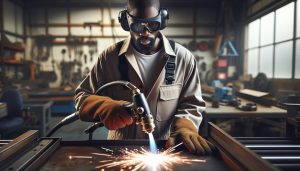
First and foremost, personal protective equipment (PPE) is non-negotiable when operating a plasma cutter. Always wear a suitable welding helmet with a proper lens shade to protect your eyes from harmful UV radiation and intense light emissions. Additionally, flame-resistant clothing, gloves, and safety boots are crucial to shield against flying sparks and molten metal. It’s advisable to avoid wearing loose clothing that could catch fire or get caught in the equipment.
Work Area Safety
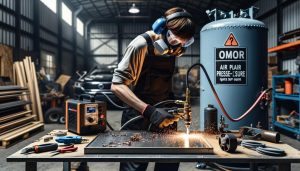
Maintaining a clean and well-organized work area also plays a vital role in ensuring safety. Combustible materials should be kept at a safe distance, and the workspace should be free of clutter that might obstruct movement or cause tripping hazards. Good ventilation is essential during plasma cutting to disperse hazardous fumes and gases produced by the cutting process. If working indoors, ensure the area is well-ventilated or utilize exhaust systems to minimize risks of inhalation.
Furthermore, understanding the equipment is essential for safe operation. Regular inspection and maintenance of plasma cutting equipment, including cables, hoses, and connections, help prevent mishaps. Familiarize yourself with the specific functions and settings of your plasma cutter, and always follow the manufacturer’s guidelines for operation. Training is equally important; whether through formal education or hands-on experience, knowing the correct techniques for operating a plasma cutter safely will significantly enhance your skill and comfort level.
In summary, prioritizing safety while using plasma cutters involves appropriate personal protective equipment, maintaining a clean work environment, thorough equipment knowledge, and ongoing training. By adhering to these safety protocols, operators can mitigate risks associated with extreme heat and ensure a safer cutting process that promotes productivity and quality craftsmanship.
Applications of Plasma Cutters in Industry
The versatility of plasma cutters makes them indispensable in various industries, showcasing their ability to efficiently slice through metals with extreme precision. From automotive manufacturing to metal fabrication and beyond, the applications are broad and essential. The intense heat generated by the plasma arc, reaching temperatures of around 20,000 degrees Fahrenheit, allows for clean cuts that are often superior in quality compared to traditional cutting methods.
In manufacturing sectors, plasma cutters are widely used for tasks ranging from cutting intricate shapes in sheet metal to severing large structural components. For instance, in the automotive industry, the precision of plasma cutting enables manufacturers to produce components that require tight tolerances. This efficiency results in faster production cycles and reduced waste, translating to cost savings and shorter lead times. Additionally, the capability to cut through various metals-including aluminum, stainless steel, and mild steel-adds to the tool’s popularity across different applications.
Common Industrial Applications
Several key industries benefit from the use of plasma cutting. Here are some prominent examples:
- Manufacturing: Plasma cutters are crucial for fabricating metal parts in machinery, automotive, and aerospace applications.
- Construction: Used to cut structural steel, plasma cutting is essential for constructing buildings and bridges, allowing for quick adjustments on-site.
- Art and Sculpture: Artists and metalworkers utilize plasma cutting for creating intricate designs and sculptures, utilizing the precision and speed offered by the technology.
- Shipbuilding: With extensive metalwork, plasma cutting aids in assembling large components and repairing ships efficiently.
- HVAC Industry: Plasma cutters streamline the process of creating ductwork and other components essential for heating, ventilation, and air conditioning systems.
Understanding the diverse applications of plasma cutters highlights their significance in today’s industrial landscape. As technology advances, plasma cutting methods continue to evolve, enabling even greater efficiency and versatility, appealing to both seasoned professionals and new entrants in the field.
Common Misconceptions About Plasma Cutter Temperature
Misconceptions about the heat generated by plasma cutters can lead to confusion and even safety risks for professionals and hobbyists alike. One of the most common myths is that all plasma cutter arcs operate at the same temperature. In reality, while the arc can reach extreme temperatures upwards of 20,000 degrees Fahrenheit, various factors such as the type of gas used, the amperage setting, and the material being cut can significantly influence the actual heat produced during operation. Understanding these distinctions is critical for optimizing cutting performance and ensuring safety.
Another prevalent misconception is that the heat produced by plasma cutting will invariably warp or damage thin materials. While it’s true that excessive heat can affect delicate metals, skilled operators can mitigate this risk through careful adjustment of the cutting speed and the settings on the plasma cutter. Using techniques like controlling the distance from the nozzle to the workpiece and selecting appropriate torch speeds can help maintain the integrity of the material being cut.
Additionally, some operators believe that higher temperatures correlate directly to better cutting quality. However, this is not always the case. Optimal cutting requires a balance of heat, speed, and pressure to produce clean edges without excessive dross. In fact, using too much heat can lead to increased slag formation and a less precise cut. Therefore, understanding and debunking these misconceptions allows users to operate plasma cutters more effectively, enhancing both safety and productivity in their projects.
Finally, another common myth is the belief that plasma cutters cannot be used on thicker materials. While thinner materials do allow for quicker cutting speeds, modern plasma technology, particularly with high-definition systems, provides excellent performance across a broader range of thicknesses. Users must recognize that the cutting process may need adjustments based on material thickness but can achieve consistent results with high-quality equipment and the right settings. Addressing these misconceptions allows for a more informed use of plasma cutting tools, empowering operators to exploit their full potential.
Measuring the Heat of a Plasma Cutter Arc
Measuring the temperature of a plasma cutter arc is crucial for optimizing performance and ensuring safety during operation. The extreme heat generated by a plasma arc can reach upwards of 20,000 degrees Fahrenheit, allowing the cutter to effectively sever various materials. However, understanding the intricacies of this heat measurement helps operators make informed adjustments to their techniques, ultimately achieving better results and minimizing risks.
Accurate temperature measurement in plasma cutting is often achieved through infrared thermometers or thermal cameras, which can detect the heat emitted from the arc without physical contact. These devices allow for real-time monitoring, enabling operators to adjust parameters such as travel speed and amperage on the fly to maintain optimal cutting conditions. Monitoring the arc’s temperature can prevent overheating, which could otherwise lead to excessive dross formation and compromised cut quality.
Additionally, it is essential to recognize that the perceived temperature of a plasma cutter arc can be affected by various factors. These include the type of gas being used, the distance between the torch and the workpiece, and the arc length. For instance, using a narrower arc will generally lead to higher localized temperatures, which can be beneficial for cutting thicker materials. Conversely, a wider arc may reduce the heat concentration, making it suitable for thinner sheets to prevent warping.
Effective operators often keep a record of temperature settings alongside their cutting speed and material thickness. By analyzing these data points, one can develop a comprehensive understanding of how different parameters interact, leading to consistently successful outcomes. Ensuring that plasma cutting is both efficient and safe hinges not only on understanding these measurements but also on utilizing the right tools and techniques to manage the intense heat produced.
Tips for Optimizing Cutting Conditions
To achieve optimal cutting conditions when utilizing a plasma cutter, it is essential to recognize how various factors contribute to performance. One crucial aspect is the torch positioning relative to the workpiece. Maintaining the proper distance-typically 1/16 to 1/8 inch from the surface-can enhance the arc stability and cutting quality. Too far can lead to an unstable arc and excessive heat loss, while too close can cause increased wear on the consumables and interfere with cut precision.
Additionally, understanding the type of gas used in the plasma cutting process is vital. Different gases produce varying arc temperatures and plasma characteristics. For instance, using nitrogen instead of compressed air can substantially increase the temperature of the plasma arc, making it more suitable for cutting thicker metals but also requiring adjustments in cutting speed to prevent warping or excessive slag build-up. Operators should experiment with different gas mixtures according to the material and thickness being cut to achieve the ideal results.
Maintaining a consistent feed rate and amperage also contributes significantly to the cutting process. Operators should adjust these parameters based on the specific material and thickness. For thicker metals, a slower travel speed combined with higher amperage results in a smoother cut and reduces the likelihood of dross formation. Conversely, cutting thinner materials with too high an amperage can lead to burn-through and warping. Keeping detailed records of these settings can greatly aid in refining processes for future projects.
Furthermore, regularly maintaining equipment and keeping consumables, such as electrodes and nozzles, in optimal condition is key to successful plasma cutting. Worn or damaged tips can detract from the efficiency and quality of the cut by altering the arc characteristics. Scheduled checks and timely replacements of these components not only prolong the lifespan of the tool but also ensure that the plasma arc operates at its utmost potential, maximizing performance and accuracy across varied applications.
Troubleshooting Temperature-Related Issues in Plasma Cutting
An unexpected spike in the temperature of your plasma cutter arc can lead to significant challenges, including poor cutting performance and equipment damage. Understanding the root causes of these temperature-related issues is essential for maintaining efficiency and ensuring precise results in plasma cutting applications. Common problems can arise from incorrect settings, operator techniques, and environmental factors, all of which can contribute to excessive heat generation.
One of the primary factors influencing arc temperature is the amperage setting on the plasma cutter. When operating at too high of an amperage for the material thickness, heat accumulation can cause burn-through, resulting in an uneven cut and potential warping of the substrate. To address this, regularly assess the material specifications and adjust the amperage to suit the thickness. A good practice is to consult the manufacturer’s guidelines for amperage settings based on material type and thickness, which can help prevent excessive heat generation.
Another critical aspect is the speed of the cutting process. Moving too slowly while cutting can increase the arc’s dwell time on a single point, causing a buildup of heat. Conversely, cutting too quickly may not allow enough time for the arc to penetrate the material adequately. Striking a balance between cutting speed and amperage is key for optimal results. If you notice signs of excessive heat, such as melting or excessive slag build-up, consider incrementally increasing your travel speed to achieve a smoother cut with reduced heat concentration.
Additionally, examining the quality and condition of consumables, such as electrodes and nozzles, is vital. Worn or malfunctioning components can distort the arc’s characteristics, causing it to behave unpredictably, leading to increased heat output. Regularly check these parts for signs of wear and replace them as needed. Maintaining a clean cutting area also helps minimize overheating issues; debris or contaminants can alter the plasma arc’s path, exacerbating heat retention in localized areas.
Finally, it’s crucial to consider the ambient conditions under which the plasma cutting is performed. High ambient temperatures can exacerbate overheating issues, as the cooling capabilities of the plasma cutter may be compromised. In warmer environments, ensure you have adequate ventilation or cooling systems in place, and monitor the equipment regularly to prevent it from overheating. Taking proactive steps to troubleshoot and understand the parameters affecting plasma cutter temperature will lead to better performance and longer equipment life.
The Future of Plasma Cutting Technology
As technology progresses, the evolution of plasma cutting remains at the forefront of advancements in manufacturing and metalworking industries. New developments are poised to transform how plasma cutters operate, pushing the boundaries on speed, efficiency, and precision. One of the most promising innovations involves the integration of advanced control systems and artificial intelligence that optimize the cutting parameters in real time. This leads to enhanced cutting quality while dramatically reducing heat generation, which is crucial in reducing material warping and increasing the lifespan of consumables.
Moreover, the introduction of high-definition (HD) plasma cutting technology has revolutionized the industry. HD plasma systems utilize a constricted arc that allows for cleaner cuts with minimal dross and a higher level of detail. As a result, industries requiring intricate designs or tight tolerance cuts will benefit significantly from these advancements, using less energy and generating less heat compared to traditional cutting methods. The focus on developing plasma cutting equipment that operates at lower power levels while maintaining or increasing output is also a critical trend that many manufacturers are prioritizing.
Furthermore, the materials used in plasma cutting technology are evolving. Developments in nozzle and electrode designs are enhancing thermal efficiency, leading to reduced wear and tear on the machines and, consequently, less heat-related stress during operation. Manufacturers are investing heavily in research and development to produce materials that can withstand higher temperatures without impacting performance, thereby offering more reliability and safety for users.
Looking forward, the convergence of plasma cutting technology with other methodologies, such as laser cutting and water jet cutting, will likely become more prevalent. This hybrid approach can harness the benefits of each cutting technique, tailoring operations to specific material types and thicknesses while minimizing heat impact. not only promises efficiency and effectiveness but also ensures a safer working environment for operators, as the incorporation of smart technologies will actively monitor and adjust cutting parameters to prevent overheating scenarios.
These advancements, backed by rigorous testing and field applications, will redefine industry standards, making plasma cutting a more versatile and powerful tool for fabricators across diverse sectors. As the challenges of heat management are addressed through innovation, the potential for plasma cutting to meet the complex demands of modern manufacturing will become increasingly feasible.
Expert Insights on Plasma Cutter Performance
The performance of plasma cutters is intricately linked to the extreme temperatures generated during operation, which can reach up to 30,000 degrees Fahrenheit (16,600 degrees Celsius) at the arc’s center. Understanding how plasma cutting technology translates these high temperatures into effective cutting capability is crucial for both efficiency and safety. Expert insights reveal that the arc is not merely a source of heat; it serves as the primary tool for cutting through metals. The ionized gas stream created during the process not only melts the material but also ejects it, leaving a clean cut.
Achieving consistent performance in plasma cutting revolves around several key factors. These include the type of gas used, the flow rate, and the operational speed. For example, using compressed air as a plasma gas might be economical, but it often leads to poorer quality cuts and increased heat input compared to inert gases like nitrogen or argon. Experienced operators know that optimizing these variables can prevent heat-related issues, such as warping of the workpiece and excessive consumption of cutting consumables. Regularly checking the nozzle and electrode wear is also critical; as these components degrade, they can intensify heat generation and reduce cutting precision.
When discussing performance, it’s essential to differentiate between the power settings and the resulting arc characteristics. Lower power settings can yield less heat, making them suitable for thinner materials, while higher settings can cause overheating in more delicate operations. Moreover, the cutting technique can also influence performance-adopting a steady hand and maintaining the correct cutting angle can enhance heat dispersion, leading to a smoother finish and prolongation of equipment life. Operators often emphasize the importance of practice and adjustment to find the ideal settings tailored to specific materials and thicknesses.
Ultimately, the insights from seasoned professionals highlight the synergy between heat management, operational technique, and equipment maintenance. In an industry where precision and safety are paramount, understanding how to harness and control the extreme heat of a plasma arc can dramatically affect the quality of the work produced, the longevity of the tools used, and the safety of the operator.
FAQ
Q: What is the maximum temperature of a plasma cutter arc?
A: The maximum temperature of a plasma cutter arc can reach between 20,000 to 30,000 degrees Fahrenheit (11,000 to 16,600 degrees Celsius). This extreme heat allows plasma cutters to efficiently melt and cut through various metals, making them invaluable in industrial applications.
Q: How does a plasma cutter arc generate such high temperatures?
A: A plasma cutter arc generates high temperatures by ionizing the gas, which creates a highly conductive plasma. The electric arc passes through this ionized gas, rapidly heating it and creating a focused stream of high-temperature plasma that can cut through metals effectively.
Q: What materials can a plasma cutter arc cut through easily?
A: A plasma cutter arc can cut through various materials, including steel, aluminum, brass, and copper. Its ability to generate extreme heat means it is particularly effective on thicker metals and conductive materials, making it versatile for different projects.
Q: How does the thickness of metal affect plasma cutter arc temperature?
A: The thickness of the metal directly influences the plasma cutter arc temperature needed for effective cutting. Thicker metals require higher temperatures and often a longer cutting time to ensure a clean cut, whereas thinner materials may be cut at lower temperatures.
Q: Are there any safety risks associated with the high temperatures of plasma cutting?
A: Yes, the high temperatures generated by plasma cutting pose several safety risks, including burns, fire hazards, and damage to nearby equipment. Proper safety precautions, such as wearing protective gear and maintaining a safe working environment, are essential when using plasma cutters.
Q: Why is it important to control plasma cutter arc heat?
A: Controlling plasma cutter arc heat is crucial to prevent warping or melting the material being cut. Optimizing the heat ensures cleaner cuts, reduces the amount of rework required, and prolongs the life of consumables used in the plasma cutter.
Q: Can plasma cutter arc heat be measured accurately?
A: Yes, plasma cutter arc heat can be accurately measured using thermocouples or infrared thermometers. This measurement helps operators understand the cutting conditions and adjust settings for optimal performance.
Q: What are common misconceptions about plasma cutter temperatures?
A: A common misconception is that all plasma cutters generate the same temperature. In reality, various factors including gas type, nozzle size, and electrical current significantly influence the actual arc temperature produced, affecting cutting efficiency and quality.
Key Takeaways
Understanding the extreme heat generated by a plasma cutter arc is crucial for both safety and efficiency in your welding projects. Whether you’re a seasoned professional or just starting out, knowing how to handle this intense heat can significantly enhance your techniques, ensuring better results with materials like aluminum and steel. Don’t forget, the right safety protocols are essential-be sure to check our detailed guides on welding safety tips and equipment reviews for invaluable insights that can protect you while you work.
If this exploration of plasma cutter temperatures sparked your interest, dive deeper into related topics such as MIG vs. TIG welding or essential welding tools for beginners. We encourage you to share your thoughts in the comments below-your experiences and questions not only enhance our community but also provide opportunities for future articles. Remember, success in welding comes from continuous learning, so consider subscribing to our newsletter for the latest expert advice and updates. Stay ahead of the curve and optimize your welding skills today!