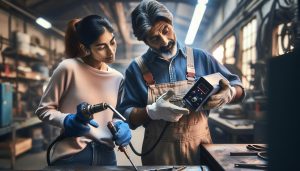
Understanding the temperature of a plasma cutter is crucial for both safety and effectiveness in metalworking. These tools can reach temperatures exceeding 30,000 degrees Fahrenheit, enabling them to slice through materials with precision. However, many welders, from novices to seasoned professionals, often overlook how this intense heat can impact their projects and safety protocols. Knowledge of these temperature ranges can help you make informed decisions on material selection and cutting techniques, ensuring optimal results while minimizing risks. As you delve deeper into this topic, you’ll uncover essential insights that will enhance your welding skills and project outcomes-giving you the confidence to tackle any job with precision.
How Plasma Cutters Work: The Science Behind the Heat
Plasma cutting technology harnesses high temperatures to achieve precise cuts in conductive materials. The heart of the process lies in ionizing a gas (often air, nitrogen, or argon) to create plasma, a state of matter similar to gas but with a significant amount of energy. When an electrical arc is established between the cutter’s electrode and the workpiece, the gas flows through a narrow nozzle, where it becomes superheated and converts into plasma. This plasma reaches astonishing temperatures, typically between 20,000°F and 30,000°F (about 11,100°C to 16,600°C), enabling it to melt and expel material from the workpiece, producing clean cuts with minimal splash.
The effectiveness of a plasma cutter, however, is influenced by several factors, including the thickness and type of metal being cut, the amperage settings of the machine, and the flow rate of the gas. For instance, thicker materials require higher amperage to maintain the necessary heat levels for a clean cut. Additionally, the type of gas used can significantly affect cutting efficiency. For example, using nitrogen may achieve cleaner cuts on stainless steel compared to when using air due to differences in heat transfer and oxidation rates.
When utilizing plasma cutters, the thermal requirements can vary based on the intended application-whether it’s cutting mild steel, stainless steel, or aluminum. Understanding these variables is crucial for selecting the right equipment and settings to achieve optimal cutting performance. Moreover, operators must always prioritize safety, as the high temperatures generated can pose risks, including potential burns or ignition of flammable materials nearby. Proper protective gear and workspace organization are essential in mitigating these hazards.
Understanding Plasma Temperature Ranges in Fahrenheit

The extreme temperatures generated by plasma cutters are a testament to their efficiency in cutting through metal. When discussing plasma temperature ranges, it’s essential to note that these devices can reach astonishing heights, often registered between 20,000°F and 30,000°F (approximately 11,100°C to 16,600°C). This remarkable range is made possible by the ionization process, which transforms regular gas into a high-energy plasma state, capable of melting most conductive materials in an instant.
Temperature is a critical determinant of cutting quality. At the lower end of this spectrum, around 20,000°F, plasma can effectively slice through thinner sheets of mild or stainless steel. However, to achieve optimal performance, particularly when tackling thicker metals, adjustments in amperage and gas flow are often required. For instance, if you’re manipulating a metal that is 1 inch thick, you may need to increase the amperage, which directly correlates to the higher temperature needed to ensure a clean and precise cut.
Different gases can also influence the effective temperature during the cutting process. For example, when cutting stainless steel with nitrogen, the resultant heat transfer can yield superior quality cuts compared to using air. This is due to nitrogen’s lower oxidation potential, which helps maintain the integrity of the cut edges and reduces post-processing work. Understanding these variations in temperature not only leads to better results but also enhances safety by ensuring operators are prepared for the high thermal energy output associated with different metals and settings.
Ultimately, knowing the plasma temperature ranges empowers welders and fabricators to choose the right equipment and parameters for their projects, optimizing both efficiency and safety in their operations. Whether you are new to plasma cutting or a seasoned expert, grasping the interplay between thermal ranges, material types, and gas choices is vital for achieving high-quality cuts and maintaining an effective working environment.
Factors Affecting Plasma Cutter Heat Levels

The heat generated by plasma cutters is influenced by a multitude of factors, each playing a crucial role in the overall cutting efficiency and quality. One of the primary determinants is the amperage setting. By adjusting the amperage, users can increase the energy output, subsequently elevating the plasma arc temperature. Higher amperage settings allow for cutting through thicker materials, as greater energy corresponds to increased thermal capacity, reaching temperatures that can exceed 30,000°F. However, care must be taken, as excessive amperage can lead to burn-through or poor cut quality.
The type of gas used is another significant factor affecting heat levels. For example, using argon or nitrogen can enhance the cutting process’s thermal efficiency. Nitrogen, in particular, is favored for stainless steel cutting due to its higher performance in maintaining cut edge integrity with less oxidation. Conversely, using compressed air can cause variations in temperature, potentially leading to inferior cuts. Understanding the properties of each gas and their thermal behavior can lead to better results and minimize post-processing needs.
Another key element is the material thickness and type. Different metals exhibit varying thermal conductivities, which affect heat dissipation during the cutting process. For instance, aluminum, with its high conductivity, may require adjustments to both gas type and amperage to optimize cutting efficiency. Similarly, the condition of the material (cleanliness, oxidation, etc.) can impact how heat is absorbed and utilized during cutting, necessitating pre-cleaning for optimal results.
Finally, torch distance plays a pivotal role. A torch that is positioned too far from the workpiece can cause heat loss, hampering performance, while positioning it too close can result in overheating and damage to both the nozzle and the material. Finding the right distance ensures that the heat is effectively concentrated on the cutting area, leading to cleaner and more precise cuts. Understanding and balancing these factors equips operators with the knowledge needed to optimize their plasma cutting operations.
Comparing Plasma Gas Types and Their Impact on Temperature
When it comes to plasma cutting, the type of gas utilized can significantly impact the temperature and performance of the cutting process. Plasma cutters work by generating an electrical arc that ionizes gas, turning it into plasma. This plasma is then directed through a nozzle, focusing the heat for effective cutting. The choice of gas can influence not just the temperature achieved but also the quality of the cut.
One of the most commonly used gases in plasma cutting is compressed air. While widely available and convenient, air can lead to temperature fluctuations during the cutting process. This is due to the moisture content and varying atmospheric conditions affecting the plasma arc. Typically, cutting with air can reach temperatures around 20,000°F. However, this can vary significantly, especially when cutting different materials or at varying thicknesses.
Using argon or nitrogen can greatly enhance the characteristics of the plasma arc. For instance, nitrogen is particularly effective when cutting stainless steel, as it helps maintain temperature levels and reduces oxidation at the cut edge. This results in cleaner cuts and minimizes the need for post-processing. When using nitrogen, the temperatures can exceed 30,000°F, which is often necessary for more demanding applications or thicker materials.
It’s also essential to consider combinations of gases for specific applications. A mix of argon and hydrogen, for example, can increase the thermal efficiency of the plasma, leading to more precise cuts at higher speeds. When selecting the right gas for your plasma cutting tasks, understanding the thermal properties of each type is crucial for optimizing performance and ensuring high-quality results. This knowledge will equip users-not only to maximize the effectiveness of their plasma cutters-but also to adapt techniques based on the material and desired finish.
Considering the impact of gas types alongside other factors such as amperage and material thickness will enable users to harness the full potential of their plasma cutting systems, ensuring both efficiency and safety in their operations.
Common Uses of Plasma Cutters and Their Thermal Requirements
Plasma cutters are versatile tools widely used in various industries due to their capability to cut through multiple materials with precision and efficiency. They operate at startlingly high temperatures, which can significantly vary based on the gas used and the thickness of the material being cut. For example, cutting steel sheets typically demands temperatures around 20,000°F when using compressed air, while more specialized gases like nitrogen can push temperatures upwards of 30,000°F, making them ideal for cutting tougher materials like stainless steel.
In typical applications, plasma cutters excel in tasks involving metal fabrication, automotive repairs, and construction. They are frequently employed for:
- Metal Fabrication: Plasma cutters are ideal for shaping and slicing metal components for machinery, fixtures, and artistic designs.
- Automotive Repairs: The ability to quickly cut through various metals makes plasma cutting invaluable for auto body repairs and customization.
- Construction: Professionals utilize plasma cutters for cutting rebar, steel girders, and other construction materials efficiently and accurately.
- DIY and Hobbyist Projects: Thanks to their ease of use, plasma cutters have become popular among hobbyists for crafting and fabrication.
Understanding the specific thermal requirements based on material type helps users optimize their cutting quality. For instance, when working on aluminum-a metal that reflects heat differently than steel-maintaining higher temperatures can ensure a clean cut without excess slag. This highlights the importance of tailoring the gas type and cutting speed to accommodate the material. Utilizing nitrogen for aluminum cutting not only enhances the cutting experience but also produces aesthetically pleasing results with less post-processing required.
Adhering to safety protocols when engaging in plasma cutting is paramount, given the extreme temperatures involved in the process. Proper protective gear, including gloves, masks, and appropriate clothing, should always be worn to safeguard against sparks and fumes. Understanding the thermal properties of the materials being cut ensures that users can achieve both efficiency and high-quality results, making plasma cutters an essential tool in any metalworking arsenal.
Safety Considerations When Using High-Temperature Plasma Cutters
When operating plasma cutters that can reach scorching temperatures exceeding 30,000°F, understanding safety protocols is crucial for ensuring both personal safety and optimal cutting performance. Each operation not only poses risks due to high heat but also involves hazards associated with flying sparks, toxic fumes, and potential electrical shock. Proper precautions can significantly reduce these dangers and safeguard the welder and the work environment.
To begin with, personal protective equipment (PPE) is essential. Welders should don flame-resistant clothing, high-quality gloves, and face shields or helmets that can withstand the heat and flying debris. Safety goggles equipped with proper filtration will help protect against the intense light emitted during cutting, which can harm eyesight. Additionally, using respirators can guard against inhaling harmful fumes, especially when working with materials that may release toxic substances when heated.
Moreover, maintaining a clean workspace is vital. All flammable materials should be removed from the immediate area to prevent fires. When cutting metal, it’s beneficial to use fire-resistant barriers or blankets to catch falling sparks and prevent accidental ignitions. Placing fire extinguishers within quick reach further enhances safety and should be a standard practice for any plasma cutting operation.
It’s also crucial to ensure that all equipment is in good working condition. Regularly inspect cables and connectors for wear or damage, and confirm that the grounding is proper to minimize electrical hazards. Understanding the specific thermal properties of the materials being cut is important as well; different materials will react differently under extreme heat. For instance, certain plastics can release harmful gases when melted, leading to both health risks and poor cutting performance. Prior knowledge about the materials being used, along with adherence to safety protocols, is fundamental for successful and safe plasma cutting.
In summary, proactively incorporating comprehensive safety considerations, from the right gear to a clean working environment and proper equipment maintenance, allows welders to harness the powerful capabilities of plasma cutting while minimizing risks associated with high-temperature operations.
Choosing the Right Plasma Cutter: Heat Capacity and Features
When selecting a plasma cutter, heat capacity is a critical factor to consider, as it directly influences cutting performance and overall efficiency. Plasma cutters convert electrical energy into thermal energy to ionize gas, creating plasma that can reach temperatures upwards of 30,000°F. This extreme heat is essential for effectively cutting various metals. However, not all plasma cutters possess the same heat output capabilities-understanding this variation can help you choose a machine that meets your specific needs.
Features to Consider
- Cutting Power: Look for the machine’s amperage rating, as it indicates the cutter’s capability to manage different materials and thicknesses. A higher amperage can cut thicker materials more efficiently but may also lead to increased operating costs.
- Duty Cycle: This refers to the amount of time the plasma cutter can operate within a specific period without overheating. For instance, a duty cycle of 60% means the machine can run for 6 minutes out of 10. Selecting a machine with an appropriate duty cycle ensures it won’t overheat during extended use, enhancing efficiency and safety.
- Type of Plasma Gas: Different plasma gases (air, nitrogen, oxygen) can influence the heat generated during cutting. Each gas type comes with its benefits; for example, nitrogen can offer a cleaner cut on stainless steel, while air is often sufficient for mild steel.
- Portability and Size: Depending on your workspace and transport needs, choose a cutter that balances power with portability. Compact models may have less heat capacity but can be perfect for onsite jobs, while larger, stationary units may provide better performance for heavy-duty tasks.
Real-World Application Scenarios
Each project might require different heat capacities based on the materials involved. For instance, when cutting aluminum or softer metals, a machine that operates efficiently at lower temperatures is beneficial to prevent warping or distortion. Conversely, for thick steel plates, a plasma cutter with a high amperage rating and a robust cooling system would be ideal to maintain performance while managing the intense heat produced.
Considering these components when choosing a plasma cutter ensures not only optimal performance but also a safer working environment, particularly in high-temperature operations. Always refer to the manufacturer’s specifications and user reviews for insights into real-world use cases, which can further assist in making an informed decision.
Plasma Cutter vs. Other Cutting Methods: Temperature Insights
Plasma cutting technology is renowned for its ability to achieve impressive results across a variety of materials, yet its high-temperature capabilities set it apart from other cutting methods like MIG and TIG welding. While plasma cutters can heat plasma to temperatures exceeding 30,000°F, the comparative cooling and heating dynamics of other methods highlight significant differences. For example, traditional gas welding temperatures reach approximately 6,300°F, which is vastly lower than plasma cutting. This thermal elevation allows plasma cut to create cleaner, faster cuts, particularly in metals that are thick or require precision.
The choice of tool can directly impact the heat applied to a material, which is crucial when working with metals prone to warping or distortion. For instance, aluminum, known for its lower melting point, can be easily damaged if the cutting technique doesn’t effectively manage heat. Plasma cutters excel due to their ability to focus intense heat in a narrow area, allowing for quick cutting without adversely affecting the surrounding material. On the other hand, processes like MIG welding apply heat over a wider area, resulting in a greater risk of heat distortion and requiring more post-weld treatment.
Furthermore, the gas type used in conjunction with plasma cutters can optimize temperature performance. While air is sufficient for most mild steels, switching to nitrogen increases cutting efficiency and surface quality for more sensitive materials, such as stainless steel. This adaptability in the cutting gas allows operators to tailor their equipment to specific jobs, enhancing both efficiency and precision.
In summary, when evaluating the temperature capabilities of plasma cutting in comparison to MIG and TIG welding, the clear advantages of plasma technology lie in its ability to produce extremely high temperatures, manage heat distribution effectively, and adapt to various materials. These characteristics make plasma cutting particularly advantageous in industrial settings where both speed and quality are of the utmost importance.
Maintenance Tips to Optimize Plasma Cutter Performance
Maintaining optimum performance for plasma cutters is crucial for achieving precise, high-quality cuts while prolonging the life of your equipment. An often-overlooked aspect of maintenance is the condition of the consumables, including electrodes and nozzles. Regularly inspecting these components ensures that they are not worn out or clogged, which can significantly impact the cutting efficiency and temperature control. Typically, if you notice irregular cutting or increased noise levels, it’s a good indicator that your consumables need replacing.
In addition to consumable upkeep, keeping the air supply clean is vital. Contaminants in the air can lead to inconsistent arc stability, affecting the cutting temperature. Utilize a moisture separator and particulate filter in your air supply line; this maintains a dry and clean atmosphere for optimal performance. Furthermore, establish a routine for cleaning the plasma cutter itself. Dust and debris can accumulate, hindering airflow and heat dissipation.
When it comes to the electrical components, check for any loose connections or signs of wear in cables and connectors. A poor connection can lead to fluctuations in temperature, resulting in uneven cutting. Proper grounding is also critical, as it can prevent electrical issues and contribute to stable arc management.
Lastly, training operators on best practices for plasma cutting will enhance both safety and efficiency. Encouraging them to adapt their techniques based on the material thickness and type ensures that they are not only aware of the thermal variations but also equipped to handle heat management effectively. By combining these maintenance practices, operators can optimize plasma cutter performance, extending the equipment’s life while achieving precise cutting results.
Expert Advice for Welding with Plasma Cutting Techniques
Welding with plasma cutting techniques opens a realm of possibilities, harnessing the impressive heat generated by plasma to slice through metals like butter. Plasma cutters can reach temperatures exceeding 20,000°F, allowing them to cut a variety of materials with precision. This significant heat output enables the cutting of metals such as steel, aluminum, and stainless steel effectively, making plasma cutting a vital process in many manufacturing and fabrication environments.
The ideal approach to welding with plasma cutting involves understanding the interplay between the heat produced and the material being worked with. Factors such as the thickness of the material and the type of gas used influence the required temperature settings. For instance, when cutting thicker materials, a higher amperage setting is essential to achieve the necessary heat to maintain a clean cut. Conversely, thinner materials require less heat to prevent warping or burning through. Operators should always test the temperature by starting with a lower setting and gradually increasing it based on the metal’s response.
To optimize the cutting process, ensure your plasma cutter is properly set up for the specific task. This includes using appropriate consumables-like electrodes and nozzles-designed for the gas type being utilized (air, nitrogen, oxygen, etc.). Each gas has its temperature profile and cutting characteristics. For example, using oxygen can enhance the cut speed and quality on ferrous metals but should be avoided on non-ferrous materials.
Additionally, comfort and safety should never be overlooked. Using Personal Protective Equipment (PPE) such as safety glasses, gloves, and flame-resistant clothing is essential. High temperatures can lead to serious burns or injuries, so maintaining situational awareness while performing cuts is critical. Practicing with different materials and settings in a controlled environment will build confidence and skills, enabling both beginners and seasoned welders to explore the extensive capabilities of plasma cutting.
Troubleshooting Heat Issues in Plasma Cutters
is crucial for ensuring optimal cutting performance and avoiding damage to materials or equipment. When plasma cutters experience inconsistent heat levels, the quality of the cut can deteriorate, leading to issues such as excessive dross, incomplete cuts, or even material warping. One key to resolving these issues lies in understanding the relationship between the heat generated and the settings used.
Start by examining the amperage settings on your plasma cutter. If you encounter problems with insufficient heat, ensure that the amperage is set correctly for the thickness of the material being cut. For instance, thicker materials require higher amperage to generate adequate heat, while thinner materials benefit from lower amperage to prevent over-cutting. As a rule of thumb, always correlate your material thickness with the manufacturer’s guidelines for amperage settings.
Another factor to consider is the type of gas being used. Different gases produce varying levels of heat and efficiency. For example, while oxygen can accelerate cutting speed on ferrous metals, using it on non-ferrous materials might not yield the same results. If you’re experiencing heat inconsistencies, assess whether the gas being utilized is appropriate for the material you are cutting. Additionally, keep an eye on gas pressure; fluctuations in pressure can affect the stability and quality of the plasma arc, resulting in poor heat distribution.
Regular maintenance also plays a significant role in heat management. Ensure that consumables such as nozzles and electrodes are in good condition, as worn components can result in a weak plasma arc and insufficient heat. Replacing these parts is a simple yet effective way to troubleshoot heat-related problems. For operators, documenting cutting conditions, including amperage settings, gas type, and material thickness, can help identify patterns when heat issues arise, making it easier to troubleshoot in future projects.
In summary, addressing heat issues in plasma cutting involves a systematic approach: verify amperage settings against the material thickness, select the appropriate gas, and ensure consumables are in optimal condition. By keeping these key factors in check, operators can improve the performance of their plasma cutters, resulting in cleaner and more efficient cuts every time.
Future Innovations in Plasma Cutting Technology
The landscape of plasma cutting technology is continuously evolving, promising advancements that enhance performance, efficiency, and safety for users across various industries. As manufacturers innovate, plasma cutters are becoming more responsive and versatile, enabling welders to tackle increasingly complex tasks with ease. For instance, recent developments in high-frequency ignition systems have dramatically improved the reliability and precision of arc initiation, reducing the time and material waste associated with starting and stopping the cutting process.
One of the most exciting areas of research is in the adaptation of AI and machine learning technologies. These innovations are allowing plasma cutters to automatically adjust parameters in real-time based on specific material characteristics, thickness, and ambient conditions. Such adaptive cutting systems can optimize variables such as voltage, amperage, and gas flow, ensuring that the arc remains stable under all conditions. This capability not only enhances the quality of cuts but also extends the lifespan of consumables, as the equipment operates at optimal settings tailored to the job at hand.
As environmental concerns continue to grow, the development of eco-friendly plasma cutting technologies is gaining traction. New plasma gases and processes are being researched to minimize emissions and reduce the environmental footprint of plasma cutting operations. This includes exploring alternative fuels and improved cooling methods that lower energy consumption while still providing the required heat and efficiency for effective cutting.
Furthermore, the integration of advanced materials in the construction of plasma cutters is set to improve heat management significantly. Innovations such as heat-resistant alloys and advanced thermal barriers will not only enhance the durability of cutting equipment but will also ensure more consistent heat output, resulting in cleaner cuts with less dross. These materials can withstand the high temperatures that plasma cutters generate, allowing for prolonged operation without loss of performance.
Overall, the future of plasma cutting technology is bright, with innovations poised to enhance productivity, safety, and sustainability in the industry. Keeping abreast of these advancements will empower operators to make informed choices about their equipment and processes, ensuring they stay competitive in a rapidly evolving market.
FAQ
Q: How hot can a plasma cutter actually get in Fahrenheit?
A: A plasma cutter can reach temperatures between 20,000°F to 30,000°F, depending on the type of material and cutting technique used. This extreme heat allows for efficient cutting of metals like steel and aluminum, making plasma cutting a versatile tool for welders and metalworkers.
Q: What factors influence the temperature of a plasma cutter?
A: Factors influencing plasma cutter temperatures include the type of gas used (like air or nitrogen), the current setting, and the thickness of the material being cut. Adjusting these variables helps optimize performance and cutting efficiency for specific tasks.
Q: Are different gases used in plasma cutting affecting the heat output?
A: Yes, the type of gas used in plasma cutting significantly affects heat output. For instance, using argon or nitrogen increases the temperature and provides a cleaner cut, while shop air may introduce contaminants that can lower overall efficiency and precision.
Q: Does the thickness of the material affect plasma cutter temperature?
A: Yes, thicker materials generally require higher temperatures for effective cutting. Plasma cutters adjust their heat settings based on material thickness, ensuring optimal performance and preventing damage to the workpiece.
Q: What is the typical range of temperatures in Fahrenheit for plasma cutting aluminum?
A: When cutting aluminum, plasma cutters typically operate at temperatures around 25,000°F. This high temperature ensures efficient melting and separation of the aluminum to achieve clean, precise cuts.
Q: Can I measure the temperature of a plasma cutter?
A: Measuring the temperature of a plasma cutter directly is challenging due to the nature of the plasma. However, you can estimate temperatures based on the type of material being cut and the cutter’s settings documented in the manufacturer’s guidelines.
Q: What safety precautions should I take when using a plasma cutter?
A: Essential safety precautions include wearing protective gear like gloves, goggles, and a leather apron. Ensure proper ventilation to avoid toxic fumes, and never operate the cutter near flammable materials. Following these steps minimizes the risk of accidents.
Q: How does plasma cutter temperature compare to other cutting methods?
A: Plasma cutter temperatures are significantly higher than those produced by oxy-acetylene torches, which typically max out around 6,300°F. This allows plasma cutters to cut through thicker materials faster and more cleanly, making them preferable for various metalworking applications.
For more detailed insights into plasma cutter specifications, check our section on “Understanding Plasma Temperature Ranges in Fahrenheit.”
Insights and Conclusions
Understanding how hot a plasma cutter can reach is essential for effective and safe operation. As we’ve explored, the temperatures can soar to thousands of degrees Fahrenheit, making this tool incredibly powerful for cutting through various materials. If you’re planning a project involving metalworking or welding, now’s the perfect time to get equipped with the right knowledge and tools.
Don’t forget to explore our detailed guides on MIG and TIG welding techniques, as well as best practices for safety protocols. Whether you’re a beginner or a seasoned expert, our resources can help refine your skills. For more insights and tips, be sure to check out our blog and subscribe to our newsletter for the latest updates tailored to your welding journey. Dive into your next project with confidence and mastery! Share your experiences or questions in the comments below-let’s build a community of skilled welders together.