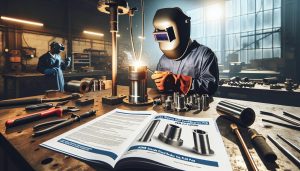
MIG welding, an acronym for Metal Inert Gas welding, is a versatile and efficient welding technique widely utilized across industries. It combines the speed of an electric arc with a continuous feed of filler metal, making it ideal for various applications, from automotive repairs to heavy machinery fabrication. Understanding the industrial uses of MIG welding not only enhances your knowledge but can also significantly impact your effectiveness in the field. With industries constantly seeking efficient and cost-effective solutions, knowing where and how MIG welding is applied can open doors to career growth and practical skills development. Whether you’re a beginner exploring the welding landscape or an experienced professional refining your craft, exploring the top eight industrial uses of MIG welding will illuminate its importance and versatility in today’s manufacturing landscape. Continue reading to discover how this powerful technique can elevate your projects and expand your welding expertise.
What is MIG Welding? An Overview of the Process
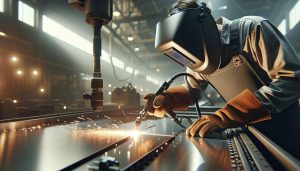
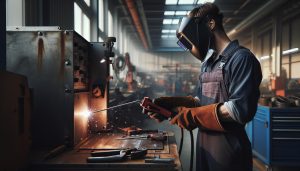
MIG welding, or Metal Inert Gas welding, is widely acknowledged for its versatility and efficiency in joining metals. This process utilizes a continuous wire electrode that is fed through a welding gun, where it is melted and fused to the workpiece. To protect the molten weld pool from contamination and oxidation, an inert gas, typically argon or a mixture of argon and carbon dioxide, is simultaneously released from the gun. This creates an essential shield around the welding area, ensuring a clean and strong weld.
The simplicity of MIG welding makes it an appealing choice for both novices and seasoned professionals. Its user-friendly setup allows for faster welding speeds and reduced need for multiple passes, which significantly cuts down overall project time. The ability to adjust wire feed and voltage settings further enhances customization for different materials and thicknesses. This technique is particularly effective for non-ferrous metals like aluminum and magnesium, as well as ferrous metals, making it a versatile addition to any welder’s skill set.
Many industries harness the benefits of MIG welding, leveraging its precision for tasks ranging from heavy fabrication in larger manufacturing plants to delicate assembly work in aerospace engineering. The adaptability of MIG welding allows it to excel in high-production environments, where speed and reliability are critical. As industries continue to evolve, MIG welding technologies are consistently advancing, integrating automation and improved safety measures to enhance operational efficiencies and ensure consistent, quality outputs.
Understanding the Key Advantages of MIG Welding
The appeal of MIG welding lies not just in its technical specifications but in the tangible benefits it provides across various industries. One of the most notable advantages is its ability to produce high-quality welds at a faster pace, making it particularly suitable for applications where time is of the essence. The continuous wire feed system minimizes downtime associated with reloading filler materials, allowing welders to maintain productivity and efficiency.
Another key advantage of MIG welding is its versatility in working with various materials, including both ferrous and non-ferrous metals. This adaptability is crucial in sectors like automotive manufacturing, where components made from different metals require seamless joining. Moreover, MIG welding’s capability to operate well in various positions-flat, horizontal, vertical, and overhead-enables it to tackle a diverse range of projects, from intricate repairs to large-scale fabrications.
From a safety perspective, the controlled process of MIG welding significantly reduces the risks associated with welding operations. The shielding gas not only protects the weld from contamination but also minimizes harmful exposure to hazardous fumes, which is especially beneficial in confined spaces. Additionally, modern MIG welding machines often incorporate advanced features like automatic shut-off and thermal overload protection, further enhancing user safety during operations.
Finally, the straightforward nature of MIG welding makes it an excellent choice for training new welders. The learning curve is shorter compared to other methods, such as TIG or stick welding, allowing beginners to develop their skills quickly. As a result, industries can ramp up their workforce with competent welders who can contribute effectively to production processes without extensive training delays. Thus, the combination of speed, versatility, safety, and ease of learning positions MIG welding as a fundamental technique in contemporary metalworking practices.
Top 8 Industrial Uses of MIG Welding Explained
MIG welding, known for its speed and efficiency, is a versatile technique that finds application across numerous industries. Its ability to produce high-quality welds quickly makes it ideally suited for modern manufacturing. Here are eight significant industrial uses of MIG welding that highlight its importance and flexibility.
1. Automotive Manufacturing
The automotive industry relies heavily on MIG welding for the production of vehicle frames and components. Its capacity to weld various metals, including high-strength steel and aluminum, allows manufacturers to create lightweight, durable vehicles. Assembly lines utilize MIG welding for both production and repair, streamlining processes that require precision and speed.
2. Construction
MIG welding is extensively used in constructing buildings and infrastructure, particularly for joining structural steel components. The method’s capability to operate in different positions enables welders to execute complex connections, making it a favorite for erecting frames, beams, and supports.
3. Shipbuilding
In shipbuilding, MIG welding’s ability to create strong, consistent welds is crucial for constructing hulls and other structural elements. The marine environment requires techniques that can endure harsh conditions, and MIG welding meets these demands effectively, providing robustness while minimizing production time.
4. Aerospace Engineering
MIG welding is also employed in aerospace applications, where precision and reliability are paramount. It is utilized for assembling aircraft structures and components, including brackets and frames made from lightweight materials. The high level of control during the MIG process ensures that the integrity of the materials is maintained, crucial for safety in aviation.
5. Fabrication Shops
MIG welding is a staple in fabrication shops, where custom metal parts are designed and produced. Its adaptability allows fabricators to work with a variety of materials and thicknesses, enabling the production of everything from art sculptures to industrial machinery parts. The ease of setup and operation makes it a go-to technique for both small and large-scale projects.
6. Metal Art and Sculpture
Artists and sculptors frequently utilize MIG welding to create intricate metalworks and sculptures. The technique allows for quick assembly and modification, giving artists the flexibility to experiment with design while producing sturdy structures. The uniformity of the welds can enhance the aesthetic appeal of the final work.
7. Repair and Maintenance
MIG welding is widely used in repair and maintenance applications across various industries. Equipment and machinery that require frequent servicing benefit from the speed and ease of MIG welding, reducing downtime. For instance, in maintenance workshops, specialized MIG techniques can be employed to fix farm equipment or industrial machines quickly and effectively.
8. Appliances and Consumer Goods
The manufacture of industrial appliances, HVAC systems, and various consumer goods often incorporates MIG welding. This method allows manufacturers to assemble parts efficiently, ensuring that production remains cost-effective while maintaining high standards for quality and safety.
In conclusion, the utility of MIG welding spans diverse sectors, demonstrating its integral role in modern manufacturing and repair processes. Its speed, versatility, and ease of use not only enhance productivity but also steer innovation in industries that depend on high-quality metal joining. As technology advances, MIG welding will continue to evolve, adapting to new materials and applications, securing its position as a fundamental welding technique.
MIG Welding in Automotive Manufacturing and Repair
In the fast-paced realm of automotive manufacturing, the precision and efficiency of MIG welding play a transformative role. This welding technique, which utilizes a continuous wire feed as the electrode and a shielding gas to protect the molten weld pool, has become essential for automotive assembly lines. The ability to weld high-strength steel and aluminum enables manufacturers to produce lightweight vehicles without compromising safety or structural integrity. Moreover, the speed of MIG welding accelerates production timelines, making it an ideal choice in a competitive industry where efficiency is paramount.
MIG welding is utilized for a variety of applications in automotive manufacturing, including the assembly of vehicle frames, body panels, and critical components. Its adaptability allows for consistent weld quality, which is crucial in meeting rigorous safety standards. This welding method not only enhances the structural performance of vehicles but also contributes to reduced material waste and lower production costs. For instance, the use of aluminum in car manufacturing, which is increasingly common due to its lightweight properties, is efficiently managed through MIG welding, facilitating robust joins that can withstand the demands of the road.
Repair Applications
Beyond production, MIG welding serves a vital role in automotive repair and maintenance. Workshops benefit from the technique’s speed and ease of use, enabling technicians to efficiently perform repairs on various vehicle components, including frames, exhaust systems, and suspension parts. The versatility of MIG welding means it can adapt to repairs in both steel and aluminum, allowing for seamless restorations regardless of material. By employing the right setup, including proper shielding gas and wire selection, professionals can achieve strong, durable repairs that extend the life of vehicles significantly.
In a dynamic industry continuously adapting to technological advancements, the future of MIG welding in automotive applications looks promising. Innovations in welding machines and wire compositions are enhancing efficiency and output quality, while ongoing education and training ensure that welders are equipped with the latest skills to meet industry demands. As manufacturers push for greener technologies and smarter vehicle designs, MIG welding stands at the forefront, playing an integral part in shaping the future of automotive manufacturing and repair processes.
MIG Welding in Construction: Building Strong Connections
In the construction industry, the ability to forge strong and durable connections between materials is paramount for the integrity and longevity of structures. MIG welding stands out as a fundamental technique, particularly valued for its speed and efficiency. This process utilizes a continuous wire feed as an electrode, which creates a consistent heat source for melting base materials, producing clean and robust welds. Such capabilities make MIG welding indispensable across various construction applications, from erecting steel frameworks to reinforcing load-bearing columns.
One of the primary advantages of MIG welding in construction is its adaptability to different materials, notably steel and aluminum. When dealing with structural steel, which serves as the backbone of many buildings, the precision of MIG welding ensures that joints can withstand significant stress and strain. For projects involving lighter materials like aluminum, MIG welding allows for strong connections without the need for excessive heat, reducing the risk of warping or other structural weaknesses. By employing appropriate shielding gases and wire types, welders can achieve outstanding results in a variety of conditions, making MIG welding suitable for both indoor and outdoor applications.
Additionally, the efficiency of MIG welding translates to faster project timelines, which can be a decisive factor in the construction industry. Compared to traditional welding methods, MIG welding can significantly accelerate the welding process, allowing teams to complete tasks more quickly and move on to subsequent phases. This efficiency not only enhances productivity on job sites but also contributes to cost savings, as the rapid progression through phases helps to meet deadlines and stay within budgets.
However, safety remains a top priority in construction welding work. Proper protective gear, including welding helmets, gloves, and flame-resistant clothing, is essential to safeguard against the hazards associated with welding operations. Beyond personal protection, ensuring that the work area is adequately ventilated and free from flammable materials helps prevent accidents. By adhering to safety protocols and employing best practices, construction professionals can leverage the advantages of MIG welding while minimizing risks, ultimately contributing to successful and secure building practices.
Utilizing MIG Welding for Fabrication and Assembly
MIG welding, or Metal Inert Gas welding, is a cornerstone technique in fabrication and assembly operations that require speed and precision. With its ability to provide a steady and efficient weld, this method significantly enhances productivity in various fabrication environments, such as custom manufacturing shops and assembly lines. By utilizing a continuous wire feed, MIG welding allows operators to join metals such as steel and aluminum seamlessly, catering to both intricate designs and robust structures.
In fabrication settings, MIG welding excels in producing high-quality welds that maintain structural integrity under stress. For example, automotive manufacturers often rely on this method for assembling car frames and components. The process not only ensures strong joint integrity but also supports the quick turnaround times that mass production requires. The versatility of MIG welding makes it an ideal choice for fabricating different materials, enabling welders to switch between various types of metals without significant adjustments to equipment settings, provided the right wire and gas are selected.
Key Benefits in Fabrication and Assembly
One of the primary advantages of MIG welding in fabrication is its adaptability to varying thicknesses and types of materials, including stainless steel, mild steel, and aluminum. This flexibility is particularly advantageous for industries that require bespoke solutions, such as furniture manufacturing, where custom metal pieces need to be welded with precision.
Additionally, the cleanup required after MIG welding is minimal due to the cleaner welds produced. This contributes to a more efficient workflow, as less time is spent on post-welding processes like grinding or sanding. Incorporating gas shielding during MIG welding helps protect the weld pool from contamination, resulting in visually appealing, strong welds without the spatter often associated with other welding methods.
Safety Considerations
While the technical aspects of MIG welding are crucial, safety should never be overlooked. Welders should use proper protective equipment, including welding helmets with appropriate lens shades to protect against UV radiation, gloves, and flame-resistant clothing. Furthermore, maintaining proper ventilation is essential, especially in confined spaces, to avoid fume buildup.
In summary, MIG welding is an invaluable process for fabrication and assembly, providing efficiency, adaptability, and high-quality results. By understanding the nuances of this method and adhering to safety protocols, professionals can optimize their operations to deliver superior products while ensuring workplace safety.
How MIG Welding Affects Metalworking Industries
MIG welding has profoundly impacted the metalworking industry, revolutionizing not just how materials are joined but also enhancing the overall efficiency of production processes. As a versatile and user-friendly technique, MIG (Metal Inert Gas) welding has become preferred for various applications, streamlining operations in sectors such as automotive, construction, and manufacturing. By providing a continuous feed of filler wire, it allows for a stable arc and decreased labor time, ultimately resulting in greater output without sacrificing quality.
The adaptability of MIG welding to different materials, including aluminum, stainless steel, and mild steel, makes it a cornerstone in many industrial applications. It excels in operations that require precise and strong welds, such as in fabricating complex structural components for buildings or producing intricate parts in machinery. For instance, in the automotive industry, the use of MIG welding has allowed manufacturers to produce lighter and stronger vehicles, improving fuel efficiency and safety standards. The ability to switch between materials without extensive equipment recalibration adds to its appeal, leading to increased flexibility on the shop floor.
Furthermore, the cleaner welds produced by MIG welding result in minimal post-weld cleanup, enhancing workflow efficiency. This characteristic is particularly beneficial in high-volume production settings where time is of the essence. By reducing the amount of grinding and finishing required after welding, companies can allocate resources more effectively and meet stringent deadlines.
However, as with all welding techniques, adhering to safety protocols is paramount. In environments where MIG welding is prevalent, ensuring proper ventilation and the use of personal protective equipment (PPE) is crucial to safeguard workers from hazards such as harmful fumes and UV radiation. As the metalworking industry continues to evolve, investments in training programs that emphasize these safety measures alongside technical skills can further enhance the benefits derived from MIG welding.
In summary, MIG welding is not just a joining technique; it is a transformative process that significantly influences the productivity and safety of metalworking industries. By embracing this technology, businesses can achieve substantial improvements in operational efficiency and product quality, paving the way for innovative applications in the future.
MIG Welding Applications in Aerospace Engineering
The aerospace industry demands the highest standards of quality and precision in its manufacturing processes, making MIG welding a vital technique in this field. With its ability to produce clean, strong welds on a variety of materials, including aluminum and high-strength alloys, MIG welding is an essential process for constructing various aircraft components. Its efficiency in providing continuous welding action allows aerospace manufacturers to meet stringent production timelines while maintaining the integrity of the materials involved.
MIG welding is particularly advantageous in the fabrication of both structural and non-structural components. For instance, the fuselage and wings of aircraft often utilize MIG welding methods to join aluminum sheets due to the technique’s effectiveness in managing the thermal properties of this lightweight metal. The process allows for robust joints, which are critical for the structural integrity of aircraft. Furthermore, modern aerospace engineers have leveraged MIG welding to create intricate assemblies with complex geometries, showcasing the method’s versatility and capability to handle complicated designs without compromising strength.
In addition to manufacturing, MIG welding plays a key role in the maintenance and repair of aircraft. With the aviation sector experiencing a growing focus on sustainability and duration of service, the ability to perform high-quality repairs on damaged parts is crucial. MIG welding enables technicians to restore structural integrity to critical components, extending the lifespan of aircraft while ensuring compliance with safety regulations. The equipment utilized in MIG welding also lends itself well to these repairs, with portable units capable of being deployed on-site, enhancing operational flexibility.
While the benefits of MIG welding in aerospace applications are substantial, it is essential to adhere to strict safety protocols. Welders must utilize appropriate personal protective equipment (PPE) to shield themselves from the inherent hazards of the process, such as exposure to harmful fumes and UV radiation. Training and awareness around these safety practices are pivotal to maintaining a secure working environment, ensuring that aerospace production and maintenance activities can continue effectively and without incident.
In summary, the integration of MIG welding in aerospace engineering is a testament to its reliability and efficiency. As the industry continues to innovate, the role of this welding technique is likely to expand further, fostering advancements in aircraft technology and manufacturing methodologies.
Safety Protocols for MIG Welding in Industrial Environments
Welcoming a wide range of welding applications, MIG welding brings with it not just opportunities for efficiency and quality but also responsibilities for safety. Understanding and implementing rigorous safety protocols is paramount in industrial environments to mitigate the inherent risks associated with the process. The potential dangers of extreme heat, electrical hazards, and exposure to hazardous materials necessitate proactive measures to safeguard welders and their surroundings.
To begin with, personal protective equipment (PPE) is the first line of defense for MIG welders. Essential gear includes welding helmets with appropriate shade lenses to protect against harmful ultraviolet (UV) and infrared (IR) radiation, fire-resistant clothing to minimize burn risks, and gloves designed specifically for welding to handle hot materials safely. Additionally, adequate respiratory protection is crucial to guard against fumes and particulate matter generated during the welding process, especially in poorly ventilated areas.
Proper ventilation is also a vital safety measure. Ensuring sufficient airflow through the welding area helps dilute and disperse toxic fumes, reducing the risk of respiratory issues. Industrial spaces may benefit from local exhaust ventilation systems that capture fumes at the source. Furthermore, regular maintenance of these systems is crucial; blocked filters or exhausts can lead to hazardous concentrations of harmful gases.
It’s essential to maintain a clean and organized workspace to further enhance safety. Keeping work areas free of clutter can help prevent trips and falls, and clearly marked pathways facilitate quick exits in emergency situations. Recognizing the importance of fire safety is equally important; having fire extinguishers readily available and ensuring that flammable materials are stored away from welding operations can minimize fire hazards.
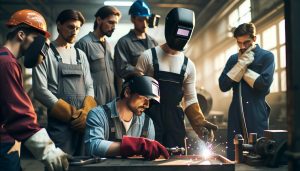
A strong focus on training and procedural adherence cannot be overlooked. Regular safety training sessions equip welders with not only the necessary skills to operate welding equipment but also knowledge about potential hazards and emergency response protocols. Familiarizing employees with first aid procedures related to welding injuries can also significantly improve safety outcomes.
In sum, by adopting a comprehensive approach that prioritizes PPE usage, ventilation, workspace organization, fire safety, and continuous training, industrial environments can significantly enhance safety protocols surrounding MIG welding operations. These measures not only safeguard the well-being of workers but also contribute to the overall efficiency and effectiveness of welding practices.
Comparing MIG Welding with Other Techniques
While MIG welding is a popular choice in the industry, it is essential to understand how it compares to other welding techniques to select the most suitable process for specific applications. Each welding method offers distinct advantages and limitations, making the choice highly dependent on factors such as materials, operational environment, and desired weld quality.
MIG welding, or Gas Metal Arc Welding (GMAW), is celebrated for its speed and adaptability, particularly when working with a variety of metals like aluminum and mild steel. In contrast, TIG welding (Tungsten Inert Gas welding), while slower, provides greater precision and cleaner welds, making it ideal for applications that require aesthetic finishes or thinner materials. TIG is commonly used in industries like aerospace and automotive where precision is paramount.
Another widely used technique is Stick welding (Shielded Metal Arc Welding, SMAW), known for its versatility and effectiveness in outdoor scenarios, particularly when working in windy or harsher environments. While MIG welding excels in flat positions and can be more user-friendly for beginners, Stick welding can achieve greater penetration in thicker materials. This makes it a favored choice in heavy fabrication and construction, especially when portability of equipment is a concern.
For certain sectors, Flux-Cored Arc Welding (FCAW) can be a strong alternative. Similar to MIG welding, FCAW utilizes a tubular wire filled with flux, which can improve penetration and mitigate the effects of wind, allowing for effective outdoor welding. This technique is often employed in heavy structural work and shipbuilding. However, it may leave a messier finish compared to the cleaner welds produced by MIG or TIG welding, necessitating further clean-up or finishing work.
Key Comparisons
| Welding Technique | Speed | Precision | Material Compatibility | Best Uses |
|---|---|---|---|---|
| MIG Welding | High | Moderate | Aluminum, Steel | Automotive, Fabrication |
| TIG Welding | Low | High | Alloys, Thin Materials | Aerospace, Artistic Applications |
| Stick Welding | Moderate | Low | Thick Steel | Construction, Heavy Fabrication |
| Flux-Cored Arc Welding | Moderate | Moderate | Steel | Shipbuilding, Heavy Industries |
By understanding the strengths and weaknesses of MIG welding compared to alternatives like TIG, Stick, and Flux-Cored welding, professionals can make informed decisions based on their project requirements. Each technique serves unique operational needs, ensuring the right choice enhances safety, efficiency, and weld quality in various industrial applications.
Future Trends and Innovations in MIG Welding
The MIG welding landscape is continuously evolving, with advancements driven by technological innovations, material science developments, and a growing emphasis on automation. A significant trend is the increased adoption of robotics in MIG welding processes, which enhances precision and repeatability. Automated systems are not only streamlining production lines but are also reducing the risk of human error, thereby improving weld quality. These automated MIG welding solutions are becoming particularly prevalent in industries like automotive and aerospace, where accuracy cannot be compromised.
Another innovative direction is the integration of real-time monitoring systems and smart sensors within MIG welding equipment. Such technologies enable welders to receive instant feedback on parameters like voltage, current, and welding speed. These insights help optimize the welding process dynamically, ensuring consistent quality throughout production runs. Such advancements can noticeably reduce waste by allowing adjustments to be made on-the-fly, ultimately saving both time and materials.
The exploration of new filler materials is another exciting trend shaping the future of MIG welding. Researchers are developing advanced alloys that not only enhance the mechanical properties of the welds but also improve compatibility with a broader range of base materials. This is particularly important as industries push the boundaries of material use, necessitating welding solutions that can join dissimilar materials effectively. Enhanced filler materials may also contribute to reduced post-weld treatment times, leading to more efficient workflows.
In terms of safety and sustainability, the future of MIG welding is being spearheaded by innovations aimed at reducing exposure to harmful fumes and promoting cleaner processes. New shielding gases and processes are being developed that not only improve weld quality but also help in minimizing environmental impact. This commitment to sustainability is critical in today’s manufacturing landscape, where regulatory standards are becoming increasingly stringent.
With these advancements, the MIG welding industry is well-positioned for future growth. By embracing technology, focusing on quality materials, and maintaining a commitment to safety and sustainability, MIG welding will continue to meet the demanding needs of various industrial applications around the globe.
Career Opportunities and Training in MIG Welding
In today’s industrial landscape, the demand for skilled welders is ever-growing, particularly for those proficient in MIG welding. As industries evolve, the skills required for MIG welding not only emphasize technical know-how but also require a keen understanding of safety protocols and material properties. This fusion of skill sets opens doors to numerous career opportunities across diverse sectors, including automotive, aerospace, construction, and manufacturing.
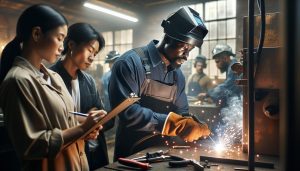
Training programs tailored for MIG welding are widely available through vocational schools, community colleges, and specialized welding institutes. These programs often include hands-on sessions where aspiring welders can practice on various materials such as steel and aluminum, developing techniques that meet industry standards. Certifications, such as those from the American Welding Society (AWS), further enhance employability by validating a welder’s skills and dedication to safety and quality. Many training centers also provide refresher courses on the latest advancements in MIG technology, ensuring that welders remain competitive in the field.
Career paths for skilled MIG welders are varied and can range from positions as welding technicians, fabricators, and supervisors to quality control inspectors and instructors. Consistent with the current trends towards automation in welding, there is a growing need for welders who can operate and maintain robotic welding systems. Professionals with knowledge of sophisticated welding equipment and processes will be at the forefront of modern manufacturing operations.
Moreover, with the increasing emphasis on sustainability in manufacturing practices, there are also opportunities in welding jobs focused on environmentally-friendly practices. Welders who are knowledgeable about improved welding methods and materials that reduce waste and minimize harmful emissions will be sought after as companies strive to meet stricter regulatory standards.
Overall, the landscape for career opportunities in MIG welding reflects a dynamic and essential part of the industrial workforce, making it an excellent field for both newcomers and seasoned professionals seeking advancement. By taking advantage of training resources and maintaining a commitment to safety and quality, welders can build a rewarding career that adapts to the evolving needs of various industries.
Faq
Q: What materials can be welded using MIG welding?
A: MIG welding can be used on a variety of materials, including carbon steel, stainless steel, aluminum, and other non-ferrous metals. This versatility makes it ideal for projects in automotive, construction, and manufacturing. For specific applications, ensuring the proper filler wire and shielding gas is crucial for optimal results.
Q: How does MIG welding compare to TIG welding?
A: MIG welding is generally faster and easier for beginners than TIG welding. MIG uses a continuously fed wire, making it more efficient for large-scale operations, while TIG provides greater precision and control, ideal for thinner metals or intricate designs. Each method has its applications based on project requirements.
Q: What industries benefit most from MIG welding applications?
A: Industries that benefit significantly from MIG welding include automotive, aerospace, construction, and metal fabrication. The process’s efficiency and ability to produce strong, high-quality welds make it suitable for various demanding applications ranging from structural builds to manufacturing components.
Q: What safety precautions should be taken during MIG welding?
A: Essential safety precautions during MIG welding include wearing protective gear such as gloves, helmets with proper filters, and flame-resistant clothing. Ensure good ventilation to avoid inhaling fumes, maintain a clean work area to prevent fire hazards, and regularly check equipment for any faults.
Q: How can MIG welding affect productivity in manufacturing?
A: MIG welding increases productivity in manufacturing by allowing for faster welding speeds and the ability to weld thicker materials more easily. Additionally, its minimal cleanup requirement post-weld enhances workflow efficiency, making it a preferred technique in high-volume production environments.
Q: What are common defects in MIG welding, and how can they be prevented?
A: Common defects in MIG welding include porosity, undercutting, and excessive spatter. These can often be prevented by ensuring proper settings, maintaining the correct distance between the gun and workpiece, using clean materials, and controlling the welding speed for consistent results.
Q: Can MIG welding be used for both indoor and outdoor applications?
A: Yes, MIG welding can be used for both indoor and outdoor applications. However, outdoor welding requires precautions to mitigate wind or rain affecting the shielding gas, which is critical for maintaining weld quality. Choosing the right equipment for environmental conditions is essential.
Q: What advancements are being made in MIG welding technology?
A: Recent advancements in MIG welding technology include improved digital controls, wire feed systems, and the integration of robotics for automated welding. These innovations enhance accuracy, reduce waste, and allow for smarter operations, increasing efficiency and quality in various industrial applications.
Final Thoughts
In summary, MIG welding plays a pivotal role across various industries, enabling seamless assembly and repair of metal structures. Whether you’re involved in automotive manufacturing, construction, or fabrication, understanding these applications can enhance your welding skills and career opportunities. Don’t miss the chance to elevate your knowledge-explore related topics like the benefits of TIG welding and the best safety protocols to implement during your projects.
Ready to take the next step? Sign up for our newsletter for the latest updates on welding techniques, gear reviews, and expert tips that cater to both beginners and seasoned professionals. Join our community in the comments below to share your experiences or ask questions, ensuring you’re part of the conversation. Remember, mastering your welding craft not only showcases your expertise but also opens doors to new industrial opportunities.