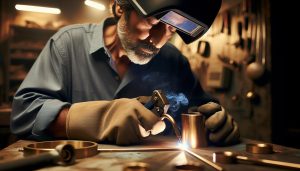
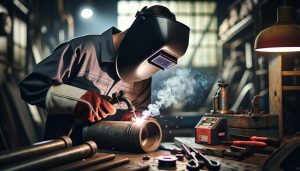
When it comes to precision cutting and welding, plasma cutters stand out due to their incredibly high temperatures, often reaching up to 30,000°F (16,600°C). This mind-blowing capability allows for the rapid and efficient cutting of thick metals, making plasma technology essential for both professional welders and DIY enthusiasts. Understanding how hot a plasma cutter gets is not only crucial for achieving optimal results but also for ensuring your safety and equipment longevity. As you explore the remarkable temperatures involved and their implications for various materials like aluminum and steel, you’ll uncover valuable insights that can enhance your welding skills. So, whether you’re a seasoned professional or just starting your welding journey, diving into the world of plasma cutting can unlock new possibilities and elevate your craftsmanship.
Understanding Plasma Cutting: Basics and Fundamentals
Plasma cutting is an efficient, high-precision method used extensively in metal fabrication, characterized by its ability to cut through various materials with remarkable speed and accuracy. At its core, plasma cutting employs a focused jet of hot plasma to melt and blow away material, creating clean, precise cuts. This technique is increasingly popular due to its versatility across different metals-ranging from aluminum to stainless steel-making it a go-to choice for many professional workshops and industrial applications.
A crucial aspect of plasma cutting is the temperature exerted by the plasma arc, which can reach astounding levels. For instance, the temperature of the plasma created can exceed 20,000 degrees Celsius (36,000 degrees Fahrenheit), significantly higher than that achieved with conventional cutting methods like oxy-fuel cutting. This extreme heat is vital for effective cutting, as it ensures that even thick metal sections can be processed quickly and efficiently. Understanding how temperature correlates with cutting speed and quality helps operators refine their techniques and outcomes.
In practice, various factors influence the quality of a plasma cut, including the amperage settings, the type of gas used, and the travel speed of the cutter. For instance, using a higher amperage allows the plasma cutter to penetrate thicker materials, but this can also lead to increased heat, potentially causing warping or other deformities in the metal. Therefore, skilled operators must balance these parameters to optimize cutting performance, thereby ensuring high-quality results without compromising the integrity of the workpiece.
For those beginning with plasma cutting, it’s essential to familiarize oneself with equipment settings and to practice on scrap materials before moving on to more significant projects. This hands-on experience not only builds confidence but also enhances the ability to adapt to different cutting scenarios while fostering a deeper understanding of the equipment’s capabilities and the importance of precise temperature management.
What Is Plasma Cutter Temperature?
Plasma cutting technology operates at remarkably high temperatures, making it an essential method in various metal fabrication applications. When the plasma arc is ignited, temperatures can escalate to over 20,000 degrees Celsius (36,000 degrees Fahrenheit). This intense heat is generated by the ionization of gas, allowing it to become conductive and facilitating the transfer of energy. The sheer heat produced by the plasma is necessary for efficiently melting and removing metal, leading to the precise cuts that plasma cutting is known for.
Understanding plasma cutter temperature is crucial for optimal performance. The effective temperature range not only affects the cutting speed but also impacts the quality of the finished edge. If the temperature is too high, the risk of warping the material increases, particularly in thicker sections or materials sensitive to heat, such as aluminum. Conversely, cutting at lower temperatures may result in incomplete penetrations or rough edges. Thus, operators must find the right balance between amperage settings, gas types, and travel speeds to harness the full potential of their plasma cutting equipment.
Temperature control also plays a vital role in the longevity of the plasma cutting consumables. Nozzles and electrodes, for instance, degrade faster at higher temperatures. Regularly monitoring these components and adjusting the settings based on the material and desired cut quality can lead to extended equipment life and reduced operational costs.
In summary, mastery of plasma cutter temperature involves understanding its profound influence on cutting performance and equipment longevity. By carefully managing these thermal dynamics, operators can achieve high-quality cuts while maintaining safety and efficiency in their projects. Engaging with scrap materials and practicing with varying settings can provide invaluable hands-on experience in navigating these complexities.
Mind-Blowing Temperature Facts About Plasma Cutters
The temperatures generated by plasma cutters are truly astonishing, typically exceeding 20,000 degrees Celsius (36,000 degrees Fahrenheit). To put this into perspective, this is significantly hotter than the surface of the sun, which averages about 5,500 degrees Celsius (9,932 degrees Fahrenheit). This extreme heat is crucial for the plasma cutting process, allowing the tool to melt and sever various types of metals with incredible precision. As a result, operators must be well-versed in managing and understanding these high temperatures to achieve optimal cutting performance.
One remarkable aspect of plasma cutter temperatures is their impact on different materials. For instance, when cutting steel, the melting point is around 1,500 degrees Celsius (2,732 degrees Fahrenheit), making plasma cutting an efficient and effective method due to the significant margin between the cutting temperature and the material’s melting point. Conversely, when working with aluminum, which has a lower melting point of approximately 660 degrees Celsius (1,221 degrees Fahrenheit), it’s essential to monitor heat input closely. Excessive heat can lead to warping or burning, resulting in poor-quality cuts. Operators can adjust settings like the amperage and travel speed to mitigate these risks and produce cleaner edges.
Temperature Control Techniques
To manage these extreme temperatures effectively, many plasma cutter systems include advanced controls and features. Here are a few strategies to maintain precision and quality during the cutting process:
- Amperage Adjustment: Modifying the power settings allows operators to control the heat delivered to the material. Different metals require different amperage levels for optimal cutting.
- Gas Selection: Using the appropriate gas, such as compressed air or argon, significantly influences the arc’s stability and temperature.
- Travel Speed: Varying the speed at which the plasma cutter moves across the workpiece can help manage the heat and maintain cut quality.
Understanding these factors not only enhances performance but also prolongs the lifespan of consumables like nozzles and electrodes, which can wear out rapidly under extreme heat conditions. Proper management of plasma cutter temperatures is essential for both achieving high-quality work and ensuring the safety and longevity of the equipment.
How Does Temperature Affect Cutting Performance?
The extreme temperatures generated by plasma cutters significantly influence cutting performance and quality. With operational temperatures often exceeding 20,000 degrees Celsius (36,000 degrees Fahrenheit), understanding how this intense heat interacts with various materials is crucial for achieving optimal results. This high temperature enables plasma cutters to swiftly melt and cut through metals, but the effects of heat need careful management to avoid common pitfalls like warping, burning, and subpar finishes.
When cutting different materials, the inherent properties of each metal can dictate how they react to temperature. For example, steel, with a melting point of approximately 1,500 degrees Celsius (2,732 degrees Fahrenheit), can easily withstand the plasma cutter’s heat, allowing for clean cuts and efficient operations. In contrast, aluminum, which melts at about 660 degrees Celsius (1,221 degrees Fahrenheit), requires more attention. Excessive heat can lead to problems such as burning through the material or warping, resulting in inconsistent cuts. This underscores the importance of not only knowing the melting points of materials but also understanding how to adjust cutting parameters, such as travel speed and amperage, to optimize performance.
A well-regulated temperature plays a pivotal role in enhancing cut quality. Maintaining the right balance ensures that the plasma arc does not stray into overheating territory, which can negatively impact both the material and the longevity of the cutting consumables. Operators must be mindful of how adjustments to the electrical input and the choice of gas can stabilize the arc and temperature. For instance, using a gas mix tailored for specific materials can help maintain a more uniform temperature distribution, thus refining the cutting edge and minimizing the likelihood of defects.
Ultimately, the relationship between temperature and cutting performance is a foundational aspect of plasma cutting that skilled operators must master. By comprehensively understanding how temperature affects the metal’s melting point and employing precise controls, welders can ensure smoother, more efficient operations while prolonging equipment lifespan and achieving superior results.
Comparing Plasma Cutter Temperatures to Other Methods
The extreme temperatures reached by plasma cutters outpace many conventional cutting methods, making them essential in various applications. For instance, plasma cutting can achieve temperatures exceeding 20,000 degrees Celsius (36,000 degrees Fahrenheit), significantly higher than those produced by methods such as oxy-fuel cutting or traditional welding techniques. This remarkable heat allows plasma cutters to quickly and efficiently melt through conductive materials, mainly metals, far surpassing the capabilities of other techniques.
Comparison with Other Cutting Methods
- Oxy-Fuel Cutting: This method operates at temperatures around 3,200 degrees Celsius (5,792 degrees Fahrenheit). While sufficient for cutting steel, it lags behind plasma cutting in terms of speed and precision. The heat generated is localized, relying on the combustion of oxygen and a fuel gas (typically acetylene), making it less efficient for thicker materials.
- TIG Welding: Wired TIG welding produces heat levels typically up to 3,000 degrees Celsius (5,432 degrees Fahrenheit). Although suitable for very thin materials and producing clean welds, it does not offer the same cutting efficiency as plasma, especially on thicker sections of metal. Moreover, the heat from MIG welding is generally lower, affecting its cutting capabilities.
- Laser Cutting: This method can reach temperatures similar to plasma cutting. However, it primarily targets non-conductive materials, limiting its versatility. Furthermore, laser cutting requires precise setups and is often slower than plasma cutting when applied to metalwork.
Understanding the temperature ranges of different cutting methods sheds light on why plasma cutting is favored in many industrial applications. It excels in high-speed cutting due to its ability to effectively quicken processes while delivering a high-quality finish, making it ideal for projects requiring efficiency without compromising on quality.
Practical Applications in Industry
The high temperatures achieved with plasma cutting are particularly advantageous in sectors like manufacturing and metal fabrication, where speed and accuracy are crucial. For example, vehicle manufacturing often requires extensive metalwork, where plasma cutters can swiftly manage complex shapes and cuts that would be slow or inefficient with other methods. Moreover, their adaptability to various types of metals-including aluminum, stainless steel, and copper-makes plasma cutters indispensable in shops focused on diverse fabrication tasks.
Ultimately, the prowess of plasma cutters stems from their ability to maintain consistently high temperatures, allowing them to cut through thick metal sheets much faster than other techniques. This feature leads not only to reduced operational times but also to lower costs of labor and increased productivity, essential factors for any modern manufacturing environment.
The Science Behind Plasma Cutter Heat Generation
The remarkable temperatures achieved by plasma cutters are integral to their efficient operation and effectiveness in cutting metal. Plasma, often referred to as the fourth state of matter, is generated when a gas is heated to extreme levels, consequently ionizing the gas and creating a conductive layer containing charged particles. This process is what allows plasma cutters to reach soaring temperatures, often exceeding 20,000 degrees Celsius (36,000 degrees Fahrenheit). Such heat is derived mainly from the electrical energy that transforms the gas into plasma and is crucial for melting through conductive materials at rapid rates.
To understand how this heat generation contributes to cutting performance, it’s essential to explore the roles of voltage and amperage in the process. The cutter’s power supply creates an electrical arc, which heats the gas as it travels through the plasma torch. The flexibility in adjusting voltage and amperage allows operators to control the intensity of the heat applied, which can significantly affect cutting speed, kerf width, and overall quality. For instance, using higher amperage on thicker metals may reduce cutting time but could lead to a larger heat-affected zone, potentially compromising the integrity of the surrounding material.
Furthermore, the composition of the gas used in plasma cutting also plays a critical role in heat production. Common gases include air, nitrogen, and argon, each offering unique benefits depending on the application. For example, using oxygen with pure argon can enhance cutting speed and efficiency on ferrous materials but may introduce oxidation, which requires meticulous post-cutting cleanup. Ultimately, selecting the right gas and managing the heat settings are essential for achieving optimal results in plasma cutting tasks, ensuring not only speed and efficiency but also a clean cut.
In practical applications, understanding this heat generation mechanism empowers welders and fabricators to fine-tune their equipment settings for various materials. Mastering the nuances of plasma cutter operation can lead to enhanced productivity and precision, essential traits for success in industries reliant on metal fabrication. By harnessing the power of high temperatures through proper technique and equipment settings, operators can achieve superior metal cutting outcomes tailored to their specific project requirements.
Safety Protocols for Managing High Temperatures
Plasma cutting is a powerful and efficient method to cut through metals, thanks to the extreme temperatures that can exceed 20,000 degrees Celsius (36,000 degrees Fahrenheit). However, these high temperatures also pose significant safety risks, necessitating strict protocols to ensure a safe working environment. Understanding and implementing effective safety measures is essential for both beginners and experienced welders alike to prevent accidents and injuries.
First and foremost, it is critical to wear appropriate personal protective equipment (PPE) when operating a plasma cutter. This includes flame-resistant clothing, safety goggles with appropriate shading (typically shade 5 or higher), and welding gloves designed to withstand intense heat. Additionally, a welding helmet with proper lens protection not only safeguards the eyes but also protects the face from sparks and harmful ultraviolet and infrared radiation.
Workspace Safety
Maintaining a clean and organized workspace is another vital aspect of plasma cutting safety. Ensure that the work area is free from flammable materials, such as paper, wood, or oily rags, as sparks can ignite these easily. Substantial ventilation is also crucial to disperse harmful fumes and gases created during the cutting process. Using a fume extractor can significantly improve air quality, protecting operators from inhaling hazardous substances.
Moreover, it’s essential to establish a safe distance between the plasma cutter and other workers in the vicinity. When cutting, sparks and molten metal can travel several feet, presenting a risk to bystanders. Creating a designated cutting zone with warning signs and barriers can help prevent accidents. Always ensure that all individuals in the area are aware of the ongoing cutting operations and follow safety protocols.
Equipment Maintenance
Regular maintenance of plasma cutting equipment cannot be overlooked. Diligently inspect hoses, cables, and the cutting torch for any signs of wear or damage, as compromised equipment can lead to dangerous situations. Having backup equipment and replacement parts readily available ensures that any repairs can be made quickly, thus minimizing downtime and risk exposure.
Lastly, proper training is integral in mitigating risks associated with high-temperature environments. Each operator should be thoroughly trained on the safe operation of their equipment, focusing on key practices such as setting appropriate amperage and voltage levels for different materials and recognizing the signs of overheating. Regular safety drills can also reinforce this training, preparing workers for unexpected situations and fostering a safety-conscious culture within the workspace. Implementing these safety protocols not only ensures the well-being of the operator but enhances the overall effectiveness and efficiency of plasma cutting operations.
Factors Influencing Plasma Cutter Temperature Control
The performance and effectiveness of plasma cutting are heavily influenced by several key factors that directly affect temperature control during the cutting process. Understanding these components allows operators to achieve optimal cutting results while minimizing material distortion and wear on their equipment.
One of the most significant factors is the amperage setting on the plasma cutter. Higher amperage leads to increased energy input, which raises the temperature of the plasma arc. The selection of amperage should align with the thickness and type of material being cut. For instance, cutting through thicker steel requires a higher amperage than cutting thin aluminum. Striking a balance is crucial; excessive amperage can lead to unnecessary heat, causing warping or burn-through, while too low can result in ineffective cuts.
Another critical aspect is the type of gas used in the plasma cutting process. Different gases, such as oxygen, nitrogen, or argon, not only affect cutting speed but also temperature profiles. For example, oxygen typically provides a hotter, more aggressive cutting arc suitable for ferrous materials, while nitrogen generates a cooler arc, ideal for cutting non-ferrous metals like stainless steel. Adjusting the gas flow rate also plays a vital role, as insufficient flow can lead to unstable cuts and increased heat, while excessive flow can cool the arc too much and hinder cutting efficiency.
Additionally, impact of nozzle design cannot be overlooked. The configuration of the cutting nozzle affects how the plasma stream is focused and directed onto the workpiece. A narrower nozzle orifice can intensify the heat concentration, providing a sharper, more precise cut but at the risk of premature nozzle wear. Conversely, a wider orifice may distribute heat over a larger area, which can reduce the overall temperature but might compromise cutting precision. Operators should choose nozzle sizes based on material thickness and desired cutting outcome.
Lastly, the distance between the nozzle and the workpiece-known as arc length-directly influences the thermal dynamics of the cut. Ideally, this distance should be maintained as per the manufacturer’s specifications to ensure efficient heat transfer. Too much distance may lead to a colder arc and fluctuating performance, while too close can cause increased wear on the nozzle and unwanted distortion of the material.
By staying attuned to these factors-amperage settings, gas type and flow rate, nozzle design, and arc length-users can better control plasma cutter temperatures to achieve high-quality, precise cuts efficiently and safely.
Common Myths About Plasma Cutter Temperatures
Common misconceptions about plasma cutter temperatures can lead to unsafe practices and inefficient cutting. One prevalent myth is that all plasma cutters operate at the same heat levels, regardless of the settings chosen. In reality, plasma cutter temperatures vary significantly due to factors such as amperage, gas type, and nozzle design. For example, while oxygen may create a hotter arc for ferrous materials, using nitrogen could yield a cooler cut suitable for stainless steel. Understanding this variation allows operators to select appropriate settings tailored to the materials they are working with.
Another common belief is that higher temperatures automatically result in better cutting performance. This is not always true; while increased heat can improve penetration into thick materials, it can also lead to issues such as warping and burn-through if applied improperly. Effective cutting relies on striking a balance where temperature complements the material’s characteristics and thickness. Operators should regularly adjust their settings and monitor cutting quality to ensure optimal results.
Additionally, some people assume that temperature control is solely about the machine’s power output. Though amperage is a critical factor, it’s essential to consider other elements such as the distance from the nozzle to the material and the gas flow rate. Improper nozzle distance can disrupt the heat concentration, resulting in a poorly executed cut, regardless of the machine’s settings. The interplay of all these elements emphasizes the importance of not oversimplifying plasma cutting dynamics.
When it comes to safety, another myth is that if the temperature isn’t visible, it isn’t a concern. In practice, temperatures during plasma cutting can exceed 20,000°F in the arc. This extremely high heat can cause severe burns, making protective gear essential even if the operator cannot see the source of heat. Regular inspections of equipment, combined with a sound understanding of the temperature factors involved, can drastically improve both safety and performance standards in plasma cutting.
By debunking these misconceptions, both novice and experienced welders can enhance their skills and ensure a safer, more efficient plasma cutting operation.
Choosing the Right Plasma Cutter for Your Needs
When selecting a plasma cutter, understanding the temperature capabilities of each model is paramount. The optimal plasma cutter for your needs will depend on the types of materials you are working with, their thickness, and your specific cutting requirements. For instance, if you’re primarily cutting thin gauge materials like aluminum or steel, a lower amperage machine with a cooler cutting temperature can be more suitable. Conversely, for thicker materials, a higher amperage setting that generates more heat will be necessary to achieve clean cuts without excessive slag.
A critical aspect to consider is the duty cycle of the plasma cutter, which defines how long the machine can operate before needing to cool down. Machines with a higher duty cycle are better suited for large-scale projects that require extended cutting periods without interruption. It’s advisable to review the manufacturer’s specifications to ensure the cutter meets your operational demands. In addition, consider features such as adjustable gas flow rates and arc stability, which can directly influence temperature control and cutting performance.
Material Compatibility
Choosing a plasma cutter also involves assessing its compatibility with various materials. Different materials require distinct settings to achieve optimal results. Here’s a quick overview of general plasma cutting temperatures for common materials:
| Material Type | Recommended Amperage | Typical Cutting Temperature |
|---|---|---|
| Steel | 20-40 Amps | 15,000 – 20,000°F |
| Aluminum | 20-30 Amps | 12,000 – 18,000°F |
| Stainless Steel | 30-50 Amps | 16,000 – 22,000°F |
| Chrome-Moly Steel | 50-60 Amps | 20,000 – 25,000°F |
It’s essential to match the cutter with the material type, as using incorrect settings can lead to poor quality cuts or damage to the material. Furthermore, do not underestimate the importance of the nozzle and torch design; these components greatly affect how heat is distributed and controlled during the cutting process.
Safety should never be overlooked in any plasma cutting operation. Ensure the choice of plasma cutter includes safety features such as built-in cooling systems and thermal overload protection. A comprehensive understanding of the temperature ranges necessary for different materials, alongside the object you are cutting, will enhance your ability to select the appropriate machine and settings for your projects. By carefully weighing these factors, you’ll enhance not only your efficiency but also the quality and precision of your plasma cutting operations.
Tips for Optimizing Plasma Cutting Efficiency
The efficiency of plasma cutting operations can be significantly enhanced with a few strategic adjustments and best practices. A plasma cutter operates at extraordinarily high temperatures, often exceeding 20,000°F, making it crucial to manage that heat effectively. Understanding how to optimize settings and technique can lead to better cutting precision, reduced material wastage, and improved overall performance.
One of the primary factors influencing cutting efficiency is the choice of the amperage setting. Different materials and thicknesses require specific amperage to achieve optimal results. For instance, cutting thin materials might only need 20-30 amps, while thicker steel may demand 40-60 amps. Using a higher amperage than needed can increase heat, leading to excessive slag and rough cut edges. Conversely, too low an amperage may result in incomplete cuts. Regularly consult the cutter’s specifications and application guides to match the amperage with the material being cut.
Another pivotal factor is the gas flow rate. The correct flow of plasma gas influences the stability of the arc and the quality of the cut. An appropriate gas flow ensures good penetration while preventing the loss of heat and power. During operation, keep an eye on the torch height above the material. Maintaining the right distance prevents the arc from becoming unstable, which can occur if the torch is too close or too far away. Proper height not only optimizes thermal efficiency but also reduces wear on the consumables, extending their lifespan.
To further enhance performance, implement a technique known as “piercing.” When starting a cut, particularly on thicker materials, it’s beneficial to create a piercing point allowing the plasma arc to fully stabilize before moving into the actual cut. This method minimizes the initial blast of heat and promotes a cleaner entry point, essential for maintaining quality.
Additionally, routine maintenance plays a significant role in cutting efficiency. Regularly inspect and replace worn-out consumables, such as nozzles and electrodes, to ensure consistent performance. Keeping the cutter clean from slag buildup and debris can prevent overheating and reduce downtime, ensuring that your plasma cutting operations run smoothly and efficiently.
By prioritizing these factors-correct amperage settings, proper gas flow, torch height, piercing techniques, and regular maintenance-you can significantly improve the efficiency of your plasma cutting projects and achieve superior cutting performance every time.
Essential Maintenance for Plasma Cutters and Temperature Management
Maintaining the functionality and efficiency of a plasma cutter is crucial, especially given the extreme temperatures involved in the cutting process-often exceeding 20,000°F. Effective maintenance not only prolongs the lifespan of your equipment but also ensures high-quality cuts with minimal interruptions. Regular attention to the core components, such as consumables and cooling systems, directly contributes to controlling operational temperatures and enhancing cutting performance.
To keep a plasma cutter in optimal working condition, perform routine inspections on consumables like nozzles and electrodes. These components wear down due to high heat and must be replaced periodically to prevent unstable arcs and excessive heat build-up. An electrode that is damaged can lead to catastrophic failure of the cutting process, generating unwanted slag and rough edges. Alongside this, clean the torch regularly to prevent the accumulation of slag, which can restrict airflow and cause overheating.
Maintaining the cooling system effectively is equally important. Many plasma cutters incorporate internal cooling mechanisms to dissipate heat generated during operation. Check coolant levels and ensure that fans are functioning correctly. If the cutter is equipped with an external cooling unit, inspect hoses and connections for leaks. Proper coolant circulation prevents overheating and ensures that the cutter operates at its ideal temperature over extended periods.
Additional best practices include regularly calibrating pressure settings for the gas supply, as incorrect settings can lead to inefficient cuts and increased heat generation. Monitoring the gas flow rate is equally essential; too high or too low can distort the plasma arc, leading to increased wear on parts and additional heat management concerns. Making these adjustments as part of a maintenance routine supports not just temperature control, but also the overall efficiency and safety of plasma cutting operations.
By embracing a comprehensive maintenance strategy that encompasses the inspection of consumables, proper cooling management, and regular operational adjustments, users can effectively manage plasma cutter temperatures and ensure superior performance across diverse cutting tasks.
Frequently asked questions
Q: What is the maximum temperature of a plasma cutter?
A: The maximum temperature of a plasma cutter can reach between 20,000°F to 30,000°F (11,000°C to 16,600°C) at the plasma arc. This extreme heat allows for efficient cutting of various metals, making plasma cutters among the hottest tools available in metal fabrication.
Q: How does temperature impact the cutting speed of a plasma cutter?
A: Higher temperatures in a plasma cutter typically result in faster cutting speeds. The intense heat allows the plasma arc to melt the material more effectively, increasing efficiency. However, cutting speed is also influenced by factors such as material thickness and type, so optimization is key.
Q: Why is the temperature control essential in plasma cutting?
A: Temperature control is critical in plasma cutting to prevent damage to the workpiece and ensure quality cuts. Excessive heat can warp or weaken materials, while insufficient heat may result in incomplete cutting. Managing temperature helps achieve precise and consistent results.
Q: What materials can be cut with a plasma cutter at high temperatures?
A: Plasma cutters can efficiently cut various conductive materials, including steel, aluminum, brass, and copper. The high temperatures produced by the plasma arc allow these metals to be sliced through with precision and speed, making plasma cutting ideal for many applications.
Q: How do plasma cutters compare to laser cutters in temperature?
A: Plasma cutters operate at higher temperatures (up to 30,000°F) compared to laser cutters, which generally range from 1,000°F to 10,000°F depending on the material. While plasma cutters are excellent for thick metals, laser cutters excel in precision for thinner materials due to their controlled temperature and beam focus.
Q: What safety measures should be taken due to the high temperatures of plasma cutting?
A: To ensure safety when using a plasma cutter, always wear appropriate protective gear, such as gloves, goggles, and flame-resistant clothing. Keep flammable materials away from the cutting area, and ensure adequate ventilation to avoid inhaling harmful fumes produced at high temperatures.
Q: Can plasma cutter temperatures affect the quality of the cut?
A: Yes, the temperature of a plasma cutter significantly impacts cut quality. Optimal temperatures ensure clean, smooth cuts, while excessive heat can cause dross formation and rough edges. It’s crucial to adjust settings based on the material and thickness to achieve the best results.
Q: How can someone adjust the temperature settings on a plasma cutter?
A: To adjust the temperature settings on a plasma cutter, refer to the user manual for specific instructions related to your model. Generally, settings can be modified through the control panel to match the thickness and type of material being cut, optimizing efficiency and cut quality.
Concluding Remarks
Understanding the intense temperatures of plasma cutters is crucial for maximizing their efficiency and safety in your welding projects. With temperatures exceeding 20,000 degrees Fahrenheit, plasma cutting offers unparalleled precision in working with metals such as aluminum and steel. If you’re eager to elevate your welding skills, explore our in-depth guides on MIG, TIG, and stick welding techniques.
Don’t miss out on essential tools and safety protocols that can enhance your experience-check our equipment reviews for the best plasma cutters on the market. If you have any questions or want to share your experiences, drop a comment below! For more insights and to stay updated, consider signing up for our newsletter. The world of welding is vast, and your next project could be just a click away!