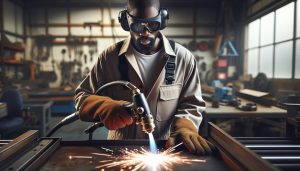
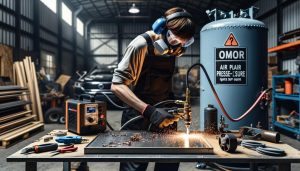
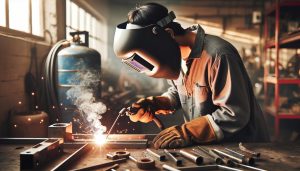
When it comes to plasma cutting, understanding the extreme temperatures involved is crucial for achieving precision and efficiency in your projects. Did you know that the plasma produced by these tools can reach an astounding 20,000°F? This incredible heat enables the plasma cutter to slice through materials like steel and aluminum with remarkable ease. As a welder-whether you’re just starting or you’re a seasoned pro-the ability to harness this technology effectively can greatly enhance your work quality and productivity. By mastering the science behind plasma cutter temperatures, you can optimize your techniques, select the right materials, and maintain safety protocols. Dive deeper into this fascinating topic, where we’ll explore the nuances of plasma heat and its implications for welding projects, ensuring you’re well-equipped to tackle any challenge.
How Plasma Cutters Work: The Science of Heat
Plasma cutting technology operates on the principle of ionizing gas to create extremely high temperatures that can easily slice through metal. At the heart of this process is the plasma, an electrically conductive state of matter, generated when gas-often air or argon-is heated to around 20,000°F. This intense heat not only melts the material but also blows it away, creating a clean cut. Both beginners and seasoned professionals benefit from understanding the science behind this remarkable technology, particularly how the heat affects various metals during the cutting process.
A plasma cutter consists of a power supply, a torch, and a nozzle. When the machine is activated, it sends an electrical arc through the gas, transforming it into plasma. The nozzle constricts this flowing plasma, which increases its velocity and temperature significantly. Not only does this high-speed jet melt metal quickly, but it also ensures precision by concentrating heat on a small area. This capability is especially useful when working with intricate designs or thinner materials, where controlling the heat input is critical to avoid warping.
Moreover, factors such as the type of gas used, cutting speed, and the electrical current settings will directly influence the plasma’s temperature and cutting ability. For instance, using inert gases like nitrogen or argon can enhance the cutting speed and edge quality, as they provide more stable and hotter plasma arcs than compressed air. Understanding these variables allows for better control and effectiveness in metalworking applications, reducing the risk of errors and ensuring that tasks are completed efficiently.
In summary, grasping the fundamental science behind how plasma cutters generate extreme heat helps both novice and experienced welders optimize their cutting techniques. By leveraging knowledge about gas types, arc control, and effective machine settings, users can enhance their craftsmanship and output quality significantly.
Understanding Plasma Temperature: What 20,000°F Means
The extreme temperature of around 20,000°F that plasma cutters generate is a remarkable feat of engineering and physics, representing one of the hottest forms of temperature control used in metalworking today. This astonishing heat level is not just a number-it translates into the ability to effortlessly slice through a variety of metals, including carbon steel, stainless steel, aluminum, and even thicker materials, making plasma cutting an invaluable tool for fabricators and welders alike.
At this high temperature, the gas inside the plasma cutter becomes ionized, creating a conductive flow of electrons. This process of ionization is essential for achieving the jet of plasma that moves at incredible speeds, effectively melting and ejecting the metal as it cuts. Unlike traditional cutting methods, plasma cutting focuses heat onto a very small area, enhancing precision. This is particularly advantageous when working with detailed or intricate designs where control over the cut width and heat-affected zone is crucial to prevent distortion or damage to surrounding material.
Moreover, understanding the implications of such high temperatures can direct the selection of materials and techniques. For instance, when cutting aluminum, a softer metal that is more susceptible to warping, knowing how to adjust cutting speed and gas type becomes imperative. The plasma cutter’s variable settings allow for adaptation to material types and thicknesses, which can help prevent overheating and ensure clean cuts without compromising the integrity of the workpiece.
The heat generated also necessitates robust safety protocols. Welders and fabricators must equip themselves with proper protective gear, such as flame-resistant clothing and face shields, to guard against the risks associated with high-temperature metalworking. Furthermore, maintaining a workspace that minimizes potential fire hazards while ensuring adequate ventilation is paramount, considering the molten metal byproducts generated during the cutting process.
Factors Affecting Plasma Cutter Temperatures
The temperature of a plasma cutter is not just a static figure; it is influenced by several factors that can significantly impact cutting performance and outcomes. Understanding these variables is crucial for anyone involved in metalworking, as they can dictate the effectiveness and efficiency of your plasma cutting operations. For instance, the power settings on the plasma cutter can alter the temperature of the plasma arc. Higher amperage settings will generally produce hotter plasma, which is essential for cutting through thicker materials or achieving faster cut speeds.
Another vital factor is the type and quality of the electrode used in the plasma cutter. The electrode’s material, size, and age can directly affect heat generation. A worn-out electrode can lead to an unstable arc and reduced temperatures, causing poor cutting performance. Additionally, the nozzle design, including its diameter and shape, plays a significant role in concentrating heat. Nozzles that are too large may spread the arc, causing lower temperatures and inefficient cuts.
The choice of gas also cannot be overlooked. Different gases can alter the characteristics of the plasma arc. For example, using a mix of argon and hydrogen can create a hotter plasma than using nitrogen alone. This difference becomes critical when cutting various materials-copper and aluminum, for instance, may require different gas compositions to optimize heat and cutting speed. The purity of the gas is equally important; impurities can lead to inconsistent temperatures and exacerbate wear on your equipment.
Furthermore, external conditions such as ambient temperature and humidity can influence plasma temperatures. Colder environments can draw heat away from the metal and plasma arc, while high humidity can affect the conductivity of the gas. As such, maintaining controlled environmental conditions not only helps in keeping operational temperatures in check but also enhances the quality of work.
By considering these factors-power settings, electrode and nozzle quality, gas type and purity, and environmental conditions-operators can effectively optimize plasma cutter performance, achieving cleaner cuts while prolonging equipment life. Adapting these variables to meet specific cutting needs is essential for any welder or fabricator aiming to harness the full potential of plasma cutting technology.
Comparing Plasma Cutter Heat to Other Welding Processes
The extreme temperatures generated by plasma cutters set them apart from other welding processes, making them invaluable in various metalworking applications. While a plasma cutter can reach heat levels around 20,000°F, traditional welding methods like MIG (Metal Inert Gas) and TIG (Tungsten Inert Gas) typically operate at lower maximum temperatures of approximately 1,600°F to 3,200°F. This significant difference elevates plasma cutting’s effectiveness for thicker materials, allowing it to slice through metals that would challenge other techniques.
Fundamental Differences in Heating Methods
One aspect that distinguishes plasma cutting is the method it uses to create heat. In plasma cutting, an inert gas is ionized, forming a superheated plasma arc that efficiently transfers energy to the workpiece. This quick transfer ensures that the material is rapidly heated and vaporizes, resulting in a clean cut. In contrast, MIG and TIG welding utilize a filler material and a targeted electric arc to melt the workpieces together, which often requires a more cautious approach to avoid distortion and excessive warping.
The speed at which plasma cutting operates is another critical advantage. Due to the higher temperatures generated, plasma cutters can achieve cutting speeds that are significantly faster than those reached by MIG or TIG processes. For instance, in the aerospace industry, where precision and efficiency are paramount, plasma cutting allows operators to quickly and accurately process aluminum and titanium, which are often used in aircraft manufacturing.
Applications and Considerations
When choosing between plasma cutting and welding techniques, consider the materials and thicknesses involved as well as the desired finish. Plasma cutters excel in cutting ferrous and non-ferrous metals-such as stainless steel and aluminum-where high precision and speed are crucial. However, for tasks that require strong joints, such as structural work, MIG or TIG processes may be preferable because they create stronger bonds through melting and fusing materials rather than cutting them apart.
In summary, the high temperatures achieved with plasma cutting drastically differentiate it from traditional welding techniques. This intense heat allows for rapid and precise cuts through a variety of metals, making it a vital tool in many industrial applications. Understanding these distinctions can guide operators in selecting the right process for their specific metalworking projects.
The Role of Gas Types in Temperature Control
The choice of gas used in plasma cutting plays a crucial role in controlling the temperature of the plasma arc, which can soar to astonishing levels. When an inert gas, such as nitrogen or argon, is ionized within the plasma cutter, it generates the hyperthermic temperatures necessary for effective cutting. The type of gas not only influences the temperature and stability of the arc but also affects the quality of the cut and the efficiency of the process.
Certain gases create a hotter plasma arc than others. For instance, using oxygen instead of inert gases generates a more aggressive cutting action as it combusts upon contact with the workpiece, which in turn can increase the heat of the plasma arc beyond standard levels. This is particularly advantageous when cutting ferrous materials like steel, where the additional heat assists in piercing through thicker sections more effectively. Conversely, for non-ferrous materials such as aluminum, argon or nitrogen is preferable as these gases provide a stable arc with minimal oxidation, leading to clean and precise cuts.
Considerations for gas flow rates also play a part in temperature control. A higher flow rate can stabilize the arc and prevent issues like blowback, but it can also cool down the plasma arc if excessive. Therefore, understanding the ideal flow rate for the specific gas and application is imperative. Additionally, factors such as nozzle size and distance from the workpiece significantly influence how effectively heat is transferred to the material.
In summary, the selection and management of gas types in plasma cutting are pivotal to achieving optimal temperatures, ensuring efficient cuts, and maintaining the integrity of the workpiece. By understanding and utilizing the right gas for various materials, operators can significantly enhance their cutting capabilities and meet the specific demands of their tasks.
Safety Protocols When Working with High Temperatures
When operating a plasma cutter that can reach temperatures up to 20,000°F, safety must be the foremost consideration. The extreme heat generated not only poses a risk of burns but can also ignite nearby flammable materials, leading to potentially hazardous situations. Adhering to strict safety protocols is essential to protect oneself and maintain a secure working environment.
To mitigate risks, proper personal protective equipment (PPE) is vital. This includes heavy-duty gloves, flame-resistant clothing, and face shields or welding helmets equipped with appropriate filters to protect against the bright arc light. In addition, keeping the workspace free from flammable materials-such as sawdust, paper, and oils-is crucial. Implementing a 10-foot safety zone around the cutting area can help prevent accidents involving ignition sources.
Proper Equipment Handling
Training on the correct handling and operation of plasma cutters is equally important. Always ensure that the equipment is in good working condition before starting any job. Regular inspections, including checking hoses for leaks and ensuring the power supply is stable, can prevent malfunctions that may result in overheating or electrical fires. It’s also essential to maintain a clean work area; spatter and residue can accumulate and pose additional fire hazards.
Additionally, implementing emergency protocols is critical. Operators should be familiar with the location of fire extinguishers and first aid kits, and it’s advisable to have a fire blanket nearby. In case of an accident, training in basic first aid can make a significant difference in response time and injury management. By cultivating a safety-first mentality and being prepared for emergencies, operators can work confidently and minimize risks associated with high-temperature plasma cutting.
In summary, the combination of suitable safety gear, proper equipment maintenance, and emergency preparedness will create a safer working environment when dealing with the intense heat generated by plasma cutting. Understanding these protocols not only protects the individual welder but also contributes to safer workshops overall.
Common Applications of Plasma Cutters in Metalworking
Plasma cutters are versatile tools that find extensive application across various domains of metalworking due to their ability to slice through materials with precision and efficiency. With the power to generate plasma temperatures exceeding 20,000°F, these tools enable craftsmen to tackle complex projects, from artistic metal sculptures to industrial fabrication tasks.
One of the most common uses for plasma cutters is in fabrication shops, where they are employed to create intricate metal components and structures. Their ability to cut various thicknesses of steel, stainless steel, and aluminum makes them ideal for forming chassis, brackets, and enclosures with tight tolerances. For instance, in the automotive industry, plasma cutting is essential for shaping parts that require a combination of strength and weight efficiency, such as frames and body panels.
In addition to fabrication, plasma cutters are frequently utilized in repair and maintenance work. Their agility allows technicians to perform quick cuts when replacing worn-out components in machinery, pipes, and heavy equipment. This is particularly valuable in situations where time is of the essence, such as emergency repairs in a manufacturing plant that could potentially halt production.
Another significant application lies in artistic endeavors. Artists and sculptors use plasma cutting to bring their creative visions to life, crafting detailed designs and patterns in metal. The ability to achieve both delicate and bold cuts makes plasma cutters a favored tool in the creation of sculptures, decorative gates, and custom signage. The swift cutting action reduces production time, enabling artists to focus more on their design rather than the limitations of their tools.
Finally, plasma cutters have become indispensable in the construction and demolition sectors. They are utilized to swiftly remove metal structures, cut reinforcements, and even reshape structural beams during renovation projects. The advantage of plasma cutting over other methods, like oxy-fuel cutting, is the minimal heat-affected zone, which preserves the integrity of surrounding materials and reduces warping.
In summary, the applications of plasma cutters in metalworking are vast and varied, ranging from industrial fabrication to artistic expression. Their ability to deliver clean cuts in a wide array of materials makes them a valuable asset across disciplines, allowing metalworkers to meet both functional and aesthetic goals efficiently.
Troubleshooting High-Temperature Issues with Plasma Cutters
When operating a plasma cutter that generates temperatures reaching 20,000°F, high-temperature issues can arise, negatively affecting both the cutting process and the materials being worked on. Understanding and troubleshooting these temperature challenges is essential for achieving optimal cutting results and maintaining equipment longevity. A few common problems include excessive heat affecting workpieces and the torch itself, which can lead to warping, excessive dross, and even operator safety concerns.
One critical factor in managing high temperatures is ensuring the correct settings for the material thickness and type being cut. Using a plasma cutter that is too powerful for the material can result in excessive heat generation. Adjusting the amperage and cutting speed according to the manufacturer’s specifications can significantly mitigate these issues. A well-calibrated plasma cutter not only enhances cut quality but also prolongs the life of consumables, like nozzles and electrodes.
Additionally, the type of gas used can impact the temperature and stability of the plasma arc. For example, oxygen and air produce different results; oxygen can lead to higher heat levels and more vigorous oxidation, while air may provide a steadier plasma arc suitable for lighter materials. Monitoring the gas flow rate ensures optimal cooling of both the workpiece and the torch head. Regularly checking the quality and pressure of your gas supply is vital for consistent performance.
Practical Steps for Troubleshooting
- Inspect Consumables: Worn or damaged consumables can lead to inconsistent cutting and higher temperatures. Regularly replace nozzles and electrodes as needed.
- Avoid Excessive Material Thickness: If a thicker material needs to be cut, consider a different cutting strategy. Using multiple passes or a different cutting technique can help manage heat buildup.
- Implement Cooling Techniques: Utilizing water tables or implementing cooling fans can help reduce heat in the workspace, significantly mitigating temperature issues.
- Monitor Workpiece Distance: Maintain the proper standoff distance (the distance between the nozzle and the material) to avoid unnecessary heat build-up and allow for better arc stability.
By following these troubleshooting techniques and remaining vigilant about temperature management, operators can enhance their plasma cutting experience, achieving cleaner cuts while significantly reducing the risk of damaging their equipment or materials.
Maintaining Plasma Cutters for Optimal Performance
Maintaining the performance of a plasma cutter requires a proactive approach, given that these tools operate at exceptionally high temperatures reaching up to 20,000°F. A good maintenance routine not only enhances cutting precision but also extends the lifespan of the equipment and ensures operator safety. Regular inspections, cleaning, and timely replacements of consumables are key factors in maintaining an efficient plasma cutter.
To begin with, regularly inspect consumables such as nozzles, electrodes, and retaining caps. These components wear out due to exposure to extreme heat and should be replaced at the first signs of deterioration. A worn nozzle can lead to inconsistent cuts and increased heat generation, negatively impacting both the equipment and workpiece. Keeping a log of your usage can help you predict when to replace these parts based on cutting hours or material types used.
Another essential aspect of maintenance is cleaning. After every major project, take the time to clean the torch and the surrounding area. Swarf and dross can accumulate on the torch, affecting its performance and potentially causing overheating. Using appropriate solvents and brushes, gently remove debris without damaging the torch or other components. Additionally, ensure that the air or gas filters are clean and unobstructed to maintain optimal flow and performance.
Regularly calibrate the plasma cutter according to the manufacturer’s settings, particularly when switching materials. Plasma cutters can behave differently depending on the thickness and type of metal being cut, so adjustments to the amperage and cutting speed may be necessary. Keeping the cutter well-calibrated not only improves the performance of the equipment but also ensures cuts are clean and precise, reducing the need for post-processing.
Implementing preventive measures such as maintaining an optimal work environment is equally important. Ensure that the cutting area is well-ventilated to disperse heat and harmful fumes, which can accumulate during operation. Additionally, using tools like water tables can help manage heat and reduce dross fallout, further enhancing the overall efficiency and effectiveness of plasma cutting operations.
By adhering to these maintenance practices, operators can keep their plasma cutters in optimal condition, ensuring quality cuts while minimizing risks associated with high-temperature operations. Consistent upkeep not only saves time and money on repairs but also bolsters safety in the workspace, making it a worthwhile investment for any metalworking project.
Choosing the Right Plasma Cutter for Your Needs
When selecting a plasma cutter, understanding your specific needs in relation to the tool’s capabilities is crucial. The enormous temperatures generated-reaching upwards of 20,000°F-mean that not all plasma cutters will suit every task or material. To ensure optimal results, consider the following factors: power output, cutting thickness, portability, and the types of materials you plan to work with.
Power Output and Cutting Thickness
The power output of a plasma cutter is typically measured in amperage, which directly influences its cutting capabilities. For softer materials, like aluminum, a lower amperage plasma cutter (20 to 30 amps) might suffice. However, for tougher metals like stainless steel or thick steel plates, a machine with higher amperage (up to 60 amps or more) is advisable. Consult the manufacturer’s specifications to match the plasma cutter’s performance with the maximum thickness you expect to tackle, ensuring the tool will efficiently cut through your materials without frequent overheating or wear.
Portability and Ease of Use
Consideration of portability is often overlooked, yet vital for many users. If you plan to work in various locations-be it a job site, workshop, or garage-a lightweight, portable plasma cutter can make a significant difference. Look for units that are compact and equipped with built-in handles or wheels for easy transport. Additionally, the complexity of the plasma cutter’s operation should be appropriate for your skill level. Beginners may benefit from entry-level units that offer automated settings and simpler interfaces.
Material Compatibility
Different plasma cutters perform better with specific materials. While most plasma cutters can handle steel and aluminum, some units excel in cutting stainless steel or other specialty metals. Understanding your preferred materials helps in narrowing down the choices. Many manufacturers provide guidelines or charts that indicate which plasma cutter is best suited for various materials and thicknesses, aiding you in making an informed decision.
Budget Considerations
Budget is a significant aspect of purchasing any welding equipment. Entry-level plasma cutters can start at a few hundred dollars, while high-performance models can exceed a couple of thousand. Assessing your usage-whether occasional hobbies or frequent industrial applications-can help determine the right investment. Keep in mind that spending a little more on a quality plasma cutter often leads to better durability and performance, which can save money in the long run through reduced maintenance and repairs.
Ultimately, choosing the right plasma cutter involves a thorough assessment of your cutting needs and preferences, aligning the machine’s specifications with your intended applications. By carefully considering power, portability, material compatibility, and budget, you can select a plasma cutter that will provide the best performance for the tasks at hand, ensuring effective and safe welding operations.
Future Innovations in Plasma Cutting Technology
The future of plasma cutting technology holds exciting potential, with innovations aiming to enhance both efficiency and safety. Advances in cooling systems are key to managing the extreme temperatures-up to 20,000°F-that plasma cutters generate. Manufacturers are developing enhanced cooling technologies that minimize downtime by quickly reducing the heat buildup during extensive cutting jobs. This innovation ensures that the machines can operate longer without overheating, thereby extending the lifespan of the equipment and improving productivity in industrial settings.
Another area of significant advancement is the integration of intelligent technology within plasma cutting systems. The use of artificial intelligence (AI) and machine learning is transforming how these machines operate. For instance, cutting parameters can be automatically adjusted based on real-time feedback from the materials being cut. This means that the plasma cutter can optimize its power and speed settings instantaneously, leading to cleaner cuts and reduced material waste. Furthermore, smart connectivity allows operators to monitor performance remotely, facilitating proactive maintenance and minimizing operational disruptions.
Safety remains a paramount concern as plasma cutting technology evolves. Future designs are likely to integrate enhanced safety features such as advanced sensors to detect harmful fumes and automatically activate venting systems or alerts. This focus on operator safety, particularly in high-temperature environments, is essential to create a more secure working atmosphere for welders and metalworkers alike.
As industries move towards greater efficiency and automation, the emergence of portable plasma cutters with advanced features will also serve diverse applications. Innovations such as battery-operated units and lightweight designs will empower users in remote locations or tight spaces, making plasma cutting more accessible than ever. Thus, the future of plasma cutting technology not only looks to improve performance but also aims to create user-friendly, safer, and more efficient tools for every welding task.
Myths and Misconceptions About Plasma Cutter Heat
While the astounding temperature of plasma cutters, which can reach up to 20,000°F, may foster awe, it also gives rise to pervasive myths that can mislead both novice and experienced welders. Many individuals believe that all plasma cutters operate at the same extreme temperature and that this is a requirement for effective cutting. In truth, the temperature of the plasma can vary significantly depending on the gas used, the power settings, and the material being cut. Each plasma cutter has its specific operational temperature range optimized for various applications, and understanding this nuance is crucial for effective and safe usage.
Another common misconception is that high plasma temperatures inevitably cause warping or damage to the surrounding metal. However, skilled operators can control the speed and technique employed during cutting to mitigate heat transfer to the workpiece. This control allows for precision cuts with minimal thermal impact, which is particularly vital when working with sensitive materials like aluminum and stainless steel. Achieving balance through adequate cooling techniques and cutting parameters is essential to avoid any adverse effects.
Additionally, a prevalent myth revolves around the supposed danger of working with plasma cutters due to their extreme heat. While safety concerns are valid-plasma cutting does require strict adherence to safety protocols-educating operators on safety practices helps to significantly reduce risks. Utilizing protective gear, ensuring proper ventilation, and becoming familiar with the equipment’s features are all integral to safe operation. Knowledge and preparation can transform misconceptions into a comprehensive understanding of the potential of plasma cutters while maintaining safety as a top priority.
Lastly, it’s worthy to mention that some believe that gas types used in plasma cutting do not significantly influence temperature or performance. In reality, different gases-ranging from air to nitrogen or argon-can dramatically impact not only the plasma’s heat but also the quality of the cut. Each gas has unique properties that can enhance or hinder the cutting process, influencing factors such as speed, cleanliness of the cut, and even the level of spatter observed. Recognizing and leveraging the advantages of specific gases can optimize the functionality of plasma cutters for various projects, empowering operators to achieve the best possible results.
Q&A
Q: What is the maximum temperature of a plasma cutter?
A: A plasma cutter can reach temperatures of up to 20,000°F (11,000°C). This extreme heat allows it to cut through various metals efficiently, making it a versatile tool in metalworking applications.
Q: How does plasma cutter temperature compare to other cutting methods?
A: Plasma cutter temperatures can exceed those of traditional methods like oxy-fuel cutting, which typically maxes out around 3,500°F (1,927°C). This high temperature enables plasma cutters to sever metals more quickly and with cleaner edges.
Q: What factors influence the temperature of a plasma cutter during operation?
A: The temperature of a plasma cutter is influenced by several factors, including the type of gas used, the amperage setting, and the thickness of the material being cut. Adjusting these variables can help achieve optimal cutting performance.
Q: Can plasma cutters be used safely at such high temperatures?
A: Yes, plasma cutters can be operated safely when proper safety protocols are followed. Wearing protective gear and ensuring adequate ventilation are crucial steps in minimizing risks associated with high-temperature operations.
Q: Why do plasma cutters use different gases, and how does that affect temperature?
A: Plasma cutters use gases like air, nitrogen, or argon to create the plasma arc. Each gas type affects the temperature and quality of the cut. For example, using pure nitrogen can enhance cutting speed and temperature for stainless steel.
Q: What maintenance does a plasma cutter need to ensure optimal temperature control?
A: Regular maintenance including cleaning the electrode and nozzle, inspecting the gas lines, and checking for worn components is essential. This helps maintain the cutter’s ability to reach and sustain high temperatures effectively.
Q: How does the thickness of metal affect the cutting temperature of a plasma cutter?
A: Thicker metals require higher temperatures for cutting, which usually means increasing the amperage setting on the plasma cutter. It’s crucial to adjust the settings to ensure efficient cutting without damaging the material.
Q: What safety equipment is recommended when using a plasma cutter?
A: Recommended safety equipment includes welding gloves, a face shield or welding helmet with proper shade, and flame-resistant clothing. This gear protects against sparks and heat generated during cutting operations.
In Retrospect
Now that you understand how the extreme temperatures in a plasma cutter can reach up to 20,000°F, it’s essential to consider the safety measures and equipment you use for welding. Whether you’re a beginner or a seasoned professional, always prioritize using proper safety gear and familiarizing yourself with techniques tailored for materials like aluminum and steel. If you’re eager to refine your skills further, check out our comprehensive guides on MIG welding and TIG techniques, or explore the best tools for effective plasma cutting.
Don’t hesitate to explore our other articles for in-depth insights into welding safety protocols and equipment reviews. Sign up for our newsletter to stay updated with the latest tips and innovations in welding technology. Share your thoughts or questions below; we love hearing from our community! Remember, mastering your craft in welding not only enhances your skills but also opens doors to exciting career opportunities. Keep pushing your limits!