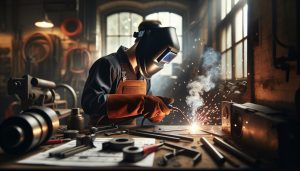
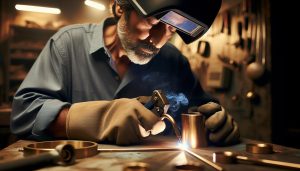
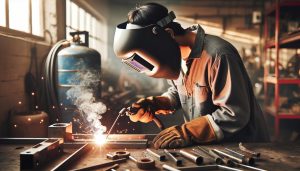
Building your own plasma cutter can transform your DIY projects, making cutting through metal quick and efficient. Did you know that a plasma cutter can achieve precise cuts with less cleanup compared to traditional methods? Whether you’re an aspiring welder or a seasoned craftsman, mastering this tool opens doors to innovative creations and repairs.
With the ever-rising costs of high-quality plasma cutting equipment, knowing how to construct one yourself not only enhances your skills but also delivers significant savings. As you delve into the step-by-step construction process, you’ll encounter essential welding techniques and safety protocols that ensure a successful build. Following along will equip you with the knowledge to tackle not just this project, but also heighten your overall metalworking expertise. Ready to upgrade your workshop? Let’s dive into the fascinating world of DIY plasma cutting!
Choosing the Right Plasma Cutter Design for Your Needs

When embarking on the journey of building your own plasma cutter, choosing the right design is crucial to achieving the results you desire. The selection process begins with a clear understanding of your specific cutting needs. Are you primarily working with thin materials like sheet metal, or do you plan to cut thicker plates? Identifying the thickness and types of materials you will frequently be cutting-such as aluminum, steel, or stainless steel-will significantly influence the power and design specifications of your plasma cutter.
A well-designed plasma cutter typically incorporates key components such as a power supply, cutting torch, air supply system, and controlling mechanisms. It’s essential to determine whether you want a handheld unit for portability or a more stationary system for heavy-duty uses. While handheld models are excellent for light projects and mobility, a table-mounted plasma cutter can provide enhanced precision and stability for larger projects. Consider also the amperage rating, as higher amperage can cut through thicker materials but may require more robust components.
In addition to function, consider the complexity of the build. If you’re a beginner, simpler designs will offer you a less daunting task, allowing for a smoother learning curve. Advanced hobbyists or professionals may opt for complex systems that offer greater customization and features, such as CNC compatibility for automated cutting processes. Research various design plans and blueprints available online, ensuring they cater to your skill level and materials at hand. Your choice can greatly impact both the efficiency and accuracy of your cutting projects, making careful evaluation imperative for a successful DIY plasma cutter.
Essential Tools and Materials for Building a Plasma Cutter
Building a plasma cutter is an engaging challenge that allows you to create a powerful tool for cutting metal and other materials. However, it’s essential to gather the right tools and materials to ensure both the quality of your finished product and your safety during the process.
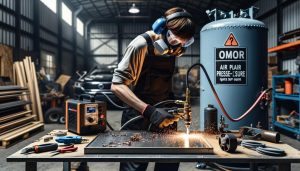
To start with, a robust power supply is crucial; it should be capable of delivering the necessary current to create the plasma arc needed for cutting. You can use a modified arc welder or a dedicated plasma cutter power supply. Next, you will need a cutting torch, which forms the core of the plasma delivery system. Ensure that the torch is compatible with your power supply and is rated for the thickness of the material you’ll be cutting.
Other important components include an air compressor or gas supply for creating the plasma arc; a gas regulator to maintain proper pressure; and copper or brass fittings to connect your airflow system. Don’t forget about safety gear: welding gloves, a welding helmet with the correct shade, and protective clothing are necessary to safeguard against sparks and intense light emitted during cutting.
For assembling your cutter, having basic hand tools like wrenches, screwdrivers, and pliers will be essential. Additionally, soldering supplies may be needed for wiring connections, along with insulated wire and electrical connectors to ensure a safe and effective assembly. Depending on the design, a welding table or workbench can provide a stable surface for your work, and a multimeter will help with electrical testing.
By carefully selecting high-quality materials and tools, you not only enhance your DIY project’s safety but also the effectiveness of your plasma cutter. Proper preparation is key to a successful build that can meet your specific cutting needs.
Step-by-Step Guide to Assembling Your Plasma Cutter
Assembling a plasma cutter is both a rewarding and technical endeavor that requires careful attention to detail and safety protocols. To begin, make sure you have a clean, organized workspace. This environment not only reduces the risk of accidents but also allows for easier access to tools and parts as you work through the assembly steps. Start by laying out all the components you gathered in your preparation phase, ensuring you can see and access everything you’ll need during the build.
Begin the assembly process by connecting the power supply to the cutting torch. The torch needs a solid electrical connection to operate effectively, so utilize insulated wire and ensure connections are secure, using soldering supplies as needed. Always double-check connections for solidity and safety. After that, connect the air compressor or gas supply to the torch. This connection is crucial as it provides the required airflow for creating the plasma arc. Use a gas regulator to control the pressure and ensure consistent performance.
Next, mount the cutting torch and align it for optimal positioning. This step might involve some mechanical adjustments; hence, having basic hand tools like wrenches and screwdrivers will be invaluable. Make sure that the torch is stable and oriented correctly to maximize cutting accuracy. Once all electrical and gas connections are established, conduct a thorough review of the connections to prevent potential hazards.
Before the first use, perform a comprehensive test of the system using a multimeter to check electrical outputs and ensure everything is functioning correctly. This crucial step helps identify any issues before engaging in actual cutting tasks. Once testing is complete and everything is secure, your plasma cutter is ready for operation. Remember to always wear the appropriate safety gear during testing and usage to protect against sparks and intense light generated by the plasma arc.
Understanding Plasma Cutter Components and Their Functions

Understanding the components of a plasma cutter is crucial for anyone looking to build one as a DIY project. A plasma cutter operates by generating an electric arc that transforms gas into plasma, which then slices through various materials. Familiarity with each component not only ensures successful assembly but also enhances the functionality and safety of the device.
At the heart of the plasma cutter is the cutting torch, which houses the electrode and nozzle. The electrode, often made of tungsten or a similar conductive material, creates the plasma arc by ionizing the gas as it flows through the nozzle. The nozzle focuses the arc into a narrow stream, allowing for precise cutting. Understanding the types of electrodes and nozzles available can help in selecting the right ones for specific materials and thicknesses.
Another vital component is the power supply, which provides the necessary energy to maintain the plasma arc. Plasma cutters can either be direct current (DC), which is more common for cutting stainless steel and aluminum, or alternating current (AC), suitable for other materials. The power supply also integrates a gas regulator that ensures a consistent flow of gas, adjusting for pressure variations during operation. This regulator plays a critical role in stabilizing the cutting arc, which is essential for achieving clean cuts.
The air compressor or gas supply system is equally important. Compressed air is commonly used, but alternative gases like nitrogen or argon can also be employed depending on the desired cut quality or material type. A reliable compressor must provide sufficient pressure to sustain the cutting process. It’s prudent to understand the specific requirements for airflow and pressure based on the application to ensure optimal performance.
Lastly, don’t overlook the controls and safety features of your plasma cutter. A well-designed control system should include safety switches that prevent accidental operation, as well as settings to adjust cutting speed and output intensity. Implementing safety features such as overload protection can significantly reduce the risk of damage to the equipment and injury to the user.
In summary, a successful plasma cutter build hinges on understanding the functions of its components. Each part, from the cutting torch to the power supply, plays a critical role in the overall performance and safety of the tool. By starting with a solid foundation of knowledge about these components, you will be better equipped to assemble, operate, and maintain an effective plasma cutter that meets your specific cutting needs.
Safety Protocols for DIY Plasma Cutter Projects

Creating a plasma cutter at home can be an exciting and rewarding project, but it also comes with inherent risks. Understanding and implementing effective safety protocols is essential to protect yourself and those around you. Plasma cutters work by generating a high-temperature plasma arc, which can cause severe burns, eye injuries, and other hazards if not handled properly. By adhering to safety guidelines, you can minimize risks and ensure a safe working environment.
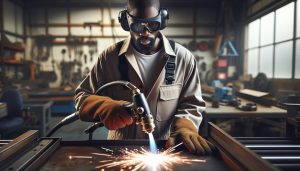
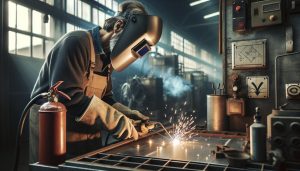
First and foremost, personal protective equipment (PPE) should always be worn when operating or assembling a plasma cutter. This includes a welding helmet with an appropriate filter lens, flame-resistant clothing, gloves, and safety glasses. The welding helmet not only protects the eyes from the intense light generated by the arc but also shields the face from flying debris and sparks. Flame-resistant gloves provide grip and protection while preventing thermal burns from unexpected contact with hot components.
Maintaining a clean and organized workspace is also crucial. Ensure that the area is free from flammable materials, and keep all tools and components stored safely to prevent trips and falls. Additionally, having a fire extinguisher readily accessible can provide an extra layer of protection in case of an emergency. Knowing how to properly operate the fire extinguisher can be lifesaving, so familiarize yourself with the PASS method: Pull, Aim, Squeeze, and Sweep.
Another vital safety measure involves ensuring proper ventilation. Plasma cutting generates hazardous fumes, which can be harmful when inhaled. Working outdoors or in well-ventilated areas can help dissipate these fumes. If indoors, using a ventilation system or exhaust fan will significantly reduce the risk of inhaling harmful gases. It’s also wise to use a respirator designed for welding to further protect against inhalation of toxins.
It is crucial to understand the electrical hazards associated with plasma cutters as well. Ensure that all electrical connections are secure and that the equipment is grounded. Avoid working in wet conditions, and verify that your plasma cutter’s voltage requirements match your power source to prevent electrical shocks. Follow the manufacturer’s instructions meticulously to avoid accidents caused by incorrect connections or settings.
By implementing these safety protocols, you’ll create a safer environment for both yourself and anyone around you while conducting your plasma cutting projects. It is vital to remain vigilant and practice safe habits, which not only protect you but also promote a culture of safety in your workspace.
Troubleshooting Common Plasma Cutter Issues
In the world of plasma cutting, encountering issues is a common experience, especially for those venturing into DIY projects. Knowing how to troubleshoot these problems is critical not only for successful operation but also for enhancing safety and efficiency in your work. Common plasma cutter issues often stem from inadequate power, improper settings, or worn-out components. Identifying these issues early can save time and prevent costly repairs.
One typical problem is inconsistent cutting quality, which can manifest as rough edges or excessive slag buildup. This often indicates a misalignment between the plasma cutter settings and the material being cut. It’s essential to adjust the amperage; higher settings may be required for thicker materials, while lower settings are suitable for thinner sheets. Additionally, ensure that you’re using the appropriate nozzle and electrode for the material and thickness at hand. Regularly inspect these components for wear as their effectiveness diminishes over time.
Another frequent issue involves the plasma arc itself. If the arc fails to maintain a consistent connection, it may signal issues with the torch or gas supply. Check that the consumables (nozzle and electrode) are seated properly, and ensure there’s a clean supply of compressed air or gas free from moisture. Inspect the torch for any debris or damage, as even minor clogs can affect performance significantly. In some cases, replacing consumables can restore optimal function and cut quality.
Lastly, electrical issues can hinder performance. If you notice flickering power or failure to ignite, inspect all electrical connections, ensuring they’re secure and free from corrosion. Verify that the power supply voltage is compatible with your plasma cutter’s specifications. It’s also prudent to check the ground connection, as poor grounding can lead to a host of operational difficulties.
By maintaining awareness of these common issues and following a systematic approach to troubleshooting, both novice and seasoned welders can ensure their DIY plasma cutting projects run smoothly and safely.
Advanced Techniques for Optimizing Plasma Cutter Performance
To truly harness the capabilities of a plasma cutter, one must look beyond the basics and delve into advanced techniques that enhance performance. Achieving optimal cutting quality and efficiency hinges on understanding the interplay between various settings, materials, and cutting environments.
One crucial aspect of optimizing a plasma cutter’s performance is adjusting the cutting speed and amperage based on the material type and thickness. For instance, when cutting thicker steel plates, increasing amperage is essential to maintain a stable and consistent arc. Conversely, for thinner materials like aluminum, a slower cutting speed can reduce the risk of melting or warping, thus ensuring cleaner cuts. Always experiment with scrap pieces before commencing on your actual project; this practice fine-tunes your settings and hones your cutting technique.
Another technique involves fine-tuning the gas flow rate and type for your specific application. Using the appropriate gas, such as compressed air or nitrogen, can significantly impact the quality of the cut. Lower gas flow settings may be beneficial for thinner materials to achieve more precise cuts, while higher rates are usually required for thicker materials to ensure the plasma arc remains stable and effective.
Utilizing Nozzle and Electrode Strategies
The choice and maintenance of nozzles and electrodes play a significant role in achieving optimal cuts. Regularly inspect and replace these consumables, as worn components can lead to a range of problems, from an unstable arc to uneven cuts. For instance, employing a fine cut nozzle can enhance precision for intricate designs, while a standard nozzle is effective for more substantial cuts. Moreover, ensure that the electrode is correctly aligned and seated, as misalignment can disrupt the flow of the plasma arc.
Environmental Considerations
The cutting environment also affects performance. Wind or drafts in an unguarded workshop can disrupt the plasma arc, leading to erratic cuts. To mitigate this, set up a windbreak using a tarp or temporary enclosure when working in less-than-ideal weather conditions. Maintaining a clean workspace by eliminating debris and contaminants from the cutting area is also critical, as these can adversely affect both safety and cut quality.
By implementing these advanced techniques and continuously educating oneself about plasma cutting nuances, welders can master their DIY plasma cutter projects, achieving professional-grade results. Embracing experimentation and attention to detail will yield the best outcome, paving the way for successful and satisfying cutting endeavors.
Maintenance Tips for Longevity and Reliability
Regular maintenance is essential for ensuring that a DIY plasma cutter remains reliable and performs effectively over time. Just like any piece of equipment, neglecting maintenance can lead to diminished performance, increased downtime, and costly repairs. By committing to a routine maintenance schedule, you can significantly prolong the lifespan of your cutter and maintain its operational efficiency.
One of the most crucial aspects of plasma cutter maintenance involves the routine inspection and replacement of consumable parts. Items such as nozzles, electrodes, and filters experience wear and tear from regular use and can greatly affect cutting quality. Replacing these components on a regular basis can help prevent issues such as an unstable arc and poor cut quality. For instance, if you notice your cuts are becoming inconsistent or the arc is not maintaining its stability, it may be time to replace the nozzle or electrode. Establish a log to track the usage of these components, which will help in predicting when replacements are necessary.
Cleaning and Care
Additionally, maintaining a clean environment for your plasma cutter is paramount. After each use, clear away any metal debris, dust, or spatter that may have accumulated. These particles can interfere with the operation of the machine and can lead to overheating or other issues. Regularly clean the cutting table and surrounding areas to ensure that your workspace is free of flammable materials, which will help maintain safety and efficiency. Make it a habit to periodically clean the internal parts of the plasma cutter, as dust and dirt can accumulate and affect its performance.
Another element of maintenance is ensuring that all connections are secure and cables are in good condition. Visual inspections of the power cables, ground connections, and air lines should be performed regularly to check for wear or damage. Replace any frayed or damaged cables immediately to prevent electrical hazards or operational failures during cutting tasks.
By paying attention to these key maintenance strategies, you not only ensure the longevity and reliability of your DIY plasma cutter but also enhance your overall cutting experience. A well-maintained machine translates into clean, efficient cuts, allowing for better project outcomes and a more successful welding career.
Comparing Plasma Cutters: DIY vs. Commercial Options
When evaluating plasma cutters, understanding the differences between DIY and commercial options is crucial for both novice and experienced welders. A significant advantage of building a plasma cutter yourself is the customization it offers. DIY projects allow you to tailor the cutter’s specifications to meet the specific needs of your projects, whether they involve heavy metal fabrication or intricate art pieces. Moreover, constructing your own equipment can lead to a more in-depth understanding of the technology, which is invaluable when it comes to troubleshooting and repairs.
That said, commercial plasma cutters often deliver a reliability and performance that can be hard to match with a DIY version. They come equipped with advanced features such as built-in safety mechanisms, detailed user manuals, and robust customer support. The majority of industrial plasma cutters are designed for continuous operation and can handle thicker materials with greater efficiency than many DIY models. Therefore, users who require heavy-duty capabilities might find it more beneficial to invest in a commercially produced unit.
When making your choice, consider factors such as cost, material thickness, and frequency of use. DIY plasma cutters can vary dramatically in cost depending on the materials and components chosen, while commercial options typically come at a higher upfront price but may offer savings over time through durability and efficiency. Below is a comparison of some key factors:
| Factor | DIY Plasma Cutter | Commercial Plasma Cutter |
|---|---|---|
| Customization | Highly customizable to specific needs | Limited to factory specifications |
| Initial Cost | Generally lower | Higher initial investment |
| Performance | Varies greatly; may not handle industrial workloads | Consistent performance for heavy-duty applications |
| Support | Limited; reliant on personal research | Usually includes warranty and customer support |
Ultimately, the decision to build or buy a plasma cutter will depend on your specific welding needs, experience level, and budget constraints. For hobbyists or those entering the field, a DIY plasma cutter may be a rewarding project that fosters skill development. In contrast, professionals requiring dependable and efficient performance may find that investing in a commercial plasma cutter is the best option for their long-term success.
Creative Applications of Your DIY Plasma Cutter
The versatility of a DIY plasma cutter opens up a world of creative applications, allowing users to transform their imaginative ideas into tangible projects. Beyond basic metal cutting, this tool can be employed for intricate designs and artistic expressions, making it an invaluable asset for hobbyists and professionals alike. Whether you’re looking to create custom signage, intricate sculptures, or functional art pieces, understanding how to harness the potential of your plasma cutter can elevate your projects significantly.
One of the most popular applications for DIY plasma cutters is in the realm of custom metal art. By utilizing design software, you can create detailed patterns and shapes that the cutter can follow with precision. This capability makes it perfect for producing unique wall decorations, garden art, and even personalized gifts. Engaging in projects like these not only enhances the aesthetic of your spaces but also showcases your craftsmanship. Additionally, utilizing scrap metal and repurposed materials for these projects is a cost-effective way to produce stunning creations, promoting sustainability while practicing your cutting skills.
Another exciting application is in fabricating parts for bicycles, motorcycles, or even home appliances. For example, if you’re an enthusiast looking to enhance your bike’s aesthetic or performance, your plasma cutter can help you create brackets, wheel guards, or custom handlebars. Using CAD (Computer-Aided Design) software allows you to design components that fit your exact specifications, ensuring a perfect fit while adding a personal touch. This customization can lead to improved performance and visual appeal, elevating your vehicle to a new level.
Safety First in Creative Projects
While exploring the creative potential of your DIY plasma cutter, it’s essential to remain vigilant about safety protocols. Ensuring that you wear appropriate protective gear, such as gloves and a welding helmet, will significantly reduce risk during operation. Furthermore, maintaining a clean and organized workspace can prevent accidents and ensure that your projects proceed smoothly.
In summary, the applications for creative projects using a DIY plasma cutter are immense and varied. From decorative pieces to functional components, the only limits are your imagination and technical skill. Embrace the possibilities and allow your creativity to flourish as you utilize your plasma cutter to craft unique and personalized items that reflect your style and expertise.
Cost Analysis: Building vs. Buying a Plasma Cutter
When considering the purchase or construction of a plasma cutter, economic factors play a critical role in determining the best option for individual needs. Building your own plasma cutter might often appear to be the more cost-effective solution, particularly when factoring in the initial outlay for commercial equipment. However, it’s essential to assess both financial implications and long-term functionality when making this decision.
The initial cost of materials required to build a plasma cutter can vary significantly, depending on the specifications and functionalities desired. Typically, costs for components such as power supplies, cutting torches, and control systems can add up quickly. For instance, a DIY plasma cutter might require between $100 and $300 in parts, whereas a reliable commercial plasma cutter starts around $400 and can exceed $2,000 for advanced models. However, a well-constructed DIY plasma cutter can offer superior customization tailored to specific projects, which commercial models may not support effectively.
Despite the appeal of cutting costs, there are additional factors to consider beyond just the monetary investment. Building a plasma cutter requires a certain level of technical knowledge, as well as the ability to troubleshoot and maintain the machine. This skill is essential for ensuring the cutter operates reliably over time. On the other hand, purchasing a commercial plasma cutter provides immediate access to expert design and engineering, often backed by warranties and customer support. This translates into an easier user experience, particularly for beginners or those unfamiliar with electrical fabrication.
It’s important to weigh the long-term costs of maintenance and repair, as well. For a DIY plasma cutter, you will likely need to engage in ongoing troubleshooting and sourcing of replacement parts, which can increase costs over time. Conversely, commercial cutters tend to have readily available parts and professional assistance, allowing for a more predictable and manageable maintenance schedule.
To summarize, the cost analysis of building versus buying a plasma cutter hinges on personal requirements and the intended application. A decision based solely on initial costs may lead to unforeseen expenses related to upkeep, repairs, and inefficiency. Carefully evaluating these factors will guide users toward the most effective choice for their needs, ensuring a plasma cutting solution that meets both budget constraints and project demands effectively.
Future Innovations in Plasma Cutting Technology
As the manufacturing landscape evolves, innovations in plasma cutting technology promise to enhance efficiency, precision, and versatility for DIY enthusiasts and professionals alike. One of the most exciting advancements is the integration of advanced software and automation into plasma cutter systems. By employing computer numerical control (CNC) technology, users can create intricate designs with a level of accuracy that manual operation cannot achieve. This capability enables complex cuts and intricate patterns that elevate the quality of projects from basic metalwork to detailed artistic creations.
In addition to CNC advancements, the development of high-definition plasma cutting systems offers sharper, cleaner cuts and reduced kerf width. This improvement not only minimizes waste but also allows for faster processing speeds without sacrificing quality. Furthermore, innovations such as plasma arc length control enable users to fine-tune the cutting process dynamically, adapting to varying material thicknesses and types. This flexibility is essential when switching between different projects, ensuring consistent results every time.
Emerging technologies also focus on enhanced safety features. Newer plasma cutters are being designed with integrated sensing technology that not only detects potential hazards but also employs automatic shut-off features to prevent accidents. As DIY builders often work in makeshift settings, these safety innovations are crucial for minimizing risks associated with high temperatures and electrical components.
The future of plasma cutting technology is not solely about improving existing processes; it also embraces the potential for sustainable practices. With rising environmental concerns, plasma cutters are being engineered to consume less energy while maintaining performance levels, showcasing a commitment to reducing the carbon footprint of fabrication processes. Additionally, adaptations to use alternative gases, such as nitrogen instead of compressed air, can further enhance the cutting quality for specific materials while remaining environmentally friendly.
As the field progresses, staying informed about these innovations will not only empower users to maximize their do-it-yourself projects but also equip them with the skills needed to adapt to this fast-evolving technological landscape. Whether considering a DIY build or a commercial upgrade, understanding these advancements will guide informed decisions and keep your craftsmanship at the forefront of the metalworking industry.
FAQ
Q: What are the key components needed to build a plasma cutter?
A: The key components to build a plasma cutter include a power supply, a torch, an air compressor, and a cutting table. Additionally, you’ll need wires, connectors, and various tools for assembly. Refer to the section on Essential Tools and Materials for Building a Plasma Cutter for a detailed list.
Q: How does a DIY plasma cutter compare to commercial options in performance?
A: A DIY plasma cutter can perform comparably to commercial options if built with quality materials and components. However, commercial cutters often offer better reliability and support. For a detailed comparison, check the section on Comparing Plasma Cutters: DIY vs. Commercial Options.
Q: What safety precautions should be taken when building a plasma cutter?
A: Key safety precautions include wearing appropriate protective gear, ensuring proper ventilation, and isolating electrical components. It’s essential to follow established safety protocols outlined in the Safety Protocols for DIY Plasma Cutter Projects section.
Q: How do I troubleshoot issues with my DIY plasma cutter?
A: Common issues include inconsistent cutting or poor arc stability. Ensure connections are secure and check the air supply. For a more comprehensive guide, refer to Troubleshooting Common Plasma Cutter Issues.
Q: What maintenance practices are recommended for a DIY plasma cutter?
A: Regularly check the air filter, clean the torch nozzle, and inspect electrical connections. Routine maintenance will prolong the lifespan of your plasma cutter. For more tips, see Maintenance Tips for Longevity and Reliability.
Q: Can I use a DIY plasma cutter for thick materials?
A: Yes, a properly built plasma cutter can cut thick materials like steel, depending on its amperage and the torch design. Consult the Advanced Techniques for Optimizing Plasma Cutter Performance section for strategies to enhance cutting capabilities.
Q: What costs should I expect when building a plasma cutter?
A: Costs can vary based on components and tools, but budgeting for quality parts and safety equipment is crucial. For a detailed cost breakdown, see the Cost Analysis: Building vs. Buying a Plasma Cutter section.
Q: Are there creative applications for a DIY plasma cutter?
A: Yes, a DIY plasma cutter can be used for art projects, sign making, and even intricate metalwork. Explore the Creative Applications of Your DIY Plasma Cutter section for more inspiration.
In Conclusion
Congratulations on taking the first step toward mastering a powerful tool with your DIY plasma cutter project! With your newfound knowledge, you can tackle a variety of welding tasks, from intricate metal art to functional repairs. Don’t forget to explore our comprehensive guides on MIG, TIG, and stick welding techniques to expand your skills even further.
Feeling inspired? Share your project outcomes and ask questions in the comments section below! For more practical tips and expert reviews on welding equipment, check out our equipment reviews and safety protocols resources. As you continue your welding journey, sign up for our newsletter to stay updated on the latest techniques and projects. Remember, the world of metalworking is at your fingertips-dive in and create something amazing today!