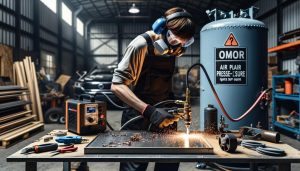
When it comes to metal fabrication, a plasma cutter is an essential tool for anyone looking to create clean, precise cuts in a variety of materials. Whether you’re a hobbyist or a seasoned professional, understanding how to choose the right plasma cutter can dramatically impact your projects’ quality and efficiency. With options ranging from entry-level models to advanced industrial machines, selecting the best one for your needs can be overwhelming. This guide will not only simplify your decision-making process but also equip you with the knowledge to ensure your investment provides the best value. As we delve into the intricacies of plasma cutting-from the technology behind it to the features that matter most-prepare to discover insights that will enhance your welding skills and lead you to successful outcomes in your metalworking endeavors.
Choosing the Right Plasma Cutter for Your Needs
Choosing the right plasma cutter can dramatically influence your cutting efficiency and the overall quality of your work. With the vast range of plasma cutters available, understanding your specific needs is paramount. Professionals and hobbyists alike should consider the material types they will be working with, the thickness of the materials, and the intended applications. For instance, if you’re primarily cutting thin metals, a lower amperage plasma cutter would suffice; however, for thicker materials, investing in a unit with higher output is advisable.
When evaluating plasma cutters, pay attention to their duty cycle, which indicates how long the machine can operate before needing a cooling period. A higher duty cycle allows for longer operation, making it critical for production environments. Additionally, consider the portability of the unit if you require mobility; lightweight models often come with built-in handles for easy transport. Ensuring that the plasma cutter supports various technologies, such as High-Frequency Start or Pilot Arc, can enhance versatility and performance, particularly when cutting expanded metal or rusty surfaces where arc stability may be compromised.
Moreover, user-friendly features like an LCD display for easy adjustments and automatic pilot arc restart improve both efficiency and ease of use. As plasma cutting technology advances, brand reputation and customer support remain key elements in your decision-making process. Always check the warranty period and service options provided by manufacturers to safeguard your investment. Balancing these considerations will lead to a smart purchase tailored to your cutting tasks and workflow requirements.
Key Features to Look for in a Plasma Cutter
When selecting a plasma cutter, understanding its key features can significantly enhance both your cutting experience and the quality of your work. The right features not only facilitate effective operation but also ensure safety and longevity of the equipment. One of the foremost aspects to consider is the duty cycle, which pertains to the amount of time a plasma cutter can operate before needing a cool-down period. A higher duty cycle is essential in professional settings where continuous use is expected, providing less downtime and greater productivity.
Another important feature is the cutting capacity, which refers to the maximum thickness of material the plasma cutter can handle. Different models may excel in cutting thin sheet metals but struggle with thicker materials, so it’s crucial to match the machine’s specifications with your intended applications. Additionally, features like high-frequency start or pilot arc technology can improve performance on challenging surfaces, such as rusty or painted materials, by allowing for easier arc initiation without direct contact.
Portability is another consideration, especially for those who need to transport their equipment between job sites. Lightweight designs often include handles or wheels, making it easier to move the unit as needed. In terms of usability, look for a model with an LCD display that simplifies adjustment of settings, and features an automatic pilot arc restart, which saves time and enhances user experience.
Lastly, don’t overlook the importance of customer support and warranty provisions when choosing a plasma cutter. A robust product warranty can safeguard your investment against manufacturing defects, while solid customer support can assist you should issues arise, ensuring you can maintain your workflow without interruption. As you evaluate your options, focus on these key features to make an informed decision that aligns with both your cutting needs and operational demands.
Understanding Plasma Cutter Types and Their Uses
Plasma cutting is an essential technique in metalworking, known for its speed and precision. Understanding the different types of plasma cutters available can greatly influence your buying decision, ensuring you select a device that aligns perfectly with your project needs. Plasma cutters generally fall into two major categories: air plasma cutters and high-definition plasma cutters.
Air plasma cutters are widely recognized for their versatility and ease of use, making them an excellent choice for both amateur and professional welders. These units operate by using compressed air to create a plasma arc, which effortlessly cuts through various materials, typically up to 1 inch thick. Ideal for general fabrication and maintenance applications, air plasma cutters are favored in automotive repair, metal artwork, and construction projects. Their affordability and compact design also enhance their appeal for hobbyists and smaller workshops.
On the other end of the spectrum, high-definition plasma cutters deliver superior cutting quality and precision, particularly for thicker materials and intricate designs. Utilizing sophisticated technology, these machines produce narrower arcs and greater accuracy, making them the go-to option for industrial applications where detail is paramount. For instance, high-definition plasma is often employed in the manufacturing of parts for aerospace and automotive industries, where tolerances and surface finish are critical. Although these cutters typically come at a higher price point, their efficiency and quality can justify the investment for businesses requiring top-tier performance.
Moreover, both categories of plasma cutters come with specific features and capabilities best suited for various materials. Steel, stainless steel, copper, and aluminum can all be effectively cut using plasma technology, but the choice of cutter can deeply influence the outcome. For example, aluminum requires a plasma cutter with particular settings to manage its thermal conductivity and surface finish effectively. Therefore, it is crucial to assess the types of projects you plan to undertake-a detail that plays a significant role in selecting the right plasma cutter.
By familiarizing yourself with the types of plasma cutters available, you position yourself to make an informed decision that aligns with your unique cutting needs, ensuring a successful and satisfying experience in your metalworking endeavors.
How to Compare Prices and Brands Effectively
When it comes to investing in a plasma cutter, understanding how to effectively compare prices and brands can significantly influence your purchasing decision. With a wide range of options available on the market, it’s essential to approach this task methodically to ensure you’re making an informed choice that meets both your budget and project needs.
Start by establishing a clear understanding of your requirements. Consider factors such as the materials you’ll be cutting (e.g., aluminum vs. steel), the thickness of those materials, and the type of projects you plan to undertake. Once you have clarity on these points, you can begin comparing products that fit within those parameters. Use product specifications and user reviews as invaluable resources during this process. Online platforms often provide detailed descriptions, allowing you to evaluate the features, advantages, and potential drawbacks of different models. Create a comparison table that includes essential features such as cutting capacity, duty cycle, and warranty terms to make the differences clear.
Another crucial aspect to consider involves brand reputation and customer support. Established brands often have a proven track record of quality and reliability, which can provide peace of mind as you’re investing in a significant piece of equipment. Research customer reviews and testimonials to gauge user satisfaction. Pay attention to commentary surrounding the brand’s customer service; being able to reach support for troubleshooting or servicing can save considerable hassle down the line.
Additionally, take into account any promotions or discounts that may be available, particularly during seasonal sales or industry expos. Engaging with local welding supply stores can yield further insights, including first-hand demonstrations or exclusive deals. Bearing in mind that while up-front costs matter, the long-term value derived from robustness and efficiency can often justify a higher initial expense. Whether through a detailed analysis or direct inquiries with manufacturers, diligence in this stage is crucial for making a well-rounded decision that aligns with your metalworking ambitions.
Ultimately, combining thorough research with practical experiences allows you to confidently choose a plasma cutter that not only fits your financial parameters but also enhances your performance on the job.
Essential Accessories for Plasma Cutting Success
To achieve optimal results when plasma cutting, investing in the right accessories is as important as selecting the right cutter itself. While the plasma cutter is the primary tool, the performance and efficiency of your cutting tasks can be significantly enhanced with the appropriate supplementary equipment. This ensures better precision, safety, and overall workflow.
Essential Accessories to Consider:
- Cutting Tables: A dedicated cutting table with adjustable height can provide stability and support while working, allowing for better accuracy. Some tables are designed with built-in grids that help users gauge measurements easily.
- Protective Gear: Safety should always be a priority. Invest in high-quality leather gloves, protective eyewear, and flame-resistant clothing. These elements are crucial for shielding yourself from sparks and heat.
- Gas Supply and Regulators: For plasma systems that require additional shielding gas, ensure you have an appropriate gas supply setup with reliable regulators. This ensures consistent performance and can prevent cutting defects.
- Cutter Dross Removal Tools: After cutting, the dross (the slag that forms as a byproduct) can affect the quality of future cuts. Tools designed specifically for dross removal can save time and effort during cleanup.
- Consumables: Stock up on essential consumables such as electrodes and nozzles. Over time, these components wear down and directly impact cutting performance, so maintaining an adequate supply is highly beneficial.
- Hand Chucks and Clamps: To ensure safety and precision, make use of clamps and hand chucks that secure materials firmly in place during cutting, helping to prevent movement and thereby improving the quality of cuts.
By equipping your workspace with these essential accessories, you not only enhance your cutting precision but also facilitate a safer working environment. Whether you are a seasoned professional or a beginner, understanding and investing in the right supplementary tools can make a significant difference in your plasma cutting experience.
Safety Guidelines for Operating a Plasma Cutter
When operating a plasma cutter, understanding and adhering to safety guidelines is paramount. The high temperatures and intense electrical arcs involved in plasma cutting can pose significant risks if correct procedures are not followed. Protecting oneself and maintaining a safe work environment ensures that both the operator and bystanders remain out of harm’s way. According to industry standards, safety should never be an afterthought; it must be integral to every plasma cutting operation.
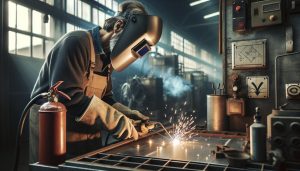
Begin by ensuring your workspace is free of flammable materials. Sparks generated during cutting can ignite nearby items, leading to fires or explosions. Create a designated cutting area that is well-ventilated to disperse harmful fumes and gases produced during the cutting process. Additionally, having a fire extinguisher readily accessible and properly rated for metal fires is an essential safety measure.
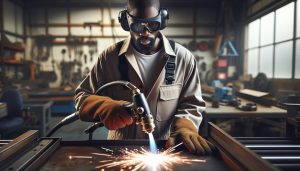
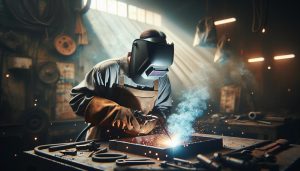
Next, equip yourself with appropriate personal protective equipment (PPE). This includes, but is not limited to, high-quality gloves, protective eyewear or face shields, and flame-resistant clothing. Standard safety glasses are not sufficient; invest in specific eyewear designed for welding to protect against UV and infrared radiation. Long sleeves and high-top boots made of durable materials help shield against heated metal fragments and provide adequate foot protection.
Lastly, it’s crucial to thoroughly understand your plasma cutter’s manual. Familiarize yourself with its components, operation procedures, and any specific warnings outlined by the manufacturer. Regular inspections of your equipment can prevent hazardous malfunctions or failures, and training on emergency shutdown procedures will prepare you for unexpected situations. Always remember that complacency can lead to accidents-maintaining an acute awareness of your surroundings and equipment will significantly enhance overall safety during plasma cutting operations.
By respecting these safety guidelines, operators can work confidently, ensuring a productive environment while mitigating risks. This approach not only safeguards the individual but also promotes a culture of safety and responsibility in the workspace.
Common Mistakes to Avoid When Buying a Plasma Cutter
When purchasing a plasma cutter, many buyers inadvertently repeat common pitfalls that can lead to frustration and disappointment. One of the most significant mistakes is not fully understanding the specific needs of their projects and skill level. For instance, opting for an overly powerful model may result in unnecessary expenses and complexity, while choosing an inadequate model could hinder performance on thicker materials. Before making a purchase, buyers should clearly define their cutting requirements, including the types of metals they will work with and their preferred thicknesses. This foundational knowledge will ensure that they select a cutter that aligns with both their technical needs and budget.
Another frequent oversight occurs in evaluating the brand and model without considering the machine’s capabilities and specifications. Important features such as duty cycle, amperage, and cutting speed can dramatically affect usability and efficiency. For instance, a high duty cycle is crucial for professionals who require a plasma cutter that can operate continuously without overheating. Conversely, hobbyists might find that a lower-duty cycle suits their needs just fine. Researching various models, reading detailed reviews, and consulting with other users can provide critical insights to make informed comparisons.
Moreover, many buyers forget to factor in the cost of necessary accessories and consumables into their overall budget. Plasma cutters require a range of additional items such as plasma cutting goggles, gloves, and replacement consumables like nozzles and electrodes. Ignoring these ongoing costs can lead to unplanned expenses that could strain finances later. It’s also wise to verify that replacement parts are readily available from the selected brand to ensure long-term usability.
Lastly, neglecting to inspect warranties and customer support options can be detrimental. A robust support system and comprehensive warranty can significantly impact user experience, especially for beginners who may need guidance or face troubleshooting issues. Always verify if the manufacturer provides sufficient customer service options and maintain a clear understanding of what the warranty covers.
By avoiding these common mistakes, buyers can ensure they make a wise investment in a plasma cutter that suits their specific needs and enhances their cutting capabilities. Understanding the nuances of different models, planning for ongoing costs, and ensuring solid support will lead to more successful and satisfying plasma cutting experiences.
Maintenance Tips to Extend Your Plasma Cutter’s Life
Proper maintenance can significantly extend the life of a plasma cutter, ensuring optimal performance and reliability throughout its usage. Regular attention to maintenance not only enhances cutting quality but also reduces the risk of costly repairs and downtime. To achieve longevity and efficiency, consider the following maintenance practices that cater to both amateur and professional users.
Start by regularly cleaning the plasma cutter. After each use, make it a habit to wipe down the exterior with a soft cloth to remove dust and debris. Pay special attention to the air filter, as accumulated dust can hinder performance. Inspect and clean the torch head and nozzle, as proper airflow is crucial for maintaining cutting efficiency. When wear becomes evident, promptly replace nozzles and electrodes, as using worn parts can lead to erratic cuts and increased operational costs.
Routine Inspections
In addition to regular cleaning, conduct routine inspections of the plasma cutter’s components. Check for signs of wear and tear, such as frayed cables or pressure regulator issues. Ensure that the electrical connections are secure and free from corrosion, which can cause overheating or electrical failure. Implementing these checks monthly will help in early identification of potential issues, allowing you to make necessary repairs before they escalate.
Proper Storage
The way you store your plasma cutter can also impact its lifespan. Ensure that it is stored in a dry place, away from extreme temperatures and humidity. Utilizing a protective cover can prevent dust accumulation when the machine is not in use. If transporting the plasma cutter, secure it in a padded case to protect it from impacts and shocks that may occur during transit.
Finally, don’t forget to keep your work area organized and free from clutter. A clean workspace minimizes the accidental damage to your tools and helps maintain focus during cutting tasks. With these maintenance tips, you can significantly enhance the durability and cutting performance of your plasma cutter, making your investment worthwhile for years to come.
Real User Reviews: What Buyers Are Saying
The experiences shared by real users of plasma cutters provide invaluable insights into choosing the right model for your specific needs. Many users highlight the importance of functionality and reliability, often suggesting that they prioritize models that offer precise cut quality and maintain consistent performance over longer periods. One common sentiment is the balance between power and portability. As one user pointed out, “I initially purchased a heavier model believing it would be more durable, but I quickly realized that the lightweight option was not only easier to handle but also delivered cutting results just as effectively.”
Users often emphasize the significance of brand reputation and customer support when selecting a plasma cutter. For instance, a welder commented on how their choice was influenced by a friend’s positive experience with the customer service team from a particular brand. “When I encountered an issue with my unit, they were prompt and helpful, which made all the difference in my confidence to recommend their product,” noted the user. Furthermore, reviews frequently mention the user-friendliness of controls and set-up processes, stating that machines with intuitive interfaces greatly assist beginner welder progress.
In terms of results, skilled users frequently express satisfaction with the cleaner cuts achieved with high-quality nozzles and consumables. “Investing in better nozzles transformed my cutting experience; the difference in precision and speed was incredible,” said one experienced fabricator, underscoring that the choice of accessories can elevate performance significantly.
Ultimately, reviews consistently stress that potential buyers consider their specific applications-whether it’s for home projects, professional use, or industrial work-before making a purchase. Understanding the machine’s limits, such as maximum thickness for effective cutting, becomes essential to avoid disappointment. As one reviewer aptly stated, “It’s not just about the plasma cutter itself; it’s also about how well you understand its capabilities and limitations.” This awareness ultimately fosters a better user experience and guides more efficient expectations in the field.
When to Upgrade Your Plasma Cutter
Elevating the performance of your plasma cutting projects often requires knowing when to invest in an upgrade. A plasma cutter that once met your needs might soon feel inadequate as you tackle more complex projects or encounter limitations in cutting speed, quality, or thickness. One clear indicator that it’s time to upgrade is consistent overloading of your current machine. If your cutter frequently blows fuses or struggles to maintain power during prolonged use, these are signs that it may no longer be suited for your workload.
Additionally, consider the types of materials you’re working with. If you find yourself cutting thicker metals, or if your projects have shifted from simple home repairs to more intricate industrial applications, upgrading can dramatically improve efficiency and outcome. For example, transitioning to a plasma cutter with higher amperage capability can significantly enhance your ability to handle thicker steel or aluminum, resulting in cleaner cuts and less dross.
While evaluating your current machine’s performance, also reflect on your skill level and aspirations. Advanced users may seek features that enhance control, such as multi-voltage settings or advanced pilot arc technology, which helps cut through painted or rusty surfaces. Investing in a model with better user feedback systems or automated features can streamline workflow and increase output.
When contemplating an upgrade, it’s also worthwhile to gauge market advancements. Plasma cutting technology evolves rapidly, and newer models often introduce improved energy efficiency, lighter designs, or enhanced control interfaces. Engaging in research can lead you to discover cutting machines that offer significant benefits over your existing model, ultimately making your investment worthwhile. Upgrading not only means obtaining newer tech but also investing in your capabilities and the quality of your work.
Plasma Cutting vs. Other Cutting Methods: A Comparison
Plasma cutting has revolutionized the metalworking industry, offering a fast and precise solution for cutting through various materials. When deciding between plasma cutting and other methods, such as MIG welding, TIG welding, or Oxy-fuel cutting, it’s critical to understand their distinct advantages and limitations. Plasma cutting stands out for its ability to cut through thick metals with minimal effort and produce cleaner edges than traditional methods.
One of the primary benefits of plasma cutting is its speed. Plasma cutters can cut through metals at rates that often exceed those of MIG or TIG welding. While MIG and TIG welding are commonly used for joining metals, they involve more complex processes that can be slower and less efficient for cutting. Additionally, plasma cutters work effectively on a wider range of materials, including stainless steel, aluminum, and even some composites, making them a versatile choice for various projects.
In contrast, Oxy-fuel cutting is effective for thicker materials but requires higher skill levels and can lead to warping of metals due to the heat involved. Oxy-fuel also has limitations when cutting certain alloys or sensitive materials, making plasma cutting a preferable option in diverse environments. Moreover, plasma cutting tends to create less heat-affected zones, which helps maintain the integrity of the material being cut.
When comparing plasma cutting to MIG and TIG welding, it’s essential to consider the intended application. For rapid production runs or complex shapes, plasma cutting is often the preferred method, while MIG and TIG are better suited for high-quality welds and intricate joints. Additionally, the cost of operation can vary. Plasma cutters usually require consumables like electrodes and nozzles, which can add to the operating cost, whereas MIG and TIG systems have different consumable costs linked to filler materials and shielding gas.
Ultimately, the choice between plasma cutting and other methods depends on your specific needs, including the materials used, the thickness of the workpiece, the desired cut quality, and the project’s speed requirements. Understanding these distinctions allows you to make informed decisions about which cutting technology aligns best with your objectives.
Financing Options for Purchasing Plasma Cutters
Financing a plasma cutter can often be one of the most challenging aspects of making this important purchase, especially given the range of options and price points available. Many buyers may not realize that various financing solutions can help ease the burden of upfront costs while allowing access to essential equipment for metalworking projects. Whether you’re a hobbyist or a seasoned professional, understanding your financing options is crucial for making a sound investment.
One common financing option is to look for specialized equipment financing through banks or credit unions. These loans typically offer better terms and interest rates compared to standard personal loans. For example, some lenders focus exclusively on equipment purchases, allowing you to secure financing based on the potential revenue your blower will generate, rather than just your credit score. This can be particularly beneficial for small businesses looking to expand their capabilities without draining cash flow.
Another viable alternative includes leasing options. Equipment leasing allows users to rent a plasma cutter for a fixed period, providing flexibility to upgrade to newer models as technology advances. This option is often accompanied by lower initial payments and the opportunity to reduce overall risk, especially for those who are uncertain about long-term needs. Additionally, many leases come with maintenance included, which can further save costs over time.
Additionally, buyers should consider reaching out to manufacturers or distributors, as many offer financing plans directly. These plans may feature low or zero down payments, interest-free periods, or promotional rates which can significantly lower the initial financial impact. Some brands also provide loyalty programs or discounts for frequent customers, allowing for savings on future purchases.
Overall, thoroughly researching and analyzing your financing options is essential in making the best decision for purchasing a plasma cutter. By taking advantage of equipment financing, leasing, and manufacturer promotions, you can acquire the tools needed for your projects without overwhelming your budget. Remember to carefully read the terms and conditions associated with any financing agreement and consider consulting with a financial advisor to ensure you’re making the right choice.
Frequently Asked Questions
Q: What is the best plasma cutter for beginners?
A: The best plasma cutter for beginners is typically a lightweight, portable model with a user-friendly interface and automatic settings. Look for features like dual voltage capability and a built-in compressor. Models like the Hypertherm Powermax30 XP are highly recommended for their reliability and ease of use.
Q: How do I choose the right plasma cutter size for my projects?
A: To choose the right size plasma cutter, consider the thickness of materials you’ll be cutting and the frequency of use. For occasional home projects, a portable cutter with a maximum capacity of ½ inch is sufficient. For heavier duties, opt for industrial-grade units that handle thicker materials effectively.
Q: What features are essential in a plasma cutter for professional use?
A: Essential features in a plasma cutter for professional use include high cutting capacity, reliable duty cycle, and efficient cooling systems. Additional helpful features include pilot arc technology, high-frequency start, and advanced torches for precision cuts. These attributes enhance performance and ensure longevity during extensive operations.
Q: When is it necessary to upgrade my plasma cutter?
A: Upgrading your plasma cutter is necessary when you frequently encounter limitations in cutting capacity, speed, or precision that your current model cannot meet. If you move to larger projects or find that your machine experiences overheating or downtime, consider investing in a more powerful unit.
Q: How does plasma cutting compare to laser cutting?
A: Plasma cutting is generally more cost-effective for thick metals and is quicker for lower-budget projects, while laser cutting offers superior precision and cleaner edges for thinner materials. Choose plasma cutting for heavy-duty tasks and laser cutting for detailed work on thinner metals.
Q: What common mistakes should I avoid when purchasing a plasma cutter?
A: Common mistakes include not researching the appropriate amperage needed based on your projects, overlooking the importance of brand reputation, and failing to consider warranty options. Always read reviews and seek advice to ensure you select a plasma cutter that fits your needs.
Q: How do I maintain my plasma cutter for optimal performance?
A: To maintain your plasma cutter, regularly clean the torch and replace wear parts like nozzles and electrodes as necessary. Check for air leaks in the hoses and ensure proper ventilation during use. Additionally, storing the machine in a dry place will help preserve its lifespan.
Q: What kind of safety gear should I use while using a plasma cutter?
A: Essential safety gear for plasma cutting includes a welding helmet with proper shading, protective gloves, long sleeves to shield from sparks, and sturdy work boots. Ensure your workspace is clear of flammable materials to enhance safety while operating your plasma cutter.
Insights and Conclusions
Now that you’re equipped with knowledge on how to buy a plasma cutter, it’s time to take the next steps towards mastering your welding projects. Remember, investing in quality equipment tailored to your specific needs can save you time and enhance your results. Check out our in-depth reviews of top plasma cutters and discover essential safety protocols to ensure smooth usage. Don’t hesitate to reach out for expert guidance if you have questions or need additional resources!
Explore our articles on MIG, TIG, and stick welding techniques to refine your skills further. Your journey in welding doesn’t stop here-sign up for our newsletter to stay updated with the latest tips and tools in the industry. We encourage you to share your thoughts in the comments below or share this guide with fellow welders. Embrace your potential, and let’s keep the momentum going as you create stunning projects with your new plasma cutter!