Cutting metal can seem daunting, especially for those starting in the welding or fabrication world. However, mastering the art of using a plasma cutter opens up a universe of creative possibilities and practical applications, from crafting intricate art pieces to making precise cuts in automotive repairs. This beginner’s guide will empower you with the knowledge and skills necessary to safely and efficiently cut various metals, including steel and aluminum. Whether you’re a hobbyist looking to tackle DIY projects or someone considering a career in metalworking, understanding how to effectively use a plasma cutter is essential. Ready to ignite your passion for metalworking? Let’s explore the techniques that will elevate your craftsmanship and enhance your confidence in the workshop.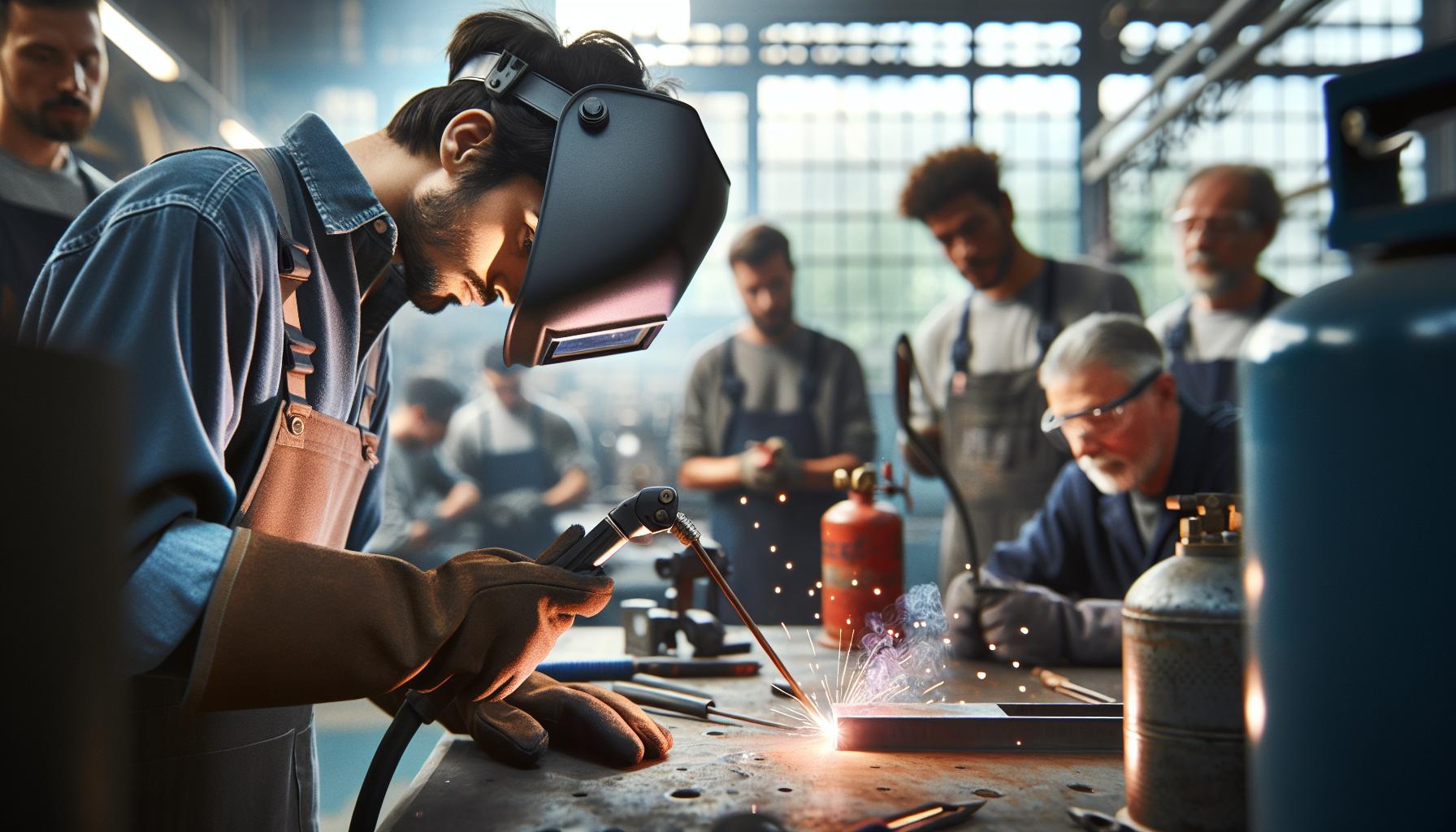
Understanding Plasma Cutting Basics for Beginners
To dive into the realm of plasma cutting is to embrace a transformative method for shaping metal that is both precise and efficient. At its core, plasma cutting involves the use of a high-velocity jet of ionized gas-plasma-to slice through electrically conductive materials like steel, aluminum, and copper. This technique has revolutionized metal fabrication by providing a quick, clean cut that is often superior to traditional methods such as oxy-fuel cutting. Understanding the principles of plasma cutting lays the foundation for mastering this skill, whether you are a hobbyist or a professional in the field.
Plasma cutting utilizes electricity to create a stable arc between the nozzle and the workpiece. As it passes through a constricted area, the gas is energized, forming a high-temperature plasma which can reach temperatures of over 20,000 degrees Fahrenheit. This astonishing heat causes the metal to melt and the force of the gas expels the molten material, creating a precise cut. Not only does this process allow for intricate designs and shapes, but it also minimizes the heat-affected zone (HAZ), thereby reducing warping and distortion to the metal.
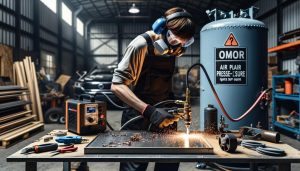
Getting started with plasma cutting requires some basic knowledge of the equipment and how to use it safely. Key components of a plasma cutter include a power supply, cutting torch, and the electrode and nozzle. As you familiarize yourself with these elements, consider the range of settings that can affect your cut quality, including the type of electrode, air pressure, and the distance of the torch from the material. Effective plasma cutting isn’t just about owning the right tools; it’s also about understanding how to adjust your setup based on the thickness and type of material you’re working with.
In addition to technical know-how, practice will refine your skills in controlling the speed and angle of the torch, which are crucial factors for producing clean cuts. Whether you are cutting sheet metal for a DIY project or performing more complex shapes for an industrial application, starting with a simple pattern and progressing to more advanced designs will build your confidence and technical abilities. By embracing the fundamentals of plasma cutting, beginners can quickly advance to mastering this powerful tool in metalworking.
Essential Safety Guidelines for Plasma Cutting
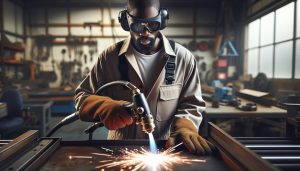
Plasma cutting, while immensely useful, comes with inherent risks that demand attention and respect. Ensuring a safe working environment is paramount, and adhering to established safety protocols can prevent accidents and injuries. The high temperatures generated during plasma cutting can ignite flammable materials, and the intense ultraviolet (UV) light produced can cause serious eye damage. Therefore, investment in proper personal protective equipment (PPE) is essential. This includes flame-resistant clothing, gloves, and, crucially, a high-quality welding helmet equipped with appropriate eye protection filters to shield against harmful radiation.
To create a safe workspace, begin by ensuring that the area is free from combustible materials and has adequate ventilation. Plasma cutting produces harmful fumes, so a well-ventilated area or the use of fume extraction equipment is critical. Establish proper grounding for your plasma cutter to prevent electrical hazards, and always check equipment for wear and proper function before initiating a cut. It’s advisable to maintain a clean workstation by regularly removing clutter and spent materials after each cutting session.
Furthermore, understanding and practicing safe operational techniques is key. Always be aware of your surroundings and the positioning of others while cutting. Use a stable work surface to prevent movement and ensure that the material being cut is secured. Never bypass safety features on your plasma cutter, and make sure to familiarize yourself with the specific operation manual for your machine. In case of an emergency, have a plan in place, including knowing how to quickly shut off the plasma cutter and access fire extinguishing equipment if needed.
Incorporating these safety guidelines into your plasma cutting practices not only protects you but also promotes a responsible culture in the workplace. As you become more adept at plasma cutting, maintaining these safety protocols will ensure that you can confidently explore this powerful tool while minimizing risks.
Choosing the Right Plasma Cutter for Your Projects
Choosing the right plasma cutter is crucial for achieving optimal results in your metalworking projects. With various types available, understanding your specific needs will help you select the machine that not only performs well but also aligns with your skill level and the materials you plan to work with. A good starting point is to assess the thickness of materials you intend to cut, as this directly influences the type of plasma cutter required.
When considering options, you will encounter different classifications of plasma cutters, such as portable models designed for light jobs and industrial-grade machines suited for heavy-duty applications. Portable plasma cutters offer versatility and convenience, making them ideal for hobbyists or those who require mobility. In contrast, heavy-duty cutters deliver higher amperage, allowing for deeper cuts and faster operation, which is essential in professional settings.
Further, pay attention to essential features such as the cutting capacity, duty cycle, and power supply requirements. A cutter’s duty cycle refers to the duration it can operate before needing to cool down, which is important to avoid overheating during longer jobs. Selecting a machine with a higher duty cycle is beneficial for frequent or intensive use. Additionally, consider whether you prefer an air plasma cutter, known for its ease of use and cost-effectiveness, or a more advanced option that might require specialized gases for enhanced performance.
Ultimately, pairing your plasma cutter with the right consumables, such as nozzles and electrodes, based on the type of cuts you intend to produce will also impact your results. Remember to evaluate user reviews and expert recommendations to ensure you are making an informed decision. Whether you are cutting aluminum, steel, or other metals, finding the right plasma cutter tailored to your project requirements will lead to more successful outcomes and an overall better cutting experience.
Preparing Materials for Effective Plasma Cutting
Preparing materials effectively is crucial for achieving optimal results when cutting with a plasma cutter. Beginning with clean, properly prepared materials ensures better performance and enhances the quality of the cut. Remove any surface contaminants such as rust, paint, oil, or dirt from the metal. Using a grinder or a wire brush can help in this process. Contaminants can interfere with the arc stability and result in inconsistent cuts, so thorough cleaning is non-negotiable.
Additionally, consider the thickness and type of material being used. Different metals, such as aluminum and stainless steel, require specific settings and approaches. For instance, aluminum tends to have a lower melting point, so adjustments may be needed for cutting speed and amperage compared to thicker steel. It’s beneficial to refer to the manufacturer’s guidelines for suggested settings based on the material type and thickness, facilitating smooth cutting processes.
Aligning the material correctly for cutting is another essential step. Ensure that the metal is flat and securely clamped or held in place to prevent movement during the cutting process. Any shifts can lead to uneven cuts and potential injury. Additionally, planning the cut path ahead of time can save material and improve efficiency. Using a marker or chalk line to outline cut areas serves as a visual guide that can enhance accuracy, especially for beginners.
In preparing to cut, setting the plasma cutter at the appropriate height above the material is vital. Generally, the tip of the nozzle should be about 1/16 to 1/8 of an inch above the material surface. Maintaining this distance optimizes the cutting process and extends the life of the nozzle. Proper preparation of materials not only enhances the quality of the cuts but also prolongs the lifespan of your plasma cutting equipment, making it a fundamental aspect of any plasma cutting project.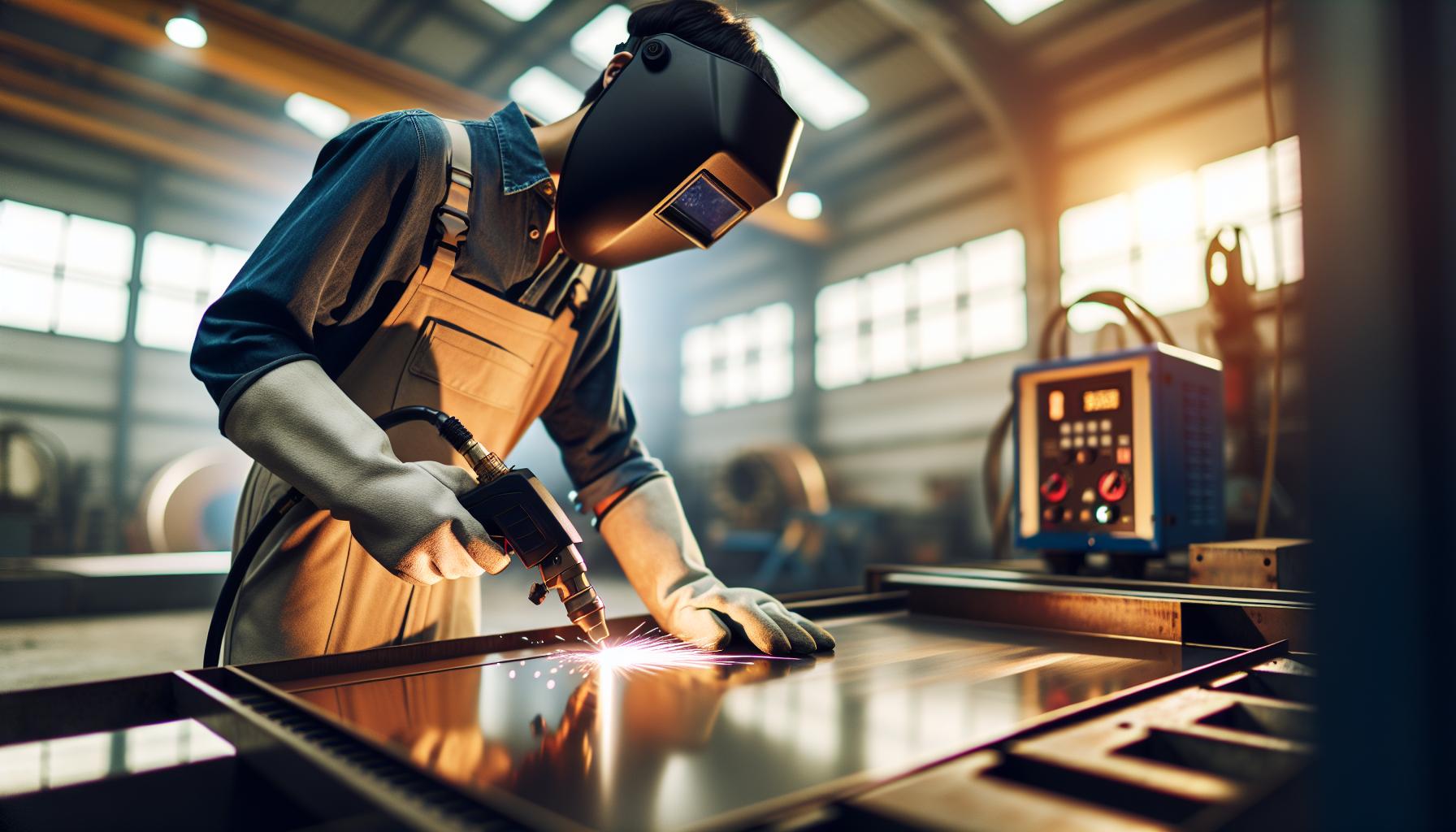
Step-by-Step Instructions for Plasma Cutting Techniques
To master plasma cutting, following a structured, step-by-step approach is imperative for achieving clean, precise cuts consistently. Before you begin, ensure you are wearing appropriate personal protective equipment (PPE), including safety glasses, gloves, and a flame-resistant jacket, as plasma cutting generates intense heat and hazardous sparks.
Start by securing your plasma cutter and ensuring all necessary equipment is in place. This includes verifying that the gas supply is adequate and that your cutter settings are adjusted according to the material’s specifications, including thickness and type. Always consult the manufacturer guidelines to understand the optimal amperage and pressure settings for your specific project.
Once everything is set, position your metal securely on a stable surface. Utilize clamps or brackets to prevent any movement during the cutting process. With your plasma cutter at the correct height-typically 1/16 to 1/8 of an inch above the material-power it on and initiate the arc. A steady hand is crucial; begin cutting at the edge of the metal. Move the cutter in a controlled, slow manner to ensure even penetration. If cutting curves, it may help to practice on scrap metal to refine your technique.
During the cutting process, monitor the cut’s progress for signs of excessive spatter or unevenness, adjusting speed as necessary. After completing the cut, inspect the edges. A smooth finish suggests proper settings and technique, while jagged edges might indicate the need to adjust your cutting speed or height next time. Finally, remember to switch off the plasma cutter and clean up any slag or debris promptly to maintain a safe workspace for future projects.
Understanding these methods not only helps in achieving high-quality cuts but also boosts your confidence as you experiment with more complex designs in plasma cutting. Through practice and attention to detail, you can refine your skills and tackle a broader range of projects, from artistic creations to industrial applications.
Common Plasma Cutting Problems and Solutions
Despite its efficiency, plasma cutting can come with a range of challenges that beginners might face. Understanding these common issues not only helps in troubleshooting but also enhances the overall effectiveness of your cutting projects. One prevalent problem is poor cut quality, which can manifest as rough edges, excessive slag, or burn-through. This often originates from incorrect settings on the plasma cutter, such as improper amperage or cutting speed. Always ensure that your machine is calibrated for the specific material and thickness you’re working with; consulting the manufacturer’s guidelines can provide clarity on the optimal parameters to achieve cleaner cuts.
Another issue that frequently arises is torch contamination, which can result from the accumulation of spatter or dirt on the nozzle. This contamination can disrupt the plasma arc and lead to uneven cuts or inconsistent penetration. Regular maintenance is key; clean the torch regularly and replace worn consumables, such as nozzles and electrodes, to maintain optimal performance. Additionally, avoid using low-quality materials that can lead to more slag and debris during the cutting process.
Occasionally, users may also encounter inconsistent arc stability, which can cause the cut to wander or be erratic. This instability can be attributed to several factors, including improper torch height, ineffective gas flow, or electrical interference. Maintaining a consistent distance between the torch and the workpiece is crucial-keeping the tip around 1/16 to 1/8 inches above the metal helps maintain a steady arc. Moreover, verify that the gas settings are appropriate and free from leaks to ensure that the plasma stream remains concentrated and powerful.
Lastly, if you notice that your plasma cutter fails to start or the arc refuses to ignite, confirm that all connections are secure and the power supply is stable. Ensuring adequate gas flow and checking for obstructions can also remedy this issue. Being aware of these common problems-and their respective solutions-will equip you with confidence and knowledge, leading to improved cutting outcomes and, ultimately, greater satisfaction with your plasma cutting endeavors.
Maintaining Your Plasma Cutter for Longevity
To get the most out of your plasma cutter and ensure its longevity, regular maintenance is crucial. A well-maintained cutter not only performs better but also reduces the likelihood of unexpected breakdowns during critical projects. Developing a routine for cleaning and inspecting your equipment can markedly enhance its lifespan while maintaining cutting quality.
One of the primary components that require attention is the torch. Over time, contaminants such as spatter and metal shavings can accumulate in the nozzle and electrode. This buildup disrupts the plasma arc, leading to uneven cuts. To avoid this, make it a habit to clean the torch after each day of use-this can be done with a soft brush or compressed air. Additionally, regularly inspect the electrodes and nozzles for wear and tear. Replacing these consumables at the first sign of damage will help ensure optimal performance and precise cuts.
Routine Checks and Adjustments
In addition to cleaning, it’s important to conduct routine checks on your plasma cutter’s settings. Verify that the gas flow rate is within the manufacturer’s specified range, as improper gas flow can lead to unstable arcs. Checking the power supply for any fluctuations, as well as ensuring all connections are tight and secure, will prevent performance issues. Minor adjustments to the cutting speed or amperage based on the thickness and type of material being used can also dramatically improve the quality of the cut while reducing wear on the machine.
Storage and Environmental Considerations
How you store your plasma cutter can significantly affect its durability. Keep it in a dry, dust-free environment and away from direct sunlight or extreme temperature fluctuations. Exposure to moisture can lead to rusting, while excessive heat may damage internal components. If the equipment is used infrequently, consider covering it with a protective tarp or placing it in a dedicated storage case to further shield it from potential hazards.
By adhering to these maintenance practices, you not only extend the life of your plasma cutter but also enhance your overall cutting experience. A reliable, well-cared-for machine can lead to higher productivity, better safety, and more satisfying results in your metalworking projects.
Advanced Techniques to Enhance Your Plasma Cutting Skills
To achieve exceptional results with a plasma cutter, mastering advanced techniques can significantly elevate your skills and precision. For instance, understanding the impact of cutting speed, travel angle, and distance from the workpiece can dramatically enhance cut quality. Adjusting these factors allows for cleaner cuts and minimizes dross formation, a common issue when working with metals such as steel and aluminum. Experimenting with different speeds can help you find the optimal balance between speed and power for the material thickness being used.
Optimizing Cutting Techniques
One effective technique is to practice lead-in cuts, where you begin cutting slightly off the edge of your material before drawing the cut line. This method ensures that the arc stabilizes before reaching the desired cut area, resulting in cleaner edges and more accurate cuts. Incorporating a slight forward angle-typically around 10 degrees-can improve the direction of the plasma flow and effectively reduce metal splatter.
It’s also essential to adapt your technique based on the type of material. For instance, when cutting aluminum, which tends to warp under heat, applying short bursts of cutting rather than a continuous line can prevent overheating and maintain material integrity. Conversely, for thicker steel, maintaining a steady hand and consistent speed can help achieve deeper penetrative cuts that require less finishing work.
Exploring Advanced Applications
Beyond basic cutting, exploring the use of a plasma gouging technique can open new possibilities for metalworking. Gouging involves using a plasma cutter to remove material to create grooves, perfect for weld preparation or repairing damaged sections of metal without needing additional equipment. This technique often calls for specific settings and practice but can significantly enhance your capabilities, especially in repair and fabrication situations.
Incorporating variable amperage settings can also provide a level of control that enhances craftsmanship. Higher amperage settings cut faster but may lead to excessive heat. Therefore, skillful modulation of your amperage will allow for more precision when working on intricate designs or thinner materials.
Utilizing Technology for Precision
Finally, the integration of CNC plasma cutting offers an opportunity to further refine your cutting capabilities. Computer-controlled systems provide unparalleled precision and can reproduce complex designs consistently. If you’re ready to invest in such technology, familiarize yourself with the software and settings to maximize the cutter’s performance.
By developing these advanced techniques and continuously refining your skills through practice and experimentation, you can significantly elevate your plasma cutting proficiency, leading to more effective and satisfying results in your projects.
Exploring Applications of Plasma Cutting in Various Industries
In the world of metalworking, plasma cutting has emerged as a transformative technology, influencing a wide array of industries. Its ability to make precise cuts quickly and efficiently has made it indispensable in sectors ranging from automotive to manufacturing and artistic fabrication. This method utilizes a high-velocity jet of ionized gas to melt and remove metal, making it suitable for both thin and thick materials alike. Such versatility ensures that professionals across various fields are equipped to tackle diverse projects, from intricate sculptures to large-scale industrial fabrications.
Industrial Applications
Plasma cutting is widely used in the manufacturing industry due to its efficiency and speed. For instance, in production lines where precise cuts are required in large quantities, plasma cutters help streamline workflows. Industries such as automotive and aerospace employ plasma cutting to fabricate components with tight tolerances. The ability to cut materials like stainless steel and aluminum at various thicknesses allows manufacturers to maintain high standards of quality while optimizing production times.
Construction and Metal Fabrication
In the construction sector, plasma cutting plays a critical role in fabricating steel components used in building structures. Whether cutting beams, columns, or braces, the speed and accuracy of plasma cutting reduce the overall lead time on projects. Metal fabricators also rely on this technology for creating intricate designs or prototypes. With the integration of CNC plasma cutting systems, these professionals can achieve complex cuts with a level of precision that manual methods can rarely match.
Artistic Applications
Beyond industrial uses, plasma cutting is gaining popularity in artistic applications. Artists and designers are discovering the benefits of using plasma cutters to create stunning sculptures, wall art, and architectural features. The ability to cut through dense materials with intricate designs allows for unlimited creativity. Additionally, fabricators can apply various finishing techniques post-cutting, like grinding or polishing, to enhance the final product’s aesthetic appeal.
Repair and Maintenance
Plasma cutting is also essential in repair and maintenance activities. Whether it’s cutting out damaged sections of metal or performing weld repairs, plasma cutting provides a quick and effective solution. For example, in shipbuilding and repairs, workers can easily cut out rusted or damaged sections and replace them with new metal. This flexibility can be a game-changer in situations where time is critical and downtime must be minimized.
By harnessing the capabilities of plasma cutting across these various applications, industries can enhance productivity and innovation. As technology advances and new plasma cutting techniques emerge, the potential for its applications will only continue to expand, making it a valuable asset for any metalworking professional.
Tips for Achieving Precise Cuts with Plasma Cutters
Achieving precise cuts with a plasma cutter is both a skill and an art. A significant factor contributing to precision is the type of plasma cutter used. Ensure the machine is appropriate for the thickness and type of metal you intend to cut. Investing in a machine designed specifically for your projects can improve cut quality and reduce errors. Additionally, regularly maintaining your equipment – such as checking consumables like electrodes and nozzles – helps produce consistent results.
Before you start cutting, proper setup is key. Align your workpiece securely on a stable surface to prevent movement during the cutting process. A well-positioned piece enhances control over the cut and can minimize errors. When preparing your plasma cutter, adjust the air pressure and cutting speed according to the material specifications. Knowing these settings can affect the quality of your cuts significantly. Generally, slower speeds give better control, while a faster pace can result in rough edges or incomplete cuts.
Additionally, practice makes perfect when it comes to cutting techniques. Practice steady, smooth movements to maintain a consistent distance from the workpiece. Too close can cause too much heat and burn through; too far can lead to a wider kerf and loss of precision. A helpful tip is to keep the torch at a 90-degree angle to the workpiece whenever possible. This position not only promotes cleaner cuts but also reduces the mental load of constantly monitoring the angle.
Utilizing a guide can also enhance precision. Consider creating a cutting template out of scrap material to track your path or using straight edges for long cuts. This setup can help you maintain focus and ensure that the cuts adhere to your intended design. Furthermore, always be mindful of the cutting consumables, as worn-out tips can lead to poor-quality cuts. Regularly inspect and replace them as necessary to keep your cuts precise and professional. By adopting these strategies, even a novice can produce precise and quality cuts using a plasma cutter.
Accessories and Consumables to Optimize Plasma Cutting
To achieve optimal performance and precision in plasma cutting, understanding the essential accessories and consumables is critical. These components not only enhance the effectiveness of your equipment but also directly influence the quality of your cuts. Each consumable-ranging from electrodes to nozzles-plays a vital role in ensuring a consistent output. Investing in high-quality components can significantly reduce the frequency of replacements and improve overall cutting efficiency.
Essential Accessories
Utilizing the right accessories can make a marked difference in your plasma cutting experience:
- Electrodes: The heart of the plasma cutting process, these are responsible for creating the arc. Ensure that you’re using electrodes suited to your specific plasma cutter model and the thickness of the material you’re cutting.
- Nozzles: These guide the plasma flow and determine the arc shape. Different nozzle sizes can be selected based on the material thickness and type, helping control the kerf width and improving cut quality.
- Swirl Rings: Integral for the stability of the arc, swirl rings help to create a swirling motion within the plasma gas, enhancing the cut quality. Keeping these in good condition is essential for achieving optimal results.
- Ground Clamps: Effective grounding is crucial for safety and operation. A good ground clamp reduces the risk of electrical hazards and helps maintain an efficient cutting process.
- Consumable Kits: Many manufacturers offer kits that include various essential parts such as electrodes, nozzles, and o-rings. These all-in-one kits can provide convenience and ensure compatibility among parts.
Consumables Maintenance
Maintaining your consumables is just as important as selecting the right ones. Regular inspection of the following can prevent performance issues and extend the lifespan of your equipment:
- Check for Wear and Tear: Look for signs of damage on electrodes and nozzles, such as burn marks or deformation. Replacing worn components promptly mitigates the risk of poor-quality cuts.
- Cleanliness: Keeping the consumables clean from slag or metal debris can prevent clogging and maintain optimal airflow.
- Correct Installation: Ensure all components are installed correctly to avoid misalignment, which can lead to operational errors.
Incorporating these accessories and maintaining your consumables not only enhances the efficiency of your plasma cutter but also plays a significant role in achieving high-quality cuts consistently. Prioritizing quality and care in this area allows welders-from beginners to experienced professionals-to refine their skills and execute projects with greater precision.
FAQ
Q: What materials can I cut with a plasma cutter?
A: A plasma cutter is versatile and can effectively cut various metals, including steel, aluminum, brass, and copper. It’s essential to consider the thickness of the material, as capabilities may vary based on the plasma cutter model used.
Q: How do I set up my plasma cutter for the first time?
A: To set up your plasma cutter, start by reading the manufacturer’s instructions. Connect the air supply and power source. Ensure that the ground clamp is securely attached to the workpiece. This setup is crucial for optimal cutting performance and safety.
Q: Why is my plasma cutter not cutting properly?
A: If your plasma cutter is not cutting well, check the consumables like the electrode and nozzle for wear or damage. Additionally, confirm that the air pressure is set correctly and the ground connection is secure. Adjusting these can resolve many cutting issues.
Q: What safety gear do I need for plasma cutting?
A: Essential safety gear for plasma cutting includes a welding helmet with a suitable lens, gloves, heat-resistant clothing, and steel-toed boots. Additionally, using appropriate hearing protection and a respirator can help safeguard against harmful fumes.
Q: Can I use a plasma cutter indoors?
A: Yes, you can use a plasma cutter indoors, but ensure that the area is well-ventilated to avoid the buildup of harmful gases. Be cautious with sparks and slag; keep flammable materials away from your workspace.
Q: How do I maintain my plasma cutter?
A: Regular maintenance involves cleaning the machine, checking the air supply and pressure, and inspecting the consumables for wear. Routinely replacing worn parts, especially the nozzle and electrode, will enhance performance and extend the life of your cutter.
Q: What is the difference between a plasma cutter and an oxy-fuel cutter?
A: A plasma cutter uses a highly ionized gas to cut through metal, making it faster and able to cut thicker materials than an oxy-fuel cutter, which relies on combustion of gas and oxygen. Plasma cutters are generally preferred for precision cutting.
Q: How do I troubleshoot plasma cutting issues?
A: Troubleshooting plasma cutting issues involves checking air pressure, inspecting consumables for damage, and ensuring proper ground connection. Reviewing the settings for material thickness and type can also help in diagnosing cutting problems.
In Conclusion
Now that you’ve learned the essentials of cutting metal with a plasma cutter, it’s time to put your newfound knowledge into practice! Remember, mastering this technique opens up a world of possibilities, from DIY projects to professional applications in MIG, TIG, and stick welding. If you’re eager to enhance your craft, check out our in-depth guides on welding safety protocols and a comprehensive review of the best plasma cutting equipment available.
Don’t hesitate to share your plasma cutting experiences or ask any lingering questions in the comments below – your feedback fuels our community! For more tips and tricks that can elevate your welding skills, consider subscribing to our newsletter. This way, you won’t miss out on valuable resources that can help you refine your technique while navigating materials like aluminum and steel. Click through to explore and expand your welding knowledge further!