Navigating the eerie corridors of Dead Space, players often find themselves in intense scenarios where quick thinking can mean the difference between survival and demise. One key aspect of mastering this horrifying experience is efficiently rotating the Plasma Cutter, essential for precision and effectiveness against relentless foes. This guide delves into the specific gaming controls, ensuring you execute each rotation smoothly and strategically. By managing the Plasma Cutter skilfully, you can conserve resources and maximize your chances of overcoming the nightmarish threats lurking in the shadows. Prepare to enhance your gameplay, as we unlock the secrets to mastering this vital tool that could seal your fate in the unforgiving world of Dead Space. Keep reading to discover how to sharpen your skills and turn the tide against the terrors you face.
Understanding the Basics of Plasma Cutter Controls

In the world of plasma cutting, understanding the controls of your equipment is foundational to mastering the craft and ensuring precision in your work. A plasma cutter operates by sending a high-velocity stream of ionized gas-plasma-through a nozzle, which creates an extremely high-temperature arc capable of cutting through metals. The controls and settings of a plasma cutter dictate the quality and efficiency of each cut, making it essential for welders, both novice and experienced, to familiarize themselves with these elements.
Key components of plasma cutter controls typically include the main power switch, current adjustment settings, and the gas flow regulator. The power switch activates the machine, while the current adjustment allows users to set the amperage based on the material thickness. A higher amperage offers deeper cuts but requires increased skill to manage heat distortion. Additionally, the gas flow regulator controls the airflow, impacting the stability of the plasma arc. Properly set gas flow reduces drag on the torch and enhances cut quality by producing a smoother arc.
To gain proficiency in utilizing these controls, it’s valuable to engage in hands-on practice, experimenting with different settings on scrap materials. This approach not only familiarizes you with the cutter’s response to various inputs but also develops your ability to troubleshoot. For instance, if cuts come out rough or inconsistent, adjusting the current and gas flow settings promptly can often resolve these issues. By honing your skills with the basics of your plasma cutter controls, you lay the groundwork for more advanced techniques and efficient cutting results.
Common Plasma Cutter Mistakes and How to Avoid Them
In the realm of plasma cutting, even seasoned professionals can encounter missteps that can impact the quality of their work. One of the most common errors is improper amperage settings. Many operators mistakenly set the current too high or too low for the material thickness, which can lead to issues such as excessive heat distortion or incomplete cuts. To avoid this, always reference the specifications for your specific plasma cutter, ensuring that you adjust the amperage according to the metal’s gauge to achieve optimal performance without compromising the integrity of the material.
Another frequent mistake involves neglecting the importance of gas flow. Insufficient or excessive gas flow can cause instability in the plasma arc, leading to poor cut quality. To remedy this, regularly check and calibrate the gas flow regulator. A smooth, consistent flow helps maintain the arc’s integrity, resulting in cleaner cuts and reducing the likelihood of dross formation. Additionally, performing routine maintenance on your equipment ensures that no clogs or blockages affect the gas pathway, contributing to overall efficiency.
Operator technique also plays a pivotal role in effective plasma cutting; many users fail to maintain a consistent cutting speed. Moving too quickly can result in rough edges or incomplete penetrations, while moving too slowly can cause excessive melting and warping. Familiarize yourself with the ideal cutting speeds for different materials and practice on scrap pieces to develop a steady hand. Notably, experimenting with angles and torch height can further refine your technique and improve outcomes.
Lastly, safety protocols should never be overlooked. Many errors stem from distractions or unsafe practices that can lead to accidents or injuries. Always wear appropriate personal protective equipment (PPE), such as gloves and eye protection, to shield against sparks and flying debris. Establishing a tidy, organized workspace minimizes accidents and allows for better focus during operation. By integrating these strategies, welders can enhance their plasma cutting skills while ensuring safety and precision in their work.
How to Rotate the Plasma Cutter in Dead Space

In the eerie corridors of Dead Space, mastering the rotation of the plasma cutter can significantly enhance your survival odds against relentless enemies. The plasma cutter, a precise cutting tool by design, demands deft handling and mastery of its rotations to maximize its effectiveness in various combat scenarios. Players oftentimes need quick, accurate adjustments to their aim to dispatch Necromorphs effectively, ensuring that every shot counts. This guide will provide essential tips on how to rotate your plasma cutter within the game for optimal performance.
To rotate the plasma cutter, players must first understand the control scheme on their respective platforms. Generally, the key to rotation involves using the right thumbstick on controllers or mouse movements on PC. When aiming your plasma cutter, press the appropriate button to engage your aim mode. This allows for better precision while enabling horizontal and vertical rotations with ease. Understanding the sensitivity settings in the options menu can also be beneficial; adjusting these settings can help you achieve smoother movements which are crucial during intense combat situations.
Remember that strategic positioning is key when utilizing the plasma cutter. Practice rotating while keeping an eye on enemy movements. By anticipating where enemies will be, you can improve your reaction times and effectively cut limbs or create pathways. Engaging in practice scenarios or using the training mode can help enhance your familiarization with the controls. Leveraging the environment to your advantage, such as using walls or obstacles for cover, allows you to rotate the cutter without exposing yourself to damage.
Alongside technical practice, integrating awareness of the overall game mechanics related to the plasma cutter will elevate gameplay. For instance, knowing when to switch between firing modes can leverage the cutter’s power and enable you to handle multiple enemies simultaneously. This method of rotating and utilizing the cutter not only improves kill efficiency but also conserves valuable resources, which is essential for long survival in the unforgiving universe of Dead Space. By honing these skills, players can expect a more effective and immersive experience while wielding one of the game’s most iconic weapons.
Mastering Movement and Precision with Plasma Cutters

In the heart-pounding atmosphere of Dead Space, mastering movement and precision with the plasma cutter is not just beneficial; it’s essential for survival against increasingly monstrous foes. The plasma cutter’s unique design allows for cutting in both horizontal and vertical orientations, empowering players to adapt to the shifting dynamics of combat. To enhance your skills, understanding the control mechanisms specific to your platform-be it console or PC-can open a world of tactical advantages.
Start by familiarizing yourself with the control layout: on consoles, the right thumbstick typically controls aiming, while mouse movements dictate precision on PC. As you engage in combat, remember that pressing the aim button locks your perspective and allows for fine-tuning your angle. This enhanced accuracy can be the difference between nailing a limb shot and missing completely. An underrated aspect of movement is paying attention to the sensitivity settings. Adjusting these settings can lead to smoother, more responsive reactions, which are critical when faced with tight targets or rapid enemy movements.
Mastering your positioning is equally important. Always maintain awareness of your surroundings-utilize cover effectively and position yourself where you can both shoot and evade. By practicing aiming in less chaotic environments, you can train your muscle memory, making the actual combat scenarios second nature. Engaging with the environment to your advantage, such as maneuvering around obstacles while lining up your shots, allows you to maintain control without exposing yourself to unnecessary harm.
Finally, consider the strategic element of fire mode selection. The plasma cutter can switch firing modes to optimize damage output against different enemy types. A well-timed adjustment in rotation and firing mode allows for efficient enemy dispatching while saving crucial ammunition. By mastering these movement and precision techniques, you will not only survive longer but also thrive in the gripping narrative of Dead Space, turning the plasma cutter from a simple tool into an essential weapon of survival.
Advanced Techniques for Efficient Cutting
In the realm of intense space horror that is Dead Space, effective use of the plasma cutter not only determines your survival but also enhances your strategic gameplay. Employing involves a blend of precise aim, intelligent resource management, and mastery of the environment. A key aspect of utilizing the plasma cutter effectively is understanding its unique firing capabilities. The weapon allows for horizontal and vertical cuts, which can be switched mid-combat to exploit enemy weaknesses or open pathways. This versatility can be a game-changer, especially when facing different enemy types that require tailored approaches.
To maximize efficiency when using the plasma cutter, it’s crucial to integrate movement into your firing style. Continuous motion while aiming improves your ability to dodge incoming attacks, while also allowing for better line-of-sight on targets. Practice strafing in tandem with shooting, which not only keeps you mobile but also makes it harder for enemies to land hits. To do this effectively, utilize the control sensitivity settings to achieve a balance where precision doesn’t compromise speed. Familiarizing yourself with these adjustments can greatly enhance your reaction time during critical encounters.
Another advanced technique involves the strategic use of the environment to limit exposure. Utilize cover effectively to shield yourself while preparing your next attack. Position yourself near walls or objects that provide a strategic vantage point over incoming threats. Engaging enemies from these positions allows for safer shots and the ability to retreat when needed. It’s also beneficial to pay attention to the layout of the area; knowing where to find health packs or stasis recharge stations can create opportunities for extended gunfights without the risk of running out of resources.
Lastly, keeping track of your ammunition and the firing mode of the plasma cutter is essential. Switch between modes for effective crowd control or targeted damage based on enemy dynamics. Understanding when to conserve ammo and when to unleash a barrage can dictate the flow of combat and resource management throughout your playthrough. By refining these advanced techniques, players can turn the plasma cutter into an indispensable tool for tactical success, transforming each encounter into an opportunity for strategic triumph.
Exploring Controls for Different Platforms
In the diverse landscape of gaming consoles and PC setups, understanding the specific controls for rotating the plasma cutter in Dead Space is crucial for maximizing your gameplay experience. Each platform offers a unique control scheme that can significantly impact your efficiency and ease of use. This insight can not only enhance your tactical maneuvers but also allow you to adapt your playstyle based on the hardware at your disposal.
For players using a PC, the rotation of the plasma cutter is achieved through keyboard and mouse inputs. Typically, you would use the mouse to aim and adjust the angle of your shots. The standard keys for weapon rotation are often mapped to the right mouse button for aiming and the scroll wheel for switching between horizontal and vertical cuts. Familiarizing yourself with sensitivity settings can provide smoother turns, allowing for quick adjustments in fast-paced combat situations.
In contrast, console players might find the control scheme slightly different. On platforms like the PlayStation or Xbox, the right joystick controls the aiming direction of the plasma cutter. To rotate effectively, players would use the joystick to adjust their aim while utilizing the shoulder buttons for firing and switching modes. It’s important to practice these controls in less chaotic moments in the game to develop muscle memory. Players can also adjust sensitivity settings in the options menu to enhance their control over aiming granularity.
Lastly, regardless of the platform, leveraging practice sessions is key. Spend time in safe areas of the game to experiment with aiming and cutting techniques using the plasma cutter. Understanding the nuances of your specific control setup will ensure that you’re not only firing accurately but also rotating the weapon at the right time to exploit enemy weaknesses. Incorporate these control insights, and you’ll find yourself mastering the plasma cutter’s functionality across all platforms.
Tips to Improve Your Plasma Cutting Skills
Improving your skills with the plasma cutter in Dead Space can greatly enhance your gameplay, especially when it comes to dealing with fast-moving enemies or navigating tight spaces. One effective way to bolster your proficiency is by practicing specific cutting techniques in the game’s safer environments, allowing you to become more familiar with the cutter’s rotational mechanics without the pressure of immediate danger. This approach not only builds muscle memory but also equips you to make decisive movements in high-stakes scenarios.
To further streamline your cutting skills, regularly experiment with different sensitivity settings tailored to your hardware. On PC, adjusting the mouse sensitivity can contribute significantly to your aiming precision. Lower sensitivity often allows for more controlled movements, while higher settings can enable quicker adjustments during fast-paced moments. For console players, modifying joystick sensitivity is essential; a more responsive setting may aid in rapid rotation and aiming accuracy, particularly against agile foes.
Taking advantage of the unique capabilities of the plasma cutter is also essential. Understanding the differences between horizontal and vertical cuts can provide tactical advantages, allowing you to exploit enemy weaknesses effectively. Combine this understanding with real-time engagement practice, where you dynamically rotate your cutter while battling enemies, promoting better coordination between aiming and firing actions.
Finally, a critical aspect of skill improvement is reflecting on your gameplay experiences. After each session, note strategies that worked well and those that didn’t. This self-evaluation process will highlight areas needing refinement, guiding targeted practice. By continually iterating on your technique and experimenting with settings, you’ll find yourself mastering the intricacies of plasma cutter controls in Dead Space, resulting in more efficient and gratifying gameplay.
Understanding Different Plasma Cutter Settings
Understanding the settings of your plasma cutter is crucial for achieving precision and efficiency, particularly when facing fast-moving enemies in games like Dead Space. Each plasma cutter boasts various settings that modify its performance, impacting everything from cutting speed to the type and quality of cuts you can achieve. By tuning these settings, players can enhance their effectiveness in combat scenarios, turning the plasma cutter into a formidable weapon.
One important aspect to consider is the cutting power setting. Many plasma cutters allow players to adjust the power output, which directly influences the cutter’s ability to slice through different materials or enemy defenses. Higher power settings can result in faster cuts but may require more careful aim and control. Conversely, using a lower power setting may allow for greater precision and control during close encounters, although it might take longer to dispatch tougher adversaries. Striking the right balance is key to mastering the plasma cutter’s capabilities.
Another crucial factor is the firing mode. The plasma cutter can often switch between different types of shots, such as single shots or charged bursts. Understanding when to utilize each mode can provide tactical advantages in various situations. Charging the cutter for a powerful blast can be effective for breaking through tougher enemy limbs, while single shots may be better suited for quick, agile targets. Experimenting with these firing options in different gameplay scenarios will help players develop a strategy that maximizes their combat effectiveness.
Finally, sensitivity settings are vital in optimizing your experience with the plasma cutter. Adjusting the sensitivity for mouse or joystick controls will allow players to find a setting that feels comfortable and responsive. A lower sensitivity promotes more controlled, deliberate movements, which can be advantageous when lining up shots during intense encounters. Conversely, higher sensitivity settings might be preferable for quick dodges and rapid adjustments when facing fast-moving threats. By constantly evaluating and modifying these sensitivity settings, players can ensure they remain agile and precise in their cutting technique.
In summary, understanding the plasma cutter settings in Dead Space is essential for mastering its controls and using it effectively against your enemies. By considering aspects such as cutting power, firing modes, and sensitivity adjustments, players can enhance their performance and enjoy a more immersive gaming experience.
Solving Common Issues with Plasma Cutter Rotation
In the thrilling universe of Dead Space, the ability to rotate your plasma cutter effectively can mean the difference between life and death. When facing relentless enemies, mastering the rotation mechanics is not just a technical skill but a strategic necessity. Common issues with plasma cutter rotation can stem from a variety of factors, including control sensitivity, orientation in tight spaces, and precision targeting, all of which can significantly impact your effectiveness during combat.
One prevalent issue occurs when players struggle to adjust their aim precisely while under pressure. To combat this, consider altering the sensitivity settings in your game options. A lower sensitivity can help in securing fine adjustments, especially when aiming for weak points on larger enemies. However, be mindful that lower sensitivity might slow down your response time against faster adversaries. Balancing these settings can enhance your control and ensure that each cut is as accurate as possible, allowing you to exploit enemy vulnerabilities without wasting precious time.
Another challenge arises in narrow environments where space is limited. Players may instinctively try to rotate their plasma cutter without considering their surroundings, leading to awkward angles and missed shots. To address this, practice orienting your view before engaging enemies; look for spaces that allow fluid movement and clear sightlines. Additionally, utilizing cover can provide you with the necessary angles to keep enemies in your line of fire while maintaining optimal cutter rotation. This practice can drastically reduce the frequency of panicked shots that are more likely to miss due to improper angles.
Lastly, consider the functionality of the controls themselves. Players often overlook the importance of customizing their control layout to suit their playstyle, which can lead to finger fumbles during tense moments. Take time to experiment with different button configurations and perhaps assign rotation functions to buttons that are easily accessible. This level of customization can lead to a more intuitive gaming experience, allowing for smoother transitions between aiming and cutting, minimizing unnecessary delays during encounters.
By proactively addressing these common issues with plasma cutter rotation, players can develop a more confident and effective approach to combat, thus enhancing their overall gameplay and survival rate in the daunting world of Dead Space.
Essential Safety Tips for Using Plasma Cutters
Using a plasma cutter can be a transformative experience whether you’re tackling metalwork projects in a workshop or battling frightening foes in a virtual universe. However, safety must always be your foremost priority. Awareness of the risks and adherence to essential safety guidelines can significantly reduce the likelihood of accidents and injuries, ensuring that your cutting tasks are as safe as they are effective.
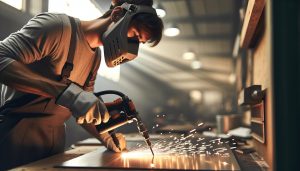
To begin, wearing appropriate personal protective equipment (PPE) is critical. This includes not only flame-resistant clothing but also safety goggles or a face shield to protect your eyes from sparks and bright ultraviolet light. In environments with significant fume emissions, ensure the use of respiratory protection as well. Gloves should also be worn, but they must fit snugly to prevent snagging on equipment.
Another important aspect is maintaining a clean and organized workspace. Eliminate distractions and remove any flammable materials from the vicinity. A clutter-free work surface allows for better movement control, minimizing the risk of inadvertently cutting or damaging unintended materials. It’s also advisable to conduct a thorough equipment inspection before use. Check that all connections are secure, the cutting torch is in good condition, and power sources are safely managed to prevent electrical hazards.
Furthermore, it’s essential to ensure that all bystanders are at a safe distance while cutting is in progress. Clear communication about your tasks can prevent distractions or uninformed individuals from entering your workspace. Establishing a designated cutting area can help contain activities and protect those around you.
Lastly, familiarize yourself with the specific controls and functionalities of the plasma cutter you are using, whether in real life or when navigating the mechanics in a game like Dead Space. Understanding how to operate the tool safely will improve your confidence and competence, ultimately enhancing both your real-world projects and your gaming experience. By integrating these safety protocols, you can facilitate a sense of security and focus, allowing for an enjoyable and productive cutting process.
Comparing Plasma Cutter Techniques Across Gaming Genres
In the realm of gaming, plasma cutters often serve dual purposes, merging precise gameplay mechanics with a creative representation of real-world metalcutting tools. Diverse gaming genres utilize plasma cutter techniques differently, adapting their roles to fit unique gameplay dynamics and storytelling elements. The manner in which these tools are employed significantly affects player strategies and immersion, offering various approaches to cutting through challenges-literal and metaphorical.
In action-adventure games like Dead Space, players engage with plasma cutters not just as tools but as vital instruments for survival. The emphasis on rotation mechanics allows players to manage terrifying encounters while precisely targeting limbs of monstrous enemies. Mastering rotation and aiming with a plasma cutter can be pivotal for effectiveness, showcasing a blend of skill and strategy. This juxtaposition creates a thrilling atmosphere; players must simultaneously consider their offensive and defensive maneuvers.
In contrast, games that prioritize crafting and building, such as Minecraft, introduce plasma cutters as components of machinery and construction rather than combat. Here, players engage in a more relaxed yet strategic method of utilizing these tools. The focus shifts towards resource management and architectural creativity, where players can design intricate systems and structures with the help of cutting technologies.
Another genre, simulation games like Factorio, employ plasma cutting as part of manufacturing processes. Players must strategically place and utilize these tools to enhance efficiency and productivity in factory setups. Understanding the nuances of plasma cutter operation in a simulated environment nurtures problem-solving skills and promotes intricate planning, allowing gamers to explore the complexities of industrial management.
Overall, the diverse applications of plasma cutters across gaming genres reflect their multifaceted nature, enriching narratives while challenging players to adapt and refine their techniques. Whether utilized for fear-inducing combat, creative exploration, or meticulous resource management, the engagement with plasma cutters enhances the interactive experience, drawing players deeper into the game world while encouraging a mastery of mechanics that echoes the real-world principles of metalworking.
Using Plasma Cutters for Strategic Advantage in Dead Space
In the harrowing universe of Dead Space, mastering the plasma cutter transcends mere survival; it becomes an essential strategy for overcoming nightmarish foes that lurk in the shadows. The plasma cutter’s unique ability to cut through various materials allows players to not only dismember enemies but also navigate environments effectively. Understanding how to leverage rotation mechanics under pressure can significantly enhance gameplay experience and effectiveness.
Firstly, when confronted with aggressive Necromorphs, the plasma cutter’s ability to rotate its firing orientation is crucial. This maneuverability allows for precise targeting of enemy limbs, a tactic that can disable threats quickly and effectively. Practicing the rotation controls can transform frantic encounters into calculated strikes. For instance, tapping into quick rotation using the controls-and integrating it seamlessly with your movement-can provide a significant advantage. Players often benefit from establishing a rhythm where they can rotate and fire simultaneously, creating a fluid action that maximizes damage while minimizing exposure.
Another strategic use involves utilizing the environment in conjunction with the plasma cutter’s capabilities. For example, using vertical space to gain a better vantage point allows players to survey the area while planning their shots more deliberately. While rotating the plasma cutter, players can assess enemy movements and plan their attacks, making it possible to ambush targets effectively. This approach reinforces the need for players to adapt their techniques based on the spatial dynamics of each encounter, blending agility and precision.
Moreover, ammunition management plays a vital role in strategic gameplay. Advanced players often find themselves in scenarios where conserving plasma ammo is critical. By skillfully rotating and aiming for the precise parts of an enemy using the cutter, players can effectively preserve their resources and take down enemies with fewer shots. This technique not only prolongs survival but also enhances the player’s ability to tackle tougher waves of enemies later in the game.
Engaging with the plasma cutter in such a multifaceted manner-both as a weapon and a tool for environmental navigation-can substantially impact gameplay. As players continue to refine their techniques, adjusting to various combat styles and enemy types becomes second nature, allowing for an immersive and thrilling gaming experience.
Q&A
Q: How do I accurately align my plasma cutter in Dead Space?
A: To align your plasma cutter effectively in Dead Space, ensure that you’re facing the object you want to cut. Use the left stick (or directional keys) to adjust your position, and aim precisely with the right stick. This technique enhances cutting accuracy and minimizes wasted plasma.
Q: What are the best practices for plasma cutting in Dead Space?
A: Best practices for plasma cutting in Dead Space include maintaining a stable aim, cutting from a safe distance, and utilizing the environment for cover. Additionally, practice maneuvering while aiming to improve your speed and effectiveness during intense gameplay scenarios.
Q: Can I rotate the plasma cutter while moving in Dead Space?
A: Yes, you can rotate the plasma cutter while moving in Dead Space. Use the left stick to control your movement and the right stick to adjust your aim. This multi-tasking can help you react faster to enemies while performing cuts.
Q: What settings should I adjust for effective plasma cutter use?
A: For effective plasma cutter use, adjust your sensitivity settings to ensure precise control. Experiment with the dead zone settings for your controller to find a comfortable range that allows quick responses while maintaining accuracy.
Q: Why is it important to understand plasma cutter mechanics in Dead Space?
A: Understanding plasma cutter mechanics is crucial for mastering enemy encounters and solving environmental puzzles. It allows players to utilize the weapon effectively, making it a versatile tool for both offense and strategic gameplay.
Q: How can I improve my plasma cutter rotation speed?
A: To improve plasma cutter rotation speed, practice using the controller’s sensitivity settings effectively. Fine-tuning these options can enhance your control, allowing for quicker adjustments during cutting sessions, especially in fast-paced scenarios.
Q: What should I do if my plasma cutter isn’t rotating properly?
A: If your plasma cutter isn’t rotating as expected, check your control settings for any possible misconfigurations. Restart the game or check for controller issues, ensuring it connects properly. If problems persist, refer to the technical troubleshooting section of your gameplay guide.
Q: Are there any specific missions where the plasma cutter is essential?
A: Yes, certain missions in Dead Space, particularly those involving heavy combat and environmental obstacles, require effective use of the plasma cutter. Familiarizing yourself with its capabilities can significantly enhance mission success rates and overall gameplay experience.
Concluding Remarks
Mastering the rotation of your Plasma Cutter in Dead Space is crucial not just for survival but for maximizing your gameplay efficiency. Now that you have the knowledge, it’s time to put it to the test-download our free “Ultimate Guide to Weapons in Dead Space” for more strategies on weapon management and combat tactics! If you’re curious about advanced techniques like wielding the Plasma Cutter for maximum impact against tougher foes or integrating it with other tools, check out our related articles on weapon upgrades and repairs.
Don’t hesitate to share your experiences in the comments below or reach out with any lingering questions. Every comment enriches our community and could help fellow gamers navigate their own challenges. Stay tuned for more tips and tricks, and remember to sign up for our newsletter to receive the latest updates directly in your inbox, ensuring you’re always one step ahead in the game. Happy gaming, and keep those blades sharp!