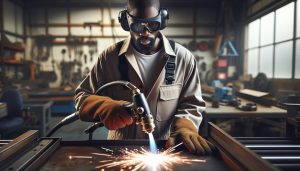
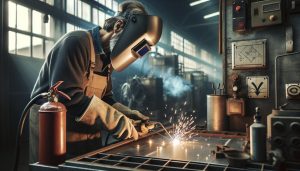
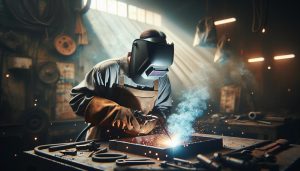
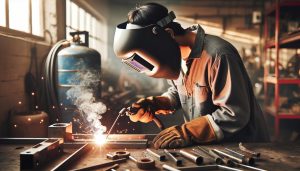
Imagine effortlessly slicing through metal like a hot knife through butter-this is the magic of a plasma cutter. These powerful tools utilize an ionized gas to produce extreme heat, enabling precise cuts on various materials, from steel to aluminum. Whether you’re a DIY enthusiast or a seasoned welder, mastering plasma cutting not only enhances your skills but also opens up possibilities for projects of all sizes. Understanding how plasma cutters operate can transform your approach to metalworking, allowing you to achieve intricate designs and cleaner edges with less effort. Dive deeper into the world of plasma cutting to discover how this innovative technology can revolutionize your metal fabrication process and elevate your craftsmanship.
What Is a Plasma Cutter and How Does It Work?
A plasma cutter is a cutting tool that utilizes a high-velocity jet of ionized gas, or plasma, to slice through electrically conductive materials. Plasma itself is created by passing compressed air (or another gas) through a nozzle, where an electrical arc ionizes the gas, transforming it into plasma. This ionized gas reaches extremely high temperatures-over 20,000 degrees Fahrenheit-making it capable of melting and blowing away material from the workpiece, resulting in a clean and precise cut.
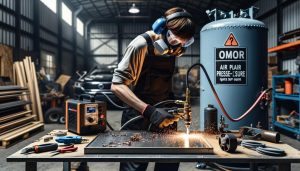
The proper operation of a plasma cutter involves several key components: a power supply that generates the necessary electrical energy, a compressed air source that provides the gas, and a torch that combines these elements to produce the plasma stream. When the trigger is activated, the arc forms, and the plasma is expelled through a narrow opening in the torch. This action allows the user to maneuver the torch along a predetermined path for efficient cutting. Plasma cutters can be used for various applications, from DIY projects to industrial metalworking, thanks to their ability to cut through thick steel and other metals quickly and accurately.
One significant advantage of plasma cutting technology is its ability to cut complex shapes with minimal material distortion. Unlike traditional mechanical cutting processes, which can impose significant stress on the material, plasma cutting delivers a heat-affected zone that is relatively small. This quality makes it ideal for intricate designs and detailed work, especially in fields such as automotive and aerospace manufacturing where precision is paramount. Furthermore, modern plasma cutters come equipped with advanced features such as computerized controls, improving both usability and cutting quality.
When combined with appropriate safety precautions, the plasma cutter stands out for its versatility and effectiveness in not just cutting metal, but also in gouging and engraving applications. For both beginners and seasoned professionals, mastering the use of a plasma cutter opens doors to new creative possibilities and enhanced productivity in metal fabrication.
The Benefits of Using a Plasma Cutter for Metal Projects
Utilizing a plasma cutter revolutionizes the way metal projects are approached, providing unmatched versatility and efficiency. One of the standout benefits of this cutting tool is its ability to make intricate cuts with precision, allowing craftsmen to handle complex designs that would be difficult or impossible with traditional cutting methods. For instance, an automotive fabricator can achieve detailed patterns in exhaust components or chassis designs without worrying about excessive metal distortion, thanks to the minimal heat-affected zones produced during the cutting process.
Moreover, the speed of plasma cutting significantly enhances productivity. Unlike methods such as MIG or TIG welding, which often require more setup time for each cut, plasma cutters can swiftly slice through various metals, from steel to aluminum, in a fraction of the time. This time efficiency is paramount in high-volume production environments where turnaround time can affect profitability. Additionally, many plasma cutters are portable, enabling users to easily move between job sites or different areas of a workshop, thus expanding their application scope.
The adaptability of plasma cutters also extends to various materials and thicknesses. Beginners can quickly learn to cut 1/8-inch steel with minimal risk of error, while seasoned professionals can tackle thicker materials up to several inches without compromising on quality. This scalability not only caters to a diverse user base but also allows projects of all sizes and complexities to be executed effectively.
Safety remains a pivotal aspect of employing plasma cutters. Their design allows for controlled and precise cuts, reducing the likelihood of accidents common with manual cutting tools. When combined with proper safety gear and protocols, such as protective eyewear and gloves, plasma cutting becomes a reliable method for both home hobbyists and industry professionals. This balance of safety and efficiency makes plasma cutters an indispensable tool for anyone looking to transform metal like never before.
Different Types of Plasma Cutters: Which One Is Right for You?

Selecting the right plasma cutter can significantly influence the quality and efficiency of your metalworking projects. With various types available-ranging from portable options suitable for DIY enthusiasts to heavy-duty models designed for industrial applications-it’s essential to understand the differences and find the best fit for your needs. A compact, lightweight plasma cutter may be ideal for weekend warriors tackling home projects, while professional welders may require more robust machines capable of handling thicker materials and extended usage.
Types of Plasma Cutters
- Air Plasma Cutters: These are the most common type and utilize compressed air as the plasma gas. They are versatile and can cut through a wide range of metals like mild steel and aluminum, typically up to 1-inch thickness.
- Nitrogen Plasma Cutters: Best for cutting stainless steel and other alloys, these machines use nitrogen as the plasma gas, resulting in a clean cut. They’re preferred in industries where a high-quality finish is critical.
- Water Plasma Cutters: These cutting systems incorporate water, which helps to cool the workpiece and reduce hazardous fumes. This is particularly beneficial in environments with strict air quality regulations.
- High-Frequency Plasma Cutters: These devices produce a high-frequency arc that stabilizes the plasma stream, allowing for cleaner and more precise cuts, making them popular amongst professionals.
- Inverter Plasma Cutters: With advanced technology, inverter plasma cutters are lighter, more efficient, and can operate on varying voltages. They are excellent for both hobbyists and professional tradespeople.
Choosing the Right Plasma Cutter
Consider the following when selecting a plasma cutter:
- Material Type: Different plasma cutters excel at cutting specific materials. For example, choose a nitrogen plasma cutter for stainless steel or an air plasma cutter for general use.
- Thickness Requirements: Ensure the cutter can handle the thickness of the materials you plan to work with. Check the manufacturer’s specifications for the maximum cutting thickness.
- Portability: If you need to move your equipment frequently, opt for a lightweight, portable model. Many inverter plasma cutters offer this benefit.
- Power Supply: Verify that the plasma cutter’s voltage requirements align with your available power sources, especially in workshop or industrial settings.
Understanding these aspects will help you make an informed choice, ensuring that your plasma cutting experience is efficient and effective, suitable for your specific requirements and projects.
Materials You Can Cut with a Plasma Cutter: A Comprehensive Guide

Plasma cutters are versatile tools that can effectively slice through a wide range of materials, making them invaluable in various metalworking applications. Their ability to cut both thin and thick metals with precision is one of the primary reasons they are favored by both DIY enthusiasts and professional welders. The process involves using a high-velocity jet of ionized gas, or plasma, to melt and remove material, resulting in a clean and efficient cut.
Among the most common materials that can be cut using a plasma cutter are:
- Carbon Steel: This is the most frequently cut material, due to its widespread use in construction and manufacturing. Plasma cutters can effectively handle various thicknesses, from sheet metals to heavier plates.
- Stainless Steel: Known for its corrosion resistance, stainless steel is also a popular choice in the food, medical, and automotive industries. Using a nitrogen plasma cutter can ensure clean edges and minimal warping.
- Aluminum: Aluminum’s lightweight and malleability make it easy to work with. Plasma cutting provides clean cuts in aluminum, making it suitable for fabrication in aerospace and automotive applications.
- Copper and Brass: While more challenging to cut due to their thermal conductivity, plasma cutters can effectively handle these materials with specialized techniques that prevent excessive melting.
- Alloy Metals: Various alloys, including those found in industrial applications, can be cut with plasma. Choosing the right plasma cutter type-like an inverter plasma cutter-ensures compatibility with different metals.
The thickness of the material significantly influences the performance and choice of the plasma cutter. Most standard air plasma cutters can work effectively with materials up to 1 inch thick, while high-frequency plasma cutters can cut through even thicker profiles. Understanding the material specifications and the capabilities of the plasma cutter will ensure optimal results in both precision and efficiency. When considering a plasma cutter for specific projects, be mindful of the material compatibility and thickness requirements to achieve high-quality finishes that meet industry standards.
Safety Precautions for Using a Plasma Cutter Effectively

Using a plasma cutter can revolutionize the way you approach metalworking, but with great power comes the responsibility of proper safety precautions. Plasma cutting generates high temperatures, intense light, and can produce harmful fumes, so ensuring safety is paramount in any cutting operation. Whether you are a DIY enthusiast or a seasoned professional, adhering to safety protocols can prevent serious injuries and equipment damage.
Always wear appropriate personal protective equipment (PPE) when operating a plasma cutter. This includes a well-fitted welding helmet with the correct shade lens to protect your eyes from the bright arc and UV light. Protective gloves, flame-resistant clothing, and steel-toed boots are essential to shield your body from potential sparks and hot metal. Additionally, ensure your workspace is well-ventilated to mitigate exposure to harmful gases that may be produced during cutting.
Before starting your work, inspect your equipment thoroughly. Check the plasma cutter for any leaks in the gas lines, make sure the torch and grounding clamp are functioning properly, and ensure all connections are secure. An unstable setup not only jeopardizes safety but can also lead to poor cut quality. Additionally, keep your work area clear of flammable materials and maintain a clean environment to reduce the risk of accidents.
By following these precautions, you can ensure a safe and productive plasma cutting experience. Remember that safety is not just about equipment; it’s also about cultivating awareness and respect for the powerful tools and materials you are working with. Effective safety practices enhance both your well-being and the quality of your finished work.
Common Plasma Cutting Techniques for Beginners
Utilizing a plasma cutter can feel empowering, especially for beginners eager to explore metalworking and fabrication. This versatile tool is capable of slicing through various metals with astonishing precision, making it a preferred choice for artists, hobbyists, and professionals alike. To make the most of this powerful equipment, it’s essential to grasp some fundamental cutting techniques that can enhance your skills and ensure successful outcomes in your projects.
One common technique is the freehand cutting method, which relies on the operator’s steady hand to guide the plasma torch along the desired path. This technique is particularly effective for creating intricate shapes and designs. To achieve clean cuts, maintain a consistent speed and angle as you maneuver the torch. Practicing on scrap metal can build confidence and improve your control before taking on more complex projects.
Another fundamental approach is the use of a cutting template. By transferring a design onto a piece of metal and then following the outline with the plasma cutter, you can achieve more accurate and repeatable results. Using templates is especially beneficial for projects requiring multiple identical cuts or for intricate patterns where precision is critical.
For beginners, adjusting the torch height is crucial to achieving optimal cutting results. Maintaining a consistent distance from the material-typically around 1/8 inch above the surface-ensures a clean cut while minimizing dross buildup. Experimenting with different heights on scrap materials can help you understand how this adjustment influences the cut quality.
Lastly, plasma gouging is a technique worth mastering. This method allows for removing defects from welded joints, reshaping components, or preparing surfaces for further welding. By tilting the torch at a slight angle and controlling the speed, you can effectively remove material without causing excessive damage to the base metal.
Exploring these techniques not only enhances your plasma cutting competency but also opens up creative possibilities in your metalworking endeavors. As you gain experience, you’ll find that mastering these skills sets a solid foundation for more advanced plasma cutting applications in the future.
Advanced Plasma Cutting Techniques for Professionals
In the world of metalworking, advanced plasma cutting techniques can significantly enhance precision and efficiency, allowing professionals to tackle complex projects with ease. One of the key methods is called plasma arc cutting. This technique harnesses a concentrated plasma jet to cut through thick materials quickly, making it ideal for industrial applications. Utilizing precise control over the arc’s amperage and speed, operators can adjust the settings to suit the material thickness and type, resulting in cleaner edges and reduced distortion in the metal.
Another invaluable technique is oscillating cutting, where the plasma arc is moved in a controlled, back-and-forth motion while cutting. This method is particularly useful for intricate designs or when working with thinner materials. By creating a wider cutting arc, it minimizes the heat-affected zone, preserving the integrity of the surrounding material. This technique might seem challenging initially, but with practice, it can provide professionals with a competitive edge in tasks requiring high precision.
When it comes to material properties, leveraging hydraulic assistance can take plasma cutting to the next level. In particularly tough applications, integrating hydraulic systems can stabilize the cutting motion and improve the quality of the cut. This is especially advantageous when dealing with heavy metals, where maintaining consistent pressure and distance from the workpiece is crucial. With hydraulic systems, operators can achieve uniform results even on challenging materials.
Moreover, professionals can employ multi-axis cutting systems, which enable the plasma cutter to move in multiple dimensions, allowing for more complex shapes and profiles. This capability is essential in industries like automotive and aviation, where designs are not only intricate but also require high levels of accuracy. Multi-axis systems can create both 2D and 3D cuts, unlocking new possibilities for innovative designs that were previously difficult to achieve.
Overall, mastering these advanced techniques requires not just skill but also a keen understanding of the equipment and materials being used. Safety protocols must be adhered to rigorously, including proper PPE (personal protective equipment) and awareness of ventilation requirements. With the right knowledge and practice, professionals can fully leverage the power of plasma cutting technology, revolutionizing their approach to metal fabrication.
Essential Plasma Cutter Accessories You Should Consider
Accessories play a crucial role in maximizing the efficiency and effectiveness of a plasma cutter. Each component is designed to enhance performance, improve safety, and help operators achieve clean, precise cuts. Understanding the essential accessories can make a profound difference in both the quality of work and the overall cutting experience.
One of the most important accessories to consider is a high-quality plasma torch. The torch is the key to directing the plasma arc accurately and efficiently. Various torch types are available, including handheld, machine-mounted, and robotic torches, each suited for different applications. Additionally, having the appropriate cutting consumables-such as nozzles, electrodes, and swirl rings-will greatly influence the cut quality and the lifespan of the torch. Regularly replacing these consumables ensures optimal performance and reduces downtime.
Another vital accessory is personal protective equipment (PPE). Given the inherent hazards associated with plasma cutting, investing in high-quality PPE is essential for any operator. This includes items like gloves, welding helmets with appropriate shade lenses, and protective clothing to guard against sparks and intense heat. In addition to personal safety, using a well-ventilated cutting space equipped with extraction systems will aid in fume management, making the environment safer and more comfortable.
Operator convenience can be significantly enhanced by utilizing a plasma cutting cart. This mobile platform allows for easier transport of the plasma cutter, tools, and materials, making it ideal for job sites or workshops with limited space. Furthermore, accessories such as clamps and fixtures can help secure components during cutting, ensuring stability and improving precision, especially on larger or awkwardly shaped materials.
Finally, replacement parts such as hoses and ground clamps are also crucial. A hose that is too worn can lead to inefficiencies and even hazards during operation, while a reliable ground clamp ensures proper conductivity and minimizes the risk of electrical issues. Keeping a stock of essential replacement parts will ensure minimal interruptions and a smooth workflow.
By investing in the right plasma cutter accessories, operators can not only enhance their effectiveness but also extend the lifespan of their equipment, ensuring consistent and high-quality results in their metalworking projects.
Troubleshooting Common Plasma Cutter Issues
Identifying and resolving common issues that arise during plasma cutting is essential for maintaining efficiency and achieving high-quality results. Plasma cutters, despite their advanced technology, can present challenges that may frustrate both beginners and experienced operators. A systematic approach to troubleshooting can help you quickly diagnose problems and implement effective solutions.
One prevalent issue is poor cut quality, which can manifest as excessive dross, uneven edges, or incomplete cuts. This often stems from incorrect settings, such as using the wrong amperage for the thickness of the material being cut. To address this, ensure that you’re calibrating the machine according to the manufacturer’s guidelines. Additionally, check the condition of your cutting consumables-nozzles and electrodes should be free from damage or excessive wear, as these factors significantly impact performance. If you notice that your cuts produce excessive dross, consider adjusting your travel speed or torch-to-work distance.
Another common problem is the torch’s inability to maintain an arc, which can result from several factors, including insufficient air pressure or an inadequate power supply. Begin by verifying the air pressure settings and ensuring the compressor is functioning properly. If air pressure is low, it may affect the plasma flow and cause erratic cutting. Additionally, inspect the power cord for any signs of wear or damage that could affect electricity supply. Ensure that all electrical connections are secure and clean to prevent interruptions during operation.
Overheating can also be a significant concern, particularly if you’re working in high-demand situations or using an under-spec machine for the tasks at hand. If the plasma cutter feels excessively hot, allow it to cool down before continuing to work. Implementing a duty cycle-taking breaks between prolonged cuts-can extend the lifespan of your equipment and maintain optimal performance.
Lastly, proper ventilation cannot be overlooked. Plasma cutting generates harmful fumes, and working in poorly ventilated areas can lead to greater issues not just for cut quality, but for the health and safety of the operator. It’s crucial to use adequate fume extraction systems or to work in open, well-ventilated spaces to mitigate these risks.
By understanding these common issues and their solutions, operators can ensure smoother operations and achieve more precise, cleaner cuts, significantly enhancing their plasma cutting experience.
How to Maintain Your Plasma Cutter for Longevity
To ensure your plasma cutter remains a reliable tool in your metalworking arsenal, proper maintenance is key to extending its lifespan and efficiency. With regular care, you can avoid costly repairs and downtime, creating a safer and more productive workspace. One crucial aspect is to routinely check and replace consumables such as nozzles and electrodes, as they wear down faster depending on usage and material thickness. Keeping these parts in optimal condition ensures clean cuts, reduces dross build-up, and enhances arc stability.
Another significant factor in maintaining your plasma cutter is regular cleaning of the machine and its components. Dust, debris, and metal shavings can accumulate, obstructing airflow and cooling mechanisms. Using compressed air and a soft brush, you can keep the insides free of contaminants. It’s also wise to inspect the power supply and connections frequently; ensuring that cables are free from damage will prevent power interruptions that could affect performance. Additionally, pay attention to the air supply system. The plasma cutter relies on compressed air, so checking filters and moisture traps is essential to avoid problems with quality cuts.
Maintenance Checklist
- Inspect and Replace Consumables: Regularly check nozzles and electrodes for wear and tear.
- Clean Internal Components: Utilize compressed air to remove dust and debris.
- Check Power Supply: Ensure cables and connections are intact and free from damage.
- Maintain Air Supply: Inspect filters and moisture traps to keep the air clean.
Implementing a routine maintenance schedule, perhaps on a bi-weekly or monthly basis, will help in maintaining consistency in performance. Each use should begin with a quick inspection, ensuring no foreign materials are obstructing airflow or the cutting path. This practice not only prolongs the life of your machine but enhances safety and precision-consider it an investment in your craftsmanship.
Innovative Applications of Plasma Cutting in Various Industries
Plasma cutting technology has advanced significantly and is now utilized in numerous industries for a broad spectrum of applications. For instance, in the automotive sector, plasma cutters are indispensable for fabricating custom parts and repairing components with precision. The ability to cut through various metal thicknesses rapidly and efficiently makes plasma cutting a preferred method in body shops for everything from vehicle frames to intricate detailing, ensuring quality results while adhering to tight production schedules.
In the construction industry, plasma cutters are employed to tackle tasks ranging from HVAC installations to structural steel work. Their versatility allows for quick modifications on-site, reducing downtime and enhancing efficiency. For example, when fabricating metal frameworks for buildings or bridges, plasma cutters can swiftly cut steel girders and plates to exact specifications, which is critical for safety and structural integrity.
The manufacturing sector also benefits greatly from plasma cutting technology. Factories utilize plasma cutters for mass production of metal parts, owing to their high-speed cutting capability that drastically reduces production time. This is particularly beneficial for industries such as aerospace and military, where precision and strength are paramount. In these fields, the technology allows for intricate designs and detailed cuts that traditional methods struggle to achieve.
Additionally, the art and artistry world is finding innovative ways to incorporate plasma cutting. Artists and fabricators are using plasma cutters to create stunning designs in metal sculptures, signage, and custom home decor. This application not only showcases the creativity of artists but also demonstrates the cutter’s ability to handle artistic precision while working with robust materials.
Ultimately, the innovative applications of plasma cutting span across various industries, proving its versatility and effectiveness. As technology advances, the possibilities for plasma cutting will continue to expand, offering enhanced solutions for both industrial needs and creative endeavors.
Comparative Analysis: Plasma Cutter vs. Other Cutting Tools
When evaluating the effectiveness of cutting tools for metalwork, plasma cutters stand out due to their unique cutting method and versatility. Unlike traditional approaches such as MIG, TIG, or stick welding, which rely on heat generated from an electric arc to melt the metal and fuse materials together, plasma cutters use a high-temperature plasma that quickly and effectively cuts through electrically conductive materials. This ability not only saves time but also provides a cleaner cut, which is often essential for precision parts manufacturing.
Key Comparisons
To further illustrate the distinctions among these cutting tools, consider the following factors:
| Feature | Plasma Cutter | MIG/TIG Welding | Stick Welding |
|---|---|---|---|
| Cutting Speed | High | Medium | Low |
| Material Thickness | Up to 2 inches | Varies by method | Up to 1 inch |
| Versatility | Excellent for various metals | Best for thin to medium thickness | Good for thicker materials |
| Post-Cutting Finish | Clean cut with minimal slag | Requires finish work | Heavy finish work required |
Real-World Applications
In practical applications, plasma cutters excel in environments requiring quick adjustments and on-site modifications, such as in construction where they can rapidly modify metal frames without needing extensive setup. Conversely, MIG and TIG welding are typically preferred when seeking to join pieces of metal with strong, permanent bonds. For instance, automotive workshops might use MIG for assembling parts while reserving plasma cutting for precise cuts in bodywork.
The speed and efficiency of plasma cutters become even more apparent in mass production settings, where the quick turnaround directly affects productivity. For example, industries such as shipbuilding and aerospace rely on plasma cutting not only for speed but also for the ability to cut intricate designs into materials that are often too challenging for other methods.
In summary, while plasma cutters provide enhanced speed and precision for cutting metal, the choice between them and traditional welding techniques hinges on the specific needs of the project-whether it’s the type of materials involved, the thickness, or the desired finish. Understanding these dynamics helps professionals optimize their tool selection for the best possible outcome.
Frequently asked questions
Q: What types of metals can a plasma cutter effectively cut?
A: A plasma cutter can cut various metals, including stainless steel, carbon steel, aluminum, and copper. Its versatility allows for precision cutting across different thicknesses and material types, making it ideal for a wide range of projects. For a detailed guide on suitable materials, refer to the “Materials You Can Cut with a Plasma Cutter” section.
Q: How do I choose the right plasma cutter for my needs?
A: To choose the right plasma cutter, consider factors like the thickness of materials you plan to cut, power requirements, portability, and your skill level. Research different types of plasma cutters, and refer to the “Different Types of Plasma Cutters: Which One Is Right for You?” section for more targeted advice.
Q: What safety gear is recommended for using a plasma cutter?
A: Essential safety gear for plasma cutting includes protective eyewear, gloves, and flame-resistant clothing. A welding helmet with the correct shade is crucial to protect against ultraviolet and infrared radiation. For comprehensive recommendations, check the “Safety Precautions for Using a Plasma Cutter Effectively” section.
Q: Can plasma cutters be used for intricate designs?
A: Yes, plasma cutters excel at creating intricate designs due to their precision and control. They can handle detailed cuts with clean edges, making them suitable for artistic and industrial applications alike. Explore “Common Plasma Cutting Techniques for Beginners” for tips on achieving intricate results.
Q: What maintenance is required for a plasma cutter?
A: Regular maintenance for a plasma cutter involves checking the air supply, cleaning or replacing consumables, and inspecting the torch and leads for wear or damage. For detailed guidelines, see the “How to Maintain Your Plasma Cutter for Longevity” section to ensure optimal performance.
Q: Why is plasma cutting preferred over traditional cutting methods?
A: Plasma cutting is often preferred because it allows for faster, cleaner cuts with less heat affected zone compared to traditional methods like oxy-fuel cutting. Its versatility and ability to cut thick materials efficiently make it a popular choice across industries.
Q: What are the most common issues faced when using a plasma cutter?
A: Common issues include inconsistent cutting quality, excessive dross, or difficulty maintaining an arc. Understanding these challenges can help you troubleshoot effectively. For solutions, refer to the “Troubleshooting Common Plasma Cutter Issues” section for practical advice.
Q: How does plasma cutting compare to laser cutting for metalworking?
A: Plasma cutting is generally more versatile than laser cutting as it can handle a wider range of materials and thicknesses. However, laser cutting offers higher precision and is often used for thinner materials. Explore the “Comparative Analysis: Plasma Cutter vs. Other Cutting Tools” section for more detailed insights.
Final Thoughts
Unlock the full potential of your metalworking projects by mastering the plasma cutter! From intricate designs to robust cuts, this versatile tool offers unmatched precision. If you’re eager to elevate your skills, don’t hesitate to explore our guides on MIG, TIG, and stick welding techniques, or check out our essential safety protocols to keep your workspace secure.
To further expand your knowledge, consider signing up for our newsletter for the latest insights in welding techniques, equipment reviews, and career guidance. Remember, whether you’re a novice or an experienced professional, enhancing your skills can transform ordinary projects into extraordinary works of art. Dive deeper into our resources and take the first step toward welding mastery today!