When it comes to plasma cutting, the choice of gas is crucial to achieving clean, precise cuts. Whether you’re a hobbyist or a seasoned professional, understanding what gases are compatible with your plasma cutter can greatly enhance your efficiency and cutting quality. Did you know that different gases can affect the speed, precision, and even the safety of your cutting process? With a variety of options available-from compressed air to inert gases like argon and nitrogen-selecting the right one can be overwhelming. This guide will demystify the options, helping you align your gas choice with your specific cutting needs while ensuring optimal performance and safety. Dive in to discover the essentials of gas selection for plasma cutting and how it can elevate your projects.
What is a Plasma Cutter? Understanding the Basics
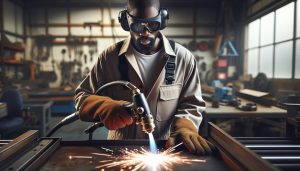
A plasma cutter is an indispensable tool in modern metalworking, utilizing a superheated jet of ionized gas-plasma-to slice through electrically conductive materials with remarkable precision. When an electrical arc is established between a tungsten electrode and the workpiece, the pressurized gas, typically air or other gases, is converted into plasma, resulting in temperatures that can exceed 20,000 degrees Celsius. This extreme heat allows for fast and efficient cutting, making plasma cutters particularly favored in industries ranging from automotive to aerospace.
The versatility of plasma cutting is largely attributed to its ability to work with various materials, including steel, aluminum, and copper. Unlike traditional cutting methods such as oxy-fuel cutting, plasma cutting does not rely on the chemical reaction of gases; rather, the speed of the cut and the thickness of the material being processed dictate the gas type used. The right gas can significantly enhance the quality of the cut, offering clean edges and minimizing the heat-affected zone. Understanding the nuances of different gases-from nitrogen and oxygen to argon-enables operators to optimize their settings and improve cutting performance.
In summary, the plasma cutter stands as a testament to advanced welding technology, allowing professionals and hobbyists alike to achieve high-quality cuts with ease. By mastering the fundamentals of plasma cutting and gas selection, users can ensure efficiency and efficacy in their metalworking projects, paving the way for intricate designs and robust results.
Key Features of Plasma Cutters
- Speed: Capable of cutting rapidly through thick materials.
- Versatility: Works with various metals and thicknesses.
- Precision: Produces clean cuts and minimal distortion.
Types of Gases Used in Plasma Cutting

The selection of gases used in plasma cutting is crucial for achieving optimal cutting performance, as different gases can greatly influence the quality, speed, and efficiency of the cut. The most commonly used gases in plasma cutting include air, oxygen, nitrogen, and argon, each offering distinct advantages depending on the specific material and application.
Air is the most frequently used gas due to its cost-effectiveness and availability. It is suitable for cutting mild steel, where it delivers satisfactory results without additional expenses. However, when cutting thicknesses greater than 1/2 inch, the use of oxygen can enhance the cutting speed and quality, providing sharper cuts and faster processing times. Oxygen works effectively with ferrous metals and can create a cleaner edge, although it may increase the risk of oxide layers forming on the cut edges.
Nitrogen is another excellent choice, especially for cutting non-ferrous metals like aluminum and stainless steel. It helps reduce oxidation and provides smoother edges, which is essential in applications where the appearance of the cut is critical. Moreover, argon can be utilized, particularly for thicker materials, where it helps create a stable plasma arc that offers high-quality cuts without the oxidizing effects associated with oxygen.
In summary, understanding the properties of these gases and their effects on different materials allows welders to make informed decisions about their plasma cutting needs. By selecting the right gas for the job, operators can optimize their cutting performance while achieving better results and minimizing the potential drawbacks associated with each gas type.
How Gas Selection Affects Cutting Performance

Choosing the right gas for plasma cutting is not merely an afterthought; it is integral to achieving precision and efficiency in your cuts. Different gases interact uniquely with various materials, which can significantly influence cutting quality, speed, and cost. For instance, while air is common and economical for mild steel, its performance can plateau with thicker materials. When moving into heavier stock, the selection of gases becomes pivotal-not only does it affect how clean the cuts are, but it also impacts the finish and overall weld integrity.
When using oxygen as a cutting gas, the chemical reaction can produce a faster cut, especially on ferrous metals, due to its ability to generate higher temperatures. However, this comes at the risk of creating an oxide layer, which could necessitate further finishing work. In contrast, nitrogen is particularly effective for non-ferrous metals such as aluminum, as it minimizes oxidation and produces a smoother edge. This characteristic can be crucial for projects where aesthetics matter, allowing welders to deliver cleaner results without additional processing stages.
Furthermore, the selection of gas also involves considering the operational environment and safety protocols. Gases like argon, used for stable plasma arcs in thicker materials, require careful handling and storage to mitigate hazards. Ensuring the proper gas flow rates and adjusting settings according to material thickness and type can lead to optimal results. Regular maintenance of equipment is essential as well; gas lines must be checked to prevent contamination or leakages that could compromise cut quality.
Ultimately, understanding how gas selection affects plasma cutting performance allows welders to make informed choices that enhance both the efficiency of the process and the quality of the results. By leveraging the unique properties of each gas, operators can tailor their techniques to specific applications, pushing boundaries while maintaining safety and performance standards.
Comparing the Most Common Gases for Plasma Cutting

The choice of gas in plasma cutting significantly influences the efficiency and quality of the cuts produced. Among the common gases utilized, air, oxygen, nitrogen, and argon stand out due to their unique properties that cater to different materials and applications. Understanding how each gas performs can help operators make informed decisions to optimize their cutting processes.
Air, primarily composed of nitrogen and oxygen, is commonly used for plasma cutting of mild steel due to its affordability and accessibility. However, it has limitations when cutting thicker materials, as the tool could struggle to maintain consistent quality. In contrast, oxygen is favored for ferrous materials. It can produce higher temperatures that facilitate faster cuts. Still, it presents a challenge by potentially creating oxide layers on the metal surface, which can require additional finishing.
Nitrogen emerges as a top choice for non-ferrous metals, particularly aluminum, where its inert properties effectively minimize oxidation. This quality ensures smoother and cleaner edge finishes, essential for aesthetic projects. Additionally, argon, used in conjunction with other gases, can stabilize plasma arcs when cutting thicker materials, enhancing cut quality while ensuring safety during use.
When considering gas selection, it’s crucial to evaluate the specific requirements of the material being cut. Here’s a brief overview of the most common gases used in plasma cutting:
| Gas Type | Best For | Advantages | Disadvantages |
|---|---|---|---|
| Air | Mild Steel | Cost-effective, easily available | Performance diminishes with thickness |
| Oxygen | Ferrous Metals | Faster cutting speeds | Can cause oxide layer formation |
| Nitrogen | Non-Ferrous Metals (e.g., aluminum) | Minimizes oxidation, provides clean edges | Less effective on ferrous materials |
| Argon | Thicker Materials | Stabilizes plasma arcs | More expensive, requires careful handling |
The selection of gas also involves safety considerations, as some gases pose greater risks than others. Proper training in handling and storing these gases is essential to ensure safe operation and equipment longevity. Ultimately, making the right gas choice not only enhances cutting performance but also contributes to the overall efficiency and safety of plasma cutting operations.
Safety Considerations When Using Plasma Cutting Gases

When engaging in plasma cutting, safety must be the foremost consideration, particularly when dealing with various gases like oxygen, nitrogen, and argon. The combustion processes and potential hazards associated with these gases necessitate strict adherence to safety protocols. A significant risk arises from the possibility of gas leaks, which can lead to an explosive atmosphere, especially with oxygen, which supports combustion. In addition, the use of compressed gases mandates that operators observe strict pressure regulations to prevent ruptures or failures in hoses and connectors.
To ensure safe operation, proper personal protective equipment (PPE) such as gloves, goggles, and appropriate shop attire should always be worn. Ventilation is crucial; without adequate airflow, the accumulation of harmful gases can lead to respiratory issues. A well-ventilated workspace will not only minimize inhalation of any fumes produced during the cutting process but will also help prevent fire hazards associated with flammable gases.
Moreover, understanding the characteristics of the gases being utilized in plasma cutting is essential. For instance, even though nitrogen is favored for its inert properties and low reactivity, it can still be dangerous in confined spaces as it displaces oxygen, potentially leading to asphyxiation. Operators should also be familiar with the material compatibility of the gases they are using to avoid unexpected chemical reactions that could result in hazardous conditions.
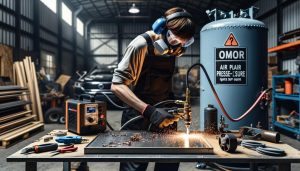
In terms of storage, gases should be securely fastened in an upright position, stored away from flammable materials, and transported in approved cylinders. When handling gas cylinders, it is essential always to use proper techniques such as not rolling them and keeping protective caps on when not in use. Implementing these safety protocols can significantly mitigate risks and ensure that plasma cutting operations are executed safely and effectively.
- Always wear appropriate PPE.
- Ensure adequate ventilation in the workspace.
- Understand the risks associated with each gas.
- Store gases securely and transport cylinders safely.
By prioritizing safety, plasma cutting can be performed efficiently, minimizing risks and promoting a safe work environment.
How to Properly Store and Handle Cutting Gases
Proper handling and storage of cutting gases are crucial to ensuring both the safety of the user and the efficiency of plasma cutting operations. Gases like oxygen, nitrogen, and argon, when mishandled, can pose serious hazards, including fire risks and asphyxiation. It’s essential to adopt best practices for storage and transportation that mitigate these risks and comply with safety regulations.
When storing gas cylinders, they should always be kept in an upright position. This prevents any leaks from occurring at the valve and ensures stability. Additionally, cylinders must be secured in place using chains or straps to prevent them from falling or being knocked over. It is imperative to store gas cylinders away from flammable materials and in a well-ventilated area to dilute any potential leaks, maximizing safety. The storage area should be free from heat sources and sunlight, as temperature extremes can increase pressure within the cylinders, leading to catastrophic failure.
Handling gas cylinders requires using appropriate techniques to prevent accidents. Always transport cylinders using proper carts or lifts – never roll them or drag them, as this can damage the cylinder and its valves. Moreover, before connecting or disconnecting any cylinder, ensure that you’re wearing the proper personal protective equipment (PPE), such as gloves and safety goggles, to protect against accidental releases. Ensure that the protective caps are in place when cylinders are not in use and that you inspect them regularly for any signs of wear or damage.
In addition to the physical handling of the cylinders, being knowledgeable about the risks associated with the specific gases is crucial. For example, oxygen can greatly enhance fire and combustion, making it essential to keep it away from flammable substances. Nitrogen, while inert, can displace oxygen in confined spaces, leading to asphyxiation risks. By following these guidelines diligently, operators can enhance their safety measures while optimizing their workflow in plasma cutting.
- Secure cylinders upright with chains or straps.
- Avoid exposing cylinders to heat sources or direct sunlight.
- Use appropriate carts for transporting gas cylinders.
- Wear proper PPE when handling gases.
Gas Flow Rates: What You Need to Know
Understanding gas flow rates is a critical element in maximizing the efficiency and quality of plasma cutting operations. Proper gas flow can significantly influence the cutting speed, cut quality, and the overall effectiveness of the plasma cutter. Commonly, the flow rate is measured in cubic feet per hour (CFH) or liters per minute (L/min), and optimal settings can vary depending on the type of gas used and the thickness of the material being cut. For instance, higher flow rates can lead to better cooling and protection of the cutting arc, which is particularly advantageous when working with thicker materials.
The relationship between gas flow rate and cutting performance is not straightforward; it often involves a balance. Too low a flow can result in poor cut quality, leading to defects such as dross or excessive melting. Conversely, excessively high flow rates can cause turbulence that disrupts the cutting arc, leading to erratic cuts and increased wear on consumables. Therefore, it is crucial to closely monitor and adjust the gas flow rate according to the specifications provided by the plasma cutter’s manufacturer as well as the thickness and type of material being processed.
Factors Influencing Gas Flow Rates
Several factors can influence the ideal gas flow rates during plasma cutting operations:
- Material Thickness: Thicker materials generally require higher gas flow rates to ensure adequate cutting quality.
- Type of Gas: Different gases, such as oxygen, nitrogen, or argon, have varying flow rate requirements that directly impact the cutting performance.
- Cutting Speed: Faster cutting speeds may necessitate different flow rates to maintain optimal conditions.
- Electrode Size: Larger electrodes can accommodate higher gas flow rates, while smaller electrodes may require more controlled settings.
Finding the appropriate gas flow rate involves not only manufacturer guidelines but also real-world experimentation. By adjusting flow rates based on observed cutting quality and considering the specific characteristics of the material, operators can achieve superior results and extend the lifespan of their plasma cutting equipment. Always conduct small tests when changing gas settings to evaluate the impact before applying these changes across your entire project.
Tips for Adjusting Gas Settings for Optimal Results
Adjusting gas settings in plasma cutting is crucial for achieving the best possible results and ensuring efficient operations. An effective starting point is always to refer to the manufacturer’s recommendations related to gas flow and pressure; however, practical experience often uncovers nuances and adjustments that standard settings may not cover. Understanding how the gas type interacts with the material being cut can lead to significant improvements in cut quality and efficiency.
Begin by fine-tuning the gas flow rate, keeping a close eye on the cut quality. If you notice excessive dross accumulation or a rough cut edge, consider increasing the flow rate slightly. Conversely, if the arc seems unstable or appears to flicker, it might indicate that the flow is too high. Finding the optimal balance is often achieved through trial and observation. Conducting small test cuts on scrap material can help identify the best settings before committing to a larger workpiece.
When working with different materials, the gas settings will likely need to be adjusted. For example, cutting aluminum generally requires higher flow rates compared to steel due to its lower melting point and thermal conductivity. Therefore, always document the successful settings for each material type, which can serve as a quick reference for future projects.
Additionally, pay attention to the temperature and environmental conditions in the workspace. High humidity or temperature fluctuations can affect gas performance, so adjustments may be necessary to maintain consistent results. Regularly check and clean the gas lines and nozzles to prevent blockages or fluctuations in gas flow, which contributes to more stable cutting conditions. Finally, understanding the interplay of gas type and flow with cutting speed will allow for faster, more reliable cuts, enhancing overall productivity.
Troubleshooting Common Gas-Related Issues
Encountering gas-related issues during plasma cutting can significantly impact the quality of your work and the efficiency of your processes. One common problem is inconsistency in the cut quality; if the cuts appear rough or develop excessive dross, this often indicates a problem with either gas flow or gas type. First, check the gas flow rate and adjust it according to the material being cut. For example, aluminum typically requires a higher flow rate compared to steel because of its lower melting point and thermal conductivity.
Another frequent issue is the stability of the plasma arc. An unstable or flickering arc may suggest that the gas flow is either too low or too high. Start by ensuring that the pressure settings on the gas supply are within the recommended range. If adjustments do not stabilize the arc, examining the condition of the torch and its consumables is essential. Worn or dirty consumables can disrupt the gas flow and affect cutting performance; hence, routine inspections and replacements are critical for maintaining arc stability.
In addition to flow issues, the choice of gas can influence cutting effectiveness. Using the incorrect gas for specific materials can lead to poor cuts and increased operational costs. For instance, pure nitrogen can produce a clean cut on stainless steel but may not be suitable for aluminum. Understand the characteristics of the gases you are using, such as their ionization potential and thermal conductivity, to optimize performance.
Finally, environmental factors also play a significant role in gas performance. High humidity or fluctuating temperatures can impact gas density and flow, necessitating adjustments in your setup. Monitoring these conditions and making preemptive tweaks to your gas settings can help maintain a consistent cutting quality. Regular maintenance and understanding the interplay of various factors will ensure that your plasma cutting operations are both productive and efficient.
Choosing the Right Gas for Different Materials
Choosing the appropriate gas for plasma cutting is critical in achieving clean, precise cuts while maximizing the efficiency of the process. Different materials respond uniquely to various gases, making it essential for welders and fabricators to understand these relationships to enhance their results. For instance, air is a common choice for many applications due to its availability and cost-effectiveness, but its performance can vary drastically depending on the material.
When working with steel, pure oxygen is often preferred. It facilitates a hotter plasma arc, resulting in faster cutting speeds and cleaner edges, especially on thinner materials. However, it’s important to ensure that the surface is clean and free of rust or paint, as contaminants can affect the quality of the cut. On the other hand, when cutting non-ferrous materials like aluminum, argon or a mixture of argon and hydrogen is more suitable. These gases enhance the stability of the arc and help in maintaining a smooth cut while preventing oxidation, which is crucial for aluminum.
Gas Types and Material Compatibility
Here is a quick guide on the most commonly used gases and their effectiveness for various materials:
| Material | Recommended Gas | Benefits |
|---|---|---|
| Steel | Oxygen | Increases cutting speed; produces cleaner cuts |
| Stainless Steel | Nitrogen or Oxygen | Provides quality cuts with minimal dross |
| Aluminum | Argon or Argon-Hydrogen mixture | Enhances arc stability; prevents oxidation |
| Copper | Oxygen or Compressed Air | Good heat transfer; effective cutting |
| Plastics | Air | Cost-effective; prevents burning and warping |
Choosing the right gas doesn’t just affect the quality of the cut; it also impacts operational costs and material wastage. If you are unsure about the gas to use for a specific application, it is always effective to conduct some test cuts to evaluate the performance. Additionally, keeping the cutting environment controlled-regarding humidity and temperature-can deliver more consistent results across different materials. By investing the time to select the appropriate gas and optimizing your settings, you can significantly enhance the performance and longevity of your plasma cutting equipment.
Environmental Impact of Plasma Cutting Gases
The gases used in plasma cutting not only affect the efficiency and quality of cuts but also pose various environmental considerations that should be taken into account. Plasma cutting generates high-temperature arcs, which can produce harmful byproducts, depending on the gas employed. For instance, using oxygen or a mixture of gases can lead to the generation of nitrogen oxides (NOx), which contribute to air pollution and respiratory issues.
Moreover, the choice of gas can influence the overall energy consumption of the cutting process. Oxygen tends to require higher energy input to sustain the intense heat needed for cutting metals, which indirectly increases the carbon footprint of the operation. To mitigate environmental impacts, it’s advisable to consider using less harmful gases whenever possible, such as nitrogen or argon, particularly in applications where high cutting speeds are not essential.
Additionally, proper ventilation in cutting areas is vital. Ensuring that exhaust systems are in place can help in the efficient removal of harmful fumes and gases generated during plasma cutting. Using filters or scrubbers can also assist in minimizing the release of particulate matter into the atmosphere, contributing to a cleaner working environment.
Finally, it’s essential to stay informed about regulations regarding emissions and waste management specific to plasma cutting operations. Compliance with local environmental standards not only helps protect the environment but also reduces liability and fosters a safer workplace. Adopting practices that prioritize environmental sustainability in plasma cutting can lead to more responsible manufacturing processes and a healthier planet.
Future Trends in Plasma Cutting and Gas Technology
As technology evolves, the landscape of plasma cutting continues to advance, driven by the need for improved efficiency, safety, and environmental sustainability. In recent years, there has been a marked shift towards developing plasma cutting systems that utilize alternative gases to enhance cutting performance while minimizing harmful emissions. For example, the use of nitrogen as a cutting gas is becoming increasingly popular due to its non-toxic nature and lower production of hazardous byproducts. This shift not only addresses environmental concerns but also reduces the overall operational cost by lowering energy consumption.
In addition to gas selection, the integration of smart technology in plasma cutting equipment is paving the way for better gas management and utilization. New plasma cutting systems now feature advanced sensors and software that allow for real-time monitoring of gas flow rates and cutting parameters. This capability enables operators to automatically adjust settings based on material type and thickness, resulting in improved cut quality and reduced material wastage. Furthermore, predictive maintenance tools are being integrated into plasma cutting machines, alerting users to potential issues before they become critical, thereby enhancing equipment reliability and reducing downtime.
The industry is also seeing a rise in environmentally friendly practices associated with plasma cutting. Manufacturers are investing in research to develop plasma cutting systems that reduce energy consumption and carbon footprint. Innovations such as low-energy plasma systems and the use of renewable energy sources are being explored. Additionally, regulations are becoming stricter regarding emissions, prompting a shift towards cleaner technologies that align with sustainability goals.
In summary, the future of plasma cutting and gas technology is poised for significant transformations. As industries strive for greater efficiency and environmental stewardship, individuals and organizations in the plasma cutting field must stay informed about these trends. By embracing new technologies and alternative gases, they can ensure high-quality results while contributing to a more sustainable approach to manufacturing.
Q&A
Q: What gas is most commonly used in plasma cutting?
A: The most commonly used gas in plasma cutting is compressed air. It is effective for cutting various metals and offers a good balance of quality and cost efficiency. Electricity ionizes the air, creating a high-temperature plasma arc.
Q: How does gas type affect plasma cutting speed?
A: The type of gas used in plasma cutting can significantly influence cutting speed. For instance, using oxygen instead of air can increase cutting speeds on ferrous metals due to the higher heat generated by the chemical reaction.
Q: Can I use nitrogen for plasma cutting, and when?
A: Yes, nitrogen can be used for plasma cutting, particularly for stainless steel and aluminum. It provides a clean cut and reduces oxidation, making it ideal for applications where finish quality is critical.
Q: What safety measures should I consider when using plasma cutting gases?
A: Always ensure adequate ventilation to avoid gas accumulation. Use appropriate personal protective equipment (PPE) such as gloves and face shields. Follow specific safety guidelines related to the gas in use, especially flammable or toxic gases.
Q: What factors influence the choice of gas for cutting different materials?
A: Factors include the type of material being cut, thickness, desired cut quality, and the effects of the gas on the metal. For example, argon is often recommended for aluminum due to its ability to prevent oxidation.
Q: How do I troubleshoot gas-related issues in plasma cutting?
A: Start by checking gas flow rates, ensuring that the connections are secure and not leaking. If cuts are poor, test the purity of the gas and verify that the gas type matches the materials being cut.
Q: Are there environmental concerns related to plasma cutting gases?
A: Yes, some gases used in plasma cutting can release harmful emissions. Using clean gases such as nitrogen or properly managing the use of oxygen can help mitigate these effects on air quality.
Q: How do I select the right gas for plasma cutting stainless steel?
A: For cutting stainless steel, argon-hydrogen mixtures are often recommended as they provide a stable arc and cleaner cuts. Consider the thickness and condition of the material when selecting the right gas.
Final Thoughts
Understanding the right gas for your plasma cutter is essential for achieving optimal performance and results. By now, you should know the benefits of using different gases, whether it’s pure argon for aluminum or a mix for various metals. Don’t let uncertainty hold you back-explore your options today!
For more insights, check out our guides on MIG welding techniques and safety protocols to enhance your welding expertise. If you have any further questions or need personalized advice, we invite you to subscribe to our newsletter for tips and updates, or leave a comment below sharing your experiences. Your journey in welding doesn’t stop here-continue exploring our resources and master your craft with confidence!