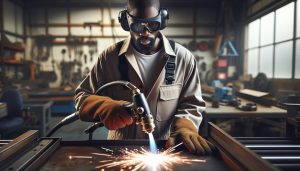
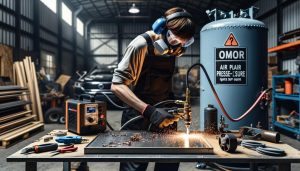
Choosing the right gas for your plasma cutter can significantly impact the quality of your cuts, efficiency, and safety. Did you know that different gases can affect cut speed, edge quality, and even the thickness of materials you can work with? Understanding how gases like air, nitrogen, and oxygen interact with varying materials is crucial, whether you’re a novice or a seasoned pro. As you navigate the world of plasma cutting, aligning the appropriate gas with your specific project can enhance results and reduce operational costs. This article will guide you through the essentials of selecting the ideal gas type, ensuring you make informed decisions that align with your goals and improve your plasma cutting experience.
Choosing the Right Gas for Plasma Cutting
can make a significant difference in cutting performance, quality, and efficiency. The type of gas used affects not only the arc stability but also the overall cutting speed and the finish of the cut. Among the most common gases, compressed air, nitrogen, argon, and oxygen each offer distinct advantages and potential drawbacks that should be carefully considered to match the specific requirements of a project.
When selecting a gas, it’s essential to understand how each gas interacts with different materials. For instance, oxygen is often preferred when cutting mild steel because it enhances the cutting speed and produces a cleaner edge due to the exothermic reaction; however, it may lead to a rougher finish if not controlled properly. In contrast, nitrogen is a great option for stainless steel and aluminum, providing a smooth finish while minimizing oxidation. Compressed air is a versatile choice suitable for general cutting tasks across various materials but may not always yield the best results in terms of speed or cleanliness compared to specialized gases.
In addition to material compatibility, the choice of gas influences the overall cost-effectiveness of plasma cutting operations. Utilizing gases like argon for specialized applications can escalate costs but deliver superior results in terms of quality, especially in high-precision jobs. Moreover, it’s vital to ensure that equipment is compatible with the selected gas-different gases require specific nozzle sizes and electrical settings to function optimally.
Ultimately, developing a thorough understanding of the material needs, project specifications, and budget constraints will enable welders and technicians to make informed decisions about the appropriate gas for their plasma cutting applications. Adjusting gas flow rates and combining different gases can further optimize cutting parameters while enhancing safety and effectiveness in the working environment.
Understanding Different Gas Types: An Overview

Selecting the right gas for plasma cutting is essential for achieving optimal cutting performance and ensuring the quality of the finished product. Each gas brings unique properties to the cutting process, affecting parameters like arc stability, cutting speed, and surface finish. In plasma cutting applications, the most commonly used gases include oxygen, nitrogen, argon, and compressed air, each suited to different materials and cutting conditions.
Oxygen is favored for cutting mild steel due to its ability to significantly increase cutting speed through an exothermic reaction that generates additional heat. It produces a sharper and cleaner edge, making it ideal for applications where precision is critical. However, if not carefully controlled, it can also lead to oxidation and a rougher finish.
In contrast, nitrogen is often utilized for cutting stainless steel and aluminum. It effectively minimizes oxidation and results in a smooth and high-quality cut surface. While nitrogen does not enhance cutting speed as much as oxygen, its clean cut quality makes it a top choice for non-ferrous metals, particularly when post-processing like painting or plating is required.
Argon is typically employed for high-precision applications. While it is more expensive, its properties allow for better control over the plasma arc, resulting in improved surface quality. On the other hand, compressed air serves as a versatile option for a variety of cutting tasks. Although it’s less costly and convenient, it may not achieve the same cutting speed or edge quality as the more specialized gases.
Choosing the appropriate gas requires understanding the compatibility between the gas type and the material being cut while also considering project specifications and budget constraints. Adhering to manufacturer guidelines concerning nozzle sizes and electrical settings for different gases will further enhance the efficiency and effectiveness of the plasma cutting operation. By thoughtfully selecting the gas and adjusting settings accordingly, technicians can maximize performance and extend the lifespan of their equipment.
How Gas Affects Plasma Cutting Performance

The choice of gas in plasma cutting can significantly influence the efficiency, quality, and precision of the cut. Each gas has distinct properties that interact uniquely with the plasma arc and the materials being cut, affecting everything from cutting speed to the existence of oxidation on the cut edge. For example, using oxygen can increase the thermal energy of the plasma arc through an exothermic reaction, which enhances cutting speeds for ferrous materials. However, this increased heat can also lead to unwanted oxidation, especially if not carefully controlled, resulting in a rougher finish that may require additional post-processing.
Conversely, gases like nitrogen are invaluable for cutting stainless steels and aluminum due to their oxidation-reducing properties. Nitrogen does not contribute additional heat to the cutting process, which means it can deliver a higher-quality cut surface with minimal oxidation, making it ideal for applications where aesthetic or functional finish matters, such as in automotive and decorative metalworking. The use of argon, while often associated with a higher cost, provides superior control over the plasma arc, essential for precision applications where quality cannot be compromised.
Maintaining optimal gas flow and pressure is critical in plasma cutting. Insufficient gas flow can cause instability in the plasma arc, leading to poor cuts and increased wear on the consumables. Additionally, gas flow must be matched to the specific material thickness and type. For instance, thicker materials may demand higher gas flow rates to sustain a stable arc, while thinner materials require less. Following manufacturer recommendations about gas selection, flow rates, and nozzle sizes can greatly enhance cutting performance and prolong the lifespan of equipment.
In summary, understanding how different gases affect plasma cutting performance is essential for achieving the desired results. Each gas not only impacts the quality and characteristics of the cuts but also defines the potential applications for which plasma cutting can be utilized, influencing everything from operational efficiency to final product integrity. By selecting the right gas and adjusting parameters accordingly, welders can optimize their plasma cutting processes for superior outcomes.
Comparing Popular Gases: Pros and Cons
Choosing the appropriate gas for plasma cutting is crucial for achieving optimal results, as different gases exhibit unique characteristics that can significantly impact performance. Understanding the pros and cons of commonly used gases will empower welders to make informed choices, ensuring improved efficiency and cutting quality.
Oxygen
Utilizing oxygen in plasma cutting brings forth a notable increase in thermal energy due to its exothermic reaction with the plasma arc. This property accelerates cutting speeds on ferrous materials like mild steel, making it an appealing choice for various applications. However, the downside lies in oxygen’s tendency to promote oxidation during the cutting process. This can lead to a rougher cut edge and additional post-processing to achieve the desired finish. Therefore, while oxygen can enhance productivity, it’s paramount to carefully regulate its flow to minimize oxidation-related issues.
Nitrogen
Nitrogen gas is highly regarded for its oxidation-reducing properties, making it particularly effective for cutting stainless steel and aluminum. Unlike oxygen, nitrogen does not add extra heat to the plasma, allowing for cleaner cuts with less oxidation. This ability makes nitrogen a preferred choice in applications where aesthetic quality is paramount, such as in the automotive industry or decorative metalwork. One consideration, however, is that nitrogen may require specific adjustments in cutting parameters to maintain efficiency, particularly when addressing thicker materials.
Argon
Argon offers notable advantages in precise cutting applications. While its use often correlates with higher costs, it excels in providing stability and control over the plasma arc, which is essential for high-quality cuts. This makes argon particularly beneficial in industries demanding stringent quality standards, such as aerospace or intricate engineering projects. The trade-off for its benefits is primarily the financial aspect, as argon can be more expensive than alternative gases. Nonetheless, for precise work where quality cannot be compromised, its benefits can far outweigh the costs.
Hydrogen
Hydrogen gas, while less common, serves as an alternative for specific applications. It enhances the energy of the plasma arc, allowing for faster cutting speeds on various metals. However, one must be cautious with hydrogen due to its flammability and the potential for creating explosive mixtures. Adequate ventilation and safety measures are essential when using hydrogen in any plasma cutting environment to mitigate risks.
By thoroughly evaluating the advantages and disadvantages of each gas, welders can select the most appropriate gas based on the material type, desired cut quality, and operational needs. Properly calibrating gas flow and pressure in conjunction with material requirements is vital to harness each gas’s unique properties effectively. Ultimately, informed gas selection not only enhances cutting performance but also contributes to the longevity of the equipment and the integrity of the finished products.
Best Practices for Setup and Gas Flow
Achieving optimal performance in plasma cutting not only hinges on the choice of gas but also on how effectively you set up your equipment and manage gas flow. Proper setup can maximize cutting efficiency, improve the quality of the finished edge, and minimize waste. A few best practices can guide both novice and experienced welders in creating a solid foundation for successful plasma cutting operations.
Firstly, maintaining the right gas flow rate is critical. Each gas has a specific optimal flow rate that ensures the plasma arc remains stable and effective. Factors such as nozzle size and type, as well as the material thickness being cut, will influence these settings. For instance, consistently monitor the gas pressure gauge and adjust as necessary to align with the manufacturer’s recommendations for the specific type of gas in use. Too much flow can lead to turbulence within the plasma arc, while too little can reduce the cutting ability and potentially cause contamination within the cut path.
Equipment cleanliness also plays a vital role in gas flow and plasma performance. Before beginning any cutting job, ensure that the cutting torch and associated hoses are free of debris and leaks. Regular inspections and routine maintenance will prevent gas leakage, which could not only slow down the process but also create hazardous conditions. Moreover, ensure that gas connections are tight and secure, as any small leak can significantly affect operation efficiency.
Another best practice is to conduct tests with scrap material before starting on your main project. These tests allow you to fine-tune gas flow settings and verify that the plasma cutter is functioning optimally with the selected gas type. During this testing phase, observe the cut quality and adjust parameters accordingly. If making cuts with oxygen, pay close attention to the color and quality of the cut edges; they should be smooth and free of excess oxidation.
Lastly, keep in mind the ambient conditions where you are cutting. Environmental factors like wind or drafts can affect gas flow and overall cutting performance. If working outdoors or in a poorly ventilated area, consider using barriers to shield the cutting process from external air currents. Adhering to these best practices will not only enhance your efficiency but also contribute to the overall safety and quality of your plasma cutting tasks.
Safety Considerations When Using Gases
Using gases in plasma cutting comes with significant safety considerations that every welder, from novice to expert, needs to understand. The nature of the gases involved, whether compressed air, oxygen, nitrogen, or others, can pose unique risks. For instance, pure oxygen, while enhancing cutting efficiency, can increase the risk of fire and explosion if not handled properly. It’s crucial to keep materials that may ignite, such as oils and flammable fittings, away from these gases to prevent dangerous reactions.
Equipping a workspace with adequate ventilation is another critical safety measure. Many gases release fumes or byproducts that can be harmful when inhaled. Ensuring proper airflow and using appropriate filters can protect operators and bystanders. Moreover, utilizing personal protective equipment (PPE) such as gloves, goggles, and welding masks will prevent injuries from sparks or accidental gas release.
Leak detection protocols are essential during plasma cutting operations. Regularly inspecting connections, hoses, and equipment for signs of wear or leaks can prevent hazardous gas buildup. Implementing gas leak detection systems and using soapy water to check for leaks make these inspections easier. Being aware of your environment is equally important; working in confined spaces without proper gas monitoring equipment can lead to hazardous situations that escalate quickly.
Training personnel on the specific characteristics and handling procedures for each type of gas utilized further enhances safety. This includes understanding the appropriate pressure settings and flow rates, as well as recognizing the symptoms of gas exposure and knowing the emergency response protocols in case of accidents. Establishing clear safety procedures and conducting regular drills ensures that every worker is prepared and aware of their responsibilities when dealing with plasma cutting gases.
Common Mistakes to Avoid with Plasma Gas
Using the right gases for plasma cutting is crucial, yet many operators fall into common pitfalls that can compromise their work quality and safety. One prevalent mistake is assuming that all gases perform similarly for every application. For instance, while air is commonly used due to its accessibility and cost-effectiveness, it may not be suitable for cutting thick metals or achieving the finest cuts. Using the wrong gas can lead to issues such as slag buildup or suboptimal cuts, leading to a waste of materials and time.
Another significant error is neglecting to verify the purity and compatibility of the gas being used. Contaminated or improper gas can compromise the plasma arc’s stability, affecting the cutting speed and increasing dross. It’s essential for operators to check each gas supply, particularly if they are switching between types, to ensure that there are no impurities that could affect performance. Additionally, failing to adjust the gas flow rate according to the application can result in inconsistent cutting and excessive wear on the consumables, leading to costly repairs and replacements.
Many operators also underestimate the importance of proper equipment calibration. Not regularly calibrating plasma cutting machines can lead to incorrect voltage and current settings, negatively impacting the performance of the gas being used. Always refer to the manufacturer’s guidelines to ensure optimal settings are maintained. Moreover, overlooking the maintenance of consumables like tips and electrodes can result in faults in the plasma arc, causing interruptions and inefficiencies during the cutting process.
Finally, the integration of safety protocols often takes a backseat in workflow discussions. Failing to keep the workspace well-ventilated or ignoring the potential hazards associated with gas handling can create dangerous situations. Use appropriate personal protective equipment (PPE) at all times and conduct regular safety drills to prepare for any emergencies related to gas exposure or accidents. By addressing these common mistakes, operators can significantly enhance their plasma cutting efficiency and safety, leading to better outcomes in their projects.
Optimizing Gas Use for Specific Materials
Optimizing gas use in plasma cutting is vital to achieve high-quality cuts across different materials. Depending on the properties of the material being cut, the appropriate gas can significantly influence both performance and end results. For instance, the choice of gas can affect factors such as cutting speed, edge quality, and the ability to penetrate thicker materials.
When cutting steel, oxygen is often the preferred gas as it enhances the cutting speed and produces cleaner edges. The exothermic reaction between iron and oxygen generates additional heat, which is helpful for cutting through thick substrates. Conversely, for aluminum, argon or nitrogen is recommended. These inert gases minimize oxidation and provide a stable and controlled plasma arc, which is crucial due to aluminum’s susceptibility to oxidation at high temperatures.
Gas Selection Based on Material Thickness
An operator needs to match gas selection to the thickness of the material as well. Thicker materials typically require a higher gas flow to support the plasma arc and maintain stability. Consider the following guidelines for gas use related to thickness:
- Thin Materials (up to 1/8 inch): Air or nitrogen may suffice, providing sufficient performance without excessive heat.
- Medium Thickness (1/8 inch to 1/2 inch): Oxygen for steel enhances cutting speed, while nitrogen is ideal for aluminum.
- Thick Materials (over 1/2 inch): Utilize gases like oxygen for steel or argon for aluminum to ensure effective penetration and reduced dross.
The efficiency of gas usage can also be linked to the type of application. For instance, in industrial settings where high-volume cutting is common, adjusting gas flow rates dynamically can optimize the arc stability and reduce costs. Regular monitoring and adjustments based on material conditions can further refine cutting performance.
By strategically selecting and utilizing gases tailored to specific materials and thicknesses, operators can achieve not only improved cutting results but also enhance safety and efficiency in their workflows.
Environmental Impact of Plasma Cutting Gases
The choice of gas in plasma cutting not only impacts the quality of the cut but also has significant environmental implications. As plasma cutting generates heat and utilizes gases such as oxygen, argon, or nitrogen, understanding their impact on both air quality and climate change is essential for responsible operation. For example, while oxygen enhances cutting efficiency on steel, it can contribute to increased emissions if not properly managed. The burning process in plasma cutting can release gases and particulate matter, affecting local air quality.
To minimize environmental impact, consider the following practices:
- Opt for Inert Gases: Using gases like argon or nitrogen reduces the formation of harmful byproducts and minimizes oxidation when cutting materials like aluminum. This approach not only improves cut quality but also decreases harmful emissions.
- Implement Filtration Systems: Utilizing advanced filtration and fume extraction systems can significantly lower the release of harmful pollutants into the atmosphere. These systems can capture particulates and gases, ensuring cleaner operation.
- Adopt Efficient Cutting Techniques: Awareness of cutting techniques can influence gas consumption. Higher cutting speeds with optimal gas flow reduce waste and improve overall efficiency while limiting emissions per cut.
- Practice Regular Maintenance: Keeping plasma cutting equipment well-maintained ensures optimal performance and reduces the risk of leaks, which can exacerbate environmental impacts.
By being mindful about gas selection and operating practices, welders and operators can contribute to sustainability efforts while maintaining high-quality cutting performance. The environmental costs associated with plasma cutting can be mitigated through thoughtful choices related to gas use, ultimately leading to a cleaner and more sustainable welding practice.
Troubleshooting Gas-Related Plasma Cutting Issues
Troubleshooting gas-related issues in plasma cutting can make the difference between a clean, precise cut and an inefficient, messy operation. One key challenge operators face is inconsistent cutting quality, often linked to incorrect gas flow rates or the wrong type of gas being used. For instance, using oxygen instead of nitrogen on aluminum can lead to oxidation and poor results. Operators should pay close attention to the material and the gas used; if experiencing poor cut quality, verify that the selected gas matches the requirements for the material type.
Another common issue is excessive dross formation, which can clog the cut. This occurs when the plasma arc doesn’t have the proper energy level or gas composition to melt the metal effectively. Adjusting the gas flow rate or switching to a gas composition better suited for the material can significantly reduce dross. Remember to check for leaks in the gas supply lines too, as leaks can lead to fluctuations in gas pressure, adversely affecting the cutting process.
Identifying and Correcting Pressure Issues
Gas pressure is critical in plasma cutting, influencing arc stability and cut quality. Low pressure can cause an unstable arc, while high pressure may lead to excessive consumption of gas and overheating of the cutting torch. Using a gauge to monitor gas pressure helps maintain it within the manufacturer-recommended ranges. If you notice difficulties in starting the arc or maintaining its stability, a pressure check can be a quick diagnostic step.
Adjusting for Environmental Factors
Environmental conditions, such as humidity and temperature, can also impact gas performance. For instance, a humid environment may cause the plasma arc to behave erratically. Employing strategies such as maintaining a controlled environment or adjusting gas types can help mitigate these effects. When cutting outdoors, consider how wind can disperse the gas shield; in such cases, using heavier inert gases may provide better control over the cutting process.
In summary, vigilant monitoring and adjustment of gas type and flow, pressure management, and consideration of environmental factors are key to troubleshooting common plasma cutting gas issues. By proactively addressing these areas, operators can enhance cutting efficiency and quality, ensuring optimal performance across various applications.
Advanced Techniques for Gas Selection
Selecting the appropriate gas for plasma cutting is crucial for achieving optimal performance and quality. The gas choice directly impacts the cutting process by influencing factors such as arc stability, cut quality, and efficiency. When determining the right gas for your plasma cutter, consider the properties of various gases and how they interact with different materials. For example, oxygen is commonly used for cutting ferrous metals because it enhances the cutting speed and improves the heat density of the plasma arc. However, be cautious; using oxygen with non-ferrous metals like aluminum can lead to oxidation and poor cut quality.
Gas Selection Criteria
To enhance your plasma cutting operation, focus on several key criteria when selecting gases:
- Material Type: Choose gases that complement the material being cut. Argon or nitrogen may be preferred for stainless steel, while oxygen is effective for mild steel.
- Desired Cut Quality: For finer cuts, consider using high-purity gases which yield cleaner edges and lower dross.
- Cutting Speed: Some gases enable faster cutting, which is beneficial in high-volume production settings. Oxygen can shorten cutting times significantly.
- Cost-Effectiveness: Consider the cost implications of gas types. While some gases may provide superior cutting quality, they can also be more expensive.
Implementation Techniques
Once you’ve identified the right gas, implementing effective techniques will maximize the benefits. Proper setup of gas flow rates is paramount; higher flow rates can improve penetration but may cause instability if too excessive. It’s essential to adhere to the manufacturer’s specifications for flow rates based on the gas and the material thickness. Moreover, regularly monitoring and adjusting the gas mixture can help adapt to changes in operating conditions, such as variations in material or environmental factors like temperature and humidity.
Implementing an adaptable approach to gas selection, based on ongoing assessments of cutting performance, can lead to more efficient and effective operations. Continuous training and updates on the latest advancements in plasma cutting technologies and gas compositions will not only enhance your skill set but also keep your cutting operations competitive in an evolving industry landscape.
Industry Trends: The Future of Plasma Cutting Gases
The landscape of plasma cutting is rapidly evolving, driven by advancements in technology and an increased focus on efficiency, sustainability, and adaptability. As industries strive for greater productivity and precision, the selection of gases used in plasma cutting is becoming more specialized. Emerging trends highlight not just the effectiveness of traditional gases like oxygen and nitrogen, but also the growing interest in greener alternatives and mixtures that enhance performance without compromising safety.
One significant trend is the development of gas mixtures that optimize cutting performance across various materials. Instead of relying solely on standard gases, manufacturers are increasingly experimenting with blends that provide superior arc stability and cut quality. For instance, the combination of hydrogen with argon or nitrogen is being studied for its potential to improve cutting speed and edge quality, particularly in intricate applications requiring high precision. These advancements are essential for meeting the demands of modern industries that require clean cuts and minimal post-processing.
Moreover, environmental sustainability is becoming a focal point in plasma cutting technology. The growing concern over greenhouse gas emissions has prompted a shift towards the use of more sustainable gases and long-term energy-efficient practices. Companies are exploring alternatives such as nitrogen-rich mixtures, which not only decrease the environmental impact but also enhance safety by reducing flammability-an essential consideration in workshop environments. The push for sustainability is not just a compliance issue; it also serves as a competitive edge in markets where clients prioritize eco-friendly practices.
With these developments, it is essential for welders and manufacturers to stay informed about advancing techniques and gas compositions. Regular training and workshops are becoming valuable resources to keep up with industry standards and best practices, ensuring that operators can adapt their techniques to emerging trends. Continuous innovation in gas selection and application will not only lead to improved operational efficiency but also greater safety and reduced environmental impact in plasma cutting operations.
Faq
Q: What types of gas are commonly used in plasma cutters?
A: The most common gases for plasma cutting are air, nitrogen, and argon. Air is ideal for general cutting, nitrogen provides a cleaner cut on stainless steel, while argon is used for non-ferrous metals to prevent oxidation.
Q: How does the choice of gas affect cut quality in plasma cutting?
A: The choice of gas significantly influences cut quality. For instance, using nitrogen can improve the finish on stainless steel, whereas air may lead to oxidation. Selecting the appropriate gas helps achieve cleaner cuts and minimizes post-process work.
Q: Can I use different gases for various materials in plasma cutting?
A: Yes, different gases work best with specific materials. For example, oxygen is effective for cutting mild steel, while argon is preferred for aluminum. Understanding material properties and gas characteristics is crucial for optimal results.
Q: What safety precautions should I take when using plasma cutter gases?
A: Always use proper personal protective equipment (PPE), ensure good ventilation, and check for gas leaks. Additionally, store gases in a safe area away from heat sources and follow specific handling instructions based on the gas type used.
Q: What common mistakes should I avoid when selecting plasma cutting gases?
A: Avoid using the wrong type of gas for the material, over-pressurizing the gas flow, and neglecting nozzle maintenance. These mistakes can lead to poor cuts, increased costs, and safety hazards.
Q: How do I troubleshoot gas-related issues in plasma cutting?
A: Troubleshoot by checking the gas supply, verifying pressure settings, and ensuring nozzles are clean. If cut quality is poor, assess whether the correct gas is being used for the material, and adjust accordingly.
Q: When should I consider using a mixture of gases for plasma cutting?
A: Consider using gas mixtures when cutting harder materials or when specific finish requirements are needed. Argon-hydrogen mixtures, for example, can enhance the cut quality on complex shapes and improve overall performance.
Q: Why is it important to optimize gas flow in plasma cutting?
A: Optimizing gas flow prevents blowouts, improves cut quality, and enhances efficiency. Incorrect flow rates can lead to excessive heat, which affects the integrity of the cut and can damage the plasma cutter.
For more in-depth information, refer to the relevant sections of the article for precise guidance on each topic.
To Conclude
Choosing the right gas for your plasma cutter can significantly enhance your cutting efficiency and quality. Remember, whether you’re working with mild steel, aluminum, or stainless steel, each gas type offers unique benefits that can impact your results. Don’t leave your projects to chance-take control of your cuts today! If you have any lingering questions about gas selection or plasma cutting techniques, check out our in-depth guides on MIG and TIG welding or our equipment reviews to make sure you’re fully informed.
Unlock your potential in welding by subscribing to our newsletter for the latest tips, tutorials, and industry insights. Join our community of welders and share your experiences in the comments below! The right knowledge and resources can transform your cutting process, so explore our articles and maximize your welding capabilities. Your next project deserves the best-let’s make it happen!