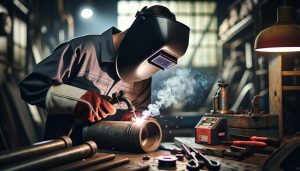
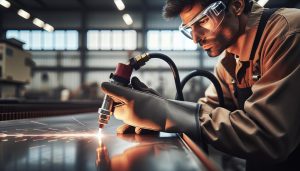
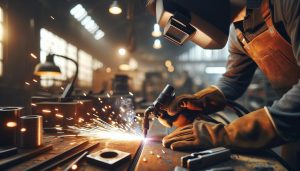
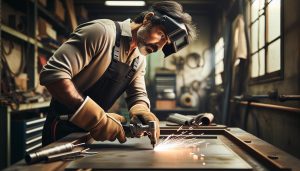
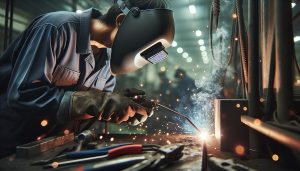
When it comes to metalworking, the right cutting tool can make all the difference, especially with materials like stainless steel, known for its durability and resistance to corrosion. A plasma cutter, utilizing high-heat and ionized gas, is renowned for its precision and clean cuts. The burning question is: will a plasma cutter effectively slice through stainless steel? Understanding its capabilities not only helps you achieve seamless results but also enhances your overall metal fabrication efficiency. In this article, we’ll explore the effectiveness of plasma cutters on stainless steel, addressing common concerns and providing insights that empower both beginners and experienced welders to make informed decisions. Whether you’re tackling a DIY project or a professional task, this guide will ensure you’re equipped with the knowledge to achieve exceptional results-clean cuts guaranteed.
Will a Plasma Cutter Cut Stainless Steel?
Plasma cutters are renowned for their versatility and ability to slice through various metals with precision, including stainless steel. Utilizing a high-temperature plasma arc, these machines can effectively cut stainless steel, thanks to their capacity to deliver clean and precision cuts. Whether you’re penetrating thick sheets or performing intricate designs, a plasma cutter can accommodate different thicknesses, making it an essential tool for many industrial and fabrication applications.
When cutting stainless steel with a plasma cutter, critical factors such as the thickness of the material and the settings of the equipment play a significant role in achieving optimal results. For instance, thinner sheets may require lower amperage settings to avoid warping, while thicker ones might necessitate higher settings to ensure a full cut through the material. Additionally, ensuring the right type of plasma gas, such as compressed air or nitrogen, can influence cut quality and speed. A well-calibrated plasma cutter not only makes cleaner cuts but also reduces the heat-affected zone, minimizing discoloration and distortion of the stainless steel.
In practice, users of plasma cutters often report various advantages, such as the speed and efficiency of the cuts, the ability to work without contact with the material, and lower operational costs compared to traditional cutting methods. However, achieving a perfect cut requires practice and adherence to certain techniques, including maintaining optimal distances and angles to the workpiece. By understanding the capabilities and requirements of the plasma cutting process, welders and fabricators can ensure they leverage this technology effectively for stainless steel cutting.
Understanding Plasma Cutting Technology
Plasma cutting technology has revolutionized metal fabrication, providing a method that combines speed, precision, and versatility for cutting various metal types, including stainless steel. At its core, the process employs a high-temperature plasma arc, which generates temperatures exceeding 20,000°C (36,000°F). This intense heat ionizes a gas-commonly air, nitrogen, or argon-transforming it into plasma, a conductive state of matter that allows electricity to flow through it. As this plasma is directed through a focused nozzle, it effectively melts the stainless steel, allowing it to be blown away, resulting in a clean cut.
For those diving into plasma cutting, it’s crucial to understand the rich interplay between the cutter’s settings and the material properties. Factors such as the amperage, gas type, and nozzle size significantly influence the quality of the cut. The amperage, for example, needs to be adjusted based on the thickness of the stainless steel being cut; thicker metals require higher amperage for effective penetration. Additionally, using the correct gas not only impacts the quality of the cut but also affects the oxidation levels and the amount of dross (the waste material formed at the cut edges). Fine-tuning these variables can lead to outcomes that range from smooth, finish-ready edges to surfaces that necessitate additional cleanup.
Using plasma cutters offers several operational advantages, such as minimal heat distortion and the ability to execute intricate designs with consistent accuracy. In environments where time and productivity are paramount, this technology can significantly reduce the time spent per cut, administering to projects more efficiently than traditional cutting methods like oxy-fuel or saws. Moreover, the portability of plasma cutting equipment allows for onsite operations, enhancing flexibility for fabricators working on larger projects.
However, mastery over plasma cutting comes with practice and understanding of specific techniques. Maintaining the correct distance between the nozzle and the workpiece, adjusting cutting speed, and ensuring a steady hand are essential skills that welders should develop. Adopting these best practices not only fosters skill but also maximizes the benefits of plasma cutting technology, further solidifying its status as a preferred choice for stainless steel fabrication.
The Science Behind Cutting Stainless Steel
Cutting stainless steel requires a thorough understanding of the material’s properties and how they interact with the high temperatures generated during the plasma cutting process. Stainless steel, known for its durability and corrosion resistance, offers unique challenges and benefits when undergoing this method of cutting. The plasma cutter operates by creating an extremely hot plasma arc, which can reach temperatures well over 20,000°C (36,000°F). This intense heat effectively melts the stainless steel at the point of contact, while a stream of fast-moving gas (often air, nitrogen, or argon) blows away the molten metal, resulting in a clean cut.
To maximize the effectiveness of plasma cutting on stainless steel, it’s essential to consider several critical factors. For instance, the thickness of the material directly impacts the amperage required; thicker sections necessitate higher amperage settings to ensure proper penetration and minimize the risk of incomplete cuts. Additionally, the choice of gas plays a significant role not only in the cutting quality but also in managing oxidation. For example, using nitrogen can help reduce oxidation and enhance the finish, while air may lead to increased dross formation.
Moreover, mastering the technique is vital for achieving optimal results. The distance between the nozzle and the workpiece, cutting speed, and nozzle size all contribute to the quality of the cut. A steady hand and consistent movement are crucial in maintaining a uniform cut, especially when working on intricate designs. By fine-tuning these variables, welders can produce cuts that are not only precise but also significantly reduce the need for post-processing work, such as sanding or grinding edges.
Understanding with plasma technology empowers fabricators to choose the right settings and techniques, ensuring clean, efficient outcomes in their projects. Adopting best practices such as preheating thicker sections, maintaining equipment, and regularly practicing technique can further enhance performance and lead to professional-quality results that meet the demanding standards of modern manufacturing.
Types of Stainless Steel and Their Properties
The world of stainless steel is vast and varied, comprising multiple grades and types, each with distinct characteristics and properties. Understanding these differences is essential when selecting the right kind of stainless steel for plasma cutting, as each type responds differently to heat and cutting techniques.
One of the most common types of stainless steel is Austenitic stainless steel, which includes grades such as 304 and 316. These steels contain a high amount of chromium and nickel, providing excellent corrosion resistance and weldability. Their low carbon content also makes them suitable for plasma cutting, as they can withstand the high temperatures generated during the process without losing their structural integrity. However, it’s crucial to manage heat input to prevent warping.
Another significant category is Ferritic stainless steel, characterized by lower nickel content, such as grades 430 and 446. This type offers good corrosion resistance and is generally less expensive than austenitic grades. Their magnetic properties may impact plasma cutting and alignment during fabrication. While ferritic stainless steels can be cut effectively, they are more prone to oxidation during plasma cutting, requiring careful consideration of gas selection to minimize dross formation.
Martensitic stainless steel, such as grades 410 and 420, is known for its high strength and hardness. While machining and welding can be challenging due to its hardening properties, plasma cutting can be successfully employed if the appropriate technique is used. It’s important to use a lower cutting speed and a specific gas mixture to maintain a clean cut and avoid excessive hardening of the heat-affected zone.
Choosing the right stainless steel for a particular application not only enhances performance but also ensures the longevity of the finished product. Here’s a brief comparison of the types:
| Type | Grades | Properties | Plasma Cutting Considerations |
|---|---|---|---|
| Austenitic | 304, 316 | High corrosion resistance, good weldability | Manage heat to prevent warping |
| Ferritic | 430, 446 | Moderate corrosion resistance, magnetic | Minimize oxidation during cutting |
| Martensitic | 410, 420 | High strength, hardenable | Use lower cutting speeds to prevent hardening |
In summary, when plasma cutting stainless steel, understanding the type of material and its properties is crucial to achieving clean, efficient results. By selecting the appropriate type of stainless steel and employing best practices in plasma cutting techniques, fabricators can ensure the integrity of their work while minimizing post-processing needs.
Advantages of Using Plasma Cutters
Utilizing plasma cutters for stainless steel projects offers numerous advantages, making them a popular choice among fabricators and welders. One of the most compelling benefits is the ability to achieve superior precision and clean cuts. Unlike traditional cutting methods, plasma cutting uses a high-velocity jet of ionized gas, allowing for detailed and complex geometries without the need for extensive post-processing. This precision is particularly important when working with stainless steel, where maintaining structural integrity and minimizing warping is crucial.
Another significant advantage is the versatility of plasma cutters. They are effective across a wide range of stainless steel grades, from the easily machined austenitic types to the challenging martensitic steels. This adaptability means that fabricators can use a single device for multiple applications, streamlining workflow and reducing the need for different cutting tools. Furthermore, plasma cutters generally operate at lower temperatures compared to other thermal cutting methods, which reduces the heat-affected zone. This characteristic is essential for stainless steels, as it helps to prevent distortion and preserves the material’s desirable properties.
Safety and efficiency are also enhanced with plasma cutting technology. Unlike methods that require significant manual effort, such as oxy-fuel cutting, plasma cutting is typically more automated and user-friendly. This automation not only streamlines workflows but also reduces the physical strain on operators. Additionally, the speed of plasma cutting means projects can be completed in a fraction of the time, increasing productivity and allowing for quicker turnaround on jobs.
Lastly, plasma cutting is cost-effective in the long run. While the initial investment in a plasma cutter may be higher than traditional cutting tools, the combination of speed, efficiency, and reduced material waste makes it an economically sound choice for fabricators working with stainless steel. The ability to turn out high-quality parts with minimal rework can significantly offset upfront costs, ensuring that businesses remain competitive in their markets.
Choosing the Right Plasma Cutter for Stainless Steel
Selecting the appropriate plasma cutter for stainless steel applications is essential for achieving high-quality results and maximizing efficiency. The performance and suitability of a plasma cutter are influenced by several key factors, including amperage output, cutting thickness, and duty cycle. A high amperage output will generally allow for cutting through thicker materials; therefore, if your projects involve heavy-duty stainless steel pieces, consider a cutter that offers between 40 to 80 amps.
Features to Consider
When shopping for a plasma cutter, pay close attention to the following features to ensure you select a model that aligns with your specific needs:
- Cutting Speed: A faster cutting speed can significantly improve productivity. Look for specifications that indicate how many inches of stainless steel the machine can cut per minute.
- Precision Capabilities: Different plasma cutters have varying abilities to manage intricate designs and tight tolerances. For clean cuts on detailed workpieces, a cutter with advanced technology, such as pilot arc systems, may be necessary.
- Portability: If your work involves various sites, opt for a lightweight model or one with integrated wheels and handles to enhance mobility.
- Consumables: Consider the availability and ease of replacement for tips, electrodes, and other consumables. Certain models may require specific parts that could be harder to source.
- Warranty and Support: A solid warranty and responsive customer service can provide peace of mind as you invest in your cutting equipment.
Real-World Examples
For instance, if your focus is primarily on thin to medium thickness stainless steel sheets (up to 1/4 inch), a plasma cutter with 40 amps and a high duty cycle would be sufficient. However, for heavier projects, such as constructing marine equipment or industrial tubing, a cutter capable of 60 to 80 amps is recommended, allowing smooth cuts through thicker sections without excessive heat input.
Concluding Advice
Ultimately, it’s beneficial to evaluate your expansion goals. Investing in a plasma cutter that can handle a broader range of materials will serve you well in the long run. Many professionals find it advantageous to opt for mid-range models that balance cost and features, allowing for versatility in various applications, whether welding, repair, or fabrication tasks. By carefully weighing these factors, you can ensure that your investment in a plasma cutter yields both clean, precise cuts and long-term value for your stainless steel projects.
Techniques for Achieving Clean Cuts
One of the hallmarks of successful plasma cutting is achieving clean, precise cuts that minimize post-processing work. A key approach involves understanding and controlling several factors during the cutting process, including the speed of travel, cutting parameters, and the conditions of your workpiece. These factors can significantly impact the quality of the cut, reducing slag buildup and ensuring a smooth edge.
To start, it’s essential to maintain an appropriate cutting speed. If the speed is too fast, the plasma arc may not penetrate adequately, leading to incomplete cuts; if too slow, it can cause excessive heat input, resulting in more slag. Adjusting the amperage is also crucial; for stainless steel, varying the amperage in relation to material thickness can optimize the cut quality. Typically, a higher amperage is favorable for thicker materials, as this enhances the arc stability needed for clean cuts.
Proper preparation and setup of the workpiece can’t be overlooked. Ensure that the surface is clean and free of contaminants such as grease, rust, or paint that can interfere with the cutting process. Clamping the workpiece securely can also help reduce vibration, allowing for straighter cuts. Maintaining an adequate standoff distance-the gap between the nozzle and the material-ensures that the plasma flows correctly and further improves cut quality.
Lastly, utilizing advanced features in plasma cutting equipment, such as pilot arc technology, can enhance cut quality. This technology allows initiation of the arc without contact, which is especially beneficial for thin materials like stainless steel, as it reduces the risk of warping while improving the precision of intricate cuts. Proper post-cut treatment, such as deburring edges or removing slag, is also advisable to maintain the integrity of your workpiece and enhance visual appeal. By paying attention to these techniques, welders can consistently achieve high-quality, clean cuts with their plasma cutters.
Common Mistakes to Avoid When Cutting
When cutting stainless steel with a plasma cutter, several common mistakes can hinder the quality of your cuts and lead to frustrating results. One prevalent error is neglecting the importance of proper settings for amperage and cutting speed. If the amperage is set too low, the plasma arc may not effectively penetrate the material, resulting in poor cuts that require additional finishing work. Conversely, a high amperage paired with excessive cutting speed can cause unwanted slag and a rough edge. It is essential to find a balance tailored to the thickness of the stainless steel you are working with. Always refer to your plasma cutter’s manual for optimal settings based on the specific material.
Another frequent mistake is inadequate preparation of the workpiece. Stainless steel surfaces must be clean and free from contaminants such as oils, rust, or paint that can interfere with the cutting process. Skipping this step often leads to weld defects and compromised cut quality. Additionally, failing to secure the workpiece properly can result in vibrations that affect the precision of your cuts. To avoid these issues, make sure to clean the surface thoroughly and clamp it securely before starting your cut.
Moreover, many operators make the error of not maintaining the proper standoff distance between the nozzle and the workpiece. This gap is crucial for ensuring that the plasma flow is optimized, as too close a distance can cause the nozzle to wear out quickly, while too far may lead to inefficient cutting and increased slag production. A standoff distance typically ranging from 1/8 to 1/4 inch should be maintained, depending on the thickness of the stainless steel.
Lastly, overlooking safety measures can lead to accidents and injuries. Always wear appropriate protective gear, including gloves, a welding helmet with the correct shade, and flame-resistant clothing. Be sure to work in a well-ventilated area to minimize exposure to harmful fumes produced during plasma cutting. By addressing these common pitfalls and following best practices, you can not only enhance the quality of your cuts but also ensure a safer and more efficient cutting experience.
Safety Protocols for Plasma Cutting
In the realm of plasma cutting, ensuring safety is not just a guideline-it’s a necessity. Plasma cutting generates intense heat and light, forming a potent arc that can cause serious injuries if proper precautions are not taken. The first step to a safe working environment is donning the appropriate personal protective equipment (PPE). Operators should always wear a high-quality welding helmet equipped with the correct shade to shield their eyes from harmful UV and IR radiation. In addition to helmets, flame-resistant clothing, gloves, and steel-toed boots are crucial in protecting against sparks and molten material that can splash during the cutting process.
Ventilation and Workspace Safety
Another essential aspect of safety protocols is ensuring adequate ventilation when operating a plasma cutter. The cutting process produces hazardous fumes and gases that can accumulate in enclosed spaces, posing respiratory risks. It’s advisable to work outdoors or in areas with sufficient airflow to disperse these harmful substances. For indoor settings, utilizing exhaust fans or fume extraction systems can significantly enhance safety. Furthermore, maintaining a clean workspace free of clutter and flammable materials is vital in preventing accidents. Regularly check cables and hoses for wear and tear, and ensure that your cutting equipment is set up on stable surfaces to avoid unexpected movements.
Electrical Safety Precautions
Given the high-voltage nature of plasma cutters, operators must also be aware of electrical safety. Always inspect your equipment for frayed wires or faulty connections before use. Ensure that all electrical equipment is grounded properly and that extension cords are rated for the amperage of your plasma cutter. Operators should be aware of emergency cut-off switches and know their location for immediate access in case of an electrical hazard or other emergencies.
Training and Skill Development
Lastly, undergoing proper training is crucial for anyone operating a plasma cutter, particularly when working with stainless steel, which can present unique challenges due to its thermal properties. Familiarize yourself with both the equipment and the material you’re working on; understanding how different metals react to cutting processes can enhance both safety and efficiency. Regularly updating skills through workshops or training sessions can prepare you for unexpected situations, further ensuring a safe cutting experience.
By prioritizing these safety measures, operators can minimize risks and foster a secure environment, allowing them to focus on achieving clean, precise cuts in stainless steel without compromising their safety.
Maintenance Tips for Plasma Cutters
To ensure your plasma cutter performs at its best and delivers clean cuts on stainless steel, a regular maintenance routine is imperative. An effective maintenance schedule not only extends the lifespan of your equipment but also enhances its cutting efficiency, reducing downtime and operational costs.
One of the most critical elements of plasma cutter maintenance is the routine inspection of consumables. Components like the nozzle, electrode, and swirl ring are subject to wear and tear, which can directly affect the quality of your cuts. Regularly checking these parts for damage or excessive wear, and replacing them as needed, will maintain optimal performance. For instance, if you notice an increase in dross or an inconsistent arc, it may be time to replace the nozzle. Maintain an inventory of these consumables to avoid project delays.
Cleaning and Lubrication
Another essential aspect of maintenance involves cleaning. After each use, it’s advisable to remove any debris, including metal shavings and slag, from around the cutting area and the machine itself. This prevents contamination and ensures that no foreign materials interfere with the operation. Additionally, lubricate any moving parts as specified by the manufacturer to minimize friction and prevent wear.
Electrical and Gas System Checks
Regular checks on the electrical components and gas lines are crucial for safety and performance. Ensure that all electrical connections are secure and free from corrosion. Inspect gas hoses for leaks and wear; any signs of damage should prompt immediate replacement to prevent hazardous situations. Keeping the air filter clean is also vital; a clogged filter can lead to inconsistent performance and increased wear on the plasma cutter.
By implementing these maintenance practices, operators can assure their plasma cutters remain efficient and effective in cutting stainless steel. Consistency in upkeep not only facilitates better performance but also leads to safer working conditions, ultimately contributing to smoother project execution.
Comparing Plasma Cutters to Other Cutting Methods
While plasma cutters are renowned for their ability to slice through thick sheets of stainless steel with precision and speed, it’s essential to compare this method to other cutting techniques to appreciate its unique advantages. Plasma cutting stands out due to its versatility and capability to handle varied material thicknesses and types, including stainless steel. When weighing choices, it’s crucial to consider methods such as MIG welding, TIG welding, stick welding, and laser cutting.
Plasma cutting utilizes a high-velocity jet of ionized gas combined with electricity to melt and blow away metal, producing clean cuts with minimal kerfs. This method is particularly effective for stainless steel because plasma cutters can maintain high travel speeds without sacrificing accuracy. In contrast, traditional welding methods like MIG and TIG, while effective, primarily focus on joining metals rather than cutting through them. MIG welding, for example, uses a continuous wire feed that might not be efficient for precision cuts, particularly on thicker materials, whereas TIG welding requires more time and skill to produce clean edges.
Another notable comparison is with laser cutting, which is known for its ability to produce incredibly precise cuts on various materials. However, laser cutting often comes with higher operational costs and limitations on material thickness. On the other hand, plasma cutting excels in speed and cost-effectiveness, making it a favored choice for industrial applications. Additionally, plasma cutting can easily handle rusty or painted surfaces without significant preparation, an area where laser cutting may face challenges.
In terms of performance, plasma cutters deliver a combination of efficiency and reduced heat-affected zones, which is crucial for maintaining the integrity of stainless steel without warping. This is especially vital when working on projects where the appearance of the cut edges is important, such as in the automotive or artistic fabrication industries. This handling of thermal dynamics allows plasma cutting to produce cuts with less distortion compared to other welding techniques.
By understanding the nuances and capabilities of plasma cutting in contrast to other methods, operators can make informed decisions that align with their specific project needs and material requirements. Whether you’re engaged in metal fabrication, maintenance, or artistic pursuits, selecting the right cutting technology can significantly impact the final outcome of your work.
Cost Considerations for Plasma Cutting Stainless Steel
The affordability of plasma cutting stainless steel can vary significantly based on several factors, ultimately influencing decision-making for metal fabrication projects. Unlike traditional cutting methods that may involve higher labor costs or slower processing times, plasma cutting provides a balanced cost-to-benefit ratio. This method’s ability to cut through thick materials quickly not only saves time but also minimizes the labor expenses associated with longer processing periods.
A key consideration in the costs associated with plasma cutting is the price of the equipment itself. There’s a wide range of plasma cutter models available, from entry-level machines costing around $500 to industrial-grade units priced at several thousand dollars. Factors such as amperage capacity and additional features like advanced cooling systems or automatic height controls will impact these prices. Maintaining an appropriate operational budget requires a thorough assessment of project specifications and expected material thickness when selecting a unit.
Moreover, operational costs need consideration. Plasma cutting uses compressed air or inert gases, both of which can add to the expense of each cut. The type of steel being cut, whether regular stainless steel, aluminum, or other metals, may also affect the consumables required, such as electrodes and cutting tips. Regular replacement of these components is necessary for maintaining optimal performance and ensuring precise cuts.
Finally, while the initial investment and operational costs are essential, the efficiency and quality of cuts generated by plasma cutting often justify the expense. The clean cuts with minimal kerf can reduce post-processing time and costs, enabling projects to stay on schedule and within budget. Thus, the overall financial benefits of plasma cutting stainless steel can often outweigh the initial financial outlay, making it a smart choice for both small-scale and industrial applications.
Real-World Applications and Success Stories
In the world of metal fabrication, plasma cutting has proven to be a game-changer, particularly when working with stainless steel. For instance, a renowned aerospace company recently leveraged plasma cutting technology to streamline the fabrication of components for commercial aircraft. This application not only reduced the time taken to prepare and cut parts but also ensured maximum precision, crucial for maintaining the rigorous standards required in the aviation sector.
Another compelling example can be found in the culinary industry, where custom stainless steel kitchen equipment is a necessity. A small restaurant that sought to create a unique server station found that using a plasma cutter allowed them to achieve intricate designs with clean edges. This enabled them to marry functionality with aesthetics, producing tables and counters that not only met health regulations but also enhanced the overall dining experience.
The automotive sector also highlights the benefits of plasma cutting; an automotive manufacturer eliminated up to 30% of processing time for chassis parts by incorporating plasma cutting into their workflow. The ability to cut through thicker stainless steel while maintaining high-quality cuts allowed for quicker assembly line throughput and reduced production costs. This shift not only improved their bottom line but also reduced lead times for customers.
For businesses considering plasma cutting as a solution for stainless steel projects, it’s important to review specific success stories from their industry. Collectively, these real-world applications showcase the versatility of plasma cutting technology, emphasizing its ability to handle a wide range of tasks, from high-volume production to bespoke projects. Ultimately, companies that invest in plasma cutting capabilities often find themselves better positioned in their respective markets, benefiting from increased efficiency and superior product quality.
FAQ
Q: Can a plasma cutter effectively cut thick stainless steel?
A: Yes, a plasma cutter can effectively cut thick stainless steel, with many models capable of cutting up to 1 inch thick. For optimal results, select a plasma cutter with adequate amperage and adjustable cutting speeds tailored for thick materials. Refer to the section on “Choosing the Right Plasma Cutter for Stainless Steel” for detailed guidance.
Q: What is the best plasma cutter for stainless steel?
A: The best plasma cutter for stainless steel features adjustable settings, higher amperage capabilities, and a good duty cycle. Look for models specifically designed for metal cutting, such as those mentioned in the “Choosing the Right Plasma Cutter for Stainless Steel” section.
Q: How do I achieve a clean cut when using a plasma cutter on stainless steel?
A: To achieve a clean cut, maintain a consistent cutting speed and angle, and ensure the nozzle is at an appropriate distance from the material. Additionally, using the correct gas type is crucial. Explore the “Techniques for Achieving Clean Cuts” section for more insights.
Q: What safety precautions should I take when using a plasma cutter on stainless steel?
A: Always wear proper protective gear, including gloves, goggles, and flame-resistant clothing. Ensure your workspace is well-ventilated, and remove any flammable materials from the area. For more comprehensive safety protocols, see the “Safety Protocols for Plasma Cutting” section.
Q: Does plasma cutting produce a lot of slag on stainless steel?
A: Plasma cutting can produce some slag, but using nitrogen or compressed air as the cutting gas minimizes this issue. Selecting the right settings and process greatly reduces slag formation. Check the “Common Mistakes to Avoid When Cutting” section for additional tips.
Q: What are the advantages of using a plasma cutter for stainless steel?
A: Plasma cutters offer speed, precision, and versatility when cutting stainless steel. They can handle various thicknesses and create minimal heat-affected zones. For a detailed comparison with other cutting methods, refer to the “Comparing Plasma Cutters to Other Cutting Methods” section.
Q: Can plasma cutters be used for both thin and thick stainless steel?
A: Yes, plasma cutters are versatile tools suitable for cutting both thin and thick stainless steel. They can easily adjust to different thickness levels, providing flexibility in various applications. For more about the types of stainless steel, review the “Types of Stainless Steel and Their Properties” section.
Q: Are there different techniques for cutting stainless steel with a plasma cutter?
A: Absolutely! Techniques can vary based on the thickness and desired finish. For instance, adjusting the cutting speed and angle can significantly affect the outcome. For specific techniques, you can check the “Techniques for Achieving Clean Cuts” section.
Wrapping Up
In conclusion, using a plasma cutter on stainless steel not only guarantees precision but also offers clean and efficient results, making it an excellent choice for your metalworking projects. If you’re ready to take your skills to the next level, check out our in-depth guides on MIG welding techniques and TIG welding for advanced projects to broaden your expertise. Don’t miss out on exploring our equipment reviews where you can find top-rated plasma cutters that meet your specific needs.
If you still have questions or concerns about using a plasma cutter safely, visit our safety protocols section for essential tips. Your journey to mastering welding starts here-sign up for our newsletter to stay updated on the latest techniques and tools in the industry! Share your experiences in the comments below, and let’s continue the conversation. Remember, the right equipment can make all the difference-let’s achieve those clean cuts together!