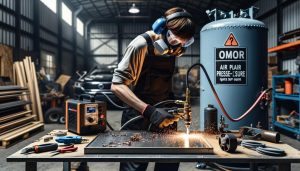
Welding is a critical skill in various industries, ensuring structural integrity in everything from pipelines to machinery. However, many welders wonder, “Can you weld to a half coupling per ASME standards?” Understanding the nuances of welding standards is essential not only for compliance but also for enhancing the reliability and safety of welded joints. This guide will delve into the specific requirements and best practices associated with welding half couplings, addressing common concerns and equipping you with the knowledge to execute these procedures safely and effectively. Whether you’re a seasoned professional or a newcomer to welding, mastering these techniques will elevate your capabilities and confidence in your work. Read on to discover detailed insights that will inform your welding practices and help you meet industry standards.
Can You Weld to Half Coupling Per ASME Standards? Understanding the Basics
When it comes to welding half couplings, adherence to the ASME (American Society of Mechanical Engineers) standards is crucial for ensuring the integrity and safety of the weld. These couplings, often used in piping systems to connect pipes and fittings, require careful consideration of various factors, including material compatibility, joint design, and the welding process itself. In essence, you can weld to half couplings per ASME standards, but the execution must be meticulous and in compliance with the specified guidelines.
A foundational aspect is understanding the intended application and the materials involved. For instance, common materials used in half couplings include carbon steel and stainless steel, each presenting unique welding challenges. Proper preparation of the coupling surfaces-cleaning, beveling, and ensuring proper fit-up-is essential for a successful weld that meets ASME standards. The welding method chosen-whether MIG, TIG, or stick welding-will also impact the quality and strength of the joint. Each technique has particular benefits and drawbacks, making it vital to select the one that aligns with the specific project requirements.
Moreover, ASME standards provide guidance on the acceptable welding procedures, including parameters such as preheat temperature, interpass temperature, and post-weld heat treatment when necessary. These details are not merely technicalities; they can significantly affect the mechanical properties of the welded joint. Following these standards not only ensures compliance but also enhances the reliability and longevity of the systems utilizing these couplings. Ultimately, the key to successful welding lies in a comprehensive understanding of materials, processes, and the stringent guidelines set forth by ASME.
Types of Half Couplings: An Overview of Applications
Half couplings play a crucial role in piping systems, serving as vital connectors between pipes and various fittings. They are often found in both residential and industrial applications, providing essential junctions for fluid transfer in plumbing and process systems. Understanding the diverse types of half couplings and their applications can help ensure that welds meet the rigorous standards set by ASME, promoting safety and structural integrity.
There are several types of half couplings, each suited for specific applications. Standard half couplings are typically used to connect pipes in most common sizes and materials, such as carbon steel and stainless steel, making them ideal for a wide range of industrial and commercial applications. Reducing half couplings offer versatility by enabling connections between different pipe diameters, which is essential in systems that require transitions from larger to smaller pipes. This type ensures efficient flow characteristics and minimizes turbulence in piping systems. Additionally, female half couplings feature threads internally, allowing for connections directly to male pipes or fittings, while male half couplings present external threads for similar connections.
Another important category is welded half couplings, which provide the highest level of strength and leak resistance, making them suitable for high-pressure applications such as oil and gas pipelines. These related couplings must adhere strictly to welding principles and ASME standards to avoid mechanical failures that could lead to catastrophic system failures. The material selection for these couplings also plays a significant role. For example, stainless steel half couplings are preferred in corrosive environments due to their inherent resistance to rust and degradation, while carbon steel couplings are commonly used in less corrosive settings.
In summary, selecting the right type of half coupling according to the application’s specific needs is paramount. Whether for standard plumbing, industrial piping, or specialized applications, understanding the coupling types aids in effective welding practices, ensuring compliance with ASME standards and enhancing the longevity and reliability of the systems involved.
Welding Techniques for Half Couplings: MIG, TIG, and More
Welding half couplings effectively requires a solid understanding of the various welding techniques available, each offering unique advantages depending on the material and application. Among these methods, Metal Inert Gas (MIG) welding and Tungsten Inert Gas (TIG) welding are the most commonly used, especially in settings where precision, strength, and integrity are paramount, such as in compliance with ASME standards.
MIG welding, known for its speed and efficiency, involves feeding a continuous wire electrode through a welding gun while simultaneously purging the weld area with an inert gas. This technique is particularly advantageous for welding carbon steel and stainless steel half couplings. The process is relatively easy to learn, making it accessible for beginners while still providing professional results. Common applications include fabricating and repairing piping systems where quick, strong welds are necessary. One potential drawback is the need for clean surfaces, as impurities can compromise weld quality.
Conversely, TIG welding provides a higher level of control, making it ideal for intricate designs or thinner materials like aluminum. In this method, a non-consumable tungsten electrode creates the weld, and filler material is added as needed. While TIG welding requires a steeper learning curve and is generally slower than MIG, it yields superior results in terms of joint strength and appearance-critical attributes for structural integrity in high-stakes environments. This technique is often preferred when working with stainless steel half couplings, especially under ASME regulations, where precision is essential.
In addition to MIG and TIG, other welding methods such as Stick welding and Flux Core welding come into play depending on specific job requirements. Stick welding is straightforward and versatile, making it an excellent choice for outdoor or harsh conditions. Flux Core welding can also provide strong penetration in thick materials, although it may lead to a messier finish compared to MIG and TIG. Each method has distinct settings and equipment needs, so understanding the specific characteristics of the welding project is crucial.
Safety should always be at the forefront when choosing a welding technique. Wear appropriate personal protective equipment (PPE) such as helmets, gloves, and protective clothing to guard against spatter, UV light, and heat exposure. Moreover, implementing proper ventilation is essential, especially when dealing with materials that produce hazardous fumes. By selecting the right technique and adhering to safety protocols, welders can achieve robust joints in half couplings that not only meet but exceed ASME standards.
Material Considerations When Welding Half Couplings
When it comes to welding half couplings, material selection is fundamental to achieving strong, reliable joints that meet ASME standards. The types of materials frequently encountered in half couplings, including carbon steel, stainless steel, and aluminum, each bring their unique challenges and considerations during the welding process. Understanding these material properties helps ensure optimal fusion and minimizes the risk of defects.
Carbon steel is often the choice for many applications due to its excellent weldability and affordability. When welding carbon steel half couplings, MIG and Stick welding are typically employed. It’s essential to ensure that the surfaces are clean and free of any contaminants, as impurities can lead to porosity and weak welds. The carbon content in the steel can also affect its hardness and ductility, which must be considered during the post-weld heat treatment to relieve stresses.
Stainless steel presents another challenge, particularly due to its susceptibility to intergranular corrosion and hot cracking. TIG welding is often preferred for stainless steel half couplings because it provides the precision required for maintaining the integrity of the base metal. Using the correct filler material is crucial; for instance, 308L filler is common when welding 304 stainless steel. Additionally, it is important to control heat input to prevent warping and maintain corrosion resistance, as excessive heat can prematurely degrade the protective chromium oxide layer.
Aluminum, while lightweight and resistant to corrosion, requires specific techniques due to its thermal conductivity and oxidation properties. TIG welding is frequently the method of choice due to the need for greater control over the heat input and the use of a filler rod. Pre-cleaning the aluminum surface and using appropriate shielding gas, such as argon, are vital steps to prevent contamination and improve weld quality. It’s worth noting that aluminum is more prone to distortion, so careful consideration of the welding parameters and the fit-up is necessary to achieve a reliable joint.
When preparing to weld half couplings, it’s essential to evaluate the specific material’s characteristics and tailor the welding technique accordingly. This attention to detail not only enhances the likelihood of meeting ASME standards but also contributes to the durability and functionality of the welded assembly. Adopting these best practices as part of the welding process can significantly impact the quality and performance of the final product.
ASME Standards: Key Principles for Welding Half Couplings
Achieving strong and compliant welds when connecting half couplings requires a deep understanding of ASME (American Society of Mechanical Engineers) standards. These guidelines are critical for ensuring safety, reliability, and durability in welded structures, particularly in industries such as manufacturing, construction, and piping systems. The ASME standards place significant emphasis on the materials used, the welding processes, and the qualifications of welders. Understanding these principles is essential for anyone engaged in the welding profession.
At the heart of ASME welding standards is the concept of material compatibility. The standards dictate that the materials to be welded should have similar mechanical properties to ensure that the weld will perform adequately under load. This includes factors like thermal expansion, tensile strength, and ductility. For half couplings, using materials like carbon steel or stainless steel in accordance with the ASME guidelines will minimize the risk of failure due to thermal stresses when the joint is in service.
Equally important is adherence to welding procedure specifications (WPS) which outline the precise methods and parameters for welding different materials. These specifications include aspects such as the choice of filler material, the type of welding process (MIG, TIG, or Stick), joint preparation, and post-weld treatments. Following a WPS not only ensures compliance with ASME standards but also enhances the reproducibility of weld quality. Documentation and traceability are vital; therefore, maintaining accurate records of each welding procedure is encouraged to demonstrate adherence to standards.
Another key component of ASME standards is the qualification of welders. Welders must not only possess skills but also often need to be certified in specific processes that they will use to create half couplings. This certification process typically involves testing the welders with established methods such as visual inspections, nondestructive testing, and destructive testing of samples. Ensuring that all personnel have appropriate qualifications not only boosts the quality of welds but also ensures a high level of safety and conformity to industry standards.
Integrating these ASME principles into welding practices promotes a deeper understanding of the mechanics behind successful joints, reducing the likelihood of defects while increasing service life and durability. Whether welding half couplings in a pressurized system or constructing structural components, adhering to ASME standards is not just a requirement-it’s a commitment to excellence in craftsmanship.
Common Pitfalls in Welding to Half Couplings
Welding half couplings can be straightforward, yet several common pitfalls can lead to critical failures if not addressed. One primary danger lies in inadequate joint preparation. Failing to clean the surfaces thoroughly can result in contamination, leading to weak welds and poor adhesion. Rust, grease, or any surface impurities must be meticulously removed to promote strong bonding. This is especially important when working with high-strength materials, where any defect can significantly compromise integrity.
Another frequent issue arises from mismatched materials. Half couplings are often made from various metals, including carbon steel and stainless steel. Using the wrong filler material or failing to consider thermal expansion differences can create stress concentrations that may lead to cracking during service. It’s essential to refer to the welding procedure specifications (WPS) and ensure that the materials are compatible, factoring in their mechanical properties, to prevent such failures.
Welders often underestimate the importance of properly controlling heat input. Too much heat can lead to warping, excessive penetration, or burn-through, while too little heat may result in incomplete fusion. Both situations can adversely affect the structural integrity of the joint. Employing techniques like preheating larger parts or ensuring uniform heat distribution can alleviate these issues. Additionally, using welding techniques such as MIG or TIG, which allow for better control of heat input, can help mitigate these risks.
Lastly, neglecting post-weld treatments is a common oversight that can affect long-term durability. Proper cooling rates and post-weld heat treatment may be necessary to relieve stresses and reduce the risk of distortion or brittle fracture. Implementing these practices not only enhances performance but also ensures compliance with ASME standards, thus safeguarding the reliability of the welded connections. By staying informed about these pitfalls and adopting best practices, welders can significantly improve their success in fabricating high-quality joints with half couplings.
Safety Protocols to Follow When Welding
When engaging in welding activities, particularly when dealing with components like half couplings, adhering to rigorous safety protocols is paramount. The environment in which welding occurs can pose numerous hazards, from exposure to harmful fumes to the risk of fire and electrical shock. Understanding and implementing effective safety measures not only protects the welder but also ensures the integrity of the work being performed.
Personal Protective Equipment (PPE) is your first line of defense. Welders must don suitable gear, including a welding helmet equipped with the appropriate filter lens to protect against harmful ultraviolet (UV) and infrared (IR) radiation. Additionally, flame-resistant clothing, gloves, and safety boots should be worn to safeguard against sparks and molten metal splatter. It’s crucial that all PPE is maintained in good condition, with any damaged components replaced promptly.
Another essential safety consideration is ensuring that the welding area is well-ventilated. Fumes generated during the welding process can be toxic, leading to respiratory complications. If working in confined spaces, the use of local exhaust ventilation or respirators may be necessary to mitigate these risks. Furthermore, identifying and eliminating combustible materials from the workspace is vital to prevent fire hazards, as the intense heat and sparks from welding operations can easily ignite flammable substances.
Electrical Safety is another critical aspect of welding safety protocols. Proper grounding of equipment is essential to prevent electrical shock. Additionally, ensuring that all cables and connectors are in good condition and free of damage is crucial. When setting up equipment, it’s advisable to use circuit breakers or fuses to further guard against electrical failures that could endanger the welder.
Finally, regular safety training and familiarity with emergency procedures can significantly bolster workplace safety. Conducting drills ensures that everyone involved understands how to respond quickly and effectively to emergencies, whether they involve fire, equipment failure, or medical incidents. By fostering a culture of safety and awareness within the welding environment, welders can enhance their protection and improve the overall quality and safety of their work with half couplings and other components.
Implementing these safety protocols will not only comply with the best practices outlined in ASME standards but also create a safer workplace that minimizes accidents and promotes high-quality welding craftsmanship.
Inspection and Testing Requirements After Welding
After completing welding on half couplings, robust inspection and testing protocols are crucial to ensure structural integrity and compliance with ASME standards. Proper evaluation not only verifies that the weld meets specified criteria but also helps to prevent potential failures that could lead to costly repairs or safety hazards down the line. Engaging in thorough inspection practices can significantly enhance the reliability of the welded joint.
Visual inspection is the first step in the post-welding evaluation process. This includes examining the weld for any surface defects such as cracks, slag inclusions, porosity, or undercuts. Inspectors should use appropriate lighting and tools like magnifying glasses or borescopes to identify these imperfections. The criteria for acceptance or rejection should adhere to the standards set forth in ASME Section IX, which governs weld performance and quality.
Following visual inspection, more sophisticated methods may be employed to ensure the weld’s integrity. Common non-destructive testing (NDT) techniques include ultrasonic testing (UT), radiographic testing (RT), and dye penetrant testing (DPT). Each method has its advantages, depending on the specific application of the half coupling and the materials involved. For instance, ultrasonic testing is highly effective for detecting internal flaws, while dye penetrant testing is a quick way to identify surface cracks.
Documenting the results of these inspections and tests is essential. Proper records should include the type of weld, the welding process used (such as MIG, TIG, or stick welding), and the results of each inspection step. This documentation can serve as a valuable resource for future maintenance and demonstrates compliance with industry standards. Ultimately, robust inspection and testing processes will not only meet regulatory requirements but also foster confidence in the functionality and safety of the welded half couplings used in various applications.
Best Practices for Achieving Strong Welds
Achieving strong welds, especially when working with half couplings per ASME standards, demands precision in technique, keen attention to material properties, and adherence to safety protocols. A well-executed weld not only enhances the structural integrity of the coupling but also ensures compliance with regulatory standards that govern welding practices. Understanding the fundamental principles can significantly improve your welding outcomes.
Incorporating proper pre-weld preparation is crucial. Begin by ensuring that base materials are clean and free from contaminants such as rust, oil, and dirt. Clean metal surfaces allow for better adhesion, reducing the likelihood of defects. Additionally, selecting the appropriate filler material is essential. When welding steel or aluminum half couplings, the filler must match the base metal in strength and thermal properties. Utilize the following procedures for strong welds:
- Correct Joint Design: Ensure that the joint configuration allows for sufficient penetration and fusion between the coupling and the pipe.
- Welding Technique: Depending on the application, consider using methods such as MIG for thin sections, TIG for clean and precise welds, or stick welding for outdoor work or thicker materials.
- Heat Control: Monitor the heat input meticulously. Excessive heat can lead to warping or distortion, while inadequate heating may result in incomplete penetration.
- Weld Pass Management: For thicker materials, employ multiple passes to achieve the desired weld size and strength. It’s essential to allow adequate cooling between passes to prevent stress build-up.
Post-weld considerations are equally important. Immediately after welding, perform a visual inspection to identify any surface defects, such as cracks or incomplete fusion. Follow this with appropriate non-destructive testing methods to verify the weld’s integrity. Documenting each step of the welding process is a best practice that not only enhances traceability but also adds layers of quality assurance to your work.
Utilizing the right equipment is also pivotal. Invest in a reliable welding machine suitable for your chosen technique and ensure you have high-quality consumables. Safety gear, including gloves, helmets, and protective clothing, should not be overlooked either, as they significantly reduce the risk of injury during welding tasks. By adhering to these best practices, you will cultivate a robust welding skill set tailored for half couplings that meet and exceed ASME standards.
Welding Equipment: Choosing the Right Tools for the Job
Selecting the appropriate welding equipment for working with half couplings is essential for achieving strong, compliant welds that meet ASME standards. High-quality tools not only facilitate better results but also enhance safety and efficiency in the welding process. From machines to protective gear, the right equipment significantly influences the overall quality of your welds.
When considering welding machines, the choice often comes down to the type of welding technique being employed. For example, Metal Inert Gas (MIG) welding is favored for its speed and ease, making it a suitable option for thin-walled half couplings. In contrast, Tungsten Inert Gas (TIG) welding offers precision, which is perfect for applications that require clean and strong welds, especially important when working with aluminum or stainless steel couplings. Stick welding remains a reliable option for outdoor work and thicker materials due to its versatility in different conditions. It’s crucial to evaluate your project requirements and select a welding machine that optimally supports the chosen technique.
Alongside the welding machines, consumables play a vital role in the welding process. For MIG and TIG welding, selecting the correct electrode and shielding gas is critical. Ensure that the filler materials match the base metal and consider factors like strength and thermal properties to prevent issues post-weld. For stick welding, different electrode types can be chosen based on the metal and thickness being welded. Regularly checking the condition of these tools is a best practice, as wear can lead to subpar welds.
Lastly, safety equipment should never be overlooked. Investing in high-quality protective gear such as welding helmets, gloves, and flame-resistant clothing is paramount. These not only protect against burns and sparks but also shield against harmful UV and infrared radiation emitted during the welding process. Adhering to safety protocols ensures a safer working environment, boosting both confidence and productivity. By prioritizing the right tools and safety measures, welders can achieve superior results in their projects involving half couplings.
Troubleshooting Common Welding Issues with Half Couplings
Welding half couplings can be problematic due to factors such as misalignment, contamination, and inappropriate technique choice. Addressing these common issues can enhance weld quality and ensure compliance with ASME standards, leading to more reliable results. Understanding how to troubleshoot these issues is crucial for both novice and experienced welders.
Misalignment is one of the most frequent issues during the welding process. It can result in unequal joint gaps, leading to weak welds. To solve this, check the alignment of the half coupling before starting the weld. Ensuring proper fitting can often prevent these issues. Using appropriate fixtures or clamps can stabilize the pieces during the welding operation.
Another common setback occurs due to contamination of the base materials. Oil, rust, dirt, or any foreign substances can lead to poor weld penetration and a lack of fusion. To mitigate this, always clean the surfaces thoroughly before welding. Using solvents or mechanical means like wire brushes can effectively remove contaminants.
Choosing the right welding technique also plays a significant role. For instance, MIG welding may be suitable for quick applications, but TIG welding is better for materials that require precision, like stainless steel or aluminum half couplings. Adjust the technique to match the material type and thickness. Furthermore, ensure that the correct filler metal is used; using mismatched filler can lead to significant structural weaknesses.
Lastly, monitoring welding parameters such as voltage, amperage, and travel speed can prevent defects such as undercutting, porosity, or lack of fusion. Always refer to the equipment’s manual for recommended settings and adjust based on the material you’re working with. Regular inspections and practice are essential in reinforcing your welding skills and achieving the best possible results with half couplings.
Real-World Examples: Successful Welds to Half Couplings
When it comes to welding half couplings, real-world applications and success stories offer valuable insights into achieving strong and reliable connections that conform to ASME standards. Consider a project undertaken by a fabrication shop specializing in plumbing systems, where they were tasked with welding stainless steel half couplings into a series of pipes. The team employed both MIG and TIG welding methods, depending on the specific requirements of the joint. For areas requiring quick assembly and high deposition rates, MIG welding was preferred, while the TIG method was utilized for critical sections that demanded precision and a clean appearance. This adaptive approach not only met project deadlines but also ensured the integrity of the connections amid high-pressure conditions.
In another scenario, a construction firm faced challenges while integrating half couplings into structural steel assemblies. By adopting a systematic process for pre-weld inspection and alignment, the crew used clamps and fixtures to maintain alignment throughout the welding process, drastically reducing misalignment issues. They meticulously prepared the joint surfaces, eliminating any contaminants, which led to perfectly fused welds that passed inspection without a hitch. Their commitment to following ASME standards during this project not only improved the joint quality but also ensured safety and reliability in the completed structure.
To highlight the versatility of welding techniques, a manufacturing plant that used aluminum half couplings for a custom prototype leveraged flux-cored arc welding (FCAW) for out-of-position welds. This method provided significant advantages, such as reducing weld spatter while increasing deposition rates. The skilled welders adopted strict control over the welding parameters and conducted post-weld inspections per industry standards to guarantee that every joint was robust enough to withstand the intended operational stresses.
These examples underscore the importance of understanding the specific materials and techniques involved in welding half couplings. By leveraging appropriate welding methods-whether MIG, TIG, or FCAW-coupled with diligent practice of safety protocols and adherence to ASME standards, welders can achieve consistently successful results that stand the test of time and application demands.
Faq
Q: What are the primary ASME standards for welding half couplings?
A: The primary ASME standards governing the welding of half couplings are ASME B31.1 and B31.3, which provide guidelines for power piping and process piping respectively. These standards detail requirements for materials, design, installation, and inspection to ensure safe and effective welds.
Q: Why is it important to follow ASME standards when welding half couplings?
A: Following ASME standards when welding half couplings ensures that the welds are structurally sound and safe. Compliance helps avoid failures, reduces liability, and increases the longevity of the piping system by ensuring proper material selection and welding techniques.
Q: Can you weld half couplings to plastic piping?
A: Typically, you cannot weld half couplings directly to plastic piping using traditional welding methods. Instead, solvent welding or mechanical fittings are used. Ensure that the materials are compatible for a safe and effective joint.
Q: How does the type of material affect the welding process for half couplings?
A: The material significantly impacts the welding process; for example, stainless steel requires specific techniques like TIG welding due to its higher melting point and susceptibility to warping. Always select the appropriate welding method based on the material for optimal results.
Q: What are the common welding defects to watch for with half couplings?
A: Common welding defects include incomplete fusion, porosity, and crack formation. To mitigate these issues, ensure proper joint design, maintain suitable heat input, and perform thorough inspections post-welding.
Q: How do you determine the right filler material for welding half couplings?
A: Selecting the right filler material depends on the base materials of the half coupling and the intended service conditions. Always consult material compatibility charts and follow ASME recommendations to ensure a strong bond.
Q: Are there specific safety protocols when welding half couplings?
A: Yes, essential safety protocols include wearing appropriate PPE, ensuring proper ventilation, and conducting hazard assessments. Following ASME and OSHA guidelines will further enhance safety during the welding process.
Q: What inspection methods are recommended post-welding of half couplings?
A: Recommended inspection methods include visual inspections and non-destructive testing (NDT) techniques such as ultrasonic testing or radiography. These methods help ensure weld integrity and adherence to ASME standards.
Insights and Conclusions
As you navigate the complexities of welding to half couplings per ASME standards, remember that adhering to these guidelines is crucial for ensuring the strength and durability of your projects. Whether you’re working with aluminum or steel, mastering techniques such as MIG and TIG welding can significantly enhance your skills. Don’t let uncertainty hold you back-take the next step in your welding journey by exploring our comprehensive resources on welding techniques, safety protocols, and equipment reviews.
For further insights, check out our detailed articles on MIG welding essentials and effective safety practices to elevate your workflow. If you’re looking for expert guidance or have lingering questions, consider signing up for our newsletter or contacting our welding community for tailored advice. Your path to becoming a proficient welder starts here-engage with our content, and keep building your expertise. Join the conversation below, and share your experiences or tips!