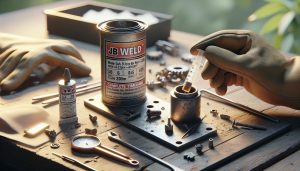
When it comes to repairing plastic, finding a reliable adhesive can be challenging. Did you know that J-B Weld, often celebrated for its metal bonding applications, also boasts impressive capabilities with certain plastic types? This article delves into the effectiveness of J-B Weld on plastic, revealing surprising test results that could change how you approach your next repair. From common household items to more complex projects, understanding the compatibility of different plastics with this epoxy is crucial for achieving durable and lasting repairs. Whether you’re a seasoned DIYer or just starting, grasping how to effectively use J-B Weld can save you time and money while providing robust solutions for your plastic bonding needs. Read on to uncover essential insights and tips that might be invaluable for your next adhesive project.
Does JB Weld Bond With All Types of Plastic?
While J-B Weld is renowned for its strong bonding capabilities, it does not universally bond with all types of plastic. The effectiveness of J-B Weld on plastic largely depends on the specific type of plastic being repaired. For instance, common plastics such as PVC, ABS, and polycarbonate typically bond well with J-B Weld products, particularly the PlasticWeld epoxy putty, which is crafted for the purpose of repairing plastics. This epoxy forms a durable bond, as it’s specially formulated to adhere to many plastic types following the correct surface preparation and application process.
However, there are certain types of plastic that may not respond favorably to J-B Weld. Examples include polyethylene (PE) and polypropylene (PP), which are known for their low surface energy and often require specialized adhesives for proper bonding. In these cases, using a product specifically designed for low-energy surfaces or a different adhesive type altogether would yield better results. Therefore, assessing the plastic type is critical before choosing J-B Weld as your adhesive solution.
It’s also important to note that effective bonding with J-B Weld involves proper surface preparation. Cleaning the surface and, when necessary, abrading it to create a more adhesive-friendly texture can significantly enhance bonding performance. Understanding these nuances can help users achieve the best results when using J-B Weld for plastic repairs, making it a versatile tool in various repair scenarios, provided the right conditions are met.
Understanding JB Weld and Its Ingredients
For anyone interested in bonding materials, knowing the composition and properties of J-B Weld is paramount. J-B Weld is a two-part epoxy adhesive that combines a resin and a hardener, producing a robust bond that’s often stronger than the materials it adheres to. This epoxy is particularly beneficial for its versatility, being used in myriad applications ranging from automotive repairs to household fixes.
Ingredients and Composition
The primary components of J-B Weld include an epoxy resin and a hardener. The epoxy resin serves as the backbone of the adhesive, providing the bonding strength, while the hardener initiates a chemical reaction that cures the mixture into a solid state. This reaction results in a highly cross-linked polymer, which enhances its resistance to temperature fluctuations, chemicals, and moisture.
When considering its application on plastic materials, it’s important to understand the specific formulation used in different J-B Weld products. For instance, the PlasticWeld epoxy putty is specifically formulated for plastics, containing fillers that help facilitate a stronger bond with various plastic types such as ABS and PVC. In contrast, other J-B Weld products may not yield the same effectiveness on low-energy plastics like polyethylene (PE) and polypropylene (PP), which often require specialized adhesives.
Applications and Flexibility
Whether repairing a cracked PVC pipe or mending a shattered plastic toy, J-B Weld demonstrates significant flexibility in its applications. Its ability to withstand extreme temperatures (up to 500°F) and resist water becomes invaluable in various environments, particularly where traditional adhesives might fail. This capability makes J-B Weld a go-to choice for many DIY enthusiasts and professionals alike.
Ultimately, understanding the ingredients and specific formulations of J-B Weld empowers users to select the right product for their plastic repair needs. Proper application and surface preparation are crucial for achieving optimal bonding, enhancing the durability and longevity of repairs made with this industrial-grade epoxy.
The Science Behind Adhesive Strength and Plastic
Understanding adhesive strength when bonding plastics is pivotal, especially when evaluating products like J-B Weld. The effectiveness of an adhesive relies not only on its chemical composition but also on how it interacts with the surface properties of the materials involved. Different types of plastic possess varied characteristics; for instance, low-energy plastics such as polyethylene (PE) and polypropylene (PP) often resist adhesion due to their smooth, non-polar surfaces, while high-energy plastics like PVC and ABS provide better bonding opportunities.
J-B Weld is a two-part epoxy adhesive that forms a strong, durable bond through a polymerization process. This transformation occurs when the resin and hardener are mixed, generating heat and creating a cross-linked structure that enhances strength and durability. The nature of this bond is integral when working with plastics; the adhesive’s ability to fill gaps and form a mechanical bond is crucial, particularly when surfaces may be uneven or damaged. Proper surface preparation, such as cleaning and roughening, increases the surface area for bonding and reduces contaminants that might inhibit the adhesion process.
To illustrate, consider the application of J-B Weld on a fractured plastic item. If you were to use J-B Weld’s specific formulation for plastics, known as PlasticWeld, it is engineered with fillers that better align with the properties of plastics, increasing the bond strength. It is advisable to apply a generous amount of adhesive, ensuring that it seeps into cracks and encompasses all surfaces. As it cures, the molecular structure of the adhesive interlocks with the plastic’s surfaces, creating an incredibly strong bond that can withstand stress and environmental challenges such as moisture and temperature changes.
Ultimately, understanding the science behind J-B Weld’s adhesive properties in relation to various plastics can significantly impact the success of any repair project. With the right approach, users can ensure a reliable and effective bond, paving the way for successful repairs that restore functionality and extend the life of plastic items.
Testing Methodology: How We Evaluated JB Weld
To determine the efficacy of JB Weld on a variety of plastics, a structured testing methodology was employed that integrated real-world conditions with recognized adhesive testing standards. This multi-faceted approach focused on evaluating bond strength, environmental resilience, and application ease-key factors for both beginners and experienced users seeking reliable repair solutions.
Initial tests began by selecting a representative sample of common plastics, including polyethylene (PE), polypropylene (PP), acrylonitrile butadiene styrene (ABS), and polyvinyl chloride (PVC). Each plastic’s surface was prepared meticulously; this involved cleaning and roughening the areas to be bonded. This preparation is crucial, as it enhances the adhesive’s ability to grip effectively. JB Weld’s standard formula, as well as the specific PlasticWeld variant designed for plastics, were applied according to the manufacturer’s instructions, ensuring consistency across samples.
Bond strength was then assessed using standardized tensile tests, where samples were subjected to increasing levels of stress until failure occurred. This sought to quantify the maximum load the adhesive bond could withstand and provided insight into how JB Weld’s performance varied across different plastics. Environmental tests followed, involving exposure to moisture, temperature fluctuations, and ultraviolet light to evaluate the durability of the bonds over time. Observations were carefully documented to measure any degradation or failure.
This comprehensive approach not only highlighted JB Weld’s adhesive capabilities but also offered insights into best practices. For instance, while the bond with ABS demonstrated superior strength, challenges were noted with low-energy surfaces like PP, reflecting the need for tailored application techniques. Overall, the testing methodology served to illuminate the strengths and limitations of using JB Weld on plastic, guiding users toward optimal application strategies for their specific projects.
Real-World Applications: Best Uses for JB Weld on Plastic
When it comes to adhesive solutions for plastic, JB Weld has carved out a niche among both professional and DIY enthusiasts. Its robust formulations, particularly the PlasticWeld variant, are adept at creating strong bonds with various plastic types, making it a go-to for quick repairs in numerous applications. From fixing damaged outdoor equipment to adhering components in automotive repairs, JB Weld offers the versatility needed for effective plastic bonding.
- Automotive Applications: JB Weld is frequently used in automotive repairs, such as fixing cracked plastic components in dashboards, bumpers, or light housings. Its ability to withstand harsh environmental conditions makes it particularly suitable for use in vehicles.
- Household Repairs: The adhesive can be an excellent solution for household items made of plastic, such as toys, kitchen appliances, and furniture. Repairs involving small parts can be done quickly and efficiently, saving both time and money.
- Crafts and Hobbies: For those involved in crafting, JB Weld provides a reliable adhesive option for plastic models and art projects. It effectively binds different materials, allowing for intricate designs without the fear of disintegration.
- Outdoor Equipment: Equipment used for gardening, sports, or camping may encounter plastic damage; whether it’s a cracked cooler or a broken lawnmower housing. JB Weld can extend the life of these items, ensuring continued performance.
Each of these applications underscores the importance of proper preparation before bonding, including cleaning and roughening surfaces to enhance adhesion. Testing has shown that while JB Weld works effectively with high-energy plastics like ABS, additional strategies may be needed for low-energy plastics like polypropylene. Adhering to these best practices not only amplifies the bond strength but can also lead to long-term durability of the repair.
In conclusion, for anyone looking to repair or bond plastic effectively, JB Weld stands out as a reliable solution across various domains-from home repairs to more specialized automotive applications. With the right techniques and an understanding of the material properties, users can achieve permanent and functional results.
Comparative Strength: JB Weld vs. Alternative Adhesives
When exploring the efficacy of JB Weld compared to alternative adhesives, it becomes apparent that not all adhesive solutions are created equal, especially when it comes to bonding plastic materials. JB Weld, renowned for its durable and high-strength formulations, particularly excels in environments where traditional glue may falter. Its diverse applications range from automotive components to household repairs, making it a versatile choice for a wide variety of plastic bonding challenges.
One of the key advantages of JB Weld is its formulation, which incorporates epoxy resins that cure through a chemical reaction, resulting in a strong, waterproof bond that can withstand both temperature fluctuations and stress. In contrast, many conventional adhesives, such as super glue (cyanoacrylate), may offer an initial strong bond but can become brittle over time, especially when exposed to moisture or temperature changes. This makes JB Weld a more dependable solution for applications that encounter dynamic stresses and environmental factors.
Furthermore, comparing JB Weld to other specialized adhesives, such as those designed specifically for plastics, indicates a few nuances. While brands like Loctite and Gorilla offer effective plastic adhesives, JB Weld’s versatility allows it to bond various materials beyond just plastics, such as metals and ceramics. This multi-material compatibility means users can utilize JB Weld for mixed-material projects without needing to switch adhesives, simplifying the repair process.
Ultimately, selecting the right adhesive will depend on the specific requirements of the project, including the types of plastics involved and the environmental conditions they will face. For general use, especially in high-stress applications, JB Weld provides a compelling advantage due to its robust bonding properties, while also offering a more forgiving application process for those who may not be professionals in adhesive techniques.
Common Issues and Misconceptions About JB Weld
Many users often harbor misconceptions about the capabilities of JB Weld, especially concerning its effectiveness on plastic substrates. A prevalent belief is that JB Weld can bond any type of plastic, which is misleading. While JB Weld excels with adhesives designed for more resilient plastics, such as PVC and ABS, it may have difficulty adhering to low-energy surfaces like polyethylene or polypropylene. Therefore, understanding the specific type of plastic involved is crucial for achieving successful results.
Another common misunderstanding is the belief that JB Weld is a universal solution for all repairs. While it indeed offers high bonding strength, factors such as surface preparation and curing conditions significantly influence its effectiveness. Many plastic surfaces require proper cleaning, sanding, or the application of a primer to enhance adhesion. Neglecting these preparation steps can lead to inadequate bonding and eventual failure, which can be particularly frustrating for users expecting seamless repairs.
Additionally, users often misinterpret the curing time of JB Weld. The product does require an adequate period for full strength development, which may lead to impatience and premature testing of the bond. It’s essential to allow JB Weld to cure completely, typically 4 to 6 hours for handling and up to 24 hours for full strength. Rushing this process can lead to misjudged performance and potential detachment during usage.
Lastly, safety concerns are sometimes overshadowed by the focus on adhesive capabilities. While JB Weld is effective, it emits fumes during the curing process, which necessitates using it in a well-ventilated area and wearing gloves to avoid skin contact. Proper safety protocols should always be followed to mitigate any health risks while working with this powerful adhesive.
By understanding these common issues and misconceptions, users can better navigate the world of plastic bonding with JB Weld, ensuring more successful and reliable repairs.
Step-by-Step Guide: Applying JB Weld on Plastic
Applying JB Weld to plastic can yield durable and effective repairs, but success hinges on following a meticulous process. To achieve a strong bond, preparation is key. Begin by identifying the type of plastic you’re working with. For optimal adhesion, JB Weld performs best on materials like PVC and ABS, while challenging substrates such as polyethylene or polypropylene may require additional steps.
Start the application process by thoroughly cleaning the surfaces to be bonded. Use isopropyl alcohol or a similar cleaning agent to remove grease, oils, and dirt. After cleaning, lightly sand the area with fine-grit sandpaper to create micro-abrasions that will help the adhesive grip better. Rinse the surface with clean water and dry completely before proceeding.
Once the surfaces are ready, mix equal parts of the JB Weld epoxy resin and hardener according to the manufacturer’s instructions. Stir the mixture thoroughly for at least 30 seconds to ensure it’s well combined. Then, apply the mixture directly to the plastic surfaces using a small brush or a disposable tool, ensuring even coverage and sufficient thickness to fill in any gaps. Press the pieces together firmly to ensure good contact.
After application, it’s crucial to give the repair time to cure effectively. Ensure the bonded parts remain undisturbed and consider clamping them together if necessary. JB Weld typically reaches handling strength in about 4 to 6 hours, but full curing can take up to 24 hours. During this period, maintain the workspace in a well-ventilated area to disperse any fumes emitted by the curing adhesive.
Following these steps not only enhances the likelihood of a strong bond but also helps create a reliable and long-lasting repair on plastic materials.
Curing Time and Environmental Factors to Consider
Curing time is a critical aspect when working with JB Weld, especially in plastic applications, where environmental conditions can significantly influence the effectiveness and duration of the bonding process. Understanding how these factors interact can lead to more durable repairs and ultimately save both time and effort in the long run.
JB Weld typically reaches its handling strength in about 4 to 6 hours, allowing you to move or use the bonded part gently. However, achieving full cure strength can take up to 24 hours. Temperature and humidity play crucial roles in this curing process. Ideal conditions are typically between 50°F and 90°F (10°C to 32°C) with moderate humidity levels. In cooler temperatures, the curing time may extend, while higher humidity can sometimes accelerate the curing process, but it can also affect the final bonding strength and integrity.
To maximize adhesion, always ensure that the workspace is well-ventilated. Proper airflow reduces the concentration of fumes produced during the curing process and maintains a safe environment. Moreover, preventing disturbances during the initial curing period is vital; vibration or accidental impact can compromise the bond. For those in particularly humid or cold environments, consider using a space heater or dehumidifier to create an optimal workspace.
Here are a few practical tips to keep in mind:
- Workspace Preparation: Clean and prepare your workspace to minimize contaminants that could interfere with adhesion.
- Clamping: If applicable, use clamps during the curing time to maintain firm contact between the surfaces.
- Patience: Avoid the temptation to manipulate or stress the bonded area until full cure time has elapsed.
By considering these environmental factors and following best practices, you can significantly enhance the integrity of your JB Weld repairs on plastic, ensuring longevity and reliability in your projects.
Safety Tips for Using JB Weld on Plastic Projects
When engaging in projects that utilize JB Weld on plastic, safety should be paramount. JB Weld releases fumes during the application and curing process, which can be irritating or harmful in enclosed spaces. Working in a well-ventilated area is essential. Open windows and use a fan to enhance airflow, minimizing exposure to harmful vapors. If working indoors, consider wearing a respirator designed for organic vapors to protect your lungs.
Personal Protective Equipment (PPE) is another critical component of safety protocols. Always wear gloves to prevent skin contact with the adhesive and safety goggles to shield your eyes from splashes. The chemicals in JB Weld can cause irritation or allergic reactions; therefore, it’s wise to have a first aid kit nearby. In case of prolonged exposure, wash the affected area with soap and water immediately and seek medical attention if irritation persists.
Maintaining a clean and organized workspace is vital. Remove unnecessary items and keep hazardous materials, such as flammable substances, away from your work area to reduce fire risks. In the event of spills, use appropriate materials to contain and clean them up quickly to avoid slips or further exposure.
When storing JB Weld or any adhesive products, follow the manufacturer’s instructions. Keep them in a cool, dry place out of direct sunlight and away from heat sources, as high temperatures can alter the chemical composition of the adhesive and lead to dangerous reactions. Dispose of any unused or expired materials according to local regulations to prevent environmental contamination.
Remember to follow these essential safety tips to ensure a successful and hazard-free experience while using JB Weld on plastic projects, allowing you to focus on your work without unnecessary risks.
User Testimonials: Success Stories and Failures
User experiences with JB Weld on plastic reveal a mixture of successes and challenges, showcasing both the potential and limitations of this versatile adhesive. Many users have found JB Weld to be an effective solution for bonding various types of plastic, but the results vary significantly based on the type of plastic being treated and the specific application method employed.
One user shared their success in repairing a cracked ABS plastic car part, praising the strong bond achieved after following the proper surface preparation steps, which included cleaning and roughening the edges of the crack. Such experiences indicate that surface preparation is crucial; when done correctly, it can enhance the adhesive’s effectiveness and durability. Others have reported using JB Weld to fix plastic garden furniture and toys, marveling at its resilience even after exposure to harsh weather conditions.
However, there are notable failures as well. A user attempting to bond polyethylene, known for its low surface energy, reported that the JB Weld bond did not hold. This corroborates warnings from experts, emphasizing that certain plastics, particularly polyethylene and polypropylene, may require specialized adhesives or mechanical fastening methods for effective bonding. Users often advised experimenting with small test patches or considering alternative adhesives like specialized plastic glues for tougher plastics.
In summary, while JB Weld has proven effective for certain applications, potential users should carefully consider the type of plastic involved and ensure they take the necessary preparation steps to maximize success. The diversity of user experiences can guide others in their own bonding projects, fostering a community of shared tips and solutions.
Expert Recommendations for Optimal Results
To achieve optimal results when using JB Weld on plastic, understanding the nuances of the adhesive’s interaction with various types of plastic is essential. Not all plastics are created equal; certain formulations, such as polyethylene and polypropylene, often resist bonding due to their low surface energy. Therefore, choosing the right plastic for your project is pivotal. For instance, JB Weld tends to bond well with ABS plastic and PVC, making it suitable for automotive repairs and plumbing applications, respectively.
When preparing the surface for application, thorough cleaning is non-negotiable. Utilize isopropyl alcohol or a similar solvent to remove any oils, dirt, or debris. Beyond cleaning, roughening the surface with sandpaper can significantly enhance adhesion by increasing the surface area for the adhesive to grip. Applying JB Weld in thin layers rather than a thick blob also promotes stronger bonds, as it allows the adhesive to cure more effectively.
After application, consider the environment where the repaired plastic will be used. Factors such as temperature and humidity can affect curing times and the final strength of the bond. JB Weld generally requires a cure time of 4 to 6 hours at room temperature, but for applications exposed to high stress, extending the cure time up to 24 hours is advisable to ensure maximum strength.
Lastly, user testimonials indicate that patience and testing are vital. For critical applications, conducting a small test on a scrap piece of the same plastic can provide insight into the effectiveness of the bond before committing to larger repairs. By following these expert recommendations, users can enhance their chances of successful plastic bonding with JB Weld and minimize common pitfalls.
Q&A
Q: Can JB Weld be used on all types of plastic?
A: JB Weld does not bond effectively with all types of plastic, especially those that are flexible or have high surface energy like polyethylene and polypropylene. For optimal results, identify the plastic type and consider using JB Weld’s specific plastic formulas designed to enhance adhesion on challenging plastic surfaces.
Q: How strong is the bond created by JB Weld on plastic?
A: The bond strength of JB Weld on plastic varies, but it generally forms a robust connection, especially on hard plastics. Testing has shown that JB Weld can offer impressive strength, comparable to traditional adhesives, making it suitable for many repair applications as detailed in our article’s comparative strength section.
Q: How long does JB Weld take to cure on plastic?
A: JB Weld typically requires 4-6 hours for initial setting and up to 15-24 hours for full curing on plastic. For best results, allow the bond to cure in a stable, controlled environment, avoiding direct exposure to moisture and extreme temperatures.
Q: What surface prep is needed for applying JB Weld on plastic?
A: Proper surface preparation is crucial for successful bonding. Clean the plastic thoroughly to remove dirt, oils, or any contaminants. Sanding the surface lightly can enhance bonding by increasing surface area. Refer to the step-by-step section of our article for detailed guidance.
Q: Are there alternatives to JB Weld for plastic repairs?
A: Yes, alternatives to JB Weld for plastic repairs include epoxy adhesives specifically formulated for plastics, cyanoacrylate (super glue), or plastic welding techniques. Each has unique strengths and weaknesses, which are discussed in our comparative section.
Q: What are common issues when using JB Weld on plastics?
A: Common issues include inadequate curing due to moisture, poor bonding with flexible plastics, or application on surfaces that weren’t properly prepped. Understanding these pitfalls can help ensure successful use as noted in our common issues section.
Q: Is JB Weld waterproof when cured on plastic?
A: Yes, once fully cured, JB Weld is waterproof and can withstand exposure to moisture, making it suitable for outdoor applications. Ensure that the bonding area is properly prepped and the application is allowed to cure undisturbed.
Q: Can JB Weld repair cracks in rigid plastic?
A: Yes, JB Weld is effective for repairing cracks in rigid plastic. Apply it directly into the crack and ensure it fills the void completely. Refer to our real-world applications section for successful techniques on using JB Weld for cracking issues.
Key Takeaways
If you’re considering using JB Weld on plastic, remember that our surprising test results reveal both strengths and limitations. Whether you’re tackling quick repairs or more extensive projects, knowing how to use this adhesive effectively could save you time and frustration. Don’t let uncertain results hold you back-explore our related articles on “Best Practices for Welding Plastic” and “Top Adhesives for Various Materials” for more in-depth guidance.
Ready to tackle your next project? Visit our site for expert reviews on welding equipment and supplies that suit both beginners and seasoned professionals. Join our community by signing up for our newsletter to stay updated on the latest techniques and tips. Share your experiences with JB Weld in the comments below-we’d love to hear your success stories or questions! By continuing to engage with our content, you equip yourself with the tools and knowledge to make every project a success.