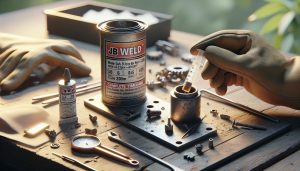
When it comes to repairs, J-B Weld is a go-to adhesive that offers a reliable solution for a variety of materials, including metal, wood, and ceramics. Whether you’re patching up a broken tool or reinforcing a household item, understanding how to effectively use J-B Weld can save time and money while ensuring long-lasting results. This guide will walk you through the essential steps for application and curing, highlighting best practices that guarantee a strong bond. As you navigate the world of adhesives, you’ll discover how simple techniques can lead to professional-grade repairs, giving you the confidence and knowledge to tackle any project. Let’s explore the ins and outs of J-B Weld, and unlock its full potential for your repair needs.
How J-B Weld Works: Understanding the Chemistry
Understanding how J-B Weld functions begins with its unique formulation that combines resins and hardeners to create remarkably strong bonds. This epoxy adhesive is specifically designed to withstand intense mechanical and thermal stress, making it a go-to choice for a variety of applications, from household repairs to industrial uses. The main chemical process at work is known as cross-linking, where the epoxy resins chemically react upon mixing with the hardener. This reaction causes the material to solidify and form a dense, stable structure that boasts high tensile strength and resistance to water, chemicals, and varying temperatures.
When using J-B Weld, the adhesive undergoes several stages to achieve maximum effectiveness. Initially, the mixture consists of two separate components: the resin and the hardener. Once combined, they begin to chemically interact, initiating the curing process. This is why proper mixing-until uniform in color and consistency-is critical. The effectiveness of the bond is influenced by not just the mixing technique but also by the application method and environmental factors such as temperature and humidity.
Achieving an optimal bond also relies upon the surfaces being adhered together. When applied correctly, J-B Weld can bond a wide array of materials, including metal, wood, ceramics, and some plastics. However, the surfaces must be clean, dry, and free from any oils or contaminants. A thorough preparation can significantly enhance bonding performance. This makes understanding the chemistry behind J-B Weld not just intriguing, but essential for anyone looking to leverage its full potential in repairs or projects.
By recognizing the interplay between its components and the importance of surface preparation, users can confidently utilize J-B Weld to tackle both common and complex bonding challenges.
Preparing Surfaces for Optimal Bonding
is a crucial step when using J-B Weld, as the effectiveness of any adhesive hinges on the cleanliness and condition of the surfaces being joined. A well-prepared surface not only enhances adhesion but also contributes to the durability of the bond. Prior to application, it’s essential to assess the materials being bonded, as different substrates may require specific cleaning methods to remove contaminants such as grease, dirt, or rust.
Begin by thoroughly cleaning the surfaces with a suitable solvent, such as isopropyl alcohol or acetone. This removes any oils, dirt, or other substances that could impair bonding. After cleaning, lightly sanding the surfaces with fine-grit sandpaper creates a better texture for adhesion. Not only does sanding help to increase the surface area for the epoxy to grip onto, but it also ensures a more uniform application. Be sure to wipe away any dust from sanding before proceeding to application.
Key Points to Consider
- Surface Cleanliness: Ensure that surfaces are free of contaminants. Use a solvent and lint-free cloth for best results.
- Sanding: Lightly sand the areas to increase surface texture, enhancing the adhesive’s grip.
- Drying Time: Allow any cleaning agents to evaporate completely before applying J-B Weld; moisture can compromise bond strength.
For certain materials, such as oily metals or plastics, additional treatment may be necessary. For oily metals, consider using a degreaser in conjunction with the solvent cleaning process. When bonding plastics, make sure they are compatible with the epoxy, as some plastics may require a special primer to ensure proper adhesion. Taking the time to prepare surfaces meticulously can dramatically improve your results and the longevity of your repairs. By adhering to these steps, you can make the most out of J-B Weld’s bonding capabilities and achieve strong, long-lasting results.
Step-by-Step Application Process for J-B Weld
The effective application of J-B Weld is not just about mixing two components; it’s a methodical process that combines precision and care to ensure a solid and lasting bond. Pre-measure the required amounts of resin and hardener according to the manufacturer’s instructions before you start. The standard ratio is usually 1:1, but checking the packaging for specific guidance is crucial to avoid any miscalculations that could affect curing. Once prepared, mix the two components thoroughly using a clean, disposable stir stick for at least one minute. This will guarantee an even distribution, activating the adhesive properties of J-B Weld.
After your mixture is ready, apply it generously to one of the surfaces you are bonding. Using a small putty knife or similar tool can help spread the adhesive evenly, ensuring full coverage. Aim for a thickness that adheres well but isn’t excessive, as too much adhesive can lead to unintended mess and longer curing times. If you are working with two surfaces that fit closely together, you can simply overlay the adhesive on one side, aligning the pieces carefully to maximize the bond. For larger repairs, consider clamping the materials after applying J-B Weld to maintain pressure and prevent any movement during curing.
Timing is critical during this process. Once applied, avoid any adjustments or movements for at least a few hours. While J-B Weld begins to set quickly, achieving maximum strength can take longer depending on factors like ambient temperature and humidity. It’s important to let the adhesive cure undisturbed, as this will ensure the best ultimate bond. Always reference the product’s specific curing guidelines to determine when it’s safe to resume use or apply additional weight to the repaired joint.
Lastly, it’s beneficial to keep any tools and unused adhesive easily accessible until you’re sure the job is complete. Should you notice any areas that seem improperly bonded or excess adhesive, it’s easier to address these issues sooner rather than later. Following these steps meticulously will guarantee that your application of J-B Weld is not only effective but also a benchmark for quality repairs in all your projects.
Common Mistakes to Avoid When Using J-B Weld
When working with J-B Weld, even small oversights can lead to suboptimal results. A common mistake is not adequately preparing the surfaces prior to application. Proper surface preparation is crucial because dirt, grease, or moisture can hinder the bonding process, resulting in weakened adhesion. Always clean the surfaces thoroughly, removing any contaminants, and allow them to dry completely before applying the epoxy. Scuffing the surfaces to create a rough texture can also enhance the bond, providing more surface area for the adhesive to grip.
Another frequent error is miscalculating the mixing ratio of the resin and hardener. The standard 1:1 ratio must be strictly followed, as deviations can prevent the epoxy from curing properly. It’s best practice to measure carefully, using a clean mixing container, and to mix the components thoroughly for at least one minute to activate their bonding characteristics. Inadequate mixing can leave unmixed portions which may remain tacky and ultimately fail.
Timing is also critical when applying J-B Weld. Many users impatiently disrupt the curing process by repositioning their pieces too soon. Adhering to the recommended setting time is essential. Allow the mixture to cure undisturbed for the time specified by the manufacturer to achieve maximum strength. Additionally, some users neglect to use clamps when necessary. For larger repairs, clamping can prevent movement, ensuring that the surfaces remain tightly pressed together as the adhesive sets.
Finally, one of the most overlooked aspects is proper disposal and storage of unused J-B Weld. Leaving the mixture exposed can lead to contamination and degradation of the remaining adhesive. Always seal the product correctly after use and store it in a cool, dry place to prolong its effectiveness and maintain its integrity for future projects. By avoiding these common pitfalls, users can achieve reliable and lasting results with J-B Weld.
Curing Time: Getting the Best Results
When it comes to using J-B Weld, understanding the curing time is pivotal to achieving optimal bonding results. Curing is the process where the epoxy transitions from a liquid state to a solid state, forming a robust bond. Typically, J-B Weld begins to set within 4 to 6 hours but reaches its full strength after 15 to 24 hours of curing. This duration can vary based on environmental conditions such as temperature and humidity, so it’s essential to consider these factors during your project.
To ensure the best results during the curing process, it’s critical to keep the repaired items undisturbed. Movement can disrupt the curing action and lead to a weak bond. For larger repairs, consider using clamps to secure the parts together firmly. This not only helps prevent any displacement but also maximizes contact between the surfaces, enhancing the adhesive’s effectiveness. If you find yourself in a situation where quick fixes are necessary, remember that while J-B Weld can be handled after a few hours, giving it ample time to cure will yield the most reliable results.
To facilitate a robust cure, you’ll want to monitor the curing environment. Ideally, keep the adhesive at room temperature, as extreme cold may slow the curing process, while excessive heat can accelerate it, potentially leading to a weaker bond. Avoid exposing the joint to moisture or extreme conditions during this period, as they can affect the adhesive’s ability to set properly. If you’re working on an outdoor project, consider covering the area with a temp shelter to maintain the conditions conducive for curing.
Lastly, proper layering of J-B Weld can impact the curing process. If applying thick layers for substantial repairs, allow the initial layer to partially cure before adding extra layers. This technique helps manage heat buildup and ensures each layer cures effectively. Always refer to the product instructions for specific details on curing times and conditions. Following these guidelines will enable you to harness J-B Weld to its full potential, ensuring durable and long-lasting repairs that stand the test of time.
Using J-B Weld on Different Materials
When working with J-B Weld, understanding how to effectively bond different materials can significantly enhance your project outcomes. J-B Weld is a versatile epoxy that adheres to a wide range of surfaces, making it an ideal choice for various repairs. Whether you’re dealing with metals, plastics, ceramics, or wood, tailoring your approach to the specific material will ensure a successful bond.
Metals such as steel, aluminum, and cast iron are perfect candidates for J-B Weld thanks to their structural integrity and heat-resistance properties. For optimal adhesion, clean the metal surfaces thoroughly to remove any dirt, rust, or grease. Sanding the surfaces slightly can improve the bond by increasing the surface area for the epoxy to grip. When applying, follow the recommended mixing ratio for the best results, and allow for a sufficient curing time under stable conditions to build maximum strength.
When bonding plastics, it’s vital to recognize that not all plastics are created equal. J-B Weld works exceptionally well with rigid plastics, such as PVC and ABS, but may struggle with flexible plastics or those with a high oil content. For difficult plastics, consider using a plastic primer or surface activation treatment to enhance adhesion. As with metals, ensure proper cleaning and drying before applying the epoxy.
For ceramics and wood, J-B Weld can also deliver impressive results. In ceramics, it serves as an excellent medium for filling cracks and providing structural support. It’s essential to apply the epoxy carefully, as ceramic can be brittle. For wood repairs, particularly in furniture restoration, consider using J-B Weld to fill gaps and cracks for a seamless finish. Ensure the wood is dry and free from surface finishes that could impede bonding, such as varnish or wax.
In summary, requires tailored preparation and application methods. Always clean and prepare your surfaces accordingly and monitor the curing environment to achieve the best results. By adapting your approach based on the material at hand, you can leverage the strengths of J-B Weld for durable, reliable repairs across various applications.
Tips for Thinning and Adjusting J-B Weld
When working with J-B Weld, understanding how to properly thin and adjust the epoxy can significantly affect your project’s success. While J-B Weld is known for its robust bonding capabilities, certain applications may benefit from a more fluid consistency, allowing for easier application and better penetration into gaps or fissures. Thinning J-B Weld can be achieved safely using a small amount of acetone, which acts as a solvent that reduces viscosity without compromising the adhesive’s effectiveness.
It is essential to add acetone sparingly, mixing it into the J-B Weld gradually until the desired consistency is reached. Start with just a few drops to gauge how it alters the thickness; too much can weaken the bond. If you’re applying it in a tight space or on a vertical surface, a thinner mixture will greatly facilitate control during application, ensuring that the epoxy flows where needed without sagging or dripping.
Adjusting Application Techniques
In addition to thinning the mixture, adjusting your application technique can also improve results. For intricate repairs, consider using a fine brush or a toothpick to apply the thinner J-B Weld, which allows for precision. This method is particularly useful for detailed work on small parts or when filling tiny cracks. Moreover, ensure that the surfaces being bonded are clean and dust-free; this will maximize the effectiveness of your thinned adhesive.
Always conduct a small test on a sample of the materials you are working with to see how the adjusted J-B Weld reacts. This preemptive step can save you time and materials, allowing you to refine your technique or adjust the mixture as needed. Lastly, be mindful of environmental conditions such as temperature and humidity during application, as these factors can influence both the curing process and the performance of the thinned epoxy.
By taking these considerations into account, you can harness the full potential of J-B Weld, optimizing its application to achieve durable, efficient results in your bonding projects.
Maintaining and Storing J-B Weld for Longevity
Proper maintenance and storage of J-B Weld products are crucial for maximizing their shelf life and ensuring they perform effectively when needed. Like any chemical adhesive, these epoxies can deteriorate if not stored correctly, leading to compromised bonding strength or even complete failure during application. To avoid these pitfalls and extend the usability of your J-B Weld, consider the following recommendations.
To start, always keep J-B Weld in a cool, dry place away from direct sunlight and extreme temperatures. Exposure to heat can accelerate the hardening process and degrade the epoxy over time. Additionally, ensure that the original containers are tightly sealed after use to prevent air exposure, which can cause the adhesives to thicken or cure prematurely. If the product begins to exhibit a change in texture or consistency, it’s best to dispose of it properly rather than risking an ineffective application.
Practical Storage Tips
Implement the following practices to maintain the effectiveness of your J-B Weld products:
- Temperature Control: Maintain an environment between 50°F and 80°F (10°C to 27°C) for optimal storage conditions.
- Seal Tightly: Always snap the cap back on tightly to prevent moisture from entering the container.
- Organize Containers: Store products in an organized manner to avoid misplacing them or damaging their containers during access.
- Regular Checks: Periodically inspect your adhesives for signs of hardening or degradation, and discard any products that show these signs.
In addition to proper storage, also consider labeling your containers with the purchase date. This practice will help you keep track of how long you’ve had the epoxy and when it might need to be replaced. By following these recommendations, you ensure that your J-B Weld products remain effective and ready for use whenever you need them, whether for minor repairs or more demanding applications. Prioritize proper storage as part of your toolkit management for best results in all your bonding projects.
Advanced Techniques for Professional Results
Utilizing J-B Weld effectively goes beyond simply mixing and applying the adhesive; it requires an understanding of advanced techniques that can expand its application range and improve its performance. One of the most effective strategies is to prepare your surfaces meticulously. This involves cleaning the area thoroughly to remove any grease, dirt, or old adhesive. For metallic surfaces, a simple wash with isopropyl alcohol followed by abrasion using sandpaper can significantly enhance adhesion. For non-metal surfaces, ensure they are dry and free from contaminants.
When applying J-B Weld, consider using a heat source, such as a heat gun, to warm up the base materials prior to application. An increase in temperature can facilitate better molecular bonding, especially in metal parts. Additionally, mixing the two components of J-B Weld (the resin and hardener) with a precision for the recommended ratio can provide a more robust bond. It’s advisable to mix thoroughly until the color is uniform, which ensures an even cure and mitigates the risks of weak spots in the adhesive.
For projects that demand a custom fit, such as filling gaps or rebuilding worn parts, consider shaping the applied J-B Weld while it’s still pliable. Using tools like spatulas or sculpting knives allows you to form and smooth the material before it begins to cure. This technique is valuable in creating a flush repair that aesthetically integrates with the original material. After the initial cure, small adjustments can be made with sandpaper to achieve the desired finish, but this requires waiting for the adhesive to set sufficiently.
Lastly, advanced users often combine J-B Weld with other products for increased durability. For instance, reinforcing a glued area with fiberglass cloth can provide extra support, particularly in high-stress applications. Remember, however, that while J-B Weld is powerful, knowing its limitations allows you to make informed decisions on when to use or bypass the product. Proper application, preparation, and innovative techniques will provide professional results that stand the test of time.
Troubleshooting: What to Do If It Doesn’t Work
When a bonding project using J-B Weld doesn’t go as planned, it can be frustrating. However, understanding common issues and their solutions can make a significant difference in achieving a successful bond. One of the primary reasons for adhesive failure is improper surface preparation. Even tiny residues from grease or dust can prevent a secure bond. Always ensure surfaces are clean, dry, and free of contaminants by using cleaning agents like isopropyl alcohol and roughening the surface with sandpaper. This helps increase the bond area and creates a better grip.
Another critical factor to consider is the mixing ratio of the resin and hardener. J-B Weld requires a precise combination to cure correctly; straying from the recommended 1:1 ratio can lead to weak adhesion or incomplete curing. To avoid this, always measure carefully and mix thoroughly until the color is uniform. If the mixture appears streaky or inconsistent, remaking the batch is essential for achieving optimal bonding strength.
Curing time can also play a pivotal role in the overall effectiveness of J-B Weld. If the bond was disturbed during the curing process or if the environment was too cold, the adhesive might not set as intended. It’s best to allow ample time for curing-typically 4 to 6 hours for handling and up to 24 hours for full strength. In cooler temperatures, consider relocating the assembly to a warmer environment to facilitate proper curing.
If you’ve followed these steps yet are still experiencing issues, it may be worthwhile to assess the materials being bonded. Certain plastics and composites are not compatible with J-B Weld, leading to poor adhesion. Conduct a test with a small sample area or use a different type of adhesive specifically designed for the materials in question. Documenting and analyzing each step can provide valuable insights for future projects, ensuring that each application is met with the clarity and knowledge necessary for success.
Real-Life Applications and Success Stories
J-B Weld is often hailed as a miracle adhesive for its ability to bond materials under extreme conditions, making it a go-to solution for countless real-life applications. Many users share success stories that highlight not only the versatility of J-B Weld but also its strength and durability. From automotive repairs to home improvements, the instances where this epoxy adhesive shines are numerous and varied.
One common application is in the automotive field, where enthusiasts and everyday drivers alike have used J-B Weld to repair cracked engine blocks and radiator leaks. Such repairs can save significant costs associated with professional automotive services. For instance, a DIYer noticed a hissing sound emanating from their vehicle after a rough drive. Upon inspection, they discovered a minor crack in the radiator. Instead of replacing the entire unit, they applied J-B Weld, which not only sealed the crack but has held firm through multiple seasons of driving, proving the adhesive’s capability under pressure.
In home improvement, the adhesive has found its place in fixing bathroom fixtures and appliances. A homeowner faced a situation where their ceramic toilet tank developed a small crack. After trying other adhesives that failed, they turned to J-B Weld. The epoxy not only patched the crack but also restored functional integrity, with no leaks reported for over a year. The ease of application and impressive bonding strength in such a critical area showcases J-B Weld’s reliability for both novice and experienced users.
Creative Uses and DIY Projects
J-B Weld’s applications extend beyond traditional repairs; creative DIYers utilize it in crafting and art projects. Artists have utilized it to bond metal components in sculptures, creating long-lasting pieces that withstand various environmental conditions. Similarly, makers have used J-B Weld to attach wooden elements to metal frames in custom furniture constructions, achieving an industrial aesthetic without sacrificing durability. Each of these cases underscores the adhesive’s capacity to support innovation while delivering superior performance.
Ultimately, real-life success stories with J-B Weld not only demonstrate its effectiveness but also inspire others to tackle their own repair challenges boldly. Whether it’s a critical automotive fix or an innovative DIY project, the reliability of this versatile adhesive continues to make it a favorite choice among a diverse array of users.
Safety Precautions When Using J-B Weld
When working with any adhesive, including J-B Weld, it’s crucial to prioritize safety to ensure a smooth and successful application process. Despite its remarkable bonding capabilities, J-B Weld can pose risks if not handled correctly. Accidental skin contact or inhalation of fumes from the curing process can lead to adverse effects. Therefore, understanding the necessary safety precautions is essential for all users, whether they are seasoned pros or DIY novices.
First and foremost, always work in a well-ventilated area. This helps to disperse potentially harmful fumes and provides adequate airflow, reducing the risk of inhalation. If working indoors doesn’t allow for sufficient ventilation, consider using fans or opening windows to create a cross-breeze. Additionally, using personal protective equipment (PPE) is highly recommended. Gloves made of chemical-resistant materials can prevent skin contact with the resin and hardener, and safety goggles can protect your eyes from accidental splashes during mixing or application.
Here are some additional safety tips to consider:
- Read the Label: Always review the manufacturer’s guidelines and safety data sheets (SDS) for specific warnings and requirements.
- Store Properly: Keep J-B Weld products in a cool, dry place away from direct sunlight and out of reach of children and pets.
- Dispose Responsibly: Any unused product or materials saturated with adhesive should be disposed of according to local regulations to avoid environmental contamination.
- Avoid Heat Sources: Keep the adhesive away from flames or heat sources, as it may become flammable when curing.
Equipping yourself with the right knowledge and tools can significantly enhance safety while using J-B Weld. Following these precautions not only protects you but also ensures that your project advances smoothly, allowing you to achieve the best possible results without complications.
Q&A
Q: How long does J-B Weld take to cure completely?
A: J-B Weld typically cures in 24 hours for a strong bond, but full strength is achieved after 72 hours. Ensure optimal conditions by keeping the adhesive at room temperature to facilitate curing. For detailed timing related to specific applications, refer to the curing time section of the main article.
Q: Can J-B Weld be used on plastics?
A: Yes, J-B Weld can bond certain types of plastics, particularly high-density polyethylene (HDPE) and low-density polyethylene (LDPE), with surface preparation. For best results, use J-B PlasticWeld for plastic-specific applications. Refer to the section on using J-B Weld on different materials for more insights.
Q: What’s the best way to clean surfaces before using J-B Weld?
A: Clean surfaces with isopropyl alcohol or soap and water to remove grease, dirt, or dust prior to application. Ensure that the surface is dry and roughened slightly with sandpaper to enhance adhesion. This preparation is crucial for optimal bonding, as noted in the article’s surface preparation section.
Q: Is J-B Weld waterproof once cured?
A: Yes, J-B Weld is waterproof once fully cured, making it ideal for both indoor and outdoor repairs. It’s resistant to water, gas, and other chemicals, ensuring durability in various applications. More on its versatility can be found in the section discussing real-life applications.
Q: Can I paint over J-B Weld once it cures?
A: Absolutely! J-B Weld can be painted over after it has fully cured. Use a compatible primer and paint for the best results. For detailed guidance on surface finishing, including painting options, consult the advanced techniques section of your main article.
Q: What should I do if J-B Weld does not adhere properly?
A: If J-B Weld fails to adhere, it may be due to insufficient surface preparation, curing time not being met, or using it on incompatible materials. Troubleshooting steps include revisiting surface cleaning and roughening methods detailed in the troubleshooting section of the main guide.
Q: Does J-B Weld withstand high temperatures?
A: Yes, J-B Weld can withstand temperatures up to 550°F (287°C) intermittently when fully cured. It’s suitable for repairs on items exposed to heat, provided that the application follows the guidelines for curing and surface preparation. More on temperature resistance can be found in the related sections of the article.
Q: How do I store J-B Weld for maximum longevity?
A: Store J-B Weld in a cool, dry place and ensure the cap is tightly closed to prevent hardening. Keeping it away from excessive heat and moisture prolongs its shelf life. For additional storage tips, refer to the article’s section on maintaining and storing J-B Weld.
Future Outlook
Now that you’re equipped with the essential steps and tips on using J-B Weld effectively, it’s time to take action and tackle your repair projects with confidence. Whether you’re working on aluminum or steel, ensuring proper application can make all the difference in achieving a lasting bond. Don’t forget to check out our in-depth guides on MIG welding and equipment reviews to enhance your skills!
If you have any additional questions or need clarity on specific techniques, feel free to leave a comment below-we love hearing from you! For more expert insights, subscribe to our newsletter or explore our welding safety protocols to further elevate your projects. Remember, success in welding comes from practice and continuous learning, so keep experimenting and refining your technique. Let’s build something great together!