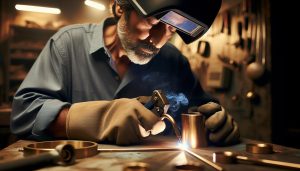
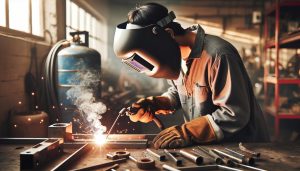
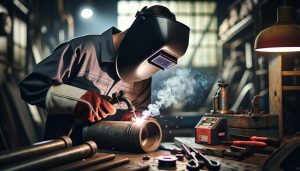
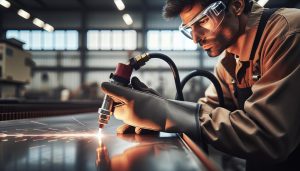
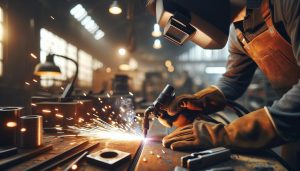
Welding a differential is a critical skill for automotive enthusiasts and professionals alike, as it can significantly enhance vehicle performance and durability. The differential plays a vital role in transmitting power from the engine to the wheels, especially during cornering, where proper torque distribution is essential. Whether you’re dealing with wear and tear or seeking to improve your vehicle’s capabilities, knowing how to effectively weld a differential can save you both time and money. Throughout this guide, you’ll uncover the essential techniques, tools, and safety protocols necessary for a successful differential repair. From understanding MIG and TIG welding to selecting the right materials, each section is designed to equip you with the knowledge and confidence required to tackle this repair with precision. Let’s delve into the world of differential welding and unlock the secrets to achieving long-lasting repairs and optimal performance.
Understanding Differential Types and Functions
Understanding differentials is essential for anyone involved in automotive repair, restoration, or custom builds. Differentials play a crucial role in vehicle dynamics, allowing wheels to rotate at different speeds while turning, thus improving handling and stability. There are primarily two types of differentials: open and limited-slip. Open differentials are often simpler and more common, allowing wheels to turn at different speeds but potentially leading to loss of traction. In contrast, limited-slip differentials provide enhanced grip by distributing power to the wheel with the most traction, making them a preferred choice for performance applications.
When considering differential functions, it’s vital to address the gear ratios and how they affect vehicle performance. Gearing affects acceleration and top speed, making the selection of the right ratio pivotal, especially when welding or modifying a differential. For example, a numerically higher gear ratio will provide quicker acceleration but may reduce fuel efficiency and top speed. Therefore, understanding a vehicle’s intended use-be it off-road, racing, or daily driving-can guide the appropriate gear selection and modifications.
Moreover, familiarity with differential components, such as the carrier, ring gear, and pinion, helps understand the forces at play during operation. Each component must be inspected for wear or damage before any welding is performed. Welding on differentials, particularly on high-stress areas like the gear housing, requires precise materials and techniques. Knowing how to identify and work with these components enhances the efficacy of your repair and welding efforts, leading to longer-lasting results.
In summary, a solid grasp of differential types, functions, and their operational mechanics is vital. This knowledge not only informs repairs and modifications but also ensures that the final product meets safety standards and performance expectations. Whether novice or experienced, understanding the intricacies of differentials enhances confidence in handling automotive projects.
Essential Tools and Materials for Welding a Diff

Welding differentials requires a specific set of tools and materials to achieve strong and reliable results. The selection of equipment can significantly impact the outcome of your project, whether you’re performing repairs or custom builds. The most common welding methods for differentials include MIG, TIG, stick, and flux-cored welding. Each technique has its nuances, but understanding the essential tools and materials will help you navigate your differential welding projects with confidence.
To begin with, a high-quality welding machine is paramount. For MIG welding, a MIG machine capable of handling steel and aluminum is crucial, typically with a wire feed speed and voltage control for fine tuning. When opting for TIG welding, a dedicated TIG welder with multiple amperage settings allows for greater control, especially with thinner materials often found in differential parts. Stick welding, while less common for differentials, can also be effective if you’re working with heavier components or in environments where portability is required. Make sure to have the right type of welding rods on hand, such as E7018 for strong structural welds.
Essential Safety Gear:
Equally important as your welding machine is the safety equipment needed to protect yourself. This includes:
- Welding helmet with an automatic darkening feature
- Fire-resistant gloves
- Protective clothing or welding jacket
- Respiratory protection, especially in poorly ventilated areas
Always ensure your workspace is free from flammable materials and that you have a fire extinguisher nearby.
Materials Matter:
Choosing the right filler materials is a key factor in the strength and durability of your welds. For steel differentials, use ER70S-6 wire for MIG and a suitable filler rod (like ER70S-2) for TIG. When working with aluminum, ensure that you have the correct 5356 or 4047 rods that match the alloy of the differential housing. The selection of these materials directly influences the integrity of the weld, so it’s crucial to match them properly with the base metal.
By equipping yourself with the right tools and materials, along with adhering to proper safety protocols, you’ll set yourself up for success in your differential welding endeavors. Remember that preparation and understanding your equipment will lead to better results, making your repair or custom build not only effective but also safe.
Step-by-Step Guide to Preparing a Differential for Welding

Preparing a differential for welding involves meticulous attention to detail to ensure a successful and durable repair. Before welding begins, it’s essential to thoroughly clean and inspect the differential components. Start by removing any dirt, grease, or rust that may hinder the welding process. Utilizing a wire brush or grinder can effectively eliminate surface contaminants. If the differential is particularly corroded, consider using a chemical rust remover or sandblasting for a more comprehensive clean. A clean surface not only ensures better adhesion but also reduces the risk of defects in the weld.
Once the differential is clean, inspect it for any cracks or structural issues. This assessment is crucial to determine if repairs are feasible or if the component requires replacement. Examine the seams and weld areas for signs of stress or wear. Mark any problem areas for later attention. If cracks are found, they often require more extensive repairs, such as pre-heating to alleviate stress before the actual welding process begins. For a precise diagnosis, you might use dye penetrant testing to identify small fissures that are not visible to the naked eye.
Next, fit the components that need welding together accurately. Misalignment can lead to weak welds and affect the functionality of the differential. Use clamps or jigs to hold parts in place securely. This alignment ensures that the welds will blend seamlessly into the existing material. If you’re working with multiple joints, consider tack welding first to hold everything together before proceeding with the final welds.
Before launching into the welding process, set your machine and select the appropriate parameters for the material being welded. Using settings that match the gauge of the differential material-whether steel or aluminum-will help achieve optimal results. Familiarize yourself with MIG, TIG, or stick welding settings specific to the job, as material thickness and type will dictate these choices. Review and prepare your filler materials as well, ensuring they are compatible with the base metals to prevent contamination.
Adhering to these guidelines not only enhances the quality of the repair but also prioritizes safety throughout the welding process. Proper preparation sets the stage for a stronger, more reliable differential that can withstand the rigors of use, ultimately prolonging its lifespan.
MIG vs. TIG: Best Welding Techniques for Differential Repair
When it comes to repairing differentials, the choice between MIG (Metal Inert Gas) and TIG (Tungsten Inert Gas) welding can significantly influence the quality and durability of the final product. Both techniques have their unique advantages and are suited to different scenarios, making it essential to understand their strengths when approaching differential repairs.
MIG welding is widely recognized for its speed and ease of use, making it an excellent choice for larger repairs where time efficiency is critical. The process utilizes a continuous wire feed, which allows welders to move quickly across the surface, producing strong welds with minimal cleanup. This method is particularly effective on thicker materials like low-carbon steel, commonly used in differential housings, as it provides deep penetration and stability. However, its speed can sometimes result in less precise control, particularly on delicate or intricate welds.
In contrast, TIG welding offers a high level of precision and control, ideal for more delicate repairs or when working with thin materials, including aluminum differentials. TIG welding requires the welder to feed a filler rod into the weld pool manually, allowing for greater finesse and a cleaner finish. This method excels in applications where visual appearance is crucial, as it produces less spatter and results in aesthetically pleasing welds. Additionally, the ability to adjust the heat input on the fly enables welders to work on various materials and thicknesses without compromising the integrity of the component.
For those preparing to choose the most appropriate method, consider the following factors:
- Material Type: For steel, MIG may provide faster results, while TIG is preferable for aluminum.
- Weld Appearance: TIG produces cleaner and more aesthetically pleasing welds, important for visible components.
- Skill Level: MIG is often easier for beginners due to its straightforward setup and operation, while TIG requires more practice and skill.
- Repair Requirements: If speed is essential, MIG may be the way to go, but for precise repairs, TIG is the better choice.
Ultimately, the best welding technique for differential repair will depend on the specifics of the repair job, the materials involved, and the welder’s skill level. Balancing these considerations ensures that repairs not only restore functionality but also enhance the longevity and performance of the differential.
Safety Protocols in Differential Welding Projects
Welding differentials involves inherent risks, making the implementation of stringent safety protocols crucial for both the welder and the surrounding environment. According to the American Welding Society, a considerable percentage of workplace injuries can be traced back to inadequate safety practices. Therefore, prioritizing safety measures not only protects individuals but also enhances the overall quality of the welding project.
Start by ensuring a well-ventilated workspace to minimize exposure to harmful fumes produced during welding. Adequate air circulation can help dissipate smoke and toxic gases, reducing respiratory hazards. It’s advisable to use a local exhaust ventilation system or open windows and doors to promote airflow. Additionally, personal protective equipment (PPE) is non-negotiable. A mix of the following is essential:
- Welding Helmet: Use a helmet equipped with an appropriate lens shade to protect your eyes from intense light and UV rays.
- Gloves: High-quality leather or heat-resistant gloves are vital to shield hands from burns and electric shocks.
- Protective Clothing: Wear flame-resistant clothing covering your arms and legs; avoid synthetic fabrics, as they can ignite easily.
- Respirator: In environments where ventilation is insufficient, using a respirator can protect against inhaling harmful particles.
Creating a safety perimeter around the welding area also protects against accidental injuries. Ensure that flammable materials, tools, and surfaces are cleared from the vicinity to prevent fires. Implementing a fire watch can help monitor the environment for hazards once welding is complete, especially if sparks are a concern. Furthermore, familiarizing yourself with emergency procedures-including the locations of fire extinguishers and first aid kits-can save critical time in case of an accident.
Lastly, thorough equipment checks are necessary before commencing work. Regularly inspect welding machines, hoses, and cables for wear and damage to avert electrical issues or gas leaks. By adhering to these safety protocols and fostering a culture of caution within your workspace, you not only protect yourself but also enhance the success and integrity of your differential welding projects.
Common Challenges and Solutions in Differential Welding
Welding differentials can present several challenges, often resulting from the nature of the materials, the welding techniques employed, and the complex geometry involved. One prevalent issue is distortion, where the heat from welding can lead to warping of the differential housing and components. This can result in misalignment, affecting the overall performance of the differential. To mitigate this, it’s advisable to utilize fixture jigs during welding to maintain alignment and minimize distortion. Moreover, pre-heating the materials can help reduce thermal stress and promote more uniform heating, which lessens the risk of warping.
Another common challenge is the selection of the appropriate filler material. Differentials are typically made from various metals, including aluminum and steel, each requiring a different approach. For instance, using the wrong filler can lead to weak joints or material incompatibility. It’s crucial to research the specifications of the materials being welded and select a filler that matches in terms of strength and thermal expansion characteristics. For aluminum components, employing a TIG welding setup with a suitable aluminum filler rod can yield strong, clean welds, whereas steel components may require MIG or flux-core processes for effective penetration and durability.
Inadequate penetration is another issue welders frequently encounter, particularly when working with thicker sections of material. This can lead to weak weld points, potentially compromising the differential’s integrity. To address this, adjusting the welding voltage and travel speed can enhance penetration. Additionally, if problems persist, using pre-weld testing methods such as X-ray or ultrasonic testing can detect internal defects, ensuring a reliable repair before the differential is put back to use.
Finally, proper post-weld heat treatment is often overlooked but essential, especially for high-stress applications like differentials. This process can relieve residual stresses induced by welding and improve the overall mechanical properties of the welded joint. Post-weld inspections should include visual checks as well as non-destructive testing methods to ensure that the welds meet safety standards and are free from defects, further ensuring the longevity and performance of the differential after repairs.
How to Diagnose Differential Issues Before Repair
Before diving into the intricate process of repairing a differential, it’s essential to accurately diagnose any existing issues. Misdiagnosis can lead to wasted effort, time, and materials, not to mention potential safety risks. A well-functioning differential is crucial for the balance and driveability of a vehicle, so a thorough examination is necessary. While some problems may be evident, others can be more subtle, requiring a trained eye and systematic approach.
To begin, listening for unusual noises during operation can provide key insights. A grinding or whining sound may indicate worn bearings or gears, while a clunking noise might signify loose components or broken joints. If you notice these sounds, a visual inspection is imperative. Check for signs of leaking fluids, excessive wear, or even cracks in the housing, which can indicate more significant underlying problems.
Road tests can also be informative. Pay attention to how the vehicle handles; if there’s any pulling to one side, it could point to differential issues. Additionally, inspecting the fluid-both level and condition-can reveal a lot. Contaminated fluids with metal shavings or a burnt smell are strong indicators that repair or replacement is necessary.
Once initial assessments are complete, advanced diagnostics may involve using tools such as dial indicators to measure axle runout or torque wrenches to ensure all components are properly tightened to specifications. For complex differentials, having access to manufacturer service manuals can guide you through specific adjustment procedures and torque specifications unique to that model.
By systematically evaluating these aspects, you can create an informed plan for repair, ensuring the differential operates smoothly and effectively after the welding process. Emphasizing thoroughness in this stage not only enhances repair outcomes but also contributes to the overall safety and performance of the vehicle.
Post-Weld Inspection: Ensuring a Strong and Safe Repair
After welding a differential, the importance of a meticulous inspection cannot be overstated. This phase is crucial for determining the integrity of the repair and ensuring that the unit will perform effectively under operational stresses. Conducting a thorough post-weld inspection not only enhances the reliability of the differential but also significantly contributes to the safety of the vehicle and its occupants.
Start your inspection process by visually examining all the welded joints. Look for consistent bead profiles and check for any signs of cracks or insufficient penetration. Use a flashlight to inspect hidden areas, ensuring that every joint is properly fused without gaps or voids. To enhance precision, utilize a magnifying glass when needed. There may also be physical tests you can conduct, such as applying pressure on the welds to check for movement or defects. If the differential has been painted, make sure the appropriate paint is applied to protect against corrosion and ensure visibility during future inspections.
It’s also advisable to conduct a dye penetrant test, especially if the differential will undergo heavy use or high-stress applications. This method helps detect surface cracks invisible to the naked eye. For further assurance, consider using ultrasonic testing equipment. This tool can reveal internal flaws within the weld that could compromise structural integrity over time.
After visual inspections and non-destructive testing, confirm that any adjustments for alignment are made. Improper alignment can lead to uneven wear and premature failure. Ensure that the differential is mounted securely, and all bolts are torqued to the manufacturer’s specifications. Check for proper fluid levels and leak signs, as these can affect the performance of the repair.
Performing these thorough tests and checks will provide peace of mind regarding the quality of your repair. In the high-stakes environment of automotive work, where the driveability and safety of a vehicle depend on every component’s function, your diligence during post-weld inspections will pay off in longevity and reliable operation.
Maintenance Tips for a Longevity of Repaired Differentials
Maintaining the integrity and functionality of a welded differential requires diligence and best practices to extend its life and ensure optimal performance. Understanding the essential maintenance tips can be invaluable for anyone looking to keep their repaired differential running smoothly. Regular inspections and mindful upkeep can prevent costly repairs down the line and enhance the overall reliability of your vehicle.
Start by establishing a routine maintenance schedule. Regularly check the fluid levels in the differential; low fluid can lead to overheating and premature wear. It’s advisable to change the differential oil according to the manufacturer’s specifications, as degraded oil can lead to excessive friction and damage to the gears. Always look for signs of leaks around the differential casing and seals, as prompt identification can mitigate more extensive repairs later.
Another critical aspect involves keeping the differential free from debris and corrosion. After off-road or high-stress driving conditions, clean the differential case to remove dirt, mud, and other contaminants. These particles can lead to abrasion and compromise the welds over time. Applying a protective coating can also shield the metal from rust, particularly on steel differentials exposed to harsh environments.
Moreover, monitoring for strange noises or vibrations during operation can indicate underlying issues. If any unusual sounds emerge, such as grinding or whining, don’t hesitate to conduct a thorough inspection. These noises can signify problems with the gear mesh, bearing wear, or even issues with the welds. Addressing these concerns early can save you considerable trouble in the future.
Lastly, consider investing in an alignment check after extensive repairs or welding. Misalignment can cause uneven wear on the differential and adjoining components, negatively impacting vehicle performance. By aligning the driveshaft and differential properly, you ensure optimal power transfer and enhance the longevity of the entire drivetrain system.
By instituting these proactive maintenance measures, you can significantly increase the lifespan of your repaired differential, ensuring that it continues to perform efficiently and safely for many miles ahead.
Exploring Advanced Techniques for Custom Differential Builds
In the world of automotive repair, the demand for customized differentials is on the rise, particularly among enthusiasts and professionals looking to enhance performance and durability. Crafting a custom differential involves a blend of precision engineering and adept welding techniques to bolster both the functionality and longevity of the vehicle’s drivetrain. As you explore advanced techniques for custom differential builds, understanding the right materials and welding processes is paramount.
When embarking on a custom differential project, two of the most popular welding techniques are MIG (Metal Inert Gas) and TIG (Tungsten Inert Gas) welding. MIG welding is faster and often easier for beginners, making it ideal for thicker materials like steel. Conversely, TIG welding offers superior control and is better suited for intricate work, particularly with thinner materials or when welding aluminum. Here are some important aspects to consider:
- Material Selection: The choice of materials-whether using steel or aluminum-directly impacts the differential’s strength and weight. Steel offers robustness while aluminum presents a weight-saving advantage, ideal for performance applications.
- Weld Quality: Consistent, high-quality welds are crucial. Adjust the voltage and feed speed when MIG welding to minimize spatter and improve penetration. For TIG, maintain a steady hand to ensure clean, precise welds that promote structural integrity.
- Post-Weld Treatment: After welding, stress relief is essential. This can be accomplished through proper cooling techniques or by using pre- and post-weld heat treatment to alleviate stress concentrations that can lead to cracks or failure.
To optimize performance, builders often integrate gearing modifications and custom housings designed to meet specific torque and load requirements. Exploring options such as spool differentials or limited-slip setups can offer enhanced traction and performance, especially in off-road applications. Furthermore, implementing advanced cooling systems or protective coatings could mitigate overheating issues often associated with extreme driving conditions, ultimately extending the life of the differential and maintaining its efficiency.
Ultimately, a successful custom differential build hinges on a detailed understanding of both welding processes and the underlying mechanical principles governing differential function. Whether you are building for enhanced street performance or rugged off-road capabilities, applying these advanced techniques will empower you to create a differential that not only meets but exceeds expectations in both performance and reliability.
Troubleshooting Common Differential Problems After Welding
Ensuring that a differential operates smoothly after welding is critical for performance and safety. Even after a seemingly flawless welding job, various issues may arise that can compromise your vehicle’s functionality. Therefore, being prepared to troubleshoot these potential problems is essential for any welder or automotive enthusiast.
One common issue is distortion caused by uneven heat distribution during the welding process. This can lead to alignment problems and excess wear on the gears. To address this, carefully inspect the differential for any signs of warping or misalignment. One effective strategy is to check the housing and differential gears using a dial indicator to ensure everything is within manufacturer specifications. If misalignment is detected, it may be necessary to perform corrective machining or re-weld the affected areas using controlled heat methods to minimize further distortion.
Another frequent problem is poor weld penetration, which can result in cracks or complete failures under load. This issue often stems from insufficient preparation of the base metal or incorrect welding parameters (such as feed speed or voltage settings for MIG and TIG welding). Inspect the welds for consistent bead formation and adequate penetration. If cracks or weak spots are found, you may need to grind out the affected area and re-weld, ensuring proper technique and settings are employed for a stronger bond. Performing a visual inspection coupled with dye penetrant testing can help reveal hidden defects that might not be visible to the naked eye.
It’s also essential to be aware of overheating, particularly when welding aluminum components. Excessive heat can weaken the material, causing premature failure. Implementing post-weld cooling techniques, such as controlled cooling in ambient air, can help mitigate this issue. If overheating is suspected, conduct a thorough inspection of the welds for signs of warping or weakening in adjacent metal. Reassessing your heat settings during the welding process-especially for thinner materials-will help avoid this problem in the future.
Lastly, be vigilant about noise and vibration during differential operation. Unusual sounds often indicate internal issues, such as unbalanced gears or insufficient lubrication due to altered clearances post-welding. Performing a thorough inspection of the internals after any welding work, and ensuring proper assembly with adequate lubrication, can help identify and rectify these concerns early on.
With the right techniques and a keen eye for detail, you can effectively troubleshoot and resolve common post-welding differential problems, ensuring a reliable and high-performance repair.
FAQ
Q: What are the benefits of welding a differential?
A: Welding a differential increases traction by creating a fully locked differential, which can be beneficial in off-road situations. It boosts stability and handling, allowing for better power delivery to the wheels, often improving performance in challenging terrains.
Q: How do I prepare a differential for welding?
A: Preparing a differential for welding involves thoroughly cleaning the housing and gears, removing any oil or contaminants, and ensuring all parts are free from corrosion. Following the preparation section of your guide will help ensure a successful weld.
Q: What type of metal is used in differentials that makes welding effective?
A: Differentials are typically made from steel, which offers excellent weldability. Use matching filler materials, such as ER70S-6 for MIG or ER70S-2 for TIG welding, to ensure strong, lasting joints during the repair process.
Q: How can I prevent distortion when welding a differential?
A: To prevent distortion, use a low heat input and weld in short bursts, allowing the metal to cool between movements. Clamping parts securely and maintaining even heat distribution can also help minimize warping during the welding process.
Q: What safety equipment is essential when welding a differential?
A: Essential safety equipment includes a welding helmet with appropriate shade, protective gloves, flame-resistant clothing, and safety goggles. Additionally, ensure good ventilation and a fire extinguisher is on hand to mitigate fire risks.
Q: When should a differential be welded instead of replaced?
A: A differential should be welded if it has minor damage or wear that can be rehabilitated at a lower cost than replacement. Consider welding when performance enhancement is desired, and ensure that the integrity of the parts will not be compromised further.
Q: What are common mistakes to avoid when welding a differential?
A: Common mistakes include inadequate cleaning, using improper settings on the welding machine, and failing to maintain proper filler material compatibility. Referring to the “Common Challenges and Solutions” section can help prevent these errors.
Q: Can I weld aluminum differentials, and if so, how?
A: Yes, aluminum differentials can be welded using TIG welding with the appropriate filler material (like 4047). It’s crucial to use a clean workspace and preheat the area to reduce cracking risks. Follow procedures outlined in the “MIG vs. TIG” section of your guide for more details.
In Retrospect
Welding a differential can seem daunting, but with the right techniques and safety measures, you can achieve strong, reliable results that enhance your vehicle’s performance. Remember, mastering welding processes like MIG and TIG, and understanding your materials-whether steel or aluminum-are key to a successful repair. Don’t hesitate; start your welding project today and transform your differential!
For more in-depth guidance, check out our articles on welding techniques and safety protocols, which offer insights into best practices and essential tools you’ll need. Also, explore our equipment reviews to ensure you have the best gear for your projects. If you have any questions or want to share your experiences, feel free to leave a comment below. Your journey in welding is just beginning, and we’re here every step of the way, encouraging you to build confidence and skill. Let’s keep the conversations going and equip yourself with knowledge for your next welding challenge!