Welding a differential is a crucial skill for automotive enthusiasts and professionals alike, as it can significantly enhance a vehicle’s performance-especially for off-roaders and motorsport competitors. Understanding the techniques involved in this process, from selecting the right welding method to mastering the necessary safety protocols, is key to ensuring structural integrity and durability. Many struggle with differential repairs, often fearing the potential for costly mistakes. This guide will demystify the process, equipping you with practical insights on MIG, TIG, and stick welding methods tailored specifically for high-stress applications. Whether you’re looking to improve your repair skills or seeking reliable solutions for common issues, this article will dive deep into the essential steps and considerations, empowering you to tackle differential welding with confidence and precision. Get ready to transform your automotive repair game and achieve results that stand the test of time.
Understanding the Differential: Importance in Automotive Systems
Understanding the differential is crucial for anyone involved in automotive systems, as it plays a fundamental role in the performance and handling of vehicles. The differential allows power from the engine to be transferred to the wheels, enabling smooth turns by allowing them to rotate at different speeds. This function is particularly vital during cornering, where the inner wheels travel a shorter distance than the outer wheels. Without an effective differential system, vehicles would experience tire scrubbing, reduced traction, and increased wear on components, ultimately compromising safety and performance.
In automotive repair, especially when dealing with differential issues, a comprehensive understanding of its design and function is essential. The differential typically consists of gears housed within a casing and is subject to high stress and wear over time. Skilled welders are often called upon to repair differential housings, address cracks, or perform modifications for performance enhancements. This requires a solid grasp of the welding techniques suitable for the materials involved, whether it’s steel or aluminum, as well as an understanding of the structural integrity required to withstand the operational forces exerted by the vehicle.
When approaching differential repair, it’s important to ensure the work is performed with precision. Professionals often utilize a variety of welding methods, such as MIG and TIG welding, depending on the specific requirements of the job. Each method has its advantages; for example, MIG welding is known for its speed and efficiency, making it ideal for larger surfaces, while TIG welding offers greater control and is preferred for thinner materials or more intricate repairs. Understanding these differences can significantly impact the quality of the repair and the longevity of the differential.
Ultimately, mastering the intricacies of differential systems and their repair not only enhances a technician’s skill set but also contributes to the overall safety and performance of the vehicle. Welders should prioritize continuous learning and practice, ensuring they are well-equipped to tackle the challenges of automotive differentials, thus protecting both themselves and those who rely on the vehicles they service.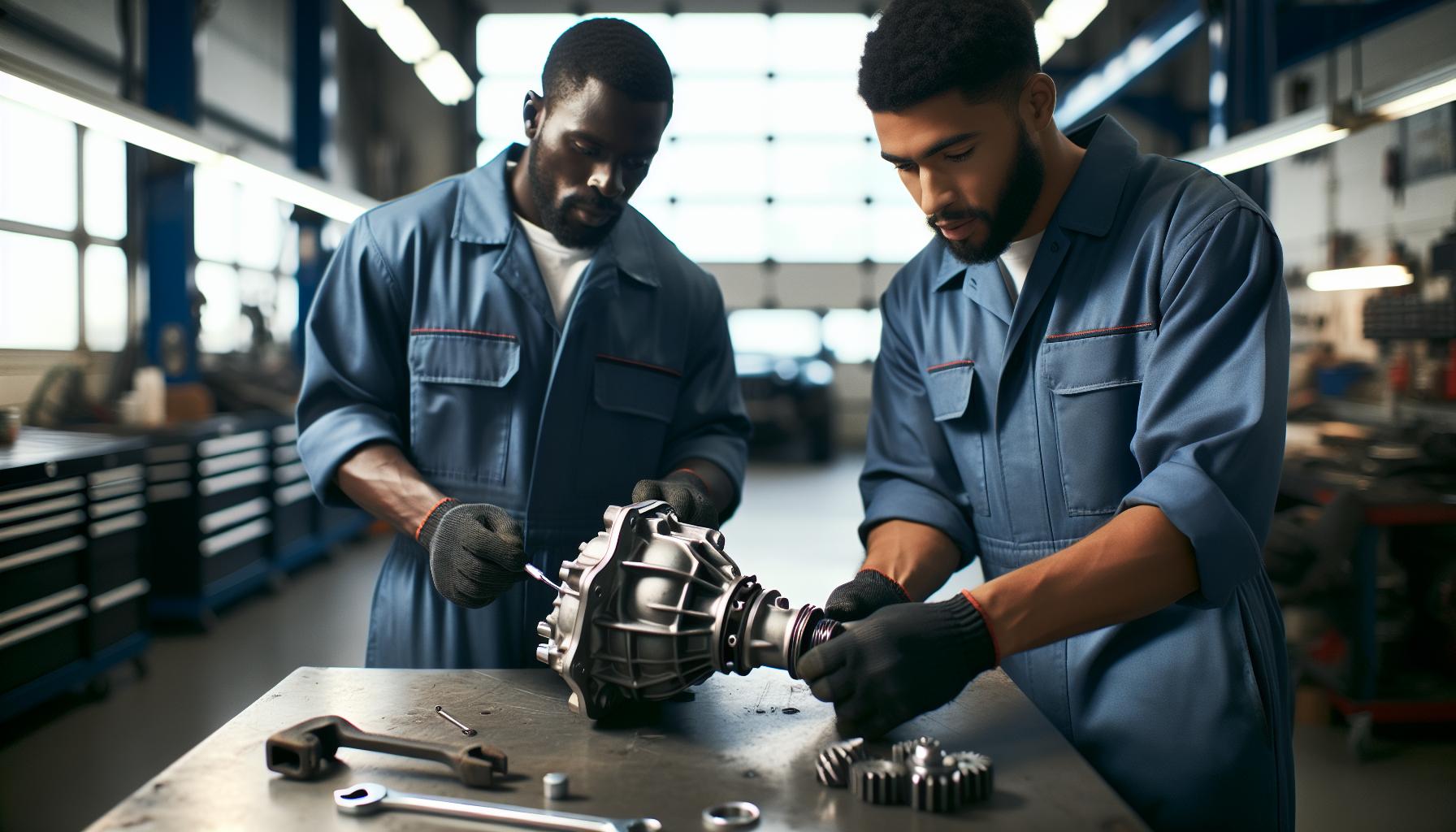
Welding Basics for Differential Repair: Techniques You Need to Master
Mastering the art of welding is critical for anyone involved in the repair and maintenance of automotive differentials. Whether addressing a crack in the housing, enhancing structural integrity, or performing a modification, understanding key welding techniques is essential for achieving durable and reliable repairs. A well-executed weld not only ensures the functionality and safety of the differential but also prolongs its lifespan, making it a worthy investment of skill and time.
The primary welding techniques used in differential repairs are MIG (Metal Inert Gas), TIG (Tungsten Inert Gas), Stick welding, and Flux Core welding. Each of these methods has its own advantages and suitability depending on the materials and specific repair scenarios. For instance, MIG welding offers exceptional speed and is ideal for thicker materials commonly used in differential housings. Its ease of use makes it a popular choice among beginners and seasoned welders alike. On the other hand, TIG welding is renowned for its precision, allowing for cleaner, more controlled welds, particularly beneficial when dealing with thinner materials or intricate details.
When selecting the right technique, consider the material composition of the differential housing. Steel is the most common material and is well-suited for both MIG and Stick welding processes. For aluminum differentials, TIG welding is typically preferred due to its ability to generate a cleaner weld while minimizing the risk of warping. Properly preparing the materials by cleaning surfaces and ensuring proper fitment is vital, as it directly influences weld quality and strength.
Safety should always be paramount during welding operations. Invest in high-quality personal protective equipment (PPE), including welding helmets, gloves, and flame-resistant clothing. Additionally, ensure a well-ventilated workspace and employ fire safety precautions by keeping a fire extinguisher close at hand. Mastery of these basic welding techniques not only empowers a technician with the skills necessary for effective differential repair but also fosters an emphasis on quality and safety that is vital in automotive maintenance.
As you develop your expertise, consider practicing on scrap materials to hone your skills before tackling actual differential repairs. Building confidence with variable settings and processes will enhance the quality of your performance, ensuring that you are well-prepared for any challenge that comes your way.
Choosing the Right Materials for Differential Welding
is crucial to ensuring the structural integrity and performance of the component. Different differentials are commonly made from steel and aluminum, each requiring specific welding techniques and considerations. Understanding these material properties allows for more effective welding practices, ultimately leading to a successful repair.
When working with steel differentials, MIG and Stick welding are often the preferred methods due to their robustness and ease of operation with thicker materials. Steel provides high tensile strength and resistance to fatigue, making it the most prevalent choice for differential housings. Before beginning the welding process, it’s essential to prepare the steel adequately by cleaning away contaminants and ensuring a proper fit between parts. This can involve grinding the edges to create a clean surface, which helps achieve better penetration during welding.
In contrast, aluminum differentials, usually found in lighter or high-performance vehicles, require a different approach. TIG welding is highly recommended for aluminum due to its ability to produce precise and clean welds. Aluminum’s lower melting point makes it more susceptible to warping and burn-through, so controlling the heat input is crucial. Using the appropriate filler material, such as ER4047 or ER5356, is essential to ensure compatibility and strength in the weld. As with steel, proper preparation, including surface cleaning and ensuring the right fit is vital, as aluminum surfaces must be free from oxidation for a successful weld.
Ultimately, the choice of materials not only affects the welding technique employed but directly influences the long-term reliability of the differential repair. Regular inspection of the material types and any signs of wear can prevent larger issues down the road. Remember that each welding process has its advantages and limitations, and adapting your method to the specific requirements of the material being welded will yield the best results.
MIG, TIG, and Stick Welding: Which Method is Best?
Welding is not merely about joining metal; it’s an art and a science that significantly impacts the performance and longevity of automotive components like differentials. Choosing the right welding method is vital, especially considering the materials commonly used in differential housings, such as steel and aluminum. The three most widely adopted welding techniques in automotive repair are MIG, TIG, and Stick welding, each with unique advantages and applications tailored for specific repair needs.
MIG welding, or Metal Inert Gas welding, excels in speed and ease of use, making it a popular choice for beginners and seasoned professionals alike. It employs a continuous wire feed and an inert gas shield, which protects the molten weld pool from contamination. This method is particularly effective for welding thicker steel sections found in most differentials, and it results in clean, strong welds with minimal cleanup. However, MIG may introduce issues like spatter when used improperly, and it’s less suited for aluminum due to the need for high precision.
Conversely, TIG welding, or Tungsten Inert Gas welding, stands out for its ability to deliver high-quality, precise welds. This technique involves a non-consumable tungsten electrode and requires a steady hand and focused technique, making it ideal for aluminum, especially in performance vehicles where weight and strength are paramount. TIG welding allows for better control over the heat input, reducing the risk of warping that can occur due to aluminum’s low melting point. However, it is generally slower and requires more finesse compared to MIG.
Stick welding, or Shielded Metal Arc Welding (SMAW), offers exceptional versatility and is often used in fieldwork or locations lacking advanced equipment. It involves using a coated electrode that provides its own shielding gas, making it effective for welding dirty or rusted materials. While Stick welding can be more challenging to master compared to MIG and TIG, it is a reliable method for repairing heavy and robust steel differentials.
When deciding which method to employ for differential welding, consider the material and your skill level. For steel differentials, MIG offers efficiency and speed, while Stick provides rugged versatility. On the other hand, TIG remains unmatched for precision welding, particularly in aluminum applications. Assessing the specific needs of your project will guide you to the most suitable choice among these welding techniques, ensuring a successful and durable repair.
By understanding the strengths and limitations of each method, automotive professionals can make informed decisions that lead to high-quality repairs and enhanced component integrity. Always prioritize safety protocols and proper equipment usage to achieve the best results in differential welding.
Step-by-Step Guide to Welding a Differential Housing
Successfully welding a differential housing requires careful preparation, familiarity with the right tools, and precise execution. Each step in the process is critical to ensure that the welded structure is strong, maintains alignment, and can endure the demanding conditions of automotive performance. Whether you’re repairing a damaged housing or modifying it for enhanced durability, following a methodical approach will lead to better outcomes.
Before you begin, gather all necessary tools and materials. Your welding device-MIG, TIG, or Stick-should match the material type (usually steel or aluminum). Safety gear is also essential; this includes gloves, a welding helmet, and protective clothing to shield against sparks and ultraviolet light. Once prepared, follow these steps:
Preparation
- Clean the surface: Remove any dirt, grease, and rust from the differential housing using a wire brush or grinder. A clean surface ensures better penetration and stronger welds.
- Fit-up the parts: Align the differential components to ensure correct positioning. If required, use clamps to hold them together tightly. Misalignment can lead to stress points in the weld.
Welding Process
- Set up your welder: Depending on the material and method, adjust voltage and wire feed speeds for MIG, or refine current for TIG or Stick welding. Always refer to the manufacturing guidelines.
- Weld the housing: Begin welding along the seams, moving at a steady pace to maintain consistent bead width. If MIG welding, be cautious of spatter; if using TIG, remember to oscillate the electrode slightly to create a wider weld pool. For Stick welding, keep the electrode at the right angle and distance to avoid burn-through.
Post-Weld Tasks
- Clean the weld: Remove slag (for SMAW) or spatter from the weld area. This can be done with a wire brush or grinder, depending on the technique used.
- Inspect for integrity: After cooling, inspect the weld visually for any defects such as cracks or incomplete fusion. A thorough inspection ensures that the differential will perform reliably under load.
By adhering to this structured approach, you can effectively tackle differential welding projects, enhancing both the strength and longevity of the component. Whether you’re an aspiring welder or an experienced professional, mastering these techniques will elevate your craftsmanship and effectiveness in automotive repair.
Safety Protocols for Welding: Protecting Yourself and Your Workspace
Engaging in welding activities, especially in high-stakes areas like automotive repair, demands rigorous adherence to safety protocols to protect both the welder and the workspace. Welding generates intense heat, ultraviolet light, and sparks, all of which pose significant hazards. As such, forming a robust safety culture is essential not only to minimize risks but also to foster an environment where precision and efficiency can thrive.
To start, it’s crucial to wear proper personal protective equipment (PPE). This includes a welding helmet with an appropriate shade lens to protect your eyes from harmful radiation and flying debris. Additionally, long-sleeve, flame-resistant clothing should be donned to shield your skin from sparks and heat. Gloves specifically designed for welding should be worn to safeguard hands from burns and abrasion. For respiratory protection, particularly in confined spaces, utilize a properly fitted respirator that can filter harmful fumes inherent in welding processes such as MIG and TIG.
Moreover, maintaining a safe workspace is of equal importance. Before commencing any welding project, ensure that the work area is clean and free from flammable materials, such as oils, paints, or plastics. Establish a safe distance between the welding operation and other workers or bystanders, and always use appropriate barriers to protect others from the hazards generated. Ventilation is critical; whether working in a booth or outdoors, ensure adequate airflow to dissipate potentially hazardous fumes and gases.
Finally, familiarization with the equipment is key to minimizing risks. Always review the manufacturer’s safety guidelines for the specific welding machine being used, including its operational limits and maintenance requirements. Regularly inspect tools and materials for any signs of wear or defects, and never bypass safety mechanisms designed to protect users. By integrating these safety protocols into every welding project, you significantly reduce the likelihood of accidents, fostering not only a safer work environment but also enhancing the quality and reliability of your repairs.
Common Mistakes in Differential Welding and How to Avoid Them
Welding a differential can be a rewarding but challenging task, especially given the importance of structural integrity in automotive systems. Common mistakes during this process can lead to costly repairs or even safety hazards. One of the most prevalent issues is inadequate preparation of the materials. Failing to clean the surfaces to be welded can result in weak welds due to contaminants like grease, rust, or paint. Always ensure that the surfaces are thoroughly cleaned using a wire brush or grinder before you begin welding; this crucial step can’t be overlooked.
Another common error involves improper use of welding settings, which can significantly affect the quality of your welds. For instance, using a wire feed speed that is too fast or too slow can lead to undercutting or lack of penetration. It’s important to refer to the manufacturer’s guidelines and adjust your settings according to the thickness and type of materials you are using, whether it’s for MIG, TIG, or stick welding. Performing a few test welds on scrap metal that is the same thickness as the differential housing can help you fine-tune your settings and achieve a proper bead.
Differential housing also requires special attention when it comes to heat management. Overheating can warp the housing and lead to alignment issues, compromising the functionality of the differential. Implementing proper welding techniques, such as using a stitch welding method and taking breaks to allow for cooling, can help mitigate these risks. Additionally, it is crucial to monitor your surroundings for any flammable materials or ventilation issues while welding, as poor practices can lead to dangerous conditions.
Lastly, many welders overlook the importance of post-weld inspection. A thorough check for cracks, porosity, or inadequate penetration can save significant time and money in the long run. Conduct visual inspections and, when possible, employ techniques such as dye penetrant testing for non-destructive examination (NDE). By understanding these common pitfalls and taking proactive measures, welders can enhance both their skills and the quality of their work when tackling differential welding tasks.
Troubleshooting: Diagnosing Differential Issues Before Welding
Before embarking on the intricate process of welding a differential, it’s essential to thoroughly diagnose any issues that could complicate your project. A poorly functioning differential can lead to misalignment, excessive wear, and even complete failure if not addressed beforehand. By understanding the common problems associated with differential systems, you can save significant time and resources, ensuring a more effective welding process.
Begin your troubleshooting by conducting a comprehensive inspection of the differential housing. Look for visible signs of damage, such as cracks or warping. Cracks can often be covered by grease or dirt, so it’s crucial to clean the surface adequately. Pay attention to the differential cover and the areas around the seals, as any leaks could indicate wear and require repair. Additionally, check for dented or bent housing, which can affect alignment during welding and ultimately compromise the structural integrity of the repair.
Next, assess the differential’s internal components-gear wear and bearing condition are critical for a successful repair. If you’re experiencing noise or vibration, listen carefully during operation. Unusual sounds may indicate that the internal gears or bearings have deteriorated, which can complicate the welding process. Ignoring these issues can lead to uneven loading and stress on the welded joints, making it pivotal to address any internal wear before you proceed.
Finally, conduct a thorough examination of the mounting points and alignment. Ensuring that the differential is properly aligned with the driveshaft is crucial, as any misalignment can lead to excessive wear or even complete failure once the vehicle is back in operation. By meticulously diagnosing these potential problems before welding, you not only prepare yourself for a smoother welding process but also significantly increase the durability and reliability of the repair, ensuring the differential operates as intended for years to come.
Post-Weld Inspection: Ensuring Structural Integrity
Performing a thorough post-weld inspection is crucial in ensuring that the structural integrity of the differential is upheld after welding. This step not only confirms the quality of your work but also serves as a safeguard against potential failures that could lead to costly and hazardous situations down the line. A successful weld must seamlessly integrate into the overall structure, maintaining strength and alignment to allow for optimal vehicle performance.
Begin the inspection process by meticulously examining the weld bead itself. Look for uniformity in the bead size and shape, ensuring that it has penetrated deeply enough into the base material without excessive build-up or undercuts. Visual inspection can reveal issues such as porosity or cracks, which can compromise the strength of the weld. Using a magnifying glass or a bore scope can aid in identifying these imperfections, especially in harder-to-reach areas of the differential housing.
Next, perform a non-destructive testing (NDT) method to evaluate the weld’s integrity further. Techniques like dye penetrant testing or ultrasonic testing can help identify hidden defects that may not be visible to the naked eye. This step is particularly important for high-stress applications, such as in performance vehicles or heavy-duty trucks, where any weakness in the weld could lead to catastrophic failure during operation.
Don’t overlook the importance of checking the alignment of the differential components post-welding. Ensuring that the gears and casing are aligned correctly is vital, as misalignment can lead to premature wear or damage when the differential is reinstalled. A straight edge or alignment tool can be beneficial in verifying proper alignment, helping you to make any necessary adjustments before the differential is put back into service.
Finally, inspect the surrounding areas of the weld for any signs of heat distortion or warping that might have occurred during the welding process. If any distortions are present, they may require correction before the differential is considered ready for installation. Taking the time to conduct this comprehensive inspection ensures that you have completed the welding process successfully and that the repair will hold up under the stresses of regular use, ultimately providing you with peace of mind on the road ahead.
Advanced Techniques for Professionals: Mastering Differential Welds
Mastering the art of differential welding transcends basic techniques-it requires an understanding of various advanced methods that enhance durability and performance. Professional welders often utilize multiple welding processes tailored to the specific materials and conditions of each job. For instance, while MIG welding offers speed and versatility with steel differentials, TIG welding provides greater control and precision, making it ideal for aluminum applications or complex setups that demand clean, high-quality welds.
One advanced approach to consider is the practice of preheating the differential housing before welding. This technique minimizes thermal shock, reduces the risk of warping, and helps achieve better fusion between the weld and base materials. Preheating is particularly beneficial for larger differentials or those made from high-strength alloys. A heat gun or a torch can be used to carefully bring the material to the appropriate temperature, typically around 300°F.
Another noteworthy technique is the use of back purging when TIG welding stainless steel differentials. This method involves filling the inside of the pipe with an inert gas, like argon, to shield the molten metal from contamination. This results in a cleaner weld with less oxidation on the inner side, which is crucial for maintaining the integrity of the differential under high-pressure conditions. For professionals, knowing how to effectively implement back purging can significantly elevate the quality of the work.
Lastly, mastering puddle control can set advanced welders apart from their peers. This involves skillfully managing the heat input and observing the appearance of the weld pool as it forms. An experienced welder can adjust their technique on the fly based on the visual feedback they receive, optimizing the marriage of the filler material and base metal. Techniques such as maintaining a consistent travel speed and angle can ensure uniformity in bead appearance and strength.
Incorporating these advanced techniques requires practice and finesse but can transform the quality of differential repairs. Focusing on aspects like preheating, back purging, and puddle control not only enhances weld quality but also ensures that the repairs can withstand real-world stresses, ultimately leading to improved vehicle performance and reliability.
Tools and Equipment Reviews for Effective Differential Welding
Effective differential welding requires not only skill but also the right tools and equipment tailored to the specific demands of automotive repair. From electric welders to protective gear, the quality of your tools directly impacts the strength and durability of your welds. Here are some essential tools and equipment that every welder should consider for optimal performance in differential welding.
Welding Machines
The choice of welding machine depends significantly on the materials being used and the specific welding techniques. For most differential welding tasks, both MIG and TIG welding machines are preferred due to their versatility and control.
- MIG Welders: These machines are favored for their speed and ease of use, especially when working with steel. Look for a MIG welder with adjustable settings for wire feed speed and voltage, such as the Lincoln Electric MIG140, which is compact and powerful enough for automotive applications.
- TIG Welders: When precision and clean welds are essential, especially with aluminum differentials, TIG welding is the better choice. The Primeweld TIG225X is highly recommended due to its dual voltage capability and excellent arc control, which is beneficial for intricate work.
Consumables
Quality welding consumables can significantly enhance the welding process. Select the appropriate filler rods or wire based on the material of the differential.
- Filler Rods: Use ER70S-6 wire for MIG welding steel and 4047 series rods for aluminum, which feature excellent melting properties and strength.
- Electrodes: For stick welding, consider 6011 or 7018 electrodes, as they offer strong penetration and good impact resistance.
Protective Equipment
Safety should always be a priority when welding. Invest in high-quality personal protective equipment (PPE) to keep yourself safe:
- Welding Helmet: A good auto-darkening helmet, like the Lincoln Electric VIKING 3350, allows you to see the work clearly before starting your weld and automatically darkens during the welding process.
- Gloves and Aprons: Heat-resistant gloves and an apron made from leather or flame-retardant materials provide essential protection from spatter and heat.
- Respirators: Ensure you have proper ventilation or use a respirator with a filter suitable for welding fumes, especially when working with materials like stainless steel.
Other Essential Tools
In addition to the primary welding equipment, several other tools can streamline the welding process:
- Angle Grinder: Essential for surface preparation and clean-up, look for one with variable speed settings for optimal control.
- Clamps and Fixtures: These help hold components in place for precise welding. Invest in adjustable clamps to accommodate different sizes and shapes of differential housings.
- Preheating Tools: A portable propane torch can be invaluable for preheating the differential housing, ensuring better fuse and minimizing distortion.
Selecting the right tools and equipment for differential welding not only enhances the quality of your work but also improves safety and efficiency in your repairs. Prioritize durable, high-quality products and always keep safety protocols in mind to achieve the best results in your welding projects.
Career Pathways in Automotive Welding: Opportunities and Skills Needed
The automotive welding field presents a wealth of opportunities for those with the right skills and knowledge. In a world increasingly relying on advanced automotive technologies and maintaining older vehicles, welding expertise is invaluable. Professionals in this niche can pursue careers in automotive repair shops, manufacturing facilities, or even in specialized fields such as motorsports and custom vehicle builds. As different welding techniques, including MIG, TIG, and stick welding, are utilized across diverse applications, a thorough understanding of these methods is essential for success.
To thrive in automotive welding, foundational knowledge paired with hands-on experience is key. Aspiring welders must be proficient in reading technical drawings, understanding different materials such as aluminum and steel, and mastering equipment like welding machines and safety gear. Programs at vocational schools or community colleges often provide formal training, where learners can engage with the latest technologies and practices. Additionally, many welding professionals find that obtaining certifications from recognized organizations, such as the American Welding Society (AWS), opens doors to better job prospects and higher wages.
Furthermore, staying abreast of industry trends and advancements can significantly enhance a welder’s marketability. With the rise of electric vehicles (EVs), for instance, understanding the unique requirements for welding lightweight materials and battery components is becoming increasingly important. Networking with industry professionals through workshops or trade shows can lead to valuable connections and insights into emerging opportunities. As the automotive landscape evolves, welders equipped with both traditional skills and new knowledge will be in high demand.
In summary, a career in automotive welding not only requires a solid foundation of technical skills but also a commitment to continuous learning and adaptability. Whether you’re just starting your journey or looking to elevate your expertise, the future of automotive welding offers numerous pathways filled with potential for growth and innovation.
FAQ
Q: What are the signs that a differential needs welding?
A: Signs that a differential needs welding include unusual noises during turns, vibrations while driving, and leaks from the differential housing. If you notice uneven tire wear or difficulty during gear shifts, you may need to inspect the differential for potential weld repairs.
Q: How do you prepare a differential for welding?
A: To prepare a differential for welding, clean the surfaces thoroughly to remove grease and contaminants. Disassemble components if necessary, and ensure proper alignment before welding. Preheating the area can also help minimize warping and improve weld quality.
Q: What precautions should be taken while welding a differential?
A: Safety precautions include wearing appropriate personal protective equipment (PPE), such as gloves, goggles, and a welding helmet. Make sure to work in a well-ventilated area and have fire extinguishing equipment nearby. Always disconnect the battery to prevent electrical hazards and ensure proper grounding.
Q: Can you weld a differential housing made of aluminum?
A: Yes, you can weld a differential housing made of aluminum, but it requires specific techniques like TIG welding for better penetration and strength. Ensure you use the right filler material and preheat the aluminum to prevent cracking.
Q: How long does it take to weld a differential properly?
A: Welding a differential can take anywhere from 2 to 5 hours, depending on the complexity of the repair and the welder’s skill level. Proper preparation and inspection before starting the welding process can help streamline this timeline.
Q: What is the cost of welding a differential compared to replacement?
A: Welding a differential generally costs between $100 and $500, whereas complete replacement can range from $800 to over $2,000. Welding is a cost-effective solution if the differential housing is still structurally sound and doesn’t have major damage.
Q: What maintenance is required after welding a differential?
A: After welding a differential, inspect it frequently for leaks or any shifts in alignment. Regularly check the fluid levels and keep the housing clean to prevent corrosion. A periodic visual inspection will help ensure the weld integrity is maintained.
Q: What type of welding is best for a differential repair?
A: MIG welding is often preferred for differential repair due to its speed and ease of use, but TIG welding is best for achieving high-quality, precise welds, especially in aluminum differentials. Evaluate the materials and conditions to choose the most suitable welding method.
In Conclusion
Mastering the art of welding a differential is not just about skill; it’s about applying the right techniques and ensuring safety at every step. By utilizing MIG, TIG, or stick welding methods, along with understanding materials like aluminum and steel, you can achieve professional results that stand the test of time. If you’re ready to apply what you’ve learned, we encourage you to explore our detailed guides on essential welding equipment and safety protocols. Don’t forget to check out our articles on common repair solutions and advanced welding techniques for further insights.
Your journey doesn’t end here-join our community by signing up for our newsletter for expert tips and special offers. Have questions or want to share your experiences? Leave a comment below; we love hearing from fellow welders! Remember, each project not only hones your skills but also builds your confidence in the welding field. Let’s keep the sparks flying as you master more techniques that drive efficiency and quality in automotive repair.