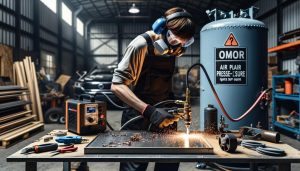
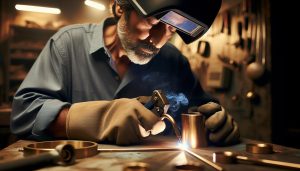
Welding cast aluminum can present unique challenges, making it essential for both novice and experienced welders to understand the specific techniques and tools required for successful repairs. With its high thermal conductivity and lower melting point, cast aluminum tends to warp easily, requiring precise control and skill to achieve strong, lasting welds. Whether you are restoring machinery, repairing automotive components, or addressing household projects, mastering these techniques can save time and money while ensuring a reliable fix. This guide will delve into practical welding methods such as MIG, TIG, and stick welding, along with safety protocols and expert tips that can help you tackle tough jobs with confidence. As you read on, you’ll discover strategies that not only enhance your welding proficiency but also empower you to approach even the most complex repair tasks with newfound assurance.
How Cast Aluminum Differs from Other Metals
Cast aluminum presents unique characteristics that set it apart from other metals, particularly regarding welding and fabrication. One of the most notable differences is its low density combined with high strength, making it an ideal choice for applications that demand weight savings without compromising durability. Unlike steel or copper, cast aluminum features a microstructure that can vary significantly depending on the composition and casting method, affecting its weldability.
When it comes to welding, cast aluminum poses distinct challenges primarily due to its inherent properties. The presence of alloying elements, such as silicon and copper, can impact the material’s thermal conductivity and melting point, leading to potential issues like overheating or burn-through during the welding process. Additionally, cast aluminum tends to have higher levels of impurities and surface oxides that can interfere with weld quality. This necessitates careful preparation and a solid understanding of suitable welding techniques.
The typical welding methods used for aluminum, such as MIG and TIG, may require adjustments when working with cast aluminum. For instance, TIG welding is often preferred for its precision and ability to manage the heat input, which is crucial for minimizing distortion and achieving high-quality welds. However, MIG welding can also be effective if proper techniques and equipment settings are employed. Understanding the differences in heat management, filler material selection, and pre-heat requirements is essential for anyone working with cast aluminum.
In summary, the properties of cast aluminum necessitate a tailored approach in the welding process, emphasizing preparation, technique, and attention to material characteristics. Welders must be aware of these elements to achieve successful repairs and fabrications, laying the groundwork for further exploration into practical welding applications and advanced techniques tailored for difficult jobs.
Understanding the Weldability of Cast Aluminum

Welding cast aluminum requires a nuanced understanding of its unique properties and challenges. Unlike many other metals, cast aluminum contains specific alloying elements such as silicon and copper, which significantly influence its weldability. This variation in composition leads to differences in thermal conductivity, melting points, and overall microstructure, often resulting in issues during the welding process. The sensitivity of cast aluminum to heat can make it prone to problems like overheating, burn-through, and distortions if not carefully managed. These characteristics necessitate a comprehensive approach to studying and applying suitable welding techniques.
A critical factor to keep in mind is the presence of surface oxides and impurities that often accumulate on cast aluminum. These contaminants can hinder the formation of proper welds, resulting in weakened joints. Therefore, adequate surface preparation is crucial before welding-even a small amount of oil, dirt, or oxidation can compromise the integrity of the weld. Employing proper cleaning methods, such as using stainless steel brushes or solvent wipes, ensures that the welding surface is optimal for adhesion and strength.
When it comes to welding methods, both MIG (Metal Inert Gas) and TIG (Tungsten Inert Gas) welding offer advantages but differ in their application. TIG welding is often favored for its precision and control over heat input, allowing welders to manage the melting of the material effectively. This is particularly beneficial in cast aluminum, which can warp or crack if subjected to extreme heat. Conversely, MIG welding presents a faster welding option that can still be effective if the welder adjusts parameters such as voltage and wire feed speed appropriately. Understanding these techniques and aligning them with the specific properties of cast aluminum will ultimately lead to successful welding outcomes and durable repairs.
In summary, achieving effective welds on cast aluminum hinges on recognizing its unique characteristics, preparing surfaces meticulously, and selecting the right welding technique. Through careful management of thermal input and attention to detail, welders can overcome the challenges associated with this versatile material, paving the way for successful welding projects in various applications.
Essential Tools and Equipment for Welding Cast Aluminum
To ensure successful welding of cast aluminum, having the right tools and equipment is paramount. Cast aluminum presents unique challenges such as sensitivity to heat and the presence of oxides, which demand specialized tools for effective and safe welding. By equipping yourself with the appropriate gear, you can enhance your welding capabilities, leading to better-quality repairs and greater efficiency in your projects.
A robust welding machine is the cornerstone of any welding endeavor. For cast aluminum, both MIG (Metal Inert Gas) and TIG (Tungsten Inert Gas) welding machines are suitable, but each serves different purposes. MIG welding is often preferred for thicker sections due to its speed, while TIG provides better control and precision, making it ideal for thinner materials or intricate repairs. Ensure that your welding machine is equipped with adjustable voltage and wire feed settings to accommodate aluminum’s specific requirements.
Additionally, welding filler rods designed for aluminum alloys are critical; typically, 4047 and 4045 alloys work well for cast aluminum. These filler rods facilitate effective bonding and help mitigate the risk of cracking. Alongside this, a proper shielding gas should be utilized; argon is commonly recommended for TIG, while a mix of argon and CO2 may be suitable for MIG welding.
Moving beyond the welding equipment, preparation tools are just as essential. Invest in quality cleaning materials, such as stainless steel brushes, to remove surface contaminants before beginning your work. A wire brush and solvent can help ensure the weld surface is clean, promoting strong adhesion.
Furthermore, safety gear cannot be overlooked. A welding helmet with appropriate auto-darkening features, gloves designed for aluminum welding, and protective clothing will keep you safe from sparks and UV radiation. It’s also advisable to have a well-ventilated workspace or a fume extraction system to mitigate inhalation of harmful fumes.
In summary, having the right welding machine, filler materials, preparation tools, and safety equipment is critical for success in welding cast aluminum. The right tools not only facilitate a smooth welding process but also significantly increase the quality and durability of your welds, ensuring that your tough jobs stand the test of time.
Safety Protocols for Welding Aluminum

Welding aluminum is an intricate process that demands not only technical skill but also an unwavering commitment to safety. The unique properties of aluminum, including its lightweight nature and susceptibility to oxidation, create specific hazards that must be mitigated to ensure a safe working environment. One of the primary dangers when welding aluminum is the risk of inhaling harmful fumes. Aluminum welding can release hazardous metal fumes, particularly when filler materials are used. These fumes can irritate the respiratory system and lead to chronic health issues if inhaled over time.
To safeguard your health and well-being, establish a comprehensive set of safety protocols. Begin by wearing appropriate personal protective equipment (PPE). Essential gear includes a high-quality welding helmet with a proper shade, gloves designed for aluminum welding, which should be flame-resistant, and long-sleeved clothing. Additionally, consider using an apron for extra protection against sparks. Proper footwear is also crucial; choose steel-toed boots that can withstand heavy materials and provide adequate protection.
Ventilation and Fume Extraction
Because welding fumes can gather quickly, ensuring adequate ventilation is critical. If possible, work in an outdoor setting or a well-ventilated workshop. Installing a fume extraction system can help minimize exposure to hazardous fumes, especially during prolonged welding sessions. If working indoors is unavoidable, a portable fume extractor can capture fumes at the source, reducing the inhalation risk. Always be mindful of your surroundings and ensure that bystanders are at a safe distance from the welding area.
Fire Safety Measures
Given the flammability of materials present during welding, maintaining fire safety should be a top priority. Always have a fire extinguisher readily available, preferably of the ABC type, which can extinguish various kinds of fires. Before beginning a welding project, clear the workspace of flammable materials, such as wood shavings, paper, or gas cylinders. Implementing a fire watch-where a trained individual observes the environment post-weld for potential fire hazards-is an excellent practice, particularly in enclosed or cluttered spaces.
Incorporating these safety protocols not only protects the welder but also fosters a culture of safety within the workspace, ensuring that all personnel are aware of the risks and the necessary precautions when working with aluminum welding techniques. By prioritizing safety, you can focus on executing high-quality welds while minimizing health risks.
Preparing Cast Aluminum for Welding Success

Preparing cast aluminum for welding involves several crucial steps that influence the overall success of the technique, whether you are utilizing MIG, TIG, or other welding methods. The first essential step is to ensure that the surface of the aluminum is thoroughly cleaned. Cast aluminum is prone to oxidation and often contains impurities from the casting process that can compromise weld integrity. A combination of mechanical cleaning, such as wire brushing or sanding, followed by chemical cleaning agents, can effectively remove contaminants. Use a solvent like acetone or a commercial degreaser to wipe down the cleaned area. This dual approach not only minimizes defects but also promotes better fusion during the welding process.
Before attempting to weld, it’s important to assess the cast aluminum piece for any pre-existing cracks or distortions that may affect the welding outcome. Conduct a visual inspection and utilize dye penetrant testing if necessary to identify unseen imperfections. Addressing these issues beforehand can save time and resources; for instance, if cracks are present, they should be prepped and possibly repaired using techniques compatible with the properties of cast aluminum.
Preheating for Success
Preheating cast aluminum is often recommended to help mitigate the risk of thermally induced stresses during welding. This technique involves warming the aluminum with a torch or heater before beginning the weld. Ideally, maintaining a preheat temperature of around 200°F (93°C) can help the aluminum to accept the heat more evenly, thus reducing the chances of warping and cracking. Care should be taken not to overheat the material, which could lead to undesirable results.
Next, selecting the appropriate filler material is critical. For cast aluminum, it is advisable to utilize an ER4047 or ER5356 filler rod, depending on the specific alloy. This choice will depend not only on the mechanical requirements of the weld but also on compatibility with the base metal. Always verify that the filler material matches or complements the alloy of the cast aluminum to enhance mechanical properties and corrosion resistance.
By meticulously following these preparatory steps, welders can significantly increase the likelihood of achieving a successful and durable weld on cast aluminum, leading to high-quality repairs and constructions.
MIG vs. TIG: Which Is Best for Aluminum?
When it comes to working with cast aluminum, the choice between MIG (Metal Inert Gas) and TIG (Tungsten Inert Gas) welding can significantly impact the quality and durability of your welds. Both methods have their strengths and weaknesses, making them suitable for different applications and levels of expertise. Understanding these differences is essential for achieving the best results in your aluminum projects.
MIG welding is often favored for its speed and ease of use, making it a popular choice among beginners and for high-production environments. This process utilizes a continuous wire feed that allows for quick operation, and the shielding gas helps to protect the weld from atmospheric contamination. MIG is particularly effective for thicker materials and projects that require a high deposition rate, enabling faster weld completion. However, when welding cast aluminum, it’s crucial to ensure proper technique and settings to avoid issues such as burn-through or excessive heat, which can lead to warping.
On the other hand, TIG welding provides greater control over the heat input and allows for a more precise weld, making it ideal for thinner sections of cast aluminum where quality is paramount. In TIG welding, the welder manually feeds a filler rod into the weld pool while controlling the arc with a non-consumable tungsten electrode. This method offers excellent versatility and is renowned for producing high-quality, aesthetically pleasing welds. However, TIG welding can be more challenging to master and is generally slower than MIG, which can be a drawback for larger projects.
Ultimately, the best choice between MIG and TIG depends on your specific requirements. For high-speed and general-purpose applications, MIG may be your best bet, while TIG is preferred for intricate designs and critical applications where weld integrity and appearance are vital. Assessing your project’s demands, along with your level of experience, will guide you in selecting the appropriate welding technique for cast aluminum.
Step-by-Step Guide to Successful Cast Aluminum Welding
Welding cast aluminum requires a meticulous approach, given the material’s unique characteristics and tendencies. Successful welding hinges on proper preparation, technique, and equipment choice, making it essential for both novices and seasoned welders to understand the specific steps involved.
Begin by ensuring the workspace is organized and well-ventilated, as this not only enhances safety but also the quality of the weld. Next, thoroughly clean the cast aluminum parts using a degreaser or a stainless steel wire brush to remove any oxide layers, contaminants, or grease. This step is crucial, as impurities can lead to poor weld quality and fusion issues. For more complex repairs, a grinder may be necessary to prepare the joint edges and achieve the proper fit.
Once cleaned, select your welding method based on the thickness and specific requirements of the cast aluminum. For MIG welding, choose an appropriate filler material, typically ER4047 or ER5356, and set the machine to the required voltage and amperage based on the thickness of the aluminum. If using TIG, a higher level of skill is needed; control the heat input carefully to prevent warping or distortion, especially since cast aluminum is less forgiving than wrought aluminum.
During the welding process, maintain a steady hand and technique, using a consistent travel speed to ensure an even bead. Avoid excessive heat, as it can lead to burning through the material. Instead, use pulse settings if available, especially in TIG welding, to help control heat better. After welding, it may be advisable to allow the workpiece to cool slowly to minimize stress and reduce the risk of cracking.
In summary, the effectiveness of your cast aluminum welding largely depends on thorough preparation, choosing the right technique, and maintaining control throughout the welding process. Careful attention to these details will yield strong, durable joints that can stand the test of time and usage.
Common Challenges and Solutions in Aluminum Repair
Repairing cast aluminum is often riddled with challenges that can deter even experienced welders. This enigmatic metal, while versatile and lightweight, possesses unique properties that can complicate the welding process. For instance, the presence of oxide layers on aluminum is notorious for inhibiting proper fusion, frequently leading to weak joints or porosity in the weld. To combat this, a thorough cleaning regimen is essential. Utilize stainless steel wire brushes or specialized cleaning solutions to ensure the surface is devoid of contaminants. Failure to address this issue can result in the weld’s integrity being compromised.
Another significant hurdle involves temperature management. Cast aluminum has a low melting point, which makes it easy to overheat, causing warping and other distortions. Welders should take advantage of pulse settings available in TIG welding machines to maintain tighter control over heat input. Additionally, pre-heating the metal can mitigate rapid cooling and help with achieving a more stable welding environment. Always keep a watchful eye on the heat, as even minor overexposure can lead to catastrophic failures in the weld joint.
Moreover, the selection of the right filler material cannot be overstated. Using inappropriate filler can lead to incompatibility with the base metal and produce cracks or weak spots. Typically, ER4047 or ER5356 fillers are preferred for cast aluminum. By aligning the filler type with the base material’s characteristics, welders can ensure a stronger bond. In some cases, a thorough understanding of the alloy’s makeup can also guide decisions, especially in repairs that leverage specific mechanical properties.
In summary, navigating the repair of cast aluminum requires an upfront investment in preparation and a deep understanding of the metal’s unique challenges. From meticulous cleaning and temperature management to the thoughtful selection of filler materials, addressing these issues head-on will significantly enhance the chances of achieving durable, high-quality repairs that stand the test of time.
Post-Weld Treatments for Cast Aluminum Projects
Post-weld treatments significantly enhance the durability and performance of cast aluminum projects, ensuring that welds can withstand the demands of their applications. Once the welding process is complete, the work is far from finished. Implementing proper post-weld treatments can mitigate issues such as stress concentration and residual heat effects, promoting longevity in finished components.
To start, it’s crucial to assess the weld quality visually and through non-destructive testing methods, such as dye penetrant testing or ultrasonic testing. This step helps identify any surface defects or internal flaws that may compromise the integrity of the weld. If flaws are detected, addressing them before moving onto treatments is essential.
Heat Treatment and Aging
One of the most effective post-weld treatments for cast aluminum is heat treatment. Depending on the alloy used, obtaining a suitable heat treatment schedule can relieve residual stresses induced during welding. Common approaches include solution heat treatment followed by aging, which imparts additional strength and hardness. The solutionizing temperature is typically around 500°F to 950°F, depending on the alloy, while aging temperatures range from 300°F to 500°F. A controlled heating and cooling process is imperative to avoid further warping or cracking.
Surface Treatment
In addition to heat treatments, surface treatment methods can also be employed for enhancing fatigue resistance and corrosion protection. Processes such as shot peening introduce compressive stress into the surface of the welded joint, reducing the likelihood of crack initiation and propagation. Another option is anodizing, which not only improves corrosion resistance but also increases surface hardness and wear resistance. This is particularly beneficial for components exposed to harsh environments or mechanical wear.
Final Inspection and Maintenance
After treatment, conducting a thorough inspection is vital to ensure the effectiveness of the applied processes. Finally, establishing a maintenance protocol that includes periodic inspections and protective coatings can help sustain the performance of cast aluminum structures throughout their service life. Maintaining proper upkeep can prevent premature failure, further extending the integrity of any welded aluminum project.
Incorporating these post-weld treatments and maintaining vigilance throughout the process empowers welders to produce high-quality, robust cast aluminum repairs, ensuring that their work meets the demands of complex applications.
Maintenance Tips for Aluminum Welds
Maintaining the integrity and performance of aluminum welds is critical to ensuring their durability and longevity. Regular upkeep can prevent common issues that arise from environmental exposure and mechanical stress. To safeguard and enhance the lifespan of your aluminum welds, consider implementing the following maintenance strategies that focus on proactive care and inspection.
Regular Inspections
Establishing a routine inspection schedule is essential for identifying any early signs of wear, fatigue, or corrosion in aluminum welds. Inspect welds visually for cracks, discoloration, or oxidation. Utilize non-destructive testing methods such as ultrasonic testing or dye penetrant inspection to assess the structural integrity without compromising the material. Document findings and address any detected issues promptly to prevent further deterioration.
Protective Coatings
Applying protective coatings can significantly extend the life of aluminum welds. Consider the following options:
- Anodizing: This electrochemical process increases corrosion resistance while enhancing surface hardness.
- Paints and Sealants: Use paint systems specifically designed for aluminum to protect against moisture and UV radiation. Ensure the surface is properly cleaned and primed before application.
- Protective Films: For machinery or parts in transit, consider using temporary protective films that shield the welded areas from scratches and contaminants.
Cleaning Protocols
Maintaining a clean surface is crucial for the effectiveness of protective coatings and for preventing corrosion. Regularly clean welded areas using appropriate cleaners that won’t damage the aluminum surface. Avoid abrasive materials, as these can introduce micro-cracks. Instead, use non-abrasive pads or soft brushes, combined with a mild detergent solution, to remove dirt and contaminants.
Stress Management
Over time, welded joints can experience stress that leads to fatigue failure. To mitigate this, evaluate operational conditions and make necessary adjustments to reduce stress on welded components. Using shock absorbers or vibration dampeners in machinery can help manage dynamic loads that contribute to wear. Additionally, if a component routinely experiences excessive loads, reevaluate the design or materials used to better suit its application.
Incorporating these maintenance practices can empower welders to enhance the performance and durability of their aluminum repairs. By prioritizing inspection, protective measures, and appropriate cleaning techniques, the longevity of aluminum welds can be assured, ensuring that they withstand the rigors of their intended applications.
Real-World Applications of Cast Aluminum Welding
Cast aluminum welding plays a crucial role in various industries due to its unique properties and versatility. One of the remarkable characteristics of cast aluminum is its lightweight yet strong nature, making it a preferred choice for applications where weight reduction is essential, such as in the aerospace and automotive sectors. The low density of aluminum alloys allows manufacturers to create parts that can withstand high stresses while significantly reducing overall weight, enhancing fuel efficiency and performance.
In the automotive industry, for instance, cast aluminum components are used extensively in engine blocks, transmission housings, and chassis parts. The capability to weld these components effectively allows for repairs and modifications that can extend the life of the vehicle and reduce waste. Applications such as custom engine modifications or repairs to cracked engine blocks can be efficiently executed through techniques like MIG (Metal Inert Gas) or TIG (Tungsten Inert Gas) welding, ensuring that the integrity of the components is maintained.
Similarly, the aerospace industry benefits from the welding of cast aluminum in manufacturing components of aircraft and drones. The ability to create strong, lightweight structures through welded joints is crucial for adhering to stringent safety and performance regulations. For example, skilled welders can repair or fabricate critical components like wing structures or landing gear, further optimizing the aircraft’s performance without compromising safety.
Other notable applications include marine environments, where cast aluminum is used to build lightweight hulls and components for boats. The resistance of aluminum to corrosion makes it ideal for use in saltwater applications, where weight and durability are critical. Welded repairs on these components can be effectively executed, using appropriate techniques to ensure high-quality, durable joints that maintain the performance of the vessel.
Overall, the capacity to expertly weld cast aluminum opens a wide array of real-world applications that contribute to efficiency, performance, and sustainability across various industries. By combining traditional welding techniques with modern materials and practices, professionals can effectively address challenges associated with repairs and custom fabrications in this versatile metal.
Advanced Techniques for Complex Aluminum Repairs
Complex aluminum repairs often present unique challenges that require advanced techniques to achieve strong and lasting results. The lightweight and malleable nature of cast aluminum, while beneficial, can complicate the welding process if not managed properly. Understanding the properties of the material and employing proficient welding strategies are essential for successful repairs.
One advanced technique for achieving high-quality welds in cast aluminum is the use of preheating. Preheating the workpiece can help reduce the risk of cracking, especially in high-stress applications or in areas where the aluminum is thicker. Generally, a temperature range of 300-400 degrees Fahrenheit is recommended, but care must be taken not to overheat, as this can lead to other issues such as warping or melting. Consider utilizing an infrared thermometer to achieve accurate temperatures.
Additionally, backing bars can be instrumental when welding cast aluminum parts. A backing bar, typically made of a similar or compatible material, supports the molten weld pool and helps control heat distribution. This can mitigate warping and distortion, particularly useful in complex geometries or thin-walled structures. Furthermore, employing a tapered or bevel joint preparation allows for better penetration and fusion, enhancing the overall strength of the repair.
Beyond these techniques, advanced filler materials also play a crucial role in the repair process. Utilizing high-strength aluminum alloys as filler can improve the durability of the welded joint. For instance, ER4047 is a popular choice due to its excellent flow characteristics and resistance to cracking, while ER5356 offers higher strength and improved corrosion resistance. It’s essential to select the right filler for the job based on the specific casting alloy being repaired.
Incorporating these methods into the welding process can significantly enhance the quality and longevity of repairs on cast aluminum. As with all welding projects, meticulous attention to joint preparation, technique, and material compatibility is essential for achieving the best possible results. The successful execution of these advanced techniques not only ensures structural integrity but also extends the service life of components across various demanding applications.
Q&A
Q: What are the best techniques for repairing cast aluminum?
A: The best techniques for repairing cast aluminum include TIG welding for precision, MIG welding for speed, and brazing for complex repairs. Each method has its advantages based on the specific application and the condition of the aluminum. Refer to the “MIG vs. TIG: Which Is Best for Aluminum?” section for more details.
Q: How do you identify the right filler material for cast aluminum welding?
A: To identify the right filler material for cast aluminum welding, consider the specific alloy of aluminum being welded. Generally, 4047 and 4045 fillers are commonly used due to their compatibility. Testing small welds can also help ensure a proper match, as outlined in the “Essential Tools and Equipment for Welding Cast Aluminum” section.
Q: Why is preheating cast aluminum important before welding?
A: Preheating cast aluminum is important as it reduces the risk of cracking and helps maintain a more uniform temperature across the weld area. This practice can enhance the overall strength of the weld, especially in thicker sections. For more information, see the “Preparing Cast Aluminum for Welding Success” section.
Q: What safety measures should be taken when welding aluminum?
A: Safety measures when welding aluminum include wearing appropriate protective gear, ensuring proper ventilation to avoid inhaling fumes, and using fire-resistant materials to prevent accidents. Be sure to check the “Safety Protocols for Welding Aluminum” section for comprehensive guidelines.
Q: How does cast aluminum differ in welding compared to other metals?
A: Cast aluminum differs in welding from other metals due to its lower melting point and higher thermal conductivity, which can lead to warping and cracking. Understanding these properties is crucial for effective welding. More details can be found in the “How Cast Aluminum Differs from Other Metals” section.
Q: When should you consider post-weld treatment for aluminum repairs?
A: Post-weld treatment should be considered when improving corrosion resistance, enhancing durability, or correcting any distortion caused during welding. Treatments such as annealing and painting can be beneficial. For further methods, refer to the “Post-Weld Treatments for Cast Aluminum Projects” section.
Q: What common mistakes should be avoided in cast aluminum welding?
A: Common mistakes to avoid in cast aluminum welding include using incorrect filler materials, failing to preheat, and neglecting joint design considerations. Awareness of these pitfalls can lead to better welding outcomes. Check the “Common Challenges and Solutions in Aluminum Repair” section for more insights.
Q: How can I improve my aluminum welding skills?
A: To improve your aluminum welding skills, practice regularly, study different techniques such as MIG and TIG, and seek feedback on your work. Consider attending workshops or utilizing online resources to expand your knowledge. The “Advanced Techniques for Complex Aluminum Repairs” section provides additional helpful tips.
In Summary
Mastering cast aluminum welding can transform your repair capabilities and save you time and money on tough jobs. By utilizing techniques such as MIG, TIG, and flux core welding, you can achieve durable, high-quality results every time. If you still have lingering questions or need additional resources, don’t miss our in-depth guides on aluminum welding safety protocols and essential equipment reviews.
For immediate assistance, consider signing up for our newsletter for the latest tips and updates in the welding community or explore our products page to equip yourself with the right tools. Your journey in welding doesn’t end here; discover more about related techniques and materials that will elevate your skills and confidence. Share your experiences or ask questions in the comments below, and join our community of passionate welders eager to help you succeed!