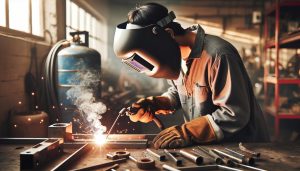
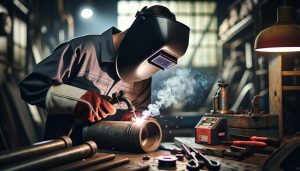
Plasma cutters are invaluable tools for metalwork, but if you have a pacemaker, safety concerns might arise. These devices generate intense electromagnetic fields and wireless interference that could interfere with pacemaker functionality. Understanding the potential health risks is crucial for anyone with heart devices who may be considering using this powerful equipment.
In this article, we’ll delve into the science behind plasma cutting technology, explore established safety protocols, and provide practical advice to ensure you can work safely and effectively. Whether you’re a seasoned welder or just starting out, knowing how to navigate these risks will help you make informed choices while pursuing your craft. Read on to discover essential insights that safeguard your health without compromising your passion for welding.
Understanding Plasma Cutters and Their Operation
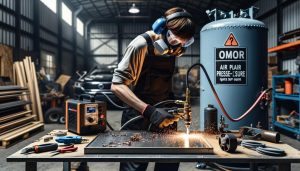
Plasma cutters are increasingly popular in various fields, from metal fabrication to automotive repair, due to their ability to make clean, precise cuts in a variety of materials, including steel and aluminum. Understanding how plasma cutters operate is crucial for users, especially those considering their use alongside medical devices like pacemakers. Plasma cutting technology utilizes a high-velocity jet of ionized gas, or plasma, to melt and expel material from the workpiece. This process starts by creating a plasma arc through the application of a high-voltage electrical charge, which ionizes the air or gas in the cutting nozzle, allowing it to conduct electricity.
The operation of a plasma cutter can be summarized in a few key steps:
- Ionization: A high-voltage electrical arc is generated, transforming gas (often air or an inert gas) into plasma.
- Cutting Process: The plasma is blown through a small nozzle at high speeds, delivering consistent temperature and energy to the material being cut.
- Material Interaction: The intense heat from the plasma quickly melts the metal, while the high-speed jet blows the molten material away, creating a clean cut.
To effectively operate a plasma cutter, users should also consider factors such as the types of materials being cut, the thickness of the material, and the cutting speed required for the task. Familiarity with the specific settings and proper maintenance of the equipment will enhance performance and ensure longevity.
For many professionals and hobbyists, mastering the technique of plasma cutting may require practice, but understanding its fundamental principles can significantly improve execution. The ability to switch between different materials and settings makes plasma cutters versatile tools, ideal for both intricate cuts and larger applications. However, for individuals with pacemakers, it’s essential to understand potential health risks associated with electromagnetic fields generated during plasma cutting. Always consider consulting a healthcare professional for tailored advice when navigating the use of plasma cutters with a pacemaker.
How Pacemakers Function: Key Insights
Understanding the mechanics by which pacemakers function is essential, especially for individuals considering the simultaneous use of high-power tools like plasma cutters. A pacemaker is an advanced medical device designed to regulate the heart’s rhythm by sending electrical impulses to stimulate a heartbeat when the heart beats too slowly or irregularly. At its core, the pacemaker comprises a battery-powered generator and leads, which are thin wires placed within the heart to detect its electrical activity.
When the heart’s natural rhythm falters, the pacemaker senses this decline in rate and sends a series of precisely timed electrical signals to the heart muscle, prompting it to contract and maintain a normal pace. This device is crucial for maintaining proper blood flow and overall cardiovascular health. Pacemakers can be classified into several types, including single-chamber, dual-chamber, and biventricular pacemakers, each serving unique functions tailored to the individual’s medical needs.
One important aspect users must be aware of is the electromagnetic interference (EMI) that various electrical devices, including plasma cutters, can generate. Plasma cutters function by emitting high-frequency electromagnetic fields, which may pose a risk to pacemaker users. These fields can potentially disrupt the normal operation of the pacemaker, leading to complications. However, most modern pacemakers are designed to be resistant to interference from various everyday devices, but caution is still advised.
Understanding how a pacemaker works not only informs users about their device’s functionality but also emphasizes the necessity of being mindful of their environment when using power tools. Detection and understanding of the symptoms of potential interference-such as dizziness, palpitations, or fainting-are vital for individuals with pacemakers, so they can act promptly should any concerns arise. It is always prudent for pacemaker users to consult healthcare professionals before engaging in activities involving high electromagnetic exposure, ensuring both safety and peace of mind.
Health Risks for Pacemaker Users with Plasma Cutters
Plasma cutting is a powerful technique that utilizes intense heat to slice through metal, making it a valuable tool for welders and metalworkers. However, it introduces considerable risks for individuals with pacemakers. These users must remain vigilant about the potential electromagnetic interference (EMI) emitted by plasma cutters. Such devices operate at high frequencies and can generate electrical fields strong enough to disrupt the functioning of a pacemaker, which is designed to maintain a regular heartbeat by sending electrical impulses.
The primary concern for pacemaker users working with plasma cutters is the possibility of experiencing symptoms like dizziness, heart palpitations, or even syncope (fainting) due to interference. Although many modern pacemakers are engineered to be resistant to EMI, their susceptibility can vary based on the specific model and the intensity of the electromagnetic fields generated by the plasma cutter. Therefore, understanding one’s pacemaker model is crucial. Individuals with older or more sensitive devices may face a higher risk when exposed to such environments.
To mitigate these risks, several precautions should be taken. First, maintaining a safe distance from the plasma cutter during operation can significantly reduce exposure to electromagnetic fields. Additionally, users should monitor their health closely, paying attention to any unusual symptoms while working. Consulting with healthcare providers before engaging in high-risk activities is imperative. They can provide tailored advice based on the individual’s health status and pacemaker specifications.
In summary, while plasma cutting is an efficient method for metal fabrication, it presents distinct challenges for pacemaker users. Staying informed and exercising caution can empower them to make safer choices, ensuring that their health remains a priority while engaging in such high-risk tasks.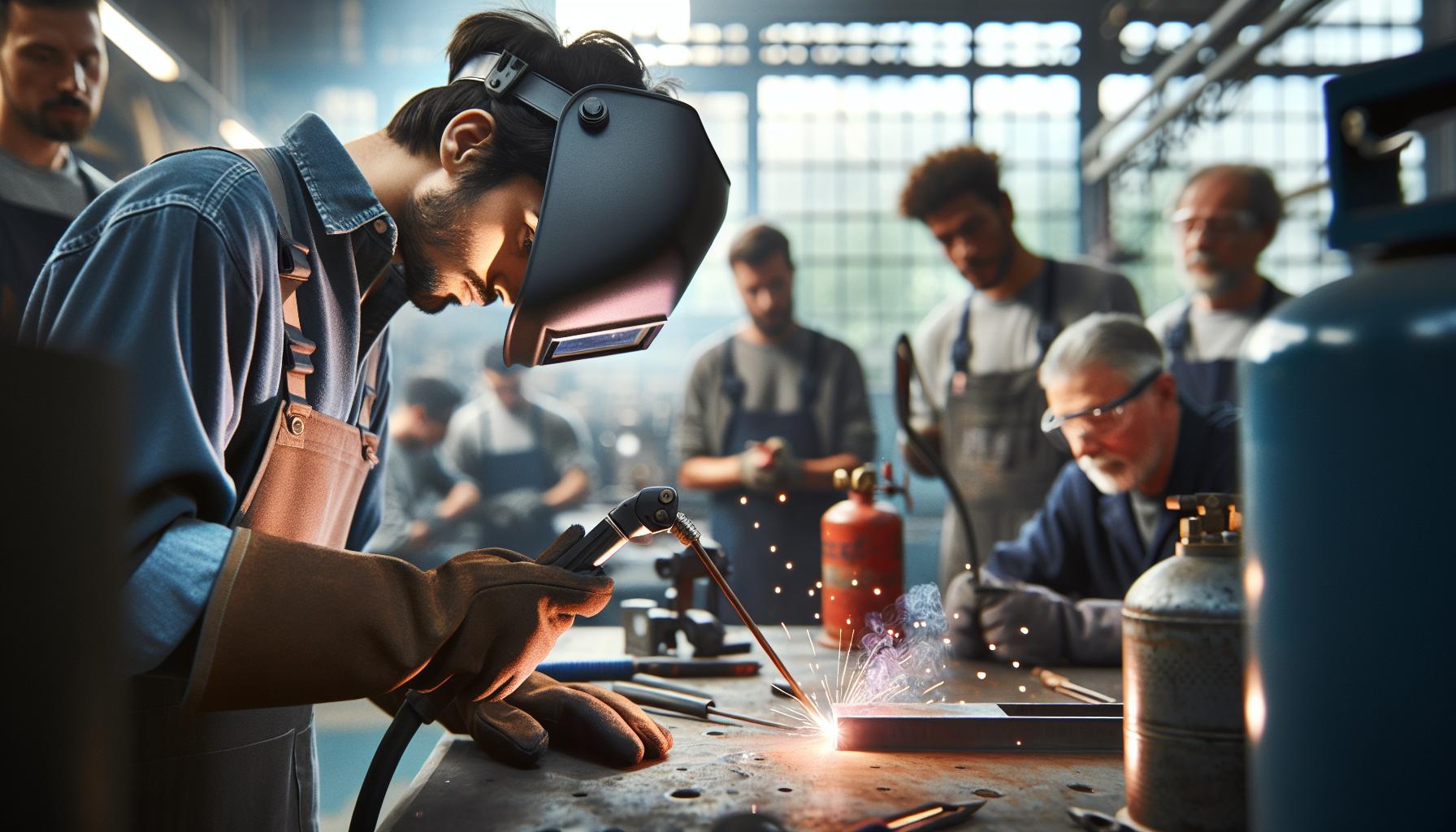
Common Myths About Plasma Cutters and Pacemakers
Despite the impressive advancements in medical technology, myths about the compatibility of plasma cutters and pacemakers still circulate, leading to unnecessary confusion among users. One common misconception is that all pacemakers are highly susceptible to electromagnetic interference (EMI) from plasma cutters, preventing their safe use in any setting where these tools are employed. In reality, while EMI can affect device performance, many modern pacemakers are designed to withstand a certain level of interference. Indeed, they undergo rigorous testing to ensure they can function correctly in less-than-ideal electrical environments. However, individual pacemaker sensitivity can vary, making it essential for users to know the capabilities and limitations of their specific model.
Another myth asserts that simply staying at a mindful distance from the plasma cutter will entirely negate any risks associated with its use. Although maintaining distance is a practical precaution, it is not a foolproof strategy. The electromagnetic fields can radiate further than expected, especially in industrial environments where high-frequency equipment is prevalent. Moreover, unsafe symptoms like dizziness or heart palpitations may still be triggered even when precautions are followed, emphasizing the need for ongoing self-monitoring and awareness of bodily signals during operation.
It’s also important to address the belief that pacemaker users cannot engage in any metalworking activities involving high-power tools at all. For many individuals, this is not entirely accurate. Instead, with the proper education, precautionary measures, and consultation with healthcare providers, many can continue using safety practices. Techniques like using shielded equipment, opting for specific welding methods that minimize interference, or scheduling work during less intensive operations can allow pacemaker users to effectively participate in metalworking projects.
Lastly, some believe that all welding or cutting technologies present the same level of risk. However, different techniques-such as MIG or TIG welding-may present varying degrees of EMI exposure compared to plasma cutting. Understanding these distinctions is crucial for anyone with a pacemaker looking to navigate their work environment safely. Ultimately, dispelling these myths through education and proactive measures empowers users to make informed decisions while focusing on their health and safety in metal fabrication settings.
Safety Precautions for Pacemaker Patients
Using high-powered tools like plasma cutters poses unique challenges for health-conscious individuals, particularly those with implantable medical devices such as pacemakers. To protect their well-being while still engaging in metalworking, it is vital for pacemaker patients to follow robust safety precautions that mitigate any potential risks from electromagnetic interference (EMI).
Adopting safety measures begins with a thorough understanding of one’s pacemaker model and its specifications. Consulting with a healthcare provider can help identify the specific sensitivities and vulnerabilities of the device in relation to various types of equipment. In addition, understanding the workspace environment plays a crucial role. For example, when working around plasma cutters, it’s best to minimize exposure by maintaining a safe distance. However, relying solely on distance isn’t sufficient; precautions like utilizing shielded cables, especially in industrial settings where EMI is heightened, can significantly reduce risks.
Another point to consider is the choice of equipment. Opt for welding techniques that produce lower EMI levels. While MIG and TIG welding are generally regarded as less disruptive methods when compared to plasma cutting, it is wise to verify how specific equipment interacts with pacemakers. Additionally, implementing a workflow that schedules less intensive tasks when using high-power cutters can be beneficial. Workers should also implement personal monitoring strategies, such as maintaining awareness of any unusual symptoms-like dizziness or heart palpitations-that may arise during operation.
To further bolster safety, maintaining regular communication with coworkers is essential. This can include informing them about the presence of a pacemaker, which can encourage them to adopt additional safety measures when operating heavy machinery nearby. Training and education on EMI risks related to tools, along with understanding protective equipment options, can greatly empower pacemaker users in their metalworking endeavors. By taking proactive steps and being vigilant, pacemaker patients can safely engage in and enjoy their fabrication projects while prioritizing their health.
Alternative Cutting Tools for Safe Use
Using plasma cutters can pose significant health risks for those with pacemakers, primarily due to the electromagnetic interference (EMI) generated during operations. Fortunately, there are several alternative cutting tools and methods that can minimize these risks while still delivering effective results.
One of the most widely recommended alternatives is MIG welding (Metal Inert Gas welding). This method utilizes a continuously fed wire and an inert gas shield, which can produce less EMI compared to plasma cutting. MIG welding is particularly effective for lighter gauge materials, including stainless steel and aluminum. With its versatility and relatively low operator skill requirement, it serves as an excellent choice for both beginners and seasoned welders.
TIG welding (Tungsten Inert Gas welding) is another viable option. Although it may require more skill and practice, TIG welding is known for producing high-quality welds with a steady and controlled arc. This method is also characteristically quieter and generates less EMI, making it suitable for settings where pacemaker users are present.
Another choice is stick welding, which uses a consumable electrode coated in flux to join metals. While it does produce some EMI, it generally poses lower risks than plasma cutters. Stick welding is particularly advantageous for heavy materials and outdoor applications, offering durability in challenging environments.
Flux core welding (FCAW) is similar to MIG welding but uses a tubular wire filled with flux instead of solid wire. This technique can be a great option for outdoor projects and thicker metals where wind might disrupt gas shielding. However, it is essential to verify the specific flux core equipment’s EMI levels.
When selecting cutting tools, it’s crucial to also consider factors such as the material thickness and type. For lighter materials, a simple oxy-fuel cutting torch can provide a suitable alternative, combining oxygen and fuel gases to achieve effective cutting with minimal EMI.
Each cutting method has its strengths, so understanding the project requirements and the specific vulnerabilities related to a pacemaker can guide users toward safer and more effective choices. Engaging in thorough research and consulting with medical professionals-or equipment manufacturers-can help ensure that the tools selected support both the functional and health needs of users with pacemakers.
Consulting Your Doctor: Essential Considerations
When considering the use of plasma cutters or any other potentially hazardous tools, consulting with a healthcare professional is essential, especially for individuals with pacemakers. These conversations can clarify risks and lead to better-informed choices around safe practices. A doctor can provide tailored advice based on the type of pacemaker, its settings, and one’s overall health profile.
Before initiating any welding or cutting project, it’s important to discuss the specific equipment you intend to use. Some plasma cutters generate significant electromagnetic interference (EMI), which can affect pacemaker function. Healthcare providers can give insights into the levels of EMI generated by different tools, helping you choose safer options. They might also recommend conducting an electrophysiological evaluation to understand how your heart responds in environments like workshops, where these tools are used.
In addition to discussing the risks associated with various cutting methods, consider inquiring about alternative techniques. Options such as MIG or TIG welding are generally associated with lower EMI levels compared to plasma cutting. A doctor may suggest testing to evaluate how you handle exposure to different electromagnetic fields, which can help you identify which methods might be safer.
Moreover, healthcare professionals can provide ongoing support. If you experience any irregularities in heart function or unusual symptoms while operating power tools, it’s critical to report these immediately. Regular check-ups can also assist in monitoring the performance of your pacemaker and ensure that adjustments can be made proactively. Always prioritize your health by maintaining open communication with your doctor regarding your hobbies, work, and how they may intersect with your cardiac health.
Real-Life Experiences: Pacemaker Users and Plasma Cutters
Many individuals with pacemakers are eager to engage in hands-on projects, including metalworking with plasma cutters. However, the interaction between these devices can be complex and concerning. An illustrative example involves a retired welder who was diagnosed with a heart condition requiring a pacemaker. Eager to continue his passion, he approached the use of plasma cutters with caution. After consulting with his cardiologist, who recommended testing the electromagnetic interference (EMI) levels of his tools, he found success with specific models that emitted lower EMI and maintained a safe distance while operating them.
Experiences shared among users reveal varied outcomes. Some individuals reported feeling slight irregularities in their heart rhythms while using certain plasma cutters, prompting them to stop immediately and revisit their health professionals. This highlights the importance of being attuned to one’s body and the need for continuous self-monitoring. Equipped with knowledge about their device’s compatibility with tools, many users streamlined their workflow by integrating MIG or TIG welding into their repertoire, which posed less risk of interference compared to plasma cutting.
To foster a safer work environment, those who choose to use plasma cutters incorporate specific precautions. They often create a designated workspace that is clear of unnecessary electronic devices, as these can increase the risk of EMI exposure. Regular maintenance checks on their pacemakers also play a critical role in ensuring functionality during such activities. By sharing stories and strategies, users have developed a community that emphasizes the importance of knowledge, preparedness, and proactive health management when blending the careful handling of power tools with living with a pacemaker.
Emergency Protocols: What to Do in Case of Issues
The integration of plasma cutters into the workflow of individuals with pacemakers requires a conscientious approach, particularly regarding unexpected health events. If you experience symptoms such as dizziness, irregular heartbeat, or chest pain while operating a plasma cutter, it is crucial to take immediate action. These symptoms could indicate that the electromagnetic interference (EMI) generated by the cutter is negatively affecting your pacemaker.
First, cease operation immediately and remove yourself from the vicinity of the plasma cutter. Find a safe, quiet space where you can sit and monitor your condition. Next, assess your symptoms. If you notice a rapid or erratic heartbeat or prolonged discomfort, seek medical assistance without delay. Inform the medical professionals about your pacemaker and recent activities, including the use of specific welding equipment. This information is vital in diagnosing any possible issues related to device interference.
Additionally, if you feel any health symptoms that align with past experiences of pacemaker malfunction during welding activities, consider documenting these events for discussion with your healthcare provider. Keeping a detailed log may assist your doctor in identifying patterns and providing tailored advice regarding which tools are safer to use.
When returning to work after an incident, consider implementing a series of precautionary measures to reduce the risk of recurrence. Regular communication with your cardiologist is essential; they may recommend routine check-ups or adjustments to your pacemaker settings to improve your safety while engaging in metal fabrication. Furthermore, testing different plasma cutting models for EMI emissions before widespread use can help you identify the options that pose the least risk. Prioritizing a workspace free of unnecessary electronics and upholding regular maintenance for your pacemaker can also enhance your operational safety.
By taking these proactive steps and remaining vigilant regarding your health, you can continue to pursue your passion for metalworking while safeguarding your well-being.
Regulatory Guidelines for Safe Welding Practices
The complex interplay between plasma cutting equipment and pacemaker functionality necessitates strict adherence to regulatory guidelines to ensure safety in welding environments. These guidelines are not just bureaucratic formalities; they serve as a foundation for protecting both operators and those nearby, particularly individuals with heart conditions who rely on devices like pacemakers. It’s essential to understand these regulations to mitigate the risks associated with electromagnetic interference (EMI) generated by plasma cutting tools.
First, proper shielding of both operators and equipment is crucial. Many regulatory bodies emphasize the need for electromagnetic compatibility (EMC) in workplaces using plasma cutters. This includes using equipment that meets established standards for EMI emissions. Operators should always consult the manufacturer’s specifications regarding EMI levels and ensure that all plasma cutting machines are regularly maintained to minimize interference. For instance, look for technologies designed to reduce EMI, such as low-frequency inverters, which offer safer operation environments for pacemaker users.
- Education and Training: Employers must provide thorough training for all employees on the specific risks associated with welding and plasma cutting. This training should cover the potential health impacts of EMI and the necessary precautions for those with pacemakers.
- Workplace Environment: Ensure that the workspace is designed to limit the proximity of plasma cutters to individuals with pacemakers. Implementing staged setups can facilitate safer operation.
- Monitoring Regulations: Regular audits should be conducted to assess compliance with safety standards and ensure that all equipment adheres to regulations. This can include EMI testing as part of routine maintenance.
Furthermore, personal protective equipment (PPE) should be mandated for all operators. While standard welding gear is essential to prevent physical injuries, additional measures may be necessary for individuals susceptible to EMI effects. For instance, utilizing electrically conductive gloves can help shield operators from stray currents. Questions about specific PPE requirements or protective measures should be directed to the health and safety officer in charge.
Finally, engagement with health professionals for ongoing dialog about the implications of welding in relation to pacemaker safety is paramount. Regular check-ups to assess how the pacemaker responds to the operational environment of plasma cutters will enable ongoing health assessments tailored to individual needs. By adhering strictly to these regulatory guidelines, welders can significantly reduce the risks associated with plasma cutting and protect the health of all individuals in the workplace.
FAQ
Q: Can plasma cutters interfere with pacemakers?
A: Yes, plasma cutters can potentially interfere with pacemakers due to electromagnetic fields generated during operation. It’s crucial for individuals with pacemakers to consult a healthcare provider before using such tools to assess risks and ensure safety.
Q: What precautions should be taken when using a plasma cutter with a pacemaker?
A: Pacemaker users should maintain a safe distance from the plasma cutter and wear protective gear. Consulting with a medical professional about the specific type of pacemaker is essential to determine any necessary adjustments or precautions.
Q: Are there safer alternatives to plasma cutters for those with pacemakers?
A: Yes, safer alternatives include mechanical cutting tools like saws or shears which do not produce electromagnetic interference. Researching specific non-contact cutting techniques may also offer options for pacemaker users.
Q: What should someone with a pacemaker do if they experience symptoms while using a plasma cutter?
A: If symptoms like dizziness, palpitations, or discomfort occur, stop using the plasma cutter immediately and consult a healthcare provider. It’s important to monitor such reactions to ensure safety during metalworking tasks.
Q: Can the distance from a plasma cutter reduce risks for pacemaker users?
A: Yes, increasing distance from the plasma cutter can help minimize exposure to electromagnetic fields, thereby reducing interference risks with the pacemaker. It’s advisable to maintain a minimum safe distance as recommended by health professionals.
Q: How does electromagnetic interference affect pacemaker performance?
A: Electromagnetic interference can disrupt the signals sent to and from the pacemaker, affecting its ability to regulate heartbeats. This disruption may lead to symptoms such as arrhythmias or heart palpitations.
Q: What is the role of a medical professional in advising plasma cutter use for pacemaker patients?
A: A medical professional can provide personalized advice based on the type and model of the pacemaker, evaluate specific risks, and recommend safety measures or alternative cutting methods suitable for the patient’s condition.
Q: Should pacemaker users avoid all welding and cutting tools?
A: While not all tools are unsafe, pacemaker users should avoid using tools that generate strong electromagnetic fields, such as plasma cutters or certain welders. Always consult a healthcare professional for tailored guidance on safe practices.
Future Outlook
Navigating the intersection of technology and health is critical, especially when considering the use of a plasma cutter with a pacemaker. While this guide has illuminated the potential health risks, it’s crucial to remain proactive about your safety. If you’re feeling uncertain or have additional questions, don’t hesitate to consult with a medical professional familiar with your specific situation.
For more in-depth insights, explore our articles on welding safety protocols and choosing the right equipment for your projects. Keeping abreast of safety measures not only protects your health but also enhances your skills in MIG, TIG, and stick welding techniques.
Stay informed and empowered-sign up for our newsletter for expert tips and the latest resources tailored for both novice and experienced welders. Your safety is paramount; take the next step in ensuring a secure welding experience today!