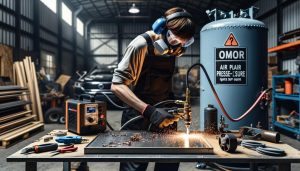
Welding is a vital skill in various industries, but did you know that it can pose serious health risks, including a potential link to cancer? As welders work with different materials like steel and aluminum, exposure to harmful fumes and radiation can have long-term effects on their health. Understanding these risks is essential, not just for seasoned professionals but also for beginners who may be unaware of the dangers lurking in their workplace. By exploring how welding can contribute to health issues, we can equip ourselves with the knowledge to implement safety protocols and make informed decisions about our practices. Join us as we delve into the crucial topic of welding-related health risks, so you can protect yourself and ensure a safer working environment.
Understanding the Cancer Risks in Welding
Welding is a vital process in manufacturing and construction, but it also comes with significant health risks, particularly concerning cancer. Studies have identified exposure to welding fumes, which contain a complex mixture of metals and gases, as a potential carcinogen. The International Agency for Research on Cancer (IARC) classifies some welding fumes as Group 1 carcinogens, meaning there is sufficient evidence of carcinogenicity in humans. This underscores the need for welders to be acutely aware of the risks associated with their profession.
Understanding the specific components of welding fumes is essential for grasping cancer risk. Fumes released during processes like MIG (Metal Inert Gas) and TIG (Tungsten Inert Gas) welding often contain hazardous substances such as manganese, chromium, and nickel. These elements can lead to respiratory issues and long-term health effects. Furthermore, certain welding techniques, especially those involving galvanized metals or stainless steel, can significantly increase exposure levels to toxic compounds.
In addition to the type of welding performed, the environment plays a crucial role in risk exposure. Poor ventilation in workspaces can exacerbate the inhalation of harmful fumes. As such, adopting effective safety protocols-like using exhaust systems, respirators, and ensuring adequate airflow-becomes paramount in reducing potential health hazards. It is not only about addressing immediate exposures but also about developing long-term health strategies to protect welders from the cumulative effects of toxic fume inhalation.
By prioritizing safety and awareness, welders can take proactive measures to manage and mitigate their risk of cancer. This includes utilizing proper personal protective equipment (PPE) and adhering to industry regulations aimed at minimizing exposure to harmful substances. The path forward is not only informed by understanding these risks but also by adopting comprehensive safety practices that safeguard health while allowing welders to perform their essential roles in various industries.
Common Welding Processes and Their Health Hazards
Welding remains a cornerstone in manufacturing and construction, but it comes with a range of hazards that every welder should understand. Various welding processes carry distinct risks, often linked to the materials used and the methods employed. For instance, MIG (Metal Inert Gas) welding is popular for its ease of use, but it can produce hazardous fumes when welding metals like aluminum or stainless steel. Toxic fumes from MIG welding primarily contain metals such as manganese and aluminum oxide, which can pose significant health risks if inhaled over prolonged periods.
Similarly, TIG (Tungsten Inert Gas) welding, while providing high-quality welds, also introduces unique hazards. The process involves the use of tungsten electrodes, which can release harmful particles when heated. Additionally, TIG welding often requires the use of filler metals that may contribute to fume toxicity, depending on their composition. Understanding these factors and their potential effects on health is crucial for maintaining a safe work environment.
Another common technique is stick welding, or SMAW (Shielded Metal Arc Welding). This method creates a considerable amount of smoke and fumes due to the coating on the welding electrode burning off. The contaminants released can include carbon monoxide, ozone, and other harmful compounds. Moreover, flux-cored arc welding (FCAW) presents similar challenges, with fumes emitted that may contain toxic gases and fine particles. The use of flux-cored wire can lead to increased exposure to hazardous substances, particularly when welding thicker materials or in less ventilated spaces.
To mitigate the health hazards associated with these welding processes, proper ventilation and the use of effective personal protective equipment (PPE) are essential. Welders should ensure that work environments are well-ventilated to minimize inhalation risks and that they use respiratory protection where applicable. Regular training on the safe handling of welding materials, understanding the specific hazards of each welding method, and consistently following safety protocols can significantly reduce health risks, making welding a safer occupation.
How Welding Fumes Contribute to Cancer Risk
Welding fumes are a significant concern within the industry, often containing a complex mixture of metallic oxides, silicates, and other harmful compounds. When inhaled, these fumes can lead to serious health implications, including cancer. The Institute for Occupational Safety and Health (NIOSH) highlights that certain toxic metals found in welding fumes, such as chromium, nickel, and manganese, are classified as carcinogens, meaning they are linked to an increased risk of cancer.
The primary way welding fumes contribute to cancer risk is through the inhalation of particulate matter. Different welding processes generate various fume compositions. For instance, MIG (Metal Inert Gas) welding typically releases fumes from the materials being welded, notably when working with stainless steel that often contains chromium. Chronic exposure to these fumes can lead to lung cancer and other respiratory illnesses. THerefore, it’s essential for welders to be aware of the materials they are working with and the specific risks they pose.
Similarly, TIG (Tungsten Inert Gas) welding, though known for lower fume production, can still emit harmful substances, especially when certain filler metals are involved. The use of silica in some electrodes can also produce quartz dust-a known carcinogen-in case of prolonged exposure. Furthermore, stick welding often generates considerable smoke and fumes due to the coating on electrodes, releasing various hydrocarbon compounds that can contribute to long-term health risks.
To mitigate these risks, welders should adopt several best practices. Utilizing effective ventilation systems helps disperse fumes more rapidly, reducing inhalation exposure. Additionally, wearing appropriate personal protective equipment (PPE), such as respirators designed to filter out metal particulates, is vital. Regular monitoring of air quality in the workplace, alongside routine health checks, ensures that welders are not exposed to dangerously high levels of toxic substances.
By understanding the relationship between welding fumes and cancer risk, welders can proactively safeguard their health while continuing to perform their essential duties in construction and manufacturing sectors.
Protective Equipment: Essential Gear for Welders
The welding profession inherently involves exposure to various hazards, including toxic fumes and intense heat. As such, the right protective equipment is crucial for safeguarding a welder’s health and ensuring safety on the job. While the core focus may often be on mastering welding techniques like MIG, TIG, and stick welding, prioritizing personal protective equipment (PPE) is equally critical for preventing long-term health issues, including the risk of cancer due to inhalation of harmful substances.
To effectively minimize health risks, welders should consider the following essential protective gear:
Essential Protective Equipment for Welders
- Welding Helmet: Opt for a high-quality auto-darkening welding helmet that provides complete protection to the face and neck. It should have an appropriate filter shade to shield against harmful UV and infrared radiation produced during the welding arc.
- Respirators: Given the carcinogenic properties of many welding fumes, wearing a respirator designed to filter out toxic gases and particles is vital. Ensure the respirator fits well and is suitable for the specific welding process being employed.
- Gloves: High-quality leather or heat-resistant gloves are essential for protecting the hands from sparks, spatter, and heat. They should also offer a good grip for better control over welding tools.
- Protective Clothing: Flame-resistant clothing is a must. This includes welding jackets, pants, and coveralls made of materials that resist melting and igniting. Layering can enhance protection from heat and flying debris.
- Safety Boots: Steel-toed work boots protect against heavy falling objects and electrical hazards. Look for boots that provide ankle support and slip resistance to prevent accidents on slippery surfaces.
- Safety Glasses: In addition to the welding helmet, wearing safety glasses with side shields can protect against metal fragments and intense brightness during welding processes.
It’s essential to regularly inspect and maintain your protective gear. Worn-out or damaged equipment not only compromises safety but also increases vulnerability to health risks. For instance, if a helmet’s lens is scratched or fogged, visibility can decrease, which may lead to accidents. Furthermore, keeping abreast of the latest advancements in PPE can enhance safety measures. Innovations in materials and design continually improve the level of protection available, making it essential for welders to invest time in researching updated gear.
Incorporating these protective measures into every welding job is not just about compliance but serves as a proactive strategy to mitigate health risks associated with welding. By prioritizing safety through the use of appropriate PPE, welders can effectively reduce their exposure to harmful substances and contribute to a healthier work environment.
Health Effects of Long-term Exposure to Welding Fumes
Long-term exposure to welding fumes raises significant health concerns, including an elevated risk of various cancers. Welders are often subjected to a cocktail of hazardous materials, including metal oxides, silica, and complex organic compounds, all of which can have deleterious effects on respiratory health and overall wellbeing. Notably, studies have shown a correlation between prolonged exposure to these fumes and an increased incidence of lung cancer, as well as cancers of the bladder and kidneys. This underscores the pressing need for increased awareness and preventative strategies among those in the welding profession.
The composition of welding fumes varies with the material being welded. For example, the fumes produced from MIG welding aluminum can contain aluminum oxide, while stick welding steel often generates iron and manganese oxides. These substances can penetrate deep into lung tissue, leading to chronic respiratory issues such as asthma, chronic bronchitis, and even a condition known as “welders’ lung,” which can mimic symptoms of pneumonia. Moreover, the carcinogenic nature of some of these fumes calls for stringent safety measures and monitoring of exposure levels to mitigate these risks.
To combat the negative health impacts associated with welding fumes, prioritizing workplace ventilation and the use of high-quality respiratory protective equipment is essential. Implementing local exhaust ventilation systems can effectively reduce fume concentrations in the air. Additionally, regular health screenings and monitoring for early signs of respiratory distress or abnormal lung function are critical for early intervention. This proactive approach not only protects the welder’s health but also contributes to a safer and more productive working environment.
In summary, the can be profound and multifaceted. By understanding the composition of the fumes produced in various welding processes and implementing robust safety protocols, welders can significantly reduce their risk of developing serious health conditions, paving the way for a safer profession overall.
Preventive Measures for Reducing Cancer Risk
To mitigate the cancer risks associated with welding, implementing effective preventive measures is crucial. Every welder should be acutely aware that their work environment plays a significant role in their overall health. By following best practices and utilizing the right equipment, you can dramatically reduce exposure to harmful welding fumes, which contain carcinogenic substances that pose serious health threats.
A fundamental strategy in minimizing exposure to hazardous fumes involves improving workplace ventilation. Proper ventilation systems, such as local exhaust ventilation (LEV), can significantly lower fume concentrations in the air, thereby protecting welders’ lungs. Additionally, adopting high-efficiency particulate air (HEPA) filters in respiratory protective equipment can help filter out harmful particles. When choosing respiratory protective gear, it is essential to include options rated for the specific types of welding being performed, whether MIG, TIG, or stick welding, to ensure optimal protection.
Furthermore, regular maintenance of welding equipment is another preventive measure that should not be overlooked. Ensuring that welding machines are functioning correctly can help reduce the amount of harmful emissions produced during welding processes. This includes checking for leaks and ensuring that appropriate consumables are used. Additionally, establishing a routine cleaning schedule for the work area can minimize the accumulation of metal dust and fume residues, further enhancing a safe working environment.
Education and training should also be prioritized. Welders may greatly benefit from safety training programs that cover the potential hazards of welding as well as effective methods for minimizing risks. Workshops on recognizing symptoms of respiratory issues or other health impacts related to welding can empower workers to seek early interventions, making them active participants in their health management. Engaging with ongoing training not only fosters a culture of safety but also supports the longevity and productivity of welders in their field.
In summary, a proactive approach to prevent cancer risk in welding includes effective ventilation, proper equipment maintenance, the use of high-quality protective gear, and continuous education. By incorporating these strategies, welders can safeguard their health while advancing their skills in this vital industry.
Symptoms to Watch for in Welders
Welders are often exposed to various hazardous substances, making it vital to stay vigilant regarding potential health symptoms that may arise from their work environment. Understanding these symptoms is the first step towards early detection and effective intervention. For instance, respiratory-related issues are among the most common complaints linked to welding. Welders frequently inhale fumes containing metal oxides, which can lead to chronic bronchitis, decreased lung function, and in severe cases, lung cancer.
Some key symptoms to monitor include:
- Persistent cough: A continuous cough that does not subside over time can indicate respiratory irritation or damage.
- Shortness of breath: Difficulty breathing during or after welding can signal an underlying respiratory condition that requires medical attention.
- Chest pain: Discomfort or pain in the chest area, especially when coupled with other respiratory symptoms, should prompt immediate evaluation.
- Fatigue and weakness: Constant fatigue or a general feeling of unwellness can sometimes be attributed to chemical exposure or respiratory issues.
- Skin irritations: Rashes or irritations can occur from contact with metal or chemical fumes, highlighting the importance of protective gear.
Early detection of these symptoms allows for timely interventions. When welders are aware of these warning signs, they can take appropriate preventative actions and seek medical advice before any potential exposure leads to long-term complications. Additionally, maintaining open communication with healthcare professionals about any changes in health can lead to tailored preventative care.
Understanding these warning signs is crucial not only for welders’ immediate health but also for their long-term well-being. By fostering an environment of awareness and proactive health management, the welding industry can better protect its workers against the adverse health effects associated with welding. Regular health screenings should also be prioritized to track any changes and maintain overall well-being, especially for those engaged in high-risk welding processes such as MIG, TIG, or stick welding techniques.
Regulatory Standards for Welding Safety
Maintaining a safe working environment in welding is not just a matter of personal responsibility; it is guided by stringent regulatory standards designed to protect welders from the myriad of health risks associated with their craft. The Occupational Safety and Health Administration (OSHA) sets forth regulations that require employers to provide a safe working environment, including proper ventilation and the use of personal protective equipment (PPE). Compliance with these standards helps mitigate the exposure to harmful fumes and substances that can lead to serious health issues, including cancer.
Key OSHA standards relevant to welding include the regulation on permissible exposure limits (PELs) for specific hazardous substances like manganese, chromium, and nickel-commonly found in welding fumes. Employers must adhere to these limits while regularly monitoring the air quality within the workplace. For example, using engineering controls such as local exhaust ventilation can significantly reduce the concentration of harmful fumes, ensuring that welders are working in a healthier environment.
Additionally, the standards dictate the necessary training for welders regarding the risks associated with their work. This training includes understanding the symptoms of overexposure, the appropriate use of PPE like respirators and gloves, and the importance of maintaining their equipment to avoid leaks and other hazards. Regular safety audits and training refreshers not only enhance compliance but also empower workers by providing them with the knowledge to protect themselves effectively.
Overall, awareness and adherence to regulatory standards are essential in creating a culture of safety within the welding industry. Encouraging outreach programs and partnerships with occupational health professionals can help welders understand the importance of these regulations and their role in preventing health issues, including those related to prolonged exposure to welding fumes. Engaging welders in discussions about safety and regulatory compliance fosters a proactive approach to workplace health, ultimately reducing their risk of serious illnesses.
Importance of Regular Health Screenings for Welders
Regular health screenings are an essential component of preventive care for welders, especially considering the elevated risks associated with prolonged exposure to hazardous materials and fumes inherent in welding processes. Welders face potential health issues such as respiratory diseases, chemical sensitivities, and even various forms of cancer. By prioritizing routine health evaluations, welders can detect early signs of health deterioration, most notably those related to respiratory function and chemical exposure, potentially leading to timely interventions that improve outcomes.
Screenings typically involve a comprehensive assessment of lung function, blood tests for toxic metal levels, and skin examinations for potential dermal exposures. Early detection is vital-not only does it empower welders with knowledge about their health status, but it also enables employers to make informed decisions regarding workplace safety and protective measures. For example, welders experiencing chronic cough or other respiratory symptoms should be evaluated for conditions like chronic obstructive pulmonary disease (COPD) or potential lung cancer, both of which are exacerbated by workplace exposures.
Key Components of Health Screenings
Health screenings for welders should ideally include the following:
- Pulmonary function tests: Assess lung capacity and overall function.
- Regular blood tests: Monitor levels of hazardous substances like lead, cadmium, and zinc.
- Skin evaluations: Check for allergic reactions or skin conditions linked to exposure.
- Occupational history review: Evaluate work conditions, equipment used, and safety practices.
Implementing a structured health screening program not only supports individual welders but also enhances overall workplace safety by fostering a culture of health awareness. Employers can better tailor safety protocols and training sessions based on prevalent health issues uncovered during these screenings. Furthermore, the cumulative data from screening can inform health and safety regulations, ultimately contributing to more robust protective measures across the industry.
In conclusion, regular health screenings represent a proactive approach to managing the unique health risks faced by welders. These evaluations foster early intervention, enhance occupational health strategies, and underline the importance of safeguarding the well-being of those dedicated to this skilled trade. By staying informed about their health, welders can continue to work effectively while minimizing their risks of serious health complications.
Resources for Occupational Health Support
Welders operate in environments filled with potential hazards, making access to reliable occupational health resources essential for maintaining their well-being. The interplay between welding processes and health risks, specifically cancer, underscores the importance of seeking support from various professional avenues. Understanding these resources can empower welders to improve their health safeguards and make informed decisions about their occupational safety.
One valuable resource for welders is the American Welding Society (AWS), which provides comprehensive guidelines and educational materials on welding safety. Their publications frequently include best practices for minimizing health risks associated with welding fumes and other hazardous materials. Additionally, AWS offers seminars and training programs focusing on workplace safety legislation and health monitoring techniques, which can enhance a welder’s ability to recognize potential health threats early.
Moreover, health professionals specializing in occupational medicine can provide tailored advice regarding exposure management and screening recommendations. These experts can conduct workplace assessments to help identify specific hazards and recommend strategies to mitigate risks. For example, they might suggest implementing better ventilation or using advanced respirator systems to address the dangers of welding fumes. Engaging with occupational health clinics can also facilitate access to regular health screenings, where welders can undergo assessments for exposure to harmful substances and receive counseling on lifestyle adjustments to protect their health.
Support Networks and Online Resources
Creating a strong support network can further enhance the occupational health landscape for welders. Online forums and communities dedicated to welding professionals often serve as platforms for sharing experiences and advice on health risks and safety practices. Notable examples include the Welding Web and Reddit’s r/Welding, where experienced welders provide insight into managing health risks and navigating workplace safety protocols.
It’s imperative to stay updated on the latest research relating to welding and its health implications. Institutions such as the National Institute for Occupational Safety and Health (NIOSH) regularly publish studies on welding-related health issues, providing insights that can guide preventive measures. Welders should actively seek out this information to understand the evolving landscape of their industry and align their practices with contemporary safety standards.
By leveraging these resources, welders can better protect their health and ensure they are equipped with the knowledge to tackle both immediate and long-term occupational health challenges. Regular engagement with occupational health services, participation in health screenings, and an active approach to community learning will not only safeguard individual workers but also promote a culture of health awareness within the welding community.
Staying Informed: Current Research on Welding and Cancer
Research in the field of welding and its potential cancer risks continues to evolve, revealing both the dangers and the necessary precautions that welding professionals must acknowledge. Recent studies have increasingly focused on the composition of welding fumes, which can contain a myriad of toxic substances, including heavy metals and volatile organic compounds. These elements can contribute to serious health issues, including various forms of cancer-particularly lung cancer, bladder cancer, and other respiratory illnesses.
One significant body of research has emphasized the differentiation between welding processes, revealing that certain methods like shielded metal arc welding (stick welding) pose greater risks compared to others such as TIG welding. This is often due to the higher temperatures and more complex fumes produced in these processes. As a result, it’s vital for welders to understand the specific risks associated with the techniques they employ. For example, the fumes resulting from welding aluminum can include lung irritants and carcinogens that warrant proper protective measures.
Emerging Findings in Health Research
Staying current with emerging research is crucial. Institutions such as the National Institute for Occupational Safety and Health (NIOSH) regularly publish findings that reveal the long-term effects of welding fume exposure. Welders are encouraged to consult these resources to gain insights into how their work environment may impact their health over time. Preventive measures, such as using appropriate ventilation systems and wearing personal protective equipment (PPE), are vital recommendations from researchers aimed at minimizing health risks.
Additionally, studies are increasingly highlighting the importance of multidisciplinary approaches to workplace safety, advocating for collaboration between welders, safety experts, and health professionals. Implementing training programs that not only educate about proper welding techniques but also focus on health risks and exposure management can significantly reduce the likelihood of long-term health problems.
In summary, remaining informed about current research in welding and cancer is not merely about awareness; it’s about active engagement in personal health and safety. By embracing this knowledge, welders can take informed steps to protect themselves, ensuring not only their professional longevity but also their overall well-being in the face of occupational hazards.
Advancing Safety Practices in the Welding Industry
Advancements in safety practices within the welding industry have become increasingly important as awareness of the potential health risks, including cancer, rises among professionals. Innovative techniques and technologies are now being implemented to enhance welder safety and minimize exposure to hazardous substances. For example, the integration of sophisticated ventilation systems can effectively remove or dilute harmful fumes generated during welding operations. These systems are designed to capture contaminants at the source, ensuring a cleaner work environment and reducing the long-term health risks associated with inhalation of toxic welding fumes.
Moreover, the use of personal protective equipment (PPE) has evolved significantly, leading to greater protection for welders. Modern welding helmets with advanced air filtration systems not only safeguard the face and eyes from sparks and radiation but also provide clean air to the welder. These innovations represent a crucial step in addressing the unique hazards found in different welding processes, whether it’s MIG welding, TIG welding, stick welding, or flux core techniques, each posing its own set of risks.
Training and Awareness Programs
Educating workers about the importance of safety practices is essential for fostering a culture of safety in the welding industry. Comprehensive training programs that blend hands-on instruction with theoretical knowledge enable welders to recognize hazards and understand the necessity of using safety gear and adhering to best practices. Regular safety meetings can promote awareness about updates in regulations, technological advancements, and emerging research on health risks associated with welding.
In addition to ongoing training, developing tailored safety protocols based on specific welding environments and materials being used-like aluminum or steel-can markedly improve safety outcomes. Establishing clear guidelines, such as maximum exposure limits to various fumes and regular health surveillance, assists organizations in proactive risk management.
Collaborative Efforts for Improved Safety
Collaboration between industry stakeholders, including employers, safety professionals, and health specialists, is vital in advancing safety practices. By conducting joint assessments of workplace safety and health risks, these groups can establish effective strategies that are grounded in real-world practices. The use of data analytics to track incident reports and health issues can lead to informed decisions about enhancing safety measures further.
Finally, welders should have easy access to resources that support their health and safety advocacy. Organizations can facilitate better work conditions by providing welders with not only advanced equipment but also the necessary tools to monitor their exposures and health status.
Through these combined efforts, the welding industry can move toward a healthier work environment, significantly reducing the risks associated with welding and promoting a culture where safety is prioritized above all.
Frequently Asked Questions
Q: How do welding fumes lead to cancer?
A: Welding fumes contain various hazardous materials, including metals and gases. When inhaled, these substances can cause cellular mutations that potentially develop into cancerous growths. Long-term exposure increases the risk, particularly for respiratory cancers. Implementing proper ventilation and using personal protective equipment can help mitigate these risks.
Q: What types of cancer are welders at higher risk for?
A: Welders are at an increased risk for several types of cancer, including lung cancer, bladder cancer, and nasal cancer due to prolonged exposure to toxic welding fumes. Regular health check-ups and monitoring can help detect any early signs of illness.
Q: Are there specific welding processes that are more dangerous?
A: Yes, certain processes like MIG and TIG welding can produce higher amounts of harmful fumes and gases, especially when using certain materials. Awareness of process-specific risks is essential for implementing appropriate safety measures, as detailed in the “Common Welding Processes and Their Health Hazards” section of the article.
Q: How can welders protect themselves from cancer risks?
A: Welders can reduce their cancer risk by using effective fume extraction systems, wearing appropriate respiratory protective gear, and following safety protocols diligently. The section on “Preventive Measures for Reducing Cancer Risk” provides more insights on how to stay safe.
Q: What symptoms should welders be aware of regarding health issues?
A: Symptoms like chronic cough, unexplained weight loss, persistent fatigue, and difficulty breathing may indicate respiratory issues or more severe health problems caused by welding exposure. Early detection is vital; regular screenings can help catch issues early.
Q: Is there a link between welding and skin cancer?
A: Yes, exposure to intense ultraviolet (UV) radiation from welding arcs can increase the risk of skin cancer. Welders should wear protective clothing and sunscreen to shield their skin from UV exposure, as highlighted in the “Protective Equipment: Essential Gear for Welders” section.
Q: What regulations exist to protect welders from cancer risks?
A: Regulatory bodies, such as OSHA, set standards for occupational exposure limits to hazardous substances in welding fumes. Compliance with these regulations is crucial for worker safety and can be explored further in the “Regulatory Standards for Welding Safety” section of the article.
Q: How important are regular health screenings for welders?
A: Regular health screenings are critical for welders, as they help identify any early signs of health problems attributed to welding exposures. Frequent check-ups can ensure timely intervention and remediation, discussed in the “Importance of Regular Health Screenings for Welders” section.
For more detailed insights, make sure to consult the full article covering health risks associated with welding and necessary safety measures.
In Retrospect
Understanding the potential health risks associated with welding is crucial for every welder. Prioritizing safety by utilizing proper ventilation and protective equipment can significantly reduce exposure to harmful substances. If you’re concerned about your health or workplace safety, take immediate action by assessing your current practices and considering tools that enhance safety protocols.
For a deeper dive into welding techniques and safety tips, explore our articles on MIG vs. TIG Welding techniques and Essential safety protocols for every welder. Stay informed and subscribe to our newsletter for the latest insights into welding materials and career guidance, ensuring you remain at the forefront of the industry. Your health and expertise depend on the steps you take today-don’t wait, act now to safeguard your future in welding!