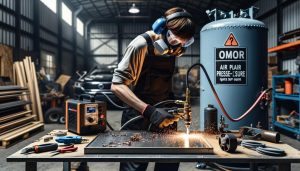
Welding stainless steel is a popular practice, known for its strength and corrosion resistance. However, many may not realize that it can release toxic substances, including harmful fumes and particulate matter that pose health risks to welders. Understanding these risks is crucial for anyone involved in the welding industry, whether you’re a seasoned professional or just starting out. This knowledge not only ensures your safety but also enhances the overall quality of your work environment. By being aware of what toxic substances are produced and how to mitigate their effects, you can take proactive measures to protect yourself and your colleagues. Dive deeper into this important topic to learn more about how to stay safe while enjoying the benefits of welding stainless steel.
What Are the Common Toxic Substances in Welding?
Welding processes, particularly those involving stainless steel, release a variety of hazardous substances that pose serious health risks to welders. The intense heat generated during welding creates fumes that are a complex mixture of metals and gases, potentially containing toxic elements like chromium, nickel, and manganese. These substances can lead to both acute and chronic health issues, making it crucial for welders to understand the specific toxicants associated with their work environment.
Upon welding stainless steel, toxic substances predominantly include chromium and nickel, both of which are significant components of stainless steel alloys. Chromium, particularly in its hexavalent form (Cr(VI)), is a known carcinogen and can cause severe respiratory problems, skin irritation, and other health issues when inhaled. Nickel exposure has also been linked to allergic reactions and lung disease. Additionally, manganese, which is often present as an alloy in many welding rods, can affect both the neurological and respiratory systems if inhaled in large quantities.
In the realm of welding practices such as MIG, TIG, and stick, the choice of filler materials and shielding gases can further influence the types of fumes generated. For example, the use of flux-cored wires can produce complex mixtures of gases along with particulate matter, resulting in a more hazardous work environment. It is essential for welders to be aware of these interactions and adjust their procedures accordingly to minimize exposure.
To mitigate the risks posed by these toxic substances, adopting proactive safety practices is paramount. This includes using appropriate personal protective equipment (PPE), such as respirators designed to filter welding fumes and particulate matter, as well as ensuring proper ventilation in the workspace. By understanding the common toxic substances released during welding, professionals can take informed steps to protect their health and maintain safe working conditions.
Understanding the Risks of Fumes in Stainless Steel Welding
Welding stainless steel is an essential process in many industries, but it comes with inherent risks, particularly concerning the fumes produced during the operation. The heat generated during welding not only facilitates the fusion of metals but also leads to the release of a complex mixture of gases and particulate matter. This amalgamation of substances can include harmful components such as chromium, nickel, and manganese, which pose serious health risks to welders working in enclosed or poorly ventilated spaces.
When engaging in processes like MIG, TIG, or stick welding, it’s crucial to recognize the specific threats. Stainless steel, commonly alloyed with chromium and nickel, can release hexavalent chromium (Cr(VI)) when heated. This form of chromium is notorious for its carcinogenic properties and can lead to severe respiratory ailments, skin irritations, and other systemic health issues. Similarly, nickel emissions can trigger allergic reactions and contribute to chronic lung conditions. Additionally, the presence of manganese in various filler materials can lead to neurological disorders if inhaled consistently over time.
Understanding Fumes and Materials
Welding techniques vary significantly in the types of fumes they generate. For example, flux-cored arc welding may produce a wider array of toxic gases compared to traditional stick welding, largely due to the additional chemicals in the flux that can vaporize during the melting process. Therefore, selecting the right filler materials and implementing adequate shielding gases is critical for minimizing exposure. Being informed about these operational nuances allows welders to adopt safer practices.
To safeguard against the health risks associated with welding fumes, proactive measures are essential. Implementing stringent safety protocols can dramatically reduce harmful exposure. These protocols should include:
- Using appropriate personal protective equipment (PPE) such as respirators specifically designed to filter out welding fumes.
- Ensuring proper ventilation in the welding area to allow toxic gases to dissipate effectively.
- Conducting regular health assessments to monitor the respiratory well-being of individuals working in high-risk environments.
By adopting informed practices and remaining vigilant about the risks associated with welding stainless steel, professionals can create safer working conditions that prioritize health and safety without compromising productivity.
How Welding Release Toxic Gases: The Science Explained
Welding stainless steel generates a cocktail of toxic gases and fumes, raising critical health concerns for welders and those nearby. The primary mechanism behind this emission stems from the elevated temperatures employed during the welding process, which causes not only the base metals to melt but also the elements within the alloys-particularly chromium and nickel-to vaporize and react chemically. This release can occur in various welding techniques, including MIG, TIG, stick, and flux-cored welding, each of which has distinct characteristics influencing the types of fumes produced.
When high heat is applied to stainless steel, particularly with the presence of carbon in the environment, complex chemical changes occur that can yield hazardous substances. For instance, chromium, especially in its hexavalent form (Cr(VI)), is released when stainless steel alloys are exposed to the intense heat of welding. Hexavalent chromium is known for being highly toxic and carcinogenic. The process is similarly concerning for nickel, which can be released during welding and is linked to respiratory issues and allergic reactions.
Another significant contributor to toxic gas release is the filler materials and the type of shielding gas used in the welding process. Flux-cored arc welding, for example, can produce a more extensive range of harmful fumes due to the flux’s complex chemical composition, which may generate additional toxic gases upon heating. Therefore, understanding the specific materials and techniques in use is crucial for strategizing effective mitigation of hazardous emissions.
To minimize these risks, welders should focus on implementing safety measures such as thorough ventilation in the workspace, tailored personal protective equipment (PPE), and awareness of the materials being used. Regular monitoring and assessment of air quality in the welding environment can further assist in safeguarding against the health risks associated with exposure to these toxic substances.
Impact of Chromium and Nickel on Respiratory Health
Welding stainless steel can pose significant respiratory health risks due to the release of toxic substances like chromium and nickel during the process. The dangers primarily stem from the formation of hexavalent chromium (Cr(VI)) when chromium is heated. This particular form is known to be a potent carcinogen, posing serious health threats to those exposed over time. Studies have shown that welders are at an increased risk for various respiratory diseases, including chronic bronchitis and asthma, attributed to prolonged inhalation of welding fumes.
Nickel, another critical component of stainless steel, can also contribute to respiratory health issues. Exposure to nickel fumes is linked to a range of allergic reactions and respiratory ailments, often resulting in symptoms such as coughing, wheezing, and reduced lung function. Certain welding methods, particularly flux-cored arc welding, can exacerbate these risks, as the process generates more complex fumes that can contain a higher concentration of hazardous particles. Furthermore, different welding environments and conditions can significantly influence the level of exposure to these toxic substances.
To mitigate these risks, it is paramount for welders to employ effective safety measures. Maintaining proper ventilation in the welding area can significantly reduce airborne toxic concentrations. Additionally, the use of appropriate personal protective equipment (PPE) such as high-quality respirators and masks designed to filter particulate matter is crucial for minimizing inhalation of harmful fumes. Regular health monitoring and awareness of symptoms related to respiratory distress should also be an integral part of a welder’s safety protocol, fostering an environment where health and safety are prioritized in the welding workspace.
In conclusion, understanding the is vital for welders. By remaining vigilant about the risks associated with these toxic substances and implementing preventive measures, welders can help ensure their long-term health and safety.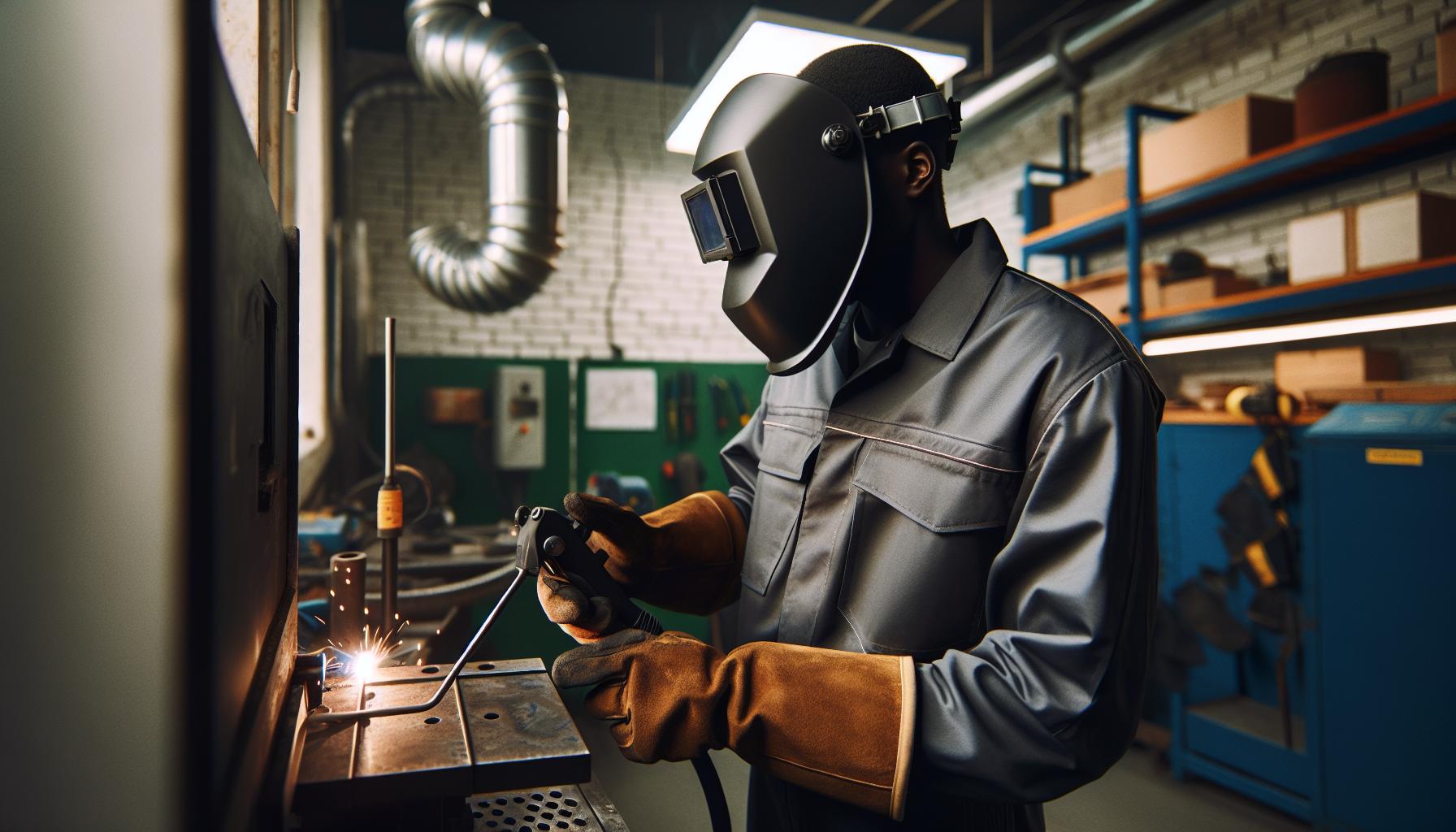
Preventive Measures: Reducing Exposure to Welding Fumes
Welding stainless steel not only produces high-strength joints but also emits harmful fumes that can severely impact health. Among these fumes, toxins such as hexavalent chromium and nickel are particularly concerning due to their potential to cause respiratory issues and other serious health conditions over time. Therefore, implementing effective preventive measures to reduce exposure to these harmful substances is essential for all welders.
One of the most crucial strategies is ventilation. Employing local exhaust ventilation systems can effectively capture and exhaust fumes away from the welder’s breathing zone before they disperse into the working environment. Positioning fume extraction arms near the welding operator can help contain the hazardous particles given off during the welding process. Additionally, ensuring adequate general ventilation by opening windows or utilizing fans will enhance airflow and decrease the overall concentration of welding fumes.
Using personal protective equipment (PPE) specifically designed for welders is another vital step. High-quality respirators that filter out harmful particles are indispensable, especially in confined spaces where ventilation options are limited. Depending on the welding process and the materials involved, selecting appropriate masks or powered air-purifying respirators (PAPRs) can further enhance protection. It’s important to ensure that all PPE fits properly and is maintained in good condition, as this directly influences its effectiveness.
Regular health monitoring is a sound practice in workplaces where welding is prevalent. Implementing routine health checks can help identify early signs of respiratory distress or other health issues associated with welding fumes. Prompt medical attention can significantly mitigate long-term health risks, making these assessments an integral part of workplace safety protocols.
Furthermore, educating welders about the materials they work with and the potential risks associated with specific welding techniques is also beneficial. Providing training sessions on the importance of hygiene and awareness of safe practices encourages welders to adopt comprehensive strategies for reducing fume exposure. By fostering a culture of safety and knowledge, both employers and employees can work together to minimize the risks associated with welding operations.
Through diligent application of these preventive measures, welders can significantly decrease their exposure to toxic substances, thereby protecting their health while maintaining productivity within their craft.
Personal Protective Equipment (PPE) for Welders
To navigate the potential hazards associated with welding stainless steel, the utilization of personal protective equipment (PPE) is indispensable. When welding materials like stainless steel, where toxic substances such as hexavalent chromium and nickel are released, appropriate PPE can serve as a critical line of defense against these harmful agents. Investing in high-quality protective gear not only enhances the welder’s safety but also contributes to long-term health preservation.
A fundamental component of PPE for welders is the respiratory protection. Given the prevalence of harmful fumes, welders should opt for respirators that are specifically designed to filter out toxic particles and gases. Conventional dust masks are insufficient; instead, respirators such as N95 masks or powered air-purifying respirators (PAPRs) can provide enhanced filtration and protection, especially in poorly ventilated environments. It’s essential that these masks fit well and are maintained rigorously to ensure effectiveness.
In addition to respiratory protection, protective clothing plays a vital role in safeguarding welders from heat and sparks. Fire-resistant jackets, gloves, and pants should be standard attire. Fabrics made from materials like leather or heavy cotton treated for flame resistance offer durability and protection against burns. Regular inspection and maintenance of welding gear are also crucial, as wear and tear can compromise their protective capabilities.
Moreover, eye protection is paramount in welding applications. The use of proper welding helmets with appropriate filter lenses protects not only against the intense light and infrared radiation emitted during the welding process but also shields the eyes from sparks and spatter. In various welding processes like MIG or TIG, consistent use of automatic darkening helmets can enhance visibility while providing necessary protection.
Lastly, hearing protection is often an overlooked aspect of welding safety. The noise produced during welding operations can lead to hearing loss over time. Using earmuffs or earplugs designed to reduce noise pollution can mitigate these risks. By equipping themselves with the right PPE, welders can significantly diminish the potential health hazards associated with their craft, particularly when working with dangerous materials like stainless steel.
Ventilation Solutions for Safe Welding Environments
Effective ventilation is critical in mitigating the exposure to toxic substances released during stainless steel welding, particularly hexavalent chromium and nickel fumes. These substances can pose serious health risks, making it essential for welders to maintain a safe working environment. Implementing proper ventilation solutions not only helps to dissipate harmful gases but also enhances the overall comfort and efficiency of welders.
One of the most effective ventilation methods is the use of local exhaust ventilation (LEV) systems. These systems work by capturing and removing fumes directly at the source, minimizing the amount of hazardous air that welders inhale. LEV systems can include fume hoods or adjustable extraction arms that can be positioned close to the welding area. Ensuring that the LEV system is appropriately designed and maintained is crucial for it to function effectively. It’s advisable to have airflow measurements taken periodically to confirm optimal performance.
In addition to LEV, general ventilation plays a vital role in creating a safe workspace. Proper air exchange rates can significantly dilute contaminants in the air. Utilizing exhaust fans in conjunction with open windows or mechanical ventilation systems can help achieve this goal. A commonly recommended strategy is to aim for at least 4 to 6 air changes per hour in the welding area to ensure sufficient ventilation is maintained. In confined spaces, incorporating portable air filtration units can also aid in removing particulate matter and improving air quality.
Natural ventilation, such as cross-ventilation, can also be beneficial in outdoor or semi-outdoor welding settings. Positioning work areas to take advantage of wind directions and open air can assist in dispersing airborne toxins. However, relying solely on natural ventilation may not provide sufficient airflow in all situations, particularly during high-volume or prolonged welding processes.
Ultimately, combining different ventilation strategies tailored to the specific welding environment and processes employed is the best approach. Regular training for welders on the importance of ventilation and their role in utilizing these systems effectively can further enhance workplace safety and reduce the risks associated with toxic exposures.
Comparing Toxicity: Stainless Steel vs. Other Metals
Welding stainless steel presents unique challenges and considerations for welders when comparing the toxicity of fumes released during different welding processes. Stainless steel is primarily made of iron, with chromium and nickel being significant alloying elements. When welded, these metals release fumes that may contain hexavalent chromium, nickel oxides, and other potentially harmful substances. In comparison, welding carbon steel primarily produces iron oxides and relatively fewer toxic elements, while welding aluminum introduces aluminum oxide and other particulates.
The presence of chromium in stainless steel welding is noteworthy. When the chromium in stainless steel is oxidized during welding, it can convert into hexavalent chromium, a potent carcinogen. This is especially concerning in processes like MIG (Metal Inert Gas) and TIG (Tungsten Inert Gas) welding, where high temperatures are employed. In contrast, aluminum welding typically releases less toxic fumes, but still poses its own risks, as aluminum fume can be harmful when inhaled.
Another significant factor is the comparison of exposure levels. Welders working with stainless steel must be particularly vigilant about their exposure, as the toxic metals can have cumulative health effects. Long-term exposure to welding fumes from stainless steel can lead to chronic respiratory issues and other health problems. To illustrate, studies show that welders exposed to high levels of hexavalent chromium can develop serious lung conditions, whereas those who mainly weld carbon steel or aluminum generally face lower risks of such severe health impacts.
Ensuring safe practices is crucial across all metal types. Implementing effective ventilation systems, using personal protective equipment (PPE), and following best practices can mitigate the risks associated with welding fumes. Welders should consider using local exhaust ventilation (LEV) systems to capture harmful fumes at the source, while ensuring that the work area has good general ventilation to dilute airborne contaminants. By understanding the specific toxicities associated with various metals, welders can better safeguard their health and maintain a safe working environment.
Regulatory Standards for Welding Safety and Air Quality
In the welding industry, adherence to regulatory standards for safety and air quality is paramount, especially when working with materials like stainless steel that release toxic substances during the welding process. Regulatory bodies such as OSHA (Occupational Safety and Health Administration) in the United States and equivalent organizations globally enforce standards to protect workers against harmful exposure to welding fumes, which can contain dangerous elements including chromium and nickel. Employers must be diligent in implementing these standards not only to comply with the law but also to ensure the health and safety of their workforce.
OSHA has established permissible exposure limits (PELs) for airborne contaminants that welders may encounter. For instance, the PEL for hexavalent chromium, which is commonly associated with stainless steel welding, is set at 5 micrograms per cubic meter of air over an 8-hour work shift. This standard reflects the serious health risks associated with prolonged exposure to this carcinogenic substance. Compliance involves continuous monitoring of air quality in welding environments and maintaining effective engineering controls to minimize fume exposure. Employers are also responsible for providing appropriate training to ensure workers understand the risks associated with welding fumes and the necessary safety protocols.
Key Measures for Compliance
To meet these regulatory requirements and promote a safe working environment, several best practices should be implemented:
- Ventilation Systems: Utilize local exhaust ventilation (LEV) systems to capture fume emissions at their source. This can significantly reduce the level of airborne contaminants in the workspace.
- Personal Protective Equipment (PPE): Provide and enforce the use of appropriate PPE, such as respirators with P100 filters specifically designed for welding applications.
- Regular Monitoring: Conduct routine air quality assessments to ensure compliance with established exposure limits. Use portable sampling devices for real-time monitoring of airborne contaminants.
- Employee Training: Implement comprehensive training programs that educate welders about the hazards associated with the materials they are working with, the proper use of PPE, and the operation of ventilation systems.
Employers should remain proactive in adapting to changes in regulations and industry standards, fostering a culture of safety that encourages employees to report unsafe conditions and practices. By prioritizing compliance with , companies not only protect their workers but also enhance productivity and morale within the workforce, creating a more sustainable and responsible welding operation.
Long-term Health Effects of Exposure to Welding Fumes
Welding, particularly with stainless steel, is an essential skill across various industries, but it comes with hidden dangers. Prolonged exposure to welding fumes can lead to a myriad of serious long-term health effects, many of which workers may not recognize until significant damage has been done. Commonly, these fumes contain toxic metals such as chromium and nickel, which have been linked to respiratory issues and other chronic health conditions that can severely impact a welder’s quality of life.
The inhalation of welding fumes can lead to several health complications, most notably lung diseases. Chronic exposure may result in conditions like pneumonitis-a form of lung inflammation-or even chronic obstructive pulmonary disease (COPD) over time. Furthermore, studies have demonstrated a clear correlation between exposure to nickel and an increased risk of developing lung cancer, particularly in those who have been regularly exposed to high concentrations of this metal in welding operations. As a welder engages in work over the years, these risks can accumulate, potentially culminating in serious health consequences that could affect personal and professional lives.
Alongside respiratory issues, long-term exposure to toxic substances in welding can lead to cardiovascular problems. Prolonged fume inhalation has been linked to issues such as hypertension and atherosclerosis, conditions that pose significant risks of heart disease. These underlying factors can often go unnoticed until they culminate in more severe health events, dramatically altering a welder’s ability to perform their job and live a fulfilling life.
To mitigate these health risks, it’s imperative for workers to implement preventive measures. This includes utilizing appropriate personal protective equipment (PPE), such as respirators specifically designed for welding, and ensuring proper ventilation in the work environment. Regular health check-ups and monitoring air quality are also crucial steps in safeguarding long-term health. By understanding the potential risks associated with welding fumes, welders can take proactive measures to protect their well-being, allowing them to continue their valuable work without compromising their health.
Best Practices for Safe Stainless Steel Welding
Engaging in stainless steel welding undoubtedly offers numerous advantages, yet the process carries inherent risks primarily associated with the release of toxic substances. To ensure safety while executing this critical skill, adherence to best practices is essential. These practices encompass proper preparation, equipment selection, and workplace safety measures, all aimed at minimizing exposure to hazardous fumes and ensuring the well-being of the welder.
One of the foremost strategies involves selecting the most appropriate welding technique. For stainless steel, methods such as TIG (Tungsten Inert Gas) welding are preferred due to their ability to minimize contamination and produce cleaner welds. However, regardless of the technique employed-be it MIG (Metal Inert Gas), stick, or flux-cored welding-it’s crucial to use high-quality filler materials. Irrespective of the method, always prioritize materials with low levels of chromium and nickel when dealing with specific applications to reduce the release of harmful fumes.
Another vital aspect focuses on workplace safety protocols, which significantly influence health outcomes during welding operations. Effective ventilation plays a critical role in preventing the accumulation of toxic fumes. Implementing local exhaust ventilation systems helps capture welding gases at the source, drastically reducing exposure levels. Moreover, maintaining an organized workspace can minimize trip hazards and distractions, enabling welders to concentrate solely on their tasks. Such practices not only enhance personal safety but also increase overall efficiency and productivity.
Regular training and awareness programs for welders should not be overlooked. Understanding the potential risks presented by toxic substances is paramount in fostering a culture of safety and awareness. Training should cover the proper use of Personal Protective Equipment (PPE), including respirators, gloves, and protective clothing designed to shield against harmful exposure. By embracing these practices, welders can significantly mitigate risks and cultivate a safer working environment, allowing them to perform their craft with confidence while safeguarding their health.
Resources for Welders on Toxic Substance Awareness
As welding becomes increasingly prevalent in various industries, awareness of the toxic substances released during the process is crucial for safeguarding health. Welders are often exposed to harmful fumes and gases that can have short- and long-term health effects, particularly when welding stainless steel. To navigate these risks effectively, access to reliable resources is essential.
Engaging with organizations such as the American Welding Society (AWS) provides welders with guidelines, training resources, and updates on safety standards specific to welding practices. They offer extensive educational materials focused on the safe handling of materials, understanding toxic emissions, and regulatory compliance. Similarly, the Occupational Safety and Health Administration (OSHA) provides regulatory guidance and best practices for workplace safety, including permissible exposure limits (PELs) for various welding fumes and gases.
Additionally, online forums and welding community websites serve as valuable platforms for sharing personal experiences, techniques, and coping strategies related to fume exposure. For example, welders can join discussions on methods to enhance ventilation systems or explore the best types of respirators suitable for specific welding environments. Moreover, manufacturers of welding equipment often publish safety data sheets (SDS) that detail the handling and risks associated with welding materials they supply. Familiarizing oneself with these resources can empower welders to make informed decisions about safety measures.
For ongoing awareness and education, workplace safety programs and regular training sessions are invaluable. These can cover the latest findings on the health impacts of welding fumes, introduce new safety technologies, or refresh the workforce’s knowledge of protective equipment. By incorporating these resources into daily practices, welders not only protect themselves but also contribute to a culture of safety that prioritizes health in all welding environments.
Q&A
Q: What toxic fumes are produced when welding stainless steel?
A: Welding stainless steel can release various toxic fumes, primarily containing chromium and nickel, which are harmful to respiratory health. These metals, when heated, form oxides and other compounds that can be inhaled, potentially leading to serious health issues. Learn more about respiratory health impacts in our article.
Q: How can I minimize exposure to toxic substances while welding stainless steel?
A: To minimize exposure to toxic fumes while welding stainless steel, use adequate ventilation, employ fume extraction systems, and always wear appropriate personal protective equipment (PPE) such as respirators and masks. Implementing safety measures significantly reduces health risks during welding operations.
Q: Why are chromium and nickel harmful when welding stainless steel?
A: Chromium and nickel are harmful because they can lead to respiratory issues and allergic reactions when inhaled. Prolonged exposure can result in conditions like metal fume fever and chronic respiratory diseases, emphasizing the need for safety measures. Explore more on preventive measures in our article.
Q: What are the health effects of inhaling welding fumes from stainless steel?
A: Inhaling fumes from stainless steel welding can cause short-term health effects like headaches and nausea, as well as long-term conditions such as lung cancer and chronic bronchitis. Due to these risks, it’s crucial to prioritize safety practices and protective measures during welding.
Q: Are there alternatives to stainless steel that are less toxic when welding?
A: Some alternatives to stainless steel that produce fewer toxic fumes when welded include aluminum and carbon steel. These metals generally emit lower levels of harmful particles, but safety precautions should still be followed to protect against other potential hazards.
Q: Where can I find regulations regarding safe welding practices?
A: Regulations regarding safe welding practices can typically be found on government safety websites, such as the Occupational Safety and Health Administration (OSHA). These resources provide guidelines for air quality standards and safety measures to protect welders from toxic exposure.
Q: What is the role of ventilation systems in protecting welders?
A: Ventilation systems play a crucial role in protecting welders by removing harmful fumes from the workplace. Effective ventilation reduces the concentration of toxic substances in the air, thereby minimizing health risks associated with welding fumes and enhancing overall safety.
Q: How does stainless steel compare to other metals in terms of toxicity during welding?
A: Stainless steel typically releases more toxic fumes, particularly chromium and nickel, compared to metals like aluminum and carbon steel. These differences are essential for welders to consider when choosing materials and implementing safety protocols to mitigate health risks.
In Retrospect
Understanding the toxic substances released during stainless steel welding is crucial for maintaining a safe working environment. By recognizing the potential hazards, such as chromium and nickel fumes, you can take necessary precautions to protect yourself and your team. Don’t wait until it’s too late; prioritize safety by exploring our guides on welding safety protocols and best practices.
For further insights into different welding techniques like MIG and TIG, or equipment reviews that enhance your welding experience, visit our resources page. Join our community by signing up for our newsletter to stay updated on the latest welding tips and industry news. Your safety and expertise matter-take the next step in your welding journey today! Don’t forget to share your thoughts in the comments below; we love hearing from our readers and fostering a knowledgeable community.