

Welding is an essential skill that plays a pivotal role in numerous industries, particularly within the Marine Corps, where precision and reliability are critical. As a marine welder, you might find yourself working on vital equipment and infrastructure, raising an important question: how much can you expect to earn in this demanding field? Understanding the financial rewards of a career in marine welding is crucial for aspiring welders looking to align their passion with a sustainable livelihood. As you navigate the complexities of various welding techniques-like MIG, TIG, and stick welding-you’ll uncover the factors that significantly impact salary, including location, experience, and specialization. Dive deeper into this article to explore the shocking salary insights that could shape your career decisions and aspirations in the world of marine welding.
How Much Do Marine Welders Earn? An Overview of Salaries
Marine welders play a vital role in the maritime industry, melding steel and aluminum to construct and repair vessels. On average, marine welders in the United States earn about $46,849 annually [1]. This figure provides a benchmark, but salaries can vary significantly based on a range of factors, including geographic location, experience level, and the specific techniques employed. For those working in shipyards, the hourly wage averages approximately $27.86, with variations between $19.71 and $51.92 per hour depending on skill and demand [2].
Additionally, welders in specialized areas, such as the U.S. Marine Corps, earn considerably less, with yearly pay around $23,119, highlighting that military and civilian roles can differ significantly in compensation structures [3]. Understanding these nuances is crucial for prospective marine welders as they navigate their careers. Investing time in advanced welding techniques, such as MIG or TIG welding, can enhance earning potential and job stability, especially in a field that is continuously evolving with new technologies and practices.
Ultimately, marine welders should remain aware of these salary benchmarks and actively seek opportunities for training and specialization to maximize their earning power and job satisfaction in a dynamic industry.
Factors Influencing Marine Welder Salaries
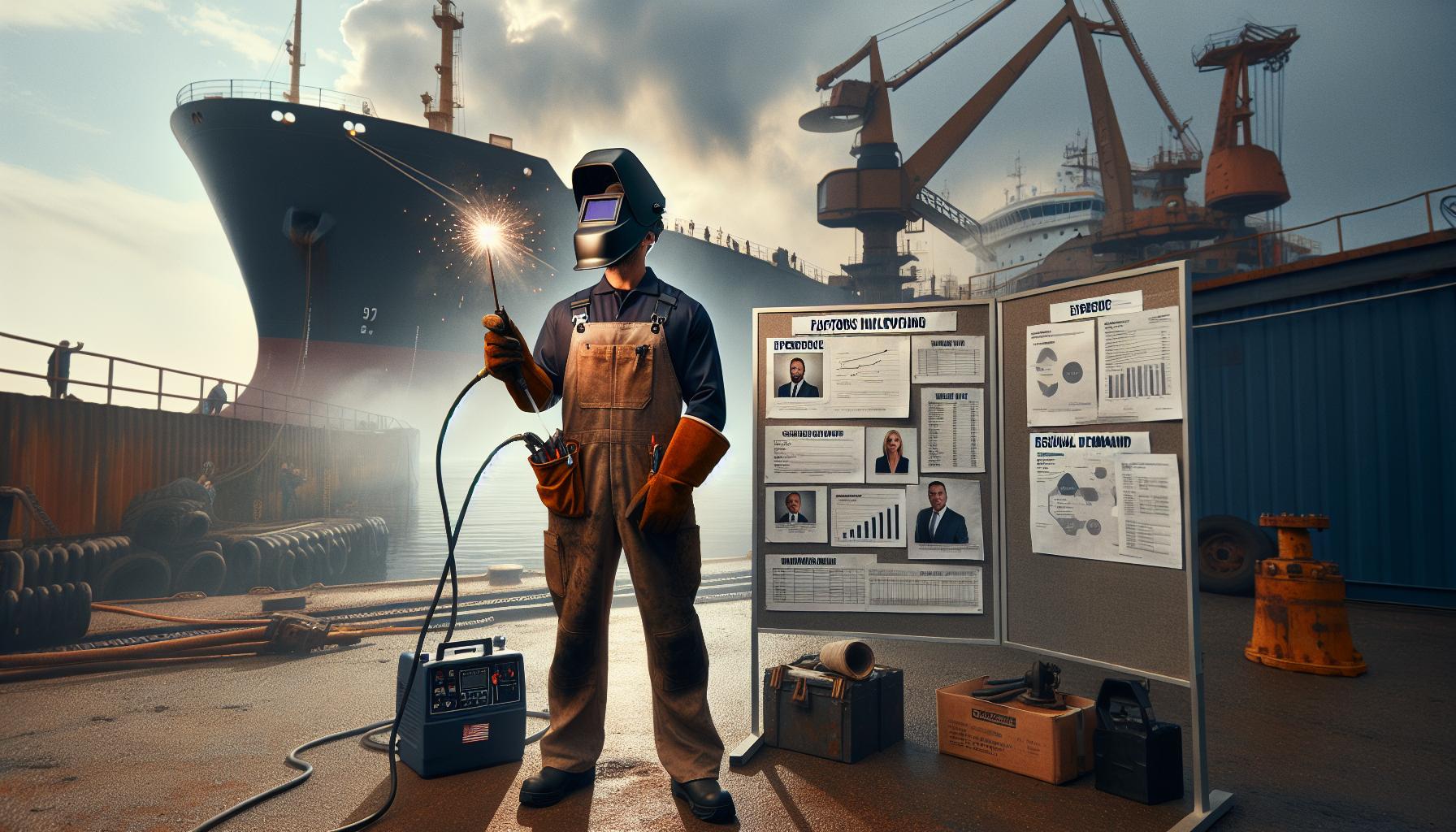
The salaries of marine welders can be influenced by a multitude of factors that shape their earning potential within a dynamic industry. One significant determinant is the level of experience. Entry-level welders typically start with lower wages but can see substantial increases as they hone their skills and gain practical work experience. For instance, those with a few years in the field often earn up to 20% more than newbies, while seasoned professionals can command salaries well above the average range, particularly if they specialize in high-demand techniques or complex projects.
Another pivotal factor is the geographical location of the job. Marine welders employed in coastal regions or near busy shipping lanes typically earn higher wages due to increased demand for shipping and repair services. Regions with booming maritime industries, such as parts of California or the Gulf Coast, may see salaries rise to attract qualified personnel. In contrast, welders working inland or in less industrialized areas may find more limited opportunities and lower pay rates.
Moreover, the specific techniques employed also play a crucial role in determining salary. Proficiency in advanced welding techniques such as MIG (Metal Inert Gas), TIG (Tungsten Inert Gas), or flux-core welding can significantly enhance a welder’s marketability and earnings. Employers often seek experts who can handle various materials like aluminum and steel, especially for marine applications where corrosion resistance and strength are critical. As a result, welders who invest in additional training and certification in specialized welding processes tend to enjoy better pay and job security.
Lastly, the industry sector in which a marine welder is employed can affect salary ranges. Welders working for shipbuilding companies, for example, might earn higher wages compared to those in smaller repair shops or related fields. Additionally, those who focus on underwater welding often command higher salaries due to the specialized skill set and risks involved in their work.
In summary, aspiring and current marine welders should consider these factors to strategically navigate their career paths, seek advanced training, and understand the geographical and industry-specific dynamics that influence their potential earnings.
Comparing Marine Welder Salaries by Experience Level
As marine welding remains a crucial element of the maritime industry, the experience level of a welder significantly impacts their earning potential. Entry-level marine welders often start with salaries on the lower end of the spectrum, typically around $23,119 annually, which positions them about 58% below the national average for welder salaries[[[2](https://www.indeed.com/cmp/U.S.-Marine-Corps/salaries/Welder)]. However, as they gain experience and refine their skills, they can see their salaries increase substantially. For instance, mid-level welders with several years of experience may earn an average income of approximately $50,000 per year or about $28.50 per hour, which can represent a considerable jump in earnings after just a few years in the field[[[3](https://www.tentacletools.com/blog/how-much-does-a-marine-welder-make)].
The correlation between experience and salary is often influenced by several factors, including the complexity of the tasks performed and the techniques used. For example, welders who specialize in advanced methods like TIG (Tungsten Inert Gas) or MIG (Metal Inert Gas) welding, especially on high-value materials like aluminum, may command higher wages. Entry-level welders typically focus on simpler tasks, which might limit their earning potential initially. However, as they become proficient in more specialized techniques and take on complex projects, they can considerably increase their incomes.
The table below outlines the estimated salaries for marine welders based on experience level:
| Experience Level | Annual Salary | Hourly Rate |
|---|---|---|
| Entry-Level (0-2 years) | $23,119 | $11.12 |
| Mid-Level (3-5 years) | $50,000 | $28.50 |
| Experienced (5+ years) | Varies significantly, often exceeding $60,000 | Varies, often exceeding $35.00 |
In summary, marine welders can look forward to salary growth as they progress through their careers. The journey from an entry-level position to a seasoned professional is marked not only by increases in earnings but also by enhanced skill sets and the ability to negotiate better compensation packages. Investing in certifications and specialized training in advanced welding techniques is a strategic way for welders to maximize their career potential and salary.
Regional Salary Variations for Marine Welders

Salary expectations for marine welders can vary significantly based on geographic location. This variation often reflects regional demand for skilled labor, cost of living adjustments, and the economic strength of the maritime industry in those areas. For instance, states with extensive maritime operations, such as California, Florida, and Texas, generally offer higher salaries to attract skilled welders required for shipbuilding and repair. In contrast, regions with fewer maritime industries may offer lower compensation rates, making location a critical factor in salary negotiations.
In certain coastal cities known for their robust maritime sectors, experienced marine welders can earn upward of $70,000 annually, particularly if they possess specialized skills in advanced welding techniques, such as TIG and MIG, or work extensively with materials like high-strength aluminum and stainless steel. Conversely, in areas where the marine industry is less prevalent, welders may find themselves relying on jobs focused on local construction or manufacturing sectors, which may offer lower pay and fewer opportunities for advancement.
Regional Salary Insights
Regions known for high demand typically also face a shortage of skilled tradespeople, allowing experienced marine welders to command premium rates. For example:
- California: Coastal cities like San Diego frequently require welders for shipyards, often offering salaries averaging around $62,000 to $75,000.
- Florida: With its bustling shipping ports, welders can earn between $55,000 and $70,000 depending on experience and specialization.
- Texas: Areas like Galveston experience steady demand, with salaries typically ranging from $50,000 to $65,000.
- Midwest Regions: While inland states may offer lower salaries, welders can still find competitive pay in specialized sectors like heavy equipment manufacturing, averaging around $45,000 to $55,000.
Understanding these regional variances is crucial for welders when considering relocation or entering the field. Being aware of local industry needs and the associated salary scales can empower welders to make informed career choices and advocate for fair compensation based on their skills and experience.
Top Industries Hiring Marine Welders

The demand for marine welders remains robust, particularly in industries that rely heavily on the construction, repair, and maintenance of vessels and marine structures. From shipbuilding companies to oil and gas operations, a diverse array of sectors actively seeks skilled welders who can work with various materials and techniques.
One of the is shipbuilding and repair. Major shipyards often look for welders proficient in MIG (Metal Inert Gas) and TIG (Tungsten Inert Gas) welding to assemble and repair components of commercial vessels, cargo ships, and military boats. These positions typically offer competitive salaries, especially for those skilled in working with high-strength steel and aluminum, which are common materials in shipbuilding.
Another significant sector is the offshore oil and gas industry. Welders in this field are responsible for constructing and maintaining platforms, rig components, and pipelines. The work can be both physically demanding and highly lucrative, often involving specialized welding techniques such as underwater welding or flux-cored arc welding, which are essential for ensuring the integrity and durability of submerged structures.
Additionally, the marine manufacturing industry encompasses a range of smaller boat manufacturers and custom builders. Organizations in this segment require skilled welders to join aluminum and fiberglass components, presenting opportunities for those skilled in specialized welding techniques. The aesthetic and structural quality of these boats heavily relies on the expertise of welders, making their role critical in ensuring both safety and performance.
The fishing and aquaculture sectors also represent a growing field for marine welders, as modern fishing vessels and aquaculture facilities increasingly require sophisticated construction and repair services. The integration of new technologies and materials into these vessels provides additional job opportunities, as welders must adapt to newer methods and materials used in marine designs.
In summary, the landscape for marine welding is diverse, spanning various industries from traditional shipbuilding to cutting-edge offshore operations. Job seekers with the right skills, certifications, and an adaptive mindset will find a wealth of opportunities, contributing significantly to the economic vitality of the maritime industry.
Salary Breakdown by Welding Technique
Welders working in marine settings utilize various welding techniques, each contributing uniquely to their salary potential. Depending on the specific welding method employed, salaries can vary significantly due to the complexity and specialization required in different applications. Understanding the financial implications of these techniques allows marine welders to tailor their skills effectively and make informed career decisions.
MIG and TIG Welding
Metal Inert Gas (MIG) welding and Tungsten Inert Gas (TIG) welding are among the most common techniques in marine applications. MIG welding is particularly favored for its speed and efficiency, making it ideal for high-production environments, such as shipbuilding. Welders experienced in MIG can expect salaries ranging from $25 to $35 per hour, depending on the complexity of the projects. On the other hand, TIG welding, which is recognized for producing high-quality welds on thin materials like aluminum and stainless steel, generally commands higher wages. Skilled TIG welders can earn upwards of $30 to $50 per hour, reflecting the precision and finesse required for such work.
Stick and Flux-Cored Arc Welding
Stick welding, or Shielded Metal Arc Welding (SMAW), is often used for heavy-duty tasks, such as fabricating and repairing large marine components. While it may not offer as high an hourly wage compared to MIG and TIG, it is valued in environments where portability and adaptability are crucial, especially during field repairs on vessels. Hourly wages for stick welders typically range from $20 to $30. Conversely, Flux-Cored Arc Welding (FCAW) provides added flexibility and speed, common in ship maintenance and construction tasks. Welders skilled in FCAW can earn similar rates to those performing MIG welding, with salaries often falling between $25 and $40 per hour.
Underwater and Specialized Welding
For those venturing into underwater welding, the stakes-and the pay-are considerably higher. Underwater welders, who combine diving skills with welding expertise, frequently find themselves earning from $50,000 to $90,000 annually, influenced by the hazardous nature of their work and the specialized training required. Furthermore, certifications such as the American Welding Society (AWS) qualifications can enhance earning potential across all welding techniques, as these credentials are crucial in establishing credibility and expertise within the field.
The diversity of welding techniques in marine applications not only affects immediate salary expectations but also shapes long-term career prospects. Aspiring welders should consider the demand for their specific skill set and the potential for advancement when choosing their specialization. Balancing lucrative opportunities with required certifications and safety protocols will ultimately lead to a rewarding career in marine welding.
Marine Welder Salary vs. Other Welding Professions

Marine welding offers a unique intersection of specialized skills and lucrative salaries compared to other welding professions. With the marine industry continuously evolving, demand for skilled welders in this field remains robust, often surpassing that of many land-based welding roles. For instance, while inland welders can expect to earn an average salary of around $46,849 annually, those engaged in marine welding, particularly offshore, can see averages climbing to approximately $82,759[[[2]].
One of the major distinctions lies in the unique challenges and skills required for marine welding, such as working in difficult environments, dealing with stringent safety protocols, and utilizing advanced welding techniques like Metal Inert Gas (MIG) and Tungsten Inert Gas (TIG) welding. These specialized techniques not only require additional training but also contribute to higher pay grades. Experienced MIG and TIG welders in marine settings often make between $25 to $50 per hour, reflective of their critical role in shipbuilding and repair[[[1]].
Additionally, underwater welding stands out as one of the highest-paying niches within the field, with welders in this area earning upwards of $60,000 to over $200,000 annually, depending on experience and the complexity of projects[[[1]]. The hazardous nature of underwater work necessitates specialized training and certifications, further enhancing earning potential. For many, this combination of challenges and rewards makes marine welding a particularly attractive career pathway compared to traditional welding jobs.
Furthermore, the need for marine welders is often driven by industries such as oil and gas, shipbuilding, and naval defense, which consistently require high levels of expertise and competence. This ongoing demand translates directly into salary stability and potential upward mobility within the profession. As marine welders diversify their skills across multiple techniques and obtain necessary certifications, they position themselves for both higher salaries and long-term career success.
Job Outlook and Demand for Marine Welders
The demand for marine welders is on the rise, driven by the ongoing developments within industries such as shipbuilding, oil and gas, and naval defense. As these sectors expand and modernize, the need for qualified personnel who can tackle the unique challenges presented by marine environments becomes increasingly crucial. With innovative ships being built and existing fleets requiring maintenance, marine welders play a vital role. The complexity of this work, which often involves welding under challenging conditions and adhering to stringent safety protocols, contributes to the upward trend in employment opportunities.
Employers value specialized skills in various welding techniques, such as MIG, TIG, and stick welding, often resulting in competitive salaries. These techniques are necessary for working with different materials, including steel and aluminum, in high-stakes environments, such as offshore platforms or shipyards. Additionally, the niche field of underwater welding, which requires further certification and training, offers some of the highest salary potentials within the marine welding realm, with earnings ranging significantly based on experience and project complexities.
Furthermore, as the construction of environmentally sustainable vessels and advanced maritime technologies increases, marine welders who adapt and acquire new skills will find themselves at a competitive advantage. Investing time in obtaining relevant certifications and developing expertise in emerging welding technologies not only enhances employability but can also lead to better job security and advancement opportunities. As industries evolve and the importance of maintaining maritime infrastructures grows, the outlook for marine welders remains robust, promising a stable and rewarding career path for those willing to commit to ongoing learning and specialization.
Essential Skills and Certifications for Higher Pay
Marine welding is a specialized field that not only requires technical proficiency but also an array of essential skills and certifications to secure higher wages and job satisfaction. With the marine industry evolving to include new materials and advanced technologies, welders who enhance their skill sets are often rewarded with better pay opportunities. For instance, familiarity with various welding techniques such as MIG, TIG, stick, and flux core welding can significantly influence a welder’s employability and salary.
To thrive in this demanding environment, marine welders should focus on developing a comprehensive skill set that includes the ability to work with diverse materials like aluminum and steel, both common in shipbuilding and repair. Certifications in specialized techniques, such as underwater welding or cutting-edge welding methods, are highly regarded. For example, obtaining a commercial diving certification can position welders for high-paying underwater jobs, often elevating their earnings into the six-figure range, especially with experience.
Valuable Certifications
Several certifications can enhance a marine welder’s prospects:
- Certified Welder (CW): An essential credential that demonstrates foundational welding skills.
- Certified Welding Inspector (CWI): Provides advanced knowledge of inspection and quality assurance.
- Underwater Welder Certification: Necessary for those looking to enter underwater welding roles.
- Dive Training Certifications: Important for safety and competency in marine environments.
Securing these certifications not only establishes credibility but shows potential employers a commitment to safety and quality in welding practices. Safety protocols are paramount in welding, especially in the marine sector, where individuals must navigate hazardous conditions while achieving flawless welds. Welders are encouraged to stay current with safety regulations and best practices through ongoing education and training.
In summary, investing in both technical skills and safety certifications will not only enhance job prospects but will also contribute to achieving a higher salary in the marine welding field. As industries adapt to new demands, those who proactively seek to expand their skill set will stand out in an increasingly competitive job market.
Navigating Career Advancement in Marine Welding
In an industry where precision and expertise are crucial, navigating the path to career advancement in marine welding can be both rewarding and challenging. With an increasing demand for skilled marine welders, professionals have numerous opportunities to enhance their careers and earn higher wages. One compelling strategy for advancement is to stay abreast of the latest welding techniques and technologies. Mastery of methods such as MIG, TIG, stick, and flux core welding not only improves craftsmanship but also increases employability. Each technique presents unique advantages; for instance, TIG welding is known for its superior finish on thin materials like aluminum, while MIG welding offers speed and efficiency for thicker sections.
Acquiring valuable certifications is another essential step on the career ladder. Credentials such as the Certified Welder (CW) or Certified Welding Inspector (CWI) not only validate skills but also enhance job prospects significantly. For those aiming for specialized roles like underwater welding, pursuing an Underwater Welder Certification can lead to lucrative opportunities, as these positions are often scarce yet in high demand. Additionally, staying engaged with welding organizations and participating in workshops can provide networking opportunities that are invaluable for professional growth.
Continuous education and skill enhancement are paramount in this field. Many marine welders benefit from enrolling in online courses or attending trade schools, which can further develop expertise in cutting-edge welding technologies and safety protocols. Welding safety cannot be overstated; maintaining a focus on safe practices not only safeguards personal well-being but can also be a key factor during job evaluations and promotions. By actively pursuing knowledge and skill development, welders can demonstrate their commitment to excellence, positioning themselves as indispensable assets in their organizations.
Ultimately, career advancement in marine welding hinges on a proactive approach to personal and professional development. By combining technical skills with industry knowledge and certifications, welders can navigate their careers with confidence, paving the way for higher earnings and enriching job experiences in this dynamic field.
Investing in Welding Equipment: A Salary Perspective
Investing in high-quality welding equipment is not merely a financial transaction; it is a strategic move that can significantly impact a marine welder’s income potential and job satisfaction. With the average hourly wage for marine welders hovering around $27.86, and annual salaries varying widely based on skill level and specialization, having reliable and efficient tools can enhance productivity, reduce downtime, and lead to more lucrative job opportunities.
When considering equipment purchases, welders should focus on technologies that align with the most common welding techniques employed in marine settings, such as MIG, TIG, stick, and flux core. Each method requires specific machinery and consumables tailored to the materials commonly used in marine applications, primarily aluminum and steel. For instance, investing in a versatile MIG welder can facilitate quick and efficient welding on thicker plates encountered in shipbuilding, while a top-tier TIG welder may be necessary for detailed work on thin aluminum, offering superior control and finish.
Essential Equipment to Consider
A well-rounded arsenal should include:
- MIG Welder: Optimal for speed and adaptability with thicker materials.
- TIG Welder: Necessary for precision tasks and working with thin sheets.
- Stick Welder: Useful for heavy-duty applications and in outdoor settings.
- Protective Gear: High-quality helmets, gloves, and clothing to ensure safety.
- Additional Tools: Grinders, clamps, and measuring devices for improved workflow.
In the long haul, selecting durable, high-performance equipment ensures not only quality workmanship but also minimizes repair costs and interruptions during projects. Further, many employers look favorably upon welders who invest in their own gear, viewing this as a sign of professionalism and dedication to the trade.
The cost of tools should be balanced against potential pay increases that can arise from enhancing skillsets and expanding service offerings through equipment versatility. For example, an underwater welder with specialized tools can command significantly higher rates than an underground welder who lacks such capabilities. Thus, investing wisely in equipment can not only lead to immediate job success but also secure future opportunities in a competitive industry.
Understanding Benefits and Perks in Marine Welding Jobs
In the field of marine welding, the benefits and perks associated with this profession extend far beyond annual salaries. With a focus on safety, skill development, and job satisfaction, marine welders can enjoy a myriad of advantages that enhance both their professional and personal lives. Many employers in the marine industry offer extensive benefits packages, which may include health insurance, retirement plans, and paid time off, making it an attractive career choice not just for the paycheck but also for overall job security.
Moreover, marine welders often have access to ongoing training and certification programs, enabling them to stay up-to-date with the latest technologies and welding techniques such as MIG, TIG, and stick welding. This continuous education is crucial in the ever-evolving landscape of marine projects that demand specialized skills for working with materials like aluminum and steel. In addition to enhancing their expertise, these certifications can lead to higher wages and better job opportunities.
Another significant perk is the potential for overtime pay, which is common in marine welding jobs due to project deadlines and the nature of construction and repair work. Depending on the region and the company, welders may also benefit from travel opportunities, as many projects occur in diverse locations, adding excitement and variety to their work routine. Those who thrive on adventure and new experiences often find this aspect of marine welding particularly appealing.
Lastly, safety protocols are paramount in this profession, and employers typically provide comprehensive training on safety measures, along with equipment that meets the highest standards. This emphasis on a safe working environment not only protects the welder but also fosters a culture of responsibility and care, which can lead to greater job satisfaction. In summary, marine welding not only promises competitive pay but also a range of benefits that make it a fulfilling and secure career path.
Faq
Q: What is the average salary range for marine welders?
A: The average salary range for marine welders typically falls between $40,000 and $70,000 per year, depending on factors such as experience, location, and the specific industries they work in.
Q: What skills are essential for increasing a marine welder’s salary?
A: Essential skills for marine welders include proficiency in welding techniques (MIG, TIG, flux core), strong blueprint reading abilities, and knowledge of safety protocols. Obtaining certifications can also enhance earning potential.
Q: Which industries offer the highest salaries for marine welders?
A: Industries such as shipbuilding, offshore oil and gas, and military applications generally offer the highest salaries for marine welders due to the specialized skills and safety requirements involved.
Q: How does location affect marine welder salaries?
A: Location significantly affects marine welder salaries, with coastal regions and cities with major shipyards often offering higher wages due to increased demand and cost of living.
Q: What are the job prospects for marine welders in the coming years?
A: Job prospects for marine welders are generally positive, with increasing demand driven by growth in maritime industries and the need for repair and maintenance of aging vessels.
Q: What certifications are valuable for marine welders?
A: Valuable certifications for marine welders include the American Welding Society (AWS) certifications, specialized courses in underwater welding, and safety training certifications like OSHA to improve job opportunities and salary potential.
Q: What is the difference between marine welders and other types of welders?
A: Marine welders specialize in repairing and constructing marine vessels, often working with different materials and techniques, whereas other welders may focus on buildings or industrial machinery, affecting their pay and required skills.
Q: How can marine welders improve their salary prospects?
A: Marine welders can improve their salary prospects by gaining additional certifications, acquiring specialized skills in advanced welding techniques, and seeking opportunities for continuing education in the latest welding technologies.
Wrapping Up
As we’ve uncovered the surprising salary of a marine welder, it’s clear that this career offers rewarding financial prospects alongside the chance to work with a variety of materials and techniques, from MIG and TIG welding to working with steel and aluminum. If you’re considering diving deeper into the welding field, don’t miss out on our comprehensive guides on safety protocols and essential welding equipment reviews, which can set you up for success in this dynamic industry.
Ready to take the next step? Sign up for our newsletter to receive exclusive insights and tips tailored for both aspiring and seasoned welders. Join the conversation in the comments below-what are your questions about a marine welder’s career? Enhance your knowledge and skills today, and stay connected for future content that not only sharpens your craft but also elevates your career in welding.


