

Did you know that skilled welders can earn upwards of $50,000 per year, with opportunities for growth in various industries? As technology evolves, the demand for proficient welders continues to rise, making now the perfect time to start your welding career. Whether you’re aiming for a role in automotive fabrication, aerospace, or construction, this guide will provide you with essential insights on how to break into the field. By understanding different welding techniques-such as MIG, TIG, and stick welding-you’ll be better equipped to choose the right path for your interests and goals. Safety, technical skills, and equipment knowledge are vital components you’ll need to master on your journey. Read on to discover the practical steps you can take to embark on a rewarding welding career today.
How Welding Skills Can Transform Your Career

The world of welding offers not just a practical skill, but a transformative career opportunity for individuals ready to make a mark. With the ability to work in various industries such as construction, manufacturing, and automotive, skilled welders are in high demand. A career in welding can lead to significant financial rewards, with many welders earning starting salaries of around $50,000, which can increase with experience and specialization.
Acquiring welding skills opens pathways to numerous career advancements. For instance, once a welder gains proficiency in fundamental techniques like MIG, TIG, and Stick welding, they can explore specialized areas such as underwater welding, which commands high wages due to its demanding nature. Furthermore, as a welder gains experience, they may take on supervisory roles or open their own welding businesses, further enhancing their earning potential. Diversifying skill sets by learning multiple techniques not only increases job opportunities but also makes welders valuable assets to any employer.
To help individuals navigate this career journey successfully, effective training programs are prevalent. Many community colleges and vocational schools offer comprehensive welding programs that include hands-on experience and certifications. These programs not only teach essential techniques but also integrate safety protocols that are critical in this field. Welding professionals are urged to maintain a robust portfolio of their work, showcasing their skills to potential employers or clients. By documenting key projects, welders effectively communicate their proficiency and versatility, making them more appealing in a competitive job market.
In summary, welding is more than just a trade; it’s a diverse and lucrative career path. The ability to transform raw materials into functional and artistic creations through welding not only fosters creativity but also provides concrete job security and growth potential in today’s evolving industrial landscape.
Understanding MIG, TIG, and Stick Welding
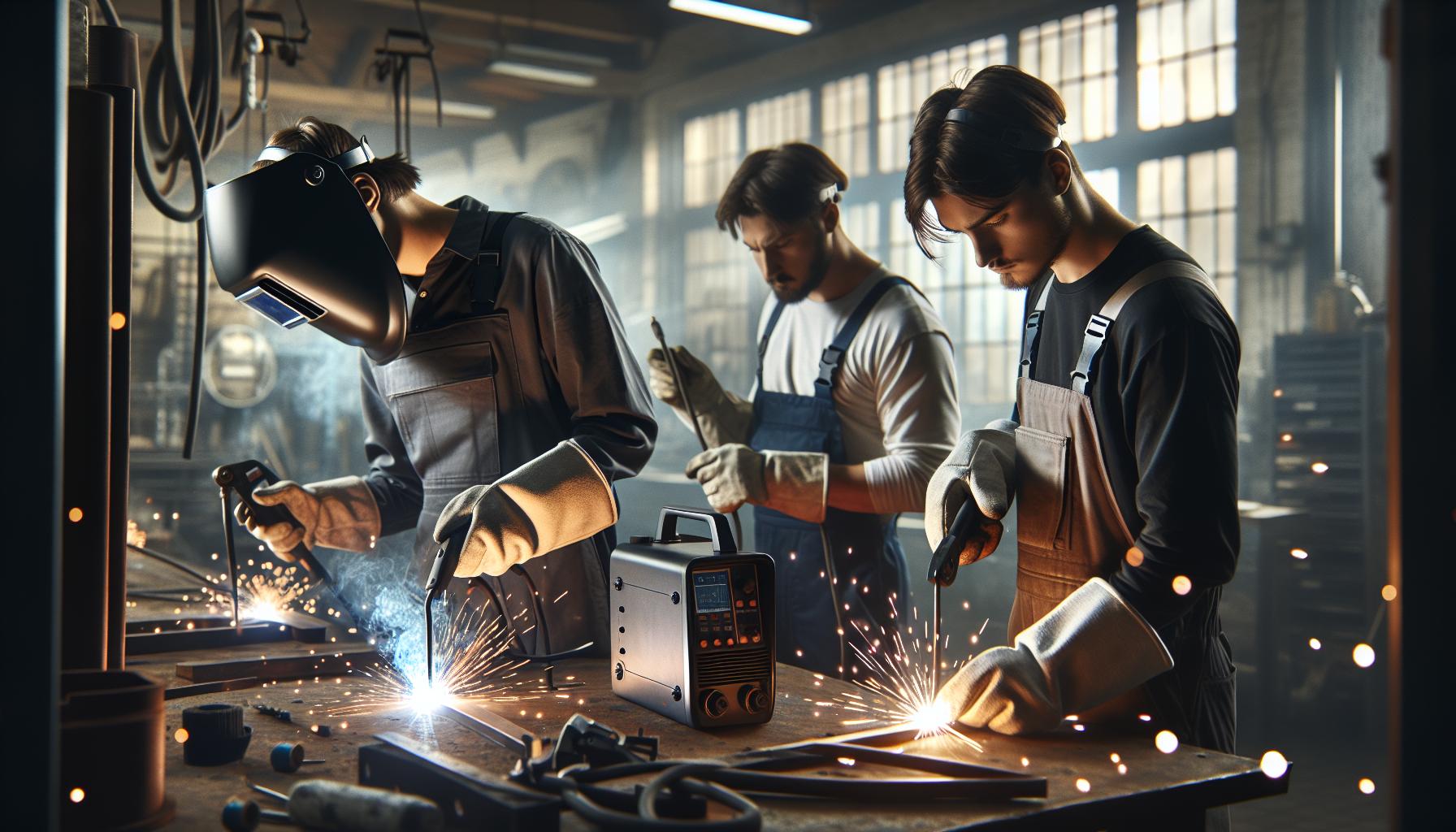
Welding is an intricate skill that forms the backbone of modern industry, providing essential solutions across a variety of sectors. Among the most widely used welding techniques are MIG (Metal Inert Gas), TIG (Tungsten Inert Gas), and Stick welding, each offering unique advantages suitable for different applications. Understanding these methods is crucial for any aspiring welder, as it lays the groundwork for a successful career and enhances versatility in the workplace.
MIG Welding
MIG welding, known for its speed and ease of use, is often the first choice for beginners and is extensively used in fabrication shops. This process utilizes a continuously fed wire electrode and an inert gas, typically argon or a mix of argon and carbon dioxide, to shield the weld pool from contamination. The primary benefits of MIG welding are its simplicity and the ability to weld a variety of materials, including steel, aluminum, and stainless steel. Additionally, MIG welding offers a cleaner process with fewer slag issues, which significantly reduces the time required for post-weld cleaning. However, while it’s great for thin materials and projects with higher production rates, MIG welding may not be ideal for thicker metals or outdoor work due to wind interference with the shielding gas.
TIG Welding
Conversely, TIG welding is known for its precision and the high-quality welds it produces. It employs a non-consumable tungsten electrode and requires a separate filler rod. As a versatile process, TIG welding excels in producing welds on a wide range of materials, including intricate projects on thin gauged metals like aluminum and magnesium. The ability to control the heat input and use of diverse filler rods allows welders to create aesthetically pleasing and strong welds, making it a preferred method in aerospace and automotive applications. However, TIG welding demands a higher skill level and is more time-consuming compared to MIG, which may pose challenges for beginners.
Stick Welding
Stick welding, or Shielded Metal Arc Welding (SMAW), remains a popular choice for outdoor welding due to its versatility and portability. This method utilizes a consumable electrode covered in a flux that generates a shielding gas and slag when it melts, protecting the weld pool from contamination. Stick welding is particularly effective for thicker materials and in challenging conditions, making it a staple in construction and maintenance work. While it may require more cleanup due to slag and often results in a rougher appearance than MIG or TIG, its ease of use and the ability to weld in various positions and environments make it a valuable skill for any welder.
As you embark on your welding journey, mastering these three techniques not only enhances your employability but also equips you with the tools to tackle diverse projects effectively. Whether you’re pursuing a career in construction, repair, or manufacturing, each welding method opens doors to specialized opportunities, reinforcing the notion that versatility in welding can translate into professional growth and greater earnings potential.
Choosing the Right Materials: Aluminum vs. Steel
Choosing the appropriate material for a welding project can significantly impact the quality, durability, and feasibility of the end product. Aluminum and steel are two of the most commonly used materials in welding, each presenting its own set of characteristics, benefits, and challenges to consider.
Aluminum is favored for its lightweight and corrosion-resistant properties, making it ideal for applications like automotive and aerospace components where weight reduction is crucial. It can be welded using various techniques, including MIG and TIG welding, but requires proper preparation due to its oxide layer, which can hinder weld quality. When welding aluminum, managing heat is vital since it has a low melting point and high thermal conductivity; improper heat settings can lead to burn-through or warping.
On the other hand, steel is known for its strength and versatility, being used extensively in construction, manufacturing, and fabrication industries. Steel components can be welded using MIG, TIG, or stick welding. When choosing between mild steel and stainless steel, it’s essential to consider their different properties: mild steel is more pliable and easier to work with, while stainless steel provides superior corrosion resistance. The choice of steel type can also dictate the welding technique and filler materials required.
Ultimately, the decision between aluminum and steel should be guided by factors such as the project’s structural requirements, environmental conditions, and specific applications. Understanding these materials’ properties will not only enhance your welding capabilities but can significantly influence your career trajectory as a welder, positioning you for diverse and lucrative opportunities across various industries.
A Comprehensive Guide to Welding Equipment
Investing in the right welding equipment is crucial for anyone looking to embark on a successful welding career. The tools you choose not only affect the quality of your work but also your efficiency and safety on the job. Whether you’re a beginner or a seasoned professional, understanding the essential equipment used in various welding techniques like MIG, TIG, stick, and flux core is vital.
Essential Welding Equipment
At the heart of any welding operation is the welding machine itself. The type of welder you choose will depend on the materials you plan to work with and the welding technique you’ll use:
- MIG Welders: These are often favored for their ease of use and versatility, making them suitable for projects involving mild steel, aluminum, and stainless steel. MIG welding utilizes a continuous wire feed and is ideal for beginners due to its forgiving nature.
- TIG Welders: Known for producing high-quality, precise welds, TIG welding requires more skill and control. This technique is perfect for thinner materials and allows the use of various filler metals, including aluminum and stainless steel.
- Stick Welders: Stick welding is a robust and portable option that works well in various environments. It’s particularly beneficial for outdoor welding or in windy conditions, as it can effectively weld thicker materials.
- Flux-Cored Welders: These are similar to MIG welders but use a hollow wire filled with flux. This technique is suitable for outdoor and harsh environments and is excellent for thicker materials.
Safety Gear
A welder’s safety gear is just as important as the welding machine. Investing in quality safety equipment can considerably reduce the risk of accidents:
- Welding Helmet: A high-quality helmet that offers auto-darkening features will protect your eyes from intense light and UV radiation.
- Welding Gloves: Insulated gloves should be durable yet flexible enough to provide dexterity while handling welding rods or wire.
- Protective Clothing: Wearing flame-resistant jackets, pants, and boots can shield you from sparks and spatter.
- Respiratory Protection: Depending on your work environment, a respiratory mask may be necessary to filter out harmful fumes.
Additional Tools and Accessories
Beyond the welding machine, several other tools can enhance your capabilities:
- Welding Table: A sturdy welding table provides a flat surface to stabilize your workpieces and can withstand high heat.
- Clamps and Holders: These are critical for securing pieces while welding, ensuring precision and safety.
- Welding Rods/Wire: Ensuring you have the right type of filler material for your welding process is essential for achieving strong joints.
- Inspection Tools: Equipment like calipers and micrometers can be helpful in checking the quality and dimensions of your welds.
Making informed choices about your welding equipment enhances your skills and can help you stand out in the job market. As you progress in your welding career, remaining updated on the latest technologies and equipment trends will further bolster your expertise and opportunity for advancement.
Safety First: Essential Protocols Every Welder Must Know
Welding is an essential skill that carries inherent risks, making it crucial for every welder to prioritize safety. A single lapse in judgment can lead to serious injuries, including burns, eye damage, and electrical shocks. Understanding and adhering to basic safety protocols can safeguard both the welder and those working nearby. From wearing the right personal protective equipment (PPE) to being aware of your environment, safety should never take a backseat.
To begin with, appropriate PPE is the foundation of welding safety. Every welder should invest in a high-quality welding helmet equipped with auto-darkening features to protect the eyes from harmful UV light and intense glare. Welding gloves made from durable, heat-resistant materials ensure protection from sparks and hot metal, while allowing enough dexterity for precision work. Additionally, flame-resistant clothing is essential to shield against spatter and burns, and sturdy, closed-toe boots add extra protection against heavy items that may fall.
Beyond personal gear, ensuring a safe work environment is equally important. Before starting a job, always inspect your workspace for potential hazards. Clear any flammable materials away from the welding area, as sparks can easily ignite them, leading to fires. Ensure proper ventilation to avoid the buildup of harmful fumes, especially in confined spaces. When using gas for cutting or welding, follow strict protocols for gas cylinder storage and handling to prevent leaks or explosions.
Furthermore, welders should be well-versed in the specific safety protocols for the type of welding they’re practicing. For instance, when using MIG or TIG techniques, ensure that electrical connections are secure and that equipment is properly maintained. Stick welding, while robust, requires proper grounding to prevent electrical shock. Regularly review safety data sheets (SDS) for any materials and substances you’ll be using to understand their potential hazards thoroughly.
In summary, a commitment to safety involves a multi-faceted approach that includes wearing appropriate PPE, maintaining a safe workspace, and being knowledgeable about specific welding techniques and their associated risks. By prioritizing safety, welders can not only protect themselves but also enhance their overall efficiency and effectiveness on the job.
Building a Welding Portfolio: Key Projects to Showcase
Building a strong welding portfolio is a critical step for aspiring welders to showcase their skills and stand out in a competitive job market. A well-documented portfolio not only demonstrates your technical abilities but also reflects your creativity, problem-solving skills, and attention to detail. When compiling your portfolio, it’s essential to highlight a diverse range of projects that illustrate your proficiency in various welding techniques and materials.
Key Projects to Include
An effective welding portfolio should encompass a variety of projects, showcasing different welding methods such as MIG, TIG, and stick welding. Here are some key project ideas to consider:
- Structural Fabrications: Include examples of structural components you’ve welded, such as beams, frames, or supports. Highlight the complexity and scale of these projects to emphasize your engineering capabilities.
- Artistic Creations: If you have experience in decorative welding or metal art, showcase sculptures or artistic pieces. This not only demonstrates technical skill but also your creative side and ability to think outside the box.
- Repair Work: Document any repair or maintenance projects you’ve undertaken. Include before-and-after photos to illustrate your skill in restoring items, which can be particularly important for industries like automotive and construction.
- Specialty Projects: Highlight any projects that required unique material handling, such as aluminum or stainless steel fittings. This can signal to potential employers your versatility and willingness to tackle challenging assignments.
Documentation and Presentation
For each project, ensure you provide detailed descriptions that include the welding process used, the materials involved, and any challenges faced during execution. Photographs are crucial-high-quality images that capture the process and the final product will enhance your portfolio’s visual appeal. Organize your portfolio neatly, either in digital or physical format, emphasizing clarity and professionalism.
Continuous Improvement
Lastly, keep your portfolio up to date with new skills and projects as you gain more experience. Employers appreciate a portfolio that reflects ongoing development and adaptation to new technologies and methods in the welding field. Participate in workshops or courses to learn new techniques and incorporate these advanced skills into your projects, showcasing your growth and commitment to your welding career.
By carefully curating a diverse range of projects and maintaining a professional presentation, your welding portfolio can significantly enhance your prospects in the job market, illustrating not just your ability to weld, but your passion for the trade and your commitment to personal growth.
How to Find Welding Apprenticeships and Training
A welding apprenticeship can be your gateway to a rewarding career, offering valuable hands-on experience while allowing you to earn a paycheck. The demand for skilled welders continues to grow, making now an excellent time to pursue training. There are several pathways to finding a welding apprenticeship, whether through local unions, vocational schools, or community colleges offering welding programs.
To get started, consider reaching out to trade schools and community colleges in your area that provide welding courses. Many of these institutions have partnerships with local businesses and can help connect you with apprenticeship opportunities. Moreover, actively engage with trade unions or professional organizations such as the American Welding Society (AWS), which often list apprenticeship openings and provide resources for aspiring welders.
Networking can also be a powerful tool in finding opportunities. Attend industry trade shows, workshops, and community events to meet current welders and employers. They can offer insights into the apprenticeship process and may even open doors for you. In addition, many companies are increasingly offering pre-apprenticeship programs designed for beginners, providing foundational skills that can make you a more competitive candidate when applying for formal apprenticeship positions.
While applying for apprenticeships, prepare to demonstrate your passion for welding. Having a solid understanding of essential welding techniques-such as MIG, TIG, and stick welding-is vital, along with knowledge of safe working practices and the ability to select appropriate materials like aluminum and steel for different projects. Highlighting any related coursework or certifications, such as basic welding safety training, can set you apart in the selection process. Remember, persistence is key; the right opportunity may take time to find, but the reward of starting a career with a solid foundation in welding is well worth the effort.
Navigating the Certification Process: Your Path to Success
Navigating the certification process in welding can seem daunting, but it is essential in establishing your credibility and enhancing your employability in this competitive field. Acquiring the necessary certifications demonstrates your proficiency and commitment to safety and quality in welding practices. The journey typically begins with identifying the certifications relevant to your career goals, whether you aim to work in construction, manufacturing, or specialized fabrication.
Widely recognized certifications include those offered by the American Welding Society (AWS) and the National Center for Construction Education and Research (NCCER). These organizations provide various programs tailored to different welding techniques, such as MIG, TIG, and stick welding. To achieve certification, aspiring welders usually need to complete a combination of theoretical coursework and practical exams that assess their skills in real-world scenarios. It’s common for the process to involve:
- Completion of a training program: Enroll in a welding training course at a community college or trade school, where you’ll learn fundamental principles, safety protocols, and specific techniques.
- Hands-on experience: Practical training is crucial. Seek internships or entry-level positions to gain exposure to various welding environments and techniques.
- Passing the certification exam: After completing the necessary training and gaining experience, you can register for and take the certification exam, which often includes both written and hands-on sections.
Upon passing the examination, you will receive a certification that signifies your competence in the specific welding techniques you studied. However, it’s important to note that certifications may need renewal every few years, necessitating ongoing education and skills demonstration to stay current with advances in welding technology and practices.
Preparing for these tests not only enriches your knowledge but also builds confidence in your abilities. Many training programs offer practice exams and study materials to help candidates succeed. Networking with other welders and joining professional organizations can also provide support, resources, and insights that enhance your understanding and preparation for certification. Through diligence and commitment to this process, you can pave your way toward a successful welding career, equipped with the credentials that employers seek.
Exploring Welding Careers: Industries and Job Opportunities
Many industries depend heavily on skilled welders, making this field ripe with opportunity for those looking to establish a rewarding career. With the demand for skilled labor steadily increasing, entering the welding profession can lead to job satisfaction, solid pay, and career advancement options. Welders are essential in various sectors, including construction, manufacturing, automotive, aerospace, and shipbuilding, each offering unique roles and specialties.
In construction and manufacturing, welders often work with heavy machinery and structural components, ensuring the integrity of buildings and infrastructure. The automotive industry relies on welders for fabrication processes, where TIG (Tungsten Inert Gas) and MIG (Metal Inert Gas) welding techniques are particularly valued for their precision and efficiency. Aerospace and shipbuilding present further specialized opportunities where welding is critical to safety and performance standards, demanding even higher levels of skill and certification.
Job Opportunities and Career Paths
Welding careers can be categorized into various roles depending on skill level, specialization, and sector. Entry-level positions such as general welders or apprentices often transition into more specialized roles such as certified welding inspectors, welding engineers, and fabricators. Some welders choose to diversify their skill set by mastering multiple techniques such as flux-cored arc welding (FCAW) or stick welding (SMAW), broadening their job prospects.
Here are some common job opportunities available in the welding sector:
- Fabricator: Specializes in the assembly and production of metal parts, using various welding techniques.
- Welding Engineer: Focuses on the design and implementation of welding procedures, optimizing processes for efficiency.
- Welding Inspector: Ensures that welding standards and codes are met, often requiring significant experience and certification.
- Maintenance Welder: Conducts repair and maintenance on machinery and structural components to keep operations running smoothly.
Finding the right opportunities often involves leveraging local job resources and networking within the welding community. Websites like JobsInWelding.com offer updated job listings while professional organizations, such as the American Welding Society (AWS), provide networking platforms and resources tailored to welding professionals. Seizing these opportunities can set the stage for a successful career in welding, with the potential for earnings exceeding $50,000 annually as skills and experience grow.
Tips for Advancing Your Welding Career
Advancing in the welding profession is not just about honing your technical skills; it also involves strategic planning and continuous learning. To truly elevate your career, consider embracing new welding technologies, such as automation and robotics, which are becoming increasingly relevant in various industries. Staying updated with these advancements can make you a more desirable candidate, particularly in fields where efficiency and precision are paramount.
Networking remains a critical element of career growth. Engage with professional organizations like the American Welding Society (AWS), which offer resources, certifications, and networking opportunities to connect you with peers and industry leaders. Attending industry conferences, workshops, and local welding forums can provide insights into emerging trends and job openings, or even lead to mentorship opportunities. A mentor’s guidance can be invaluable, helping you navigate challenges and make informed decisions about your career trajectory.
To further distinguish yourself from peers, consider pursuing relevant certifications. Credentials such as a Certified Welding Inspector (CWI) or Certified Welding Educator (CWE) not only enhance your resume but also demonstrate a commitment to professional development. Investing time in mastering diverse welding techniques-like MIG, TIG, and Stick welding-can increase your versatility and appeal to employers in various sectors, including construction, aerospace, and automotive.
Lastly, practical experience should never be underestimated. Building a strong portfolio showcasing your best work can be instrumental when applying for new positions. Include a variety of projects that demonstrate your range of skills, from intricate repairs to large-scale fabrications. This tangible evidence of your capabilities not only reinforces your qualifications but also provides discussion points during interviews, illustrating your problem-solving abilities and creativity in approach.
Sustainable Welding Practices for the Modern Welder
In today’s welding industry, embracing sustainable practices is not simply a trend but a vital component of responsible craftsmanship. Welders are increasingly expected to minimize their environmental impact while maintaining high-quality work. This shift towards sustainability can be achieved through a combination of thoughtful techniques, innovative materials, and equipment choices that benefit both the environment and the welder’s career.
Adopting energy-efficient tools and methods can significantly reduce the carbon footprint of welding projects. Utilizing equipment that consumes less electricity while delivering the same power output is essential. For instance, switching to inverter-based welding machines can offer substantial energy savings compared to traditional transformer-based units. Additionally, implementing advanced processes like laser welding can enhance precision, reducing waste and the need for rework, ultimately conserving resources.
Selecting materials wisely also plays a crucial role in sustainable welding practices. When working with metals like aluminum, which is highly recyclable, welders can help decrease the demand for virgin materials and lower environmental impact. Choosing to source materials from suppliers that prioritize sustainability can further amplify these benefits. Moreover, integrating eco-friendly fillers and consumables, such as those with lower emissions during production and use, exemplifies a commitment to sustainability in welding.
Safety Protocols and Waste Management
Safety should always remain a top priority, particularly when integrating sustainable practices. Proper ventilation and protective equipment are essential to mitigate exposure to harmful fumes and particulates, which can arise from various welding processes. Implementing rigorous waste management strategies, such as recycling scrap metal and properly disposing of hazardous materials, not only complies with regulations but also contributes to a greener industry.
Incorporating these sustainable practices not only enhances a welder’s reputation as a conscientious professional but can lead to new opportunities in industries increasingly focused on environmental responsibility. As businesses seek to align with sustainable development goals, welders with expertise in these practices will be positioned favorably in the job market, potentially leading to higher wages and job security. By adopting sustainable practices in welding, professionals can forge a path toward a more responsible and prosperous future in their careers.
Frequently asked questions
Q: How much does a beginner welder make?
A: A beginner welder typically earns between $30,000 to $50,000 annually, depending on location and industry. Entry-level positions may offer lower initial wages, but as skills and experience grow, earnings can rise rapidly. Consider exploring apprenticeships to increase earning potential quickly.
Q: What certifications do I need to become a welder?
A: To become a welder, obtaining certifications such as AWS Certified Welder or those specific to MIG, TIG, or Stick welding is essential. These certifications demonstrate your skills and can enhance job prospects significantly. Look for local programs or community colleges that offer certification courses.
Q: Is welding a good career choice in 2025?
A: Yes, welding remains a strong career choice in 2025, with ongoing demand across industries such as construction, manufacturing, and automotive. Skilled welders can enjoy competitive salaries and job stability, making it an appealing field for those entering the workforce.
Q: What is the best way to find welding apprenticeships?
A: The best way to find welding apprenticeships is through local trade schools, community colleges, or union programs. Online job boards and industry-specific websites can also list opportunities. Engage directly with local businesses to inquire about openings and build industry connections.
Q: What tools do I need to start welding?
A: Basic welding tools for beginners include a welding machine (MIG, TIG, or stick), protective gear (welding helmet, gloves, and jacket), and hand tools such as clamping equipment and grinders. Acquiring essential tools step-by-step can help you manage costs effectively while gaining skills.
Q: How long does it take to learn welding?
A: It typically takes 6 months to 2 years to learn welding, depending on the training program and your commitment level. Intensive courses can accelerate learning, particularly if you practice regularly and engage in hands-on experiences to refine your skills.
Q: How do I improve my welding skills quickly?
A: To improve welding skills quickly, practice regularly with diverse projects and materials. Seek feedback from experienced welders and consider enrolling in advanced courses to learn new techniques. A well-curated portfolio of projects can help refine skills while showcasing your growth.
Q: What industries employ welders?
A: Welders are employed in various industries, including construction, automotive, aerospace, and fabrication. Each sector requires specific skills and techniques, so exploring different industries can help you find your niche and maximize career opportunities.
To Wrap It Up
Embarking on a welding career can open the door to a lucrative $50K income and an array of opportunities in various industries. As you progress from mastering techniques like MIG and TIG welding to understanding essential safety protocols and equipment reviews, remember that every welder starts with a single step. Don’t wait-take action today by exploring local community colleges or welding schools that can provide the foundational training you need.
For those eager to dive deeper, consider checking out our articles on advanced welding techniques, equipment comparisons, and safety best practices. These resources will further enhance your skills and knowledge in this field. By starting your journey now, you position yourself at the forefront of a rewarding industry. Join our community-share your thoughts below, sign up for our newsletter, and stay updated with the latest in welding trends and techniques. Your future as a skilled welder is bright; seize it today!


